

P0521 on 2007-2014 GMC Acadia: Oil Pressure Sensor Faults and Fixes
On a 2007-2014 GMC Acadia, code P0521 is most often caused by a faulty engine oil pressure sensor or its small, clogged filter screen. The sensor is located in a tight spot near the oil filter housing, making replacement a moderately difficult DIY job requiring a special 1-1/16" oil pressure switch socket. Expect parts to cost between $30 and $90. Ignoring this code is risky as it could mask a true low oil pressure condition, leading to severe engine damage.
- P0521 on a GMC Acadia means the oil pressure sensor's reading is out of the expected range; it's not a direct confirmation of low oil pressure.
- Before any repair, immediately check the engine oil level. Do not drive the vehicle if the oil pressure warning is active.
- The most common fix is to replace both the oil pressure sensor and the small filter screen located underneath it.
- It is critical to verify the engine's actual oil pressure with a mechanical gauge before replacing parts to rule out a serious internal engine problem.
- Use the manufacturer-specified full synthetic Dexos oil and a high-quality oil filter to prevent sludge buildup that can cause this code.
What's Unique About the 2007-2014 Gmc ACADIA
The 3.6L V6 engine (LLT) used in the first-generation GMC Acadia and its GM Lambda platform mates is known for having oil pressure-related issues. The P0521 code is a very common complaint. A frequent point of failure is not just the sensor itself, but a small, thimble-sized filter screen located in the engine block directly underneath the sensor. This screen is prone to clogging with sludge, often from extended oil change intervals, which restricts oil flow to the sensor and causes false low-pressure readings. The sensor's location on the front of the engine, tucked into the oil filter adapter housing, also makes it a tight and sometimes frustrating part to replace, often requiring removal of the oil filter for access.
🎬 Watch: This walkthrough shows how to access and replace the sensor.Diagnostic Flowchart
Tap your situation to follow the diagnostic path that matches what you're seeing on this vehicle.
Symptoms You May Notice
- Check Engine Light is on.
- "Low Oil Pressure, Stop Engine" message on the driver information center.
- Oil pressure gauge reading erratically, jumping from low to high, or pegged at maximum.
- Oil pressure gauge reading zero or very low, even when the engine sounds normal.
- Engine making unusual noises like ticking or knocking (indicates a true low pressure problem).
- Visible oil leak from the sensor area, which is located near the oil filter housing.
- Replacing the oil pump when the actual cause is a simple clogged sensor screen or a faulty sensor.
- Replacing the sensor without also replacing the clogged filter screen underneath it, leading to the code returning shortly after. 🎬 Watch: Two simple DIY methods to fix the P0521 code.
- Assuming the engine is failing when the issue is simply a bad sensor giving a false reading of zero pressure.
Most Likely Causes
- Faulty Engine Oil Pressure Sensor 🔴 High Probability The sensor is a common failure item on many GM vehicles of this era. Over time, they can fail electronically or develop leaks. Using non-OEM sensors can sometimes lead to the code returning.
How to confirm: After verifying the actual oil pressure is good with a mechanical gauge, if the scan tool reading from the sensor is incorrect or erratic, the sensor is faulty.
Typical fix: Replace the engine oil pressure sensor. This requires a special 1-1/16" deep well or oil pressure sensor socket.
Est. part cost: $30-$90 - Clogged Oil Pressure Sensor Filter Screen 🔴 High Probability The 3.6L engine has a small mesh filter under the sensor that is notorious for getting clogged with engine sludge and debris, causing a false low reading. This is a primary cause of P0521 on this platform.
How to confirm: The screen is only accessible when the oil pressure sensor is removed. If it's clogged with debris, it's a likely cause. It should be replaced as a rule when the sensor is changed.
Typical fix: Remove and, ideally, replace the filter screen when replacing the sensor. Some technicians clean it, but replacement is recommended.
Est. part cost: $5-$15 - Low Engine Oil Level or Poor Oil Quality 🟡 Medium Probability Some 3.6L engines can consume oil between changes. Extended oil change intervals or using the incorrect oil viscosity (GM recommends full synthetic Dexos-approved oil) can lead to low levels or sludge formation, which directly causes the screen to clog.
How to confirm: Check the engine oil dipstick for level and inspect the oil's condition. If it's low, black, or sludgy, this is the first step.
Typical fix: Perform an oil and filter change using the manufacturer-specified oil and a quality filter. Top up oil if low.
Est. part cost: $50-$100 - Incorrect or Clogged Oil Filter ⚪ Low Probability Using a low-quality oil filter or one with an incorrect bypass valve specification can cause oil pressure deviations. There are owner reports of the P0521 code being resolved simply by switching to a high-quality ACDelco or specified aftermarket filter.
How to confirm: This is often discovered after an oil change if a non-OEM or incorrect filter was used. Replacing a suspect filter with a new, quality one (like ACDelco PF48E) can sometimes resolve the issue.
Typical fix: Replace the oil filter with a high-quality OEM or equivalent filter (e.g., ACDelco PF48E was specified for many similar GM engines).
Est. part cost: $10-$20
Rare But Worth Checking
- Failing Oil Pump: If a mechanical gauge confirms that oil pressure is genuinely low across all RPMs and other causes are ruled out, the oil pump may be failing. This is a major mechanical repair.
- Worn Internal Engine Components: On high-mileage engines, worn main or camshaft bearings can cause excessive clearance, leading to a true loss of oil pressure. This would be confirmed by a low reading on a mechanical gauge and often accompanied by engine knocking noises.
- Wiring or Connector Issue: The wiring harness to the sensor can become damaged from heat or oil contamination, causing a short or open circuit. A visual inspection of the connector and wiring is necessary. The connector is a 3-pin flat style.
Diagnosis Steps
- Immediately check the engine oil level and condition using the dipstick. If the level is low, top it off and see if the light and code clear. If the oil is very dirty, perform an oil and filter change with the correct grade oil and a quality filter.
- If the oil level is correct, connect an OBD-II scanner to confirm the P0521 code and check the live data for the oil pressure reading from the sensor. Note the reading at idle and with the engine at 2000-3000 RPM.
- CRITICAL STEP: Connect a mechanical oil pressure gauge to the engine. The sensor is located on the oil filter housing adapter. You will need to remove the sensor to attach the gauge.
- Start the engine and compare the mechanical gauge reading to the manufacturer's specifications. A healthy engine should have around 25-30 PSI at hot idle, and pressure should rise with RPM.
- If mechanical pressure is GOOD but the scan tool reading is low/erratic, the problem is the oil pressure sensor, its filter screen, or the wiring.
- If mechanical pressure is LOW, you have a serious mechanical issue. Do not run the engine. Investigate causes like a clogged oil pump pickup tube, failing oil pump, or worn engine bearings.
- If the sensor is the suspected cause, remove it using a 1-1/16" (27mm) oil pressure sensor socket. Inspect and replace the small filter screen located in the port underneath the sensor. Install the new sensor, clear the codes, and test drive.
Parts You'll Likely Need
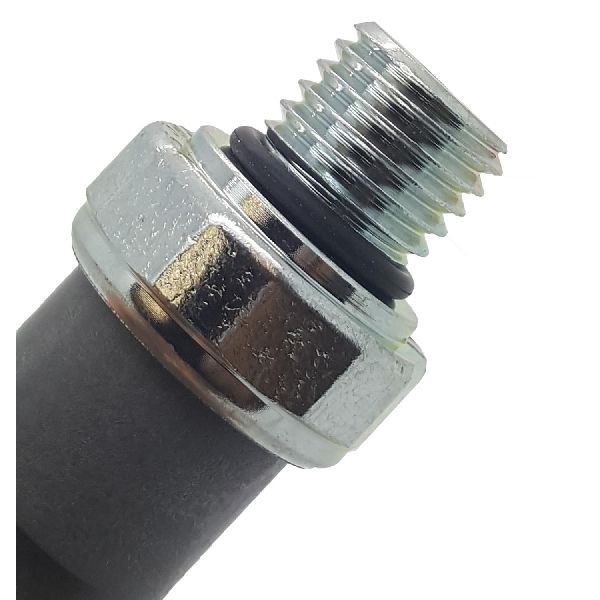
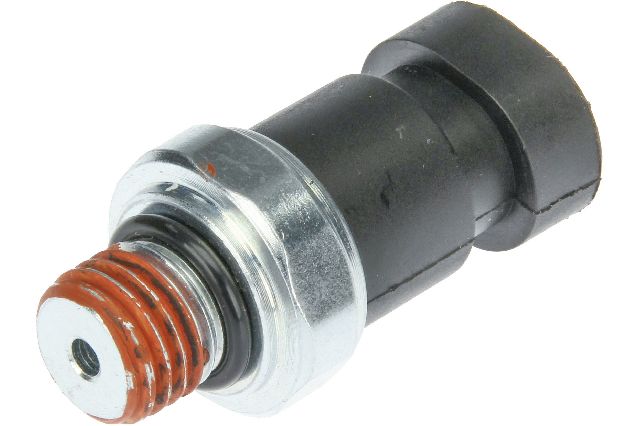
- Engine Oil Pressure Sensor (Switch)
(OEM #12674782)— This is the most common part to fail, either electronically or by leaking, causing the P0521 code.
Trusted brands: ACDelco, Standard Motor Products, Delphi
OEM price range: $70-$90
Aftermarket price range: $25-$75 - Engine Oil Pressure Sensor Filter Screen
(OEM #12585328)— This small screen is located under the sensor and is notorious for clogging with sludge, which causes false readings. It should always be replaced along with the sensor.
Trusted brands: ACDelco, Dorman
OEM price range: $5-$15
Aftermarket price range: $5-$10 - Oil Pressure Sensor Socket — A special tool is required to remove and install the sensor due to its shape and tight location. A 1-1/16" (or 27mm) oil pressure switch socket is needed.
Trusted brands: Lisle, OEMTools
OEM price range: $10-$20
Aftermarket price range: $10-$20
Related Codes That Often Appear With This One
- P0522 — This code indicates 'Engine Oil Pressure Sensor/Switch Circuit Low Voltage,' which can appear alongside P0521 if there's a wiring issue or the sensor fails in a specific way.
- P0523 — This code indicates 'Engine Oil Pressure Sensor/Switch Circuit High Voltage,' another related sensor circuit fault that can occur with P0521, often causing the gauge to be pegged at maximum.
- P0017, P0018, etc. — Camshaft position correlation codes can sometimes be triggered by oil pressure problems, as the camshaft phasers on the 3.6L V6 are hydraulically operated by engine oil pressure.
Technical Service Bulletins (TSBs) & Recalls
- PIP4786C: Low Oil Pressure Message/Light - Instructs technicians to inspect for a restricted oil filter screen before replacing other components when scan tool data shows low pressure but a mechanical gauge reads normal.
Platform-Specific Known Issues
- A Technical Service Bulletin (TSB), #PIP4786C, was issued for the 2007-2014 GMC Acadia, noting that a P0521 code may accompany a low oil pressure message and directs technicians to follow standard diagnostic procedures.
Mechanic-Grade Diagnostic Values
- Mechanical Oil Pressure (Hot Idle) — expected: 25-30 PSI. Failure: Pressure significantly below 20-25 PSI indicates a mechanical issue, not a sensor fault.
- Mechanical Oil Pressure (Minimum Spec) — expected: Minimum of 24 PSI at 1,000 RPM (engine warm). Failure: Pressure below this GM specification confirms a true low-pressure condition.
- Scan Tool Oil Pressure (Key On, Engine Off) — expected: 0 PSI / 0 kPa. Failure: Any reading above 0 PSI, especially a high fixed value like 129.9 PSI, confirms an electrical or sensor fault.
- Sensor Resistance (Multimeter Test) — expected: Approximately 240 Ω at 0 PSI, 103 Ω at 40 PSI, 33.5 Ω at 80 PSI.. Failure: An open circuit (infinite resistance) or short (zero resistance) indicates a failed sensor.
- Sensor Connector Voltage (Pin Test) — expected: Gray Wire: 5V Reference; Black Wire: Good ground (0V); Tan/White Wire: Signal voltage that varies with pressure.. Failure: Missing 5V reference or ground indicates a wiring or ECM issue. A fixed signal voltage points to a bad sensor.
Wiring & Ground Locations
- B37 Engine Oil Pressure Sensor — On the front of the engine block, screwed into the oil filter adapter housing.. This is the component that generates the signal for the P0521 code. Its location is tight, making access difficult.
- Sensor Connector (3-wire) — Plugs directly into the oil pressure sensor.. This connector is a common point of failure due to heat and oil contamination. The three pins are 5V Reference (Gray wire), Low Reference/Ground (Black wire), and Signal (Tan/White wire).
- ECM Connector X1, Pin 50 — The gray connector on the Engine Control Module (ECM).. The signal from the oil pressure sensor (Tan/White wire) terminates at this pin. A continuity test between the sensor connector and this pin can verify the integrity of the signal wire.
Real Owner Repair Stories
- Reddit user in r/ChevyTrucks (Chevy Truck with similar GM engine) — P0521 code kept returning after replacing the oil pressure sensor.
❌ Tried (didn't work) Replacing the oil pressure sensor once., Noting the sensor screen was already missing.
✅ What actually fixed it For one user in the thread, the final fix was changing to a Mobil 1 M1-113A oil filter. Another user suggested that using a non-ACDelco (aftermarket) sensor was the cause of their repeat code, and switching to the OEM part fixed it.
"I Checked Everything" — The Actual Cause
- In cases where a new sensor and screen are installed and the mechanical oil pressure is confirmed to be good, but the P0521 code persists, the root cause has been reported to be the brand of oil filter used. Switching to a high-quality OEM (ACDelco) or equivalent filter can resolve the issue, as their internal bypass valve specifications may differ from generic filters.
When the Usual Fixes Don't Work
- While replacing the oil pressure sensor and the screen underneath it is the most common fix, it is not always successful. There are documented cases where the P0521 code returned even after these parts were replaced. In one such instance, the problem was only resolved after switching from an aftermarket oil filter to a specific high-quality filter (Mobil 1 M1-113A). In another, the fix required replacing a new aftermarket sensor with a genuine OEM ACDelco sensor. This indicates that for some vehicles, the system is highly sensitive to the specific characteristics of both the oil filter and the sensor itself.
OEM Part Supersession History
12570798, 12621649, 12621659→12674782— GM regularly updates service parts to integrate new materials and technologies for improved reliability.
Heads up: Using the older part numbers is not recommended as they have been replaced by the current, more robust version.N/A→12585328— This is the current and long-standing part number for the filter screen.
Model Year Variations Within This Range
- 2007-2008: These early models typically used the 3.6L LY7 engine, which features multi-port fuel injection.
- 2009-2014: These later models used the updated 3.6L LLT engine, which features direct injection. While the P0521 failure mode (sensor and screen) is the same, direct injection engines can be more sensitive to fuel dilution of the oil and sludge from extended oil change intervals.
Helpful Videos
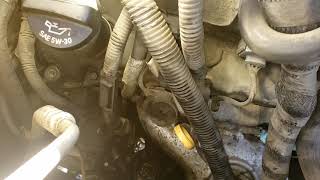
![How to Fix P0521 Engine Code in 4 Minutes [2 DIY Methods / Only $6.87]](https://img.youtube.com/vi/W9EL9QHCDMo/mqdefault.jpg)

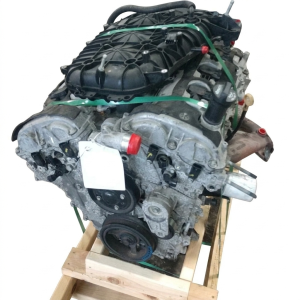
Used OEM Parts in Stock
New Aftermarket Parts Available


The information in this article is provided for general reference and educational purposes only. Vehicle specifications, procedures, and part compatibility can vary by production date, trim level, and region. Always consult your vehicle's factory service manual and verify part numbers before purchasing or performing repairs. Safety-critical components such as airbags, seat belts, and braking systems should be installed by a qualified professional.
- Gmc ACADIA:
- 🎬 Helpful Videos
- 🛍️ Shop This Part
- What's Unique About the 2007-2014 Gmc ACADIA
- Diagnostic Flowchart
- Symptoms You May Notice
- Most Likely Causes
- Rare But Worth Checking
- Diagnosis Steps
- Parts You'll Likely Need
- Related Codes That Often Appear With This One
- Technical Service Bulletins (TSBs) & Recalls
- Platform-Specific Known Issues
- Mechanic-Grade Diagnostic Values
- Wiring & Ground Locations
- Real Owner Repair Stories
- "I Checked Everything" — The Actual Cause
- When the Usual Fixes Don't Work
- OEM Part Supersession History
- Model Year Variations Within This Range
- 🎟️ Get 5% Off