

P0521 on 2007-2013 Cadillac Escalade EXT: Oil Pressure Sensor Causes and Fixes
P0521 on a Cadillac Escalade EXT most often points to a faulty engine oil pressure sensor or its small filter screen located underneath. Using the wrong oil filter (non-ACDelco PF48E) after an oil change is another very common trigger. Replacing the sensor and screen is a common fix, though the sensor's location at the rear of the engine makes it a labor-intensive job.
- Do not drive the vehicle with code P0521, as it could signal a true low oil pressure condition that can destroy the engine.
- The most likely culprits are a faulty oil pressure sensor and its small, inexpensive filter screen located underneath it. Always replace both at the same time.
- If the code appeared right after an oil change, the wrong type of oil filter is a strong possibility. Ensure an ACDelco PF48E filter is used.
- Always verify actual oil pressure with a mechanical gauge before assuming the problem is just a sensor. This will differentiate a simple fix from a major engine problem.
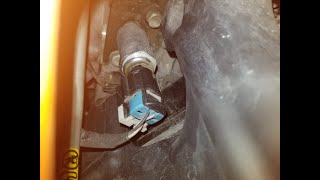
What's Unique About the 2007-2013 Cadillac ESCALADE EXT 🎬 Watch this step-by-step sensor replacement on a 2013 Escalade.

On these GM V8 engines (Gen IV), the P0521 code is notoriously common. A key reason is the design and placement of the oil pressure sensor and a small, thimble-sized filter screen directly beneath it. This screen is prone to clogging with sludge or debris, which starves the sensor of an accurate reading, leading to false low-pressure warnings and the P0521 code. Additionally, as highlighted in multiple GM Technical Service Bulletins, these engines are sensitive to the type of oil filter used, with non-specified filters sometimes causing pressure reading issues, especially after an oil change.
Diagnostic Flowchart
Tap your situation to follow the diagnostic path that matches what you're seeing on this vehicle.
Symptoms You May Notice
- Check Engine Light is on.
- "Low Oil Pressure - Stop Engine" message on the driver information center.
- Oil pressure gauge reading erratically, jumping from zero to max (80 psi), or stuck at either extreme.
- Engine making unusual ticking or clattering noises, indicating a potential lack of lubrication.
- Engine stalling.
- Replacing the oil pump before confirming actual low oil pressure with a mechanical gauge.
- Replacing the entire instrument cluster due to an erratic gauge, when the fault lies with the sensor.
- Replacing the sensor but failing to replace the clogged filter screen underneath it, leading to a quick return of the code.
Most Likely Causes

- Faulty Engine Oil Pressure Sensor 🔴 High Probability The sensor is a known high-failure item on this GM engine platform, with thousands of confirmed repairs. It is located in a hard-to-reach area at the back of the engine, under the cowl, where it is exposed to high heat cycles which can lead to internal failure and shorting.
How to confirm: With the engine off and key on, the gauge should read zero. If it reads high (e.g., 80 psi), disconnect the sensor; if the gauge then drops to zero, the sensor is internally shorted and faulty. The definitive test is to compare the sensor's reading on a scan tool to a reading from a mechanical oil pressure gauge connected to the engine. If the readings differ significantly, the sensor is bad.
Typical fix: Replace the engine oil pressure sensor. This is a labor-intensive job due to its location behind the intake manifold. Many owners and technicians perform this repair without removing the intake manifold by using a special socket, wobble extensions, and patience.
Est. part cost: $40-$80 - Clogged Oil Pressure Sensor Filter Screen 🔴 High Probability A small filter screen is located in the oil passage directly under the sensor. It is designed to protect the sensor but often becomes clogged with engine sludge or debris, blocking oil flow and causing a false low-pressure reading. This is a well-documented issue, mentioned specifically in GM TSB PIP4786C.
How to confirm: The screen can only be inspected upon removal of the oil pressure sensor. It is often found filled with dark, gritty material.
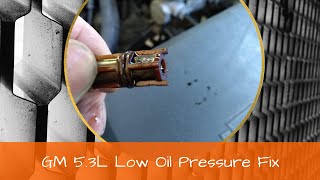
Typical fix: Remove the old screen with a pick and install a new one whenever the oil pressure sensor is replaced. 🎬 Watch this guide on removing the sensor and the filter screen. It is a very inexpensive part and considered mandatory to replace at the same time. Some mechanics choose to leave it out, but replacement is the recommended procedure.
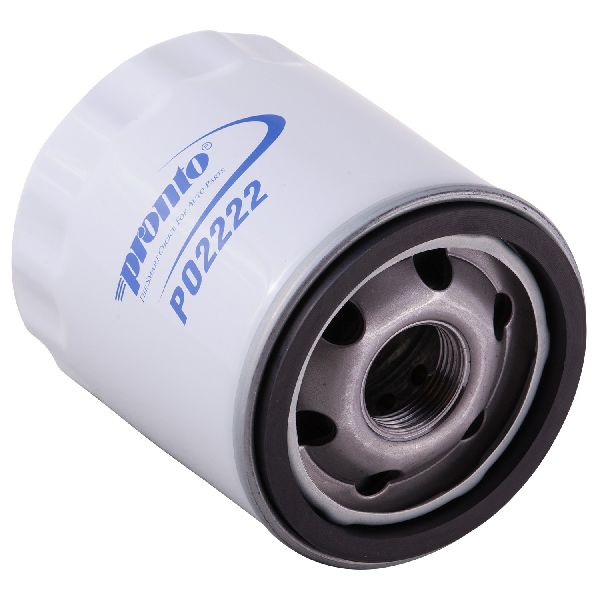
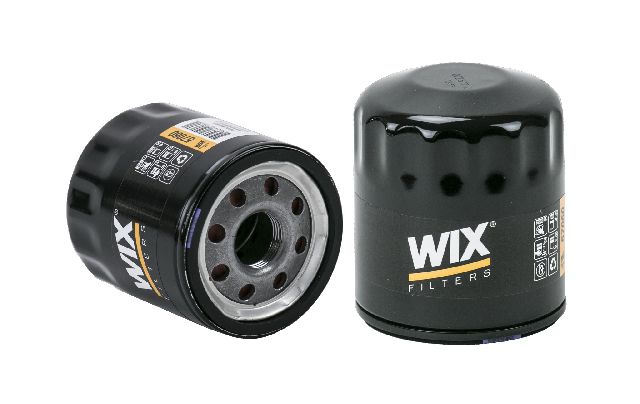
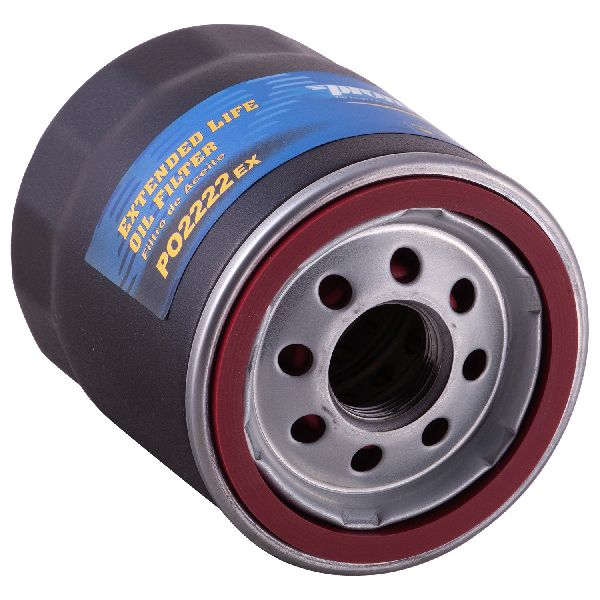
Est. part cost: $5-$15 - Incorrect or Failed Oil Filter 🟡 Medium Probability As noted in TSBs like PIP5276F and its revisions, these engines can be sensitive to oil filters. Using a non-OEM or incorrect filter can lead to pressure discrepancies, especially after an oil change. The bulletin specifically recommends using an ACDelco PF48E type filter. In some persistent cases of P0521, GM even recommends upgrading to the UPF48R filter, which has a more robust construction.
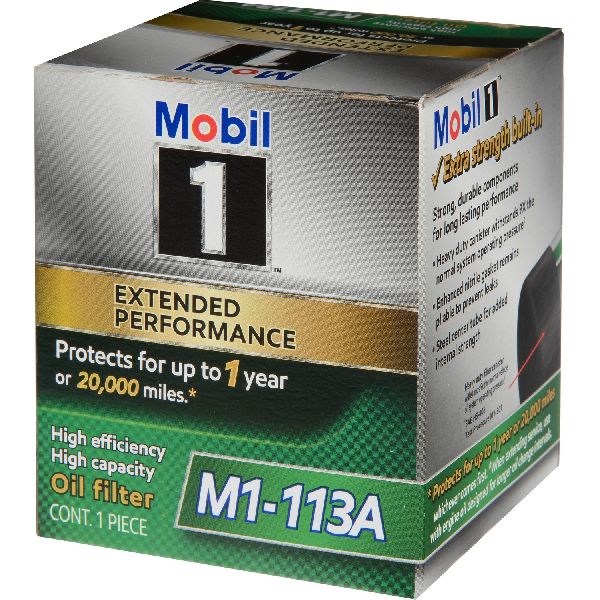
How to confirm: Check the part number of the installed oil filter. If the P0521 code appeared immediately after an oil change, this is a very likely cause. Some owners on forums report the issue disappearing after switching to a Mobil 1 or ACDelco filter.
Typical fix: Replace the oil filter with a genuine ACDelco PF48E or the upgraded ACDelco UPF48R filter and perform an oil change with the correct viscosity oil.
Est. part cost: $10-$20 - Low Engine Oil Level 🟡 Medium Probability Some of these V8 engines with Active Fuel Management (AFM) are known for oil consumption issues, as detailed in TSB 10-06-01-008H. If the oil level drops too low, the oil pump cannot supply adequate pressure. One owner on a forum noted their P0521 code was resolved after discovering the engine was low by 2.5 quarts.
How to confirm: Check the engine oil level using the dipstick when the engine is cold and on a level surface. If it is below the minimum mark, this is the likely cause.
Typical fix: Top up the engine oil to the correct level and monitor for consumption. If consumption is excessive (more than 1 quart per 2,000 miles), investigate the causes outlined in TSB 10-06-01-008H, such as a faulty PCV system or stuck piston rings.
Est. part cost: $20-$50 (for oil)
Rare But Worth Checking
- Failing Oil Pump: While less common than sensor issues, a worn or failing oil pump (or a sticking pressure relief valve within the pump) will cause genuine low oil pressure. This is a major internal engine repair requiring removal of the front timing cover. A mechanical pressure test is required to confirm.
- Worn Internal Engine Bearings: Excessive clearances from worn crankshaft or camshaft bearings will cause a loss of oil pressure. This is a catastrophic engine failure requiring a rebuild or replacement. An engine with over 150,000 miles may show lower hot idle pressure (around 20 psi) which can be normal, but a sudden drop indicates a problem.
- Wiring Harness or Connector Issue: The wiring to the sensor can become damaged from heat or vibration, or the connector pins can get contaminated with oil, causing an intermittent or lost signal. A visual inspection and continuity test of the harness would be needed. Some owners have found success simply cleaning the connector.
Diagnosis Steps

- Check the engine oil level and condition. Top up if low and change if dirty or overdue.
- Verify the correct oil filter is installed (ACDelco PF48E is specified). If recently changed, replace it with the correct filter.
- Connect an OBD-II scanner to read the code and monitor the oil pressure reading from the sensor. Note the reading with the engine off and at idle.
- Connect a mechanical oil pressure gauge to the engine. This is the most critical step to differentiate a sensor issue from a real pressure problem. The port is often located near the oil filter housing.
- Start the engine and compare the mechanical gauge reading to the scan tool data. If the mechanical gauge shows good pressure (e.g., >25 PSI at hot idle) but the scanner shows low/erratic pressure, the sensor, its filter screen, or wiring is faulty.
- If the mechanical gauge confirms low oil pressure, STOP the engine immediately. The problem is internal (oil pump, bearings, pickup tube O-ring, etc.) and requires professional diagnosis.
- If the sensor is deemed faulty, proceed with replacing the oil pressure sensor and the small filter screen located underneath it. It is highly recommended to use an OEM ACDelco sensor to avoid compatibility issues.
Parts You'll Likely Need

- Engine Oil Pressure Sensor (Switch)
(OEM #12677836)— This is the most common part to fail, causing incorrect readings and triggering the P0521 code. Using a genuine OEM part is highly recommended as aftermarket sensors can cause persistent issues.
Trusted brands: ACDelco (OEM), Delphi, Standard Motor Products
OEM price range: $50-$90
Aftermarket price range: $30-$60 - Oil Pressure Sensor Filter Screen
(OEM #12585328)— This small screen is located under the sensor and is a primary cause of false low-pressure readings when it clogs. It should always be replaced with the sensor.
Trusted brands: ACDelco (OEM), Dorman
OEM price range: $5-$15
Aftermarket price range: $3-$10 - Engine Oil Filter
(OEM #PF48E / UPF48R (Ultraguard))— Using an incorrect or poor-quality oil filter is a known cause of P0521 on these engines, as noted in TSBs. The UPF48R is a recommended upgrade for persistent issues.
Related Codes That Often Appear With This One
- P0522 — This code indicates 'Engine Oil Pressure Sensor/Switch Circuit Low Voltage', which can occur if the sensor fails or wiring is damaged.
- P0523 — This code indicates 'Engine Oil Pressure Sensor/Switch Circuit High Voltage', often seen when the sensor shorts internally, causing the gauge to read maximum pressure.
- P0300, P0301, etc. — If low oil pressure is affecting the Active Fuel Management (AFM) lifters, it can cause misfires on the AFM cylinders (1, 4, 6, and 7).
Technical Service Bulletins (TSBs) & Recalls
- PIP4786C: Addresses low oil pressure messages and P0521 caused by a clogged Valve Lifter Oil Filter (the screen under the sensor). Instructs technicians to inspect and clean or replace the screen before other parts.
- PIP5276F / PIP5276G: Discusses P0521 appearing after an oil change or in cold weather. Recommends verifying the correct PF48E filter is used and checking for issues related to the oil consumption TSB (10-06-01-008H), such as a faulty valve cover baffle.
- PIP5276D: An earlier version of the TSB that specifically recommends switching from a PF48E to a UPF48R filter if P0521 is present.
- 10-06-01-008H: The primary TSB for excessive oil consumption on AFM engines, which can be a root cause of P0521 if the oil level becomes too low.
Platform-Specific Known Issues
- A clogged oil pressure sensor filter screen is a very common issue on this platform, as documented in TSB PIP4786C.
- Oil consumption related to the Active Fuel Management (AFM) system can lead to low oil levels, triggering P0521.
- The location of the sensor at the very back of the engine valley makes replacement difficult, often requiring special tools like wobble extensions and a specific socket to avoid removing the entire intake manifold.
Mechanic-Grade Diagnostic Values
- Oil Pressure Sensor Signal Voltage — expected: 0.5V at low pressure to 4.5V at high pressure.. Failure: Voltage is outside this range, or does not change with engine RPM.
- Oil Pressure Sensor 5V Reference — expected: 5.0 Volts at the sensor connector with key-on, engine-off.. Failure: No voltage or significantly lower voltage indicates a wiring or ECM issue.
- Minimum Oil Pressure (Mechanical Gauge, Hot Engine) — expected: Approx. 24 PSI @ 1000 RPM, 35 PSI @ 2000 RPM, 38 PSI @ 3000 RPM for VIN '3' engines.. Failure: Pressure is significantly below these values, indicating internal engine wear or oil pump issues.
- Normal Hot Idle Oil Pressure (Mechanical Gauge) — expected: 25-30 PSI.. Failure: Pressure dropping near or below 20 PSI at hot idle can be a sign of excessive bearing clearance.
Wiring & Ground Locations
- Oil Pressure Sensor Connector — At the rear of the engine, top of the block, behind the intake manifold.. This 3-wire connector provides power, ground, and signal for the sensor. It is prone to heat damage and oil contamination, which can cause intermittent signal and trigger P0521/P0522/P0523 codes. The connector has a gray locking tab that must be lifted before the connector can be unplugged.
- G103 / G108 (Engine to Body Ground) — Typically on the rear of the driver's side cylinder head, connecting to the firewall.. A poor engine ground can cause erratic sensor readings across the engine, including the oil pressure sensor. Ensuring this strap is clean and tight is a key step in diagnosing any electrical issue.
- G100 / G101 — Located on the lower left (G100) and lower right (G101) of the radiator core support.. These are primary forward chassis grounds. While less likely to be the direct cause for this specific sensor, poor grounding here can create system-wide electrical noise and voltage issues that may affect PCM readings.
Real Owner Repair Stories
- Tahoe Yukon Forum (2013 Chevrolet Avalanche 5.3L V8) — P0521 code, dash gauge reading about 20 psi lower than normal, not exceeding 40 psi at WOT.
❌ Tried (didn't work) Initially suspected the oil pressure sensor.
✅ What actually fixed it Owner discovered the engine oil was low by 2.5 quarts. Topping off the oil to the correct level restored normal oil pressure readings and resolved the code. - Reddit r/ChevyTrucks (Chevrolet Truck (model/year not specified)) — Persistent P0521 code after replacing the oil pressure sensor once.
❌ Tried (didn't work) Replacing the sensor with a part from a local auto parts store.
✅ What actually fixed it The issue was resolved only after replacing the aftermarket sensor with a genuine OEM sensor. Another user in the same thread fixed their issue by switching to a Mobil 1 M1-113A oil filter. - Chevrolet Forum (2013 Silverado 1500 5.3L V8 with 93k miles) — P0521 code, engine runs fine.
❌ Tried (didn't work) Dealer performed a mechanical pressure test and found a 10 PSI difference from top to bottom, then recommended a full engine replacement.
✅ What actually fixed it The community consensus was that the dealer's recommendation was extreme and the actual problem was almost certainly the common oil pressure sensor and/or its screen, a much cheaper repair. The story highlights the importance of getting a second opinion before agreeing to a major repair for this code.
OEM Part Supersession History
12559780, 12562230, 12569323, 12573107, 12616646→12677836— GM updates parts to improve reliability and address known failure modes. The design of the sensor has been revised over the years.
Heads up: The connector style is critical. Early LS engines used a different connector than later models. Part 12677836 is specified for the small, round plug connector used up to approximately mid-2009 on many platforms. Always verify the connector shape on the vehicle before purchasing.
Model Year Variations Within This Range
- 2007-2008: The 6.2L V8 was the L92. It featured Variable Valve Timing (VVT) but did NOT have Active Fuel Management (AFM). This makes it less prone to the specific AFM-related oil consumption and lifter issues.
- 2009: The engine was updated to the L9H. The primary change was the addition of Flex Fuel (E85) capability. It still featured VVT but did not have AFM.
- 2010-2013: The engine was updated to the L94. This version added Active Fuel Management (AFM) on top of VVT and Flex Fuel capability. The addition of AFM introduces more complexity, including the potential for oil consumption issues (TSB 10-06-01-008H) and AFM lifter problems that can sometimes be related to oil pressure.
Helpful Videos
We Have This Part in Stock


The information in this article is provided for general reference and educational purposes only. Vehicle specifications, procedures, and part compatibility can vary by production date, trim level, and region. Always consult your vehicle's factory service manual and verify part numbers before purchasing or performing repairs. Safety-critical components such as airbags, seat belts, and braking systems should be installed by a qualified professional.
- Cadillac ESCALADE EXT:
- 🎬 Helpful Videos
- 🛍️ Shop This Part
- What's Unique About the 2007-2013 Cadillac ESCALADE EXT
- Diagnostic Flowchart
- Symptoms You May Notice
- Most Likely Causes
- Rare But Worth Checking
- Diagnosis Steps
- Parts You'll Likely Need
- Related Codes That Often Appear With This One
- Technical Service Bulletins (TSBs) & Recalls
- Platform-Specific Known Issues
- Mechanic-Grade Diagnostic Values
- Wiring & Ground Locations
- Real Owner Repair Stories
- OEM Part Supersession History
- Model Year Variations Within This Range
- 🎟️ Get 5% Off