

P0521 on 2008-2015 Buick Enclave: Oil Pressure Sensor Causes and Fixes
On a 2008-2015 Buick Enclave, code P0521 is most commonly caused by a faulty engine oil pressure sensor. Replacing the sensor is the typical fix, with the part costing between $25 for an aftermarket version and $75 for an OEM part. Due to the sensor's difficult-to-access location, this repair can cost between $469 and $654 at a shop.
- P0521 on a Buick Enclave almost always points to a bad oil pressure sensor, not a bad engine.
- Before any repair, check the oil level and ensure it's correct. These engines can consume oil.
- The most critical diagnostic step is to verify the real oil pressure with a mechanical gauge to rule out a serious internal engine problem.
- Replacing the sensor is a difficult DIY job due to its location behind the alternator; professional repair is often recommended.
- You will need a special thin-walled 1-1/16" (27mm) socket to perform the replacement.
What's Unique About the 2008-2015 Buick ENCLAVE
The 3.6L V6 engine used in the first-generation Buick Enclave and its platform mates (GMC Acadia, Chevrolet Traverse, Saturn Outlook) is known for this issue. The primary culprit is often the oil pressure sensor itself, which is prone to failure and can send false signals. A manufacturer Technical Service Bulletin (TSB #PIP4786C) was issued for a wide range of GM vehicles, mentioning the P0521 code in conjunction with a low oil pressure message. The TSB suggests that before replacing parts, technicians should inspect a small "Valve Lifter Oil Filter" for debris or sludge that can restrict oil flow to the sensor, causing a false low reading.
Diagnostic Flowchart
Tap your situation to follow the diagnostic path that matches what you're seeing on this vehicle.
Symptoms You May Notice
- Check Engine Light is on
- "Oil Pressure Low - Stop Engine" message o 🎬 Watch: How to fix the 'Stop Engine' warning on this platform.n the driver information center
- Flickering or illuminated oil pressure warning light
- Oil pressure gauge reading erratically, or at zero or maximum
- Engine running rough or making unusual noises (in cases of actual low pressure)
- Replacing the oil pump before confirming actual low oil pressure with a mechanical gauge. The sensor and its related circuit are much more common failure points and should be ruled out first.
- Replacing the sensor but not cleaning or replacing the small filter screen underneath it, leading to a quick return of the code.
Most Likely Causes
- Faulty Engine Oil Pressure Sensor 🔴 High Probability The sensor on the 3.6L V6 is a common failure item. It can become clogged with sludge, leak oil internally through the electrical connector pins, or fail electronically, sending false signals to the ECM. Owners on forums frequently report this as the definitive fix.
How to confirm: After verifying the oil level is correct, the definitive test is to compare the sensor's reading on a scan tool with a reading from a mechanical oil pressure gauge. If the mechanical gauge shows good pressure but the sensor's reading is incorrect, the sensor is bad.
Typical fix: Replace the engine oil pressure sensor and its small filter screen if equipped. It is highly recommended to use an OEM ACDelco part, as some owners report aftermarket sensors failing quickly or not resolving the code.
Est. part cost: $25-$75 - Low Engine Oil Level 🟡 Medium Probability The 3.6L V6 engine in some of these vehicles can consume oil between changes. If the level drops too low, the oil pump cannot maintain adequate pressure, especially during idling or cornering, triggering the warning.
How to confirm: Check the engine oil level using the dipstick. Ensure the vehicle is on level ground and the engine has been off for a few minutes to allow the oil to settle.
Typical fix: Top up the oil to the correct level using the manufacturer-specified oil (Dexos-rated). Monitor for future oil consumption, as excessive use may indicate other engine issues.
Est. part cost: $10-$40 - Incorrect or Degraded Engine Oil / Filter ⚪ Low Probability Using oil of the wrong viscosity or a poor-quality/clogged oil filter can affect oil pressure readings. These GM engines are sensitive and require oil meeting the Dexos specification. Some owners on forums have reported that switching to a high-quality filter, specifically the ACDelco PF48E, resolved their P0521 code.
How to confirm: Check service records or the oil's condition. If the oil is very dirty, overdue for a change, or an incorrect type was used, this could be the cause. A simple test for a restricted filter is to see if the pressure reading improves immediately after a filter change.
Typical fix: Perform an oil and filter change using a high-quality filter (ACDelco recommended) and the correct Dexos-approved oil.
Est. part cost: $50-$100 - Damaged Wiring or Connector ⚪ Low Probability
How to confirm: Visually inspect the wiring harness and electrical connector for the oil pressure sensor. Look for signs of oil saturation from a leaking sensor, corrosion, or physical damage to the wires. A faulty connection can cause the same symptoms as a bad sensor.
Typical fix: Repair the damaged wiring or replace the connector pigtail. Clean any oil from the connector with electrical contact cleaner.
Est. part cost: $15-$40
Rare But Worth Checking
- Clogged Valve Lifter Oil Filter Screen: As mentioned in TSB PIP4786C, a small screen in the oil passage leading to the pressure sensor can become clogged with sludge. This restricts oil from reaching the sensor, causing it to report low pressure when the main system pressure is fine. The filter can often be cleaned with brake cleaner and compressed air.
- Failing Oil Pump or Worn Engine Bearings: This is the worst-case scenario. If a mechanical gauge confirms that the engine's oil pressure is genuinely low, it indicates a serious internal engine problem that requires immediate attention to prevent complete engine failure.
Diagnosis Steps
- Check the engine oil level and condition. Top up or change if necessary, using the correct Dexos-spec oil and a quality filter like ACDelco.
- Connect an OBD-II scanner to confirm the P0521 code is present and view the live oil pressure data from the sensor. Note if the reading is stuck, erratic, or irrational.
- Crucially, connect a mechanical oil pressure gauge to the engine. This is the only way to know the true oil pressure. 🎬 See how to test engine oil pressure like a professional.
- Compare the mechanical gauge reading to the scan tool data with the engine warm. If the mechanical gauge shows normal pressure (GM specs for a similar V8 are ~24 PSI at 1000 RPM, ~35 PSI at 2000 RPM) but the scan tool shows an incorrect value, the sensor or its circuit is faulty.
- If the mechanical gauge confirms low oil pressure, stop diagnosis and seek professional service for an internal engine problem.
- If the sensor is the suspected cause, inspect its electrical connector and wiring for damage or oil contamination from a leaking sensor.
- If the wiring is good, replace the engine oil pressure sensor and the small screen beneath it. It is located on the front of the engine, near the oil filter housing, often behind the alternator. 🎬 Watch: This walkthrough shows the sensor location and replacement steps.
- Clear the code with a scan tool and perform a test drive to ensure the repair was successful.
Parts You'll Likely Need
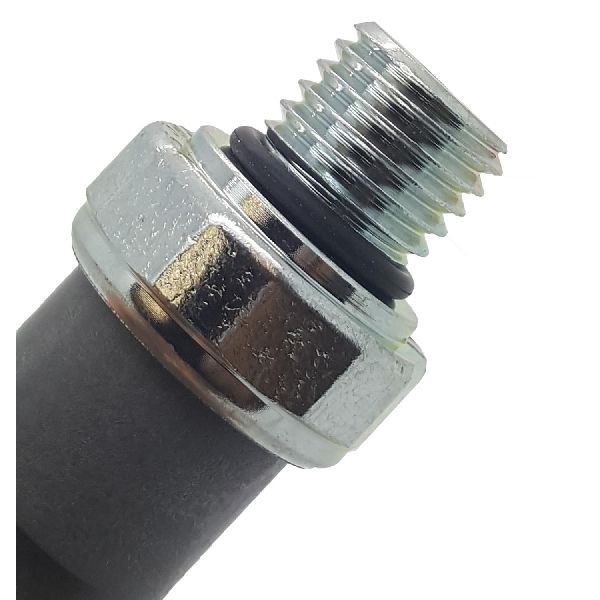
- Engine Oil Pressure Sensor
(OEM #12673134)— This is the most common cause for P0521 on the Enclave's 3.6L engine. The original part is known to fail. The original part numbers 12621234 and 12596951 have been superseded by 12673134.
Trusted brands: ACDelco (OEM), Standard Motor Products, Dorman
OEM price range: $50-$75
Aftermarket price range: $25-$50 - Oil Pressure Switch Socket — A special thin-walled 1-1/16" (or 27mm) socket is required to access and remove the sensor due to tight clearances around the alternator and other components. A standard deep well socket will likely not fit.
Trusted brands: Lisle, OEMTools
OEM price range: $10-$20
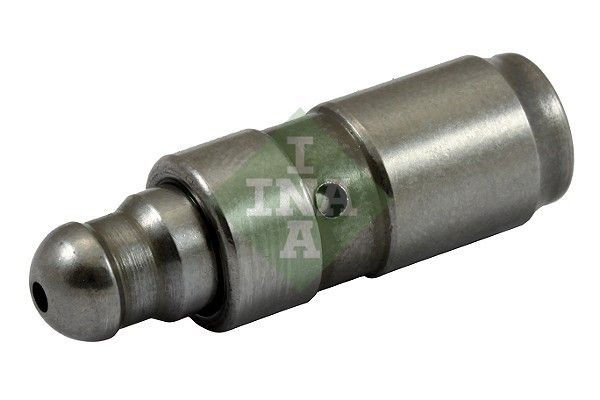
Aftermarket price range: $10-$20 - Valve Lifter Oil Filter
(OEM #12585328)— This small screen, located under the pressure sensor, is mentioned in TSB PIP4786C as a potential cause. It can get clogged with sludge, restricting oil flow to the sensor and causing a false low reading. It is inexpensive and should be cleaned or replaced along with the sensor.
Trusted brands: ACDelco (OEM)
OEM price range: $5-$10
Aftermarket price range: $3-$8
Related Codes That Often Appear With This One
- P06DD: This code for 'Engine Oil Pressure Control Stuck Off' can sometimes accompany P0521, pointing to a problem within the dual-stage oil pump system.
Technical Service Bulletins (TSBs) & Recalls
- PIP4786C: Mentions that vehicles may exhibit a low oil pressure message and store a P0521 DTC. It instructs technicians to inspect the 'Valve Lifter Oil Filter' for debris or sludge that could be restricting oil flow to the sensor before replacing any parts.
Platform-Specific Known Issues
- The location of the oil pressure sensor on the 3.6L V6 is notoriously difficult to access. It is on the front of the engine block near the oil filter, but tucked behind the alternator. Many repair procedures require loosening or completely removing the alternator to gain enough clearance to replace the sensor.
- A special thin-walled socket (1-1/16" or 27mm) is necessary for the job, as a standard socket is too thick to fit in the tight space.
- Oil leaking through the sensor itself and into the electrical connector is a common failure mode, which can contaminate the connection and require cleaning or replacement of the pigtail.
Mechanic-Grade Diagnostic Values
- Engine Oil Pressure (Hot Idle) — expected: 15-25 PSI. Failure: A reading of 0 PSI or an erratic reading on the scan tool that does not match a mechanical gauge.
- Engine Oil Pressure (Under Load / Higher RPM) — expected: 30-70 PSI. Failure: Pressure that does not rise with RPM, or is excessively high (over 80-100 PSI), may indicate a sensor or oil pump issue.
- Oil Pressure Sensor Signal Voltage — expected: ~0.5V (Key On, Engine Off), 1.5V - 4.0V (Engine Running). Failure: A reading of 0V or 5V indicates a circuit fault (short or open). A voltage that doesn't change with engine RPM indicates a stuck sensor.
Scan Tool Commands That Help
- GDS2 (GM Global Diagnostic System 2): Engine Oil Pump Failure Screening Test — This test is used when P0521 is present, especially alongside oil pump codes like P06DD. The technician runs the engine through a specific RPM cycle (e.g., 2000 RPM for 30s, 4000 RPM for 15s, idle for 15s, repeated 10 times) to confirm an intermittent fault with the variable displacement oil pump assembly.
Wiring & Ground Locations
- G113 — Left side of the engine, at an engine-to-transmission stud.. This is a primary engine block ground. A poor connection here can cause a variety of sensor and ECM issues, including erratic readings from the oil pressure sensor due to an unstable ground reference.
- G103 — Left side of the engine compartment, on the inner fender panel or cowl, often near the brake booster.. This is a major ground point for the Engine Control Module (ECM). A compromised G103 ground can lead to incorrect sensor data processing and false trouble codes.
- Oil Pressure Sensor Connector — Plugs into the oil pressure sensor, located on the front of the engine near the oil filter housing.. This 3-pin oval connector is a common point of failure. It can become saturated with oil from a leaking sensor, causing a poor connection and symptoms identical to a failed sensor. The connector pigtail may need replacement (GM Part #12085500).
Real Owner Repair Stories
- Reddit user in r/ChevyTrucks (GM Truck with similar engine/issue) — P0521 code kept returning after replacing the oil pressure switch once.
❌ Tried (didn't work) Replacing the oil pressure sensor.
✅ What actually fixed it Switching to a high-quality Mobil 1 (M1-113A) oil filter resolved the issue and the code did not return after 5,000 miles. - Reddit user in r/ChevyTrucks (Chrysler Hemi with same P0521 code) — P0521 code remained active after initial repair.
❌ Tried (didn't work) Replacing the oil pressure sensor with an aftermarket part from a local auto parts store.
✅ What actually fixed it Replacing the sensor a second time with an OEM part finally cleared the code, suggesting a quality/compatibility issue with the aftermarket sensor. - Just Commodores forum user (2008 Holden with 3.6L V6) — P0521 code returned some time after being replaced. Also had timing chain codes.
❌ Tried (didn't work) Clearing codes with OBD-II scanner.
✅ What actually fixed it The user reported the P0521 code appeared immediately after a timing chain replacement, indicating the issue was likely related to debris introduced during the repair or an installation error, not a random sensor failure. The final resolution was not posted.
"I Checked Everything" — The Actual Cause
- While a smoke test is not used for this code, the equivalent is when a mechanical pressure gauge shows good oil pressure, yet the P0521 code persists even after replacing the sensor. In one documented case, the root cause was found to be the brand of oil filter being used. Switching to a premium filter (Mobil 1) resolved the persistent code when multiple sensor replacements did not.
When the Usual Fixes Don't Work
- In several owner-reported cases, replacing the oil pressure sensor—the most common fix—did not resolve the P0521 code. One owner replaced the sensor three times and removed the filter screen, but the code continued to appear intermittently over 40,000 miles without any audible engine problems, suggesting a persistent false signal. In another case, the final solution was not the sensor but changing from a standard to a premium brand of oil filter, which immediately and permanently resolved the code. This indicates that in some instances, the code is triggered by flow or pressure characteristics related to oil filtration, not a faulty sensor.
OEM Part Supersession History
12621234, 12596951→12673134— Part has been updated by GM to integrate new materials and technologies for better reliability.
Heads up: While many aftermarket sensors are available, some owners report that only the genuine ACDelco OEM sensor will reliably fix the code without it returning prematurely.N/A→12085500— This is the part number for the 3-pin electrical connector pigtail.
Heads up: This connector should be replaced if the original is cracked, has broken wires, or is saturated with oil from a leaking sensor, as cleaning may not be sufficient to restore a reliable connection.
Model Year Variations Within This Range
- 2008-2011: Models from 2008 used the port-injected 3.6L LY7 engine. Starting in 2009, GM switched to the direct-injected 3.6L LLT engine. The LLT uses a Bosch ECM.
- 2012-2015: Starting in 2012, the Enclave received the updated 3.6L LFX engine. While based on the LLT, the LFX is lighter and features a composite intake manifold, integrated exhaust manifolds, and a Delphi ECM. While the P0521 fault is common to all versions, the diagnostic path could have subtle differences due to the different engine control modules.
Helpful Videos
![How to Fix P0521 Engine Code in 4 Minutes [2 DIY Methods / Only $6.87]](https://img.youtube.com/vi/W9EL9QHCDMo/mqdefault.jpg)

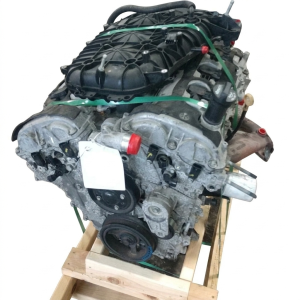
Used OEM Parts in Stock
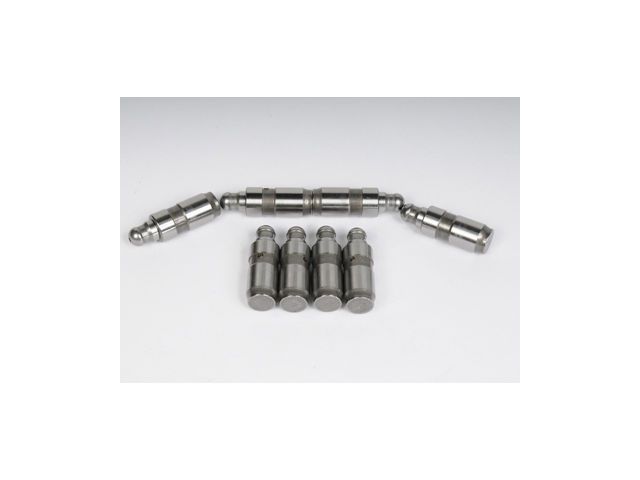
New Aftermarket Parts Available


The information in this article is provided for general reference and educational purposes only. Vehicle specifications, procedures, and part compatibility can vary by production date, trim level, and region. Always consult your vehicle's factory service manual and verify part numbers before purchasing or performing repairs. Safety-critical components such as airbags, seat belts, and braking systems should be installed by a qualified professional.
- Buick ENCLAVE:
- 🎬 Helpful Videos
- 🛍️ Shop This Part
- What's Unique About the 2008-2015 Buick ENCLAVE
- Diagnostic Flowchart
- Symptoms You May Notice
- Most Likely Causes
- Rare But Worth Checking
- Diagnosis Steps
- Parts You'll Likely Need
- Related Codes That Often Appear With This One
- Technical Service Bulletins (TSBs) & Recalls
- Platform-Specific Known Issues
- Mechanic-Grade Diagnostic Values
- Scan Tool Commands That Help
- Wiring & Ground Locations
- Real Owner Repair Stories
- "I Checked Everything" — The Actual Cause
- When the Usual Fixes Don't Work
- OEM Part Supersession History
- Model Year Variations Within This Range
- 🎟️ Get 5% Off