

P0520 on 2013-2014 Dodge Challenger: Engine Oil Pressure Sensor Circuit Causes and Fixes
For a 2013-2014 Dodge Challenger, the P0520 code almost always points to a faulty engine oil pressure sensor. A Technical Service Bulletin (TSB #18-034-14 REV. A) was issued for this exact problem, requiring the original sensor (part number 05149062AA) to be replaced with a revised part, 5149062AB. Expect the Mopar part to cost between $40 and $60, with aftermarket options being cheaper.
- P0520 on a 2013-2014 Challenger is almost certainly a bad oil pressure sensor, a known issue backed by TSB 18-034-14 REV. A.
- The correct fix is to replace the original sensor with the revised Mopar part #5149062AB.
- The repair is simple on V8 engines but significantly more labor-intensive and expensive on the 3.6L V6 due to the sensor's location under the intake manifold.
- Using a genuine Mopar sensor is highly recommended, as aftermarket parts have been reported to not solve the issue.
- Always check the oil level first, but do not be alarmed by a gauge reading stuck at maximum PSI, as this is a classic symptom of sensor failure, not a mechanical engine problem.
What's Unique About the 2013-2014 Dodge CHALLENGER
This is a well-documented issue for this specific vehicle range and many other Chrysler/Dodge/Jeep/Ram vehicles of the era. Chrysler (Dodge's parent company) acknowledged a problem with the original-spec oil pressure sensors by releasing Technical Service Bulletin #18-034-14 REV. A on July 15, 2014. This TSB, which covers all engines for the 2013-2014 Challenger (platform code LC), instructs technicians to replace the faulty sensor with a revised part (5149062AB) to resolve the P0520 code. This makes the sensor itself the most likely culprit by a wide margin, as confirmed by numerous owner complaints and repair stories.
Diagnostic Flowchart
Tap your situation to follow the diagnostic path that matches what you're seeing on this vehicle.
Symptoms You May Notice
- Check Engine Light is on.
- Oil pressure warning light may be on or flickering.
- Oil pressure gauge on the dashboard gives erratic readings, often stuck at a high value like 96 or 99 PSI, stuck at zero, or fluctuating wildly.
- Visible oil leak from the sensor itself, sometimes wicking up into the electrical connector.
- With a genuine low-pressure issue, you might hear engine knocking or ticking sounds.
- Replacing the oil pump when the issue is the sensor. One owner on a forum replaced the pump only to have the P0520 code return immediately, confirming the sensor was the true culprit.
- Assuming a major engine mechanical failure without first checking the sensor, which is the subject of a TSB and the most common point of failure by a large margin.
Most Likely Causes
- Faulty Engine Oil Pressure Sensor 🔴 High Probability A manufacturer TSB (#18-034-14 REV. A) was issued specifically to address defective sensors on 2013-2014 models, calling for replacement with a revised part (5149062AB). The original sensors are known to fail internally, leading to incorrect electrical readings.
How to confirm: After verifying the oil level is correct, the most straightforward diagnostic is to replace the sensor, as it is the known failure point per the TSB. A shop can also test the sensor's resistance; a failed sensor may show a closed circuit (e.g., 12.92 kOhms) between the two outer pins, whereas a new sensor should show an open loop. A gauge reading stuck at maximum (e.g., 99 PSI) is a classic sign of a failed sensor.
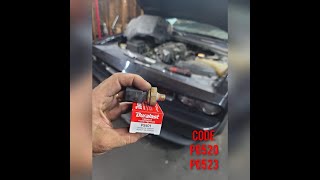
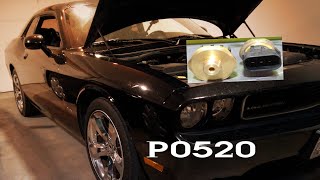
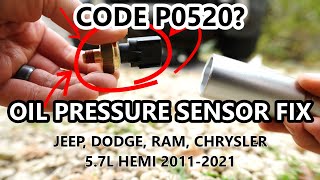
Typical fix: Replace the engine oil pressure sensor with the updated Mopar part 5149062AB. A 27mm or 1 1/16-inch deep socket is required. 🎬 Watch how to solve the P0520 code on a 5.7L HEMI. Some owners report that only the genuine Mopar sensor works reliably, with aftermarket versions sometimes failing to clear the code.
Est. part cost: $25 - $60 - Wiring Harness or Connector Issue ⚪ Low Probability Oil can leak through the body of a failed sensor and contaminate the electrical connector, causing a poor connection. On 3.6L engines, a leaking oil cooler housing above the sensor can also drip oil and coolant onto the connector, causing corrosion and multiple sensor circuit codes.
How to confirm: Visually inspect the wiring and connector leading to the oil pressure sensor for any signs of physical damage, corrosion, or oil saturation. If the connector is full of oil, the sensor has failed internally and must be replaced.
Typical fix: Clean the connector with electrical contact cleaner. If the wiring is damaged, it will need to be repaired. If the connector is full of oil, the sensor must be replaced, and the connector cleaned thoroughly.
Est. part cost: $5 - $20 for cleaning supplies or wiring repair materials - Low Engine Oil Level or Incorrect Oil ⚪ Low Probability
How to confirm: Check the engine oil dipstick to ensure the oil level is within the proper range and the oil condition is good. Using the wrong viscosity oil (e.g., too thick or too thin) can affect oil pressure readings and trigger the code.
Typical fix: Top off or change the engine oil and replace the filter with the correct type specified for your engine. Ensure the correct oil viscosity is used per the owner's manual.
Est. part cost: $40 - $90 for an oil and filter change
Rare But Worth Checking
- Failing Oil Pump: While P0520 points to a circuit issue, a failing oil pump can cause erratic pressure that may trigger a circuit fault. This would typically be accompanied by other symptoms like engine noise or a P06DD code.
- Faulty Powertrain Control Module (PCM): This is extremely rare. The PCM should only be considered after all other possibilities, including the sensor and wiring, have been definitively ruled out.
Diagnosis Steps
- Check the engine oil level and condition. Ensure it is full, clean, and of the correct viscosity.
- Scan the vehicle for any other trouble codes. Note if P0522 or P0523 are present, as this further points to the sensor.
- Observe the oil pressure gauge behavior. If it is stuck at a maximum value (like 99 PSI), the sensor has almost certainly failed.
- Inspect the oil pressure sensor's electrical connector and wiring for damage, corrosion, or oil saturation. If oil is present in the connector, the sensor must be replaced.
- Given the high failure rate and TSB 18-034-14 REV. A, the most common and cost-effective next step is to replace the oil pressure sensor with the revised Mopar part (5149062AB).
- If a new Mopar sensor does not resolve the issue, use a multimeter to check for proper voltage, ground, and signal at the sensor connector. The sensor should receive a 5-volt reference and have a good ground.
- As a final step, a technician can verify actual engine oil pressure using a mechanical gauge to rule out a physical engine problem like a bad oil pump.
Parts You'll Likely Need
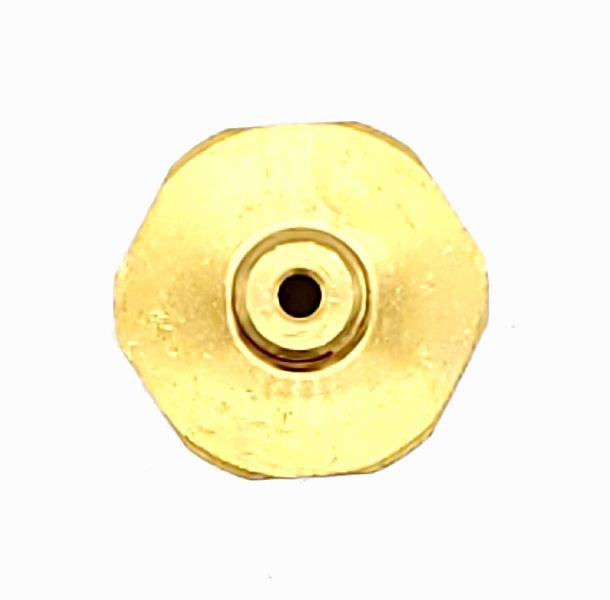
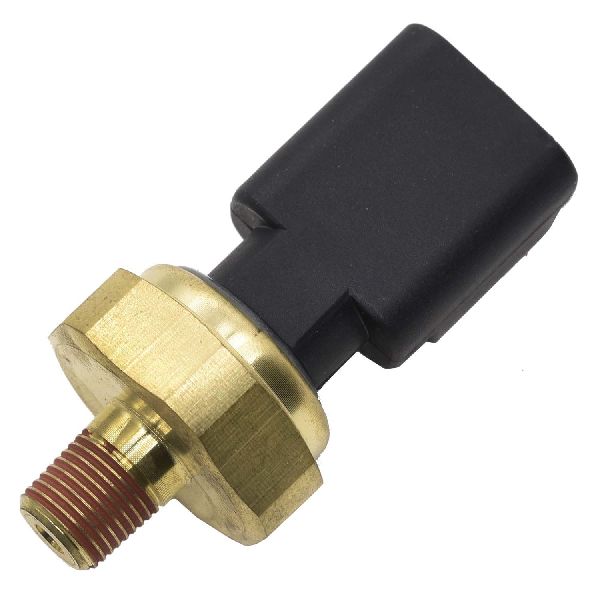
- Engine Oil Pressure Sensor
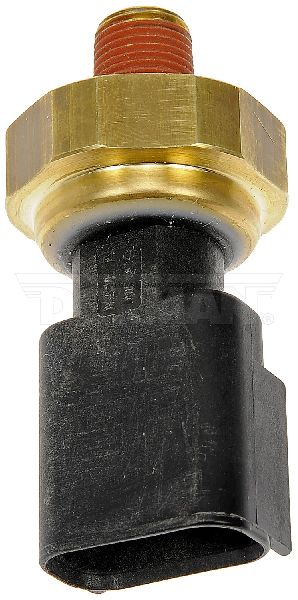
(OEM #5149062AB)— This is the revised component specified in manufacturer service bulletin #18-034-14 REV. A to fix the P0520 code. It supersedes the original faulty part 05149062AA.
Trusted brands: Mopar (Recommended), Standard Motor Products (SMP), Delphi
OEM price range: $40 - $60
Aftermarket price range: $25 - $45
Related Codes That Often Appear With This One
- P0522 — This code indicates 'Engine Oil Pressure Sensor/Switch Circuit Low Voltage' and often appears with P0520 as it points to a specific failure mode of the same sensor circuit.
- P0523 — This code indicates 'Engine Oil Pressure Sensor/Switch Circuit High Voltage' and can be triggered by the same faulty sensor sending an out-of-range high signal.
- P06DD — This code for 'Engine Oil Pressure Control Circuit Stuck Off' can sometimes appear alongside P0520, especially on the 3.6L V6, and may point towards issues with the dual-stage oil pump or the sensor that controls it.
Technical Service Bulletins (TSBs) & Recalls
- 18-034-14 REV. A: Released July 15, 2014, this TSB explicitly states that for a P0520 code on a wide range of 2013-2014 Chrysler vehicles including the Challenger (LC), the fix is to replace the engine oil pressure sensor with a revised part. It covers all engines available in the Challenger for those years.
Platform-Specific Known Issues
- A known defect with the original oil pressure sensor prompted Chrysler to issue TSB #18-034-14 REV. A, which applies to all 2013-2014 Challenger engines and recommends replacing the sensor with revised part 5149062AB to fix the P0520 code.
- On 3.6L V6 engines, the sensor is located in the engine valley, underneath the lower intake manifold and oil cooler assembly. Replacement is labor-intensive, requiring removal of the upper and lower intake manifolds. 🎬 Watch this step-by-step guide for replacing the sensor on V6 models.
- On 5.7L and 6.4L HEMI V8 engines, the sensor is located on the engine block, typically near the oil filter housing and accessible from underneath the vehicle or from the top after removing the alternator. 🎬 See a quick briefing on replacing the sensor on the R/T. Access is significantly easier than on the V6.
Mechanic-Grade Diagnostic Values
- Sensor Signal Voltage — expected: 0.5V - 4.5V, varies with engine RPM. Failure: A reading of 0V can indicate an open circuit, while a reading near 5V or 12V can indicate a short circuit.
- Resistance test of a 3-pin sensor (with sensor removed, no pressure) — expected: Between the two outer pins: Open Loop (OL). Between the center pin and one of the outer pins: approx. 1.53 kOhms on a new sensor.. Failure: A resistance reading between the two outer pins (e.g., 12.92 kOhms) indicates an internal short, confirming the sensor is bad.
Scan Tool Commands That Help
- wiTECH: Read/Clear DTCs — Used to verify the P0520 code is present and to clear it after the repair is completed, as specified in TSB 18-034-14 REV. A.
Wiring & Ground Locations
- Oil Pressure Sensor Connector (3-pin) — On the sensor itself. For 3.6L V6, it's under the lower intake manifold. For 5.7L/6.4L V8, it's typically near the oil filter housing.. The sensor is typically a 3-wire design: one pin for the 5V reference from the PCM, one for sensor ground, and one for the signal wire returning to the PCM. Oil leaking into this connector is a common cause of failure.
- PCM Connector C1, Pin 20 (Circuit G60) — At the Powertrain Control Module (PCM).. Based on a Chrysler NGC ECU pinout, this is the pin that receives the 'OIL PRESSURE SIGNAL'. A technician could test for a signal at this pin to verify wiring integrity between the sensor and the PCM.
- Engine Ground Strap — Typically connects from the engine block to the vehicle's chassis/body.. A poor engine ground can cause erratic behavior in various sensors, including the oil pressure sensor, as it can disrupt the sensor's ground reference. While not a primary cause, it should be checked if multiple electrical issues are present.
Real Owner Repair Stories
- Jeep Wrangler JK Forum (2014 Jeep Wrangler (with 3.6L Pentastar engine, common to Challenger)) — Limp mode and multiple trouble codes including P0520, P0642 (Sensor Reference Voltage 'A' Circuit Low), P2122, P0335, etc.
❌ Tried (didn't work) Initially suspected throttle body or PCM. Dealer diagnostics could not pinpoint the issue.
✅ What actually fixed it The root cause was a failing plastic oil cooler/filter housing that was leaking. The leak caused corrosion in the oil pressure sensor's electrical connector, creating a short in the 5v reference circuit. Replacing the entire oil cooler housing assembly (which included a new sensor) and cleaning the connector resolved all codes. - Reddit r/Jeep (Jeep with 3.6L Pentastar engine) — P0520 code appeared immediately after an oil change.
❌ Tried (didn't work) N/A
✅ What actually fixed it The user had replaced the original oil filter housing with a Dorman aluminum aftermarket unit. The P0520 code was triggered. The problem was inferred to be either damage to the old pressure sensor when transferring it to the new housing, or an issue with the aftermarket housing/filter design itself. The solution was to install a new Mopar sensor. - YouTube Comment/Story (Jeep with 3.6L Pentastar engine) — Vehicle would not run, multiple trouble codes present.
❌ Tried (didn't work) N/A
✅ What actually fixed it A bad oil pressure sensor (sender) leaked oil through the sensor body and into the wiring harness. The oil contamination wicked up the harness, causing bad connections at multiple other sensors. The final fix required replacing three separate wiring harnesses and cleaning all contaminated sensor connections.
OEM Part Supersession History
05149062AA→5149062AB— The original part was prone to internal failure, prompting the TSB and a revised design for improved reliability.68060337AA→5149062AB— Part number consolidation and design revision.
Helpful Videos
We Have This Part in Stock



The information in this article is provided for general reference and educational purposes only. Vehicle specifications, procedures, and part compatibility can vary by production date, trim level, and region. Always consult your vehicle's factory service manual and verify part numbers before purchasing or performing repairs. Safety-critical components such as airbags, seat belts, and braking systems should be installed by a qualified professional.
- Dodge CHALLENGER:
- 🎬 Helpful Videos
- 🛍️ Shop This Part
- What's Unique About the 2013-2014 Dodge CHALLENGER
- Diagnostic Flowchart
- Symptoms You May Notice
- Most Likely Causes
- Rare But Worth Checking
- Diagnosis Steps
- Parts You'll Likely Need
- Related Codes That Often Appear With This One
- Technical Service Bulletins (TSBs) & Recalls
- Platform-Specific Known Issues
- Mechanic-Grade Diagnostic Values
- Scan Tool Commands That Help
- Wiring & Ground Locations
- Real Owner Repair Stories
- OEM Part Supersession History
- 🎟️ Get 5% Off