

P0513 on 2018-2020 Ram 3500: Incorrect Immobilizer Key Causes and Fixes
This code means your truck's security system doesn't recognize the key, causing a no-start or start-and-stall condition. The most common fix is replacing a dead battery in the key fob (CR2032 for 2018, CR2450 for 2019+). If that fails, the key may need reprogramming or replacement. In some cases, a failed Radio Frequency Hub (RFH) module is to blame, which requires professional replacement and programming.
- P0513 means your truck's anti-theft system has been triggered and is preventing the engine from running.
- Always try your spare key first to quickly determine if the problem is the key or the truck.
- The easiest and most common fix is to replace the CR2032 battery in the key fob.
- Any repair beyond a key fob battery replacement, such as programming a new key or replacing a module, will require a visit to a dealer or a well-equipped locksmith.
- If you've recently had the PCM replaced or serviced, this code is likely due to an incomplete programming procedure by the technician.
What's Unique About the 2018-2020 Ram 3500
For Ram trucks, the P0513 code is closely tied to the Sentry Key Immobilizer (SKIM) system, which uses a Radio Frequency Hub (RFH) module as the primary receiver for the key's signal. A key factor, highlighted by manufacturer TSB S2208000073, is that this code can be triggered after a PCM replacement or software flash if the keys are not properly reintroduced to the system. The 2018 model (Fourth Generation) uses a Wireless Ignition Node (WIN) that the key is inserted into, while the 2019-2020 models (Fifth Generation) use a more integrated RF Hub and a separate push-button start. Though the modules differ, the principle remains the same: the key, the module that reads it (WIN/RFH), and the PCM must all be in perfect communication.
Diagnostic Flowchart
Tap your situation to follow the diagnostic path that matches what you're seeing on this vehicle.
Generation note: The 2018 model year is the last of the Fourth Generation Ram, while 2019-2020 models are the beginning of the Fifth Generation. While the P0513 code's meaning is the same, the specific electronic modules and their locations differ. The 4th gen uses a Wireless Ignition Node (WIN) module, while the 5th gen uses a Radio Frequency Hub (RFH) module. Diagnostics and parts are not interchangeable between these generations.
Symptoms You May Notice
- Engine will not start (cranks but won't fire)
- Engine starts and then immediately stalls (typically after 2 seconds)
- Red security light on the dashboard is flashing or solid
- Check Engine Light is illuminated
- Key fob does not lock/unlock doors remotely
- Message on dash: "Key Not Detected" or similar
- Alarm may sound when opening the door with the manual key.
- Replacing the ignition cylinder. The ignition cylinder is usually a mechanical part and is separate from the electronic immobilizer antenna. The problem is almost always electronic, not mechanical.
- Replacing the PCM without proper programming. Swapping the PCM without performing the immobilizer relearn procedure ('Proxy Configuration Alignment') will not solve the problem and will guarantee a P0513 code.
Most Likely Causes
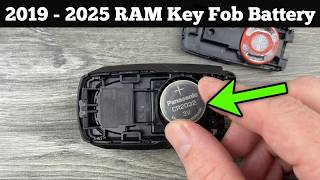
- Dead or Weak Key Fob Battery 🔴 High Probability Key fobs use standard coin batteries with a typical lifespan of 2-4 years, making this a very common maintenance issue. Note: 2018 models typically use a CR2032 battery, while 2019+ models often use a CR2450. 🎬 Watch: How to replace the battery in your 2019-2020 key fob.
How to confirm: Try starting the vehicle with your spare key fob. If it works, the battery in the primary key is the issue. For push-to-start models (2019+), you can also try holding the 'dead' fob directly against the start button while pressing it; this uses a short-range antenna that can sometimes work with a very weak battery.
Typical fix: Replace the battery inside the key fob. For 2018 models, it's a CR2032. For 2019-2020 models, it is often a CR2450.
Est. part cost: $1-$8 - Key Fob Lost Programming or is Faulty 🟡 Medium Probability Keys can lose their programming due to various electronic glitches, exposure to strong magnetic fields, or internal failure of the transponder chip. This can happen suddenly, as documented by owners on forums.
How to confirm: If a new battery doesn't fix the issue and the spare key works, the original key fob is likely faulty or has lost its programming. A locksmith or dealer can test the key's signal. In some cases, even a key that tests as 'good' can be the problem.
Typical fix: The key needs to be reprogrammed to the vehicle using a specialized scan tool. If the key is damaged, it will need to be replaced and the new key programmed.
Est. part cost: $150-$400 for a new key and programming - Improper Procedure After PCM Replacement/Flash 🟡 Medium Probability As noted in TSB #S2208000073, if the PCM is replaced or flashed, a specific 'PCM Replaced' procedure must be followed to transfer the immobilizer data. If this step is missed, the PCM defaults, doesn't have the proper security code, and the handshake with the RF Hub will always fail, setting P0513.
How to confirm: This issue will occur immediately after a PCM has been replaced or had its software updated. The vehicle will not start and will set code P0513.
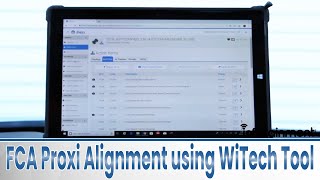
Typical fix: The proper service procedure must be performed by a technician with a capable scan tool (wiTECH). This involves running the 'PCM/ECM/ESL replace' routine and then a 'Proxy Configuration Alignment' to sync the security data between the BCM, RF Hub, and the new/flashed PCM. 🎬 See how a technician performs a Proxi Alignment using WiTech.
Est. part cost: $0 (labor cost for procedure) - Faulty Radio Frequency Hub (RFH) / Wireless Ignition Node (WIN) ⚪ Low Probability The RFH/WIN is the module that receives the signal from the key. Like any electronic component, it can fail over time, preventing it from reading an otherwise good key. This is a known failure point on 5th Gen Rams and related platforms. One owner on 5thGenRams forums described a complete failure where the truck would start, run for 30 seconds, then shut off with no fob function.
How to confirm: This is diagnosed after ruling out the keys themselves. A professional scan tool is needed to check for communication with the RFH/WIN module and see if it is receiving the key's signal. Symptoms include the fob not locking/unlocking doors and the vehicle not detecting the key at all.
Typical fix: Replacement of the RFH or WIN module, which must then be programmed to the vehicle and existing keys. Some companies offer pre-programmed modules matched to your VIN. 🎬 Watch: Replacing and programming a 4th Gen WIN module.
Est. part cost: $200-$600
Rare But Worth Checking
- Low Vehicle Battery Voltage: A weak or failing main vehicle battery can cause low voltage conditions, leading to communication errors between the security modules and setting a false P0513 code. One owner on Turbo Diesel Register found that replacing weak main batteries resolved the code after a remote start attempt failed.
- Aftermarket Remote Starter Interference: Improperly installed aftermarket remote start or security systems can interfere with the factory immobilizer communication, leading to intermittent P0513 codes. A forum member on Turbo Diesel Register suspected their aftermarket system was the root cause of their no-start and P0513 issue.
- Faulty Powertrain Control Module (PCM): While less common than the key or RFH/WIN module, the PCM itself can be the source of the problem, as suggested by forum discussions and the TSB related to PCM replacement. A corrupt file within the PCM can cause this issue.
- Radio Frequency Interference (RFI): Strong external radio signals, such as from a workplace access card or another RFID device on the same keychain, can potentially interfere with the key fob's signal and trigger a P0513 code. Separating the key fob from other electronic devices is a simple troubleshooting step.
Diagnosis Steps
- Try to start the vehicle with your spare key. If it starts, the issue is with your primary key fob or its battery.
- If the spare key doesn't work, replace the battery in your primary key fob. This is the cheapest first step. For 2018 models, use a CR2032. For 2019-2020 models, use a CR2450.
- For push-to-start models (2019+), hold the nose of the key fob directly against the start/stop button and attempt to start the engine. This uses a short-range antenna that may work if the fob battery is weak.
- Check the main vehicle battery (or batteries, if diesel). Ensure it is fully charged and the terminals are clean and tight. Low system voltage can cause various electronic issues, including a false P0513.
- Separate the key fob from all other keys, fobs, and RFID cards to eliminate potential radio frequency interference.
- If the above steps fail, the vehicle needs to be scanned with a professional tool (like wiTECH) that can access the immobilizer system (Body Control Module, RF Hub).
- A technician will use the scan tool to check for communication with the RF Hub/WIN module and see if it recognizes key-on signals and if there are any other related trouble codes like U0426.
- If the issue occurred directly after a PCM flash or replacement, perform the 'PCM Replaced' and 'Proxy Configuration Alignment' procedures as outlined in TSB S2208000073.
- If the key is determined to be faulty, it will need to be replaced and programmed.
- If the RF Hub/WIN module is faulty, it will need to be replaced and programmed.
Parts You'll Likely Need
- Key Fob Battery
(OEM #CR2032 (2018) / CR2450 (2019+))
Related Codes That Often Appear With This One
- U0426-62 - MiniKrypt Error Signal Compare Error: This code is specifically mentioned in TSB S2208000073 as appearing alongside P0513 after a PCM flash/replacement, indicating a security data mismatch.
Technical Service Bulletins (TSBs) & Recalls
- S2208000073 Rev. A: No Start, After Flash And Or PCM Replace, DTC P0513 Invalid Skim Key Setting. This TSB details the handshake process between the PCM, BCM, and RF Hub and explains that a failed handshake after a PCM update is the cause. It provides the specific wiTECH scan tool procedures ('PCM Replaced' routine and 'Proxy Configuration Alignment') needed to resolve the code.
Platform-Specific Known Issues
- A known issue documented in TSB #S2208000073 is the appearance of P0513 after a PCM replacement or software flash if the correct relearn procedure is not performed.
- A user on the 5thGenRams forum reported a spontaneous failure of the RF Hub on their 2019 Ram, resulting in a start-and-stall condition that could only be resolved by replacing the module at the dealer.
- A user on RamForum.com with an older Ram experienced an intermittent P0513 that was temporarily resolved by cleaning a corroded battery cable at the fuse panel, highlighting the importance of checking all power and ground connections.
Hidden / Shadow Codes Worth Checking
- U0426-62: Invalid Data Received From Vehicle Security Control Module - Signal Compare Failure. This code is a direct indicator of the security data mismatch between the PCM and the RF Hub/BCM, as mentioned in TSB S2208000073. (see via This code is typically only visible on a dealer-level scan tool like wiTECH when accessing the Body Control Module (BCM) or Powertrain Control Module (PCM) data.)
Scan Tool Commands That Help
- wiTECH: PCM/ECM/ESL replace — This routine, found under the BCM 'Misc. Functions' menu, must be run after replacing or reflashing the PCM. It transfers the immobilizer data and security 'seed request' to the new/updated PCM to re-establish the handshake with the RF Hub and BCM.
- wiTECH: Proxy Configuration Alignment — This function, located under 'Guided Diagnostics', is used to synchronize the configuration data across all modules on the vehicle's network. It is required after replacing any major module (like the RF Hub, BCM, or PCM) to ensure all modules recognize each other and have the correct vehicle configuration. Failure to run this will often result in a flashing odometer and various communication codes.
- wiTECH: Read Security Data — A technician can use this function to check the status of the keys, the RF Hub, and the PCM to see which component is failing the security check. It can confirm if the RF Hub is receiving a signal from the key at all.
Wiring & Ground Locations
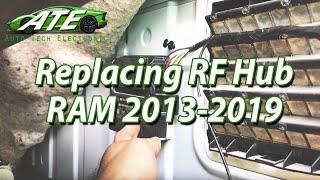
- RF Hub (2019-2020) — For 5th Generation Ram trucks, the RF Hub is located on the rear wall of the cab, below the center of the rear window. Access requires removal of the rear seat.. This is the primary module that reads the key fob. It is notoriously susceptible to water damage from leaks in the third brake light or rear window seal, causing module failure and a P0513 code. Its connectors face downwards, but severe water intrusion can still damage the unit.
- WIN Module (2018) — For 4th Generation Ram trucks, the Wireless Ignition Node (WIN) module is located behind the dashboard, integrated with the ignition switch where the key is inserted.. This module serves the same function as the RF Hub in the newer trucks. A failure of this module will prevent the key from being read correctly.
- RF Hub Ground (Z906) — The ground path for the RF Hub is located on the rear of the cab.. A loose or corroded ground at this point will prevent the RF Hub from functioning correctly, leading to communication loss and a P0513 code.
- BCM Ground — The Body Control Module (BCM) is located high up in the driver's side dash, near the parking brake pedal. It has multiple ground points, and poor body grounds are a known issue on Ram trucks.. The BCM is a critical part of the security handshake. A poor ground can cause intermittent communication issues, leading to a false P0513 code.
Real Owner Repair Stories
- RamForum.com user (2007 Ram 3500 5.9L (Note: Older model, but demonstrates a relevant wiring failure mode)) — Intermittent no-start with P0513. Key fob would not lock/unlock doors, and the engine would shut off after a few seconds. The problem was sporadic, working for days and then failing for weeks.
❌ Tried (didn't work) Replacing key fob battery, Reprogramming both keys by a locksmith, Disconnecting main vehicle batteries to reset modules
✅ What actually fixed it The user found a corroded battery cable connection to the main fuse panel. Cleaning this connection temporarily fixed the issue, indicating the root cause was an intermittent electrical connection/poor ground path, not a failed module. The final fix was to ensure all power and ground connections were clean and tight. - 5thGenRams Forum user (2019+ Ram 1500 (platform shared with 3500)) — Vehicle was un-startable, even when pressing the key fob to the start button. No prior symptoms.
❌ Tried (didn't work) Pressing key to start button
✅ What actually fixed it The dealer diagnosed and replaced a failed RF Hub. The user noted there was no water leak present, indicating the module can fail on its own. The total repair cost was around $1800 at the dealership.
OEM Part Supersession History
68363202AB, 68363202AC→68575424AB (or latest available)— Standard part revision and updates by the manufacturer.
Heads up: A used RF Hub cannot be reprogrammed to a new vehicle. A new RF Hub must be purchased and programmed to the vehicle's VIN. Several companies sell new, pre-programmed RF Hubs matched to your VIN, which can simplify installation.68363199AC (2019 Ram 1500)→Latest available from dealer— Part revision.
Heads up: This part number is for the 1500 but illustrates the frequent updates. Always verify the correct part number for your specific 3500 model and VIN. Parts are not interchangeable if not specified as compatible.
Model Year Variations Within This Range
- 2018: Uses the 4th Generation architecture with a Wireless Ignition Node (WIN) module integrated into the ignition switch. Diagnosis focuses on the WIN module and Fobik-style key. The module is located in the dashboard.
- 2019-2020: Uses the 5th Generation architecture with a separate Radio Frequency Hub (RFH) module located on the rear cab wall. This module is prone to failure from water leaks from the rear window/third brake light. Diagnosis focuses on the RFH module and push-button start system.
Helpful Videos
Used OEM Parts in Stock

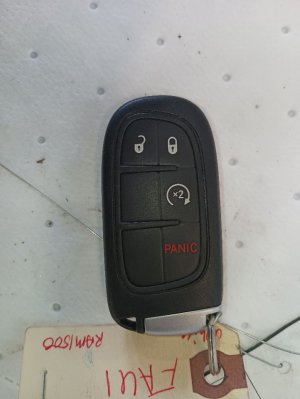
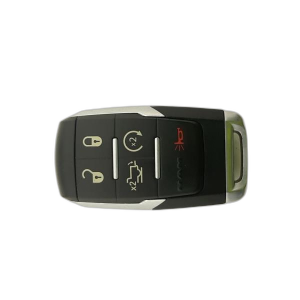
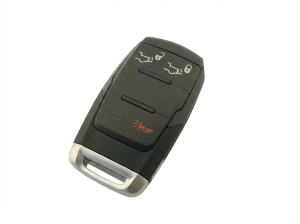
New Aftermarket Parts Available
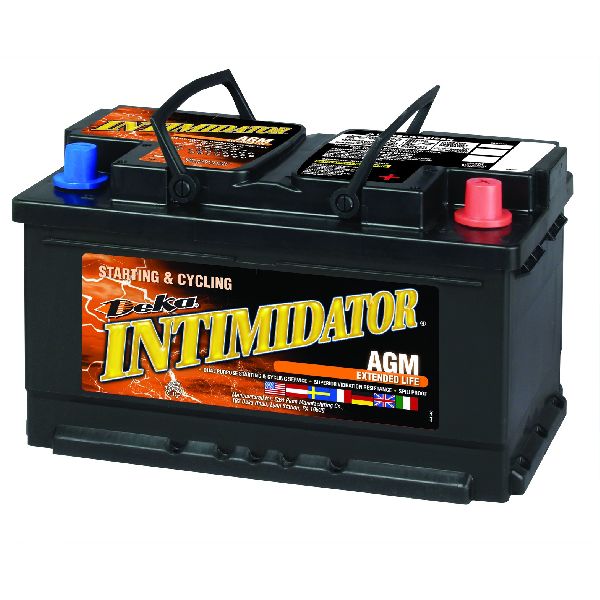


The information in this article is provided for general reference and educational purposes only. Vehicle specifications, procedures, and part compatibility can vary by production date, trim level, and region. Always consult your vehicle's factory service manual and verify part numbers before purchasing or performing repairs. Safety-critical components such as airbags, seat belts, and braking systems should be installed by a qualified professional.
- Ram 3500:
- 🎬 Helpful Videos
- 🛍️ Shop This Part
- What's Unique About the 2018-2020 Ram 3500
- Diagnostic Flowchart
- Symptoms You May Notice
- Most Likely Causes
- Rare But Worth Checking
- Diagnosis Steps
- Parts You'll Likely Need
- Related Codes That Often Appear With This One
- Technical Service Bulletins (TSBs) & Recalls
- Platform-Specific Known Issues
- Hidden / Shadow Codes Worth Checking
- Scan Tool Commands That Help
- Wiring & Ground Locations
- Real Owner Repair Stories
- OEM Part Supersession History
- Model Year Variations Within This Range
- 🎟️ Get 5% Off