

P0513 on 2018-2022 Jeep Wrangler: Invalid Immobilizer Key Causes & Fixes
P0513 on a Jeep Wrangler means the engine is disabled because it doesn't recognize the key. The most common causes are a dead key fob battery or a key that has lost its programming. A temporary fix may involve a battery reset, but a permanent solution often requires a new key or reprogramming at a dealership.
- P0513 means your Wrangler's anti-theft system has been triggered and has disabled the engine.
- Before calling for a tow, try the simple fixes: use your spare key, replace the key fob battery, and perform a vehicle battery hard reset.
- This code is a known issue after computer updates or replacement, as documented in a Jeep TSB.
- Any fix beyond a battery swap, such as programming a new key or replacing a control module, requires a trip to the dealer or a qualified automotive locksmith.
What's Unique About the 2018-2022 Jeep WRANGLER

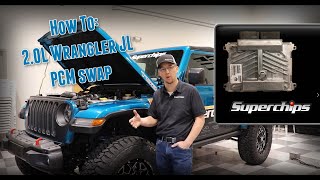
For the 2018-2022 Jeep Wrangler (JL generation), the P0513 code is often linked to software and programming issues, not just a bad key. The system 🎬 Watch: Understanding P0513 causes, symptoms, and common fixes. is highly sensitive. A manufacturer Technical Service Bulletin (TSB S2208000073) confirms that this code can appear after the vehicle's main computer (PCM) is updated or replaced, leading to a no-start condition. This happens because the PCM loses its security programming and needs to re-learn the vehicle's specific codes via a "PCM REPLACED PROCEDURE". This highl 🎬 Watch: How to safely swap the PCM on your Wrangler.ights a sensitivity in the Wrangler's security system where the 'handshake' between the key and the vehicle can be lost during service procedures or even due to a weak vehicle battery.
Diagnostic Flowchart
Tap your situation to follow the diagnostic path that matches what you're seeing on this vehicle.
Generation note: The 2018 model year was a transition period, featuring both the outgoing JK generation and the new JL generation. This guide primarily focuses on the 2018-2022 JL Wrangler, as referenced in the TSB. However, the fundamental cause of the code (key communication failure) is similar across both generations, though the specific control module is called a SKIM on the JK and an RF Hub on the JL. A temporary fix reported on JK models involves pulling the M13 fuse to reset the system.
Symptoms You May Notice

- Engine will not start; it may crank but will not fire up.
- Engine starts and then immediately stalls (within 2 seconds).
- Solid or flashing red security indicator light on the dashboard (often a small red dot).
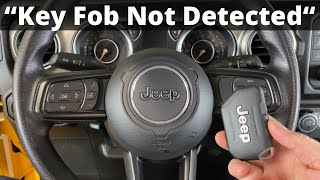
- A "Key Not Detected" or similar message may appear in the instrument cluster.
- After three failed start attempts, the engine may not crank at all.
- Replacing the starter motor. A user might assume the no-start is a starter issue, but if the security light is on, the problem is electronic, not mechanical.
- Replacing the vehicle's main battery without attempting to reprogram the keys afterward. A new battery might solve a voltage issue, but if the modules lost communication, the P0513 code may persist until a reset or relearn is performed.
Most Likely Causes

- Dead or Weak Key Fob Battery 🔴 High Probability Key fobs for modern push-to-start vehicles are always transmitting a low-power signal, and batteries have a finite life of 1-3 years. This is the most common and easiest fix.
How to confirm: Try using your spare key fob. If the vehicle starts with the spare, the battery in the primary key is the likely culprit. You can also try placing the 'dead' fob directly on the start button, as this may allow the immobilizer antenna to read the chip even with a very low battery.
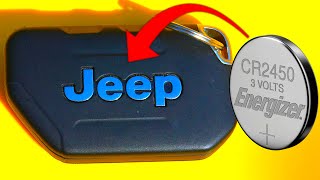
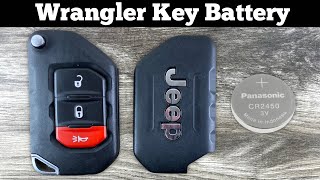
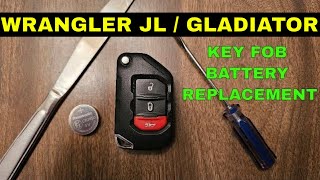
Typical fix: Replace the battery inside the key fob. For the JL Wrangler, this is typically a CR2450 coin cell battery.
Est. part cost: $5-$15 - Key Programming Lost (Software Glitch) 🟡 Medium Probability As noted in TSB #S2208000073, this can occur after a PCM flash or replacement. It can also happen due to a low or disconnected vehicle battery causing module communication errors. Many owners in forums report this code appearing after changing the vehicle's main battery or after a jump-start.
How to confirm: This is confirmed when the code appears immediately after vehicle service or a battery event. A temporary fix, like disconnecting the vehicle's main battery for several minutes, may resolve the glitch.
Typical fix: The key(s) must be re-programmed to the vehicle's immobilizer module using a dealer-level scan tool. In some cases, a hard reset (disconnecting the battery terminals and touching them together for several seconds) can clear the error and restore communication. For older JK models, pulling the M13 fuse was a known temporary fix.
Est. part cost: $0 for a reset, $100-$250 for reprogramming at a dealer or locksmith. - Faulty Key Fob 🟡 Medium Probability Key fobs can be damaged by being dropped, exposed to water, or from internal electronic failure of the transponder chip.
How to confirm: If a new battery doesn't fix the issue and the spare key works perfectly, the original key fob is likely damaged internally.
Typical fix: Purchase a new key fob and have it professionally cut and programmed by a dealership or automotive locksmith.
Est. part cost: $150-$400 - Faulty Radio Frequency Hub (RFH) ⚪ Low Probability This module acts as the receiver for the key's signal. While not a frequent failure, it can be damaged by voltage spikes or internal faults. There was a Customer Satisfaction Notification (Z23) for some 2022 models for RF Hubs that could cause a no-start, requiring replacement. Forum users report dealership quotes for RF Hub replacement ranging from $600-$800.
How to confirm: This is a diagnosis of exclusion. If keys are known to be good and programming attempts fail, a technician will test the RFH module and its wiring. This requires advanced diagnostic tools to check communication between the RFH, BCM, and PCM.
Typical fix: Replace the RFH module and program it to the vehicle, along with all keys. The RFH module in the JL Wrangler is reportedly located behind the dashboard near the OBD-II port.
Est. part cost: $200-$500
Rare But Worth Checking
- Faulty Powertrain Control Module (PCM): While rare, the TSB indicates that a PCM replacement is a trigger for this code, implying the PCM itself can be part of the problem circuit. The TSB outlines a specific "PCM REPLACED PROCEDURE" to re-establish the security handshake.
- Using an Unprogrammed or Incorrectly Cloned Key: If you recently had a new key made by a third-party service, it may not have been programmed correctly for the Jeep's specific security system.
- Aftermarket Remote Start or Alarm System Interference: Poorly installed aftermarket electronics can interfere with the immobilizer antenna's ability to read the key, causing intermittent P0513 codes. A user on a Jeep forum noted the code appeared after installing a Viper alarm system.
Diagnosis Steps
- Verify P0513 is the active code using an OBD-II scanner.
- Check the dashboard for a solid or flashing red security light. This confirms an immobilizer issue.
- Attempt to start the vehicle with a known-good spare key. If it starts, the issue is with the primary key fob (likely the battery).
- If the spare key also fails, replace the battery (CR2450) in one of the key fobs as a low-cost first step.
- If using a push-to-start model, press the 'dead' key fob directly against the start/stop button and try to start the vehicle. This allows the low-power transponder to be read by the antenna.
- Perform a hard reset by disconnecting the negative and positive battery terminals for at least 10 minutes. Touch the cable ends together (away from the battery) to drain any residual power from the modules. This is a widely reported fix in owner forums.
- Check wiring and connectors to the RF Hub, which is located behind the driver's side dash area near the steering column, for any signs of damage or looseness. Pay special attention to dash harness ground points like G905A, located near the driver-side A-pillar.
- If the vehicle still won't start, it will require professional diagnosis with a scan tool (like wiTECH, AlfaOBD) that can access the immobilizer system to check key status and module communication between the RFH, BCM, and PCM.
- The final step is to have the keys reprogrammed, or to diagnose and replace a faulty key, RFH module, or PCM.
Parts You'll Likely Need
- Key Fob Battery
(OEM #CR2450)— This is the most common and cheapest fix. The key fob's signal weakens as the battery dies, preventing the car from recognizing it.
Trusted brands: Energizer, Duracell, Panasonic
OEM price range: $10-$20
Aftermarket price range: $5-$10 - Key Fob / Transponder Key — If the internal transponder chip is damaged, the entire key fob must be replaced and programmed to the vehicle.
Trusted brands: Mopar (OEM)
OEM price range: $200-$400
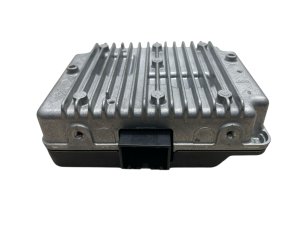
Aftermarket price range: $75-$200 - Radio Frequency Hub (RFH)
(OEM #68449372AC (supercedes 68449372AA, 68449372AB))— This module is the receiver for the key's signal. If it fails, no keys will be recognized. This is a less common but possible cause, sometimes requiring replacement per Customer Satisfaction Notification Z23.
Trusted brands: Mopar (OEM)
OEM price range: $130-$250
Technical Service Bulletins (TSBs) & Recalls
- S2208000073: No Start, After Flash And Or PCM Replace, DTC P0513 Invalid Skim Key Setting.
- Z23: Customer Satisfaction Notification - Radio Frequency Hub Module
Platform-Specific Known Issues
- TSB S2208000073 specifically calls out that a P0513 code and a no-start condition can occur after a PCM software flash or replacement on 2020 models, requiring a key relearn procedure.
Hidden / Shadow Codes Worth Checking
- B1A25: Invalid Key. This code is often stored in the Wireless Control Module (WCM) or RF Hub when the PCM stores a P0513, indicating the body/security module also failed to validate the key. (see via A professional scan tool (like wiTECH, AlfaOBD, JScan) that can read Body Control Module (BCM) or security module codes, not just standard OBD-II PCM codes.)
Scan Tool Commands That Help
- wiTECH (dealer) or advanced aftermarket tuners (e.g., Superchips): PCM Replaced Procedure / Transfer Factory Data — This function is required after replacing the PCM, as stated in TSB S2208000073. The procedure copies the vehicle's security information from the old PCM (or a cloud backup) to the new one. During this process, the red security light on the dash will illuminate and then turn off once the transfer is successful. A failure in this process is a direct cause of P0513 post-service.
Wiring & Ground Locations

- G905A — Located on the driver's side, behind the dash/kick panel area, near the A-pillar.. This is a primary ground point for the dash harness. The RF Hub and BCM rely on this harness for power and communication. A loose or corroded G905A ground can cause intermittent communication failures between the key, RFH, and PCM, triggering a P0513 code.
- Gateway Module Connectors — Behind and slightly above the OBD-II port under the driver's side dash.. This module controls data flow between different vehicle networks. While not a direct cause, procedures like PCM replacement require disconnecting these connectors to install a bypass, highlighting its central role in module communication. A loose connection here could cause various communication codes.
Real Owner Repair Stories
- YouTube user 'Steve Lowenstein' (2014 Jeep Wrangler JK Unlimited Rubicon, 53,000 miles) — P0513 code, red security light stayed on, engine started and died after 2 seconds for three attempts, then locked out and would not crank.
❌ Tried (didn't work) Using the spare key., Restoring the vehicle's tune to factory settings using a Superchips programmer.
✅ What actually fixed it A hard reset of the electrical system. The owner disconnected both battery terminals for five minutes, touched the positive and negative cable ends together for 10 seconds to drain residual power, and then reconnected the battery. Afterward, the vehicle started and ran correctly with both keys.
"I Checked Everything" — The Actual Cause
- In the context of this electronic code, this pattern appears as 'standard parts replacement doesn't work, but a system reset does.' A documented case for a Wrangler with P0513 showed that neither the primary nor spare key would work, but instead of a faulty key or module, the root cause was a software glitch that was resolved by a complete electrical hard reset (disconnecting the battery and touching the terminals together).
OEM Part Supersession History
68449372AA, 68449372AB→68449372AC— Standard part revision by the manufacturer for improvements or supplier changes.
Heads up: No known incompatibilities. The latest part number (68449372AC) is the correct service replacement for the previous versions.
Model Year Variations Within This Range
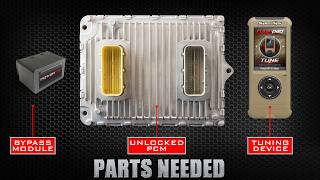
- 2018-2022: The factory PCM in 2018+ Wranglers is locked, preventing aftermarket tuning without modification. To apply performance tunes, owners must physically swap the factory PCM with a specially 'unlocked' PCM. This process requires using a gateway bypass module that plugs in near the OBD-II port. While not a factory variation, this is a critical distinction for this platform that directly involves the security handshake process and can be a source of P0513 if the PCM swap and programming procedure is not done correctly.
Helpful Videos

Used OEM Parts in Stock




New Aftermarket Parts Available


The information in this article is provided for general reference and educational purposes only. Vehicle specifications, procedures, and part compatibility can vary by production date, trim level, and region. Always consult your vehicle's factory service manual and verify part numbers before purchasing or performing repairs. Safety-critical components such as airbags, seat belts, and braking systems should be installed by a qualified professional.
- Jeep WRANGLER:
- 🎬 Helpful Videos
- 🛍️ Shop This Part
- What's Unique About the 2018-2022 Jeep WRANGLER
- Diagnostic Flowchart
- Symptoms You May Notice
- Most Likely Causes
- Rare But Worth Checking
- Diagnosis Steps
- Parts You'll Likely Need
- Technical Service Bulletins (TSBs) & Recalls
- Platform-Specific Known Issues
- Hidden / Shadow Codes Worth Checking
- Scan Tool Commands That Help
- Wiring & Ground Locations
- Real Owner Repair Stories
- "I Checked Everything" — The Actual Cause
- OEM Part Supersession History
- Model Year Variations Within This Range
- 🎟️ Get 5% Off