

P0513 on 2016-2021 Jeep Renegade: Invalid Immobilizer Key Causes & Fixes
P0513 on a Jeep Renegade means the anti-theft system doesn't recognize the key, causing a no-start condition. This often happens after a battery dies or modules are replaced. The fix usually requires professional reprogramming of the key or vehicle security modules using a 'Proxy Alignment' procedure, not a simple part swap.
- P0513 on a 2016-2021 Jeep Renegade means your car's anti-theft system has locked you out, almost always resulting in a no-start condition.
- Before panicking, try your spare key. If it works, your primary key is the problem.
- This code is frequently caused by a dead vehicle battery or the replacement of security modules (PCM, RF Hub), which requires dealer-level reprogramming.
- This is not a DIY-friendly repair. Fixing it correctly requires expensive scan tools and access to manufacturer security procedures.
- Do not mistakenly replace the starter or battery to fix this code; the problem lies within the vehicle's electronic security system.
What's Unique About the 2016-2021 Jeep RENEGADE

On this generation of Jeep Renegade and its platform-mate, the Fiat 500X, the P0513 code is frequently triggered by specific, non-standard events rather than just a faulty key. 🎬 See this breakdown of P0513 causes and symptoms. The most cited issues are a dead or disconnected vehicle battery causing data corruption in the PCM, or a loss of synchronization between modules after the PCM or Radio Frequency Hub (RFH) has been replaced. The provided NHTSA Technical Service Bulletins (TSBs) directly address these scenarios, indicating they are known issues that require specific dealer-level procedures to resolve. This process is formally known as a "Proxy Alignm 🎬 Watch: How to perform a Proxy Alignment on your Renegade.ent," which re-synchronizes the configuration data stored in the BCM with all other modules on the vehicle's network.
Diagnostic Flowchart
Tap your situation to follow the diagnostic path that matches what you're seeing on this vehicle.
Symptoms You May Notice

- Engine cranks but will not start.
- Engine starts and then immediately shuts off.
- No-crank, no-start condition.
- Illuminated Check Engine Light.
- Flashing security light on the dashboard (often looks like a key or a red dot).
- On some scanners, P0513 may only appear when scanning the BCM or using advanced software like AlfaOBD, while cheaper readers show no codes.
- Replacing the vehicle battery without realizing it can trigger the security system desynchronization.
- Replacing the starter motor when the engine fails to crank, without first checking for security-related fault codes.
- Replacing the PCM or RF Hub without having the proper tools to perform the mandatory post-installation security programming ('Proxy Alignment').
- Assuming the key is bad when the actual fault lies with corrupted data in the vehicle's modules.
Most Likely Causes
- PCM Data Corruption or Module Mismatch 🔴 High Probability As documented in TSBs S2208000073 and S2008000020, this occurs after replacing the PCM or RF Hub, or after a software flash. It is also extremely common after the main vehicle battery dies or is disconnected. The sudden voltage drop can corrupt the security handshake data stored in the PCM's EEPROM, causing a mismatch even though all parts are original.
How to confirm: This is confirmed with a professional scan tool that can read security data from the PCM, BCM, and RF Hub. The tool will show a mismatch in the security key data or VIN. Even if VINs match, the internal security handshake is broken.
Typical fix: The fix requires a dealer or a specialized shop with online access to FCA's systems to perform a 'Proxy Alignment' or 'PCM Replaced' procedure. This re-synchronizes the modules. In severe cases of data corruption, the PCM's EEPROM may need to be bench flashed with a 'virgin' file by a specialist and then re-initialized to the vehicle.
Est. part cost: $0 - Defective or Unprogrammed Key Fob 🟡 Medium Probability
How to confirm: Try starting the vehicle with a known-good spare key. If the spare key works, the original key is faulty.
Typical fix: The defective key fob must be replaced and programmed to the vehicle by a dealer or an automotive locksmith. A Reddit user reported a dealer cost of around $700 for a new key and programming for a 2021 Renegade.
Est. part cost: $150-$400 - Weak or Dead Key Fob Battery ⚪ Low Probability
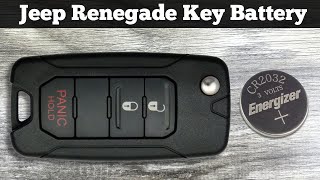
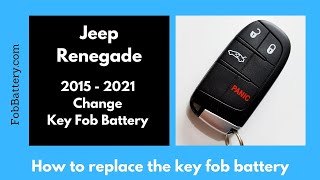
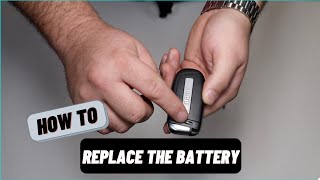
How to confirm: Replace the battery in the key fob. It's a cheap and easy first step. If the vehicle starts, this was the issue.
Typical fix: Replace the CR2032 battery inside the key fob.
Est. part cost: $1-$5 - Faulty Radio Frequency Hub (RFH) ⚪ Low Probability
How to confirm: A professional scan tool will show a loss of communication with the RFH or internal faults within the module itself after other causes are ruled out.
Typical fix: The RFH module needs to be replaced and programmed to the vehicle. This is a job for a dealer or specialized repair shop. The new module must be synchronized via Proxy Alignment.
Est. part cost: $200-$500
Rare But Worth Checking
- Faulty Powertrain Control Module (PCM): While module data corruption is common, outright hardware failure of the PCM is less so. This would typically be the last item to suspect after all other diagnostic paths are exhausted.
- Wiring or Connector Issue: A damaged wire or loose connector between the RF Hub, BCM, and the PCM could interrupt the security signal, but this is uncommon without prior collision repair or rodent damage.
Diagnosis Steps
- Scan for all DTCs using a capable OBD-II scanner that can read FCA-specific security codes (e.g., AlfaOBD, Autel, Snap-on, wiTECH). Basic code readers may not see the P0513 code.
- Try to start the vehicle with all known spare keys. If a spare key works, the issue is with the primary key fob.
- Replace the CR2032 battery in the non-working key fob as a simple, low-cost first step.
- If no keys work, suspect a vehicle-side issue. Check the main vehicle battery to ensure it is fully charged and has clean connections. A low-voltage event is a known trigger for this code on Renegades.
- Using an advanced scan tool, check the immobilizer status in the PCM, BCM, and RF Hub. Verify that the VIN is correct in all modules and check for any security mismatch flags.
- If modules were recently replaced, the battery died, or a mismatch is found, perform the 'Proxy Configuration Alignment' procedure. If the PCM was replaced or flashed, the specific 'PCM Replaced' routine must be run from the BCM menu before the proxy alignment.
- If module synchronization fails, the PCM may have corrupted EEPROM data and require bench flashing by a specialist service to install a 'virgin' file before it can be reprogrammed to the car.
Parts You'll Likely Need

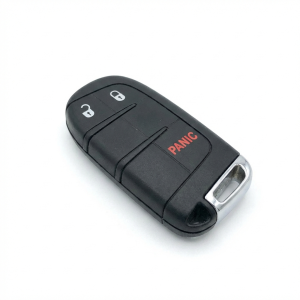
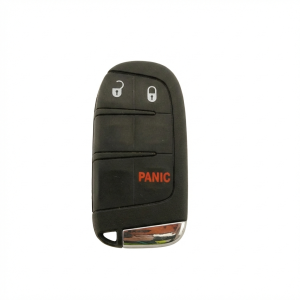
- Key Fob (Smart Key)
(OEM #6BY88DX9AA (supersedes to 7SF75LXHCA, among others like 68266733AA, 6FD98DX9AA). FCC ID: M3N-40821302.)— The internal transponder chip can fail, or the key can lose its programming. This is the most common part to fail in the system.
Trusted brands: Mopar
OEM price range: $200-$400
Aftermarket price range: $100-$250 - Radio Frequency Hub (RFH)
(OEM #68638466AA or 68638489AA (part number varies by vehicle options like passive entry; many supersessions exist).)— This module reads the key's signal. It can fail internally, preventing communication with a known-good key. Its replacement requires dealer programming.
Trusted brands: Mopar
OEM price range: $150-$300
Technical Service Bulletins (TSBs) & Recalls
- S2208000073: No Start, After Flash And Or PCM Replace, DTC P0513 Invalid Skim Key Setting
- S2008000020: No Start, No Crank After PCM And RFHUB Replaced, DTC P0513 Invalid Skim Key Sets In The PCM
Platform-Specific Known Issues
- TSB #S2208000073: Addresses a no-start condition with DTC P0513 after a software update (flash) or replacement of the PCM. It specifies that the 'PCM Replaced' procedure must be run to restore the security code handshake between the PCM, BCM, and RF Hub.
- TSB #S2008000020: Specifically calls out a no-crank, no-start situation with P0513 after both the PCM and RF Hub have been replaced, indicating a failed security handshake between the new parts.
- Battery Voltage Sensitivity: Multiple owner and technician forums confirm that simply having the vehicle's main battery die can corrupt the security data (EEPROM) in the PCM, triggering P0513 even when no parts have been changed. This is the most common real-world trigger for this code on the Renegade.
Hidden / Shadow Codes Worth Checking
- U0426 - Invalid Data Received From Vehicle Immobilizer Control Module: This code is often set in other modules (like the BCM or Instrument Cluster) when the PCM sets P0513. It indicates that the security data being broadcast by the immobilizer system is seen as invalid by other modules on the CAN bus network. Seeing this alongside P0513 strongly points to a module synchronization or data corruption issue rather than a simple bad key. (see via A full-system scan with an advanced tool like wiTECH or AlfaOBD that can communicate with all vehicle modules, not just the PCM.)
Scan Tool Commands That Help

- wiTECH / AlfaOBD: Proxy Alignment (or Proxi Configuration Alignment) — This is the primary function used after replacing a module (like the RF Hub or BCM) or after a data corruption event (like a dead battery). It forces the Body Control Module (BCM) to re-learn and synchronize the configuration of all other modules on the vehicle's network.
- wiTECH / AlfaOBD: PCM Replaced — This specific routine, mentioned in TSB S2208000073, must be run from the BCM menu *before* a Proxy Alignment when the PCM itself has been replaced or reflashed. It prepares the system to accept the new PCM and transfer the vehicle's secret key and VIN.
- AlfaOBD: Transfer Secret Key from RFH to Engine ECU — In AlfaOBD, this is a specific command used to force the security key data stored in the Radio Frequency Hub (RFH) to be written to the Powertrain Control Module (PCM). This can sometimes resolve the P0513 after a PCM replacement or data corruption.
- Specialized EEPROM Programmers (e.g., KTAG, Flex, OBDSTAR DC706): Read/Write EEPROM (Bench Flash) — When a Proxy Alignment and key reprogramming fail, it often indicates the PCM's internal EEPROM data is corrupted. A specialist must physically remove the PCM, open it, and use tools to directly read the memory, correct the corrupted data (or flash a 'virgin' file), and write it back. This is a last resort for advanced repair.
Wiring & Ground Locations
- Radio Frequency Hub (RFH) Module — Located in the rear headliner, near the rear hatch/liftgate area. The headliner must be partially pulled down to access it.. This module reads the signal from the key fob. All key programming and security signals originate here. A loose connector or water damage (if the rear hatch seal leaks) at this location can directly cause P0513.
- Body Control Module (BCM) — Located in the driver's side footwell, typically high up under the dashboard, often requiring removal of lower dash panels to access.. The BCM acts as the central gateway for the vehicle's networks. It stores the master configuration for the Proxy Alignment process and is a key player in the security handshake. A poor connection or fault at the BCM can prevent modules from syncing.
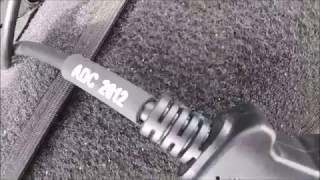
- RFH Connector — The main connector on the RFH module in the rear headliner. On the Renegade, the plug you need to disconnect for diagnostics is often the one with a pink locking tab.. Locksmiths and technicians performing 'all keys lost' procedures or RFH replacement need to connect directly to this plug using special cables (like the ADC2012) to read the PIN code or program new keys when the vehicle is immobilized.
Real Owner Repair Stories
- MHH AUTO Forum User (2017 Jeep Renegade) — No start, P0513 code present in PCM after the vehicle's main battery went dead.
❌ Tried (didn't work) Performing a Proxy Alignment (the procedure completed successfully but did not fix the no-start)., Attempting to reprogram the existing keys (failed)., Verifying that the VIN was correct in the PCM, BCM, and RFH modules.
✅ What actually fixed it The PCM's EEPROM was corrupted by the low voltage event. The final solution was to remove the PCM from the vehicle, read the EEPROM data on the bench using a specialized programmer, and flash it with a corrected or 'virgin' file. After reinstalling the 'virginized' PCM, a Proxy Alignment and key programming procedure could be completed successfully. - MHH AUTO Forum User (2017 Jeep Renegade) — P0513 after battery was completely discharged, then jump-started. The engine started for a few minutes, then shut off and would not restart. No crank.
❌ Tried (didn't work) Reprogramming the key (only the remote lock/unlock functions would program, not the immobilizer).
✅ What actually fixed it As a temporary measure to make the vehicle drivable, the user installed an immobilizer bypass/emulator module. The long-term solution mentioned is to remove the emulator and perform an EEPROM-level repair on the original PCM to restore the factory security system. - Reddit user on r/JeepRenegade (Jeep Renegade (year not specified, but key-in-ignition model)) — Central locking, infotainment, and lights worked with a new battery, but the key would not turn in the ignition cylinder at all. No accessory power, no start.
❌ Tried (didn't work) Using the spare key., Disconnecting and reconnecting the new battery.
✅ What actually fixed it The ignition cylinder barrel was physically stuck in the inward-pressed position, which occurred when the original battery died. It was not an electronic immobilizer issue. Once the owner realized the barrel could pop out to its normal position, the key could be turned and the car started normally.
OEM Part Supersession History
68266733AA→6BY88DX9AA, 7SF75LXHCA— Standard part number updates and revisions by Mopar.
Heads up: While many part numbers exist for the key fob, the critical matching factors are the FCC ID (M3N-40821302) and the internal chip type (Magamos AES). Using a key with the wrong chip will result in programming failure and P0513, even if it looks identical.
Model Year Variations Within This Range
- 2018-2021: Vehicles from 2018 onwards are equipped with a Security Gateway (SGW) module. This requires either a hardware bypass device or a registered and authenticated diagnostic tool to perform security functions like Proxy Alignment or key programming. Tools like AlfaOBD require a bypass adapter for these model years.
Helpful Videos
Used OEM Parts in Stock



New Aftermarket Parts Available


The information in this article is provided for general reference and educational purposes only. Vehicle specifications, procedures, and part compatibility can vary by production date, trim level, and region. Always consult your vehicle's factory service manual and verify part numbers before purchasing or performing repairs. Safety-critical components such as airbags, seat belts, and braking systems should be installed by a qualified professional.
- Jeep RENEGADE:
- 🎬 Helpful Videos
- 🛍️ Shop This Part
- What's Unique About the 2016-2021 Jeep RENEGADE
- Diagnostic Flowchart
- Symptoms You May Notice
- Most Likely Causes
- Rare But Worth Checking
- Diagnosis Steps
- Parts You'll Likely Need
- Technical Service Bulletins (TSBs) & Recalls
- Platform-Specific Known Issues
- Hidden / Shadow Codes Worth Checking
- Scan Tool Commands That Help
- Wiring & Ground Locations
- Real Owner Repair Stories
- OEM Part Supersession History
- Model Year Variations Within This Range
- 🎟️ Get 5% Off