

P0513 on 2014-2021 Jeep Grand Cherokee: Invalid Key Causes and Fixes
P0513 means your Jeep's anti-theft system doesn't recognize the key. The most common fix is replacing the battery in the key fob. If that doesn't work, the key fob itself may be faulty or require reprogramming. In many cases on this platform, the Radio Frequency Hub (RFH) module needs a software update or replacement.
- P0513 means your Jeep's anti-theft system has locked you out, usually causing a no-start condition.
- Always try the simple fixes first: use your spare key and replace the key fob battery.
- This is not a DIY-friendly repair beyond a battery change. Programming new keys or modules requires special equipment.
- If you recently had your PCM serviced or replaced, the P0513 code is likely due to an incomplete security programming procedure.
What's Unique About the 2014-2021 Jeep GRAND CHEROKEE

For the 2014-2021 Grand Cherokee (WK2 generation), the security system involves a handshake between the key fob, the Radio Frequency Hub (RFH) module, the Body Control Module (BCM), and the Powertrain Control Module (PCM). A failure in communication or programming in any of these components can trigger P0513. Manufacturer bulletins specifically note that this code can appear after a PCM software update or replacement, or even during a remote start attempt, highlighting the sensitivity of the system's programming. [34, Bulletin #18-098-16] Unlike earlier models that used a Wireless Ignition Node (WIN) module, the WK2 uses a more integrated RF Hub that is a common point of failure, sometimes resolved with just a software flash.
Diagnostic Flowchart

Tap your situation to follow the diagnostic path that matches what you're seeing on this vehicle.
Symptoms You May Notice

- Engine cranks but will not start.
- Engine starts and immediately stalls after a few seconds.
- Flashing red security light (a small red dot) on the instrument cluster.
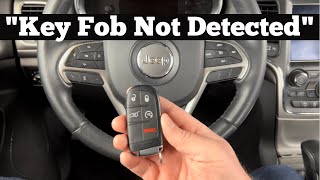
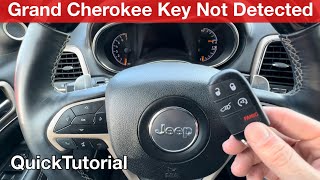
- "Key Not Detected" or "Invalid SKIM Key" message on the dash.
- Remote start function is inoperative. [Bulletin #18-098-16, Bulletin #18-036-15 REV. A]
- Check Engine Light is illuminated.
- Key fob does not lock or unlock doors.
- Unable to turn the ignition from the 'ACC' position.
- Replacing the starter motor when the engine cranks but won't start.
- Replacing the vehicle's main battery without first checking the key fob battery and trying the emergency start procedure.
- Replacing the ignition switch when the actual fault lies with the RFH module or key fob transponder.
Most Likely Causes

- Weak or Dead Key Fob Battery 🔴 High Probability Key fobs are powered by small batteries (typically a CR2032) that have a finite life of 2-5 years. This is the most common and easiest-to-fix cause.
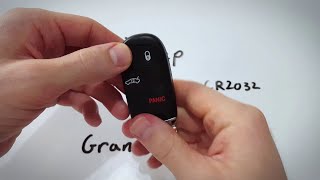
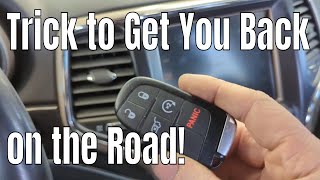
How to confirm: Try starting the vehicle with your spare key fob. If it starts, the issue is with the primary key. You can also try the emergency start procedure: place the nose of the fob directly against the start button and press it. 🎬 See this video for a walkthrough of the emergency start procedure. This allows the low-power transponder to be read. If this works, the battery is almost certainly the cause. A multimeter should show the battery voltage is above 2.8V.
Typical fix: Replace the CR2032 battery inside the key fob. 🎬 Watch: How to replace your key fob battery in minutes.
Est. part cost: $2-$10 - Radio Frequency Hub (RFH) Module Issue 🔴 High Probability The RFH (also known as the Wireless Control Module or WCM) is the receiver for the key's signal. It is known to suffer from software glitches or internal electronic failure. In many documented cases, simply reprogramming (flashing) the module with updated software from the dealer resolves the issue without replacing the part.
How to confirm: This requires a high-end scan tool (like wiTECH) to check for communication with the RFH module and see if a flash update is available. A technician can also perform an 'RF Hub LF Antenna Verification Test'. Often, no specific fault codes are present in the RFH itself, but a 'Key Not Detected' message appears.
Typical fix: Reprogramming ('flashing') the existing module with the latest software. If that fails, the module must be replaced and programmed to the vehicle.
Est. part cost: $200-$500 for the part, plus programming. - Faulty Key Fob (FOBIK) 🟡 Medium Probability The internal transponder chip or circuitry can fail from being dropped, water damage, or age. The solder joints on the board can crack, leading to intermittent failures.
How to confirm: If a new battery doesn't solve the issue and the spare key works, the original key fob is likely defective. A locksmith or dealer can test the fob's signal. A scan tool may show the key status as 'Damaged' or 'Not Programmed'.
Typical fix: The key fob must be replaced and programmed to the vehicle by a dealer or qualified locksmith.
Est. part cost: $150-$400 (OEM), $75-$200 (Aftermarket) - PCM Programming Error ⚪ Low Probability As per TSB #S2208000073, this code can be set after a PCM is replaced or has its software updated (flashed) if the security information isn't transferred correctly. The 'seed request' handshake between the PCM, BCM, and RF Hub fails.
How to confirm: This issue will appear immediately after a PCM flash or replacement. A dealer-level scan tool is needed to run the 'PCM Replaced' or 'Proxy Configuration Alignment' procedure to restore the security code.
Typical fix: Properly execute the security key transfer procedure using a compatible scan tool.
Est. part cost: $0 (if part of other labor)
Rare But Worth Checking
- Faulty Body Control Module (BCM): The BCM is a critical part of the security handshake. A fault within the BCM can disrupt communication and trigger a P0513, though it's less common than RFH or key issues. A forum user on MHH Auto described a scenario where the PCM would not accept the key, but the BCM and RFH would, pointing to a complex module communication issue.
- Wiring Harness Damage: Damage to the wiring between the RFH, BCM, and PCM can cause a loss of communication, leading to this code. This is rare but possible, especially if other electrical work has been performed or if there is corrosion.
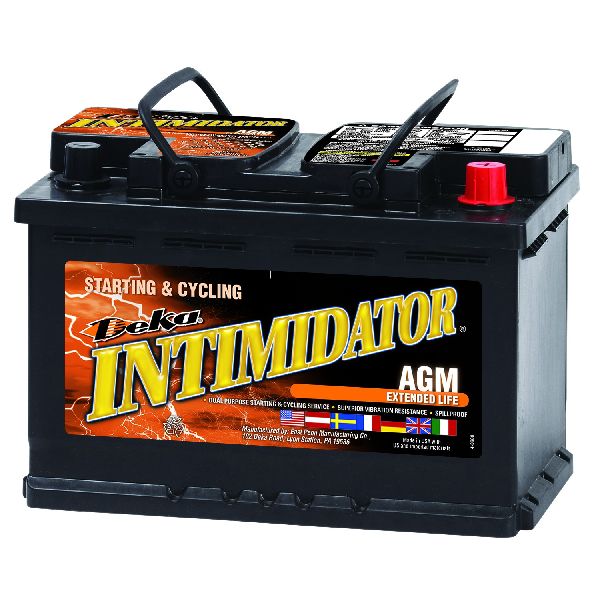
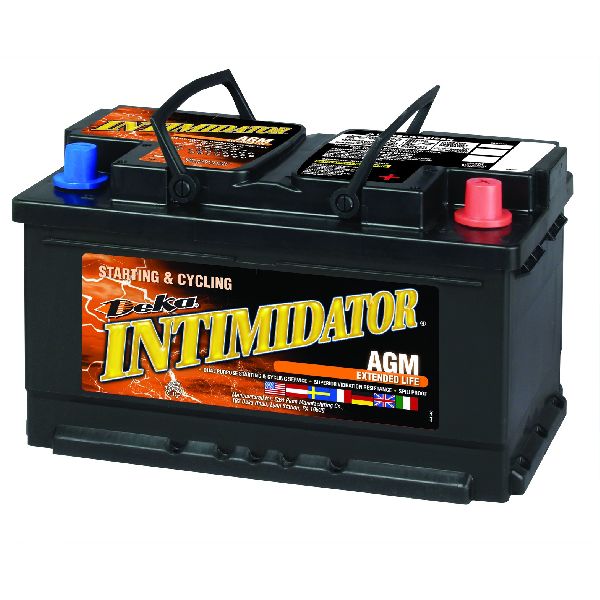
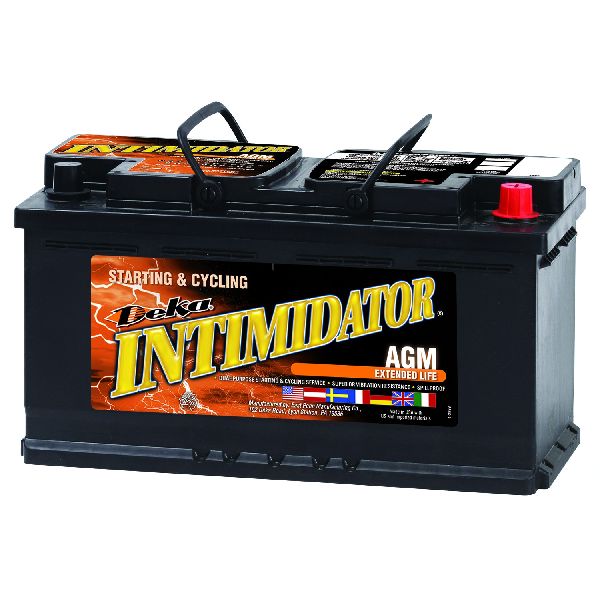
- Low Vehicle Battery: A weak or failing main vehicle battery can cause a multitude of seemingly unrelated electrical gremlins, including security system faults like P0513. The low voltage can cause modules to fail to communicate correctly during startup. A Reddit user reported a P0513 and no-start that was ultimately resolved by replacing a dead vehicle battery.
Diagnosis Steps
- Try to start the vehicle with your spare key fob. If it works, the problem is isolated to your primary key fob.
- If the spare key also fails, replace the battery (typically a CR2032) in one of the key fobs.
- Attempt the 'emergency start procedure': press the nose of the key fob directly onto the Start/Stop button and push to start. If the vehicle starts, this strongly indicates a weak fob battery or a problem with the RFH module's antenna.
- Inspect the key fob for any visible damage, like cracks or signs of water intrusion.
- If the problem persists, the vehicle needs to be scanned with a professional diagnostic tool that can access all modules (RFH, BCM, PCM). Basic OBD-II readers are often insufficient.
- Check for codes in all related modules. Look for a flash update available for the RFH module, as this is a common fix.
- A technician will use the scan tool to view live data and verify if the RFH module is detecting a key press and reading the key's ID. The status might show 'Damaged' or 'Not Programmed'.
- If the key is not being read, the key is likely faulty. If the key is being read but the vehicle won't start, the issue may be with the RFH module, BCM, or PCM programming.
- Follow TSB procedures like 'PCM Replaced' or 'Proxy Configuration Alignment' if any modules have been recently flashed or replaced.
Parts You'll Likely Need
- Key Fob Battery
(OEM #CR2032)— This is the most frequent and simplest cause of a weak signal from the key fob.
Trusted brands: Energizer, Duracell, Panasonic
OEM price range: $5-$10
Aftermarket price range: $2-$8 - Key Fob (FOBIK - Keyless Go)
(OEM #68143502AC, 68240167AA (Varies by year and options))— The internal transponder can fail, requiring a complete replacement. Must be programmed to the vehicle.
Trusted brands: Mopar (OEM)
OEM price range: $250-$400
Aftermarket price range: $100-$200 - Radio Frequency Hub (RFH) Module
(OEM #68363202AC, 68245484AE (Varies by year/options))— This module receives the key's signal. It can fail or require a software update to resolve communication glitches.
Trusted brands: Mopar (OEM)
OEM price range: $200-$500
Related Codes That Often Appear With This One
- P0300-P0306 — TSBs #18-055-16 REV. A and #1805516 list various cylinder misfire codes alongside P0513, suggesting a potential link during certain PCM software-related fault events.
- P2096-P2099 — TSBs #18-098-16 and #18-036-15 REV. A mention these fuel trim codes in conjunction with P0513, particularly when the code is set during a remote start attempt.
- B1A25, B1A24 — These are often stored in the RF Hub module alongside a PCM P0513. They relate to 'Invalid Key' and 'Key Not Programmed' respectively, pointing directly to a key authentication failure.
Technical Service Bulletins (TSBs) & Recalls
- S2208000073: No Start, After Flash And Or PCM Replace, DTC P0513 Invalid Skim Key Setting
- 18-098-16: P0513 - Invalid Skim Key - May set when pressing the remote start button
- 18-055-16 REV. A: P0513 - Invalid SKIM Key
- 18-036-15 REV. A: P0513 - Invalid Skim Key - May set when pressing the remote start button
Platform-Specific Known Issues
- TSB #S2208000073 notes that P0513 can occur after a PCM replacement or software flash if the security key data is not correctly transferred. The fix is to run the 'PCM Replaced' procedure.
- TSB #08-100-15 for 2014 models specifically addresses a 'Key Not Detected' symptom by reprogramming (flashing) the Radio Frequency Hub Module.
Hidden / Shadow Codes Worth Checking
- B1A25: Invalid Key. This code is set in the Radio Frequency Hub (RFH) / Wireless Control Module (WCM) when it does not receive a valid transponder response after 8 consecutive read attempts within 2.0 seconds. It can also be set if trying to program a key that was previously programmed to another vehicle. (see via A professional scan tool capable of reading Body Control Module (BCM) and RF Hub codes, such as wiTECH or AlfaOBD.)
- B1A24: Key Not Programmed. This code indicates the key being used is not registered in the security module's memory. It often appears alongside B1A25 and P0513. (see via A professional scan tool capable of reading Body Control Module (BCM) and RF Hub codes, such as wiTECH or AlfaOBD.)
Scan Tool Commands That Help
- wiTECH: PCM Replaced Routine — This must be performed after replacing or flashing the Powertrain Control Module (PCM). It restores the security handshake data between the PCM, BCM, and RF Hub, which is the direct fix for P0513 when it appears after PCM service, as noted in TSB S2208000073.
- wiTECH, AlfaOBD, Appcar DiagFCA: Proxy Configuration Alignment — Run this procedure after replacing any module on the CAN bus (like the RF Hub or BCM) or if the odometer is flashing. It synchronizes the vehicle's configuration across all modules. A configuration mismatch can cause communication failures that lead to security codes like P0513.
- wiTECH: Flash: Radio Frequency Hub Module (RFHM) Enhancement — For 2014 models, TSB 08-100-15 advises reprogramming the RFH module as a specific fix for 'Key Not Detected' and intermittent no-start conditions, which are symptoms of P0513. A 2015 model was also fixed this way in a documented repair.
- wiTECH, AlfaOBD: RF Hub Reset/Replace — When a new RF Hub is installed, this function writes the vehicle's VIN to the new module. Skipping this step can cause a VIN mismatch, leading to a start-and-stall condition even after keys are programmed.
Wiring & Ground Locations
- Radio Frequency Hub (RFH) Module — Located on the driver's side D-pillar in the rear cargo area. The lower trim panel must be pried back to gain access.. This is the central receiver for the key fob's signal. Physical access is required for replacement, and checking its connections is a valid diagnostic step if communication is lost.
Real Owner Repair Stories
- YouTube channel 'Online Mechanic Tips' (2015 Jeep Grand Cherokee 3.6L) — Intermittent no-start, 'Key Fob Not Detected' message on the dash. Codes B1A25, B1A24, and P0513 were present.
❌ Tried (didn't work) Initial diagnosis showed no active fault codes in the RFH module itself, which could be misleading.
✅ What actually fixed it The technician used wiTECH to check for TSBs and found a flash update was available for the RFH module. Reprogramming (flashing) the RFH module with the updated software resolved the issue. - Reddit user in r/MechanicAdvice (2009 Jeep Liberty (similar immobilizer system)) — P0513 code appeared, car would only make a clicking noise, no turnover. Remote start also stopped working. Brake pedal was locked.
❌ Tried (didn't work) Resetting the key by leaving it in the 'ON' position., Diagnosing it as a complex security system or remote starter issue.
✅ What actually fixed it The root cause was a dead main vehicle battery. Replacing the 12V battery resolved all symptoms.
OEM Part Supersession History
68245484AB, 68245484AC, 68245484AD→68245484AE— Revision updates for the RF Hub module, likely for reliability or feature improvements.
Heads up: This part number series (68245484AE) is now listed as discontinued by Mopar, which is critical information for sourcing a replacement.68363202AA, 68363202AB→68363202AC— Revision updates for the RF Hub module.
Model Year Variations Within This Range
- 2014: A specific Technical Service Bulletin (08-100-15) was issued for 2014 models to address 'Key Not Detected' symptoms by flashing the RFH module software.
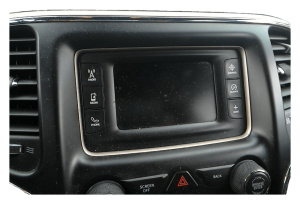
- 2017-2018: The Grand Cherokee received a cosmetic facelift in 2017. In 2018, the infotainment system was updated to include Apple CarPlay and Android Auto. The RF Hub part numbers also appear to change around this time, with the 68245484xx series used on pre-facelift models and the 68363202xx series on later models.
Helpful Videos
Used OEM Parts in Stock



New Aftermarket Parts Available


The information in this article is provided for general reference and educational purposes only. Vehicle specifications, procedures, and part compatibility can vary by production date, trim level, and region. Always consult your vehicle's factory service manual and verify part numbers before purchasing or performing repairs. Safety-critical components such as airbags, seat belts, and braking systems should be installed by a qualified professional.
- Jeep GRAND CHEROKEE:
- 🎬 Helpful Videos
- 🛍️ Shop This Part
- What's Unique About the 2014-2021 Jeep GRAND CHEROKEE
- Diagnostic Flowchart
- Symptoms You May Notice
- Most Likely Causes
- Rare But Worth Checking
- Diagnosis Steps
- Parts You'll Likely Need
- Related Codes That Often Appear With This One
- Technical Service Bulletins (TSBs) & Recalls
- Platform-Specific Known Issues
- Hidden / Shadow Codes Worth Checking
- Scan Tool Commands That Help
- Wiring & Ground Locations
- Real Owner Repair Stories
- OEM Part Supersession History
- Model Year Variations Within This Range
- 🎟️ Get 5% Off