

P0513 on 2018-2022 Jeep Cherokee: Invalid SKIM Key Causes and Fixes
P0513 on a 2018-2022 Jeep Cherokee means the anti-theft system doesn't recognize your key, which will prevent the engine from starting. The most common fix is replacing a dead key fob battery (CR2032). If that fails, try the emergency start procedure by pushing the start button with the nose of the key fob. More complex issues, often triggered by a vehicle software update or a weak main battery, may require the key to be reprogrammed by a dealer or locksmith.
- P0513 means your Jeep's anti-theft system has been triggered and will prevent the engine from starting.
- Always start with the simplest fixes: try your spare key and replace the key fob battery.
- If you recently had service performed on the vehicle's main computer (PCM), the P0513 code is likely a direct result of that service and requires a specific reprogramming procedure by a professional.
- Beyond a battery change, fixing this code is not a DIY job and requires specialized tools from a dealer or automotive locksmith.
What's Unique About the 2018-2022 Jeep CHEROKEE
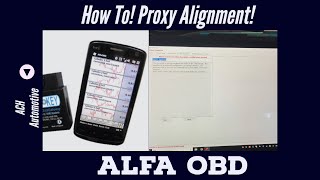
For this generation of Jeep Cherokee, the P0513 code has a specific, documented cause related to software updates. A Technical Service Bulletin (TSB #S2208000073) warns that this code can appear after the Powertrain Control Module (PCM) has been reprogrammed (flashed) or replaced. When the PCM is flashed or replaced, it can lose the unique security data needed to communicate with the RF Hub and BCM. This lost 'handshake' requires a specific "PCM Replaced Procedure" using a dealer-level scan tool (like wiTECH) 🎬 Watch: How to perform a proxi alignment using the wiTECH tool. to restore the security data and allow the vehicle to start. This issue is also common on other FCA vehicles that share this security architecture.
Diagnostic Flowchart
Tap your situation to follow the diagnostic path that matches what you're seeing on this vehicle.
Symptoms You May Notice
- Engine will not crank or start.
- Engine starts and then immediately stalls (usually within 2 seconds).
- The red security light on the dashboard is flashing or stays on solid.
- Check Engine Light is illuminated.
- A 'Key Not Detected' or similar message appears on the instrument cluster.
- Remote functions (lock/unlock) may still work even if the vehicle won't start.
- Replacing the starter motor when the engine doesn't crank. The immobilizer system prevents the starter from engaging, which is a symptom, not the root cause.
- Replacing the main vehicle battery without testing it first. While a weak battery is a frequent trigger for the code, the underlying issue after the battery is charged/replaced is often corrupted module data that needs to be reset or reprogrammed.
Most Likely Causes
- Dead or Weak Key Fob Battery 🔴 High Probability Key fobs use small CR2032 batteries that have a finite lifespan. This is the most common and easiest-to-fix cause across all vehicles with this system.
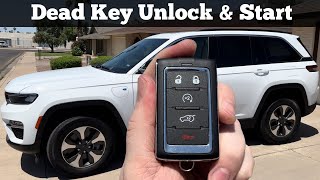
How to confirm: Try using the spare key fob. If the spare key works, the battery in the primary key is the culprit. You can also try the emergency start procedure: press the engine start button with the nose of the key fob. This uses a short-range antenna that can work even with a weak battery.
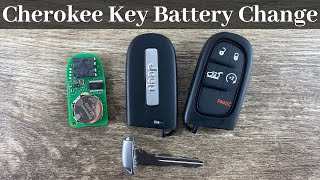
Typical fix: Replace the CR2032 battery inside the key fob.
Est. part cost: $5-$15 - Key Fob Has Lost Programming 🟡 Medium Probability As highlighted by TSB S2208000073, this is common after a PCM replacement or software flash. It can also be triggered by a weak or recently replaced main vehicle battery, which can cause data corruption in the security modules. This is a widely reported issue in owner forums for FCA vehicles.
How to confirm: This requires a professional scan tool (like wiTECH or AlfaOBD) to check the key status in the Radio Frequency Hub (RFH) module. The key may show as 'Not Programmed' or 'Damaged'.
Typical fix: The key must be reprogrammed to the vehicle by a dealership or a qualified automotive locksmith. In cases of module data corruption, a 'Proxy Configuration Alignment' may also be necessary.
Est. part cost: $0 (if reprogramming is the only service) - Faulty Key Fob 🟡 Medium Probability The internal transponder chip or circuitry can fail from being dropped, water damage, or age. The solder joints on the internal board can crack, leading to intermittent failures.
How to confirm: If a new battery doesn't work and the spare key does, the original key fob is likely faulty. A locksmith can also test the transponder signal directly. A scan tool may show the key status as 'Damaged'.
Typical fix: Replacement and programming of a new key fob. An OEM Mopar key is recommended.
Est. part cost: $150-$400 - Faulty Radio Frequency Hub (RFH) Module ⚪ Low Probability The RFH module (also called the Wireless Control Module or receiver) reads the key signal. It can fail internally or require a software update, as noted in some Jeep TSBs for similar models. A low voltage event from a dying battery can also corrupt its software.
How to confirm: A diagnostic scan tool will show no communication with the RFH or specific fault codes for the module itself. A technician may check for available software updates (flashes) for the RFH module.
Typical fix: The RFH module may need a software update or complete replacement, followed by a 'Proxy Configuration Alignment' procedure to sync it with the other vehicle modules.
Est. part cost: $200-$500
Rare But Worth Checking
- Low or Disconnected Vehicle Battery: A weak main vehicle battery can cause a wide range of electrical issues, including data corruption in the security modules (PCM, BCM, RFH) that leads to P0513. This is a very common trigger for this code on FCA platforms. Before diving into expensive diagnostics, ensure the vehicle's battery is fully charged and healthy. Sometimes, simply disconnecting the battery for 5-10 minutes can reset the modules and clear the fault.
- Radio Frequency Interference (RFI): Strong radio signals or other RFID-blocking items on the keychain (like office access cards) can sometimes interfere with the key's signal being read correctly. Try starting the vehicle with all other keys and electronic devices removed from the keychain.
- Faulty Powertrain Control Module (PCM): While rare, the PCM itself can be the source of the problem, especially if the P0513 code appeared immediately after the PCM was serviced or replaced. The internal EEPROM where security data is stored can become corrupted.
Diagnosis Steps
- Attempt to start the vehicle with your spare key. If it works, the problem is with your primary key fob.
- If neither key works, replace the battery (CR2032) in one of the key fobs. This is the simplest and most common fix.
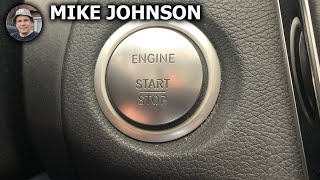
- If a new battery doesn't work, try the emergency start method: hold the nose of the key fob directly against the start/stop button and press the button. This can overcome a weak signal.
- Check for radio frequency interference. Remove other RFID cards or fobs from your keychain and try again.
- Inspect the main vehicle battery terminals for corrosion and ensure they are tight. Test the battery's voltage and health. A low battery is a known trigger.
- Try a hard reset by disconnecting the negative terminal of the main vehicle battery for 10-15 minutes to reset all modules.
- If the vehicle still won't start, a professional diagnosis is required. A technician will use a scan tool (like wiTECH) to read codes from all modules (PCM, BCM, RFH).
- The technician will check the key status in the RFH module to see if the keys are recognized or marked as 'Damaged'.
- If the PCM was recently serviced, perform the "PCM Replaced Procedure" as outlined in TSB S2208000073 to re-establish the security handshake.
- If a module was replaced or data is out of sync, a "Proxy Configuration Alignment" will be performed to synchronize all modules on the network.
Parts You'll Likely Need
- Key Fob Battery
(OEM #CR2032)— This is the most frequent failure point and the easiest to fix. The key fob requires a good battery to transmit its security code.
Trusted brands: Energizer, Duracell, Panasonic
OEM price range: $5-$15
Aftermarket price range: $2-$10 - Key Fob / Transponder Key
(OEM #68141580AG (verify by VIN))— If the internal transponder chip fails, the entire key fob must be replaced and programmed to the vehicle. Part numbers can supersede; always verify with VIN.
Trusted brands: Mopar (OEM)
OEM price range: $200-$400
Aftermarket price range: $70-$180 - Radio Frequency Hub (RFH) Module
(OEM #68444360AC (verify by VIN))— This module reads the key signal. It can fail or require a software update to resolve communication issues, especially after a low voltage event.
Trusted brands: Mopar (OEM)
OEM price range: $200-$500
Aftermarket price range: $100-$300
Related Codes That Often Appear With This One
- B1A25 — This code indicates an 'Invalid Key' was detected by the RFH/WCM module, directly related to the P0513 set by the PCM.
- B1A28 — 'ECM Mismatch with SKIM' is another code indicating a security data mismatch between the engine computer and the immobilizer module, often seen with P0513 after a module replacement or low voltage event.
- B1A35 — This code can mean 'Unidentified Communication Error' from the Wireless Control Module (WCM/RFH), pointing to a communication breakdown in the security chain.
Technical Service Bulletins (TSBs) & Recalls
- S2208000073: No Start, After Flash And Or PCM Replace, DTC P0513 Invalid Skim Key Setting.
Platform-Specific Known Issues
- TSB S2208000073 explicitly states that a P0513 code and a no-start condition can occur after replacing or reprogramming the PCM. The fix is to run the "PCM Replaced Procedure" with a compatible scan tool to resynchronize the security modules.
- Low battery voltage is a very common trigger for this code on the KL Cherokee and its platform mates. The voltage drop can corrupt the security handshake data between the PCM, BCM, and RFH, requiring a dealer-level reset or reprogramming even after the battery is replaced.
Mechanic-Grade Diagnostic Values
- CAN C Bus Voltage (CAN_H wire to ground) — expected: Approx. 2.5V in recessive state, 3.5V in dominant state.. Failure: Voltage stuck high or low, or no voltage change, indicates a bus communication failure.
- CAN C Bus Voltage (CAN_L wire to ground) — expected: Approx. 2.5V in recessive state, 1.5V in dominant state.. Failure: Voltage stuck high or low, or no voltage change, indicates a bus communication failure.
- Key Fob Battery Voltage — expected: Above 2.8V for a CR2032 battery.. Failure: Voltage below 2.8V may be insufficient to reliably transmit the security code.
Scan Tool Commands That Help
- wiTECH 2.0 / AlfaOBD: Proxy Configuration Alignment — Required after replacing a module (like the RFH or BCM) or changing the vehicle's configuration. It synchronizes all modules on the network to prevent mismatches that can cause a no-start and a flashing odometer.
- wiTECH 2.0: Restore Vehicle Configuration — Used after flashing or replacing a PCM to copy the vehicle's original configuration data (including security info) back into the new module. This is a critical step to finalize the programming process.
- wiTECH 2.0: PCM Replaced — This specific routine is used to initialize a new PCM and pair it with the vehicle's existing security modules (BCM, RFH). It's the function directly referenced by TSB S2208000073 to fix P0513 after a PCM flash.
- AlfaOBD: Reset Wireless Control Module — This function can be used to attempt a software reset of the RF Hub (also known as WCM/WIN). This may resolve temporary glitches or data corruption caused by low voltage without requiring a full replacement.
Wiring & Ground Locations
- Radio Frequency Hub (RFH) Module — On the KL Cherokee, the RF Hub is located behind the left rear cargo quarter trim panel.. This is the primary module that receives the signal from the key fob. A loose connection or damage to the module or its wiring can directly cause a P0513 code.
- Body Control Module (BCM) — The BCM is located deep under the dashboard on the passenger side, often requiring removal of the glovebox for access.. The BCM acts as the central gateway for the vehicle's networks, processing messages between the RFH and the PCM. A fault in the BCM or its ground (G108 on some Jeeps) can interrupt the security handshake.
- Security Gateway Module (SGW) — Located behind the dashboard, often near the OBD-II port or behind the radio.. On 2018 and newer models, all diagnostic communication is routed through the SGW. Accessing modules like the RFH or BCM for diagnostics or programming requires a bypass cable or proper authentication.
- RF Hub Fuse F56 — In the under-hood fuse box (Power Distribution Center). Fuse F56 is a micro three-blade fuse that powers the RF Hub.. Loss of power to the RF Hub will prevent it from reading the key, causing an immediate P0513 and no-start condition.
- BCM Fuses (F23, F34, F41, F54) — In the under-hood fuse box (Power Distribution Center). Multiple fuses supply power to the Body Control Module.. A blown BCM fuse can disrupt the entire security communication chain, leading to this code.
Real Owner Repair Stories
- YouTube User Comment (2014 Jeep Wrangler JK Unlimited Rubicon (similar security architecture)) — Red security light stayed on, engine would start and die after 2 seconds, then would not crank at all. P0513 code was present. Spare key did not work either.
❌ Tried (didn't work) Using the spare key., Restoring the PCM to factory settings using a Superchips programmer.
✅ What actually fixed it A hard reset of the vehicle's modules. The owner disconnected both battery terminals for five minutes, touched the positive and negative cables together for 10 seconds, and then reconnected the battery. After this procedure, the vehicle started normally with both keys.
OEM Part Supersession History
68444360AB→68444360AC— Internal revision or component update by the manufacturer.
Heads up: While the newer part is generally backward compatible, using an older revision on a newer vehicle may cause issues. Always verify the correct part number for your specific VIN.
Model Year Variations Within This Range
- 2018+: The introduction of the Security Gateway Module (SGW) requires a bypass cable or authenticated scan tool (like a registered wiTECH 2.0 or properly equipped aftermarket tool) to perform diagnostics and programming on security-related modules like the RFH, BCM, and PCM.
Helpful Videos





Used OEM Parts in Stock


New Aftermarket Parts Available


The information in this article is provided for general reference and educational purposes only. Vehicle specifications, procedures, and part compatibility can vary by production date, trim level, and region. Always consult your vehicle's factory service manual and verify part numbers before purchasing or performing repairs. Safety-critical components such as airbags, seat belts, and braking systems should be installed by a qualified professional.
- Jeep CHEROKEE:
- 🎬 Helpful Videos
- 🛍️ Shop This Part
- What's Unique About the 2018-2022 Jeep CHEROKEE
- Diagnostic Flowchart
- Symptoms You May Notice
- Most Likely Causes
- Rare But Worth Checking
- Diagnosis Steps
- Parts You'll Likely Need
- Related Codes That Often Appear With This One
- Technical Service Bulletins (TSBs) & Recalls
- Platform-Specific Known Issues
- Mechanic-Grade Diagnostic Values
- Scan Tool Commands That Help
- Wiring & Ground Locations
- Real Owner Repair Stories
- OEM Part Supersession History
- Model Year Variations Within This Range
- 🎟️ Get 5% Off