

P0513 on 2015-2019 GMC Yukon Denali: Incorrect Immobilizer Key Causes and Fixes
Code P0513 on a 2015-2019 GMC Yukon Denali means the anti-theft system doesn't recognize the key. This often leads to a no-start condition. The most common causes are a weak key fob battery, a faulty key, or a known wiring issue under the driver's side door sill plate, as identified in a GM Technical Service Bulletin.
- P0513 means your Yukon's anti-theft system has disabled the engine because it doesn't recognize the key.
- Before suspecting expensive parts, always try a spare key and replace the key fob battery.
- A highly probable cause on this specific vehicle is corroded wiring under the driver's side door sill plate, as per GM TSB #PIT5391F.
- If the code appeared after a battery change or jump-start, the BCM likely needs to be reprogrammed by a dealer, not replaced.
- Due to the complexity of the anti-theft system, professional diagnosis and repair are strongly recommended.
What's Unique About the 2015-2019 Gmc YUKON DENALI
On this specific generation of GMC Yukon and its K2XX platform mates (like the Chevrolet Tahoe/Suburban and Cadillac Escalade), the P0513 code is frequently linked to specific electrical issues rather than just a bad key. 🎬 Watch: Understanding P0513 causes and common symptoms General Motors has issued Technical Service Bulletin #PIT5391F which points directly to damaged or corroded wiring, specifically circuit 5199, in the driver's side sill plate area as a primary cause. Another TSB, #21-NA-277, notes that this code can appear after a low battery voltage event, jump start, or battery replacement, causing a memory corruption in the Body Control Module (BCM). These platform-specific issues mean that diagnosis should always include checking these known problem areas before replacing expensive modules.
Diagnostic Flowchart
Tap your situation to follow the diagnostic path that matches what you're seeing on this vehicle.
Symptoms You May Notice
- Engine will not crank or start.
- Engine starts and immediately stalls.
- Security light flashing on the instrument panel.
- Check Engine Light is on (though a TSB notes it may not be).
- Key fob functions like lock/unlock may not work.
- "Service 4WD" message may appear on the dash, as it can be related to the same electrical fault.
- Replacing the Body Control Module (BCM) or ECM without first checking for wiring damage at the sill plate or performing the BCM recovery procedure after a low-voltage event.
- Replacing the ignition switch or starter when the no-start is actually caused by the anti-theft system.
Most Likely Causes
- Damaged or Corroded Wiring at Driver's Sill Plate 🔴 High Probability As documented in GM TSB #PIT5391F, the wiring harness running under the driver's door sill is susceptible to moisture intrusion, leading to corrosion and circuit damage. This specifically affects circuit 5199, which is critical for the ignition run relay, causing a loss of communication for the anti-theft system.
How to confirm: Pull up the driver's side sill plate and peel back the carpet to visually inspect the wiring harness, particularly looking for damage to circuit 5199, for signs of green or white corrosion, pinched wires, or water damage.
Typical fix: Repair the damaged section of the wiring harness. This involves cutting out the corroded sections, splicing in new wire using butt connectors, and using heat-shrink tubing to protect the repair from future moisture.
Est. part cost: $10-$50 - Weak or Dead Key Fob Battery 🟡 Medium Probability
How to confirm: Try using a spare key fob. If the spare key works, the battery in the primary key is the likely culprit. You can also try placing the non-working fob in the designated immobilizer pocket (located in the center console storage area) to see if the vehicle starts, as this allows for a direct read even with a weak battery.
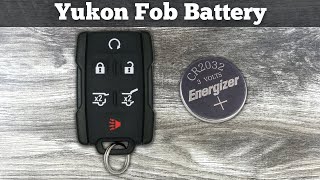
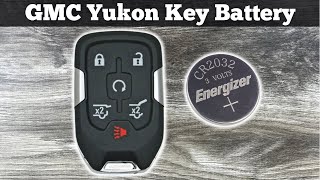
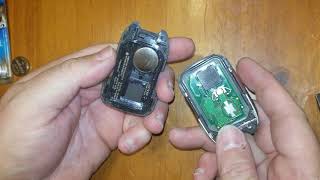
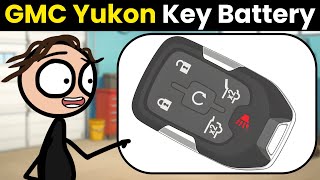
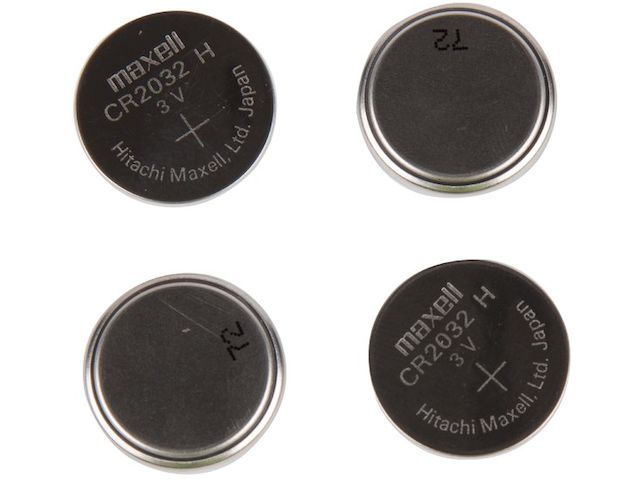
Typical fix: Replace the CR2032 battery inside the key fob. This is a simple DIY task.
Est. part cost: $5-$15 - Faulty Key Fob 🟡 Medium Probability
How to confirm: If a new battery doesn't fix the issue and the spare key works, the transponder chip inside the key fob itself may have failed from being dropped or from water damage.
Typical fix: The key fob must be replaced and then programmed to the vehicle by a dealership or a qualified automotive locksmith.
Est. part cost: $75-$250 - BCM Memory Corruption After Low Voltage ⚪ Low Probability TSB #23-NA-165 and #21-NA-277 indicate that low voltage events (like a dead battery, jump-start, or battery replacement) can corrupt the memory in the Body Control Module (BCM), causing it to lose key data. GM explicitly warns *not* to replace the BCM until a specific software recovery procedure is attempted.
How to confirm: This is diagnosed if the P0513 code appeared immediately after a known voltage issue. A GM-specific scan tool is needed to check for related BCM codes like B389A, B3924, B3925, B3926, or B3927.
Typical fix: A GM dealer must follow the specific recovery procedure outlined in the TSB to reprogram the BCM. This often involves a 'Special Data Reset' or 'BCM IMMO Learn' function in the GM Service Programming System (SPS). No parts are typically required.
Est. part cost: $0 (if only reprogramming is needed)
Rare But Worth Checking
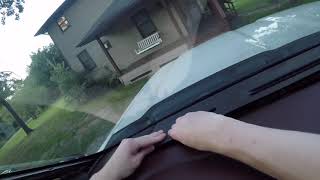
- Poor BCM Ground (G218): Another TSB, #PIT5405C, identifies a poor ground connection at location G218 (under the driver's side dash) as a cause for P0513 and other electrical issues. The dash insulator mat can get trapped between the ground eyelet and the chassis, causing a poor connection.
- Faulty Remote Control Door Lock Receiver (RCDLR): The RCDLR is the module that receives the signal from the key fob. While less common than a key or wiring issue, its failure can prevent the key signal from ever reaching the BCM.
- Faulty Body Control Module (BCM): This is a rare cause and should only be considered after all other possibilities, especially the wiring and low-voltage TSBs, have been thoroughly investigated. Replacing a BCM is expensive and requires programming.
Diagnosis Steps
- Scan the vehicle for all stored trouble codes. Note any other codes that are present, especially P262B or BCM-related codes like B389A.
- If you have a spare key, try to start the vehicle with it. If it works, the issue is with your primary key.
- Replace the battery (typically CR2032) in the non-working key fob. This is a simple and inexpensive first step.
- If the key fob battery is weak or dead, attempt to start the vehicle by placing the fob in the transmitter pocket located inside the center console.
- If the code appeared immediately after a battery replacement or jump-start, refer to GM TSBs #23-NA-165 and #21-NA-277. The vehicle may need a BCM reprogramming at a dealership.
- Carefully remove the driver's side door sill trim plate and inspect the wiring harness underneath for any signs of corrosion, water damage, or physical damage, paying close attention to circuit 5199 as per TSB #PIT5391F.
- Inspect the BCM ground connection G218 under the driver's side dash for tightness and to ensure no insulation is trapped under the connector, per TSB #PIT5405C.
- If wiring is damaged, repair the affected circuits.
- If wiring and grounds are intact and keys are not the issue, further professional diagnosis of the Remote Control Door Lock Receiver (RCDLR) and Body Control Module (BCM) is required.
Parts You'll Likely Need
- Key Fob Battery
(OEM #CR2032)— This is the most common and easiest fix when a single key stops working.
Trusted brands: Energizer, Duracell
OEM price range: $5-$15
Aftermarket price range: $5-$15 - Key Fob / Transmitter
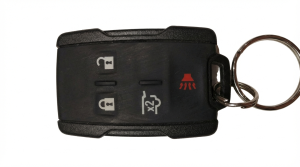
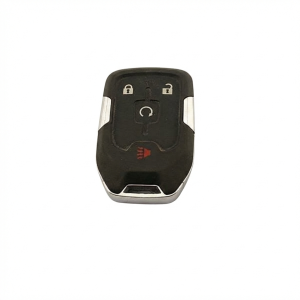
(OEM #13580804, 13508280 (FCC ID: HYQ1AA) or 13508283, 13580808 (FCC ID: HYQ1EA). Verify with VIN.)— If the internal transponder fails, the entire key fob needs to be replaced and programmed.
Trusted brands: ACDelco
OEM price range: $150-$250
Aftermarket price range: $75-$150 - Wiring Repair Supplies — Needed to fix the common issue of corroded wires under the driver's sill plate as identified in TSB #PIT5391F.
OEM price range: $10-$50
Aftermarket price range: $10-$50
Related Codes That Often Appear With This One
- P262B — This code is mentioned alongside P0513 in TSB #PIT5391F, indicating they share a common cause related to the electrical fault in the driver's sill plate area.
- B389A — TSB #21-NA-277 notes this BCM code can be present with P0513 after a low-voltage event, confirming BCM memory corruption.
- B3924, B3925, B3926, B3927 — These Environment ID codes in the BCM are also noted in TSB #21-NA-277 as indicators of the memory corruption issue that causes P0513.
Technical Service Bulletins (TSBs) & Recalls
- PIT5391F: Addresses damaged or corroded wiring in the driver sill plate area causing P0513. Specifically mentions circuit 5199.
- 23-NA-165: Details a no-start condition with P0513 after a low voltage event, requiring BCM reprogramming.
- 21-NA-277: Provides a specific recovery procedure for the BCM when P0513 is set after a low voltage condition, warning against module replacement.
- PIT5405C: Identifies a poor BCM ground (G218) as a potential cause for P0513 and other electrical faults.
Platform-Specific Known Issues
- TSB #PIT5391F: Documents a known issue where wiring under the driver's sill plate (specifically circuit 5199) can become damaged or corroded, leading to codes P0513 and/or P262B and a potential no-start condition.
- TSB #23-NA-165 & #21-NA-277: Address a condition where P0513 can be set after a low-voltage event (e.g., battery replacement, jump start) due to BCM memory corruption. The fix is a specific dealer reprogramming procedure, not module replacement.
- TSB #PIT5405C: Points to a poor BCM ground at location G218 under the driver's side dash as another potential cause for P0513 and various other communication issues.
Mechanic-Grade Diagnostic Values
- Circuit 5199 (Run/Crank Relay Coil Control) Wire Color — expected: Green/Violet (GN/VT). Failure: N/A - This is for wire identification during inspection and testing.
- Key Fob Transponder Type — expected: PCF7937E / NCF2951E (ID46 Chip). Failure: This system uses RFID communication, not a simple resistance value. Do not attempt to measure resistance on the key as with older GM VATS/Passlock systems.
Hidden / Shadow Codes Worth Checking
- B389A, B3924, B3925, B3926, B3927: These are Body Control Module (BCM) codes. When three or more are present and current, especially after a low-voltage event, they strongly indicate BCM memory corruption as the root cause of P0513, per TSB #21-NA-277. (see via A dealer-level scan tool like the GM GDS2 is required to read current and history BCM codes.)
Scan Tool Commands That Help
- GM SPS (Service Programming System): BCM Recovery / Programming per TSB — This is the specific software procedure required to fix P0513 when it is caused by BCM memory corruption after a low-battery or jump-start event, as detailed in TSB #21-NA-277. This should be performed *before* replacing the BCM.
- GM GDS2 / SPS: Immobilizer Learn / Add Key — This function is used to program a new or additional key fob to the vehicle. It is required after replacing a key fob or the Body Control Module.
Wiring & Ground Locations
- Circuit 5199 — Located in the wiring harness that runs under the driver's side door sill plate. It is a Green/Violet wire that connects to Pin 15 of the BCM X4 connector.. This circuit is the 'Run/Crank Relay Coil Control'. TSB #PIT5391F identifies that corrosion or damage to this specific wire can cause a no-start or start-and-stall, setting code P0513.
- G218 — A chassis ground stud located under the driver's side of the dashboard, sometimes described as being behind the kick panel or near the dash defroster deflector.. This is a primary ground point for the Body Control Module (BCM). TSB #PIT5405C notes that the dash insulator mat can get trapped under the ground's eyelet connector, causing a poor connection and leading to P0513 and other electrical faults.
- BCM Connector X4 — One of the main multi-pin connectors on the Body Control Module, located under the driver's side dash.. This connector contains the pin (Pin 15) for Circuit 5199, which is a known failure point for this code.
"I Checked Everything" — The Actual Cause
- A common scenario for P0513 is that a technician inspects all wiring (sill plate, ground G218) and finds no physical faults. The actual cause, as outlined in TSB #21-NA-277, is BCM memory corruption following a low-voltage event (like a battery change). The fix is not a physical repair but a specific BCM software recovery procedure performed with dealer tools, which is why it's often missed.
OEM Part Supersession History
13580690→13594692— Standard part revision and update by the manufacturer.
Heads up: Part number 13594692 is a common service replacement for many K2XX platform vehicles. Other compatible numbers may include 13594768, 13593214, 13591519, and 13594769. All BCM replacements require programming to the specific vehicle's VIN and RPO codes using GM's SPS software.13508280→13580804— Standard part revision for the 6-button key fob (FCC ID: HYQ1AA).
Heads up: Ensure the FCC ID and button configuration match the original remote. Programming by a dealer or locksmith is required.
Model Year Variations Within This Range
- 2015-2019: The K2XX platform was introduced for the 2014 truck/2015 SUV model years. Early production years (2015) are more frequently associated with the wiring and ground issues (sill plate corrosion, G218 ground) documented in early-life TSBs, though the potential for failure exists across all model years in this range.
Helpful Videos


Used OEM Parts in Stock


New Aftermarket Parts Available


The information in this article is provided for general reference and educational purposes only. Vehicle specifications, procedures, and part compatibility can vary by production date, trim level, and region. Always consult your vehicle's factory service manual and verify part numbers before purchasing or performing repairs. Safety-critical components such as airbags, seat belts, and braking systems should be installed by a qualified professional.
- Gmc YUKON DENALI:
- 🎬 Helpful Videos
- 🛍️ Shop This Part
- What's Unique About the 2015-2019 Gmc YUKON DENALI
- Diagnostic Flowchart
- Symptoms You May Notice
- Most Likely Causes
- Rare But Worth Checking
- Diagnosis Steps
- Parts You'll Likely Need
- Related Codes That Often Appear With This One
- Technical Service Bulletins (TSBs) & Recalls
- Platform-Specific Known Issues
- Mechanic-Grade Diagnostic Values
- Hidden / Shadow Codes Worth Checking
- Scan Tool Commands That Help
- Wiring & Ground Locations
- "I Checked Everything" — The Actual Cause
- OEM Part Supersession History
- Model Year Variations Within This Range
- 🎟️ Get 5% Off