

P0513 on 2014-2021 Dodge Durango: Causes and Fixes for an Invalid Immobilizer Key
This code means your Durango's anti-theft system doesn't recognize your key, which usually results in a no-start condition. The simplest fix is trying your spare key or replacing the key fob battery (typically a CR2032). More complex issues involve a faulty key fob or the vehicle's Radio Frequency Hub (RFH), which is a known failure point and requires professional programming for replacement.
- P0513 means your Durango's anti-theft system has locked you out. The engine will not run.
- Always try your spare key first. This is the fastest way to determine if the problem is the key or the car.
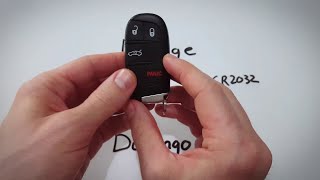
- The second easiest step is to replace the key fob's CR2032 battery.
- If simple fixes don't work, professional service is required for programming new keys or modules like the RF Hub.
- This code can be linked to PCM software issues, so a dealer or qualified shop may need to perform a software update, especially if you also have misfire codes.
What's Unique About the 2014-2021 Dodge DURANGO

On the third-generation Dodge Durango (and its platform-mate, the Jeep Grand Cherokee WK2), this code is closely tied to the keyless entry system. This system relies on a Wireless Ignition Node (WIN) in earlier models or, more commonly in this year range, a Radio Frequency Hub (RFH) to communicate with the key fob. Uniquely, Dodge has issued Technical Service Bulletins (TSBs) that link P0513 with a series of engine misfire codes (P0300-P0306), suggesting that a single PCM software issue can cause both immobilizer and engine running problems. Another TSB, #S2208000073, specifically calls out that P0513 can appear after a PCM is replaced or reflashed if the proper key relearn procedure is not performed.
Diagnostic Flowchart
Tap your situation to follow the diagnostic path that matches what you're seeing on this vehicle.
Symptoms You May Notice

- Engine cranks but will not start
- Engine starts and immediately stalls
- Red security light on the dashboard is solid or flashing
- Check Engine Light is on
- Key fob is unresponsive (cannot lock/unlock doors)
- Keyless entry/remote functions work, but the vehicle won't start (a strong indicator of a failing RF Hub)
- Message on dash like "Key Not Detected" or "Invalid Key"
- Replacing the starter motor when the engine cranks but won't start.
- Replacing the fuel pump when the engine starts and stalls, assuming it's a fuel delivery issue.
- Replacing the main vehicle battery without first testing it, when the actual issue is the key fob battery.
Most Likely Causes

- Dead or Weak Key Fob Battery 🔴 High Probability Key fobs for this generation use a standard CR2032 battery that has a finite life of 2-4 years. This is the most common and easiest fix.
How to confirm: Try the spare key fob. If it works, the battery in the primary key is the likely culprit. You can also use a multimeter to test the battery; it should read above 2.5 volts.
Typical fix: Replace the CR2032 battery inside the key fob.
Est. part cost: $2-$10 - Faulty Key Fob 🟡 Medium Probability The internal transponder chip can be damaged from being dropped, exposure to water, or internal failure. The solder joints inside can also break over time.
How to confirm: If a new battery doesn't solve the issue and the spare key works, the original key fob is likely defective. A locksmith or dealer can also test the transponder's signal directly.
Typical fix: Replace the key fob and have it professionally programmed to the vehicle by a dealer or qualified locksmith.
Est. part cost: $150-$400 - Faulty Radio Frequency Hub (RFH) or Wireless Ignition Node (WIN) 🟡 Medium Probability The RFH/WIN module is the receiver for the key fob's signal and is a widely documented failure point on many Chrysler/Dodge/Jeep vehicles of this era. Failures are often intermittent at first, occurring with temperature changes (failing when hot, working again when cool) before becoming permanent.
How to confirm: This requires advanced diagnostics with a scan tool that can communicate with the RFH/WIN module to check for internal faults or communication errors (e.g., U0140). A common symptom is that remote lock/unlock works but the vehicle won't start, as the RF Hub has separate circuits for these functions.
Typical fix: The RFH/WIN module must be replaced and programmed to the vehicle's VIN and existing keys. This requires a dealer or a specialized shop with access to Chrysler's programming tools.
Est. part cost: $500-$800 - PCM Programming Error ⚪ Low Probability As noted in TSB #S2208000073, this code can be set after the PCM is replaced or its software is updated, if the security handshake procedure isn't completed correctly. This is a procedural error, not a part failure.
How to confirm: This issue will appear immediately after a PCM flash or replacement. A dealer-level scan tool is needed to perform the 'PCM Replaced' or 'Proxy Configuration Alignment' procedure.
Typical fix: Perform the correct PCM replacement/relearn procedure using a compatible scan tool.
Est. part cost: $0 (if part of other labor)
Rare But Worth Checking
- Wiring Harness Issue: A damaged or corroded wire between the RF Hub and the PCM can disrupt the security signal. One owner on a Ram forum found that cleaning a corroded battery cable connection to the fuse panel temporarily resolved their P0513 issue, indicating a power supply problem to the security modules.
- Radio Frequency Interference: A service manual for a similar Dodge platform notes that strong external RFID signals (like from a workplace access card on the same keychain) can interfere with the key signal and cause a P0513 code. While rare, keeping other RFID-enabled cards or devices away from the key fob is a simple troubleshooting step.
- Low Vehicle Battery Voltage: A weak or failing main vehicle battery can cause a multitude of electrical gremlins, including communication errors between modules. If the RF Hub or PCM does not receive the correct voltage upon startup, it can fail the security handshake and set a P0513 code.
Diagnosis Steps
- Try to start the vehicle with your spare key fob. If it works, the problem is with your primary key or its battery.
- Replace the battery (CR2032) in the non-working key fob. This is the most common and cheapest first step.
- If the new battery doesn't help, inspect the key fob for any physical damage, like cracks or water intrusion.
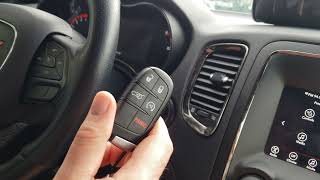
- If you have a push-button start, place the nose of the key fob directly against the start button and try to start the vehicle. This uses a short-range antenna that can sometimes work even with a very weak fob or a partially failed RF Hub.
- Check for a flashing red security light on the instrument cluster. This confirms an active immobilizer issue.
- Check for corrosion or loose connections at the main vehicle battery terminals and the main fuse box power supply.
- If neither key works, the issue is likely with the vehicle itself. Professional diagnosis is required at this point.
- A technician will use a scan tool (like wiTECH) to check for codes in the RF Hub/WIN and Body Control Module (BCM), not just the PCM.
- The technician will verify communication with the RF Hub and check the status and count of all programmed keys in the system.
- Based on the diagnostic data, the technician will recommend replacing the faulty key fob, the RF Hub/WIN module, or performing a PCM relearn procedure.
Parts You'll Likely Need

- Key Fob Battery
(OEM #CR2032)— This is the most common and cheapest fix. The battery inside the key fob is a consumable item.
Trusted brands: Energizer, Duracell
OEM price range: $5-$10
Aftermarket price range: $2-$5 - Key Fob (FOBIK)
(OEM #68150061AE (supersedes 68150061AB, 68150061AC))— If the key fob's internal transponder fails, the entire unit must be replaced and programmed.
Trusted brands: Mopar
OEM price range: $250-$400
Aftermarket price range: $100-$200 - Radio Frequency Hub (RFH) / Wireless Ignition Node (WIN)
(OEM #68210150AC (Note: many superseding part numbers exist, verify by VIN))— This module is the vehicle's receiver for the key signal. It's a known failure point that can cause a no-start and P0513. It must be programmed upon installation.
Trusted brands: Mopar, Dorman, Circuit Board Medics (rebuild service)
OEM price range: $600-$800
Aftermarket price range: $450-$600
Related Codes That Often Appear With This One
- P0300, P0301, P0302, P0303, P0304, P0305, P0306 — TSBs #18-055-16, #18-055-16 REV. A, and #18-070-15 list P0513 alongside various cylinder misfire codes. This indicates a potential PCM software issue that affects both the immobilizer logic and engine management, which a software update is intended to fix.
- U0140 - Lost Communication With Body Control Module (BCM) — A failing RF Hub or wiring issue can disrupt the CAN bus network, leading to communication loss with other critical modules like the BCM, which is integral to the security system.
- B2205 — This is a Body Control Module (BCM) code for 'Invalid SKIM Key'. It can be set if the PCM does not receive a valid key message from the security module within 3.5 seconds of ignition on. It points directly to a failure in the key verification handshake.
Technical Service Bulletins (TSBs) & Recalls
- S2208000073: Addresses a no-start condition with P0513 specifically after a PCM flash or replacement, requiring a 'PCM Replaced' procedure.
- 18-055-16: Mentions P0513 in conjunction with multiple cylinder misfire codes, suggesting a PCM software update can resolve these issues.
- 18-055-16 REV. A: A revision of the previous bulletin, reinforcing the link between P0513 and misfire codes.
- 18-070-15: Also lists P0513 along with cylinder misfire codes, pointing towards a PCM software-related problem.
- 18-031-17: While not directly citing P0513, this TSB addresses PCM software updates for rough idle and engine shut-off on cold starts, symptoms that can be misdiagnosed when P0513 is the root cause.
Platform-Specific Known Issues
- A no-start condition with P0513 can occur after replacing or reflashing the PCM if the 'PCM Replaced' routine is not performed to sync the security information between the PCM and the RF Hub.
- Intermittent no-start or an engine that shuts off can be a symptom of a failing WIN/RFH module, as described by owners and repair services. This failure is often heat-sensitive, failing in warm weather and working again after the vehicle cools down.
- A user on RamForum.com described a scenario where the remote lock/unlock would work, but the truck wouldn't start by pushing the button unless the key fob was physically pressed against the ignition switch, pointing directly to a partial failure of the RF Hub's near-field antenna.
Mechanic-Grade Diagnostic Values
- RF Hub Module Supply Voltage — expected: 10.0 to 16.0 volts. Failure: Voltage outside this range indicates a power supply issue to the module.
- RF Hub Fused B+ Circuit (A910) — expected: Test light illuminates brightly when connected to ground.. Failure: Test light does not illuminate, indicating an open or short in the power feed circuit.
- RF Hub Ground Circuit (Z906) — expected: Test light illuminates brightly when connected to 12-volts.. Failure: Test light does not illuminate, indicating an open in the ground circuit.
- CAN C Bus Circuit Resistance — expected: Below 5.0 Ohms. Failure: Resistance above 5.0 Ohms indicates an open in the CAN bus wiring between the star connector and the RF Hub.
Hidden / Shadow Codes Worth Checking
- B2205: Invalid SKIM Key. This code is stored in the Body Control Module (BCM) or Sentry Key Immobilizer Module (SKIM) when the PCM does not receive a valid key message within 3.5 seconds of the ignition being turned on. (see via A professional scan tool capable of reading BCM/SKIM codes, such as wiTECH or Appcar DiagFCA.)
Scan Tool Commands That Help

- wiTECH: RF hub replace — This routine is required after physically replacing the RF Hub module. It programs the new module to the vehicle, enters the PIN, and synchronizes the existing keys.
- wiTECH: Program Ignition FOBIKs — Used to add new keys to the system or reprogram existing keys after a module replacement.
- wiTECH, Appcar DiagFCA, Autel: Proxy Configuration Alignment (Proxi Alignment) — This is a critical step after replacing the RF Hub, BCM, or PCM. It forces all modules on the CAN bus to recognize the new configuration. A flashing odometer is a common symptom that a Proxi Alignment is needed.
- wiTECH: Restore Vehicle Configuration — Used to enable factory options, such as remote start, after installing a new RF Hub. The vehicle's sales codes must be updated in DealerCONNECT first.
Wiring & Ground Locations
- Radio Frequency Hub (RFH) Module — Located behind the left rear cargo quarter trim panel in the trunk/cargo area.. This is the primary module responsible for communicating with the key fob. Physical access is required for replacement, and its location makes it susceptible to damage from moisture or impacts in the cargo area.
- RF Hub Fuse — On similar Ram trucks, this is fuse F52 in the under-hood Power Distribution Center (fuse box). The specific fuse for the Durango should be verified with the owner's manual but is likely in the same location.. A blown fuse will cut all power to the RF Hub, causing an immediate no-start and P0513, along with other symptoms like 'Key Fob Not Detected'.
- IP CAN C Star Connector — Typically located behind the instrument panel or in a kick panel area, it's a junction where multiple module communication wires meet.. This is a central diagnostic point. A technician can disconnect individual module branches here to isolate a module that may be pulling down the entire CAN bus network, causing a communication failure with the RF Hub.
- Engine/Chassis Ground Straps — Multiple locations, including from the engine block to the chassis frame and from the alternator to the chassis.. While not a direct cause, poor grounding can create unstable voltage and electrical noise throughout the vehicle, leading to unpredictable module behavior, including communication dropouts that could trigger a P0513.
Real Owner Repair Stories
- YouTube - 'Repairs from the Field' (Dodge Caliber (similar Chrysler immobilizer system)) — Cranks but no start, flashing security light on the dash, P0513 code stored.
❌ Tried (didn't work) The key's transponder chip was readable by a key tool, suggesting it was good.
✅ What actually fixed it Despite the transponder chip being readable, the key itself was defective. Cutting and programming a brand new key resolved the P0513 code and the vehicle started and ran correctly. - MHH Auto Forum (2018 Jeep Grand Cherokee (platform-mate)) — After replacing RF Hub, vehicle starts with push button but remote functions (lock/unlock) do not work. RF Hub status shows 'no vehicle config' and 'VIN - NOT locked'.
❌ Tried (didn't work) Attempting to use a used RF Hub from another vehicle., Installing a new RF Hub and programming a new key fob. This allowed the vehicle to start but not operate remotely.
✅ What actually fixed it The root cause was a VIN mismatch stored in the Body Control Module (BCM) from the previously attempted installation of a *used* RF Hub. The BCM retained the donor vehicle's VIN as a 'Current VIN', which prevented the new RF Hub from being correctly configured. The ultimate fix requires clearing the incorrect VIN from the BCM before a Proxi Alignment can successfully configure the new RF Hub. - DodgeForum.com (2006 Ram 2500 (similar Chrysler immobilizer system)) — Cranks but won't start, P0513 code present. The red immobilizer light was NOT flashing or staying on, which is an unusual symptom.
❌ Tried (didn't work) Using a dealer-level scan tool to reprogram the existing keys failed.
✅ What actually fixed it The thread concluded with the owner waiting for a new key to arrive from the dealer, as the existing keys could not be reprogrammed and were suspected to be faulty. This highlights that even with advanced tools, a bad key can be the root cause and reprogramming will fail.
When the Usual Fixes Don't Work
- In a case involving a Jeep Grand Cherokee (platform-mate), replacing the RF Hub and key fob did not restore full functionality. While the vehicle would start, the remote lock/unlock features failed to work. The ultimate cause was a persistent, incorrect VIN stored in the Body Control Module from a previously attempted repair with a used part. This prevented the new RF Hub from being fully configured via a Proxi Alignment, demonstrating that a fix can require clearing memory in seemingly unrelated modules.
Model Year Variations Within This Range
- 2011-2013: Earlier third-generation Durangos used a Wireless Ignition Node (WIN) module. The WIN module is the ignition switch itself, located in the dashboard where the key is inserted. Diagnosis and replacement focus on the area under the steering column.
- 2014-2021: These models use a separate Radio Frequency Hub (RFH) module located in the left rear cargo area. Diagnosis and replacement focus on the rear of the vehicle, and the system architecture is different, involving dedicated antennas and wiring in that location.
Helpful Videos

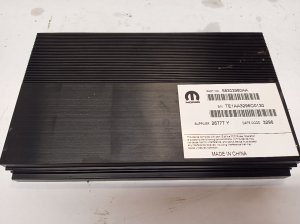
Used OEM Parts in Stock




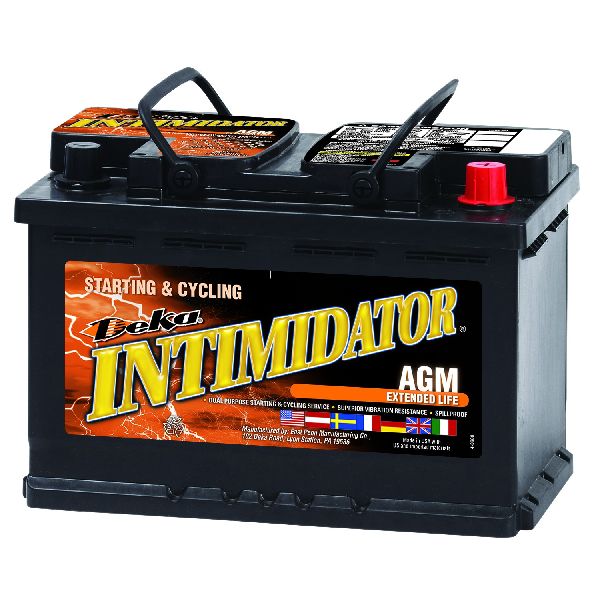
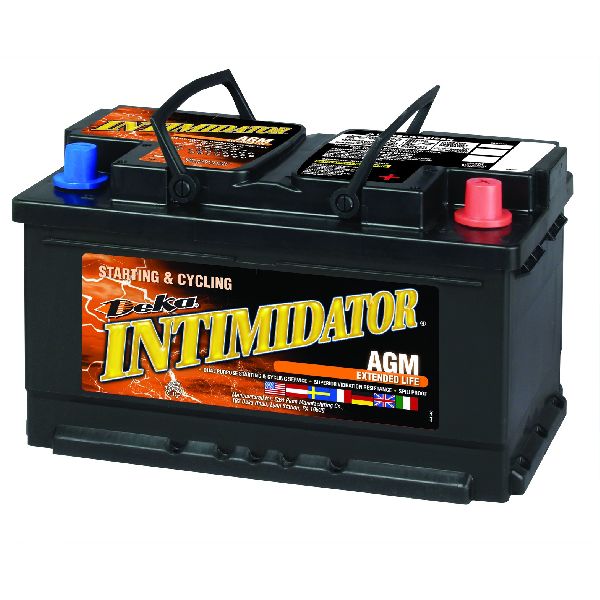
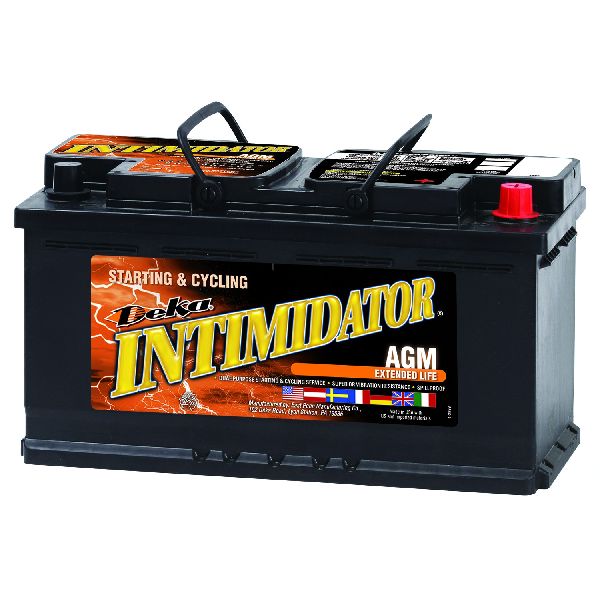
New Aftermarket Parts Available


The information in this article is provided for general reference and educational purposes only. Vehicle specifications, procedures, and part compatibility can vary by production date, trim level, and region. Always consult your vehicle's factory service manual and verify part numbers before purchasing or performing repairs. Safety-critical components such as airbags, seat belts, and braking systems should be installed by a qualified professional.
- Dodge DURANGO:
- 🎬 Helpful Videos
- 🛍️ Shop This Part
- What's Unique About the 2014-2021 Dodge DURANGO
- Diagnostic Flowchart
- Symptoms You May Notice
- Most Likely Causes
- Rare But Worth Checking
- Diagnosis Steps
- Parts You'll Likely Need
- Related Codes That Often Appear With This One
- Technical Service Bulletins (TSBs) & Recalls
- Platform-Specific Known Issues
- Mechanic-Grade Diagnostic Values
- Hidden / Shadow Codes Worth Checking
- Scan Tool Commands That Help
- Wiring & Ground Locations
- Real Owner Repair Stories
- When the Usual Fixes Don't Work
- Model Year Variations Within This Range
- 🎟️ Get 5% Off