

P0513 on 2015-2020 Chevrolet Suburban: Incorrect Immobilizer Key Causes and Fixes
P0513 on a 2015-2020 Suburban means the truck's anti-theft system doesn't recognize the key. This often leads to a no-start condition. The most common causes are a weak vehicle battery, a dead key fob battery, or known wiring and ground issues specific to this platform and its mates (Tahoe, Yukon, Silverado). A new key fob battery costs under $10, while diagnosing wiring issues can cost between $150 and $450.
- P0513 means your Suburban's anti-theft system doesn't recognize your key, which will likely prevent it from starting.
- Always start with the simplest fixes: try your spare key and check the vehicle's main battery.
- On this specific Suburban generation, P0513 is frequently caused by known wiring and ground issues detailed in GM service bulletins.
- Fixing the root cause may require more than just a new key; electrical diagnosis is often necessary.
- Reprogramming a new key or diagnosing control modules requires professional tools, making this a difficult DIY fix beyond basic checks.
What's Unique About the 2015-2020 Chevrolet SUBURBAN
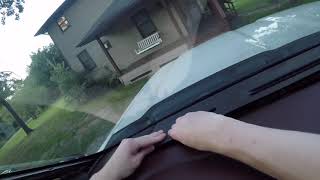
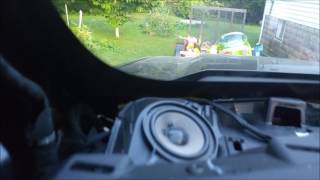
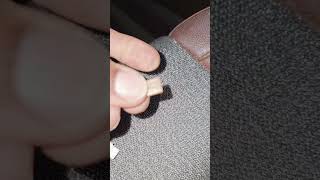
On the 2015-2020 Suburban (K2XX platform), the P0513 code is not always a simple 'bad key' problem. This generation is known for specific electrical vulnerabilities that can trigger this code. Manufacturer Technical Service Bulletins (TSBs) point directly to issues like corroded wiring under the driver's sill plate (specifically an open in circuit 5199, preventing the KR73 Ignition Run Relay from activating) and poor grounding points (G218) behind the dashboard as common culprits 🎬 Watch: How to locate and clean the G218 ground point., leading to communication errors that mimic a key problem.
Diagnostic Flowchart
Tap your situation to follow the diagnostic path that matches what you're seeing on this vehicle.
Symptoms You May Notice
- Engine will not start (crank-no-start condition).
- Engine starts and immediately stalls.
- Security or key-shaped warning light illuminated or flashing on the dashboard.
- Check Engine Light (Malfunction Indicator Lamp) is on.
- In some cases, the Service Engine Soon light may fail to illuminate when it should, as noted in TSBs.
- Multiple other electrical issues may occur simultaneously, such as the instrument panel or radio going blank, due to a shared faulty ground.
- Replacing the starter motor when the engine cranks but won't start.
- Replacing the battery without confirming it's the root cause of the low voltage (e.g., a parasitic draw or bad alternator).
- Replacing the ignition cylinder when the fault lies with the key, wiring, or a ground connection.
Most Likely Causes
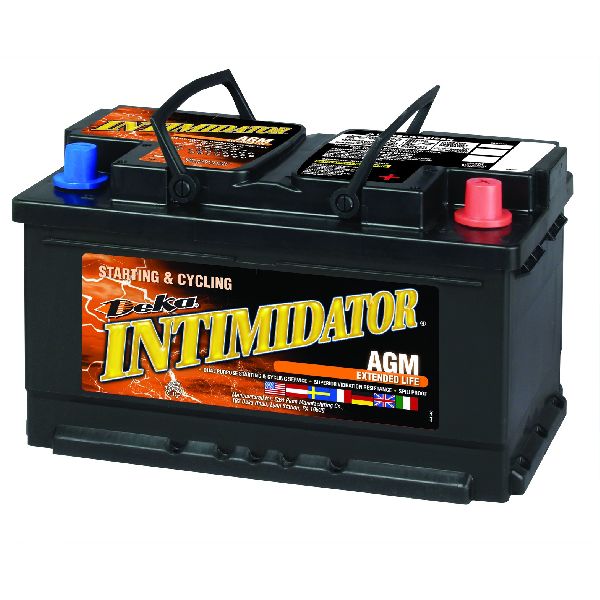
- Weak or Faulty Vehicle Battery 🔴 High Probability Modern trucks like the Suburban have numerous electronic modules. Low battery voltage can cause unpredictable communication errors between the BCM, ECM, and key reader, triggering a false P0513 code. TSB 21-NA-277 specifically notes that P0513 can appear after a low voltage event, jump start, or battery replacement.
How to confirm: Test the battery with a multimeter or a battery tester. A healthy, resting battery should read approximately 12.6 volts. A reading below 12.2 volts indicates a need for charging or replacement. A professional load test is the most definitive confirmation.
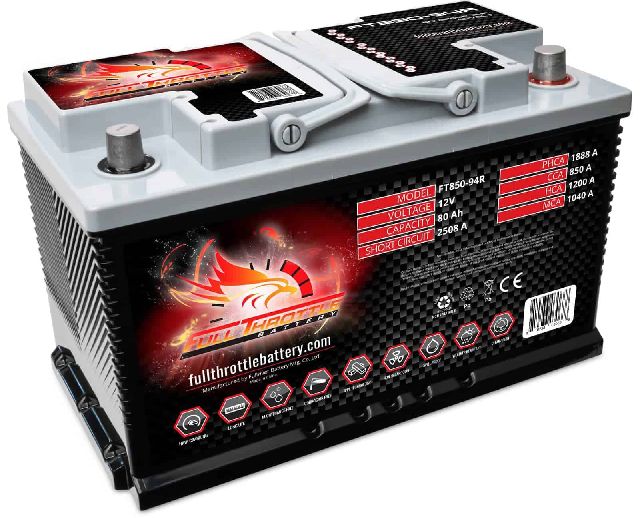
Typical fix: Charge or replace the vehicle's 12V battery.
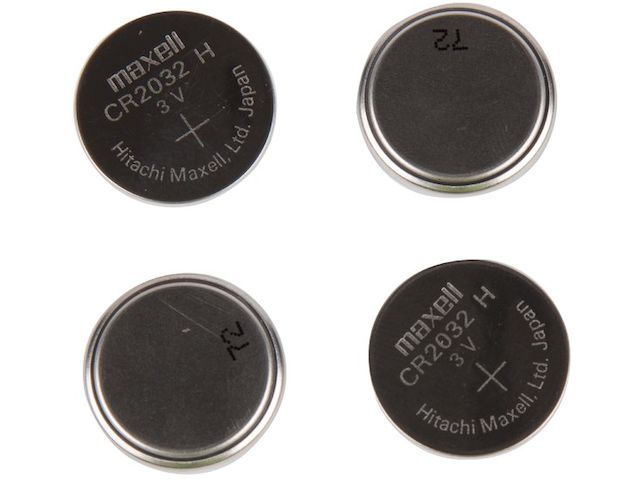
Est. part cost: $150-$350 - Defective or Damaged Key Fob (or dead fob battery) 🔴 High Probability Key fobs can be damaged by drops or water, and their internal batteries (typically a CR2032) have a finite lifespan.
How to confirm: First, try using a spare key. If the spare key works, the issue is with the primary key. Replace the battery in the non-working key fob as a first step. This is the simplest and most common fix.
Typical fix: Replace the key fob battery or replace and reprogram the entire key fob.
Est. part cost: $5-$15 for a battery, $150-$400 for a new key fob programmed at a dealer or by a locksmith. - Wiring Harness Damage or Corrosion 🟡 Medium Probability GM issued TSB #PIT5391F specifically for this platform, noting that wiring in the driver's side sill plate can become damaged or corroded. This can cause an open or high resistance in circuit 5199 (a tan/yellow wire), which prevents the KR73 Ignition Run Relay from activating, leading to a no-start and P0513.
How to confirm: Visually inspect the wiring harnesses running along the driver's side floor, under the plastic sill plate and kick panel, for any signs of green corrosion, chafing, or breaks. Pay close attention to the bundle containing circuit 5199.
Typical fix: Repair the damaged section of the wiring harness and protect it from future moisture intrusion.
Est. part cost: $10-$50 for wiring repair supplies. - Poor Body Ground (G218) 🟡 Medium Probability TSB #PIT5405C points to a specific ground location, G218, which can be compromised by a trapped dash insulator mat. A bad ground here can cause dozens of seemingly unrelated electrical codes and symptoms, including P0513, instrument cluster failure, and Stabilitrak messages.
How to confirm: Locate and inspect the G218 ground connection, found on the driver's side of the dashboard/firewall area near the A-pillar. Forum users note this may require removing the A-pillar trim and pulling back the dash to access. Ensure it is clean, tight, and that the dash insulation is not caught under the eyelet.
Typical fix: Clean the ground contact point and eyelet, cut away any obstructing insulation, and tighten the ground bolt securely.
Est. part cost: $0-$5 for cleaning supplies.
Rare But Worth Checking
- BCM Requires Reprogramming After Low Voltage Event: TSB #21-NA-277 describes a specific scenario where P0513 sets after a battery event (jump start, replacement, etc.) and the vehicle won't start using the backup pocket. The official fix is not to replace parts, but for a dealer to reprogram the BCM.
- Faulty Body Control Module (BCM): While less common, the BCM is the central hub for the immobilizer system. If all keys and wiring check out, the BCM itself could be faulty. Replacement requires programming by a dealer or qualified shop.
- Faulty Ignition Lock Cylinder or Antenna Ring: The antenna ring around the ignition cylinder reads the key's transponder chip. If this component fails, it cannot receive the signal, even from a good key.
- Faulty Underhood Fuse Box (UBEC): In some cases, internal corrosion or failure within the underhood fuse box can cause intermittent no-crank conditions that may be misdiagnosed as a P0513-related fault.
- Interference from Aftermarket Electronics: Poorly installed remote starters, alarms, or even certain charging devices can emit radio frequency interference that disrupts the key-reading process.
Diagnosis Steps
- Scan the vehicle for all stored trouble codes. Note any other codes, especially communication ('U') codes, that appear alongside P0513.
- Test the vehicle's main 12V battery. Ensure it is fully charged and healthy. A low voltage state can trigger this code.
- Attempt to start the vehicle with a known-good spare key. If it starts, the problem is isolated to the original key.
- If using a key fob, replace its internal battery (CR2032).
- Following TSB #PIT5391F, remove the driver's side sill plate and kick panel to inspect the wiring harness for any signs of corrosion, damage, or previous poor repairs, focusing on circuit 5199.
- Following TSB #PIT5405C, locate and inspect the G218 ground connection for tightness, cleanliness, and to ensure the dash insulator is not trapped underneath.
- Inspect the area around the ignition cylinder for any aftermarket devices that could cause radio frequency interference.
- If the above steps do not resolve the issue, professional diagnosis with a scan tool capable of reading immobilizer system data is required to test the BCM, key reader antenna, and key programming.
Parts You'll Likely Need
- Key Fob Battery
(OEM #CR2032)— This is the simplest and most common fix when the code is caused by a weak signal from the key fob.
Trusted brands: Energizer, Duracell, Panasonic
OEM price range: $5-$15
Aftermarket price range: $2-$10 - Transponder Key / Key Fob
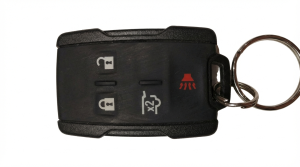
(OEM #13577766 (6-Button, Keyed Ignition) or 13508278 / 13529634 (6-Button, Push-to-Start))— If the key's internal transponder chip is damaged, the entire key must be replaced and programmed to the vehicle.
Trusted brands: ACDelco, Strattec
OEM price range: $150-$300
Aftermarket price range: $75-$200
Related Codes That Often Appear With This One
- P262B — Often appears with P0513 in TSB #PIT5391F, suggesting a shared electrical fault in the driver's sill plate area affecting the ignition relay control.
- U0073, U0100, U0140, U0121, C0544, C0800, etc. — A long list of 'U' (communication) and 'C' (chassis) codes appearing with P0513 strongly points to a systemic electrical issue, such as the poor G218 ground described in TSB #PIT5405C.
Technical Service Bulletins (TSBs) & Recalls
- PIT5391F: Mentions P0513 and P262B can be caused by damaged or corroded wiring (specifically circuit 5199) in the driver sill plate area, leading to a no-crank or start-and-stall condition.
- PIT5405C (and successor 18-NA-161): Cites P0513 as one of many codes that can be caused by a poor ground at the G218 location, a loose battery connection, or a shorted starter cable. Details numerous associated electrical gremlin symptoms.
Platform-Specific Known Issues
- Corroded or damaged wiring in the driver's side sill plate area, specifically circuit 5199, can cause this code by preventing the ignition relay from engaging, as documented in GM Technical Service Bulletin PIT5391F.
- A poor ground connection at location G218, sometimes caused by a trapped dash insulator mat, can lead to P0513 and numerous other communication codes and bizarre electrical symptoms, as noted in TSB PIT5405C.
Mechanic-Grade Diagnostic Values
- Negative Battery Cable to Engine Block Torque — expected: 45 Nm (33 ft lb). Failure: A loose connection can cause widespread electrical issues mimicking other faults.
- Battery Cable Clamp Nut Torque — expected: 7 Nm (62 lb in). Failure: Loose battery clamps can cause low voltage conditions that trigger P0513.
- Battery Cable Voltage Drop Test — expected: Minimal voltage drop (typically < 0.2V) under load.. Failure: Excessive voltage drop indicates high resistance in the positive or negative battery cables, a cause cited in TSB PIT5405C.
Scan Tool Commands That Help
- GDS2 (GM Dealer Scan Tool): BCM Programming, followed by Immobilizer Procedure > 'Replacement BCM with existing transmitter fobs' — Use this specific sequence to resolve a P0513 code that appears immediately after a low voltage event, jump start, or battery replacement, as per TSB 21-NA-277. Standard key relearn procedures may not work in this scenario.
Wiring & Ground Locations
- G218 — Driver's side, behind the dash near the A-pillar. It is a ground stud for the Body Control Module (BCM).. A common failure point where the dash insulator foam gets trapped under the ground eyelet, causing a poor connection. This leads to a host of electrical issues, including P0513 and numerous communication codes.
- Circuit 5199 (Tan/Yellow Wire) — Runs in the wiring harness under the driver's side sill plate.. This circuit is prone to corrosion from water entry in the sill plate area. An open or high resistance here prevents the KR73 Ignition Run Relay from activating, causing a no-start and setting P0513.
- X50A, Connector X4, Pin M5 — Underhood Fuse Block (UBEC).. This is a specific terminal location for Circuit 5199. TSBs indicate that a backed-out or poorly-seated terminal here can cause a loss of ignition voltage, leading to P0513.
- X51L, Connector X1, Pin 42 — Left Instrument Panel Fuse Block.. This is another specific terminal location for Circuit 5199. A poor connection at this pin can interrupt the signal and trigger a no-start with code P0513.
Real Owner Repair Stories
- YouTube User Comment (2014-2018 GM Truck (K2XX Platform)) — Widespread electrical issues, including flickering lights and stalling when turning the wheel.
❌ Tried (didn't work) Hours of online research.
✅ What actually fixed it Following a video guide to access the G218 ground, pulling the trapped foam insulation away from the ground stud, and ensuring the ground nut was tight. The user reported the fix took 30 minutes and solved the problem completely.
Helpful Videos

Used OEM Parts in Stock




New Aftermarket Parts Available


The information in this article is provided for general reference and educational purposes only. Vehicle specifications, procedures, and part compatibility can vary by production date, trim level, and region. Always consult your vehicle's factory service manual and verify part numbers before purchasing or performing repairs. Safety-critical components such as airbags, seat belts, and braking systems should be installed by a qualified professional.
- Chevrolet SUBURBAN:
- 🎬 Helpful Videos
- 🛍️ Shop This Part
- What's Unique About the 2015-2020 Chevrolet SUBURBAN
- Diagnostic Flowchart
- Symptoms You May Notice
- Most Likely Causes
- Rare But Worth Checking
- Diagnosis Steps
- Parts You'll Likely Need
- Related Codes That Often Appear With This One
- Technical Service Bulletins (TSBs) & Recalls
- Platform-Specific Known Issues
- Mechanic-Grade Diagnostic Values
- Scan Tool Commands That Help
- Wiring & Ground Locations
- Real Owner Repair Stories
- 🎟️ Get 5% Off