

P0513 on 2015-2019 Chevrolet Silverado 2500HD: Incorrect Immobilizer Key Causes and Fixes
P0513 on your Silverado means the truck's security system doesn't recognize your key, usually causing a no-start condition. The most common and cheapest fix is to replace the CR2032 battery in your key fob, which costs only a few dollars and is an easy 5-minute DIY job. If that fails, a key relearn procedure may be needed, especially after a vehicle battery change or jump-start.
- P0513 means your truck doesn't recognize your key and will likely not start.
- Before panicking, try your spare key. If it works, the problem is your main key.
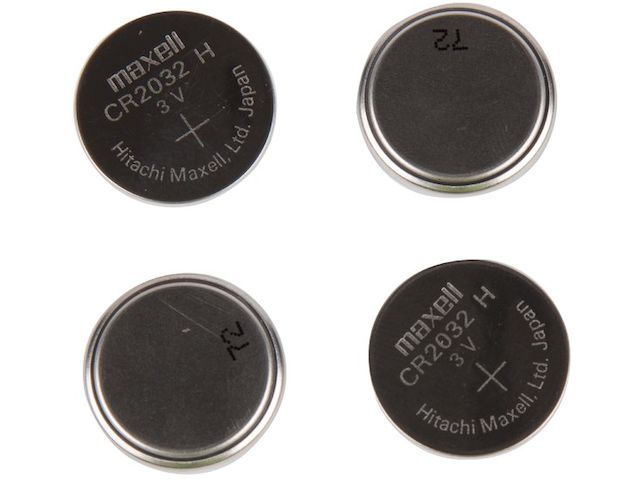
- The most probable fix is replacing the CR2032 battery in the key fob, a very simple and cheap DIY task.
- If a new battery doesn't work, you may need to replace the key or have the system relearn the existing keys using a specific 30-minute procedure.
- Replacing expensive modules like the BCM is a last resort and should only be done after all key-related issues have been ruled out.
What's Unique About the 2015-2019 Chevrolet Silverado 2500HD
On this generation of Silverado (and its platform-mate, the GMC Sierra), the P0513 code is a straightforward security issue. The system is robust but sensitive to key fob battery voltage. Unlike some brands with overly complex procedures, the most common fix is simply a new key fob battery. If that doesn't work, GM's standard 30-minute key relearn procedure can often resolve software glitches without a trip to the dealer. However, low vehicle battery voltage events (jump-starts, battery replacement) are a known trigger for BCM memory corruption on this platform, which can also cause P0513 and may require a dealer visit to resolve per TSB 23-NA-165. A critical, often-overlooked cause on these trucks is a poor BCM ground at location G218, which can cause P0513 along with a host of other electrical issues, as detailed in GM bulletin PIT5405C.
Symptoms You May Notice
- Engine cranks but does not start.
- Engine will not crank at all.
- Security light (often a car with a lock symbol) is illuminated or flashing on the instrument cluster.
- Check Engine Light is on.
- Message on the Driver Information Center (DIC) such as "REMOTE LEARN PENDING, PLEASE WAIT" or "No Fob Detected".
- In rare cases, the engine may start and run, but the code remains active.
- Replacing the ignition switch. While the immobilizer antenna is located there, the switch itself is rarely the cause for a P0513 code.
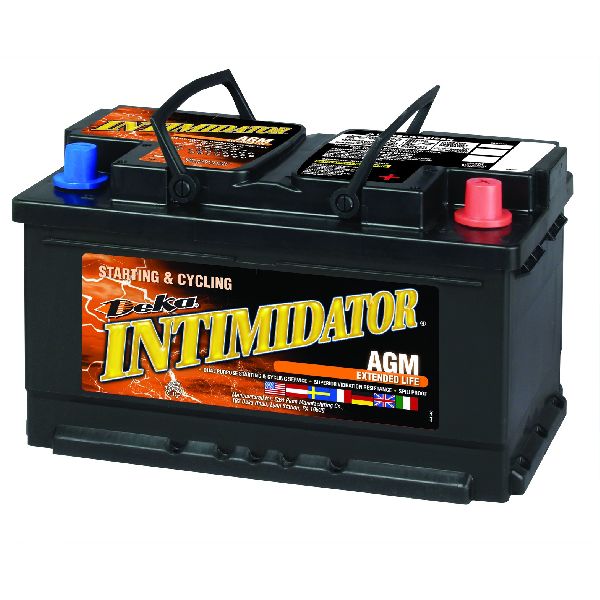
- Replacing the vehicle's main battery without attempting a key relearn procedure afterwards, as the low voltage event during the swap is a common trigger for the code.
- Immediately replacing the BCM without following TSB-guided diagnostic steps first. TSBs 21-NA-277 and 23-NA-165 both warn technicians *not* to replace modules before attempting specific software resets.
- Mistaking an aftermarket remote starter issue for a factory immobilizer problem. Aftermarket systems can interfere with the stock security handshake, causing P0513.
Most Likely Causes
- Weak or Dead Key Fob Battery 🔴 High Probability The transponder chip in the key requires power from the fob's internal battery to transmit its security code. Over time, the CR2032 battery's voltage drops, leading to a weak or unreadable signal that the truck's immobilizer antenna cannot pick up.
How to confirm: First, try your spare key. If the spare key works, the issue is with the primary key. The easiest next step is to replace the battery in the non-working key fob. Some owners have success placing the weak fob in the center console backup pocket, which is designed for this scenario.
Typical fix: Replace the CR2032 battery inside the key fob. This is a simple process that can be done with a small flathead screwdriver.
Est. part cost: $1-$5 - Immobilizer System Needs Relearning 🟡 Medium Probability The security system can lose its memory of the programmed keys, especially after a vehicle battery replacement, jump-start, or significant electrical work. GM TSBs 23-NA-165 and 21-NA-277 both explicitly state that low voltage events can cause a memory corruption event in the BCM, leading to P0513.
How to confirm: This is a procedural fix to try if keys are known to be good but the vehicle won't start, particularly if the issue began after a battery event. All other causes should be ruled out first.
Typical fix: Perform the GM 30-minute theft deterrent relearn procedure. This involves cycling the ignition to the 'ON' position for three consecutive 10-minute intervals. If this fails, a dealer may need to perform a special BCM data reset procedure outlined in TSB 23-NA-165.
Est. part cost: $0 for DIY relearn, potentially $100-$200 for dealer procedure. - Damaged or Faulty Key Fob ⚪ Low Probability Key fobs can be damaged by being dropped, exposed to water, or from internal electronic failure, breaking the transponder chip or its connections.
How to confirm: If a new battery doesn't solve the issue and the spare key works, the original key is likely faulty. Visually inspect the key for cracks or signs of water damage. A locksmith can also test the transponder signal directly.
Typical fix: The key fob must be replaced and programmed to the vehicle. This can be done by an automotive locksmith or a dealership.
Est. part cost: $70-$200 - Faulty Immobilizer Antenna ⚪ Low Probability
How to confirm: The antenna is a ring around the ignition lock cylinder (or in the center console for push-to-start) that reads the key. A technician can test the circuit's resistance and continuity with a multimeter. This is an unlikely failure point but can happen.
Typical fix: Replace the immobilizer antenna (also called the transponder reader coil) and perform a key relearn procedure. The part is relatively inexpensive.
Est. part cost: $30-$100
Rare But Worth Checking
- Body Control Module (BCM) or Powertrain Control Module (PCM) Fault: While less common, a software glitch or internal failure of the BCM, which manages the security system, can cause P0513. GM TSB 21-NA-277 notes that a BCM reprogram can fix this code under specific circumstances after a low-voltage event, confirming it's a known possibility. In a diagnostic video for a 2012 Sierra with P0513, the ultimate culprit was a faulty underhood fuse box causing voltage drops to the PCM, mimicking a module failure. A full BCM replacement can cost $450-$1000 at a dealer.
- Wiring Harness Issue: A damaged wire or poor connection between the immobilizer antenna and the BCM can cause an intermittent signal loss and trigger the code. GM Preliminary Information bulletin PIT5288H describes a condition on 2014-2019 trucks where the dash harness can get pinched by an I/P mounting bracket, causing a host of electrical issues, including security system problems.
- Poor BCM Ground at G218: GM Preliminary Information bulletin PIT5405C specifically calls out P0513 as a potential DTC resulting from a poor ground at location G218. On these trucks, the dash insulator mat can get trapped between the ground eyelet and the body stud, causing high resistance. This can lead to a wide range of bizarre electrical problems, including a no-start and immobilizer faults. The fix is to remove the ground nut, cut away the interfering insulation, and retighten the connection.
Diagnosis Steps
- Scan the vehicle for any other trouble codes. Address any communication (U-codes) or BCM-specific codes (B-codes) first, as they can be the root cause.
- Try to start the truck with your spare key. If it starts, the problem is isolated to your primary key.
- If the spare key works, replace the CR2032 battery in the faulty key fob.
- If a new battery does not fix the issue, or if the spare key also fails, try placing the key in the backup slot (inside the center console) and attempt to start the vehicle. This is designed to work with a dead fob battery.
- If neither key works, attempt the 30-minute Theft Deterrent Relearn Procedure, especially if the problem started after a battery change or jump-start.
- Inspect the wiring and connector at the ignition lock cylinder for the immobilizer antenna ring. Check for pinched wires under the driver's side dash near I/P brackets, per bulletin PIT5288H.
- Inspect the BCM ground at location G218. This ground is located on the driver's side, behind the lower dash trim/kick panel. Ensure the dash insulation is not trapped under the ground eyelet and that the connection is clean and tight.
- If the vehicle still won't start, professional diagnosis with a scan tool capable of reading security data from the BCM is required to test the antenna circuit and BCM functionality, and to perform special procedures outlined in GM TSBs.
Parts You'll Likely Need
- Key Fob Battery
(OEM #CR2032)— This is the most frequent cause of failure for P0513, as low voltage prevents the key's transponder from communicating with the vehicle.
Trusted brands: Energizer, Duracell, Panasonic
OEM price range: $2-$5
Aftermarket price range: $1-$3 - Keyless Entry Remote Fob
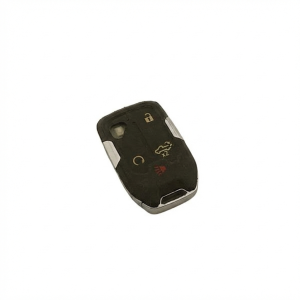
(OEM #13577765)— If the key fob's internal electronics are damaged, the entire unit must be replaced and programmed. This part number is for the 4-button fob common to this generation.
Trusted brands: ACDelco, Dorman
OEM price range: $100-$150
Aftermarket price range: $50-$90 - Ignition Immobilizer Antenna
(OEM #13580789 or 13523300)— If the antenna coil that reads the key fails, it must be replaced. Part number varies by specific model and year.
Trusted brands: GM Genuine Parts, ACDelco
OEM price range: $20-$40
Aftermarket price range: $15-$30
Related Codes That Often Appear With This One
- P0700 — An owner complaint on a different GM model showed P0513 alongside P0700 (Transmission Control System Malfunction), suggesting a widespread electrical issue or communication breakdown affecting multiple modules, potentially stemming from a BCM or wiring fault.
- B3-series codes (e.g., B3924, B3925) — TSB 21-NA-277 specifically links P0513 with a cluster of B-series DTCs related to 'Environment ID' when the BCM has a memory corruption issue.
- U-series codes (e.g., U0140, U0100, U0073) — GM Bulletin PIT5405C links P0513 with numerous communication codes (U-codes) when the root cause is a poor BCM ground at G218, indicating a widespread electrical failure.
Technical Service Bulletins (TSBs) & Recalls
- 23-NA-165: Describes a no-crank/no-start with P0513 set, often after a low voltage event. Warns against module replacement and details a special BCM data reset procedure.
- 21-NA-277: Also addresses P0513 after low voltage events, specifically when other BCM environment ID codes are present. The fix involves a special reprogramming procedure, not module replacement.
- PIT5288H: Details a potential cause for various electrical issues, including security system faults, where the dash wiring harness gets pinched by a bracket under the instrument panel.
Platform-Specific Known Issues
- A GM Technical Service Bulletin (TSB 23-NA-165) confirms that P0513 can cause a no-crank or no-start condition and is often triggered by a low-voltage event like a battery replacement or jump start. The fix may require a special dealer-only BCM data reset.
- A diagnostic video on a similar 2012 GMC Sierra with a persistent P0513 revealed the ultimate cause to be a faulty underhood fuse box, which created voltage drops to the PCM. This highlights the importance of checking module power and grounds before replacement.
- GM Bulletin PIT5405C is highly relevant to the 2015-2019 Silverado 2500HD, explicitly linking P0513 to a poor BCM ground at G218. This ground is located behind the driver's side lower dash panel, and the bulletin advises technicians to check for the dash insulator mat being trapped under the ground connection, which can cause a host of electrical issues including immobilizer faults.
Mechanic-Grade Diagnostic Values
- Battery Cable Voltage Drop — expected: Should not exceed 200 mV. Failure: A reading above 200 mV indicates high resistance in the cable, which can cause low voltage to modules and trigger various DTCs, including P0513.
- Immobilizer Antenna Coil Continuity — expected: A continuous circuit (a specific Ohm value is not commonly published, but there should not be an open circuit).. Failure: An 'OL' (Over Limit) or infinite resistance reading on a multimeter indicates a broken coil inside the antenna ring.
- Power to Immobilizer Module/Antenna — expected: 12 Volts. Failure: No voltage or significantly less than 12V at the power pin of the immobilizer antenna connector indicates a wiring or fuse issue upstream.
Scan Tool Commands That Help
- GDS2 (GM Global Diagnostic System 2): Immobilizer Learn / Program Keys — This function is required after replacing a key, the BCM, or the PCM. It guides the technician through the 10-minute or 30-minute relearn process to add new keys to the vehicle's security memory.
- GDS2 (GM Global Diagnostic System 2): Configure and Reset Functions > Add or Replace Key Fobs — This specific path within GDS2 is used to program the remote (RKE) functions of a new key fob after the immobilizer chip has been learned. It is accessed through the 'Remote Control Door Lock Receiver' module diagnostics.
- GDS2 (GM Global Diagnostic System 2): Theft Deterrent Module Data Display — Before attempting to program keys, a technician would use this to view live data, such as the number of keys currently programmed, the state of the security system, and if the correct key challenge is being received. This helps differentiate a bad key from a bad module.
Wiring & Ground Locations
- G218 — Inside the cab, on the driver's side, behind the lower instrument panel trim / kick panel, near the speaker.. This is a primary ground for the Body Control Module (BCM). GM Bulletin PIT5405C explicitly identifies a poor connection at G218 as a cause for P0513 and numerous other electrical faults. The dash insulation mat is known to get trapped under the ground eyelet, causing high resistance.
- Immobilizer Fuse (F26) — In the instrument panel fuse block, located on the driver's side of the dashboard, accessible when the driver's door is open.. Fuse F26 (a 10A fuse) powers the anti-theft system and immobilizer module for 2014-2016 models. Checking this fuse is a basic but critical first step if the immobilizer system seems completely dead.
- Immobilizer Antenna Connector — Directly on the immobilizer antenna ring, which is around the ignition lock cylinder.. This is the connector where voltage and continuity tests for the antenna coil are performed. A loose or corroded connection here can prevent the key's signal from being read.
- BCM Connectors (X1-X7) — Located above the pedals, attached to the BCM.. These are the main data and power connectors for the Body Control Module. Advanced diagnostics may require checking for power, ground, and data signals at specific pins on these connectors if a module or wiring fault is suspected.
Real Owner Repair Stories
- Reddit user in r/MechanicAdvice (Jeep (similar immobilizer logic) with aftermarket remote start) — P0513 code, no-start condition, locked brake pedal.
❌ Tried (didn't work) Key relearn procedure (10-minute key-on method).
✅ What actually fixed it The vehicle's main battery was dead. Replacing the battery resolved all symptoms. This highlights the importance of checking the battery first, as low system voltage can cause false security codes. - GM-Trucks.com forum user (2014-2018 K2XX Truck) — Theft deterrent system error message on DIC, intermittent no-crank, dash clock resetting, loss of power when turning engine off and opening door.
❌ Tried (didn't work) Multiple dealer visits without a permanent fix.
✅ What actually fixed it The user was directed to GM Bulletin PIT5405 regarding bad grounds, specifically G218 and battery cables. Cleaning and securing ground connections is the prescribed fix for these widespread electrical issues that can manifest as a P0513.
Model Year Variations Within This Range
- 2014-2016 vs 2017-2019: The layout of the interior fuse panel on the driver's side of the dash is different between these year groups, though the immobilizer fuse (F26) remains in the same logical position.
Diagnostic Flowchart
Other Known Issues on This Vehicle
Issues unrelated to this code that are worth knowing about as an owner of this generation:
- CP4 High-Pressure Fuel Pump Failure (LML Duramax) 🔴 High — Affects 2015-2016 models with the LML Duramax diesel. Failure rate is debated but is a well-documented catastrophic event, often requiring a full fuel system replacement ($8k-$15k).
- DEF System Component Failures (Diesel) 🟠 Medium — Common on both LML and L5P Duramax engines. DEF tank heaters, pumps, and NOx sensors are frequent failure points, especially in cold climates, leading to check engine lights and potential limp mode.
- Cracked Dashboard 🟡 Low — While more prominent on the previous GMT900 generation, the K2XX platform can also experience cracks in the upper dash, particularly around the passenger airbag area or instrument cluster hood. (Ref: No recall, but a known issue with a prior class-action lawsuit for the previous generation.)
- Broken Exhaust Manifold Bolts (6.0L Gas) 🟡 Low — The iron block 6.0L L96 V8 is known for snapping exhaust manifold bolts due to heat cycles, causing an exhaust leak tick noise, especially when cold. Repair is straightforward but can be labor-intensive if bolts break flush.
- Throttle Body Failure (P2135) 🟠 Medium — Failure of the throttle position sensors within the throttle body can trigger code P2135 and put the truck into 'Reduced Engine Power' mode. The entire throttle body assembly typically requires replacement.
- HVAC Blend Door Actuator Failure 🟡 Low — Actuators that control airflow direction (e.g., defrost, vent, floor) or temperature blending can fail, resulting in air being stuck in one mode or at one temperature.
Used vs. New Parts: Buying Guide for This Vehicle
When a used part is the smart pick: A used immobilizer antenna from a junkyard is a perfectly acceptable and cost-effective repair. It is a simple inductive coil and is not programmed to the vehicle. A used key fob can also be purchased, but it MUST be reprogrammed to your vehicle by a locksmith or dealer, so factor that cost in.
Donor-vehicle mileage cap: roughly under 150000 miles for the part to have meaningful remaining life.
What to inspect on the donor part:
- For an immobilizer antenna, ensure the wiring pigtail is not cut or damaged.
- For a key fob, check for physical damage like cracks in the case or excessive button wear. Avoid fobs with signs of water exposure.
- Verify the donor vehicle is from the same model year range (2015-2019) to ensure compatibility.
OEM-only on this vehicle (don't cheap out):
- Body Control Module (BCM): While a used BCM can be installed, it requires special programming with dealer-level tools (GDS2/Techline Connect) to write your vehicle's VIN and security information to it. This is not a simple plug-and-play swap. For this reason, buying a new BCM from the dealer, who will program it, is often the most straightforward path.
Aftermarket brands forum-validated for this vehicle:
- Dorman: Offers replacement key fobs that are a common alternative to OEM.
- Standard Motor Products (SMP): Often provides quality replacement electrical components like antennas and connectors.
Brands owners have reported issues with on this vehicle:
- Unbranded, extremely cheap key fobs from online marketplaces: These often have weak transponder signals, poor battery life, and can be difficult or impossible to program correctly.
Real Owner Stories
Aggregated from forums and TSBs cited above. Mileages and costs reflect what owners reported in those sources.
2015 Chevrolet Silverado
Symptoms: The truck would still start, but the P0513 code was present and active.
What fixed it: The suggested diagnostic path included trying a spare key or disconnecting the battery to reset the system before replacing the BCM.
Source hint: 2CarPros.com - 'Code P0513? - 2015 chevrolet silverado'
2012 GMC Sierra (K2XX Platform Precursor)
Symptoms: Persistent P0513 code and security issues.
What fixed it: Replacement of the underhood fuse box which was causing voltage drops to the PCM.
Source hint: vehicle_specific_issues - diagnostic video on a similar 2012 GMC Sierra
Related OBD-II Codes
Frequently Asked Questions
Does TSB 23-NA-165 apply to my 2015-2019 Silverado 2500HD if it won't crank after a jump-start?
Where is the BCM ground G218 located on my Silverado 2500HD?
Can I fix the P0513 'Incorrect Immobilizer Key' error myself without a scan tool?
Is there a specific wiring issue I should check for on my 2015-2019 Silverado HD regarding security faults?
What should I do if my DIC displays 'REMOTE LEARN PENDING, PLEASE WAIT'?
Will a bad underhood fuse box cause a P0513 code on this platform?
Used OEM Parts in Stock


New Aftermarket Parts Available




The information in this article is provided for general reference and educational purposes only. Vehicle specifications, procedures, and part compatibility can vary by production date, trim level, and region. Always consult your vehicle's factory service manual and verify part numbers before purchasing or performing repairs. Safety-critical components such as airbags, seat belts, and braking systems should be installed by a qualified professional.
- Chevrolet Silverado 2500HD:
- 🛍️ Shop This Part
- What's Unique About the 2015-2019 Chevrolet Silverado 2500HD
- Symptoms You May Notice
- Most Likely Causes
- Rare But Worth Checking
- Diagnosis Steps
- Parts You'll Likely Need
- Related Codes That Often Appear With This One
- Technical Service Bulletins (TSBs) & Recalls
- Platform-Specific Known Issues
- Mechanic-Grade Diagnostic Values
- Scan Tool Commands That Help
- Wiring & Ground Locations
- Real Owner Repair Stories
- Model Year Variations Within This Range
- Diagnostic Flowchart
- Other Known Issues on This Vehicle
- Used vs. New Parts: Buying Guide for This Vehicle
- Real Owner Stories
- 2015 Chevrolet Silverado
- 2012 GMC Sierra (K2XX Platform Precursor)
- Related OBD-II Codes
- Frequently Asked Questions
- 🎟️ Get 5% Off