

OBD-II Code P0513: Incorrect Immobilizer Key
What P0513 means, why it triggers, and how to fix it
- Code P0513 triggers the anti-theft system, cutting fuel and spark to prevent the engine from starting.
- Test your spare key alone on the keyring and replace the $5 fob battery before paying for diagnostics.
- A recent dead battery or jump-start often scrambles module memory, requiring a $120-$250 dealer software re-flash rather than new parts.
- Any repair beyond a battery swap requires an automotive locksmith or dealer with specialized immobilizer scan tools.
What Does P0513 Mean?

P0513 means the Powertrain Control Module (PCM) rejects the electronic signature from your key. Modern keys contain a transponder chip that communicates with the anti-theft system via radio frequencies. If the key's cryptographic code fails to match the car's stored memory, the system assumes a theft attempt and disables the fuel and ignition systems.
Technical definition: The SAE/OBD-II definition for P0513 is "Incorrect Immobilizer Key." The Powertrain Control Module (PCM) or Body Control Module (BCM) sets this code when it detects an unrecognized or invalid signal from the ignition key transponder. This handshake failure prevents the engine from running.
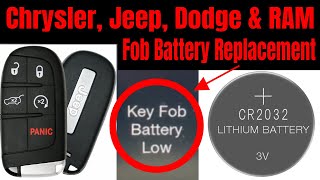
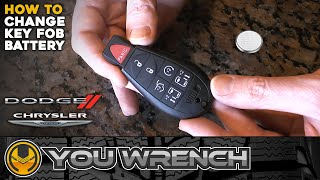
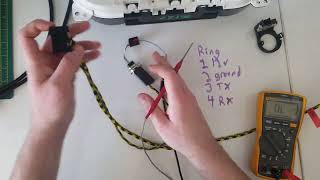
🎬 Watch: Overview of P0513 causes, symptoms, and common fixes.Can I Drive With P0513?
No — Do Not Drive. The vehicle's anti-theft system has been triggered and prevents the engine from starting. The car is immobilized until you fix the issue. The engine either cranks but will not start, or starts for two seconds and immediately shuts off. You cannot drive the vehicle.
Common Causes

- Dead Key Fob Battery (Very Common) — A dead battery inside the key fob prevents the transponder chip from sending its security code to the car.
- Unprogrammed or Mismatched Key (Common) — The security system rejects new, aftermarket, or online-purchased keys that lack proper programming to the vehicle's VIN.
- Damaged Key or Fob (Common) — Physical damage from drops, water exposure, or internal circuit failure prevents the key from transmitting the correct code.
- Control Module Memory Loss (Common) — A dead vehicle battery or jump-start corrupts the memory of security modules (BCM, PCM, or RFH), causing them to 'forget' programmed keys.
- Radio Frequency (RF) Interference (Less Common) — Other transponder keys, access cards, or poorly installed aftermarket remote starters block the car from reading the valid key.
- Faulty Immobilizer Antenna Ring (Less Common) — A damaged or unplugged antenna ring around the ignition switch fails to pick up the signal from a perfectly good key.
- Corroded Wiring or Bad Ground (Rare) — Damaged wiring between the immobilizer antenna, BCM, and PCM interrupts the signal, a known issue on GM trucks.
Symptoms

- Engine Cranks But Will Not Start — The engine cranks but fails to fire, or starts for two seconds and immediately shuts off as the immobilizer cuts fuel and spark.
- Flashing Security Light — The dashboard security light blinks rapidly, indicating an active anti-theft system lockout.
- Immobilizer Dashboard Message — The instrument cluster displays 'Invalid Key,' 'Key Not Detected,' or 'Immobilizer Active'.
- Dead Remote Functions — The key fob fails to lock or unlock the doors, confirming a dead fob battery or internal fob failure.
- Check Engine Light Illuminated (also visible on scanner) — The Malfunction Indicator Lamp turns on to alert you of the stored P0513 fault code.
Diagnostic Flowchart

Tap your situation to follow the diagnostic path that matches what you're seeing on this code.
Common Fixes & Costs
- Replace Key Fob Battery — Parts: $2-$15, Labor: $0, ~0.1 hr book time (DIY)
- Reprogram Existing Key Fob — Parts: $0, Labor: $90-$200, ~1 hr book time (Professional)
- Replace and Program a New Transponder Key — Parts: $70-$250, Labor: $90-$180, ~0.8 hr book time (Professional)
- Replace and Program a New Smart Key — Parts: $250-$600+, Labor: $120-$250, ~1 hr book time (Professional)
- BCM/PCM Software Re-flash per TSB — Parts: $0, Labor: $120-$250, ~1 hr book time (Professional)
- Replace Immobilizer Antenna Ring
— Parts: $45-$150, Labor: $100-$200, ~1.2 hr book time
(Professional)
: OEM
: OEM - Reprogram or Replace an Anti-Theft Control Module (BCM, RFH, WIN)
— Parts: $200-$800+, Labor: $150-$300, ~2 hr book time
(Professional)
: OEM
: OEM
DIY vs Professional
- Replace Key Fob Battery — Beginner:
Tools: Small flathead screwdriver, correct battery type (e.g., CR2032). - Replace Immobilizer Antenna Ring — Beginner:
Tools: Trim removal tools, screwdriver set, socket set, multimeter. - Reprogram Existing or New Key — Beginner:
Tools: Specialized bi-directional scan tool with immobilizer programming software, vehicle PIN codes. - Replace/Reprogram Control Module (BCM, RFH, PCM) — Beginner:
Tools: Dealer-level diagnostic software, module programming subscriptions, bi-directional scan tool.
Used vs. New Parts: Buying Guide
When a used part is worth it: Used parts make sense for simple hardware components like the immobilizer antenna ring, which is not VIN-locked. For control modules (BCM, PCM, RFH), a used part requires a specialist to 'virginize' or reset it.
Donor-vehicle mileage cap: roughly under 100000 miles for the part to have meaningful remaining life.
Donor quality checklist:
- Verify the seller can program the module to your VIN before purchase.
- Match part numbers exactly; superseded numbers fail to communicate.
- Avoid antenna rings from vehicles with visible steering column damage.
Decision logic:
- If Part is a transponder key or smart key → Buy new. Used keys from other vehicles cannot be reprogrammed to yours.
- If Part is a BCM, PCM, or RFH module → Buy new OEM or a professionally pre-programmed unit. Standard junkyard modules fail due to VIN-locking.
- If Part is the immobilizer antenna ring → Buy used. It is a low-risk way to save money.
Warranty tradeoff: Used parts carry a 30-90 day warranty. New aftermarket parts offer 1 year to lifetime warranties. New OEM parts carry a 1-2 year warranty.
Worst-case if a used part fails: $300-$800 if a used module fails or rejects programming, requiring repeat labor and a new unit.
What Happens If You Wait — Timeline
- Immediate (First Occurrence): The vehicle is immobilized. The engine cranks but won't start. A flashing security light appears on the dash. (MPG impact: N/A% · Added cost: $5 - $250 (Cost of a new key fob battery or mobile locksmith visit).)
- 0-2 Days (Stranded Scenario): The vehicle remains stuck, forcing you to call for a tow or mobile assistance. (MPG impact: N/A% · Added cost: $100 - $400 (Cost of towing and emergency diagnostic fees).)
- 1+ Week (Misdiagnosis): Mechanics incorrectly replace the starter, fuel pump, or main battery because the root cause is electronic, not mechanical. (MPG impact: N/A% · Added cost: $400 - $1000+ (Cost of unnecessary parts and labor).)
- 2+ Weeks (Compounded Electronic Failure): Improper diagnostic procedures or bypass attempts permanently lock out ('brick') a control module like the BCM or RFH. (MPG impact: N/A% · Added cost: $800 - $2000+ (Cost of replacing a bricked module and dealer-level programming).)
Cost of Not Fixing It
- Immediate: Vehicle will not start or stalls immediately, rendering it undrivable. (Added cost: $100-$300+)
- 0-1 Day: Stranded vehicle requires towing to a dealership or locksmith. (Added cost: $250-$500+)
- 1+ Day: Repeated start attempts lock out control modules, requiring expensive dealer programming. (Added cost: $500-$1200+)
Diagnosis Steps
- Try Your Spare Key
Test your spare key alone on the keyring. If the car starts, your primary key is the problem.
Tools: Spare car key (Beginner) - Replace the Key Fob Battery
Swap the battery in your primary key fob. This $5 fix resolves the majority of P0513 codes.
Tools: Small screwdriver, new key fob battery (e.g., CR2032, CR2450) (Beginner) - Check for Technical Service Bulletins (TSBs)
Search for P0513 TSBs for your specific VIN. Manufacturers frequently issue software updates to fix module memory glitches.
Tools: Internet access (Intermediate) - Scan for Codes and Reset
Use an OBD-II scanner to confirm P0513 and check for U-series (communication) codes. Clear the codes and attempt a restart.
Tools: OBD-II Scanner (Beginner) - Inspect the Key and Ignition
Check the key fob for cracks or water damage. Inspect the plastic ring around the ignition switch for physical breaks.
Tools: Flashlight (Intermediate) - Verify Fuel System Shutdown
Connect a fuel pressure gauge. If pressure hits 50 PSI at key-on but drops to zero during cranking, the immobilizer is actively cutting fuel.
Tools: Fuel pressure gauge (Advanced) - Test Immobilizer Antenna Power and Ground
Backprobe the immobilizer antenna connector. You must see battery voltage (12V) and good ground (<5 ohms) with the key ON.
Tools: Multimeter with backprobe pins, vehicle-specific wiring diagram (Advanced) - Test the Immobilizer Antenna Coil
Disconnect the antenna and measure resistance across its terminals. It must match the factory spec (typically 5-20 Ohms).
Tools: Multimeter, vehicle-specific repair manual (Advanced) - Check Antenna Signal with a DIY Tester
Wrap 30 turns of copper wire into a loop, connect an LED, and hold it near the ignition. The LED flashes when the antenna energizes.
Tools: Thin copper wire, LED (Advanced) - Test System with an Advanced Scan Tool
Use a bi-directional scanner to view live immobilizer data, checking 'Number of Programmed Keys' and module communication status.
Tools: Advanced Bi-Directional Scan Tool (Advanced)
When This Code Triggers (Freeze-Frame Conditions)
- DTC that caused freeze frame: P0513 (Confirms the immobilizer fault triggered the event.)
- Engine RPM: 0 RPM (Code sets during Key-On, Engine-Off (KOEO) state before cranking.)
- Vehicle Speed: 0 mph (The vehicle is stationary when the key turns.)
- Engine Run Time: 0 Seconds (Fault detects before the engine runs.)
- Module Voltage: 11.5-12.5V (Indicates the main battery's state of charge when the fault occurred.)
Related Codes
- B1A25 — A Chrysler-specific code for 'Invalid Key.' Seeing B1A25 alongside P0513 confirms the fault is the key itself or its programming, not a module or antenna issue.
- U0140 — Means 'Lost Communication With Body Control Module (BCM).' If U0140 appears with P0513, the problem is a wiring issue or faulty BCM, not the key.
- P1570 — A VW/Audi code for 'Engine Start Blocked by Immobilizer.' Seeing both codes confirms a key/immobilizer handshake failure.
- B2229 — A Ford-specific code for 'PATS Transceiver Internal Fault.' This pinpoints the problem to the antenna ring around the ignition lock cylinder.
Climate & Environmental Factors
- Cold Weather: Cold temperatures slow the chemical reactions inside the key fob's battery, reducing voltage output. A battery that works in warm weather fails to power the transponder when cold, triggering P0513.
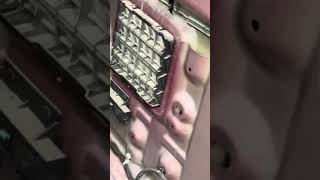
- Humidity and Water Intrusion: Water intrusion damages security modules directly. On 2019+ Ram 1500s, a leaking rear window drips water onto the Radio Frequency Hub (RFH), causing immediate failure.
How to Talk to a Mechanic About This Code
Say this: "I have a no-start condition and a P0513 code for an 'Incorrect Immobilizer Key.' I tried my spare key and replaced the fob battery. I need a diagnostic to determine if the issue is the key's programming, the antenna, or a control module."
This proves you completed basic troubleshooting and focuses the technician on the anti-theft system, preventing them from wasting time on the fuel pump or starter.
Avoid saying:
- 'My car won't start.'
- 'My key isn't working.'
- 'Just fix it, I don't care what it takes.'
Questions to ask before authorizing the repair:
- Did you determine if the fault is with the key, the antenna, or a module? What specific test confirmed this?
- If a new key is needed, does the price include both the key and the programming fee?
- If a module needs replacement, is it a new OEM part or remanufactured, and what is the warranty?
- Are there any Technical Service Bulletins (TSBs) suggesting a software re-flash instead of a hardware replacement?
Where to Take It: Dealer vs Independent vs Chain
- Dealer:
Best for: Vehicles under warranty., Complex, brand-specific issues requiring module software updates., When an automotive locksmith is unavailable.
Downsides: Highest labor rates and part costs., Defaults to replacing expensive modules when a re-flash suffices. (Typical cost: +50% vs. baseline) - Independent Shop:
Risky unless they specialize in vehicle electronics. An automotive locksmith is a better choice.
Best for: Out-of-warranty vehicles where the cause is a simple component like an antenna ring.
Downsides: General repair shops lack the specialized tools needed for key and immobilizer programming. (Typical cost: +0% vs. baseline)
When to Walk Away From the Repair
If the estimated repair cost for the immobilizer system exceeds 40-50% of the car's private-party value, consider selling the car as-is.
- Car worth $4000, fix is $1200: Borderline. The repair is 30% of the car's value. Get a second opinion before authorizing.
- Car worth $15000, fix is $800: Fix it. This repair is well below the threshold and restores a critical function.
- Car worth $2500, fix is $1500: Walk away. The repair cost is 60% of the car's value. It is not economically sensible to proceed.
What Scan Tool You Need for This Code
Minimum: A basic OBD-II scanner only reads and clears the P0513 code. It cannot diagnose the root cause within the anti-theft system.
A $20 scanner cannot see security-related data, check key status, or communicate with the immobilizer module. You need a tool with IMMO functions.
Budget: N/A (~$0) — No scanner under $100 has the required immobilizer functions for P0513.
Mid-range: Launch CRP IMMO / OBDPROG 501 (~$250) — Reads security PINs, checks programmed keys, and performs key learning for common brands. This is the minimum required for DIY diagnosis.
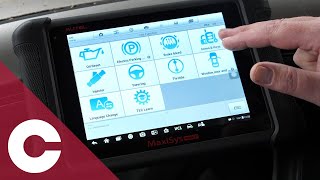
Professional: Autel MaxiIM IM508S / IM608S II (~$600-3000) — Offers comprehensive IMMO diagnostics, programs keys, reads EEPROM data, and diagnoses module communication issues.
Rent vs buy: You cannot rent specialized immobilizer tools. Paying a professional locksmith or dealer is far more cost-effective than buying a capable tool for a one-time fix.
How to Clear the Code After You Fix It
- Fix the root cause (e.g., replace key battery, reprogram key).
- Use an OBD-II scan tool to clear the P0513 code and related faults.
- Start the vehicle to confirm the repair is successful.
Drive cycle (~30 minutes): A specific drive cycle is not required to clear P0513, but is needed to reset emissions monitors. Cold start, idle for 3 minutes. Drive in stop-and-go traffic for 15 minutes. Drive at 55 mph for 10 minutes. Cool down completely.
Readiness monitors affected: Clearing codes resets all emissions monitors to 'Not Ready'.
Before emissions retest: drive at least 50 miles to fully set monitors.
Watch out for:
- Clearing the code without fixing the key or module issue causes the code to return instantly.
- Taking the vehicle for an emissions test immediately after clearing codes results in a 'Not Ready' failure.
Will This Fail Emissions / State Inspection?
Yes — this code typically fails an OBD-II emissions inspection.
- California: An illuminated Check Engine Light causes an automatic smog check failure. All readiness monitors (except EVAP) must read 'Ready' before a re-test.
- New York: Any active fault code illuminating the Check Engine Light causes an emissions inspection failure.
- Texas: In emissions-testing counties, an illuminated Check Engine Light is an automatic failure. You must drive 50-100 miles to reset readiness monitors after clearing the code.
Most Commonly Affected Vehicles
- Jeep Grand Cherokee, Compass, Gladiator, Wrangler (2014-2022) — Often caused by a weak key fob battery or a loss of synchronization between the PCM, BCM, and RFH module after a battery replacement. TSB S2208000073 addresses this.
- Ram 1500, 2500 (2013-2022) — On 2019+ Ram 1500s, a failed Radio Frequency Hub (RFH) due to water intrusion is the primary cause. Earlier models suffer from Wireless Ignition Node (WIN) failures.
- Chrysler / Dodge Various (300, Town & Country, Grand Caravan, Charger) (2008-2021) — These vehicles use a Sentry Key Immobilizer Module (SKIM) or Wireless Ignition Node (WIN) sensitive to key fob battery voltage. A dead vehicle battery erases WIN key programming.
- Chevrolet / GMC Tahoe, Suburban, Silverado, Sierra, Trailblazer (2015-2022) — Prone to corroded wiring (Circuit 5199) under the driver's door sill plate and a poor BCM ground at location G218. TSB #21-NA-277 requires a BCM software re-flash after low voltage events.
- Ford F-150, Explorer, Focus (2011-2020) — Ford's PATS triggers P0513 due to a faulty antenna transceiver around the ignition lock cylinder. A rapidly flashing theft light (1:6 pattern) confirms this failure.
- Hyundai / Kia Elantra, Sonata, Tucson, Sorento (2011-2019) — Issues stem from a faulty immobilizer antenna coil failing to energize. The key itself is rarely the problem.
- Volkswagen Golf, Passat, Jetta, Polo (2005-2018) — Triggered by interference from other transponder keys on the same key ring. TPI 2017171 notes failures after the main battery drains completely.
- Nissan / Infiniti Altima, Maxima, Rogue, Q50 (2007-2018) — The BCM loses key memory after a battery replacement or jump start. A failing Electronic Steering Column Lock (ESCL) module also triggers identical symptoms.
Manufacturer-Specific Notes
- Chrysler/Dodge/Jeep/Ram: A P0513 code after a module replacement or software update requires a 'Proxy Configuration Alignment' procedure with a dealer tool. On 2019+ Ram trucks, check for water damage to the RFH module on the back cab wall.
- General Motors (Chevrolet, GMC): A low voltage event corrupts the Body Control Module's (BCM) memory. TSB #21-NA-277 instructs technicians to perform a BCM software re-flash instead of replacing the module. Inspect BCM ground G218 for corrosion.
- Volkswagen/Audi: VW systems are highly sensitive to Radio Frequency (RF) interference. Keeping other electronic keys on the same keyring causes P0513. A dead battery also causes this fault per TPI 2017171.
- Ford: Ford's Passive Anti-Theft System (PATS) flashes a 'theft' light to provide diagnostic codes. A pattern of 1 flash, pause, 6 flashes indicates a communication issue between the transceiver and the PCM.
- Nissan/Infiniti: A no-start condition on 2009-2011 models stems from a failed Electronic Steering Column Lock (ESCL) unit. Nissan issued voluntary service campaigns to replace the lock unit.
Real Owner Stories
2007 Dodge Ram 1500 with intermittent no-start
The truck randomly engaged the anti-theft system and set code P0513, preventing it from starting. Disconnecting the main battery for 5 minutes provided a temporary fix.
Outcome: The root cause was a failing Sentry Key Immobilizer Module (SKIM) antenna ring around the ignition. The owner wasted money on major components before finding the cheap hardware fault.
Lesson: Do not replace expensive control modules before thoroughly diagnosing simpler components. An intermittent fault temporarily fixed by a battery reset points to a failing security module or wiring issue, not a dead PCM.
2019 Ram 1500 suddenly dead in the driveway
The truck was completely dead, would not start, and displayed P0513.
Outcome: Diagnosis confirmed the Radio Frequency Hub (RFH) module failed due to water intrusion from a leaking third brake light seal. The repair required replacing the RFH module and sealing the leak.
Lesson: For vehicles with well-documented failures like the Ram 1500 RFH water damage, suspect the common problem first. Searching owner forums saves diagnostic time and money.
2015 Chrysler 300 with a no-crank condition after a reset
The car ran perfectly until the owner accidentally performed an 'engineering reset' from the dash menu. The car refused to crank and showed codes P0513 and B1A8A.
Outcome: The reset de-synced the security key data between the PCM and the RF Hub. The fix required a 'PCM Replace / Immobilizer Initialization' procedure with a dealer tool to force the modules to re-share security information.
Lesson: If P0513 appears immediately after a dead battery, jump-start, or system reset, the cause is a software synchronization issue, not a hardware failure. The modules require a specific programming procedure to reconnect.
How to Prevent This Code From Triggering
- Proactively Replace Key Fob Batteries (Every 2-3 years for smart keys, 3-5 years for traditional fobs.) — Proactively replacing the battery prevents low-power situations in cold weather, a top cause of P0513.
- Maintain Vehicle Battery Health (Test annually after 3 years of service.) — A weak vehicle battery causes low voltage spikes during startup, corrupting the memory of immobilizer modules and causing them to 'forget' keys.
- Protect Your Key Fob (Daily habit) — Dropping the key or exposing it to water damages the internal transponder chip, rendering it unable to send the security code.
- Practice Good 'Key Hygiene' (Every time you drive) — Keeping multiple transponder keys on the same keyring causes radio signal interference, triggering a P0513 code.
- Test and Rotate Your Spare Key (Annually) — Ensures your spare key functions in an emergency and confirms the vehicle's immobilizer system works correctly.
Frequently Asked Questions
Can I drive my car with a P0513 code?
No. The P0513 code triggers a no-start or start-and-stall condition because the anti-theft system disables the engine.
Can I fix a P0513 code myself?
You can perform simple diagnostics like trying a spare key and replacing the fob battery. Advanced electrical checks are possible for experienced DIYers. However, key or module reprogramming requires specialized scan tools and a professional locksmith.
Will disconnecting the battery clear the P0513 code?
Disconnecting the battery clears the code temporarily, but it returns immediately upon attempting to start the car. It fails to solve the underlying unrecognized key issue. In some cases, the voltage drop from disconnecting the battery actually causes the fault.
How much does it cost to fix code P0513?
Costs range from $5 for a battery to over $1,200 for module replacement. Reprogramming a key costs $90-$200, while a new smart key runs $350-$600. Replacing a control module like the BCM costs $600-$1,100 including programming.
Why did this code appear after my car battery died?
A low voltage event from a dead battery or jump-start scrambles the memory in security modules like the BCM or PCM. This causes the module to 'forget' valid keys, triggering P0513 even with a perfect key. Manufacturers issue Technical Service Bulletins (TSBs) to address this specific software flaw.
What are common misdiagnosis mistakes with P0513?
Mechanics often replace expensive modules when a simple software re-flash or wiring repair is the actual fix. Always check for Technical Service Bulletins (TSBs) before approving a BCM or PCM replacement. Try simple key-related fixes first to avoid unnecessary bills.
Can another key on my keychain cause a P0513 code?
Yes. The immobilizer system uses a low-power radio signal to read the chip in your key. Another transponder key on the same ring interferes with this signal, causing the car to reject the correct key.
Can I bypass the immobilizer for code P0513?
Bypassing a modern immobilizer system is impossible without specialized programming. These systems integrate deeply into the vehicle's main computers. You must diagnose and repair the specific fault within the system.
Key Takeaways
- Code P0513 triggers the anti-theft system, cutting fuel and spark to prevent the engine from starting.
- Test your spare key alone on the keyring and replace the $5 fob battery before paying for diagnostics.
- A recent dead battery or jump-start often scrambles module memory, requiring a $120-$250 dealer software re-flash rather than new parts.
- Any repair beyond a battery swap requires an automotive locksmith or dealer with specialized immobilizer scan tools.
Helpful Videos

The information in this article is provided for general reference and educational purposes only. Vehicle specifications, procedures, and part compatibility can vary by production date, trim level, and region. Always consult your vehicle's factory service manual and verify part numbers before purchasing or performing repairs. Safety-critical components such as airbags, seat belts, and braking systems should be installed by a qualified professional.
- 🎬 Helpful Videos
- What Does P0513 Mean?
- Can I Drive With P0513?
- Common Causes
- Symptoms
- Diagnostic Flowchart
- Common Fixes & Costs
- DIY vs Professional
- Used vs. New Parts: Buying Guide
- What Happens If You Wait — Timeline
- Cost of Not Fixing It
- Diagnosis Steps
- When This Code Triggers (Freeze-Frame Conditions)
- Related Codes
- Climate & Environmental Factors
- How to Talk to a Mechanic About This Code
- Where to Take It: Dealer vs Independent vs Chain
- When to Walk Away From the Repair
- What Scan Tool You Need for This Code
- How to Clear the Code After You Fix It
- Will This Fail Emissions / State Inspection?
- Most Commonly Affected Vehicles
- Manufacturer-Specific Notes
- Real Owner Stories
- 2007 Dodge Ram 1500 with intermittent no-start
- 2019 Ram 1500 suddenly dead in the driveway
- 2015 Chrysler 300 with a no-crank condition after a reset
- How to Prevent This Code From Triggering
- Frequently Asked Questions
- Can I drive my car with a P0513 code?
- Can I fix a P0513 code myself?
- Will disconnecting the battery clear the P0513 code?
- How much does it cost to fix code P0513?
- Why did this code appear after my car battery died?
- What are common misdiagnosis mistakes with P0513?
- Can another key on my keychain cause a P0513 code?
- Can I bypass the immobilizer for code P0513?
- Key Takeaways
- 🎟️ Get 5% Off