

P0507 on 2011-2016 Hyundai Elantra: Causes and Fixes for High Idle
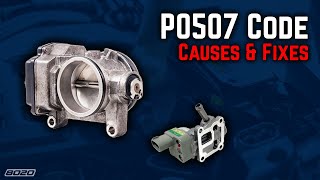
On a 2011-2016 Elantra with the 1.8L Nu engine, code P0507 is almost always caused by a dirty electronic throttle body or a vacuum leak. Cleaning the throttle body is a common, low-cost first step that often fixes the issue. An idle relearn procedure is recommended after cleaning. Expect to pay ~$15 for a can of cleaner for a DIY fix, or $100-$150 at a shop.
- P0507 on a 2011-2016 Elantra means the engine is idling too fast, typically 200+ RPM over the target.
- The most likely cause is a dirty electronic throttle body, which you can often clean yourself in under an hour. An idle relearn is needed after.
- The second most likely cause is a vacuum leak, often from a cracked air intake hose between the filter and throttle body.
- This vehicle does NOT have a separate Idle Air Control (IAC) valve; idle is managed by the electronic throttle body itself.
- Start with the cheapest and easiest fix: inspect for vacuum leaks and clean the throttle body before buying any expensive parts.
What's Unique About the 2011-2016 Hyundai Elantra

The 2011-2016 Elantra uses an Electronic Throttle Control (ETC) system with its 1.8L Nu engine, meaning it does not have a separate, older-style Idle Air Control (IAC) valve. Instead, the engine's computer makes tiny adjustments to the main throttle plate to manage idle speed. This design makes the system very sensitive to carbon buildup inside the throttle body, which can prevent the plate from closing properly and is a primary cause of P0507 on this specific vehicle.
Symptoms You May Notice
- Check Engine Light is on
- Engine idling noticeably higher than normal (e.g., over 1000 RPM in Park)
- Rough or surging idle
- Increased fuel consumption
- Vehicle may feel like it's pushing forward slightly when stopped
- Harsh engagement when shifting from Park to Drive or Reverse
- Engine may stall intermittently, especially after coming to a stop
- Replacing the Mass Airflow (MAF) sensor. A faulty MAF sensor usually triggers other codes and has different symptoms; it is not a common cause for an isolated P0507.
- Looking for an Idle Air Control (IAC) Valve. This vehicle does not have one; idle is managed by the electronic throttle body itself.
Most Likely Causes

- Dirty Throttle Body 🔴 High Probability As an Electronic Throttle Control (ETC) vehicle, the system's ability to precisely control idle is compromised by even small amounts of carbon buildup around the throttle plate, preventing it from closing fully. This is the most common cause reported by owners.
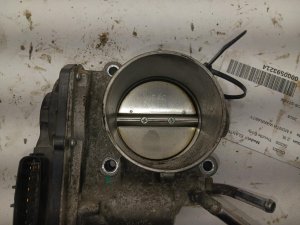
How to confirm: Remove the air intake hose from the throttle body and visually inspect the throttle plate and bore for a black, sticky layer of carbon. The buildup is often heaviest on the back side of the plate. A scan tool may show an 'Absolute Throttle Position' percentage that is higher than normal at idle (e.g., >10%).
Typical fix: Thoroughly clean the throttle body bore and plate using a dedicated, non-chlorinated throttle body cleaner and a soft cloth or brush. Do not spray cleaner directly on an attached unit; spray it on the cloth first. An idle relearn procedure is required after cleaning to reset the learned values.
Est. part cost: $10-$20 - Vacuum Leak 🟡 Medium Probability Over time, rubber and plastic vacuum hoses can become brittle and crack, and gaskets can shrink, allowing unmetered air to enter the engine after the Mass Airflow (MAF) sensor. A very common failure point is the large, ribbed air intake duct itself, which is known to crack.
How to confirm: Visually inspect all vacuum lines for cracks or disconnections, paying close attention to the air intake duct between the air filter and throttle body. For small, hard-to-find leaks, a professional smoke test is the most effective diagnostic method. You can also carefully spray brake cleaner around suspected areas while the engine is running; a change in idle RPM indicates a leak.
Typical fix: Replace the cracked hose or faulty gasket that is causing the leak. The air intake duct is a frequent replacement part for this issue.
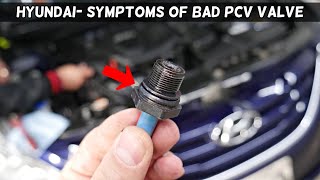
Est. part cost: $15-$100 - Faulty PCV Valve ⚪ Low Probability The Positive Crankcase Ventilation (PCV) valve can get stuck open, creating a constant vacuum leak that the ECM cannot compensate for at idle. It's an inexpensive part and a known, though less frequent, cause.
How to confirm: Remove the PCV valve from the valve cover. If it does not rattle when shaken, or if you can blow through it easily in both directions, it is likely stuck open and needs replacement. A faulty valve can also cause increased oil consumption.
Typical fix: Replace the PCV valve. It is an inexpensive and typically easy part to access on the valve cover.
Est. part cost: $15-$30
Rare But Worth Checking
- Failing Electronic Throttle Body: If cleaning the throttle body and confirming there are no vacuum leaks does not solve the problem, the throttle body's internal motor or position sensor may be failing. In some cases, the throttle plate return spring wears out, preventing it from fully closing to the desired idle position. This is less common but is the next logical step if other diagnostics fail.
- Faulty Engine Control Module (ECM): This is extremely rare. The ECM should only be considered a potential cause after all other possibilities, including wiring and other sensors, have been exhaustively ruled out.
Diagnosis Steps

- Check for any other stored trouble codes. Address other codes first, as P0507 can be a secondary code caused by a faulty sensor.
- Inspect the large air intake duct between the air filter box and the throttle body for any cracks, tears, or loose clamps. This is a common failure point.
- Visually inspect all accessible vacuum hoses connected to the intake manifold for obvious cracks, swelling, or disconnections.
- Remove the air intake duct from the throttle body. Examine the inside of the throttle body for heavy carbon buildup, especially around the edges of the throttle plate.
- If dirty, clean the throttle body thoroughly. Disconnect the battery first. Use a dedicated throttle body cleaner and a soft rag or brush. Manually open the plate to clean the edges and bore completely.
- Perform an Idle Relearn Procedure after cleaning: Reconnect the battery. Turn the ignition to the 'ON' position (do not start engine) for 10 seconds. Turn the ignition 'OFF' for 10 seconds. Then, start the engine and let it idle to confirm proper operation.
- Locate and inspect the PCV valve and its hose. The valve is on the top of the engine's valve cover. Remove it and shake it; if it doesn't rattle, replace it.
- If the high idle persists and no obvious issues are found, perform a smoke test to identify any hard-to-see vacuum leaks in gaskets or hidden hoses.
- If no vacuum leaks are found and the throttle body is clean, the electronic throttle body assembly itself may be faulty and require testing or replacement.
Parts You'll Likely Need

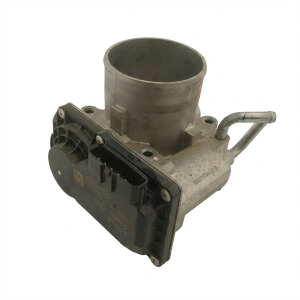
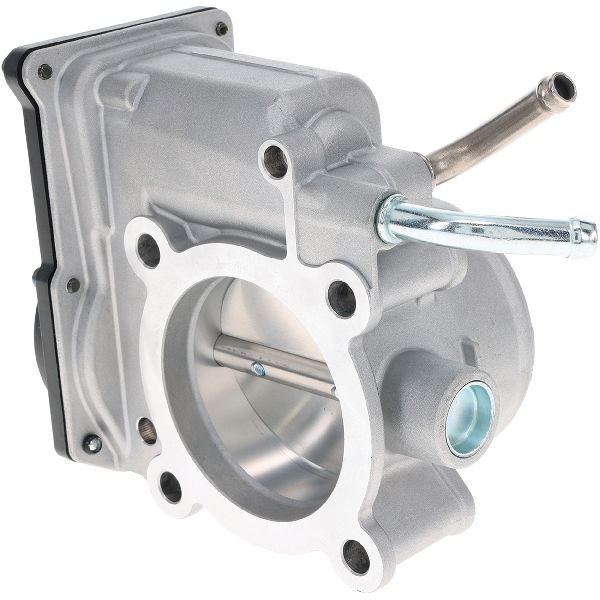
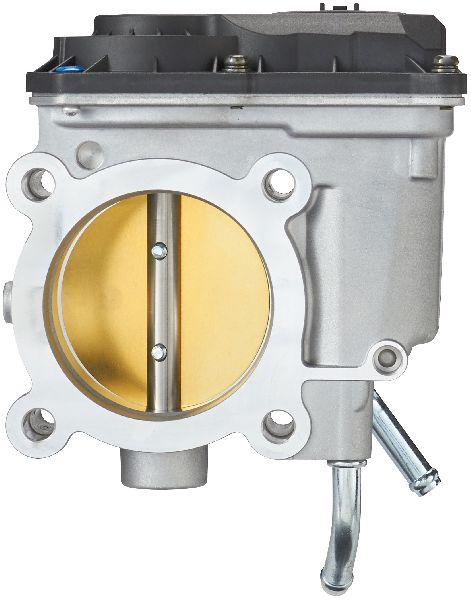
- Electronic Throttle Body
(OEM #35100-2E000)— This part is often replaced if a thorough cleaning does not resolve the high idle, indicating an internal failure of the actuator motor or position sensor. This part number fits a wide range of Hyundai/Kia vehicles from 2011-2020.
Trusted brands: Hyundai (OEM), Bosch, Spectra Premium (TB1165)
OEM price range: $250-$400
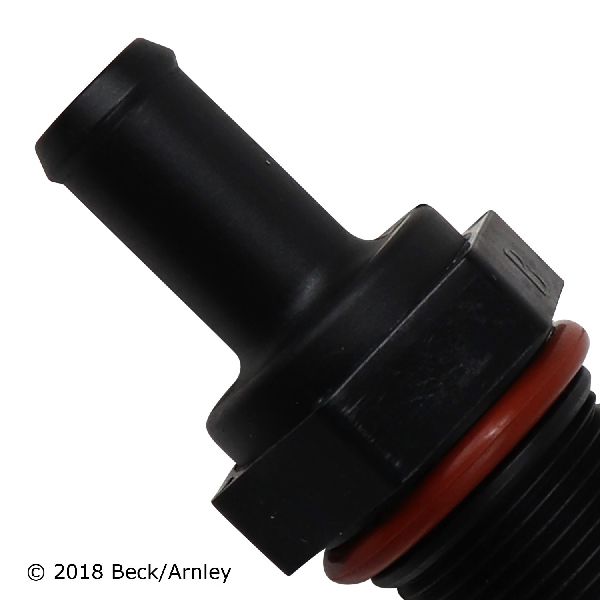
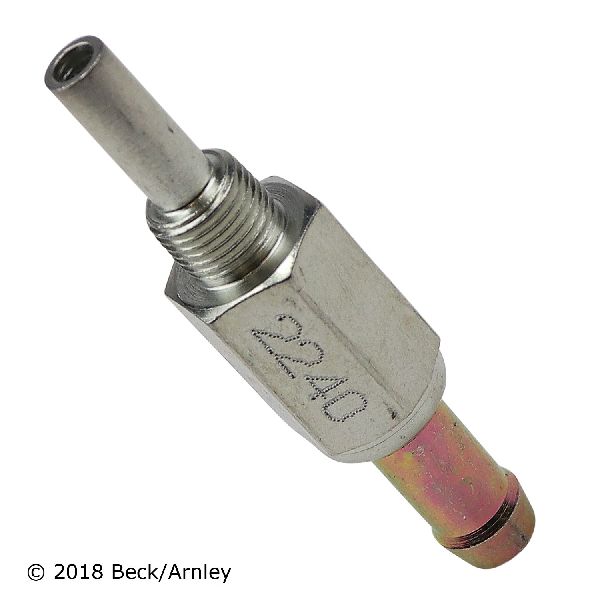
Aftermarket price range: $115-$250 - PCV Valve
(OEM #26740-2G000)— A stuck-open PCV valve is a common source of a vacuum leak that directly causes a high idle. It's an inexpensive and easy part to replace during diagnosis. This part number is used across many Hyundai models.
Trusted brands: Hyundai (OEM)
OEM price range: $15-$30
Aftermarket price range: $10-$20
Technical Service Bulletins (TSBs) & Recalls
- TSB 17-ST-002: This TSB is not for P0507, but for a very common related issue on this platform: a clicking noise from the steering column. It details the warranty extension for the flexible steering coupler, a part that frequently fails on the 2011-2016 Elantra.
- Manufacturer TSB Bulletin #21-AT-005H: While issued for other models in the lineup like the Tucson, this bulletin provides official service information for vehicles exhibiting DTC P0507, specifically defined as "Idle Speed Control (ISC) System – RPM Higher than expected."
Platform-Specific Known Issues
- Owner Repair Story: Throttle Body Cleaning and Relearn: An owner of a 2013 Elantra with P0507 and rough idle followed a popular YouTube guide to fix the issue. They removed the four 10mm bolts holding the throttle body, cleaned the front and back of the throttle plate with throttle body cleaner and a rag, and reassembled. Afterwards, they performed the idle relearn procedure (Key ON for 10s, Key OFF for 10s, then start). This successfully resolved the high idle and cleared the code.
Mechanic-Grade Diagnostic Values
- DTC Trigger Condition — expected: Actual engine RPM is less than 200 RPM above target idle speed.. Failure: The PCM sets code P0507 if the actual idle RPM is more than 200 RPM above the target for approximately 17 seconds.
- Throttle Position Sensor 1 (TPS1) Signal Voltage — expected: Approx. 0.5V - 0.7V at closed throttle, sweeping smoothly to ~4.5V at wide-open throttle.. Failure: Voltage is erratic, jumps, has flat spots during the sweep, or is stuck high.
- Throttle Position Sensor 2 (TPS2) Signal Voltage — expected: Approx. 4.5V at closed throttle, sweeping smoothly down to ~0.5V at wide-open throttle.. Failure: Voltage does not move inversely to TPS1 or has spikes/dropouts.
- Scan Tool: Absolute Throttle Position at Idle — expected: A steady low percentage, typically around 10% when fully closed and learned.. Failure: Value will not drop below a higher threshold (e.g., 11-12%) even when the engine is warm and at idle, indicating the plate cannot fully close.
- Throttle Body 5V Reference Voltage — expected: Stable 5.0V with key on, engine off, measured between Pin 6 (5V Reference) and Pin 4 (Sensor Ground) on the throttle body connector.. Failure: Voltage is significantly lower or higher than 5.0V, or is unstable.
Scan Tool Commands That Help

- Manual Procedure (or Scan Tool): Throttle Valve Position Learning / Idle Relearn — Required after cleaning or replacing the electronic throttle body to allow the ECM to learn the new closed-throttle position. Failure to do this is a common cause of persistent high idle after a repair. The manual procedure is: disconnect battery for >30 seconds, reconnect, key ON (engine off) for 10-15 seconds, key OFF for 10-15 seconds, then start engine.
Wiring & Ground Locations
- Throttle Body Connector — The 6-pin electrical connector on the electronic throttle body assembly.. This is the primary connection point for testing TPS signals. Key pins for the 1.8L engine are Pin 5 (TPS1 Signal), Pin 3 (TPS2 Signal), Pin 6 (5V Reference), and Pin 4 (Sensor Ground). A poor connection or damaged wire here will directly cause throttle-related codes.
- Gng03 — A primary engine ground point located at the top rear of the engine.. A poor engine ground can cause erratic behavior from multiple sensors, including the electronic throttle body. Verifying this ground is clean and tight is a crucial step in diagnosing any electronic issue.
- ECM Power/Ground — At the Engine Control Module (ECM) connectors, typically located in the engine bay.. The ECM provides the 5V reference and ground to the throttle body. Verifying stable power and ground at the ECM itself can rule out a faulty module, though this is rare.
Real Owner Repair Stories
- Pine Hollow Auto Diagnostics on YouTube (2012 Hyundai Elantra) — P0507 code, idle too high (around 850 RPM instead of ~650).
❌ Tried (didn't work) The mechanic had previously replaced the alternator and performed other work, after which the P0507 code appeared.
✅ What actually fixed it The mechanic observed on a scan tool that the absolute throttle position would not drop below 11.8%. After removing the air intake, he saw a witness mark showing the throttle plate was not closing completely. He manually forced the throttle plate open and closed several times with some lubricant spray. This freed up the movement, allowing the plate to close to 10.1% and the idle to return to normal. He concluded the throttle body was mechanically worn out and would eventually need replacement, but this procedure provided a temporary fix. - NHTSA ODI #11434136: An owner of a related Hyundai model reported coding P0507 for an idle air control system RPM higher than expected, occurring alongside P0441 for incorrect purge flow and P0420 for the catalyst system.
When the Usual Fixes Don't Work
- While the most common causes for P0507 on the 2011-2016 Elantra are the throttle body and vacuum leaks, it's worth noting that on other Hyundai models, the PCV system can be a more complex cause. For example, on some newer Sonatas, the PCV valve is integrated into the valve cover. A failure there requires replacing the entire valve cover to fix the vacuum leak causing the high idle. This highlights the PCV system as a valid, though less common, root cause that can sometimes be more complex than just a simple valve replacement.
Model Year Variations Within This Range
- 2014-2016: A mid-cycle refresh in 2014 introduced an optional 2.0L GDI Nu engine (173 hp) for the Elantra Sport, Coupe, and GT models, while the SE and Limited sedans typically retained the 1.8L MPI Nu engine. While many parts like the throttle body (35100-2E000) are shared between the 1.8L and 2.0L engines of this era, it is critical to verify the engine size before ordering any parts to ensure compatibility.
Diagnostic Flowchart
Other Known Issues on This Vehicle
Issues unrelated to this code that are worth knowing about as an owner of this generation:
- Engine Ticking / Piston Slap (1.8L Nu Engine) 🔴 High — Very common issue. The ticking noise is often most noticeable on cold starts and can progress to constant knocking. Can lead to excessive oil consumption and eventual engine failure. (Ref: No US recall, but a widely acknowledged issue. Hyundai has faced class-action lawsuits over Nu engine failures.)
- Failing Steering Coupler 🟠 Medium — Extremely common. The flexible rubber coupler in the electronic power steering (MDPS) column disintegrates over time, causing a distinct clicking or clunking noise when turning the steering wheel. (Ref: TSB 17-ST-002; Warranty Extension (TXX7) to 10 years/100,000 miles.)
- Timing Chain Guide Failure 🔴 High — Less common than piston slap, but can occur. The plastic timing chain guides can become brittle and break, causing the chain to slap or jump time, which can result in a no-start condition and catastrophic engine damage.
- ABS Module Failure / Fire Risk 🔴 High — Affects a wide range of Hyundai models including the 2011-2015 Elantra. The ABS module can short-circuit internally, creating a fire risk even when the vehicle is parked and turned off. (Ref: NHTSA Recall 23V-651 (and others). Owners are advised to park outdoors and away from structures until the repair is performed.)
Used vs. New Parts: Buying Guide for This Vehicle
When a used part is the smart pick: For the Electronic Throttle Body, a used OEM part from a reputable salvage yard is often a reliable and significantly cheaper alternative to a new OEM part from the dealer. Given the high cost of a new unit, this is a smart choice for a DIY repair on a budget.
Donor-vehicle mileage cap: roughly under 80000 miles for the part to have meaningful remaining life.
What to inspect on the donor part:
- Verify the OEM part number (35100-2E000) on the donor part matches your original.
- Inspect the 6-pin electrical connector for any corrosion, bent pins, or damage to the plastic housing.
- Check the throttle plate for any obvious physical damage or scoring on the bore.
- Ask about the donor vehicle's mileage if possible; lower is always better.
OEM-only on this vehicle (don't cheap out):
- PCV Valve - This part is so inexpensive to buy new from the OEM that it is not worth the time or risk to source a used one.
Real Owner Stories
Aggregated from forums and TSBs cited above. Mileages and costs reflect what owners reported in those sources.
2013 Hyundai Elantra 1.8L Nu
Symptoms: P0507 code and rough idle.
What fixed it: Removed the four 10mm bolts holding the throttle body, cleaned the front and back of the throttle plate with throttle body cleaner and a rag, and performed the idle relearn procedure (Key ON 10s, Key OFF 10s).
Source hint: Owner Repair Story: Throttle Body Cleaning and Relearn
2013 Hyundai Elantra 1.8L Nu
Symptoms: High idle and P0507 code.
What fixed it: Cleaning the throttle body as recommended by forum members.
Source hint: Hyundai-Forums.com - P0507, High Idle, and the Throttle Body Fix
Related OBD-II Codes
Frequently Asked Questions
Does TSB 17-ST-002 for the 2011-2016 Hyundai Elantra address the P0507 high idle issue?
I cleaned my Elantra's throttle body to fix P0507; do I need to do anything else for the repair to work?
Is the PCV valve on the 2011-2016 Elantra integrated into the valve cover like some newer Hyundai models?
What is the most common part to check for a vacuum leak on this specific Elantra generation?
Can I spray throttle body cleaner directly into the intake while it's attached to my Elantra?
My 2013 Elantra has a ticking noise and a P0507 code; are they related?
Helpful Videos
Used OEM Parts in Stock

New Aftermarket Parts Available


The information in this article is provided for general reference and educational purposes only. Vehicle specifications, procedures, and part compatibility can vary by production date, trim level, and region. Always consult your vehicle's factory service manual and verify part numbers before purchasing or performing repairs. Safety-critical components such as airbags, seat belts, and braking systems should be installed by a qualified professional.
- Hyundai Elantra:
- 🎬 Helpful Videos
- 🛍️ Shop This Part
- What's Unique About the 2011-2016 Hyundai Elantra
- Symptoms You May Notice
- Most Likely Causes
- Rare But Worth Checking
- Diagnosis Steps
- Parts You'll Likely Need
- Technical Service Bulletins (TSBs) & Recalls
- Platform-Specific Known Issues
- Mechanic-Grade Diagnostic Values
- Scan Tool Commands That Help
- Wiring & Ground Locations
- Real Owner Repair Stories
- When the Usual Fixes Don't Work
- Model Year Variations Within This Range
- Diagnostic Flowchart
- Other Known Issues on This Vehicle
- Used vs. New Parts: Buying Guide for This Vehicle
- Real Owner Stories
- 2013 Hyundai Elantra 1.8L Nu
- 2013 Hyundai Elantra 1.8L Nu
- Related OBD-II Codes
- Frequently Asked Questions
- 🎟️ Get 5% Off