

P0506 on 2015-2021 GMC Yukon: Low Idle Causes, from Valve Springs to Throttle Body
On a 2015-2021 GMC Yukon, P0506 means the engine idle is too low. While this can be a simple fix like cleaning the throttle body, it is often a symptom of a serious, documented issue with broken valve springs, especially if accompanied by engine noise or misfire codes like P0300. This requires immediate and professional diagnosis.
- P0506 on a 2015-2021 GMC Yukon indicates the engine idle speed is too low.
- While it can be a minor issue like a dirty throttle body, it is frequently a sign of a serious internal engine problem: a broken valve spring.
- The presence of codes P0300 (misfire) or P0106 (MAP sensor) alongside P0506 dramatically increases the likelihood of a broken valve spring.
- Do not ignore this code. Listen for any engine ticking or unusual noises and seek professional diagnosis promptly to avoid catastrophic engine failure.
- Diagnosis should always include checking for applicable Technical Service Bulletins (TSBs) for this specific problem.
What's Unique About the 2015-2021 Gmc YUKON

For most vehicles, a P0506 code points to common issues like a dirty throttle body or vacuum leaks. However, on 2015-2021 GMC Yukons (and related GM trucks with 5.3L L83 and 6.2L L86 V8 engines), this code has a more ominous and well-documented meaning. Manufacturer Technical Service Bulletins (TSBs) directly link P0506, especially when paired with P0106 and P0300, to broken valve springs. This issue is part of a wider pattern of valvetrain problems in these engines, which has led to class-action lawsuits. This transforms a seemingly minor idle issue into a potential major engine problem requiring immediate attention to prevent further damage.
Diagnostic Flowchart
Tap your situation to follow the diagnostic path that matches what you're seeing on this vehicle.
Symptoms You May Notice
- Check Engine Light is on
- Engine idle speed is lower than normal
- Rough or unstable idle
- Engine may stall when coming to a stop or when put in gear.
- Ticking, tapping, or misfire sounds from the engine compartment.
- Engine vibration
- Reduced engine power message on the driver information center
- Replacing the throttle body when the issue is a simple carbon buildup that could be cleaned.
- Replacing an Idle Air Control (IAC) valve, which this vehicle does not have. Idle is controlled by the electronic throttle body.
- Ignoring the possibility of a broken valve spring and focusing only on air/fuel intake issues, leading to further engine damage.
- Attributing the low idle solely to a vacuum leak without first investigating the more probable causes specific to this platform.
Most Likely Causes


- Broken Valve Spring 🔴 High Probability This is a widely documented issue for 2014+ GM trucks with 4.3L, 5.3L (L83), and 6.2L (L86) engines, confirmed by multiple TSBs (PIP5752M, PIP5423B). A class-action lawsuit also alleges defective valve train components, including springs, in these engines. The failure is often attributed to a bad batch of springs from the supplier.
How to confirm: Listen for a distinct ticking or tapping noise from the top of the engine. Scan for codes P0300 and P0106, which are strong corroborating evidence. The definitive check is a physical inspection of the valve springs, which requires removing the valve covers. A cylinder power balance test using a scan tool like GDS2 can also help isolate the non-contributing cylinder.
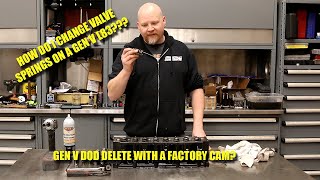
Typical fix: Replace the broken valve spring(s). It is highly recommended to replace all 16 valve springs at the same time, as they likely came from the same defective batch. The associated valve stem seals should also be replaced. The OEM replacement spring is often a revised part.
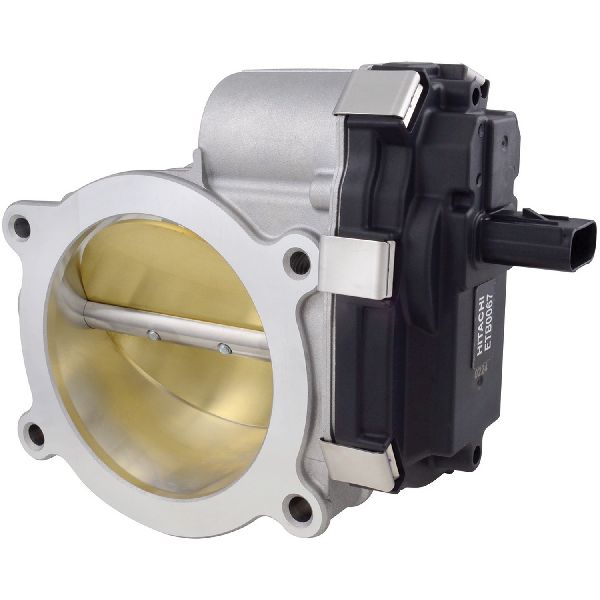
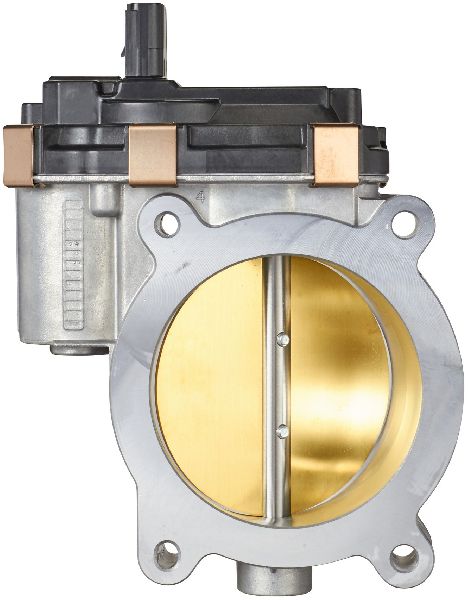
Est. part cost: $10-$30 for a single spring, $150-$300 for a full set. - Dirty or Carbon-Clogged Throttle Body 🟡 Medium Probability The PCV (Positive Crankcase Ventilation) system routes oil vapors and combustion byproducts into the intake, which condense and form black carbon deposits around the throttle plate. This buildup restricts the precise amount of air needed for a stable idle.
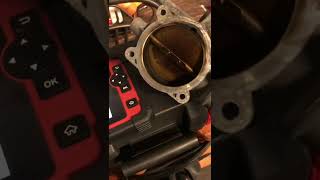
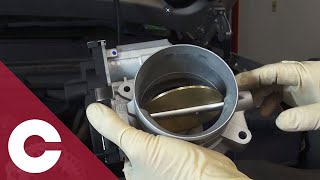
How to confirm: Remove the air intake tube connected to the throttle body and visually inspect the throttle plate and bore for black, sticky carbon buildup.
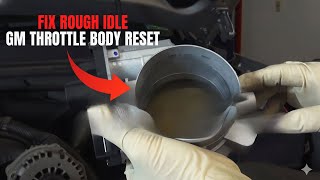
Typical fix: Clean the throttle body bore and plate with a dedicated throttle body cleaner and a soft brush or microfiber cloth. An idle relearn procedure is required after cleaning to allow the ECM to recalibrate the new throttle plate position.
Est. part cost: $10-$20 for cleaner and brushes. - Vacuum Leak ⚪ Low Probability While not exceptionally prone, vacuum leaks can occur on any vehicle as rubber hoses and plastic intake components age and become brittle from heat cycles. A common point of failure is the PCV hose or its connections.
How to confirm: A smoke test is the most effective method. This involves feeding pressurized smoke into the intake system and looking for where it escapes. Common leak points include the PCV hose, intake manifold gaskets, and brake booster hose.
Typical fix: Replace the leaking hose, gasket, or component.
Est. part cost: $20-$200 depending on the source of the leak.
Rare But Worth Checking
- Faulty MAP Sensor: A Manifold Absolute Pressure (MAP) sensor providing incorrect data can contribute to idle issues. It's notable because it's mentioned alongside P0506 in TSBs (P0106 is a MAP sensor code). A failing MAP sensor can mimic other issues, but is less common than valve springs or a dirty throttle body for this specific code.
- Collapsed AFM/DFM Lifter: The Active/Dynamic Fuel Management lifters are another known weak point in this valvetrain. A collapsed lifter can cause symptoms very similar to a broken valve spring, including misfires (P0300) and noise. Diagnosis requires removing the valve cover to observe rocker arm movement.
Diagnosis Steps

- Scan the ECM for all stored trouble codes. Note if P0300 or P0106 are present with P0506, as this strongly points to a valvetrain issue.
- With the engine running, listen carefully for any abnormal noises. A rhythmic ticking or tapping from the valve cover area is a strong indicator of a broken spring or bad lifter.
- Inspect the air intake system for restrictions or loose connections between the air filter and the throttle body.
- Remove the intake duct and visually inspect the throttle body for heavy carbon buildup. If significant buildup is present, clean it thoroughly.
- After cleaning the throttle body, perform an Idle Relearn Procedure. This typically involves letting the engine idle in Park for 3 minutes, turning the ignition off for 60 seconds, and then idling again for 3 minutes.
- If codes P0300/P0106 are present and/or a ticking noise is heard, remove the valve covers to physically inspect all valve springs for breakage. A broken spring is often visibly fractured.
- If a vacuum leak is suspected and no visual cause is found, perform a smoke test to identify the source of the leak.
Parts You'll Likely Need

- Valve Spring
(OEM #12691120 (replaces 12678635, 12661339, 12629515))— This is a primary, documented cause of P0506 on this specific vehicle platform, per manufacturer TSBs. It's recommended to replace all 16.
Trusted brands: ACDelco (GM Genuine), Melling
OEM price range: $7-$15 per spring
Aftermarket price range: $5-$10 per spring - Valve Cover Gasket Set
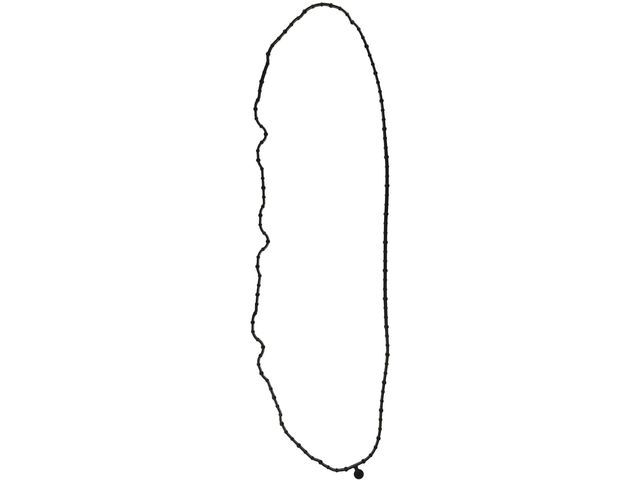
(OEM #12686721 (Right Side), 12686720 (Left Side))— Required when removing the valve covers to inspect and replace valve springs. These are one-time use gaskets.
Trusted brands: ACDelco, Fel-Pro
OEM price range: $30-$50 per side
Aftermarket price range: $20-$40 per side - Valve Stem Seal Kit
(OEM #12689007)— Should be replaced whenever the valve springs are serviced to prevent future oil consumption issues.
Trusted brands: ACDelco, Mahle
OEM price range: $5-$8 per seal
Aftermarket price range: $2-$5 per seal - Throttle Body Gasket
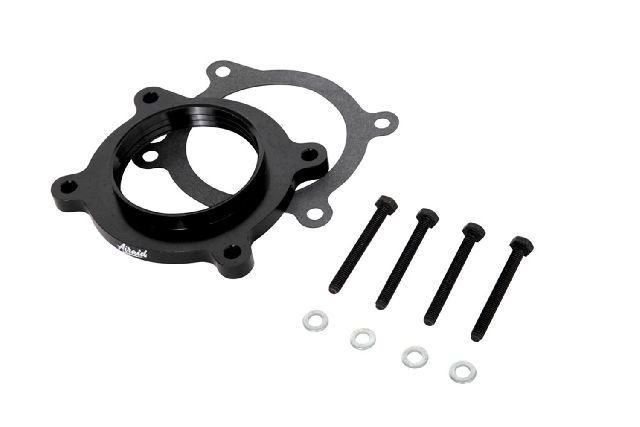
(OEM #12676693)— May be needed if the throttle body is removed for thorough cleaning.
Trusted brands: ACDelco, Mahle
OEM price range: $10-$20
Aftermarket price range: $5-$15
Related Codes That Often Appear With This One
- P0300 — A broken valve spring will prevent a valve from closing properly, causing a loss of compression and a cylinder misfire. This leads to a P0300 (Random Misfire) or a cylinder-specific code (e.g., P030X). This is a key indicator cited in TSB #PIP5752M.
- P0106 — This code for 'Manifold Absolute Pressure (MAP) Sensor Performance' is also cited in TSBs #PIP5752M and #PIP5423B. A broken valve spring affects cylinder sealing and intake vacuum, which causes erratic readings from the MAP sensor that are outside its expected range.
Technical Service Bulletins (TSBs) & Recalls
- PIP5752M: Service engine light, misfire and engine noise with possible DTC P0300 P0106 P0506, Possible valve spring concern.
- PIP5423B: Service Engine Soon Malfunction Indicator Lamp on. Technician may find Diagnostic Trouble Codes P0106 and P0506. Technician will inspect for a broken valve spring and replace as needed.
Platform-Specific Known Issues
- GM Technical Service Bulletin #PIP5752M specifically calls out that a P0506 code, often with P0300 and P0106, can be caused by a broken valve spring on 2021 models.
- GM Technical Service Bulletin #PIP5423B notes that codes P0106 and P0506 can be caused by a broken valve spring on 2018-2019 models and instructs technicians to inspect and replace as needed.
- A service article for auto professionals highlights that for 2014-present Chevy and GMC vehicles with 4.3L, 5.3L, or 6.2L engines, codes P0106 and P0506 may be caused by a failed/broken valve spring.
- TSB 19-NA-233 provides diagnostic tips for confirming mechanical engine issues, which is relevant when a broken valve spring is suspected.
Mechanic-Grade Diagnostic Values
- Desired Idle RPM vs. Actual Idle RPM — expected: Actual RPM should be within ~50 RPM of Desired RPM.. Failure: P0506 sets when Actual RPM is 100-200 RPM below Desired RPM for a sustained period.
- Throttle Position Sensor 1 (TP1) Voltage at Idle — expected: Approximately 0.5 volts with the throttle plate closed.. Failure: Voltage that is erratic, has dropouts when the throttle is moved, or is significantly different from the expected closed-throttle value.
- Throttle Position Sensor 2 (TP2) Voltage at Idle — expected: Approximately 4.5 volts with the throttle plate closed (inverse of TP1).. Failure: Voltage should sweep smoothly down to ~0.5V at wide-open throttle. Any dropouts or non-inverse behavior compared to TP1 indicates a fault.
- Valve Spring Pressure (OEM Replacement Spec) — expected: 95 lbs @ 1.870" installed height; 300 lbs @ 1.330" (open).. Failure: A broken spring will provide zero pressure. A weak spring will have significantly lower pressure than specified.
Scan Tool Commands That Help
- GDS2 (GM Global Diagnostic System 2): Cylinder Power Balance Test — When P0300 (Random Misfire) is present with P0506. This test deactivates one cylinder at a time and measures the RPM drop. A cylinder with a broken valve spring will show little to no RPM drop, confirming it is not contributing power and helping to pinpoint the mechanical fault before removing the valve cover.
- GDS2 (or high-end bidirectional scanner): Throttle/Idle Learn Reset — After cleaning or replacing the throttle body. An un-metered air leak or mechanical issue can cause the ECM to learn incorrect idle airflow compensation values. This function resets those learned values, which is critical after performing repairs to resolve the original fault.
Wiring & Ground Locations
- G103 — On the front of the passenger side (right) cylinder head.. This is a primary engine ground. A poor connection here can cause erratic sensor readings and unpredictable behavior from the Engine Control Module (ECM), potentially contributing to idle control problems.
- G104 — On the rear of the driver side (left) cylinder head.. This is another critical engine ground for the ECM. Ensuring this ground is clean and tight is a key step in diagnosing any electronic engine control issue, including P0506.
- Throttle Body Connector (X1) — Directly on the electronic throttle body assembly.. This 8-pin connector houses the circuits for the two Throttle Position Sensors (TP Sensor 1 Signal on Pin G, TP Sensor 2 Signal on Pin F) and the throttle actuator motor. Checking for 5V reference, ground, and signal integrity at these pins is essential for diagnosing a faulty throttle body.
Real Owner Repair Stories
- gm-trucks.com forum user (2016 GMC Sierra 5.3L) — Check engine light with codes P0506, P0106, P0300. Engine had a noticeable tick/misfire.
❌ Tried (didn't work) Initial diagnosis focused on vacuum leaks and MAP sensor.
✅ What actually fixed it The dealership identified and replaced a broken valve spring on cylinder #4. After the spring was replaced, all codes were cleared and did not return.
OEM Part Supersession History
12629515→12661339, then 12678635, finally 12691120— Revision to address the premature failure/breakage issue in Gen V V8 engines.
Model Year Variations Within This Range
- 2019-2021: Later models in this range may be equipped with the L84 (5.3L) or L87 (6.2L) engines, which use Dynamic Fuel Management (DFM) instead of Active Fuel Management (AFM). While the valvetrain design is similar and still susceptible to spring failure, the lifters and control strategy are more complex.
Helpful Videos

Used OEM Parts in Stock


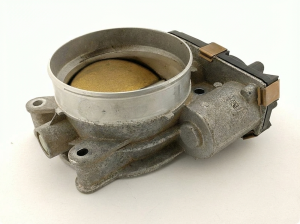
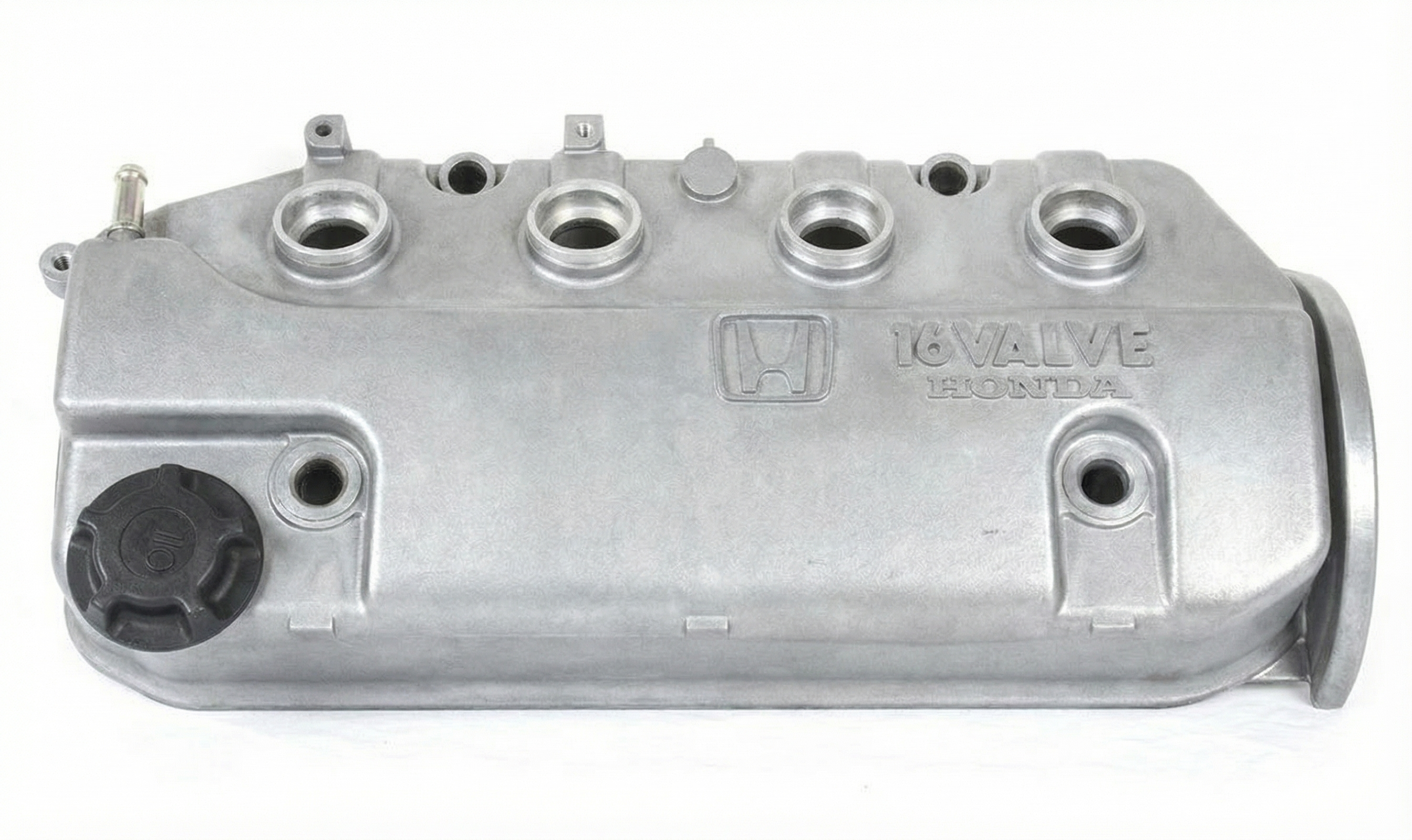
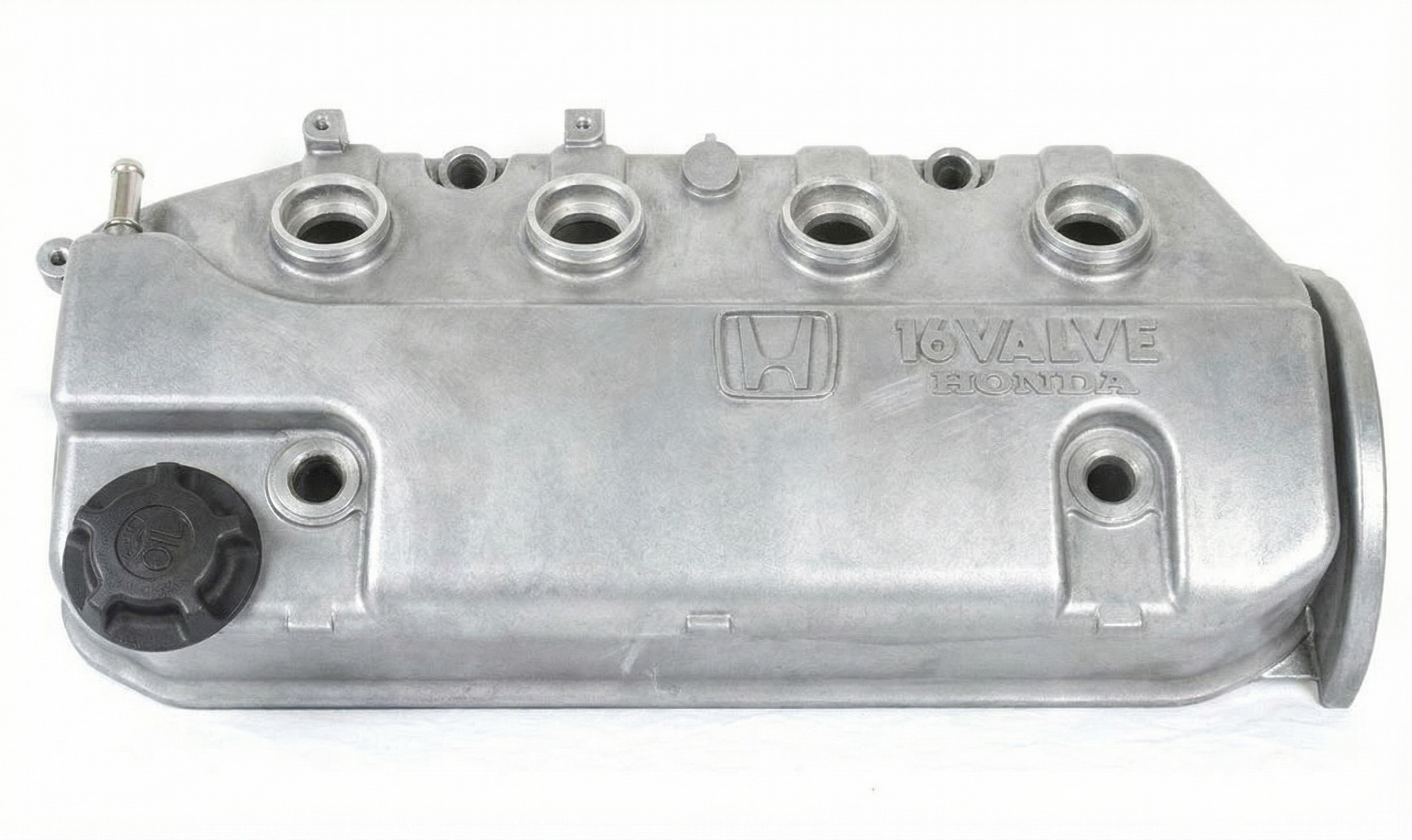
New Aftermarket Parts Available
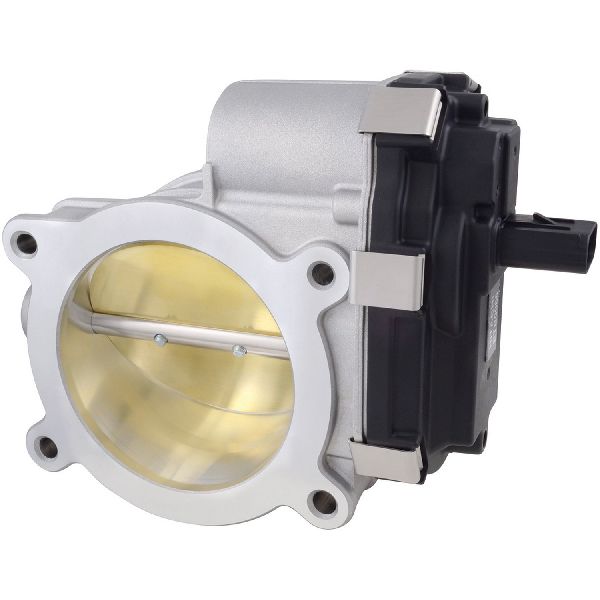


The information in this article is provided for general reference and educational purposes only. Vehicle specifications, procedures, and part compatibility can vary by production date, trim level, and region. Always consult your vehicle's factory service manual and verify part numbers before purchasing or performing repairs. Safety-critical components such as airbags, seat belts, and braking systems should be installed by a qualified professional.
- Gmc YUKON:
- 🎬 Helpful Videos
- 🛍️ Shop This Part
- What's Unique About the 2015-2021 Gmc YUKON
- Diagnostic Flowchart
- Symptoms You May Notice
- Most Likely Causes
- Rare But Worth Checking
- Diagnosis Steps
- Parts You'll Likely Need
- Related Codes That Often Appear With This One
- Technical Service Bulletins (TSBs) & Recalls
- Platform-Specific Known Issues
- Mechanic-Grade Diagnostic Values
- Scan Tool Commands That Help
- Wiring & Ground Locations
- Real Owner Repair Stories
- OEM Part Supersession History
- Model Year Variations Within This Range
- 🎟️ Get 5% Off