

P0505 on 2013-2018 Toyota RAV4: Idle Control System Malfunction Causes and Fixes
On a 2013-2018 RAV4 with the 2.5L 2AR-FE engine, code P0505 is almost always caused by a dirty Electronic Throttle Body (ETB). Carbon buildup prevents the throttle plate from closing properly, disrupting idle speed. A thorough cleaning of the throttle body, followed by an idle relearn procedure, usually resolves the issue and is a common DIY fix.
- Code P0505 on a 2013-2018 RAV4 almost always points to a dirty throttle body, not a failed part.
- A thorough cleaning of the throttle body with a dedicated cleaner is the most effective and low-cost first step.
- This vehicle does not have a separate Idle Air Control (IAC) valve; idle is managed by the electronic throttle body.
- After cleaning, it's a good practice to perform an idle relearn procedure or disconnect the battery to reset the ECU.
- While checking for vacuum leaks is a valid diagnostic step, start with cleaning the throttle body as it is the highest probability fix.
What's Unique About the 2013-2018 Toyota RAV4

Unlike older Toyotas that had a separate, replaceable Idle Air Control (IAC) valve, the 2013-2018 RAV4 integrates this function into the main electronic throttle body assembly. This design simplifies the system but makes it highly sensitive to carbon buildup around the throttle plate and bore. While older cars might need a new IAC valve, this generation of RAV4 almost always just needs the throttle body cleaned to restore proper idle control.
Symptoms You May Notice
- Check Engine Light is on
- Engine idle is erratic (fluctuates up and down)
- Engine idle is too high (e.g., 1500 RPM at a stop)
- Engine idle is too low
- Engine stalls at stops or when slowing down.
- Vibration at idle due to low RPM.
- Hard starting after refueling (can be related if a vacuum leak in the EVAP system is the cause)
- Replacing the throttle body when it only needed cleaning.
- Looking for a separate Idle Air Control (IAC) valve, which this vehicle does not have.
Most Likely Causes

- Dirty Electronic Throttle Body (ETB) 🔴 High Probability The PCV (Positive Crankcase Ventilation) system vents oil vapors and combustion byproducts back into the intake, which condense and bake onto the back of the throttle plate and bore. Over time, this carbon buildup restricts the tiny air gap needed for idle, forcing the ETB to open wider than expected, which can trigger the P0505 code. This is a very common issue as the vehicle ages, often appearing between 80,000 and 120,000 miles.
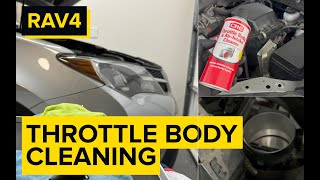
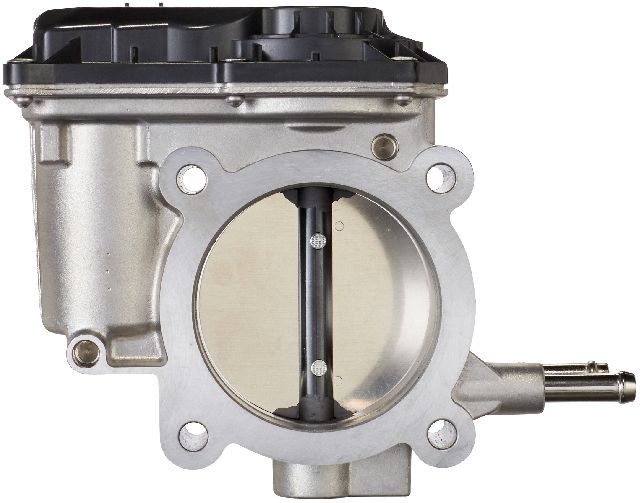
How to confirm: Remove the air intake hose from the throttle body and visually inspect the throttle plate and bore for a thick, black ring of carbon buildup. The plate may not close fully or may stick. A YouTube video by RevCircle provides a visual guide for accessing and inspecting the throttle body on this specific RAV4 generation. 🎬 Watch this step-by-step guide to cleaning your RAV4 throttle body.
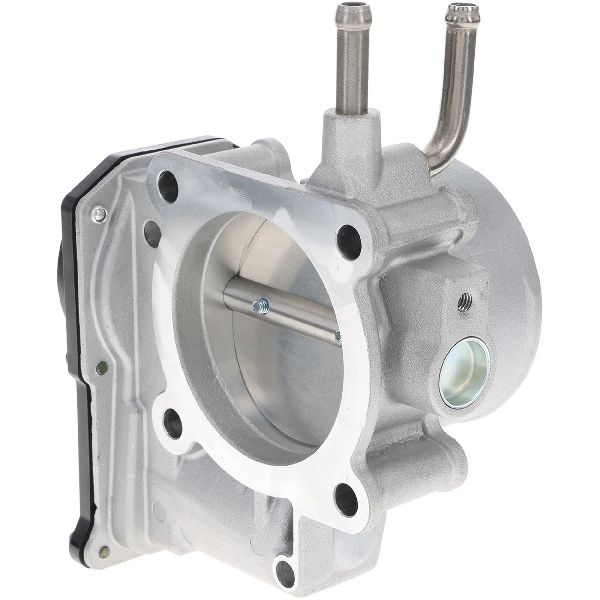
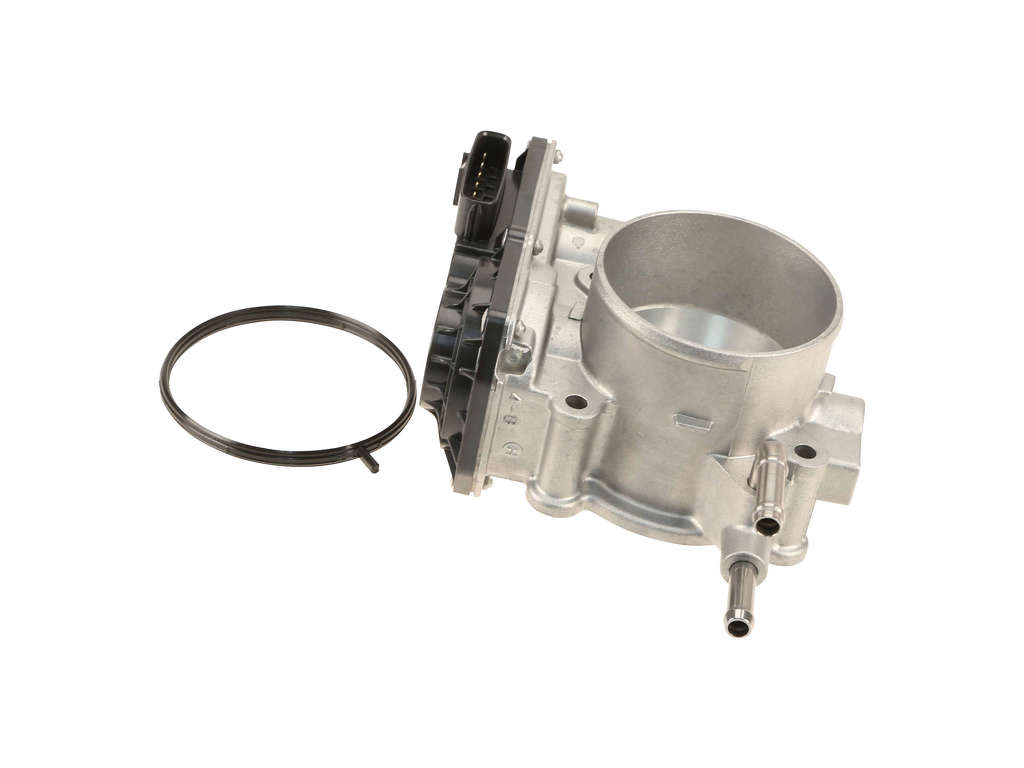
Typical fix: Remove the throttle body from the intake manifold and clean it thoroughly with a dedicated throttle body cleaner (safe for electronic components) and a soft brush or microfiber cloth. Do not spray cleaner directly into the unit while electrically connected. Pay special attention to the edges of the throttle plate and where it seats in the bore. An idle relearn procedure should be performed after cleaning.
Est. part cost: $5-$15 for cleaner and a gasket - Vacuum Leak 🟡 Medium Probability Hoses made of rubber and plastic in the engine bay can become brittle and crack over time due to heat cycles, leading to unmetered air entering the engine after the mass airflow sensor. Common culprits include the PCV hose or intake manifold gaskets.
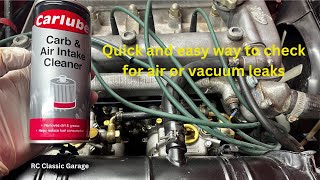
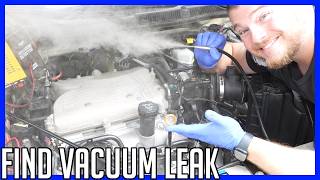
How to confirm: With the engine running, listen for a hissing sound. You can also carefully spray a small amount of brake cleaner or use an unlit propane torch around the intake manifold gaskets, PCV hoses, and other vacuum lines. If the engine RPM changes, you've found the leak. A smoke test performed by a mechanic is the most definitive method. 🎬 Watch this video to learn how to find vacuum leaks.
Typical fix: Replace the cracked or disconnected vacuum hose or faulty gasket.
Est. part cost: $10-$50 for hoses or gaskets
Rare But Worth Checking
- Failing Electronic Throttle Body Assembly: If a thorough cleaning doesn't resolve the issue and there are no vacuum leaks, the internal motor or position sensor within the throttle body may be failing. This is much less common than it simply being dirty.
- Faulty Powertrain Control Module (PCM): This is extremely rare. The PCM should only be considered after all other possibilities, including wiring issues, have been exhaustively ruled out by a professional.
Diagnosis Steps

- Check for other stored DTCs. If other codes are present, diagnose them first as they may be the root cause.
- Visually inspect the air intake system for any obvious cracks, loose connections, or disconnected hoses, particularly the PCV hose.
- Remove the air intake tube connected to the throttle body. The throttle body is located on the back side of the engine on this model.
- Inspect the throttle body bore and plate for carbon buildup. If significant buildup is present, this is the most likely cause.
- If the throttle body is clean, perform a smoke test to check for vacuum leaks in the intake manifold, gaskets, and vacuum hoses.
- If no vacuum leaks are found, inspect the wiring and connector at the throttle body for any damage or corrosion.
- After cleaning the throttle body or performing any repairs, perform an idle relearn procedure. A common method is to first warm up the engine, turn it off, cycle the ignition key to 'ON' (without starting) and then 'OFF' twice. Then, start the engine, apply the parking brake, and let the vehicle idle for 5-10 minutes without any electrical loads on. Alternatively, disconnecting the battery for 15 minutes can reset the ECM, but the formal relearn is often more effective. 🎬 See how to perform a proper Toyota idle relearn procedure.
Parts You'll Likely Need

- Throttle Body Gasket
(OEM #22271-0V010)— It is recommended to replace the gasket anytime the throttle body is removed for cleaning to prevent vacuum leaks.
Trusted brands: Toyota OE, Fel-Pro, Mahle
OEM price range: $10-$20
Aftermarket price range: $5-$10 - Electronic Throttle Body Assembly
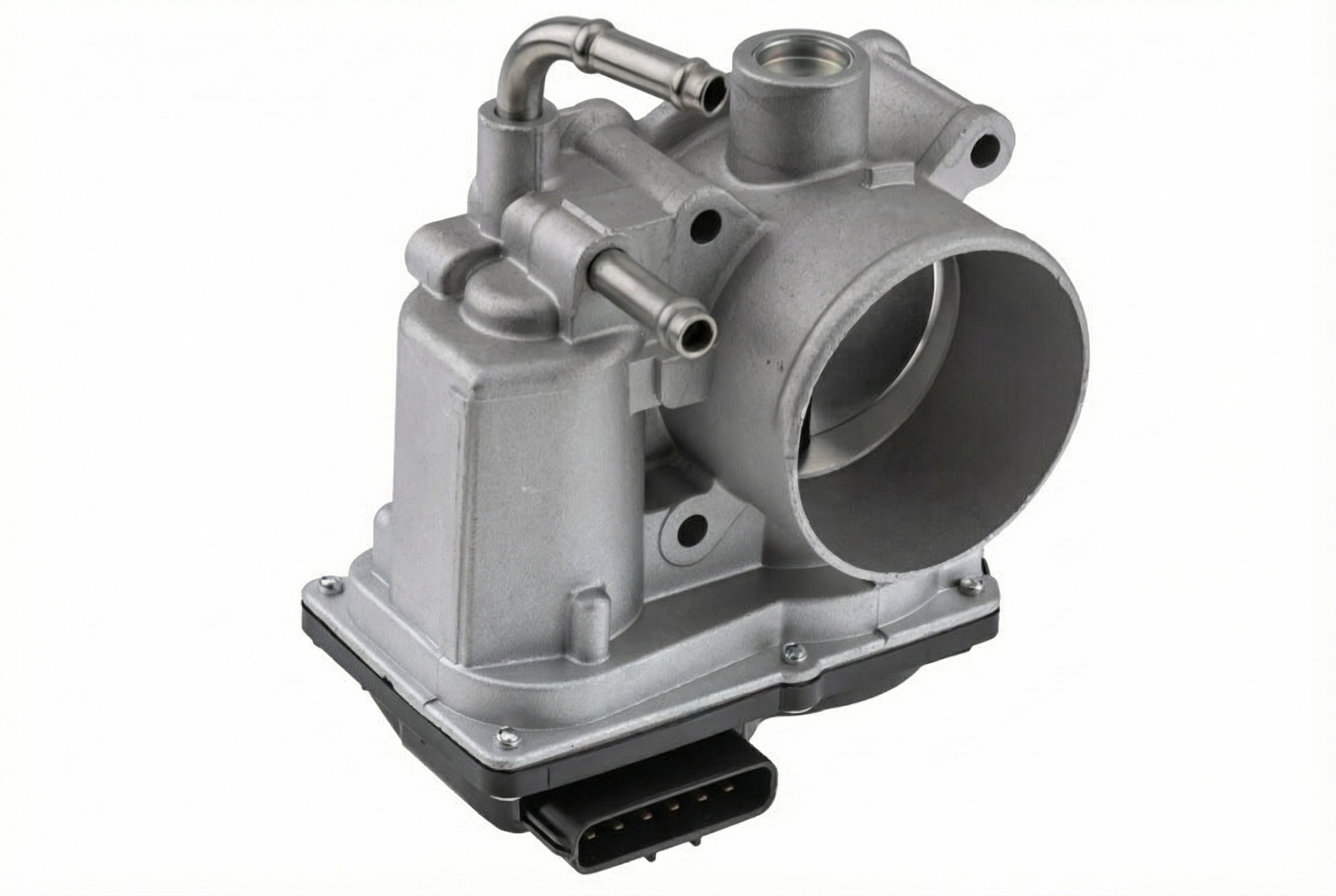
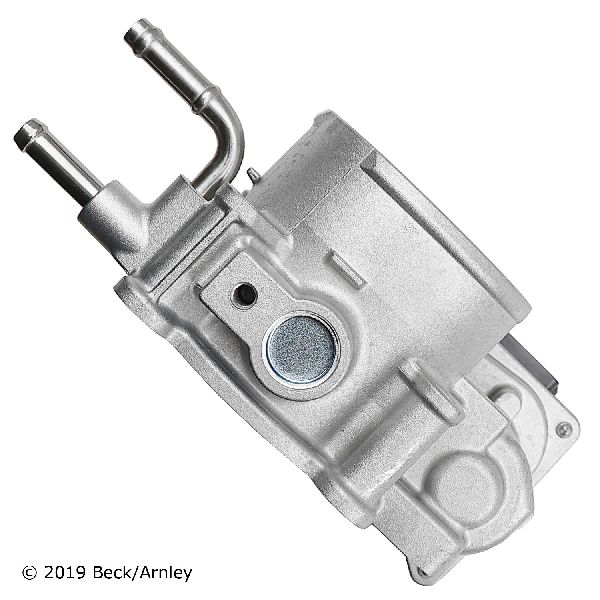
(OEM #22030-0V010)— Only needed in the rare case that a thorough cleaning does not fix the problem and the unit is confirmed to be faulty.
Trusted brands: Toyota OE, Aisin, Denso
OEM price range: $400-$600
Aftermarket price range: $150-$300
Related Codes That Often Appear With This One
- P0506 — This code for 'Idle Air Control System RPM Lower Than Expected' can appear if the dirty throttle body causes the idle to drop too low.
- P0507 — This code for 'Idle Air Control System RPM Higher Than Expected' can be triggered if a vacuum leak or a sticking throttle plate causes the idle to be too high.
- P0171 — This code for 'System Too Lean (Bank 1)' can be caused by a vacuum leak, which is also a potential cause of P0505. Several owners on Reddit have reported seeing P0171 and P0505 together. NHTSA ODI #11667285 confirms this combination on similar Toyota platforms, noting that P0171 and P0505 were stored simultaneously.
- P0441 / P0455 — Evaporative emission system codes may also appear; NHTSA ODI #11703613 and NHTSA ODI #11331260 describe cases where P0505 was accompanied by EVAP leak codes and lean conditions (P0171).
Platform-Specific Known Issues
- On the 2013-2018 RAV4, the throttle body is located on the rear side of the engine, making access slightly more difficult than on other vehicles. The airbox and intake tubing must be removed to reach it.
- Owners on forums like RAV4World and Reddit frequently report that this code appears after 80,000 miles and is almost always fixed by cleaning the throttle body, not replacing it. Many DIY-focused videos and posts confirm this is a high-success, low-cost repair.
Documented NHTSA Reports
- NHTSA ODI #11667285 describes a scenario where diagnostic tests showed P0171 (System Too Lean) and P0505 (Idle Control System) stored together, along with P117B, suggesting fuel performance or injector issues as a potential solution path.
- NHTSA ODI #11331260 notes a situation where a vehicle was not performing properly and registered multiple codes including P0171, P0505, P117B, P0441, and P0455, with the owner reporting a noise from the fuel pump.
- NHTSA ODI #10108854 reports a case where the check engine light appeared after a restart, registering a P0505 code for a possible idle control system fault.
Mechanic-Grade Diagnostic Values
- Throttle Body Motor Resistance — expected: 0.3 to 100 Ω at 20°C (68°F). Failure: An infinite (OL) reading indicates an open circuit in the motor. A reading outside the specified range indicates a faulty motor.
- Throttle Position Sensor (TPS) Signal Voltage — expected: Approx. 0.5 - 0.7 Volts at idle (throttle closed), smoothly increasing to approx. 4.5 - 5.0 Volts at wide-open throttle.. Failure: Voltage that is jumpy, erratic, or does not change when the throttle plate is moved indicates a failed sensor.
- Scan Tool Live Data: Target vs. Actual Idle Speed — expected: The 'Engine Speed' PID should closely match the 'Target Idle Speed' PID.. Failure: The ECM will set P0505 if the actual idle speed varies from the target by more than 100-200 RPM for a set number of times during a drive cycle.
- Scan Tool Live Data: ISC Learning Value — expected: This value represents the ECM's learned correction for idle air volume. It should operate within its normal range.. Failure: The code can be set if the learned value remains at its maximum or minimum limit for 5 or more times in a drive cycle, indicating the system can no longer compensate.
Hidden / Shadow Codes Worth Checking
- Freeze Frame Data: Not a code, but a snapshot of critical engine sensor data (RPM, coolant temp, vehicle speed, etc.) recorded at the exact moment the P0505 DTC was triggered. This is invaluable for determining if the fault occurred when the engine was cold, hot, under load, or at idle. (see via Accessible with professional scan tools like Toyota Techstream or some high-end consumer OBD-II scanners.)
- Utility: All Readiness: A function within Techstream that allows a technician to check the status of the P0505 monitor. It will display a judgment result of NORMAL, ABNORMAL, or INCOMPLETE, providing a deeper diagnostic insight than just reading the code. (see via Toyota Techstream software under the 'Powertrain / Engine / Utility' menu.)
Scan Tool Commands That Help
- Toyota Techstream: Active Test: Control the Idle Speed — This function allows the technician to command the idle speed to increase or decrease. It is used to verify if the throttle body motor and control system are physically responding to ECM commands, helping to differentiate between a component failure and a control issue.
- Toyota Techstream: Data List Monitoring — Used to simultaneously watch 'Engine Speed', 'Target Idle Speed', and 'ISC F/B Learn Torque' or 'ISC Learning Value'. This helps visualize the deviation and see if the learning value is maxed out, confirming the ECM's struggle to control idle.
Wiring & Ground Locations
- Throttle Body Connector (B3) — On the electronic throttle body assembly, located at the rear of the engine on the intake manifold.. This 6-pin connector is the single interface for the throttle motor and position sensor. A poor connection or damaged wire here is a primary point of failure. The typical pinout is: Pin 1 (M-), Pin 2 (M+), Pin 3 (E2 - Sensor Ground), Pin 4 (VTA2 - TPS Signal B), Pin 5 (VC - 5V Reference), Pin 6 (VTA1 - TPS Signal A). Testing resistance and voltage at these specific pins is a key diagnostic step.
- Engine Ground (EB) — A primary engine ground point is located on the intake side of the cylinder block. Another key ground strap runs from the valve cover to the chassis near the passenger side strut tower.. The ECM and its sensors rely on a clean, solid ground connection to the chassis. A corroded or loose engine ground can cause floating voltages and erratic sensor readings, potentially leading to incorrect idle control commands and triggering a P0505 code even if the throttle body is good.
Real Owner Repair Stories
- YouTube Mechanic Diagnosis Summary (Toyota RAV4 (2013-2018 generation)) — Check Engine Light with code P0505, unstable idle.
❌ Tried (didn't work) Visual inspection of intake system., Smoke test for vacuum leaks (none found).
✅ What actually fixed it After the smoke test was clean, a multimeter was used to test the resistance of the throttle body motor itself. The reading was outside of the manufacturer's specification, indicating the motor was faulty. Replacing the entire throttle body assembly resolved the P0505 code. - NHTSA Complaint Anecdote — An owner reported that after their vehicle was checked, it registered a code of P0505, indicating a possible idle control system failure (NHTSA ODI #10108854).
"I Checked Everything" — The Actual Cause
- In cases where a smoke test shows no vacuum leaks, the root cause can be an electrical failure within the throttle body assembly itself. A diagnostic video showed a scenario where a smoke test passed, but a resistance check on the throttle body motor's pins revealed it was out of spec. The fix was to replace the throttle body assembly, not chase a non-existent vacuum leak.
OEM Part Supersession History
22030-36010→22030-0V010— Standard part revision and supply chain consolidation by Toyota.
Heads up: The part number 22030-0V010 is the correct and backward-compatible service replacement. Some aftermarket listings cause confusion by referencing other numbers like 22030-28010, but multiple OEM sources confirm 22030-0V010 is correct for the 2.5L 2AR-FE in this RAV4.
Model Year Variations Within This Range
- 2016-2018: A significant mid-cycle facelift occurred for the 2016 model year. While the 2.5L 2AR-FE engine and throttle control system remained the same, these later models feature improved cabin sound insulation and a retuned, more compliant suspension for a better ride. For 2017+, Toyota Safety Sense (TSS) became standard. These changes do not affect the cause or fix for P0505 but are important distinctions within the generation.
Diagnostic Flowchart
Other Known Issues on This Vehicle
Issues unrelated to this code that are worth knowing about as an owner of this generation:
- Torque Converter Shudder 🟠 Medium — Common on 2013-2015 models, typically appears between 25-50 mph under light load. (Ref: Toyota TSB T-SB-0023-15 (revised) and Warranty Enhancement Program ZH1 describe the issue and repair, which involves replacing the torque converter and updating ECM software.)
- Steering Intermediate Shaft Clunk/Noise 🟡 Low — A clunking or popping noise may develop when turning the wheel at low speeds, often after 60,000 miles. (Ref: No specific recall, but it is a widely documented owner complaint. The fix is to replace the steering intermediate shaft.)
- Water Pump Failure 🟠 Medium — The water pump on the 2AR-FE engine is a known failure point, sometimes as early as 50,000-75,000 miles. Symptoms include coolant leaks (often evaporating on the transmission housing), overheating, or a grinding noise from the front of the engine.
- Transmission Hesitation/Lurching 🟡 Low — Some owners report a lurch or hesitation when accelerating from a slow coast. An ECU software update was issued to address this drivability issue. (Ref: A TSB was issued by Toyota to resolve the issue by flashing the ECU with an update.)
Used vs. New Parts: Buying Guide for This Vehicle
When a used part is the smart pick: If the throttle body assembly needs to be replaced (after cleaning fails to solve the issue), a used OEM unit from a reputable salvage yard is a cost-effective and reliable option. Since the most common issue is carbon buildup, a cleaned used part is often as good as new.
Donor-vehicle mileage cap: roughly under 100000 miles for the part to have meaningful remaining life.
What to inspect on the donor part:
- Check for any physical damage to the housing or connector.
- Ensure the electrical connector pins are clean and free of corrosion.
- Manually move the throttle plate (if possible) to feel for any binding or sticking.
- Verify the part number on the unit matches `22030-0V010` or the superseded `22030-36010`.
OEM-only on this vehicle (don't cheap out):
- While not strictly 'OEM-only', it is strongly recommended to use either a genuine Toyota (new or used) or a top-tier OEM supplier for the Electronic Throttle Body. Cheap, no-name aftermarket units are known to have calibration and reliability issues.
Aftermarket brands forum-validated for this vehicle:
- Aisin
- Denso
Brands owners have reported issues with on this vehicle:
- Unbranded, 'white-box' parts from online marketplaces with no warranty or brand reputation.
Real Owner Stories
Aggregated from forums and TSBs cited above. Mileages and costs reflect what owners reported in those sources.
2022 Toyota RAV4 (non-hybrid)
Symptoms: High idle and hard starting after refueling.
What fixed it: Checking for vacuum leaks (suggested solution for P0505 and P0171 combination).
Source hint: Reddit r/rav4club - '22 Rav4 (non-hybrid) P0171 and P0505'
2013-2018 Toyota RAV4 — ~100000 miles
Symptoms: P0505 code appearing after 80,000 miles.
What fixed it: Cleaning the throttle body (not replacing it).
Source hint: vehicle_specific_issues
2008 Toyota RAV4 4cyl
Symptoms: P0505 code on a Toyota with ETCS.
What fixed it: Addressing carbon buildup in the throttle body or vacuum leaks.
Source hint: Reddit r/MechanicAdvice - '2008 Rav4 4cyl code P0505'
Toyota Avalon Owner Report
Symptoms: Evaporative emission system leak detected (large leak) along with P0441, P0505, P0171, P0174, and P0172.
What fixed it: Diagnostic investigation into the evaporative emission system and lean/rich bank conditions.
Source hint: NHTSA ODI #11703613
Related OBD-II Codes
Frequently Asked Questions
Where is the throttle body located on my 2013-2018 RAV4, and is it easy to access?
My RAV4 has about 90,000 miles and just threw a P0505; do I need to buy a new throttle body?
Is there a specific procedure I should follow after cleaning the throttle body to fix the idle?
Could a vacuum leak be causing the P0505 code on my RAV4?
Can a dirty throttle body cause my engine to stall at stoplights?
I'm also experiencing a shudder between 25-50 mph; is this related to P0505?
Helpful Videos

Used OEM Parts in Stock

New Aftermarket Parts Available


The information in this article is provided for general reference and educational purposes only. Vehicle specifications, procedures, and part compatibility can vary by production date, trim level, and region. Always consult your vehicle's factory service manual and verify part numbers before purchasing or performing repairs. Safety-critical components such as airbags, seat belts, and braking systems should be installed by a qualified professional.
- Toyota RAV4:
- 🎬 Helpful Videos
- 🛍️ Shop This Part
- What's Unique About the 2013-2018 Toyota RAV4
- Symptoms You May Notice
- Most Likely Causes
- Rare But Worth Checking
- Diagnosis Steps
- Parts You'll Likely Need
- Related Codes That Often Appear With This One
- Platform-Specific Known Issues
- Documented NHTSA Reports
- Mechanic-Grade Diagnostic Values
- Hidden / Shadow Codes Worth Checking
- Scan Tool Commands That Help
- Wiring & Ground Locations
- Real Owner Repair Stories
- "I Checked Everything" — The Actual Cause
- OEM Part Supersession History
- Model Year Variations Within This Range
- Diagnostic Flowchart
- Other Known Issues on This Vehicle
- Used vs. New Parts: Buying Guide for This Vehicle
- Real Owner Stories
- 2022 Toyota RAV4 (non-hybrid)
- 2013-2018 Toyota RAV4 — ~100000 miles
- 2008 Toyota RAV4 4cyl
- Toyota Avalon Owner Report
- Related OBD-II Codes
- Frequently Asked Questions
- 🎟️ Get 5% Off