

OBD-II Code P0501: Vehicle Speed Sensor 'A' Range/Performance
The Ultimate Guide to What P0501 Means, Why It Triggers, and How to Fix It for Good
- Scan the ABS module for 'C' codes (like C0035) before replacing parts, as a faulty wheel speed sensor causes over 50% of modern P0501 codes.
- Stop driving immediately if the transmission shifts harshly; ignoring this symptom causes catastrophic clutch failure costing upwards of $3,000.
- Compare live scan tool speed data against a GPS app at 30 mph to instantly verify if the Vehicle Speed Sensor circuit is transmitting an erratic signal.
- Inspect the sensor wiring harness for green corrosion or melted insulation, which causes signal drops that mimic a dead $100 sensor.
What Does P0501 Mean?

P0501 means your Powertrain Control Module (PCM) is receiving an irrational signal from the Vehicle Speed Sensor (VSS). The computer compares the VSS signal to engine RPM or individual ABS wheel speed sensors. When the VSS reading doesn't match—jumping erratically or reporting impossible speeds—the PCM flags a 'Range/Performance' issue. This signal controls the speedometer, automatic transmission shift timing, cruise control, and Anti-lock Braking System (ABS).
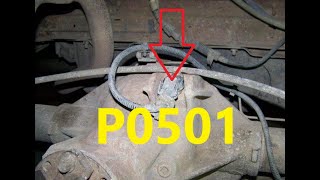
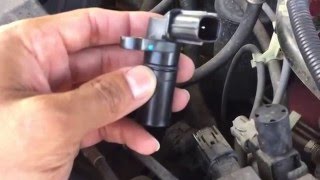
Technical definition: Vehicle Speed Sensor 'A' Range/Performance. 🎬 Watch: A quick overview of P0501 causes and common fixes. The PCM receives an input from the primary VSS that falls outside the manufacturer's specified range or performs erratically compared to engine or wheel speed sensors.
Can I Drive With P0501?
Yes, But With Caution. Yes, but it is strongly discouraged. An incorrect speedometer is a safety and legal risk. Harsh, erratic transmission shifting puts significant stress on internal clutches and bands. Continued driving causes premature transmission failure, a repair costing $2,000-$5,000+. Furthermore, disabled ABS increases stopping distances, compromising safety.
Common Causes

- Faulty Vehicle Speed Sensor (VSS) (Very Common) — The sensor itself fails from age, heat, or internal shorts, sending incorrect or erratic signals to the PCM.
- Faulty Wheel Speed Sensor (ABS Sensor) (Very Common) — On most modern vehicles, the primary vehicle speed signal is calculated by the ABS module using data from the four wheel speed sensors. A single failed sensor triggers P0501, always accompanied by an ABS 'C' code.
- Damaged or Corroded Wiring/Connectors (Common) — The wiring harness is exposed to road debris, moisture, and heat. Frayed wires, melted insulation, or corroded connectors cause signal drops.
- Contaminated or Damaged Reluctor Ring/Tone Ring (Less Common) — The sensor reads a toothed ring to measure speed. Metallic debris, rust, or broken teeth prevent the sensor from getting an accurate reading.
- Incorrect Tire Size or PCM Calibration (Less Common) — Installing significantly larger or smaller tires changes the wheel rotation speed. If the PCM is not recalibrated, it detects a conflict between reported speed and expected values.
- Damaged Wheel Bearing (Rare) — A failing wheel bearing creates excessive wobble in the hub assembly, damaging the nearby ABS sensor or the integrated tone ring.
- Faulty Instrument Cluster (Rare) — In some architectures, the VSS signal routes through the instrument cluster before reaching the PCM. A failed cluster circuit board corrupts the signal.
- Faulty Powertrain Control Module (PCM) (Very Rare) — The vehicle's main computer fails and misinterprets a perfectly good signal. Suspect this only after exhaustively testing all other components.
Symptoms

- Erratic or Inaccurate Speedometer — The speedometer needle jumps around, reads 0 mph while moving, or shows a clearly incorrect speed.
- Harsh or Incorrect Transmission Shifting — The automatic transmission shifts too early, slams into gear, or refuses to shift into higher gears due to a lack of speed reference.
- ABS or Traction Control Light is On — A fault disables the ABS and traction control systems, illuminating their respective warning lights on the dash.
- Check Engine Light is On — The PCM illuminates the Malfunction Indicator Lamp (MIL) to alert the driver of the fault.
- Cruise Control Not Working — The cruise control system disables itself because it requires a steady, reliable speed signal to function safely.
- Decreased Fuel Economy — Inefficient transmission shifts prevent the engine from operating in its optimal RPM range, decreasing fuel economy by 5-10%.
Diagnostic Flowchart
Tap your situation to follow the diagnostic path that matches what you're seeing on this code.
Common Fixes & Costs
- Replace ABS/Wheel Speed Sensor — Parts: $40-$200, Labor: $100-$200, ~1.5 hr book time (Intermediate)
- Replace Vehicle Speed Sensor (VSS) — Parts: $20-$150, Labor: $75-$175, ~1.2 hr book time (DIY)
- Repair Wiring or Connector — Parts: $10-$50, Labor: $125-$300, ~2 hr book time (Intermediate)
- Clean Sensor and/or Reluctor Ring — Parts: $0-$10, Labor: $50-$150, ~0.8 hr book time (DIY)
- PCM Reprogramming/Recalibration — Parts: $0, Labor: $100-$250, ~1.5 hr book time (Pro Only)
DIY vs Professional
- Replace Vehicle Speed Sensor (VSS) — Beginner: Yes
Tools: Socket set, wrenches, jack and jack stands, drain pan. - Replace ABS/Wheel Speed Sensor — Beginner: Maybe
Tools: Socket set, torque wrench, jack and jack stands, Allen/Torx sockets. - Repair Wiring or Connector — Beginner: No
Tools: Multimeter, wiring diagrams, wire strippers, crimpers, heat shrink tubing. - Clean Sensor and/or Reluctor Ring — Beginner: Yes
Tools: Socket set, brake cleaner, rags, flashlight.
Used vs. New Parts: Buying Guide
When a used part is worth it: Buying a used speed sensor is not recommended. These are electronic components with a finite lifespan. It only makes sense for an older, high-mileage vehicle on an extreme budget where the part is easily accessible.
Donor-vehicle mileage cap: roughly under 60000 miles for the part to have meaningful remaining life.
Donor quality checklist:
- Verify the exact OEM part number matches.
- Avoid parts from rust-belt states; corrosion is a primary failure mode.
- Confirm the part was tested or pulled from a running vehicle.
Decision logic:
- If The part is an electronic VSS or ABS sensor → Buy a new OEM or high-quality aftermarket part (e.g., Bosch, Denso, Motorcraft).
- If The vehicle has less than 100k miles → Buy new. The risk of premature failure and repeat labor costs is not worth the savings.
- If You are on an extreme budget and can do the labor yourself → A used part is a temporary gamble. Expect a significantly shorter lifespan.
Warranty tradeoff: Salvage yard parts typically have a 30-90 day warranty covering only the part. New aftermarket parts carry 1-year to lifetime warranties. New OEM parts guarantee fit and function.
Worst-case if a used part fails: $200-$400 if a used sensor fails, representing repeat labor and purchasing a new part.
What Happens If You Wait — Timeline
- 0-1 month: Check Engine Light and/or ABS light illuminates. Speedometer is erratic. Cruise control is disabled. Shifting is slightly off. (MPG impact: 0-5%% · Added cost: $0-$50 in wasted fuel)
- 1-4 months: Transmission shifting becomes noticeably harsh. The transmission 'hunts' for gears or slams into gear, stressing internal clutches. (MPG impact: 5-10%% · Added cost: $50-$200 in wasted fuel)
- 4-9 months: Sustained hard shifting causes accelerated wear on transmission solenoids and clutch packs. The vehicle enters 'limp mode' frequently. (MPG impact: 10-15%% · Added cost: $300-$800 (Transmission solenoid replacement))
- 9+ months: Catastrophic internal transmission damage occurs. Constant high-pressure shifts burn out clutches or break hard parts. (MPG impact: 15-25%% · Added cost: $2,500-$5,000+ (Full transmission rebuild or replacement))
Cost of Not Fixing It
- Immediate: Erratic speedometer, disabled ABS and traction control, and failed emissions test. This poses a significant safety and legal risk. (Added cost: Potential traffic ticket)
- 0-3 months: Harsh shifting puts moderate stress on transmission components. Fuel economy decreases by 5-10% due to inefficient operation. (Added cost: $50-$150 in wasted fuel)
- 3-12+ months: Severe wear on transmission clutches, bands, and solenoids due to constant hard shifts causes catastrophic transmission failure. (Added cost: $2,000-$5,000+ for a transmission rebuild or replacement.)
Diagnosis Steps

- Read All Trouble Codes from All Modules
Use an advanced OBD-II scanner to read codes from the PCM, ABS, and Transmission modules. A P0501 accompanied by an ABS code (e.g., C0035) points directly to a faulty wheel speed sensor, saving hours of diagnostic time.
Tools: OBD-II Scanner (with ABS capability) (Beginner) - Analyze Live Data with a Scan Tool
Monitor the Vehicle Speed PID while driving and compare it to a GPS speed app. An erratic or zero reading confirms a circuit fault. Watch individual wheel speed sensor PIDs to identify if a single wheel is reporting incorrectly.
Tools: Advanced OBD-II Scanner, GPS Speed App (Intermediate) - Visually Inspect Wiring, Connectors, and Sensors
Locate the speed sensors. Inspect the sensor, connector, and wiring harness for frayed wires, melted insulation, green corrosion, or physical damage.
Tools: Flashlight, Safety Glasses (Beginner) - Inspect and Clean the Sensor and Tone Ring
Remove the suspected sensor. Clean metallic debris off the magnetic tip. Inspect the tone ring for broken teeth, rust, or debris. Clean, reinstall, clear codes, and test drive.
Tools: Wrench/Socket Set, Rag, Brake Cleaner, Flashlight (Intermediate) - Check the Sensor Circuit Integrity
Disconnect the sensor and PCM. Use a multimeter to check for continuity (less than 1 Ohm) on the signal, power, and ground wires. Check for a short to ground by testing continuity between each wire and the chassis.
Tools: Multimeter, Vehicle-Specific Wiring Diagram (Advanced) - Pro Tip: Test an Active (3-Wire Hall-Effect) Sensor
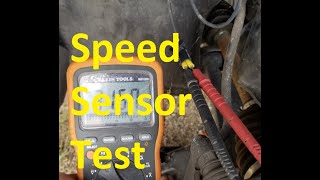
Turn ignition 'On'. Back-probe the connector for reference voltage (5V/12V) and ground. Set multimeter to DC volts and back-probe the signal wire. Spin the wheel slowly; voltage must fluctuate rapidly in a square wave pattern (0V to 5V).
Tools: Multimeter with back-probes, Oscilloscope (optional) (Advanced) - Pro Tip: Test a Passive (2-Wire Inductive) Sensor
Disconnect the sensor. Measure resistance across the two pins. A good sensor typically reads 800-2,500 Ohms (verify with manual). An open circuit (OL) or zero resistance confirms internal failure.
Tools: Multimeter, Vehicle-Specific Repair Manual (Advanced) - Pro Tip: Test a Passive Sensor AC Voltage Output
Set multimeter to low AC Voltage. Safely raise drive wheels and spin by hand. Back-probe the sensor wires. You must see a small AC voltage (starting around 0.5V) that increases with wheel speed.
Tools: Multimeter with back-probes, Jack and Jack Stands (Advanced) - Check for Technical Service Bulletins (TSBs)
Check for TSBs related to P0501 for your specific vehicle. Manufacturers occasionally release PCM software updates to correct overly sensitive fault logic.
Tools: Online Repair Database Access (Beginner)
When This Code Triggers (Freeze-Frame Conditions)
- Engine Coolant Temp: 180-210°F (Vehicle is fully warmed up.)
- Engine RPM: 1500-2500 RPM (Steady cruise or light acceleration.)
- Engine Load: 25-60% (Maintaining speed on a flat road or slight incline.)
- Vehicle Speed: 20-60 mph (The fault sets when the PCM compares the VSS to wheel speed sensors during steady driving and detects a mismatch.)
Related Codes
- P0500 — P0500 means the VSS signal is completely missing. P0501 means a signal is present but irrational or outside expected parameters.
- P0502 — P0502 points specifically to a low voltage condition, suggesting a short to ground or an internally failed sensor.
- P0503 — P0503 indicates the VSS signal is intermittent or spiking randomly, strongly pointing to a loose connection or wiring damage.
- C0035 to C0050 — These ABS codes point to a specific wheel speed sensor circuit. If present with P0501, the specified wheel sensor is the root cause.
Climate & Environmental Factors
- Cold Weather: Moisture inside sensor connectors freezes, expands, and breaks the electrical connection. Wires become brittle and snap easily.
- Humidity and Road Salt: High humidity and winter road salt drastically accelerate corrosion on sensor connectors and wiring harnesses, increasing electrical resistance.
How to Talk to a Mechanic About This Code
Say this: "I have a check engine light with a P0501 code. My speedometer is erratic and the transmission shifts hard. I'd like to schedule a diagnostic. Please check for related ABS codes and review live data from the wheel speed sensors."
This directs the shop to the most likely cause (ABS/wheel sensors) and requests specific, verifiable tests. It prevents them from starting a broad, expensive diagnostic or immediately blaming the transmission.
Avoid saying:
- 'My check engine light is on.' (Too vague, invites an expensive diagnostic process.)
- 'My transmission is acting up.' (Leads them toward a costly transmission inspection when the transmission is just a symptom.)
- 'Just fix whatever is wrong.' (Gives the shop a blank check to replace parts without proper diagnosis.)
Questions to ask before authorizing the repair:
- Did you find any ABS codes (C-codes) along with the P0501?
- Which specific sensor or circuit did the diagnostic point to?
- Did you confirm the failure by testing the sensor's resistance or viewing live data?
- Is the problem the sensor itself or the wiring? What is the cost difference?
- What is the warranty on the parts and labor for this repair?
Where to Take It: Dealer vs Independent vs Chain
- Dealer:
Best for: Vehicles still under warranty., Complex electrical issues on newer or European vehicles requiring manufacturer software., Cases where a Technical Service Bulletin (TSB) requires a PCM software update.
Downsides: Highest labor rates, often 1.5-2x more than independent shops., May default to replacing an entire assembly (like a full hub) when only a sensor is needed. (Typical cost: +50% vs. baseline) - Independent Shop:
Best fit for most situations. A good independent mechanic easily diagnoses a faulty wheel speed sensor, transmission VSS, or wiring issue.
Best for: Most out-of-warranty vehicles., Diagnosing and repairing common sensor and wiring issues., Providing a better value alternative to the dealer for a well-understood code like P0501.
Downsides: Diagnostic capabilities vary. Ensure the shop has modern scan tools that read ABS data., Requires vetting through online reviews and ASE certifications. (Typical cost: +0% vs. baseline) - Chain Shop:
Use with caution. Acceptable if you have a specific diagnosis and just need a sensor replaced. Avoid for initial diagnosis.
Best for: Simple, clear-cut part replacements where the diagnosis is already certain.
Downsides: Technician skill varies dramatically., High pressure to upsell unrelated services like fluid flushes., Often lack advanced diagnostic tools for electrical circuit testing. (Typical cost: -10% vs. baseline)
When to Walk Away From the Repair
If the estimated repair cost exceeds 40-50% of the car's private-party value, pause and reconsider the repair.
- Car worth $4000, fix is $300: Fix it. A typical P0501 repair is a small fraction of the car's value and restores critical safety functions.
- Car worth $2500, fix is $3500: Walk away. This scenario happens if you ignore P0501 until the transmission fails. The repair cost exceeds the car's worth.
- Car worth $12000, fix is $400: Fix it. This is a routine repair cost for a modern vehicle and is necessary for safety.
What Scan Tool You Need for This Code
Minimum: An OBD-II scanner that reads and displays live data from the ABS module.
A basic $20 code reader only shows the P0501 code from the engine computer. It cannot see crucial ABS codes (like C0035) that pinpoint which wheel sensor failed, nor can it display live speed readings.
Budget: BlueDriver Pro or Foxwell NT301 (~$70) — Reads engine and ABS trouble codes. Displays live data, allowing you to compare speed readings from all four wheel sensors simultaneously.
Mid-range: Autel AL619 or Innova 5610 (~$100) — Offers dedicated ABS functions, clear code definitions, and live data graphing. Faster and more durable than budget picks.
Professional: Autel MaxiCOM MK808S or XTOOL D7 (~$400-600) — Offers full-system diagnostics and bidirectional control. Provides comprehensive access to all modules and fast live data graphing for complex wiring issues.
How to Clear the Code After You Fix It
- Use an OBD-II scan tool to erase the diagnostic trouble codes.
- Perform a complete drive cycle to allow the vehicle's self-tests to run.
Drive cycle (~30 minutes): Cold start and idle for 3 minutes. Drive in stop-and-go traffic for 15 minutes. Drive at a steady highway speed (55-60 mph) for 20 minutes. Let the vehicle cool down completely.
Readiness monitors affected: Catalyst (CAT), Evaporative System (EVAP), Oxygen (O2) Sensor
Before emissions retest: drive at least 100 miles to fully set monitors.
Watch out for:
- Clearing the code without fixing the underlying problem guarantees the code returns immediately.
- Failing to complete a full drive cycle results in a 'Not Ready' status, causing an automatic smog test failure.
Will This Fail Emissions / State Inspection?
Yes — this code typically fails an OBD-II emissions inspection.
- California: An active Check Engine Light for P0501 is an automatic failure. You must complete a drive cycle to set all readiness monitors after repair.
- New York: The NYS DMV inspection includes an OBD-II scan. A P0501 code results in an immediate emissions test failure.
- Texas: In the 17 counties requiring emissions testing, an illuminated Check Engine Light due to P0501 fails the inspection.
Most Commonly Affected Vehicles
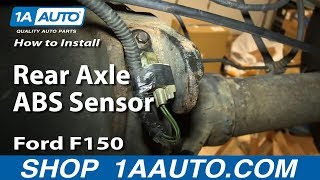
- Ford F-150, Ranger, Explorer (1997-2008) — The VSS located on top of the rear differential fails frequently. It is inexpensive and takes less than 30 minutes to replace (Motorcraft DY1123).
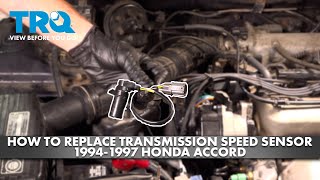
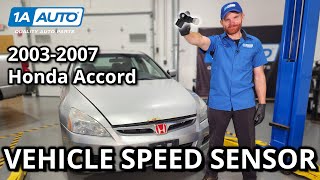
- Honda Civic, Accord (1994-2005) — The wiring harness connector for the transmission-mounted VSS is a notorious failure point due to corrosion. Inspect pins before replacing the sensor.
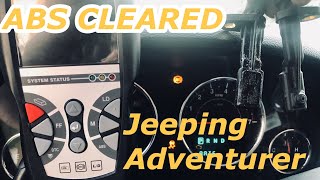
- Jeep Wrangler (JK/JL), Liberty (KJ) (2002-2024) — A faulty ABS wheel speed sensor disables ABS/traction control and forces the automatic transmission into limp mode (stuck in 2nd gear).
- Hyundai / Kia Elantra, Accent, Rio, Optima (2004-2016) — P0501 is frequently triggered by a failed wheel speed sensor. Diagnosis must start by scanning the ABS module for specific wheel sensor codes.
- Chevrolet / GMC Silverado 1500, Sierra 1500, Cruze (2007-2022) — Often appears with harsh shifting complaints. Associated with wheel speed sensors or wiring harness chafing near the transmission.
- Subaru Forester, Outback, Impreza (2005-2018) — P0501 points to a fault in the ABS system, not a separate transmission sensor. Extreme wheel spin (e.g., stuck in snow) sets this code temporarily.
- Nissan Frontier, Altima, Titan (2005-2015) — Commonly associated with ABS wheel speed sensor failures. Front sensor wiring flexes with steering and breaks internally.
- Dodge / Ram Ram 1500/2500/3500 (1998-2010) — Installing larger-than-stock tires without recalibrating the PCM triggers P0501. Also caused by the rear differential-mounted speed sensor.
Manufacturer-Specific Notes
- Ford: On trucks and SUVs, the speed sensor on top of the rear differential is the primary culprit. It is cheap and easy to replace.
- Honda: The wiring harness and connector for the transmission-mounted VSS fail frequently. Always inspect the three wires for corrosion before replacing the sensor.
- Jeep: A failed ABS wheel speed sensor causes the automatic transmission to enter 'limp mode,' refusing to shift out of second gear.
- Subaru: P0501 almost always refers to a fault within the ABS system. Diagnosis must begin by scanning the ABS module for specific wheel speed sensor codes.
- Dodge / Ram: Installing oversized tires without recalibrating the PCM triggers P0501 due to a mismatch between wheel speed and expected output shaft speed.
Real Owner Stories
2008 Ford F-150 at 115K miles
Check Engine Light and ABS light illuminated. Speedometer worked intermittently, and the transmission shifted hard from 1st to 2nd gear.
What they tried:
- Ignored the issue until shifting worsened.
- A shop suggested a transmission fluid flush, which failed to solve the problem.
Outcome: The owner replaced the rear differential speed sensor (Motorcraft DY1123) for $25 in 20 minutes. This immediately fixed the lights, speedometer, and shifting issues.
Lesson: On Ford trucks, P0501 is most often caused by the inexpensive rear differential speed sensor. Check this simple fix before suspecting major transmission problems.
2010 Jeep Wrangler at 75K miles
ABS, Traction Control, and Check Engine lights illuminated. The transmission was stuck in 'limp mode' (2nd gear), and the speedometer was dead.
What they tried:
- A basic code reader only showed P0501.
- Replaced the transmission output speed sensor, but the problem persisted.
Outcome: A mechanic with an advanced scanner pulled code C0035 from the ABS module, indicating a Left Front Wheel Speed Sensor fault. Replacing the $60 ABS sensor resolved all symptoms and limp mode.
Lesson: On modern vehicles, P0501 is almost always a symptom of a bad ABS wheel speed sensor. An ABS-capable scanner is essential for accurate diagnosis.
1997 Honda Accord at 220K miles
Check Engine Light on with code P0501, dead speedometer, and erratic automatic shifting.
What they tried:
- Replaced the VSS with a $7 eBay part, but the problem remained.
- Replaced the instrument cluster, which also failed to fix the issue.
Outcome: The owner found the VSS wiring connector was corroded and one wire was frayed. Repairing the connector and installing a quality VSS solved the problem.
Lesson: Never overlook wiring. On older cars, the connector and harness are common failure points. Avoid ultra-cheap electronic parts that complicate diagnosis.
2010 Kia Rio after a recent repair
Immediately after replacing front wheel bearings, the Check Engine Light came on with code P0501 and shifting issues.
What they tried:
- The shop quoted $500 for a wheel speed sensor replacement, claiming coincidental failure.
- The owner suspected the issue was related to the recent repair.
Outcome: The wheel speed sensor was damaged during the wheel bearing replacement. The owner replaced the sensor themselves for $40.
Lesson: If P0501 appears immediately after wheel-related repairs (brakes, bearings), the sensor or wiring was likely damaged or left disconnected during service.
How to Prevent This Code From Triggering
- Apply Dielectric Grease to Sensor Connectors (Whenever a sensor is replaced or disconnected.) — Dielectric grease seals electrical connectors from moisture and road salt, preventing the corrosion that causes high resistance faults.
- Inspect and Secure Wiring Harnesses (During every oil change or brake inspection.) — Wheel speed sensor wires flex with suspension movement. Ensuring they are properly clipped prevents chafing against moving parts or hot exhaust.
- Clean Tone Rings During Brake Service (Whenever brake rotors or calipers are removed.) — Cleaning rust scale or metallic brake dust off tone rings ensures the sensor gets a clean, strong signal.
- Address Fluid Leaks Promptly (As soon as they are noticed.) — Oil or transmission fluid degrades plastic connectors and wire insulation over time, leading to electrical failure.
Frequently Asked Questions
What are the most common misdiagnosis mistakes for P0501?
The biggest mistake is replacing a speed sensor without testing its circuit. Technicians often find the actual problem is a simple wiring break or corroded connector. Never blame an internal transmission problem for harsh shifting until verifying the speed signal.
Can mismatched or wrong-sized tires cause a P0501 code?
Yes. Installing tires of different sizes causes the wheels to rotate at different speeds. The PCM compares these signals, detects a mismatch outside its programmed tolerance, and triggers a P0501 code.
Can a bad wheel bearing cause a P0501 code?
Yes. A worn wheel bearing creates excessive play in the hub assembly. This wobble damages the delicate ABS sensor or the integrated tone ring, creating an erratic signal that triggers the code.
My speedometer works, so can the speed sensor still be bad?
Yes. Many vehicles use multiple speed sensors or route multiple outputs from a single sensor. The signal to the instrument cluster might function perfectly while the signal to the PCM is corrupt, triggering the code and shifting issues.
What is the difference between P0500 and P0501?
P0500 (VSS Malfunction) means the PCM receives absolutely zero signal from the sensor. P0501 (VSS Range/Performance) means the PCM receives a signal, but it is erratic, irrational, or contradicts other sensor data.
Can I use a cheaper aftermarket speed sensor?
Avoid ultra-cheap aftermarket sensors for critical transmission and ABS systems. Inconsistent manufacturing quality often leads to premature failure and repeat labor. Invest in an OEM or high-quality brand like Bosch, Denso, or Motorcraft.
Can a bad battery cause a P0501 code?
A weak battery causes low system voltage, leading to widespread electrical gremlins. This forces modules like the PCM or ABS controller to misinterpret sensor data. While not a direct cause, it occasionally triggers a false P0501.
Will clearing the code fix the problem?
No. Clearing the code only temporarily erases the fault from the computer's memory. Once you drive the vehicle and the computer runs its self-tests, the fault is detected again and the light returns.
Key Takeaways
- Scan the ABS module for 'C' codes (like C0035) before replacing parts, as a faulty wheel speed sensor causes over 50% of modern P0501 codes.
- Stop driving immediately if the transmission shifts harshly; ignoring this symptom causes catastrophic clutch failure costing upwards of $3,000.
- Compare live scan tool speed data against a GPS app at 30 mph to instantly verify if the Vehicle Speed Sensor circuit is transmitting an erratic signal.
- Inspect the sensor wiring harness for green corrosion or melted insulation, which causes signal drops that mimic a dead $100 sensor.
Helpful Videos

The information in this article is provided for general reference and educational purposes only. Vehicle specifications, procedures, and part compatibility can vary by production date, trim level, and region. Always consult your vehicle's factory service manual and verify part numbers before purchasing or performing repairs. Safety-critical components such as airbags, seat belts, and braking systems should be installed by a qualified professional.
- 🎬 Helpful Videos
- What Does P0501 Mean?
- Can I Drive With P0501?
- Common Causes
- Symptoms
- Diagnostic Flowchart
- Common Fixes & Costs
- DIY vs Professional
- Used vs. New Parts: Buying Guide
- What Happens If You Wait — Timeline
- Cost of Not Fixing It
- Diagnosis Steps
- When This Code Triggers (Freeze-Frame Conditions)
- Related Codes
- Climate & Environmental Factors
- How to Talk to a Mechanic About This Code
- Where to Take It: Dealer vs Independent vs Chain
- When to Walk Away From the Repair
- What Scan Tool You Need for This Code
- How to Clear the Code After You Fix It
- Will This Fail Emissions / State Inspection?
- Most Commonly Affected Vehicles
- Manufacturer-Specific Notes
- Real Owner Stories
- 2008 Ford F-150 at 115K miles
- 2010 Jeep Wrangler at 75K miles
- 1997 Honda Accord at 220K miles
- 2010 Kia Rio after a recent repair
- How to Prevent This Code From Triggering
- Frequently Asked Questions
- What are the most common misdiagnosis mistakes for P0501?
- Can mismatched or wrong-sized tires cause a P0501 code?
- Can a bad wheel bearing cause a P0501 code?
- My speedometer works, so can the speed sensor still be bad?
- What is the difference between P0500 and P0501?
- Can I use a cheaper aftermarket speed sensor?
- Can a bad battery cause a P0501 code?
- Will clearing the code fix the problem?
- Key Takeaways
- 🎟️ Get 5% Off