

P0497 on 2011-2015 Chevrolet Volt: EVAP Low Purge Flow Causes and Fixes
On a 2011-2015 Chevy Volt, code P0497 is most often caused by a faulty EVAP purge solenoid valve. It's an easy DIY fix costing $30-$80. A saturated charcoal canister from overfilling the gas tank is the second most likely cause, a repair that requires replacing both the canister and the purge valve.
- P0497 on a Chevy Volt indicates low purge flow in the emissions system, most commonly due to a bad EVAP purge valve.
- A key cause specific to the Volt is overfilling the fuel tank, which can saturate the charcoal canister and damage the purge valve, as noted in GM TSB PIP4891H.
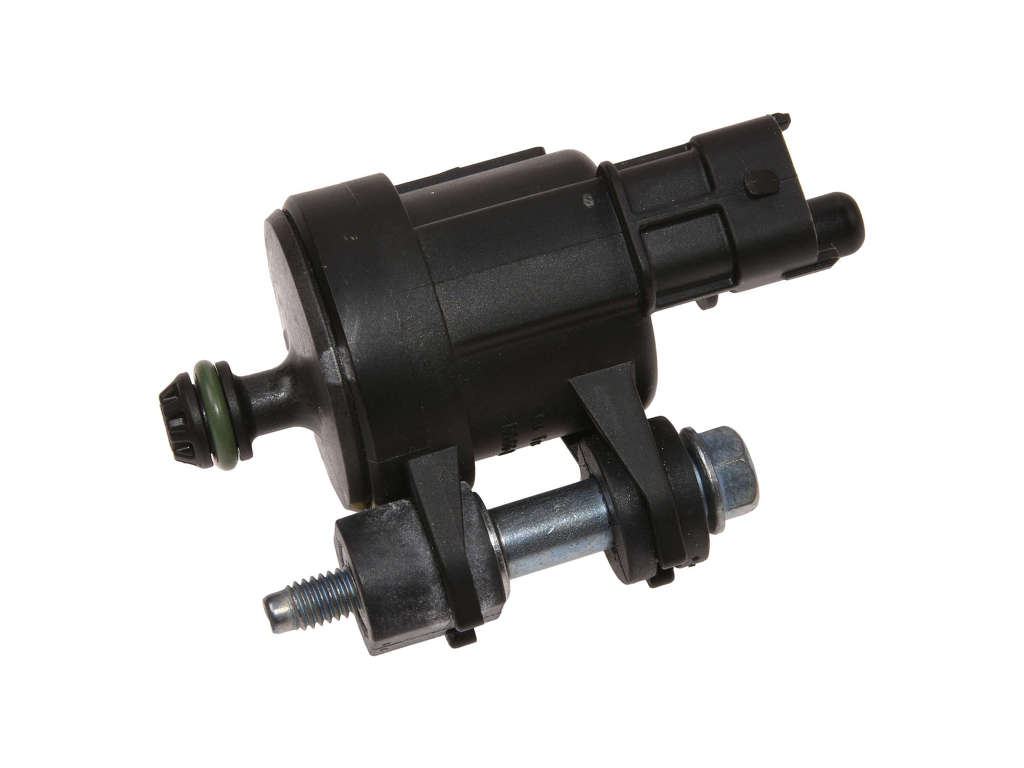
- The most likely fix is replacing the purge solenoid valve (OEM P/N 12737252), an inexpensive part that is easily accessible on top of the engine and can be replaced by a DIYer in under 30 minutes.
- If the charcoal canister is found to be saturated with fuel, it must be replaced along with the purge valve, and all EVAP lines must be blown clear with compressed air to prevent a repeat failure.
- Do not mistake this 'low flow' code for a 'leak' code; replacing the gas cap will not fix P0497.
What's Unique About the 2011-2015 Chevrolet VOLT

The Chevrolet Volt is a range-extended electric vehicle (EREV), meaning its 1.4L gasoline engine runs intermittently. This operational difference can affect the EVAP system's self-test cycles. More importantly, General Motors issued a Technical Service Bulletin (TSB #PIP4891H) specifically for the Volt concerning P0497, directly linking it to overfilling the fuel tank. This habit can force liquid gasoline into the EVAP system, saturating the charcoal canister and damaging the purge valve, making this a common issue for Volt owners. The TSB also notes the condition can be triggered by a large temperature change (20 degrees or more) after an over-filling event.
🎬 Watch: Fixing a P0497 code on a Chevy VoltDiagnostic Flowchart
Tap your situation to follow the diagnostic path that matches what you're seeing on this vehicle.
Symptoms You May Notice
- Check Engine Light is on
- A faint fuel smell, especially near the rear of the car or after being parked in a garage.
- Difficulty starting the engine, especially right after refueling.
- Slightly rough or unstable idle.
- In rare cases with multiple EVAP faults, difficulty refueling where the gas pump clicks off repeatedly.
- Replacing the gas cap. A P0497 code is for insufficient *flow*, not a system leak (which would typically trigger codes like P0455 or P0456). A bad gas cap will not cause a low flow condition.
Most Likely Causes

- Faulty EVAP Purge Solenoid Valve 🔴 High Probability This valve can become clogged, stuck closed, or fail electronically. It's also susceptible to damage from liquid fuel if the tank is consistently overfilled, a known issue on the Volt as per GM TSB PIP4891H.
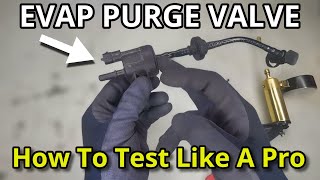
How to confirm: Locate the valve on top of the engine. With the engine running, use a scan tool to command the valve open and closed; you should hear a clicking sound. Alternatively, disconnect it and test for resistance across the two pins or apply 12V to see if it actuates. You can also remove the valve and try to blow through it; a healthy, unpowered valve should be closed and not allow air to pass.
Typical fix: Replace the purge solenoid valve. This is a simple repair involving one bolt and two quick-disconnect hose fittings and one electrical connector.
Est. part cost: $30-$80 - Saturated or Blocked EVAP Charcoal Canister 🟡 Medium Probability As highlighted in GM's TSB #PIP4891H, overfilling the fuel tank forces liquid gas into the canister, soaking the charcoal media and blocking airflow. The TSB explicitly warns technicians to advise customers not to 'top off' the tank after the fuel pump automatically shuts off.
How to confirm: Inspect the EVAP lines connected to the canister for any signs of liquid fuel or black charcoal granules. If fuel or granules are present, the canister is saturated and has likely failed.
Typical fix: The charcoal canister must be replaced. Per TSB PIP4891H, it is also critical to replace the purge valve at the same time and blow out all EVAP lines with compressed air to ensure they are clear of liquid fuel and debris before reassembly. Failure to clear the lines can cause a repeat failure.
Est. part cost: $200-$380 - Cracked or Disconnected EVAP Hoses ⚪ Low Probability
How to confirm: Visually inspect all vacuum and vapor lines between the intake manifold, purge valve, and charcoal canister for cracks, kinks, or loose connections. A smoke test is the most effective way to find a hard-to-see crack.
Typical fix: Replace the damaged hose section.
Est. part cost: $10-$30
Rare But Worth Checking
- Faulty Fuel Tank Pressure (FTP) Sensor: While less common for this specific code, a faulty FTP sensor can provide incorrect data to the ECM, leading to a misdiagnosis of low flow. This is usually accompanied by other codes, such as P0451 or P0452.
Diagnosis Steps

- Read the trouble codes with an OBD-II scanner to confirm P0497 is the primary code.
- Visually inspect the EVAP purge solenoid valve and its surrounding hoses on top of the engine for any obvious damage or loose connections.
- Use a scan tool with bidirectional controls to command the EVAP purge solenoid 'on'. Listen for a distinct clicking sound from the valve. No click suggests an electrical or valve failure.
- If the valve clicks, disconnect the hose leading from the charcoal canister to the purge valve. Check this line for any trace of liquid fuel or charcoal pellets. If fuel or debris is present, the charcoal canister is saturated and must be replaced.
- If the valve does not click, test the valve's electrical connector for power and ground. If power is present, the valve itself has failed and needs replacement.
- If the purge valve and canister appear good, perform a smoke test on the EVAP system to check for any blockages, kinks, or hidden cracks in the lines.
- After any repair involving a saturated canister, it is critical to blow out all EVAP lines with compressed air to remove residual fuel before installing new parts, as per TSB PIP4891H.
- After any repair, clear the code and perform a complete EVAP drive cycle to ensure the fix was successful.
Parts You'll Likely Need

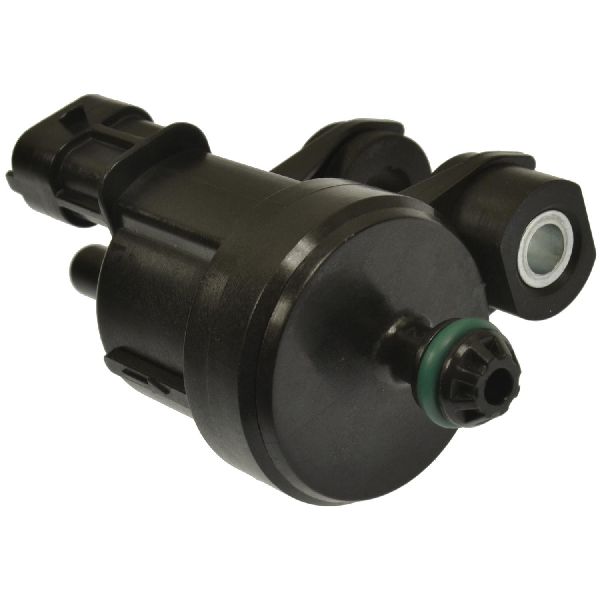
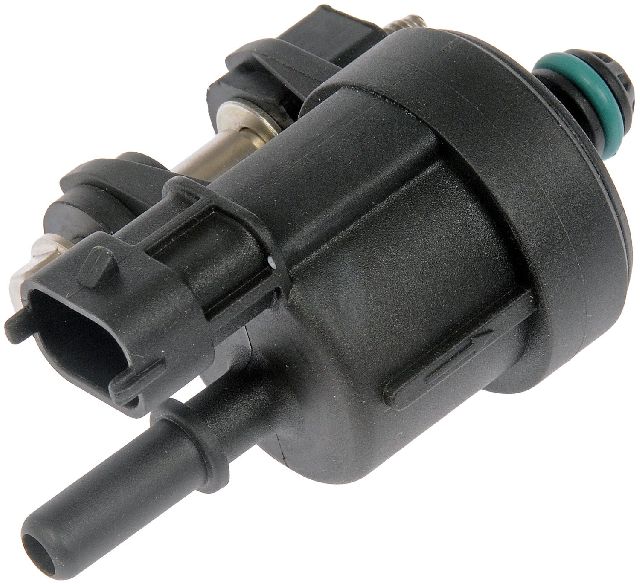
- EVAP Canister Purge Solenoid Valve
(OEM #12737252 (supersedes 12690512, 12661763, and 12610560))— This is the most common failure point for a P0497 code. It's an electromechanical valve that can get stuck closed or become clogged with fuel or charcoal debris.
Trusted brands: ACDelco (GM OE), Dorman
OEM price range: $40-$60
Aftermarket price range: $25-$45 - EVAP Charcoal Canister
(OEM #23489219 (Verify by VIN))— Required if diagnosis reveals liquid fuel in the EVAP lines, a known issue on the Volt caused by overfilling the fuel tank. According to GM parts catalogs, the list price can be significant.
Trusted brands: ACDelco (GM OE), Bosch
OEM price range: $250-$380
Aftermarket price range: $180-$250
Related Codes That Often Appear With This One
- P0496 (EVAP Flow During a Non-Purge Condition): Often seen on platform mates like the Chevy Cruze, this code points to the same purge valve failing in the 'stuck open' position.
- P0449, P0451: In cases of severe canister saturation or vent valve failure, other EVAP codes may accompany P0497.
Technical Service Bulletins (TSBs) & Recalls

- PIP4891H: Addresses DTC P0497 and instructs technicians to inspect EVAP components for liquid fuel saturation, blow out all lines, and advise customers against overfilling the fuel tank.
Platform-Specific Known Issues
- A GM Technical Service Bulletin (TSB #PIP4891H) specifically addresses DTC P0497 on the 2011-2015 Volt. It warns that overfilling the fuel tank (topping off) can saturate EVAP system components with liquid fuel, causing this code. The bulletin advises technicians to inspect all EVAP components, replace any that are saturated, and crucially, to blow out all EVAP lines with compressed air to prevent a repeat failure.
Mechanic-Grade Diagnostic Values
- Fuel Tank Pressure (FTP) Sensor Voltage — expected: 1.3V to 1.7V, typically resting at 1.5V with key on, engine off, and gas cap removed (at atmospheric pressure).. Failure: A voltage significantly outside this range at rest can indicate a biased sensor, leading to incorrect flow calculations by the ECM.
- EVAP Purge Solenoid Connector Voltage — expected: One pin should have 12V (battery voltage) with the key on. The other is the control wire, which is ground-side switched by the ECM.. Failure: Reading 12V on both wires with the connector unplugged from the solenoid suggests an open in the control wire back to the ECM. Reading 0V on the power feed wire indicates a blown fuse or wiring issue.
Scan Tool Commands That Help
- GM GDS2 / Professional Scan Tool: EVAP Purge/Seal Test — This is a critical functional test. The command first closes the EVAP vent solenoid and then allows the technician to incrementally open the purge solenoid (e.g., to 20%) to create a vacuum in the tank. The 'Seal' function then closes the purge valve, and the system should hold this vacuum. A rapid decay in vacuum indicates a leak in the system. This verifies the entire system's integrity after a repair.
- GM GDS2 / Professional Scan Tool: Vent Solenoid Functional Test — Used to command the vent solenoid closed, typically in preparation for a smoke test. You should hear an audible 'thunk' or click from the solenoid. This ensures the system can be sealed for leak testing.
Wiring & Ground Locations
- G101 — Located at the left front of the engine, on the lower block.. This ground point serves the Engine Control Module (ECM). A poor connection at G101 can cause erratic behavior from the ECM and its controlled components, including the EVAP purge solenoid, potentially leading to incorrect operation or false codes.
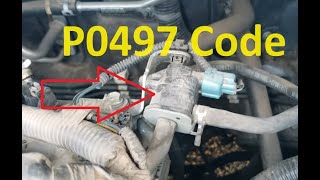
- EVAP Purge Solenoid Connector — On top of the 1.4L engine, easily accessible.. This is a 2-wire connector. One wire is a 12V power feed, and the other is the ground-side control from the ECM. Testing for voltage here is a primary step to differentiate between a failed valve and a wiring/ECM issue.
Real Owner Repair Stories
- Reddit user in r/volt (2015 Chevrolet Volt, 95,000 miles) — Check Engine Light with code P0497.
❌ Tried (didn't work) The user noted a recent fuel overfill incident and considered clearing the code to see if it would resolve after driving.
✅ What actually fixed it The community consensus pointed directly to the canister purge valve as the most probable cause, with the fuel tank pressure sensor being a distant second. The advice was to check for kinked/blocked lines first, then replace the purge valve.
OEM Part Supersession History
12610560, 12661763, 12690512→12737252— GM consolidates part numbers and releases updated designs to improve reliability. The newer part number represents the latest validated version for this application.
Heads up: Some sources indicate the latest part may require programming, though this is uncommon for a simple solenoid. Always verify requirements with the parts supplier.
Helpful Videos

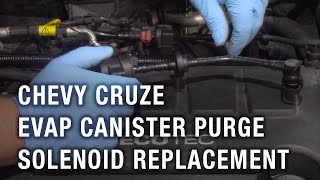
Used OEM Parts in Stock

New Aftermarket Parts Available


The information in this article is provided for general reference and educational purposes only. Vehicle specifications, procedures, and part compatibility can vary by production date, trim level, and region. Always consult your vehicle's factory service manual and verify part numbers before purchasing or performing repairs. Safety-critical components such as airbags, seat belts, and braking systems should be installed by a qualified professional.
- Chevrolet VOLT:
- 🎬 Helpful Videos
- 🛍️ Shop This Part
- What's Unique About the 2011-2015 Chevrolet VOLT
- Diagnostic Flowchart
- Symptoms You May Notice
- Most Likely Causes
- Rare But Worth Checking
- Diagnosis Steps
- Parts You'll Likely Need
- Related Codes That Often Appear With This One
- Technical Service Bulletins (TSBs) & Recalls
- Platform-Specific Known Issues
- Mechanic-Grade Diagnostic Values
- Scan Tool Commands That Help
- Wiring & Ground Locations
- Real Owner Repair Stories
- OEM Part Supersession History
- 🎟️ Get 5% Off