

P0496 on 2017-2021 Volkswagen Jetta: Causes, Fixes & Parts
On a 2017-2021 VW Jetta, code P0496 is almost always caused by a faulty EVAP purge valve (N80) that is stuck open or leaking. This allows fuel vapors to enter the engine at the wrong time. It is a very common failure item, but a relatively inexpensive and easy part to replace, especially on 1.8T/2.0T engines. On 1.4T engines, the valve is harder to access. Expect to pay $25-$75 for the part itself.
- P0496 on a 2017-2021 Jetta means the EVAP purge valve (N80) is likely stuck open.
- The most common symptom, besides the Check Engine Light, is difficulty starting the car right after you get gas.
- The most probable fix is replacing the N80 purge valve. On 2019+ 1.4T models, this is a difficult job as the part is under the intake manifold.
- Before replacing parts, check for any available ECM software updates, as a TSB indicates this can be a fix for 2020 models.
- If you find black charcoal dust inside the old purge valve, the EVAP canister is also failing and should be inspected.
What's Unique About the 2017-2021 Volkswagen JETTA

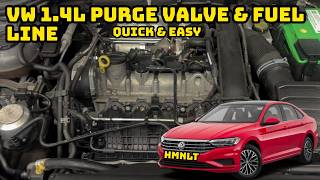
The 2017-2021 Jetta spans two generations (Mk6 and Mk7), but the P0496 issue is common to both and typically points to the same part: the N80 purge valve. However, the location and ease of replacement differ significantly. On the Mk6 (1.8T/2.0T), the valve is easily accessible in the engine bay. On the Mk7 (1.4T), the valve is located under the intake manifold 🎬 Watch: Step-by-step 1.4L purge valve and fuel line replacement guide., making replacement much more labor-intensive. Volkswagen has issued technical service tips (not bulletins) that detail how to test this specific valve for leaks when P0496 is present. Additionally, a TSB for the 2020 model year indicates that an ECM software update can proactively fix this and other EVAP codes, suggesting the logic for detecting the fault can sometimes be too sensitive.
Diagnostic Flowchart
Tap your situation to follow the diagnostic path that matches what you're seeing on this vehicle.
Generation note: This range covers the end of the A6 (Mk6) generation (2017-2018) with 1.4T, 1.8T, and 2.0T engines, and the beginning of the A7 (Mk7) generation (2019-2021) with 1.4T and 2.0T (GLI) engines. While the primary cause—a faulty N80 purge valve—is common, its location on the Mk7 1.4T engine is under the intake manifold, making it a much more involved repair than on the Mk6 engines where it is on top.
Symptoms You May Notice
- Check Engine Light is on
- Difficulty starting the engine, especially right after filling the gas tank
- Rough or unstable idle
- Slight decrease in fuel economy
- On 2019+ models, the Auto Start/Stop system may be disabled when the code is active
- Difficulty refueling (gas pump nozzle clicks off repeatedly), even with no CEL present
- Replacing the gas cap when the purge valve is the actual problem.
- Replacing the charcoal canister when it is not clogged or damaged. (Confirm by checking for charcoal debris in the purge valve first).
- Replacing the fuel tank pressure sensor, which is rarely the cause for this specific flow-related code.
Most Likely Causes

- Faulty EVAP Purge Valve (N80 Valve) 🔴 High Probability The N80 purge valve is a known common failure point on many Volkswagen/Audi models. It's an electromechanical part that cycles thousands of times and can get stuck open internally, often due to wear or becoming clogged with charcoal granules from the EVAP canister.
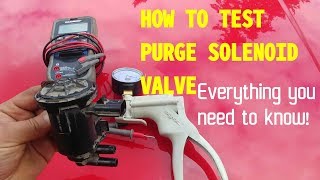
How to confirm: With the engine off, disconnect the vapor line from the purge valve. Apply vacuum with a hand pump; if it doesn't hold vacuum, it's stuck open and faulty. Alternatively, start the engine and feel for vacuum at the valve's inlet port (from the canister) when it should be closed (at idle, engine cold). Any vacuum present indicates a leak. 🎬 See this video for a complete guide on testing purge valves. Tapping the valve on a bench and seeing if black charcoal dust falls out is another sign of system contamination and valve failure.
Typical fix: Replace the EVAP purge valve. If charcoal debris is found, the EVAP canister and lines should also be inspected and possibly replaced.
Est. part cost: $25-$75 - ECM Software Update Needed 🟡 Medium Probability Volkswagen issued a Technical Service Bulletin (V0122022065992_3, also listed as 01-22-02) for 2020 models indicating an ECM software update can proactively repair P0496 and other EVAP codes. This suggests the original software may be too sensitive in its fault detection logic.
How to confirm: A Volkswagen dealer or a qualified independent shop with ODIS software can check if your vehicle's ECM software is up to date and if this TSB applies to your VIN.
Typical fix: Update the Engine Control Module (ECM) software.
Est. part cost: $0-$200 - Cracked EVAP System Hose ⚪ Low Probability The molded plastic and rubber hoses in the EVAP system can become brittle over time and develop hairline cracks, especially the line running from the N80 valve under the coolant expansion tank. While this often causes small leak codes (P0442), it can contribute to general EVAP faults.
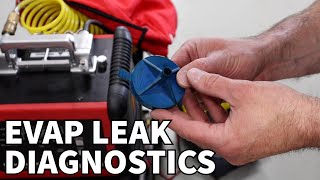
How to confirm: Visually inspect all accessible EVAP lines for cracks or damage. A smoke test is the most effective way to find small leaks 🎬 Watch: How to perform a smoke test to find EVAP leaks. in the system.
Typical fix: Replace the cracked hose. Some owners have successfully used generic vacuum tubing as a cost-effective alternative to the molded OEM part.
Est. part cost: $10-$60 - Loose or Faulty Gas Cap ⚪ Low Probability While a loose gas cap typically causes large leak codes (like P0455), it can sometimes contribute to general EVAP system faults. It's a simple and free check that should always be performed first.
How to confirm: Ensure the gas cap is tightened until it clicks at least once. Inspect the cap's seal for cracks or damage.
Typical fix: Tighten or replace the gas cap.
Est. part cost: $15-$40
Rare But Worth Checking
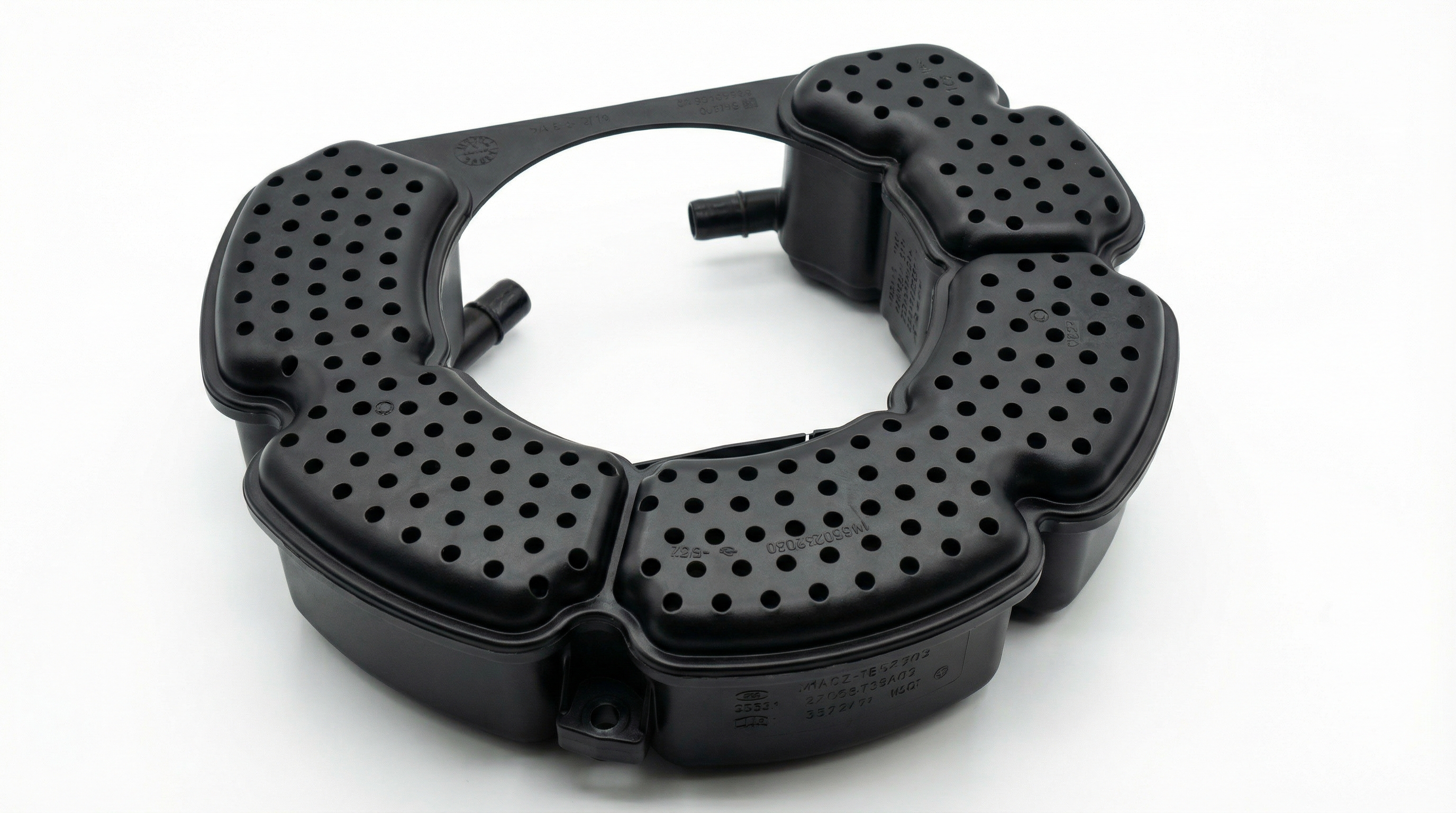
- Clogged or Damaged EVAP Canister: This can happen if the canister becomes saturated with fuel (often from habitually overfilling the gas tank) or if internal charcoal granules break loose and clog the lines or the purge valve itself. If you find black dust in the purge valve, the canister is likely compromised.
- Leaking EVAP System Hoses: Cracked or disconnected vacuum lines in the EVAP system can cause a vacuum leak that the system may misinterpret, though this is less common for P0496 specifically compared to a stuck purge valve.
- Faulty Fuel Tank Pressure (FTP) Sensor: The ECU uses the FTP sensor to detect the uncommanded vacuum flow. In rare cases, the sensor itself could be faulty, sending incorrect readings that trigger the P0496 code.
Diagnosis Steps

- Read the code with an OBD-II scanner to confirm P0496 is present.
- Check for any applicable Technical Service Bulletins (TSBs), especially TSB #V0122022065992_3 for a potential software update on 2020 models.
- Inspect the gas cap to ensure it is tight and the seal is intact.
- Locate the EVAP Purge Valve (N80). On Mk6 models (1.8T/2.0T), it's typically on or near the intake manifold. On Mk7 1.4T models, it is located under the intake manifold.
- Test the Purge Valve. Disconnect the valve's electrical connector and the hose coming from the charcoal canister. With the engine off, use a hand vacuum pump on the canister port of the valve. It should hold vacuum indefinitely. If the vacuum drops, the valve is leaking internally and must be replaced.
- As a secondary check, tap the disconnected valve on a clean surface. If black, dust-like particles (charcoal) fall out, the EVAP canister is failing and has contaminated the valve. Both parts will likely need replacement.
- If the valve tests good, perform a smoke test on the EVAP system to check for hairline cracks in hoses, particularly the line that runs from the purge valve.
- If no mechanical fault is found, the issue may be with the ECM software. Consult a dealer or qualified shop to check for and apply any available updates.
Parts You'll Likely Need
- EVAP Canister Purge Valve (N80)
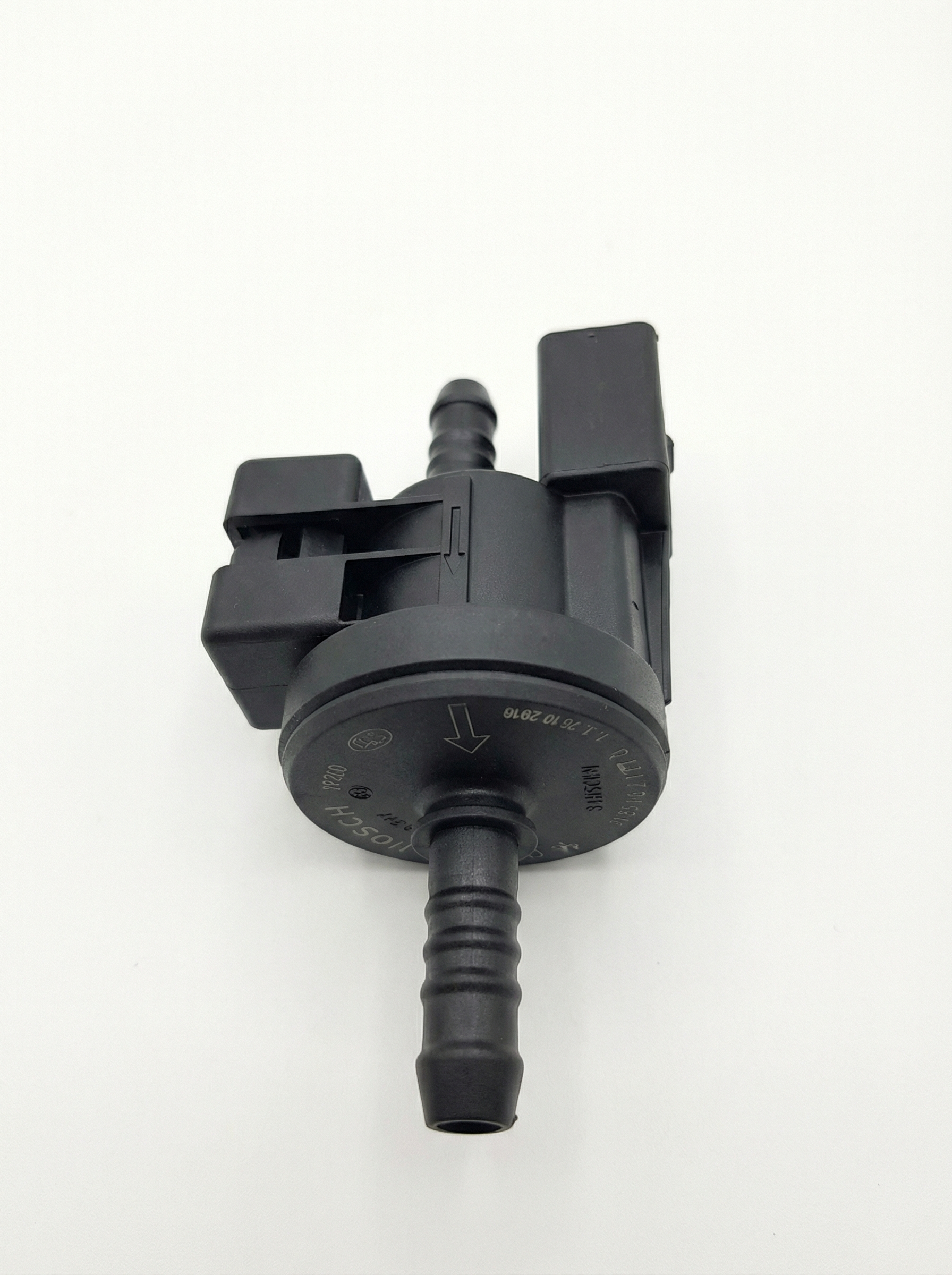
(OEM #06E906517A (Common for many VW/Audi engines, verify by VIN) or 06H906517H / 06J133781CE for some EA888 engines.)— This is the most frequent cause of P0496, as the valve gets stuck open, allowing uncommanded fuel vapor flow into the engine.
Trusted brands: Bosch (OEM), Pierburg, Dorman, Hamburg Tech
OEM price range: $50-$90
Aftermarket price range: $25-$75
Related Codes That Often Appear With This One
- P0441 — EVAP System Incorrect Purge Flow. This code often appears with P0496 because a stuck-open purge valve causes both incorrect flow and flow when none is commanded.
- P04F0 — EVAP System High Pressure Purge Line. This code was noted alongside P0496 in a VW TSB, indicating they can be triggered by the same underlying software or hardware fault.
- P0456 — EVAP System Very Small Leak. A hairline crack in an EVAP hose or a poorly sealing N80 valve can sometimes be interpreted as a small leak in addition to the flow fault.
Technical Service Bulletins (TSBs) & Recalls

- V0122022065992_3 / 01-22-02: ECM software update for low or no heat in cold weather. Proactively repairs P0441, P04F0, P148D, P0496 and p060C.
- VIN4APIN20200911, VIN4APIN20200812, VIN4APIN20200916: These TSBs list customer complaints of MIL-on with P0496, often alongside other codes or symptoms like oil leaks, confirming it as a tracked issue.
- 01-19-06TT: Technical tip describing how to test the N80 purge valve for leaks when P0496 or other EVAP codes are present. It specifies checking for vacuum at the valve inlet with the engine idling.
- 01-19-09TT: Technical tip for diagnosing EVAP faults that appear after a software update, which can include P0496.
Platform-Specific Known Issues
- TSB for ECM Software Update: TSB V0122022065992_3 (also 01-22-02) mentions an ECM software update for 2020 Jetta models that proactively repairs P0496, indicating a potential software logic issue from the factory that is overly sensitive.
- N80 Valve Location on Mk7 1.4T: On 2019+ Jettas with the 1.4T engine, the N80 purge valve is located under the intake manifold. This makes replacement significantly more difficult and expensive, with dealer quotes for labor reaching over $600, compared to a simple 15-minute job on other engines.
- Official VW Test Procedure: Technical Tip 01-19-06TT provides a specific, manufacturer-sanctioned diagnostic procedure for testing the N80 valve for leaks when P0496 is present, noting it is difficult to access on 2019+ models.
Mechanic-Grade Diagnostic Values
- N80 Purge Valve internal resistance — expected: 22 to 30 Ohms (some sources cite 15-25 Ohms for other VW engines). Failure: A reading significantly outside the 22-30 Ohm range, or an open/short circuit. A reading of ~17-18 Ohms has been associated with a failed valve.
- Voltage at N80 Purge Valve connector, Pin 1 (to ground) — expected: Battery Voltage (~12V) with key on, engine off.. Failure: Low or no voltage (e.g., 1.25V) indicates a problem with the power supply from the fuel pump relay or associated wiring.
- Voltage at N80 Purge Valve connector, Pin 2 — expected: This pin is ground-side switched by the ECM. Voltage will vary when the ECU is commanding the valve to open.. Failure: A constant ground or open circuit when it should be cycling could indicate an ECU or wiring fault.
- Vacuum at N80 Purge Valve inlet port (from canister) — expected: 0 PSI / 0 inHg (no vacuum) with engine at idle and valve electrically disconnected.. Failure: Any measurable vacuum indicates the valve is physically stuck open and not sealing.
Scan Tool Commands That Help
- VCDS (VAG-COM) or equivalent: Engine -> Output Tests -> EVAP Purge Valve (N80) — Use this to command the N80 valve to cycle. You should hear an audible clicking from the valve, confirming the electrical circuit and the valve's solenoid are functioning. Lack of clicking indicates a bad valve or a wiring/ECU issue.
- VCDS (VAG-COM) or equivalent: Engine -> Basic Settings -> Channel 070 or 071 (EVAP System Test) — This initiates a full system leak test. The scan tool will command the valves to seal the system and monitor for pressure changes. A result of 'EVAP OK' indicates the system is sealed. A result of 'Large Leak' or 'Small Leak' confirms a leak, while an 'Abort' message can indicate a testing prerequisite (like fuel level) is not met or a component is not responding.
Wiring & Ground Locations
- N80 Connector Pin 1 — On the 2-pin electrical connector for the EVAP Purge Valve (N80).. This pin should receive battery voltage from the fuel pump relay. Verifying voltage here is a critical first step in diagnosing an unresponsive valve to rule out a power supply issue.
- N80 Connector Pin 2 — On the 2-pin electrical connector for the EVAP Purge Valve (N80).. This is the control wire, grounded by the Engine Control Module (ECM) to activate the valve. Checking for a signal here during an output test can confirm if the ECM is attempting to control the valve.
- Engine Compartment Ground — General ground points on the chassis or engine block in the engine bay.. A poor ground connection for the ECM or related circuits could potentially cause incorrect voltage readings or erratic behavior of components like the N80 valve.
Real Owner Repair Stories
- Reddit user ThenParamedic4021 (2019 VW Jetta) — Check Engine Light with an EVAP system small leak code (often related to P0496).
❌ Tried (didn't work) Initial diagnosis was confusing, with a dealership quoting a very high repair cost.
✅ What actually fixed it The N80 purge valve was replaced. The user confirmed the intake manifold had to be removed for the repair and the final cost was close to $300 CAD. - Reddit user throwaway-2022-07-29 (2019 VW Jetta with 50,000 miles) — Check Engine Light, diagnosed by dealer as needing an N80 valve replacement.
❌ Tried (didn't work) The user did not try any fixes themselves but shopped around for quotes.
✅ What actually fixed it The issue was the N80 valve. The significant finding was the repair quote of over $900 from the dealership ($630 for labor, $180 for parts), confirming the high labor cost due to the valve's location under the intake manifold on the Mk7 1.4T engine.
OEM Part Supersession History
6e906517→06E906517A— Standard part revision and update over time.
Heads up: The part 06E906517A is widely used across many VW/Audi models and years. For the 2019+ 1.4T Jetta, while the valve itself may be this part number, it is often integrated into a larger hose assembly, making direct replacement of just the valve difficult.
Model Year Variations Within This Range
- 2019-2021: Per VW Technical Tip 01-19-06TT, the diagnostic procedure for checking the N80 valve requires different adapter tools (KLI 9210/57 and VAG 1318) compared to earlier models.
- 2017-2018: Per VW Technical Tip 01-19-06TT, the diagnostic procedure for checking the N80 valve requires specific adapters from the VAG1318 pressure gauge kit (VAG1318/24, VAG1318/11).
- 2020: A specific TSB (01-22-03) exists for the 2020 Jetta with the 1.4T (DGXA) engine for an ECM software update that proactively corrects P0496, among other codes. This indicates a known software sensitivity issue for this model year.
Helpful Videos
We Have This Part in Stock

The information in this article is provided for general reference and educational purposes only. Vehicle specifications, procedures, and part compatibility can vary by production date, trim level, and region. Always consult your vehicle's factory service manual and verify part numbers before purchasing or performing repairs. Safety-critical components such as airbags, seat belts, and braking systems should be installed by a qualified professional.
- Volkswagen JETTA:
- 🎬 Helpful Videos
- 🛍️ Shop This Part
- What's Unique About the 2017-2021 Volkswagen JETTA
- Diagnostic Flowchart
- Symptoms You May Notice
- Most Likely Causes
- Rare But Worth Checking
- Diagnosis Steps
- Parts You'll Likely Need
- Related Codes That Often Appear With This One
- Technical Service Bulletins (TSBs) & Recalls
- Platform-Specific Known Issues
- Mechanic-Grade Diagnostic Values
- Scan Tool Commands That Help
- Wiring & Ground Locations
- Real Owner Repair Stories
- OEM Part Supersession History
- Model Year Variations Within This Range
- 🎟️ Get 5% Off