

P0496 on 2013-2019 Volkswagen Beetle: EVAP High Purge Flow Causes and Fixes
On a 2013-2019 VW Beetle, code P0496 is almost always caused by a faulty EVAP purge valve (N80 valve) that is stuck open. This is a common DIY fix, with the part costing between $25 for an aftermarket version and $75 for an OEM part.
- P0496 on a VW Beetle almost always means the EVAP purge valve (N80 valve) is stuck open.
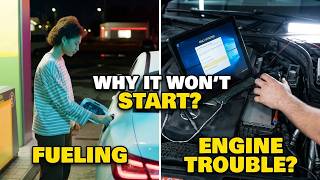
- The most reliable symptom is the engine struggling to start right after you get gas.
- This is an easy and inexpensive DIY repair that requires basic tools and can be completed in under 30 minutes.
- Testing the old valve is simple: if you can blow through it when it's disconnected, it's broken.
- Always clear the code with a scanner after the repair is complete.
What's Unique About the 2013-2019 Volkswagen BEETLE
For this generation of Volkswagen Beetle (A5), the P0496 code is a very common and well-documented issue. The primary culprit is almost always the canister purge solenoid, known as the N80 valve in VW terminology. Its tendency to fail by sticking open is the direct cause of the code and the classic symptom of being hard to start after refueling. While other causes are possible, the N80 valve is the first and most important component to investigate.
Diagnostic Flowchart
Tap your situation to follow the diagnostic path that matches what you're seeing on this vehicle.
Symptoms You May Notice
- Check Engine Light is on
- Difficulty starting the engine, especially within minutes of refueling 🎬 See why your car struggles to start after getting gas.
- Rough or unstable idle
- Slight decrease in fuel economy
- A 'whoosh' sound when opening the gas cap due to vacuum in the tank
- Replacing the charcoal canister. The canister stores vapors but doesn't typically cause a 'high flow' condition unless it is physically damaged and leaking, which is rare.
- Replacing the gas cap when the purge valve is the actual problem. While a bad gas cap can cause other EVAP codes, it's an unlikely cause for P0496.
Most Likely Causes
- Faulty EVAP Purge Valve (N80 Valve) Stuck Open 🔴 High Probability This is a very common failure part on many Volkswagen and Audi models of this era. The internal diaphragm or solenoid fails, leaving the valve permanently open.
How to confirm: Remove the valve. With it disconnected, try to blow through it or pull a vacuum on the port leading to the intake manifold. If any air passes through, the valve is bad and must be replaced. It should be completely sealed when not energized.
Typical fix: Replace the EVAP purge valve. This is typically located in the engine bay and is a simple repair involving disconnecting two hoses and one electrical connector.
Est. part cost: $25-$75 - Loose or Defective Gas Cap ⚪ Low Probability
How to confirm: Ensure the gas cap is tightened until it clicks. Inspect the rubber seal on the cap for cracks or damage. A loose cap typically causes a small leak code (P0456), but it's a simple first check.
Typical fix: Tighten or replace the gas cap. Use an OEM cap for best results, as some aftermarket caps do not seal correctly.
Est. part cost: $15-$40
Rare But Worth Checking
- Faulty Fuel Tank Pressure (FTP) Sensor: The FTP sensor is what the ECU uses to detect the unwanted vacuum. If the sensor is faulty and sending incorrect readings, it can trigger the P0496 code even if the purge valve is working correctly.
- Cracked or Disconnected EVAP Hose: A crack in a hose between the purge valve and the intake manifold could cause a vacuum leak, but a stuck purge valve is far more common for this specific code.
- Short in Purge Valve Wiring: If the wiring to the purge valve is shorted to a power source, it could hold the valve open constantly. This is rare but possible.
Diagnosis Steps
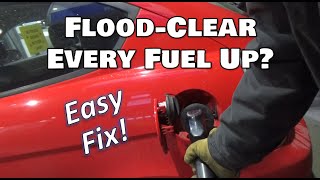
- Confirm the most common symptom: Ask yourself if the car is hard to start after filling the gas tank. If yes, the purge valve is highly suspect. 🎬 Watch this easy fix for starting issues after a fuel up.
- Inspect the Gas Cap: Ensure it is tight and the seal is in good condition.
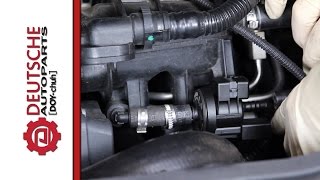
- Locate the EVAP Purge Valve (N80): In the engine bay, find the small solenoid with two hoses and an electrical connector. On the 2.5L engine, it is mounted near the airbox. 🎬 Watch: How to diagnose and replace the N80 on a 2.5L engine.
- Test the Purge Valve: Disconnect the electrical connector and hoses. Try to blow air through the valve. It should be completely sealed. If air passes through, it has failed and needs to be replaced.
- Use a Vacuum Pump (More definitive test): Attach a handheld vacuum pump to the valve's outlet port (the side that goes to the engine). Pump vacuum. The valve should hold the vacuum indefinitely. If the needle drops, the valve is leaking internally and is faulty.
- Inspect Hoses: While the valve is removed, check the connected EVAP hoses for any visible cracks or deterioration.
- Clear the Code: After replacing the faulty part, use an OBD-II scanner to clear the trouble code and turn off the check engine light.
Parts You'll Likely Need
- EVAP Canister Purge Valve (N80 Valve)
(OEM #06E906517A)— This is the most common failure point for code P0496 on this vehicle. It gets stuck open, causing the un-commanded purge flow that the code describes.
Trusted brands: Bosch, Pierburg, Dorman
OEM price range: $50-$75
Aftermarket price range: $25-$50
Related Codes That Often Appear With This One
- P0441 — This code for 'Incorrect Purge Flow' is also directly related to the purge valve's function and often appears for the same reasons as P0496.
- U0284 — Manufacturer Technical Service Bulletins for the Beetle have linked P0496 with U0284 ('Lost Communication With Active Grille Air Shutter Module'). This may indicate an intermittent electrical issue or simply be a common co-occurring code noted during dealer service.
Technical Service Bulletins (TSBs) & Recalls
- VIN4APIN20190617: Notes customer complaints of MIL-on with P0496 on 2019 models.
- VIN4APIN20200803: Notes customer complaints of MIL-on with P0496 on 2013 models.
- VIN4APIN20200720: Notes customer complaints of MIL-on with P0496 on 2013 models.
- VIN4APIN20200624: Notes customer complaints of MIL-on with P0496 on 2013 models.
- VIN4APIN20200617: Notes customer complaints of MIL-on with P0496 on 2013 models.
Platform-Specific Known Issues
- The symptom of being difficult to start after refueling is a classic indicator of a failed purge valve on many German vehicles, including the VW Beetle.
Mechanic-Grade Diagnostic Values
- N80 Purge Valve internal resistance — expected: 15 to 30 Ohms. Failure: A reading outside this range, especially an open circuit (infinite resistance), indicates a failed solenoid coil. A reading of 17.8 Ohms was seen on one failed valve, suggesting that being within spec doesn't always guarantee function, but being out of spec guarantees failure.
- N80 Purge Valve connector voltage (Key On, Engine Off) — expected: Pin 1 should have battery voltage (~12V). Pin 2 is the ground, controlled by the ECU.. Failure: Low or no voltage on Pin 1 indicates a problem with the power supply, likely from the fuel pump relay or a fuse.
- Scan Tool Live Data: EVAP System Pressure (Purge Valve Commanded Closed) — expected: Near 0 kPa (atmospheric pressure).. Failure: A significant negative pressure (vacuum) reading indicates the purge valve is stuck open, allowing engine vacuum to pull on the EVAP system when it shouldn't be.
Scan Tool Commands That Help
- VCDS (VAG-COM) / OBDeleven: Output Test: Activated Charcoal Filter (EVAP) System Solenoid Valve 1 (N80) — This command directly actuates the N80 valve, causing it to click. It's used to confirm that the valve's solenoid is responding to electrical commands from the ECU and that the wiring is intact. If the valve clicks during the test, the electrical circuit is likely good, pointing towards a mechanical issue (stuck open/closed).
- VCDS (VAG-COM) / OBDeleven: Basic Settings: EVAP System Leak Test — After replacing a component, this function can be run to allow the vehicle's internal diagnostics to perform a leak check and help the readiness monitors set more quickly for emissions testing.
Wiring & Ground Locations
- Ground Point 12 — In the left side of the engine compartment, below the headlight and battery tray.. A poor ground connection at this primary engine compartment location can cause intermittent electrical issues for various components, including the circuits that power and control the EVAP system. While not a direct cause, checking this ground for corrosion is a wise step if you suspect electrical faults.
- N80 Valve Connector — Directly on the N80 valve in the engine bay.. Pin 1 is the 12V+ supply (often from the fuel pump relay) and Pin 2 is the ground signal from the ECU. Testing for voltage at Pin 1 and continuity to ground on Pin 2 is essential for diagnosing a no-click condition during an output test.
Real Owner Repair Stories
- YouTube channel 'NoNonsenseKnowHow' (2013 VW Beetle 2.5L) — Check Engine Light with code P0496 for high purge flow.
❌ Tried (didn't work) The video directly proceeds to diagnosis, no other parts were mentioned as being replaced first.
✅ What actually fixed it The N80 purge valve was confirmed to be leaking with a handheld vacuum pump. Replacing the N80 valve (Bosch OEM part) and clearing the code resolved the issue. - VW GTI MKVI Forum user 'Erwan1' (VW GTI (similar engine controls)) — Check Engine Light with code P0444 (EVAP Purge Control Valve Circuit Open), which is related to the N80 valve's electrical circuit.
❌ Tried (didn't work) The N80 valve itself was tested and had correct resistance (~34 Ohms), indicating the valve's coil was likely not the problem.
✅ What actually fixed it The diagnosis pointed to an electrical supply issue. The user measured only 1.25V at the N80 connector instead of the expected ~9-12V, indicating a wiring or power supply fault upstream from the valve, not the valve itself. The final fix was not posted, but the diagnosis correctly identified the problem as electrical, not a failed valve.
OEM Part Supersession History
6e906517→06E906517A— Standard part revision and update by Volkswagen.
Heads up: The new part number is a direct replacement for the old one. The Bosch equivalent part number is 0280142431.
Helpful Videos

Used OEM Parts in Stock
New Aftermarket Parts Available

The information in this article is provided for general reference and educational purposes only. Vehicle specifications, procedures, and part compatibility can vary by production date, trim level, and region. Always consult your vehicle's factory service manual and verify part numbers before purchasing or performing repairs. Safety-critical components such as airbags, seat belts, and braking systems should be installed by a qualified professional.
- Volkswagen BEETLE:
- 🎬 Helpful Videos
- 🛍️ Shop This Part
- What's Unique About the 2013-2019 Volkswagen BEETLE
- Diagnostic Flowchart
- Symptoms You May Notice
- Most Likely Causes
- Rare But Worth Checking
- Diagnosis Steps
- Parts You'll Likely Need
- Related Codes That Often Appear With This One
- Technical Service Bulletins (TSBs) & Recalls
- Platform-Specific Known Issues
- Mechanic-Grade Diagnostic Values
- Scan Tool Commands That Help
- Wiring & Ground Locations
- Real Owner Repair Stories
- OEM Part Supersession History
- 🎟️ Get 5% Off