

P0492 on 2009-2011 Audi Q5: Secondary Air Insufficient Flow (Bank 2) Causes and Fixes
On a 2009-2011 Audi Q5 with the 3.2L V6 (CALB) engine, code P0492 is almost always caused by carbon-clogged secondary air passages inside the cylinder heads. This is a well-documented design flaw. The repair is a labor-intensive cleaning job that often requires special tools and putting the vehicle's front end into a 'service position' to gain access.
- For the 2009-2011 Audi Q5 3.2L, P0492 is most often caused by carbon-clogged air passages inside the cylinder heads, not a bad air pump.
- Diagnosing the problem correctly is crucial to avoid wasting money on a new air pump that won't fix the issue.
- The repair for clogged ports is extremely labor-intensive, requiring removal of the front of the car and special tools, making it a costly job at a repair shop.
- This code is almost always accompanied by P0491 (Bank 1), as the carbon buildup affects both sides of the engine.
- The vehicle is safe to drive with this code, but it will not pass an emissions test until it is resolved.
What's Unique About the 2009-2011 Audi Q5

The 3.2L V6 engine (engine code: CALB) used in the 2009-2011 Q5 is notoriously prone to this specific issue. Over time, carbon deposits from normal combustion and exhaust gases build up and completely block the small air passages drilled through the cylinder heads for the SAI system. While a bad air pump or valve can cause this code on any car, on this specific Audi platform, the root cause is very frequently these clogged internal ports. The problem is so common that Audi issued multiple Technical Service Bulletins (TSBs) and a warranty extension to address it.
Diagnostic Flowchart

Tap your situation to follow the diagnostic path that matches what you're seeing on this vehicle.
Symptoms You May Notice
- Check Engine Light is on
- A loud 'vacuum cleaner' or 'jet engine' noise from the front passenger side of the car for 60-90 seconds after a cold start (this indicates a failing air pump, which can be a separate or related issue caused by backpressure from the clog).
- Failure to pass an emissions inspection
- No noticeable difference in engine performance or drivability.
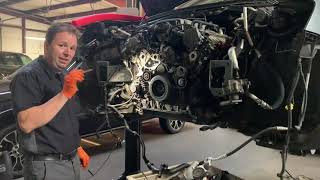
- Replacing the secondary air pump when the actual problem is clogged ports. If the pump runs (you can hear it) but you still have the P0491/P0492 codes, the pump 🎬 Watch: A deep dive into how this system works and fails. is likely not the issue. The problem is that the air it's pumping has nowhere to go due to the blockage.
Most Likely Causes

- Clogged Secondary Air Injection Ports in Cylinder Head 🔴 High Probability This is a widely documented design flaw on Audi's 3.2L V6 (CALB) and related 3.0T engines. Carbon buildup from normal engine operation obstructs the internal air passages over time. Audi has issued TSBs (e.g., 2033001) specifically for this problem. The clog creates backpressure, which can also cause the SAI pump to fail prematurely.
How to confirm: If the SAI pump is confirmed to be running (audibly) and the combi valves are opening (can be tested with a scan tool), but the code persists, clogged ports are the next logical diagnosis. A borescope can be used to visually inspect the ports after removing a freeze plug on the front of each cylinder head. A capable scan tool can also run a system test and measure the relative air mass flow; values below a certain threshold (e.g., 0.7) indicate a blockage.
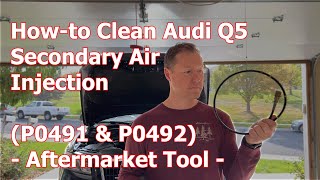
Typical fix: The ports must be professionally cleaned. The official Audi procedure involves using a special tool kit (VAS6825) with flexible hoses and a pressure washer to force the carbon out. Some independent shops have developed alternative methods using manual cleaning with drill bits 🎬 See how to clean clogged ports using an affordable tool. and brushes. This is a very labor-intensive job that requires putting the front of the car in 'service position'.
Est. part cost: $10-$30 for new freeze plugs (Part No. N 0119078). - Failed Secondary Air (Combi) Valve 🟡 Medium Probability The valve can get stuck closed due to carbon buildup or the internal diaphragm can fail. More critically, if it fails and gets stuck open, it allows hot, moist exhaust gas to flow backward into the SAI pump, causing water intrusion and pump failure.
How to confirm: The valve is vacuum-operated. With the engine running, a technician can use a scan tool to command the valve to open and check for vacuum at the valve's diaphragm with a gauge. Alternatively, a manual vacuum pump can be used to apply vacuum directly to the valve to see if it holds vacuum and opens.
Typical fix: Replace the Bank 2 combi valve, which is located on the back of the driver's side cylinder head. It is often recommended to replace both valves at the same time.
Est. part cost: $70-$150 - Failed Secondary Air Injection (SAI) Pump ⚪ Low Probability The pump can fail from age or from water intrusion. Water intrusion is a common killer and is almost always caused by a failed combi valve that allows hot exhaust gas and moisture to flow backward into the pump, corroding the motor's bearings.
How to confirm: Listen for the pump (sounds like a vacuum cleaner) at the front right of the engine bay during a cold start. If it doesn't run, check its 50A fuse (S131) and relay (J299) first. If the fuse and relay are good, apply 12V directly to the pump to see if it powers on. A loud 'jet engine' noise indicates the bearings are failing.
Typical fix: Replace the secondary air injection pump, located at the front of the vehicle, under the right headlight area. If replacing due to noise or water damage, the combi valves must also be inspected and likely replaced.
Est. part cost: $200-$450 - Leaking Hoses or Faulty Relay ⚪ Low Probability
How to confirm: Visually inspect all plastic and rubber hoses connected to the SAI pump and combi valves for cracks or disconnections. The SAI pump relay (J299) is located in the under-hood electronics box/plenum chamber and can be swapped with a similar relay to test for failure.
Typical fix: Replace the cracked hose or the faulty relay.
Est. part cost: $20-$80
Diagnosis Steps
- Read the codes with an OBD-II scanner to confirm P0492 is present, and check if P0491 is also stored.
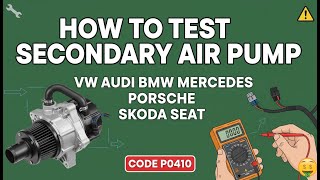
- On a cold start, listen for the SAI pump. It should run for 60-90 seconds and sound like a loud vacuum cleaner. 🎬 Watch: Step-by-step guide to testing your secondary air pump. It is located in the front passenger-side corner of the engine bay.
- If the pump does not run, check the 50A fuse (S131) and the pump relay (J299) in the under-hood relay panel/plenum chamber.
- If the pump runs, visually inspect all associated hoses for cracks, leaks, or loose connections between the pump and the engine.
- Use a capable scan tool (like VCDS) to perform a system output test in 'Basic Settings'. This will command the pump to run and the combi valves to open. Listen for the pump and check for airflow.
- If the pump runs but the code returns, the most likely cause is clogged air passages in the cylinder heads.
- Confirm clogged ports by removing the front engine freeze plug (N 0119078) on the driver's side cylinder head and inspecting the main air gallery with a borescope. The passage will likely be filled with black carbon deposits.
- During diagnosis, a technician may check the relative air mass flow values (e.g., MASS_SA_REL) with a scan tool. A value below 0.7 is a strong indicator of a blockage.
Parts You'll Likely Need
- Secondary Air Injection Port Cleaning — This is not a part, but a service. It is the most common solution for P0492 on the 3.2L V6 engine due to the high likelihood of clogged ports from carbon buildup.
OEM price range: $1700-$2500 (dealer service)
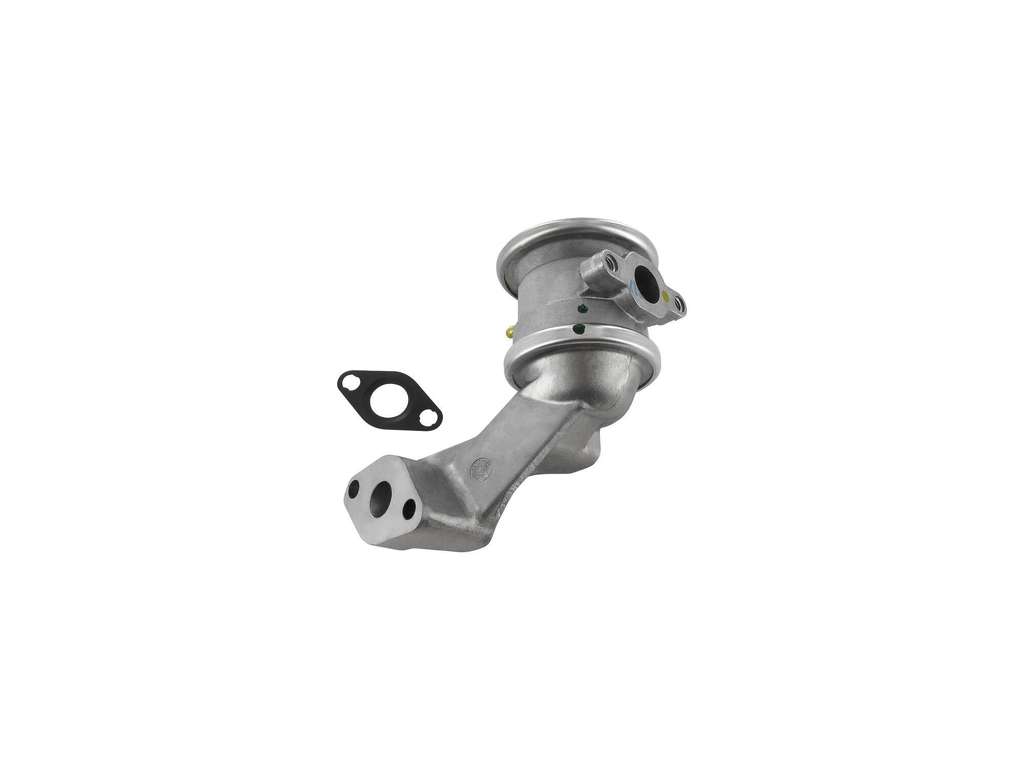
Aftermarket price range: $1200-$1900 (independent shop) - Secondary Air Injection (Combi) Valve
(OEM #06E131102G)— This valve controls airflow into the cylinder head and can get stuck closed due to carbon or diaphragm failure. It can also fail open, allowing moisture to destroy the SAI pump.
Trusted brands: Pierburg, Vaico
OEM price range: $150-$200
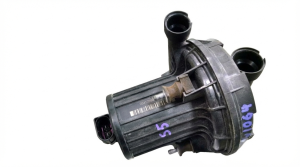
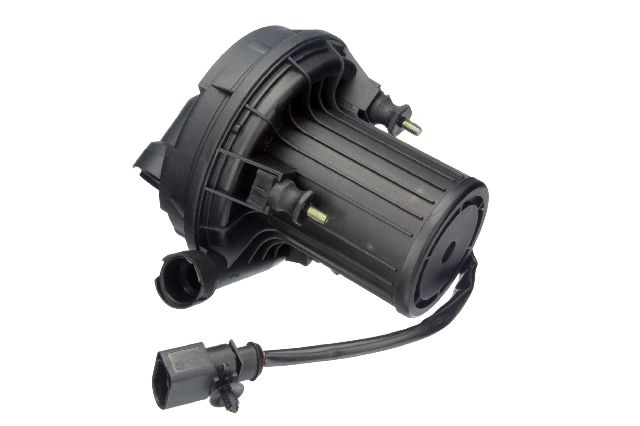
Aftermarket price range: $70-$120 - Secondary Air Injection Pump
(OEM #8K0906601)— The pump provides the air for the system. It can fail due to age or, more commonly, water damage from a faulty combi valve.
Trusted brands: Pierburg (OEM supplier), Bosch
OEM price range: $400-$550
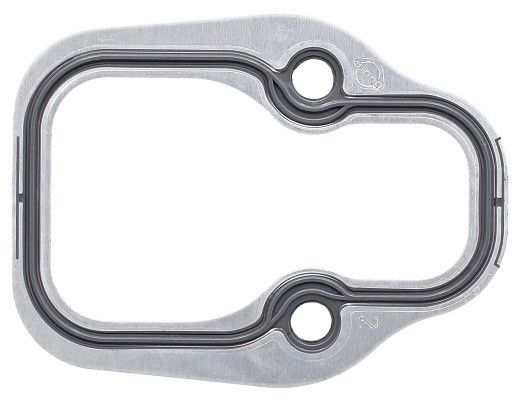
Aftermarket price range: $150-$300 - Cylinder Head Sealing Plug (Freeze Plug)
(OEM #N 0119078)— These plugs must be removed to access the SAI ports for inspection and cleaning, and they are single-use items that must be replaced.
Trusted brands: Audi Genuine
OEM price range: $5-$15 each
Related Codes That Often Appear With This One
- P0491 — P0491 is the identical 'Insufficient Flow' code but for Bank 1 (passenger side). Because the most common cause is carbon buildup that affects the entire engine's port system, it is extremely common for both codes to appear at the same time, as noted in Audi TSB #26 12 15 2026528.
Technical Service Bulletins (TSBs) & Recalls

- 26 12 15 2026528: Notes that DTC P0491 and P0492 are often stored at the same time.
- 01 13 24 / 2033001 (multiple revisions): Describes the carbon buildup in secondary air ports and the official procedure for cleaning them using a pressure washer and special tool VAS6825.
Platform-Specific Known Issues
- Audi issued Technical Service Bulletin (TSB) 2033001 (also listed as 01 13 24 and several other revisions) detailing the issue of carbon-clogged secondary air ports on the 3.2L V6 engine and outlining the special pressure-washing cleaning procedure required.
Mechanic-Grade Diagnostic Values
- SAI Relative Air Mass Flow (VCDS/ODIS) — expected: A value between 1.3 and 1.6 on systems with newer software versions.. Failure: A value between 0.1 and 0.7 indicates the pump and hoses are likely fine, but the cylinder head ports are clogged.
Scan Tool Commands That Help
- VCDS or ODIS: Engine (01) -> Basic Settings -> Group 077 (Secondary Air Injection System) — This test commands the SAI pump to run and the combi valves to open, allowing a technician to check for pump operation and listen for airflow. On some models, the brake and gas pedals must be pressed simultaneously to initiate the test.
- VCDS or ODIS: Engine (01) -> Output Tests (03) — This allows a technician to sequentially activate individual components, including the Secondary Air Pump Relay (J299), to verify the electrical circuit is functioning correctly before testing the pump itself.
Wiring & Ground Locations
- J299 (SAI Pump Relay) — In the electronics box located in the plenum chamber (under the cowl, near the driver's side windshield base). It is often one of several identical relays labeled '643'.. This relay provides power to the SAI pump. If the pump doesn't run at all, a failed relay is a primary suspect after checking the fuse.
- S131 / S130 (SAI Pump Fuse) — A large 50A or 40A fuse located in the same electronics box in the plenum chamber as the J299 relay.. This is the main fuse for the high-current SAI pump motor. If blown, the pump will not receive power. Its location under the cowl makes it difficult to access compared to other fuse panels.
- Engine Ground Strap (GND) — A primary engine-to-chassis ground connection is located on the left (driver's side) front long member/frame rail. Another is on the right engine mount bracket.. While not a direct cause, a poor engine ground can cause a variety of electrical issues and fault codes. Ensuring this connection is clean and tight is a good practice during any major engine-related electrical diagnosis.
Real Owner Repair Stories
- Ross-Tech Forums user (2010 Audi Q5 3.2L with 113,599 miles) — P0491 and P0492 codes returned immediately after readiness was set. The car ran perfectly otherwise.
❌ Tried (didn't work) Verified pump motor was working and turning on., Smoke tested all hoses from the pump to the combi valves., Verified combi valves were functioning correctly with a vacuum tester., Performed a carbon cleaning on the main cylinder head passages and verified they were clear with a borescope., Removed O2 sensors to listen for airflow, which seemed present.
✅ What actually fixed it The user had cleaned the main horizontal air gallery but had missed the smaller, individual vertical ports that branch off to each cylinder's exhaust port. A Ross-Tech employee suggested that these smaller, 90-degree passages were still clogged, which is a common oversight. The final fix required re-cleaning with a focus on these individual ports as detailed in the TSB.
Helpful Videos
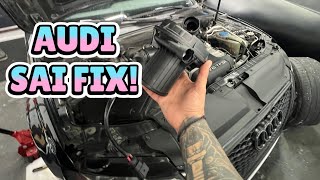
Used OEM Parts in Stock

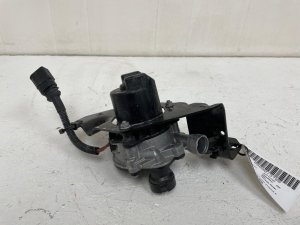
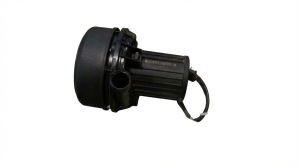
New Aftermarket Parts Available




The information in this article is provided for general reference and educational purposes only. Vehicle specifications, procedures, and part compatibility can vary by production date, trim level, and region. Always consult your vehicle's factory service manual and verify part numbers before purchasing or performing repairs. Safety-critical components such as airbags, seat belts, and braking systems should be installed by a qualified professional.
- Audi Q5:
- 🎬 Helpful Videos
- 🛍️ Shop This Part
- What's Unique About the 2009-2011 Audi Q5
- Diagnostic Flowchart
- Symptoms You May Notice
- Most Likely Causes
- Diagnosis Steps
- Parts You'll Likely Need
- Related Codes That Often Appear With This One
- Technical Service Bulletins (TSBs) & Recalls
- Platform-Specific Known Issues
- Mechanic-Grade Diagnostic Values
- Scan Tool Commands That Help
- Wiring & Ground Locations
- Real Owner Repair Stories
- 🎟️ Get 5% Off