

P0491 on 2009-2011 Audi Q5: Secondary Air Insufficient Flow Causes and Fixes
On a 2009-2011 Audi Q5 with the 3.2L V6 FSI (CALB) engine, code P0491 is most often caused by carbon-clogged secondary air ports inside the cylinder head. While other parts can fail, this is a well-documented issue that requires a specific, labor-intensive cleaning procedure detailed in Audi TSB 2033001.
- On the 2009-2011 Audi Q5 3.2L, P0491 is most frequently caused by carbon-clogged air passages in the cylinder head, not a bad air pump.
- If you also have code P0492, the likelihood of clogged passages is extremely high.
- The repair for clogged ports is labor-intensive and can be expensive, but it is a well-documented problem with a specific cleaning procedure outlined by Audi.
- Driving with this code will not harm the engine, but it will cause an automatic failure on an emissions test.
What's Unique About the 2009-2011 Audi Q5

The 3.2L FSI V6 engine (engine code CALB) used in the first-generation Audi Q5 is notoriously prone to a specific failure that causes the P0491 code: severe carbon buildup inside the secondary air passages within the cylinder heads. While any part of the system can fail, these clogged ports are the most common culprit, especially when P0491 appears alongside P0492 (for Bank 2). The issue is so prevalent that Audi issued Technical Service Bulletin (TSB) 2033001, which details a special power-washing procedure to clear the ports, and even offered a 10-year/120,000-mile emissions warranty extension to cover the repair.
Diagnostic Flowchart

Tap your situation to follow the diagnostic path that matches what you're seeing on this vehicle.
Symptoms You May Notice
- Check Engine Light (MIL) is on.
- A loud 'vacuum cleaner' or 'jet engine' noise on a cold start that lasts for 30-90 seconds can indicate a failing secondary air pump motor, often from worn bearings due to moisture.
- No noticeable difference in engine performance or drivability once the engine is warm.
- Vehicle fails state emissions inspection.
- Replacing the secondary air pump when the actual problem is clogged ports. If the pump can be heard running (or runs when commanded by a scan tool) but codes P0491 and P0492 are present, the pump is not the root cause. The clogged ports are creating a blockage the pump cannot overcome.
Most Likely Causes

- Clogged Secondary Air Injection Ports 🔴 High Probability The 3.2L Direct Injection (FSI) engine design leads to significant carbon accumulation in the small secondary air passages inside the cylinder heads. Over time, this carbon chokes off airflow, causing the 'Insufficient Flow' codes. This is the most common failure on this engine when P0491 and P0492 are present together.
How to confirm: The definitive test is with a capable scan tool (like VCDS or ODIS). Perform a 'Secondary Air System Check' in Basic Settings. If the test shows high back-pressure (e.g., PRS_SA_DIF > 170mbar) but low relative mass flow (e.g., MASS_SA_REL < 0.6), it confirms a restriction, pointing directly to clogged ports. Visually, a borescope can be used to inspect the ports after removing some components.
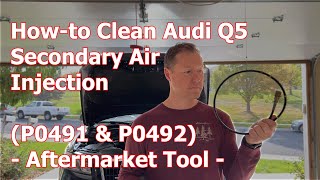
Typical fix: The ports must be physically cleaned. The official Audi procedure (TSB 2033001) requires putting the vehicle's front end into 'service position', draining coolant, removing spark plugs, and using a special tool kit (VAS6825) with a pressure washer to blast the carbon out. Aftermarket versions of the tool exist. 🎬 See how to clean ports using an affordable aftermarket tool. This is a labor-intensive job (dealer quoted at ~9 hours). An oil and filter change is mandatory after the procedure.
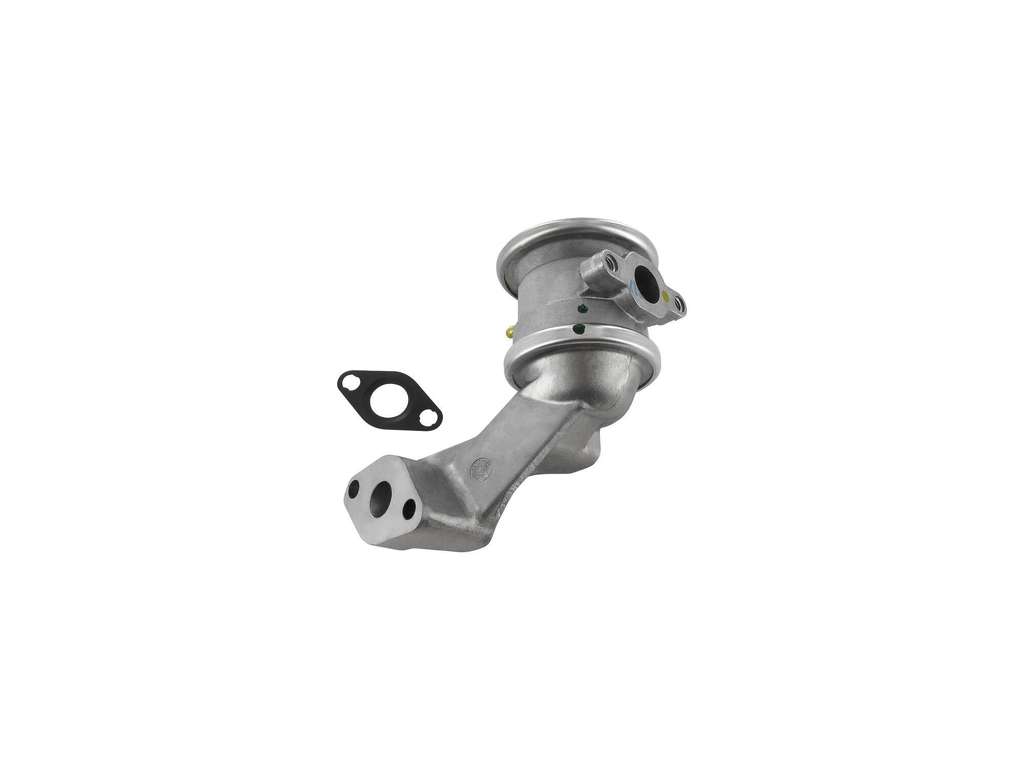
Est. part cost: $25 (freeze plugs) - $200 for gaskets, seals, and fluids. - Failed Secondary Air Injection (SAI) Pump 🟡 Medium Probability The pump motor can fail from age or seize due to moisture entering the housing, often from a faulty combi valve. A seized pump will draw excess current and blow the fuse. A pump can also fail from working too hard against clogged ports.
How to confirm: Listen for the pump (sounds like a vacuum cleaner) during the first minute of a cold start. If there's no sound, check the fuse and relay. A scan tool can command the pump on for testing. You can also apply direct 12V power to the pump connector to see if it runs; it is located behind the passenger side front bumper/grille area. 🎬 Watch this video to locate and replace the injection pump.
Typical fix: Replace the secondary air injection pump. The OEM supplier is often Pierburg. It is critical to also inspect the combi valves and hoses for moisture, as a bad valve can cause the new pump to fail prematurely.
Est. part cost: $200-$550 - Leaking Hoses or Faulty Combi Valve ⚪ Low Probability The system's rubber and plastic hoses can become brittle, soft, and crack over time due to engine heat. The combination (combi) valves, which are vacuum-actuated check valves, can get stuck open or closed due to carbon buildup.
How to confirm: Visually inspect all hoses connected to the SAI pump and combi valves for cracks or disconnections. A smoke test can identify hard-to-see leaks. The combi valves can be tested by applying vacuum with a hand pump (like a Mityvac) to see if they open and hold vacuum.
Typical fix: Replace the cracked hose or faulty combination valve.
Est. part cost: $50-$150 - Failed SAI Pump Relay or Blown Fuse ⚪ Low Probability
How to confirm: If the pump does not run, locate the fuse and relay. The 40A maxi fuse (S130) and relay (J299) are located in the tricky-to-access electronics box in the engine bay plenum chamber, under the plastic cowl cover near the windshield. Test the relay and check the fuse. If the fuse is blown, suspect a seized SAI pump drawing too much current.
Typical fix: Replace the faulty relay or blown fuse. If the fuse blows again, the SAI pump motor is almost certainly seized and must be replaced.
Est. part cost: $15-$50
Diagnosis Steps
- Read the fault codes with an OBD-II scanner. Note if P0491 is alone or present with P0492. 🎬 Watch: A breakdown of these specific Audi fault codes.
- On a cold start, listen for the SAI pump running for the first 30-90 seconds. It should sound like a small vacuum cleaner from the front passenger side.
- If the pump does not run, inspect the 40A SAI pump fuse (S130) and relay (J299) in the plenum chamber E-box.
- If the fuse and relay are good, use a scan tool (VCDS, ODIS) to run an output test to command the SAI pump on. Check for power at the pump connector. If power is present but the pump doesn't run, the pump has failed.
- If the pump runs, perform the 'Secondary Air System Check' via the scan tool's Basic Settings. This test pressurizes the system and measures flow.
- Analyze the test results: High back-pressure with low mass airflow confirms a restriction, pointing directly to clogged ports as described in TSB 2033001.
- If the pump runs but the test fails with low pressure, visually inspect all associated hoses for cracks or disconnections and test the combi valves with a vacuum pump.
- Confirming clogged ports requires proceeding with the cleaning procedure outlined in Audi TSB 2033001, which is a significant undertaking.
Parts You'll Likely Need

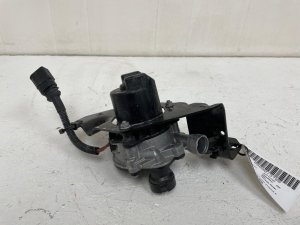
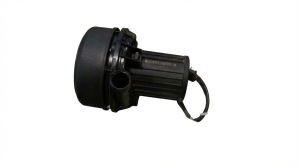
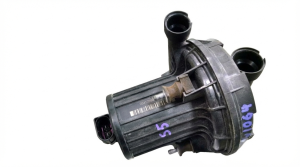
- Secondary Air Injection Pump
(OEM #079959231L)— The pump motor can burn out or seize, especially if moisture enters the system or if it's forced to work against clogged ports. A loud whining noise on cold start is a key symptom of impending failure.
Trusted brands: Genuine Audi, Pierburg (OEM)
OEM price range: $450-$600
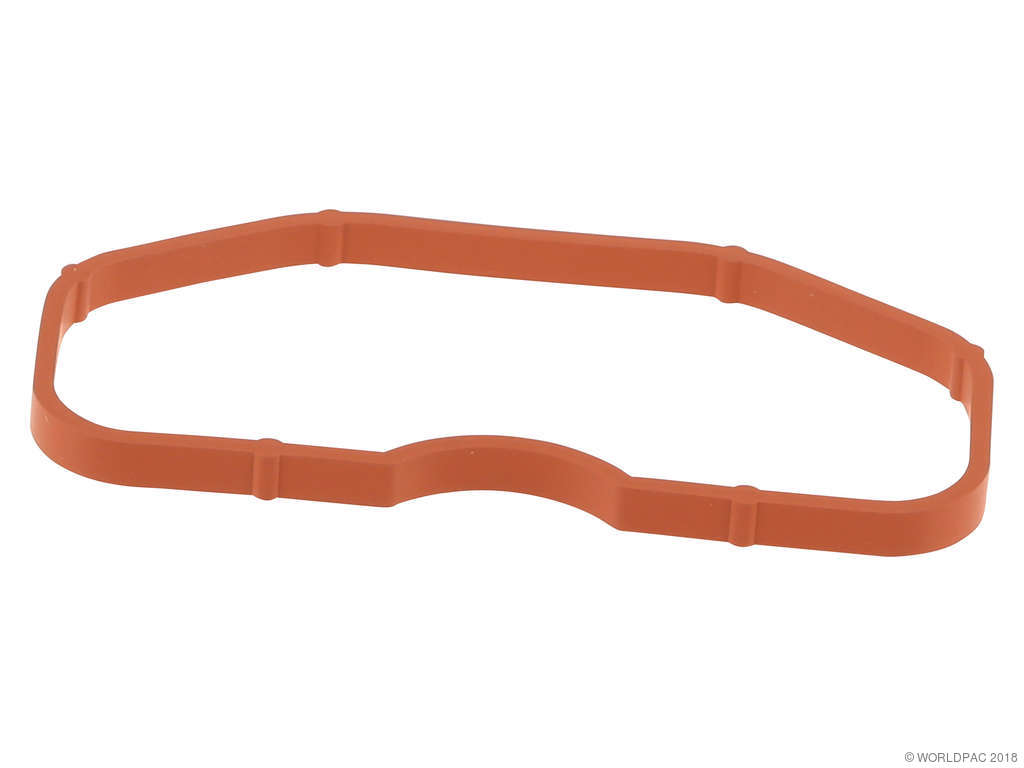
Aftermarket price range: $200-$350 - Intake Manifold Gasket Set
(OEM #06E129717)— Required when performing the carbon cleaning procedure for the secondary air ports, as various components covering the cylinder heads must be removed.
Trusted brands: Victor Reinz, Elring
OEM price range: $60-$90
Aftermarket price range: $30-$50 - SAI Port Cleaning Freeze Plugs — The original metal caps on the ends of the SAI passages in the cylinder head must be drilled out to perform the cleaning procedure and replaced with new ones. Some aftermarket cleaning tool kits include these.
Trusted brands: Included with some toolkits
OEM price range: $10-$25
Aftermarket price range: $10
Related Codes That Often Appear With This One
- P0492 — P0492 is the identical 'Insufficient Flow' code but for Bank 2 (driver's side). When both codes appear together, it strongly suggests a problem common to both banks. While this could be a failed air pump, on the 3.2L FSI engine it is the hallmark symptom of carbon-clogged ports in both cylinder heads.
Technical Service Bulletins (TSBs) & Recalls
- 2033001 / 01 16 69 (and revisions): This is the primary TSB. It describes the widespread problem of carbon-clogged secondary air ports on 3.2L and 3.0T
Platform-Specific Known Issues
- Audi TSB 2033001 (and its revisions like /2, /5, etc.) is the definitive document for this issue. It applies to the Q5 3.2L (CALB) and confirms that when P0491 and P0492 are stored together with over 15,000 miles, the cause is carbon-restricted ports.
- The TSB outlines a specific power-washing procedure using the VAS6825 tool kit, requiring the front of the car to be put in 'service position' for access.
- Audi of America offered an extended emissions warranty for this specific issue, covering the cleaning procedure for 10 years or 120,000 miles. Many vehicles are now outside this coverage period, leading to high out-of-pocket repair costs for owners.
Mechanic-Grade Diagnostic Values
- SAI Pressure Sensor (G609) Connector Voltage — expected: ~5.0V DC. Failure: No voltage indicates a wiring or ECM issue.
- SAI Pressure Sensor (G609) Wiring Resistance — expected: Max 1.5 Ohms. Failure: Higher resistance indicates an open or corroded wire between the sensor connector and the ECM.
Scan Tool Commands That Help
- VCDS/ODIS/Autel: Output Test Mode (DTM) / Active Test for SAI Pump Relay (J299) — Use this when the SAI pump does not run on a cold start. Activating the relay with a scan tool helps determine if the fault is with the relay, wiring, and pump, or if the ECM is simply not commanding it on. You should hear the relay click and the pump run.
Wiring & Ground Locations
- J299 — In the electronics box located in the engine bay plenum chamber, under the plastic cowl cover near the windshield. In a 2010 Q5, it corresponds to position 'D' in a user-provided photo.. This is the specific relay that powers the Secondary Air Injection pump. If the pump doesn't run, a failed relay is a possible cause after checking the fuse. Associated wire colors may include red/yellow, brown/green, red/white, and red/grey.
- 609 — Ground connection point located in the plenum chamber on the right side.. A poor ground connection for components in the plenum chamber, where the SAI relay and ECM are located, can cause intermittent or total failure of the SAI system's electrical circuit.
- 12 — Main ground connection point in the engine compartment on the left side.. This is a primary engine ground. While not specific to the SAI pump itself, a faulty main ground can cause a wide range of electrical issues, including problems with the engine control module that manages the SAI system.
Real Owner Repair Stories
- AudiWorld Forums user 'alexwilliams415' (2012 Audi Q5 3.2L) — P0491 and P0492 codes present. Two independent shops were unable to diagnose and referred the owner to an Audi dealer.
❌ Tried (didn't work) Took to multiple independent European auto shops.
✅ What actually fixed it The issue was identified by another forum user as the classic clogged secondary air ports. The owner confirmed this was the known issue but that his vehicle was just outside the 10-year extended warranty window for the repair. - Premier Automotive Diagnostics (YouTube) (2010 & 2012 Audi Q5 3.2L) — Check Engine Light with codes P0491 and P0492. No drivability issues.
❌ Tried (didn't work) The video explicitly warns against just replacing the SAI pump, as it won't fix the issue if the ports are clogged.
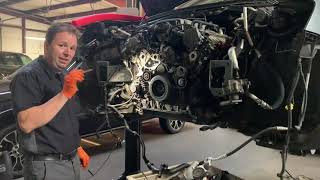
✅ What actually fixed it The video documents two separate vehicles with the same codes, both requiring the extensive port cleaning procedure. The mechanic shows the clogged passages with a borescope and details the process of removing the front bumper, coolant pipes, and using special tools to pressure wash the carbon out of the cylinder heads.
"I Checked Everything" — The Actual Cause
- In the context of P0491, a smoke test is used to check for leaks in the hoses between the SAI pump and the combination valves. If the smoke test passes (is 'clean'), it rules out cracked or disconnected hoses. If the pump is also confirmed to be running, this combination of results strongly points towards an internal restriction within the cylinder head passages, which is the most common cause on this vehicle.
OEM Part Supersession History
079959231, 079959231K→079959231L— Likely internal improvements to motor durability or design to better withstand conditions.
Heads up: The parts are interchangeable, but it is always recommended to use the latest revision (079959231L) when replacing.
Helpful Videos
Used OEM Parts in Stock

New Aftermarket Parts Available



The information in this article is provided for general reference and educational purposes only. Vehicle specifications, procedures, and part compatibility can vary by production date, trim level, and region. Always consult your vehicle's factory service manual and verify part numbers before purchasing or performing repairs. Safety-critical components such as airbags, seat belts, and braking systems should be installed by a qualified professional.
- Audi Q5:
- 🎬 Helpful Videos
- 🛍️ Shop This Part
- What's Unique About the 2009-2011 Audi Q5
- Diagnostic Flowchart
- Symptoms You May Notice
- Most Likely Causes
- Diagnosis Steps
- Parts You'll Likely Need
- Related Codes That Often Appear With This One
- Technical Service Bulletins (TSBs) & Recalls
- Platform-Specific Known Issues
- Mechanic-Grade Diagnostic Values
- Scan Tool Commands That Help
- Wiring & Ground Locations
- Real Owner Repair Stories
- "I Checked Everything" — The Actual Cause
- OEM Part Supersession History
- 🎟️ Get 5% Off