

P0461 on 2009-2016 Volkswagen Jetta: Fuel Gauge Problems and Fixes
On a 2009-2016 VW Jetta, code P0461 is almost always caused by a faulty fuel level sending unit in the gas tank. This results in an erratic or incorrect fuel gauge. Replacing the sender, which is often part of the fuel pump assembly, is the typical fix. Corrosion on wiring or a bad ground strap can also be culprits.
- P0461 on a 2009-2016 Jetta points directly to a problem with the fuel level reading system.
- The most likely culprit is a bad fuel level sending unit located inside the fuel tank.
- Symptoms are an erratic or non-functional fuel gauge, but the car will still drive normally.
- The repair is DIY-friendly for those comfortable working with fuel system components; access is under the rear seat.
- Always replace the fuel tank seal when replacing the sender to prevent dangerous fuel leaks and fumes.
What's Unique About the 2009-2016 Volkswagen JETTA

For this era of Volkswagen Jetta, the P0461 code is a relatively common issue as the vehicles age. The problem is almost always mechanical or electrical at the tank, not a software or complex computer issue. The fuel level sensor is a known wear item, and its resistive strip can degrade or get contaminated over time. Accessing the sensor is straightforward for a DIYer, as it's typically located under the rear seat, avoiding the need to drop the entire fuel tank. On some newer VW group vehicles, software glitches have been known to erroneously trigger P0461, but for the 2009-2016 Jetta, the hardware is the primary suspect.
Diagnostic Flowchart

Tap your situation to follow the diagnostic path that matches what you're seeing on this vehicle.
Generation note: This range covers two Jetta generations: the A5 (Mk5, 2009-2010) and A6 (Mk6, 2011-2016). The cause and repair procedure are very similar for both, involving access to the fuel tank from under the rear seat. However, the specific part numbers for the fuel sending unit or fuel pump assembly will differ between generations and engine types, so always verify with your vehicle's VIN. For example, a common part number for a Mk6 Jetta is 1K0919051DA.
🎬 Watch: Step-by-step fuel pump module assembly replacement guideSymptoms You May Notice
- Fuel gauge fluctuates erratically or jumps between full and empty.
- Fuel gauge is stuck on 'Empty' or 'Full', regardless of the actual fuel level.
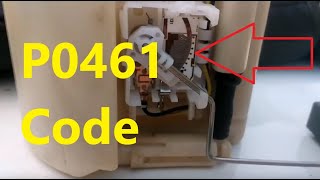
- Check Engine Light is illuminated. 🎬 Watch: Understanding the causes and fixes for the P0461 code
- Low fuel warning light stays on even with a full tank, or flashes.
- The 'miles to empty' or 'range' display is inaccurate and unreliable.
- Replacing the instrument cluster first. This is an expensive repair that is rarely the cause of P0461.
- Replacing the entire fuel pump assembly when only the separate sending unit has failed (if applicable to your specific model). Some models have the sender integrated, while others allow it to be replaced separately.
Most Likely Causes

- Faulty Fuel Level Sending Unit 🔴 High Probability The variable resistor strip on the sensor wears out over time or can be affected by contaminants or moisture in the fuel, leading to dead spots or incorrect resistance readings. This is a common failure on many vehicles after 80,000+ miles.
How to confirm: Access the top of the fuel tank. Disconnect the sensor and measure its resistance with a multimeter while manually moving the float arm. The resistance should change smoothly from approximately 250 Ohms (empty) to 20 Ohms (full). If it jumps, drops out, or doesn't change, the sender is bad.
Typical fix: Replace the fuel level sending unit. It is often sold as part of the complete in-tank fuel pump module. Always replace the large rubber gasket/seal at the same time to prevent fuel leaks and vapor smells.
Est. part cost: $50-$250 - Wiring or Connector Issue 🟡 Medium Probability The connector on top of the fuel pump assembly is located under an access cover below the rear seat, but it can still be exposed to dirt and moisture, which can lead to corrosion over time. Wires can also become frayed or damaged from friction or previous repairs.
How to confirm: Visually inspect the wiring harness and connector pins at the top of the fuel pump assembly for corrosion, damage, or loose connections. Check for proper voltage (typically a 5V or 12V reference) and ground at the connector using a multimeter. A poor ground connection at the fuel tank's grounding strap is also a known cause.
Typical fix: Clean the connector terminals with an electrical contact cleaner and a small brush. If wires are damaged, they must be repaired with new wire and heat-shrink connectors. Ensure the fuel tank ground strap is clean and tight.
Est. part cost: $5-$25 - Stuck or Separated Fuel Float ⚪ Low Probability The plastic float arm can become brittle with age and either get stuck due to debris in the tank or, in some cases, completely separate from the sending unit's resistor arm.
How to confirm: After removing the fuel pump/sending unit assembly from the tank, visually inspect the float and arm. Check if it moves freely through its full range of motion and is securely attached.
Typical fix: If the float is simply separated, it can sometimes be reattached. However, if the arm or float is broken, the entire sending unit must be replaced.
Est. part cost: $50-$250
Rare But Worth Checking
- Faulty Instrument Cluster: If the sending unit and wiring test perfectly, the problem could be with the physical gauge in the instrument cluster. This is uncommon and should be considered a last resort. A gauge sweep test using an advanced scan tool can help diagnose this.
- Faulty Powertrain Control Module (PCM): In very rare cases, the PCM's internal circuit for interpreting the fuel level signal can fail. This is highly unlikely and requires professional diagnosis to confirm after all other possibilities have been exhausted.
Diagnosis Steps
- Read the code with an OBD-II scanner to confirm P0461 is present. Note any other codes.
- Check the fuel gauge's behavior. Note if it's stuck, erratic, or completely dead.
- Using a scan tool with live data, monitor the fuel level sensor voltage. It should typically range from ~0.5V (full) to ~4.5V (empty) and change steadily, not erratically.
- Check fuses related to the fuel pump and instrument cluster in the vehicle's fuse box.
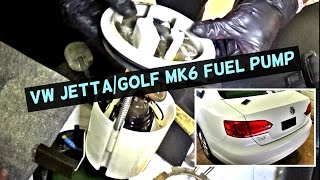
- Gain access to the fuel pump assembly by removing the rear seat bottom cushion and the black metal access cover. 🎬 See how to remove the fuel pump on a Mk6 Jetta
- Disconnect the electrical connector from the top of the fuel pump assembly. Inspect for any signs of corrosion, moisture, or damage on the pins and harness.
- With a multimeter, test for correct reference voltage and ground at the connector to rule out a wiring issue leading to the tank.
- If wiring seems okay, remove the fuel pump/sending unit assembly from the tank. A special lock ring tool is highly recommended to avoid damaging the plastic ring.
- Visually inspect the sending unit. Check if the float is attached and moves freely.
- Test the sending unit's resistance by connecting a multimeter to the sensor's pins and sweeping the float arm up and down. The resistance value should change smoothly without any dropouts or open spots (e.g., ~250 Ohms at empty to ~20 Ohms at full).
- If the sensor fails the resistance test, replace it.
- If the sensor and wiring are good, the problem may lie with the instrument cluster, which requires more advanced diagnostics.
Parts You'll Likely Need

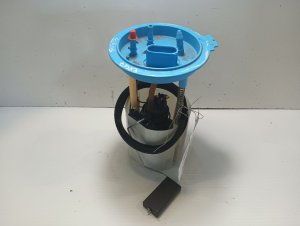
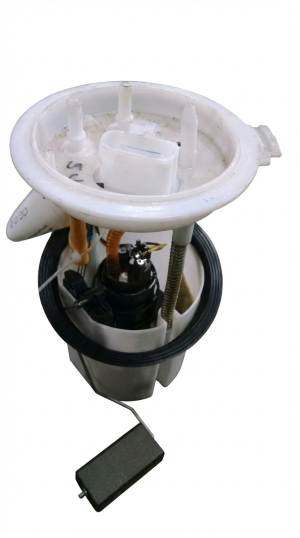
- Fuel Level Sending Unit
(OEM #Varies by model; often part of the fuel pump assembly. (e.g., 1K0919673AF for some Mk6 models).)— This is the component that fails most often, causing the P0461 code. The internal resistor wears out or gets contaminated.
Trusted brands: Bosch, VDO (OEM supplier), Topran, Continental
OEM price range: $150-$250
Aftermarket price range: $50-$150 - Fuel Pump Assembly Seal / Gasket
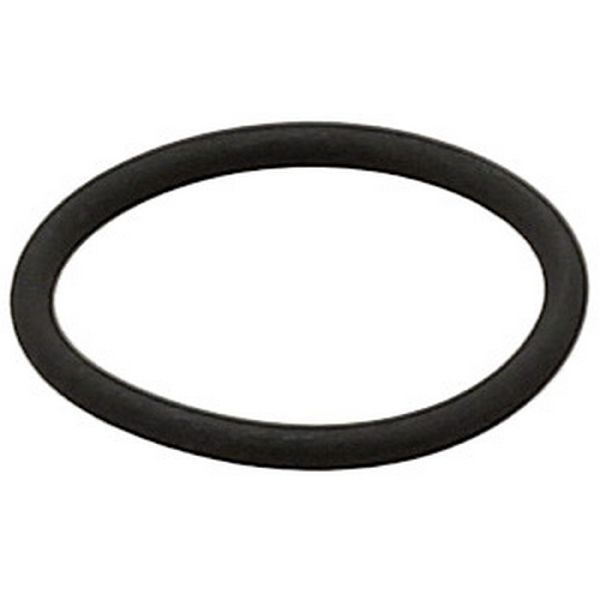
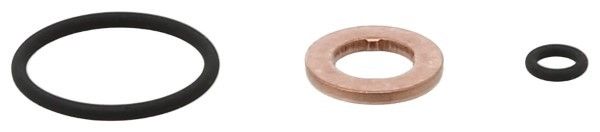
(OEM #1J0919133B (example, verify with VIN))— This seal is crucial for preventing fuel vapors from entering the cabin and fuel from leaking. It loses its elasticity and should always be replaced when the fuel pump assembly is removed.
Trusted brands: Volkswagen (OEM), Elring, Vaico
OEM price range: $15-$30
Aftermarket price range: $10-$20
Technical Service Bulletins (TSBs) & Recalls
- VIN4APIN20210728: Mentions a customer complaint of MIL-on with P0461 in the ECM, among other issues.
- VW TSB 01-23-06 (NHTSA ID: 10237751): While for newer 2020-2022 models, this TSB shows that certain refueling behaviors can lead to an erroneous P0461 code due to software sensitivity. This highlights a potential for software-related triggers within the VW family, though less likely for the 2009-2016 range.
Platform-Specific Known Issues
- VWVortex Forum Owner Experience: A thread on vwvortex.com titled 'Fuel gauge problems, P0461' details a 2012 Jetta owner's experience with an erratic fuel gauge. The issue was resolved by replacing the fuel sending unit. The owner confirmed the part number for their 2.5L model was 1K0919673AF, which is the sender itself, separate from the pump.
- NHTSA TSB #VIN4APIN20210728: Lists P0461 as a possible fault on a 2012 Jetta, but provides no specific diagnostic information, as it's part of a long list of unrelated customer complaints for a single vehicle.
Mechanic-Grade Diagnostic Values
- Fuel Level Sender Resistance (General VW) — expected: Approx. 10 Ohms (Full) to 73 Ohms (Empty). The reading should change smoothly as the float arm is moved.. Failure: Readings are erratic, jump suddenly, show an open circuit (infinite resistance), or are significantly outside the expected range.
- Fuel Level Sender Resistance (Alternate VW Spec) — expected: Approx. 270 Ohms (Full) to 70 Ohms (Empty). Note the inverted range compared to other specifications.. Failure: This highlights the variability in parts. An unexpected range may be correct for the specific part installed. The key is a smooth sweep, not specific numbers unless verified by a service manual.
- Fuel Pump Circuit Voltage Drop (Under Load) — expected: Less than 0.5 Volts on both the power and ground wires.. Failure: A voltage drop greater than 0.5V indicates high resistance in the circuit, which could be caused by a corroded wire, loose connection, or failing relay.
Scan Tool Commands That Help
- VCDS (VAG-COM): Instrument Cluster (17) -> Output Tests (03) -> Analog Indicators — This is a critical first step to rule out a faulty instrument cluster. The command initiates a full sweep of all gauges. If the fuel gauge needle sweeps smoothly from empty to full and back to a calibration point, the gauge itself is functional, pointing the diagnosis towards the sender or wiring.
- VCDS (VAG-COM): Instrument Cluster (17) -> Measuring Blocks — To view the raw resistance (Ohm) value being reported by the fuel level sender(s). This allows you to see the value the cluster is receiving without removing the sender from the tank. Rocking the vehicle or adding fuel should cause this value to change.
- VCDS (VAG-COM): Instrument Cluster (17) -> Adaptation (10) -> Channel for Fuel Gauge — After replacing a fuel level sender, if the gauge is still slightly inaccurate (e.g., doesn't show completely full). This function allows for fine-tuning the gauge calibration by small amounts to match the output of the new sender.
Wiring & Ground Locations
- Fuel Pump Connector Wires (at the tank) — On top of the fuel pump assembly, under the rear seat access cover.. Knowing the wire functions is essential for testing. Based on owner forums for similar models, the typical wire colors are: Lilac (sender signal) and Brown/Gray (sender ground). The other two wires, often Red/Yellow and Brown, are for the fuel pump motor itself.
- Fuel System Ground Strap — A braided metal strap connecting the fuel tank or filler neck to the vehicle's chassis.. Corrosion on this ground strap is a known cause for erratic fuel level readings and can trigger a P0461. Cleaning the connection points to bare metal can resolve the issue.
OEM Part Supersession History
1K0919673AF→N/A— This is a widely available OEM part number for the separate fuel level sender (not the entire pump assembly) used in many Mk6 Jettas.
Heads up: This part is for vehicles where the sender is a separate component from the fuel pump. On models where the sender is integrated, the entire fuel pump assembly must be replaced. Always verify by VIN, as different engines (2.5L, TDI, TSI) may use different assemblies.
Model Year Variations Within This Range
- 2011-2016 (Mk6): Forum discussions among technicians suggest that the fuel level measurement strategy may have changed with the introduction of the Mk6 platform in 2011. While the physical components are similar, the way the instrument cluster interprets the resistance from the sender may be different from the earlier Mk5 models.
Helpful Videos

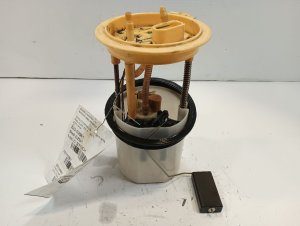
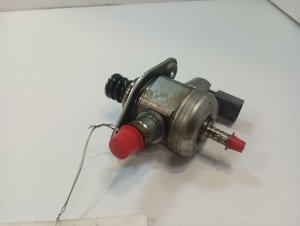
Used OEM Parts in Stock


New Aftermarket Parts Available
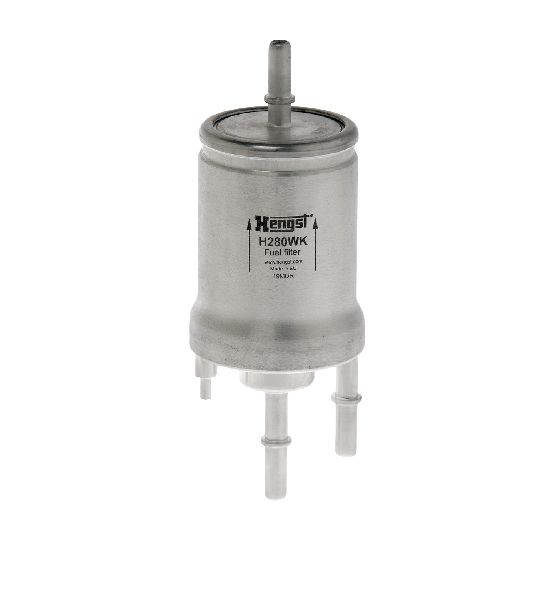
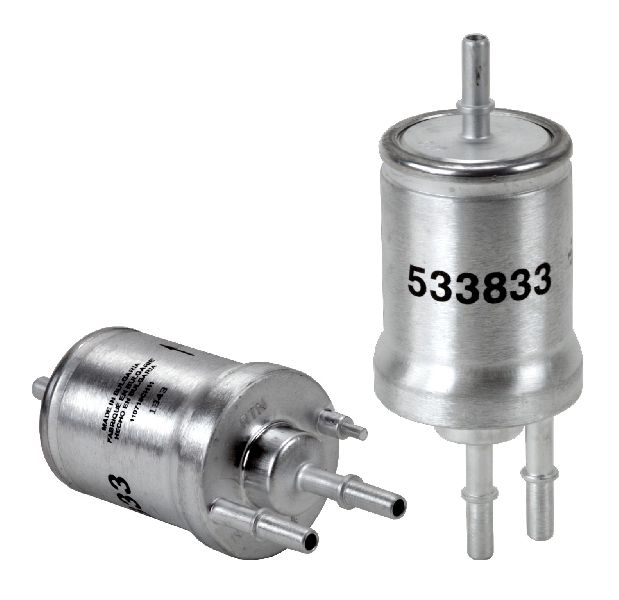

The information in this article is provided for general reference and educational purposes only. Vehicle specifications, procedures, and part compatibility can vary by production date, trim level, and region. Always consult your vehicle's factory service manual and verify part numbers before purchasing or performing repairs. Safety-critical components such as airbags, seat belts, and braking systems should be installed by a qualified professional.
- Volkswagen JETTA:
- 🎬 Helpful Videos
- 🛍️ Shop This Part
- What's Unique About the 2009-2016 Volkswagen JETTA
- Diagnostic Flowchart
- Symptoms You May Notice
- Most Likely Causes
- Rare But Worth Checking
- Diagnosis Steps
- Parts You'll Likely Need
- Technical Service Bulletins (TSBs) & Recalls
- Platform-Specific Known Issues
- Mechanic-Grade Diagnostic Values
- Scan Tool Commands That Help
- Wiring & Ground Locations
- OEM Part Supersession History
- Model Year Variations Within This Range
- 🎟️ Get 5% Off