

P0460 on 2016-2020 Nissan NV: Fuel Level Sensor Circuit Fixes
On a 2016-2020 Nissan NV, code P0460 is almost always caused by a faulty fuel level sensor in the gas tank. A Nissan Technical Service Bulletin (NTB22-026) confirms this widespread issue. The sensor can be replaced separately from the fuel pump, with parts costing around $80-$150. The job requires dropping the fuel tank as there is no access panel.
- P0460 on a 2016-2020 Nissan NV points directly to a problem with the fuel level sensor.
- This is a very common failure acknowledged by Nissan in TSB NTB22-026.
- The sensor can be replaced by itself; do not replace the entire expensive fuel pump assembly.
- The repair requires the fuel tank to be dropped, making it a significant job.
- Due to the unreliable gauge, you must track fuel usage with the trip odometer to avoid running out of gas.
What's Unique About the 2016-2020 Nissan NV
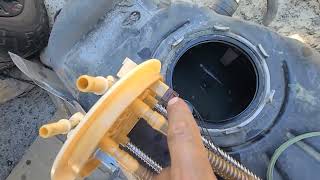
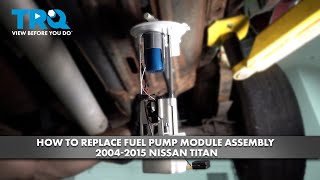
For the Nissan NV and its platform mates (Titan, Armada), the P0460 code is a well-documented, common failure. The manufacturer released Technical Service Bulletin NTB22-026 acknowledging that the fuel level sensor is the root cause. The bulletin importantly clarifies that technicians should replace only the sensor itself, not the entire fuel pump assembly, to manage repair costs. It even warns that warranty claims for replacing the whole pump for this issue will be charged back, underscoring that the sensor is the specific, known weak point. Unlike some cars with an access panel under the seat, the NV requires the fuel tank to be dropped 🎬 See this walkthrough on dropping the tank and replacing the sensor. for this repair.
Diagnostic Flowchart
Tap your situation to follow the diagnostic path that matches what you're seeing on this vehicle.
Symptoms You May Notice
- Check Engine Light is on
- Fuel gauge reading is inaccurate, erratic, or stuck (e.g., on empty or full)
- Fuel gauge drops to empty after driving a short distance, even with a full tank
- Low fuel warning light illuminates unpredictably or stays on
- Distance-to-empty display is incorrect 🎬 Watch this quick guide to understanding the P0460 engine code. or shows '---'
- Replacing the entire fuel pump assembly when only the fuel level sensor is needed. TSB NTB22-026 specifically warns against this expensive mistake.
- Replacing the instrument cluster (fuel gauge) before diagnosing the sensor and wiring circuit.
Most Likely Causes
- Faulty Fuel Level Sensor (Sending Unit) 🔴 High Probability This is a known high-failure item acknowledged by Nissan in TSB NTB22-026. The sensor's internal variable resistor card wears out or gets contaminated, causing dead spots and erratic resistance readings.
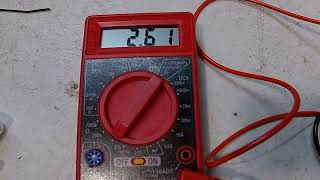
How to confirm: The definitive test is to remove the unit and measure its resistance with a multimeter. 🎬 Watch: How to test the sensor resistance with a multimeter. While specifications can vary, a typical Nissan sensor might read around 4-6 ohms at full and 73-85 ohms at empty. A faulty sensor will show an open circuit (OL) or have readings that jump erratically as the float arm is moved smoothly through its range.
Typical fix: Replace the fuel level sensor inside the fuel tank. The sensor is sold separately from the fuel pump assembly. The fuel tank must be dropped to access the pump assembly.
Est. part cost: $80-$150 - Damaged Wiring or Connectors 🟡 Medium Probability As a large commercial vehicle, the NV's extensive wiring harness runs along the frame and is susceptible to damage from road debris, moisture, or corrosion. The main connector on top of the fuel tank is a common spot for issues.
How to confirm: Visually inspect the wiring harness leading to the fuel tank for any signs of chafing, breaks, or corrosion. Disconnect the main connector at the tank and check for bent, loose, or corroded pins. Test for continuity and proper voltage at the fuel pump module connector per the service manual.
Typical fix: Repair the damaged section of wire or clean/replace the corroded connector.
Est. part cost: $10-$50 - Stuck or Damaged Float Arm ⚪ Low Probability
How to confirm: This can only be confirmed by removing the fuel sending unit from the tank and visually inspecting if the float arm is bent, obstructed, or if the plastic float itself is cracked and has filled with fuel, causing it to sink.
Typical fix: Replace the fuel level sensor assembly, which includes the arm and float.
Est. part cost: $80-$150
Rare But Worth Checking
- Faulty Instrument Cluster: While rare, the gauge itself can fail. This should only be considered after the sensor and wiring have been thoroughly tested and confirmed to be good.
- Faulty Powertrain Control Module (PCM): This is extremely unlikely and should be the last resort after all other possibilities have been exhausted by a professional technician.
- Software/Calibration Issue: In some modern vehicles, a P0460 code can be triggered by a software glitch that requires a PCM re-flash. While TSB NTB22-026 points to a hardware failure for the NV, this remains a remote possibility.
Diagnosis Steps
- Read the code using an OBD-II scanner and confirm if any other codes, like P0461, P0462, or P0463, are present.
- Use the scanner's live data function to monitor the 'Fuel Level' parameter. Observe if the reading is erratic, stuck, or doesn't correspond to the known fuel level.
- Perform a visual inspection of the wiring harness and the main connector on top of the fuel tank. Look for obvious signs of damage, corrosion, or loose connections.
- If wiring appears intact, the next step is to test the sensor itself. This requires dropping the fuel tank to access the fuel pump assembly.
- Once the fuel pump assembly is removed, disconnect the fuel level sensor. Connect a multimeter set to Ohms across the sensor's two pins.
- Manually move the float arm from the empty position to the full position. The resistance reading should change smoothly and consistently. A typical Nissan sensor may read around 73-85 ohms when empty and sweep down to 4-6 ohms when full.
- If the multimeter shows an open circuit (OL), or if the reading jumps erratically or doesn't change, the sending unit is faulty and must be replaced.
Parts You'll Likely Need
- Fuel Level Sensor
(OEM #25060-9JJ0B (for V8 models))— This is the most common failure point for code P0460 on this vehicle, as confirmed by Nissan's own service bulletin. Note: Part number 25060-9SM0A is for the smaller NV200.
Trusted brands: Nissan Genuine, Hitachi, Delphi, Spectra Premium
OEM price range: $90-$140
Aftermarket price range: $70-$110 - Fuel Tank O-Ring / Gasket — It is best practice to replace the large O-ring that seals the fuel pump assembly to the tank whenever it is removed to prevent fuel leaks and vapor smells.
Trusted brands: Nissan Genuine, Fel-Pro, Mahle
OEM price range: $15-$30
Aftermarket price range: $10-$20
Related Codes That Often Appear With This One
- P0461 — Relates to 'Fuel Level Sensor 'A' Circuit Range/Performance'. It often appears with P0460 as it also indicates a problem with the sensor's signal rationality.
- P0462 — Relates to 'Fuel Level Sensor 'A' Circuit Low Input'. This indicates the signal voltage is below the expected range, often from a short in the circuit.
- P0463 — Relates to 'Fuel Level Sensor 'A' Circuit High Input'. This indicates the signal voltage is above the expected range, often from an open circuit.
Technical Service Bulletins (TSBs) & Recalls
- NTB22-026: SERVICE INFORMATION FOR FUEL GAUGE INACCURATE WITH DTCS STORED IN ECM. This TSB confirms P0460 (FUEL LEV SEN SLOSH) is a known issue and that the fuel level sensor can and should be replaced separately from the fuel pump assembly. It applies to a wide range of 2016-2022 Nissan vehicles.
Platform-Specific Known Issues
- TSB Confirms Known Issue: Nissan issued Technical Service Bulletin NTB22-026 for a range of vehicles, including the NV, which directly addresses P0460 and related codes. It confirms that an inaccurate fuel gauge is likely due to a faulty fuel level sensor and advises replacing only the sensor, not the entire fuel pump assembly.
- No Fuel Pump Access Panel: Unlike many cars and some vans, the Nissan NV does not have an access panel under the carpet or seats to get to the fuel pump. The repair absolutely requires the fuel tank to be lowered from underneath the vehicle, which significantly increases the labor time and difficulty of the job.
Mechanic-Grade Diagnostic Values
- Fuel Level Sensor Resistance — expected: A smooth sweep from approximately 73-85 Ohms (empty) down to 4-6 Ohms (full).. Failure: Readings that are open circuit (OL), jump erratically, or do not change as the float arm is moved through its range.
Scan Tool Commands That Help
- Nissan CONSULT or advanced bidirectional scanner: Active Test / Actuation Test for Instrument Cluster — Use this command to sweep the fuel gauge needle through its full range (Empty to Full). If the gauge moves correctly during the test, the instrument cluster is working, and the fault is confirmed to be with the sensor, wiring, or connectors.
Wiring & Ground Locations
- Fuel Pump Module Connector — On top of the fuel tank, accessible after the tank is lowered.. This is the main electrical connection for the entire fuel pump assembly, including the fuel level sensor. It is exposed to the elements under the vehicle and is a common location for corrosion or damage that can disrupt the sensor signal.
- Chassis Ground — A strap or wire connecting the fuel tank or fuel pump assembly to the vehicle's frame.. A poor or corroded ground connection can introduce high resistance into the fuel level sensor circuit, causing erratic readings and triggering a P0460 code.
Real Owner Repair Stories
- my350z.com user CFAUVEL (Nissan 370Z) (Nissan 370Z, a platform-mate with a similar fuel system design.) — Erratic fuel gauge readings and P0460 code.
❌ Tried (didn't work) Replacing both the main and sub fuel level sensors with new OEM Nissan parts.
✅ What actually fixed it The user discovered one of the brand new OEM sensors was defective from the factory. After testing the new part with a multimeter and finding its resistance sweep was faulty, replacing it with another new, functional sensor resolved the issue. - Go-Parts.com repair article (Nissan Versa) (Nissan Versa) — Incorrect fuel gauge reading and associated codes.
❌ Tried (didn't work) Initial diagnosis pointed to a bad sending unit based on symptoms.
✅ What actually fixed it Upon removing the fuel pump assembly, the mechanic found that a plastic clip holding the float arm assembly had broken. This caused the float to sit at a skewed angle, providing a false reading even though the sensor itself was electrically sound. Repairing the broken plastic mount restored the float's correct range of motion and fixed the problem.
Helpful Videos
![How to Fix P0460 Engine Code in 2 Minutes [1 DIY Method / Only $11.9]](https://img.youtube.com/vi/gt5sdWRXypk/mqdefault.jpg)
![What is P0460 Engine Code [Quick Guide]](https://img.youtube.com/vi/ZnClRM03LLU/mqdefault.jpg)
We Have This Part in Stock
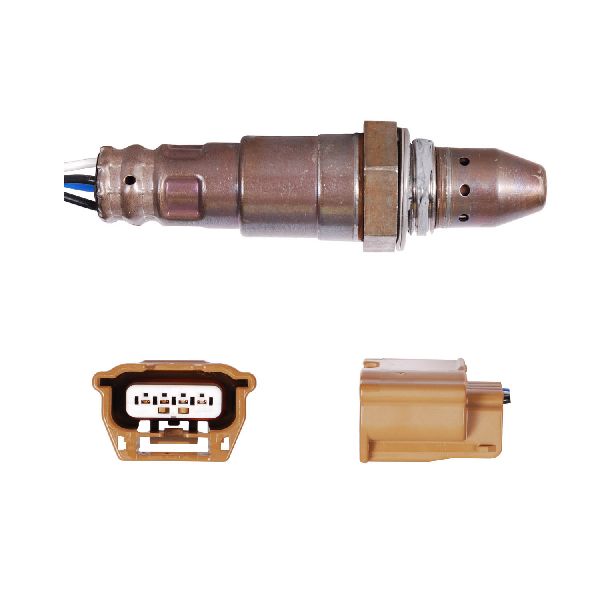
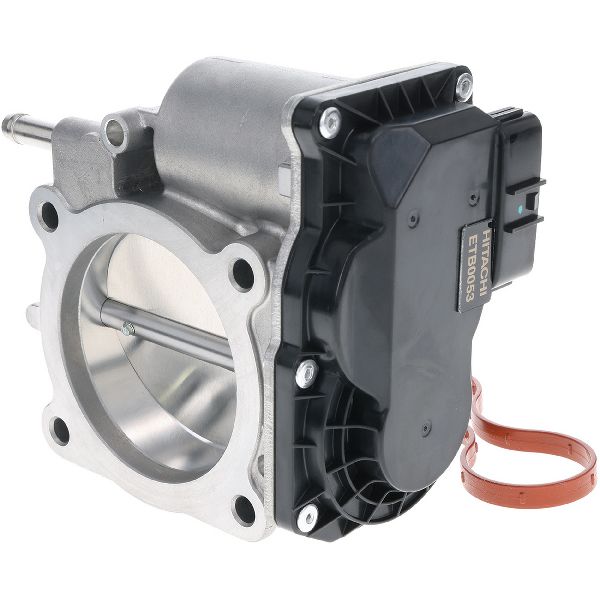
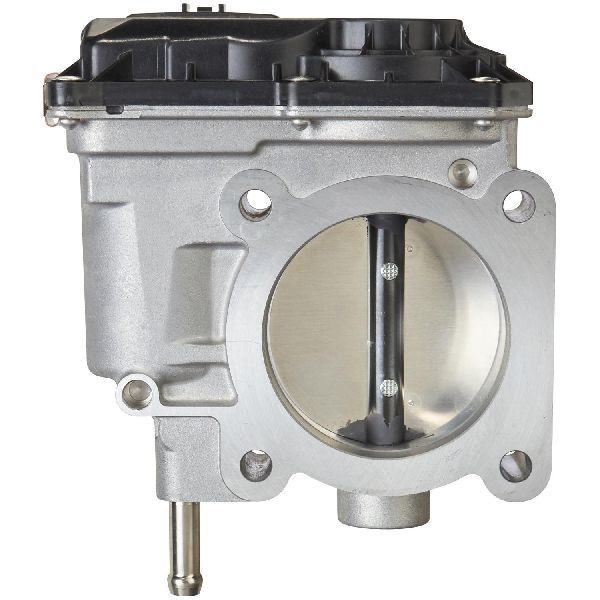
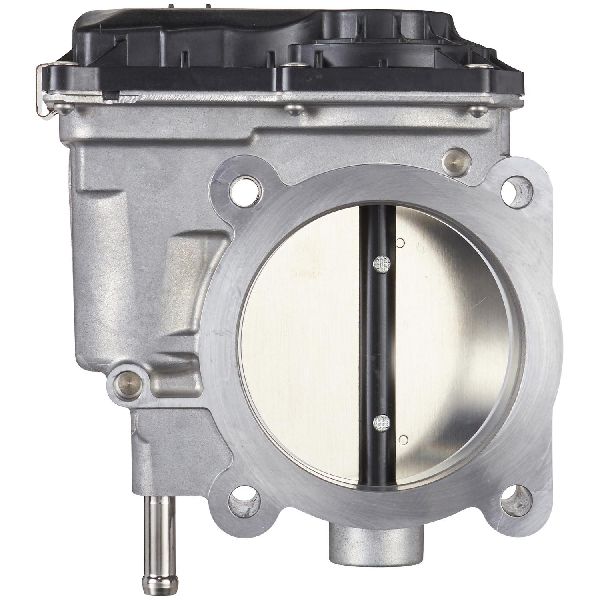


The information in this article is provided for general reference and educational purposes only. Vehicle specifications, procedures, and part compatibility can vary by production date, trim level, and region. Always consult your vehicle's factory service manual and verify part numbers before purchasing or performing repairs. Safety-critical components such as airbags, seat belts, and braking systems should be installed by a qualified professional.
- Nissan NV:
- 🎬 Helpful Videos
- 🛍️ Shop This Part
- What's Unique About the 2016-2020 Nissan NV
- Diagnostic Flowchart
- Symptoms You May Notice
- Most Likely Causes
- Rare But Worth Checking
- Diagnosis Steps
- Parts You'll Likely Need
- Related Codes That Often Appear With This One
- Technical Service Bulletins (TSBs) & Recalls
- Platform-Specific Known Issues
- Mechanic-Grade Diagnostic Values
- Scan Tool Commands That Help
- Wiring & Ground Locations
- Real Owner Repair Stories
- 🎟️ Get 5% Off