

P0457 on 2011-2017 Kia Sportage: EVAP Leak (Loose Cap) Causes and Fixes
For a 2011-2017 Kia Sportage, the P0457 code almost always points to a loose, worn out, or incorrect gas cap. Before buying any parts, tighten the cap until it clicks several times, clear the code, and drive. If it returns, a new OEM gas cap is the most likely and affordable fix. If that doesn't solve it, the canister close valve (CCV) located under the car is the next most common culprit.
- P0457 on your Sportage is a Check Engine Light code for a large EVAP leak, almost always related to the gas cap.
- Your first step is simple and free: check that your gas cap is tight. If it is, inspect its seal for damage.
- If the code returns, the most likely fix is a new, genuine OEM gas cap, which is inexpensive and easy to replace.
- If a new cap doesn't solve the issue, the next most likely culprit is the canister close valve (CCV) located under the car, followed by the charcoal canister or the purge valve in the engine bay.
- This code will not affect how your car drives, but it will cause you to fail an emissions test.
What's Unique About the 2011-2017 Kia SPORTAGE
The 2011-2017 Kia Sportage (SL generation) uses a fairly standard EVAP system design common across many vehicles, including its platform-mate, the Hyundai Tucson. There are no widespread, unique design flaws that make it exceptionally prone to this code. However, like many cars of its era, the original gas cap seal can degrade over time, and the canister close valve (CCV), located under the rear of the vehicle, is susceptible to dirt, moisture, and road salt, leading to P0457 and other related EVAP codes like P0455 or P0456.
Diagnostic Flowchart
Tap your situation to follow the diagnostic path that matches what you're seeing on this vehicle.
Generation note: The 2011-2017 year range primarily covers the third generation (SL) of the Kia Sportage, which was produced from 2010 to 2015. The 2016 and 2017 model years can be confusing as both the third generation (Sportage) and the new fourth generation (Sportage QL) were sold in some markets. This guide is most applicable to the third generation (2011-2016). Owners of 2017 models should verify if they have the SL or QL generation, as some parts may differ.
Symptoms You May Notice
- Check Engine Light is on
- A faint to strong smell of gasoline, especially after parking in an enclosed space like a garage.
- A slight decrease in fuel economy over time.
- A "Check Fuel Cap" message on the instrument cluster, if equipped.
- Replacing the purge valve in the engine bay when the canister close valve (under the car) is the actual problem. This is a very common mistake as the purge valve is easier to access.
- Replacing O2 sensors or other unrelated emissions components before properly diagnosing the EVAP system with a smoke test.
- Continuing to replace aftermarket gas caps instead of buying one from the Kia dealer, which often resolves the issue immediately.
Most Likely Causes
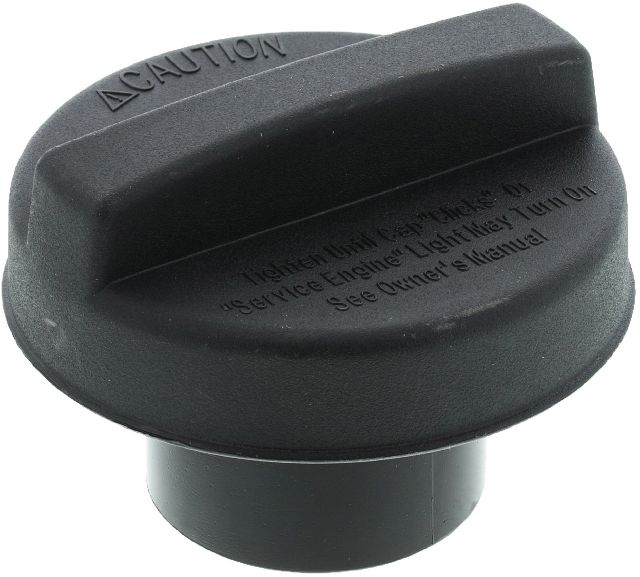
- Loose, Damaged, or Incorrect Fuel Cap 🔴 High Probability This is the most common cause for this specific code on any vehicle. The rubber O-ring seal on the cap can dry out, crack, or get dirty, preventing a proper seal. Aftermarket caps are a notorious source of EVAP codes.
How to confirm: Ensure the cap is tightened until it clicks multiple times. Inspect the rubber seal for cracks, stiffness, or debris. If the seal is damaged or you recently replaced it with a non-OEM cap, it's the prime suspect.
Typical fix: Clean the cap and fuel filler neck. If the seal is bad, replace the fuel cap with a new OEM part. Many owners on forums report that only a genuine Kia cap will solve the problem after failed attempts with cheaper aftermarket versions.
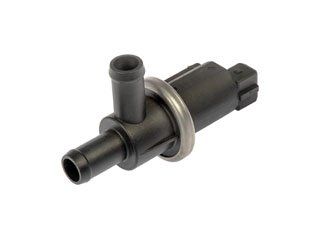
Est. part cost: $15-$40 - Faulty Canister Close Valve (CCV) / Vent Valve 🟡 Medium Probability The CCV is located near the charcoal canister under the car and is exposed to road grime and moisture. It can get stuck open or fail to close completely, creating a large leak that the system cannot distinguish from a loose cap.
How to confirm: The valve can be removed and tested. When unpowered, it should be open. When 12v is applied, it should click shut. A smoke test will show smoke exiting a faulty, stuck-open valve. On some Chrysler vehicles with similar systems, this is the primary cause of a P0457 after the gas cap is ruled out.
Typical fix: Replace the canister close valve. Part number 31453-3K500 is a common valve 🎬 See this video to locate the vent valve canister. for this generation, which replaces the older 314533k700.
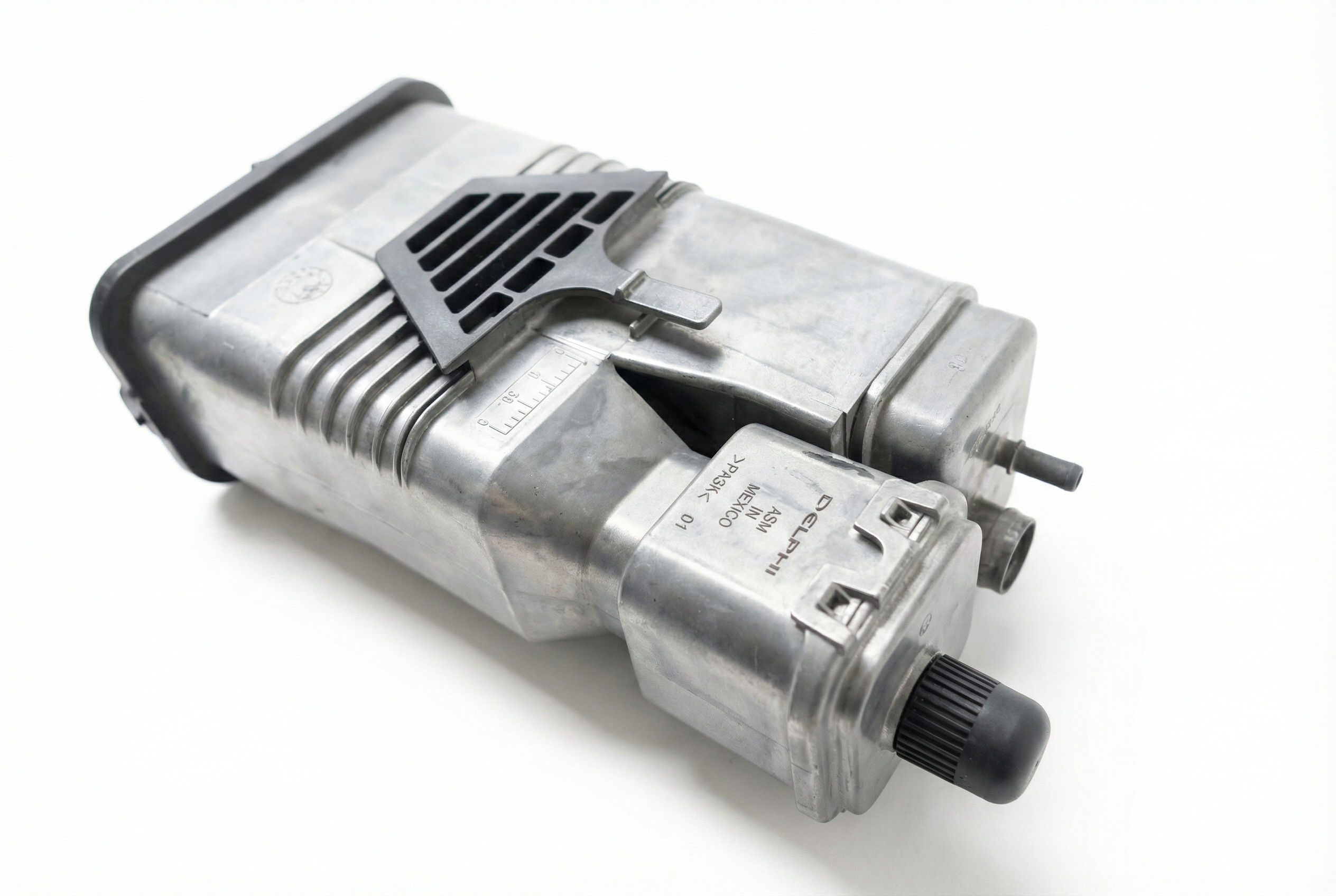
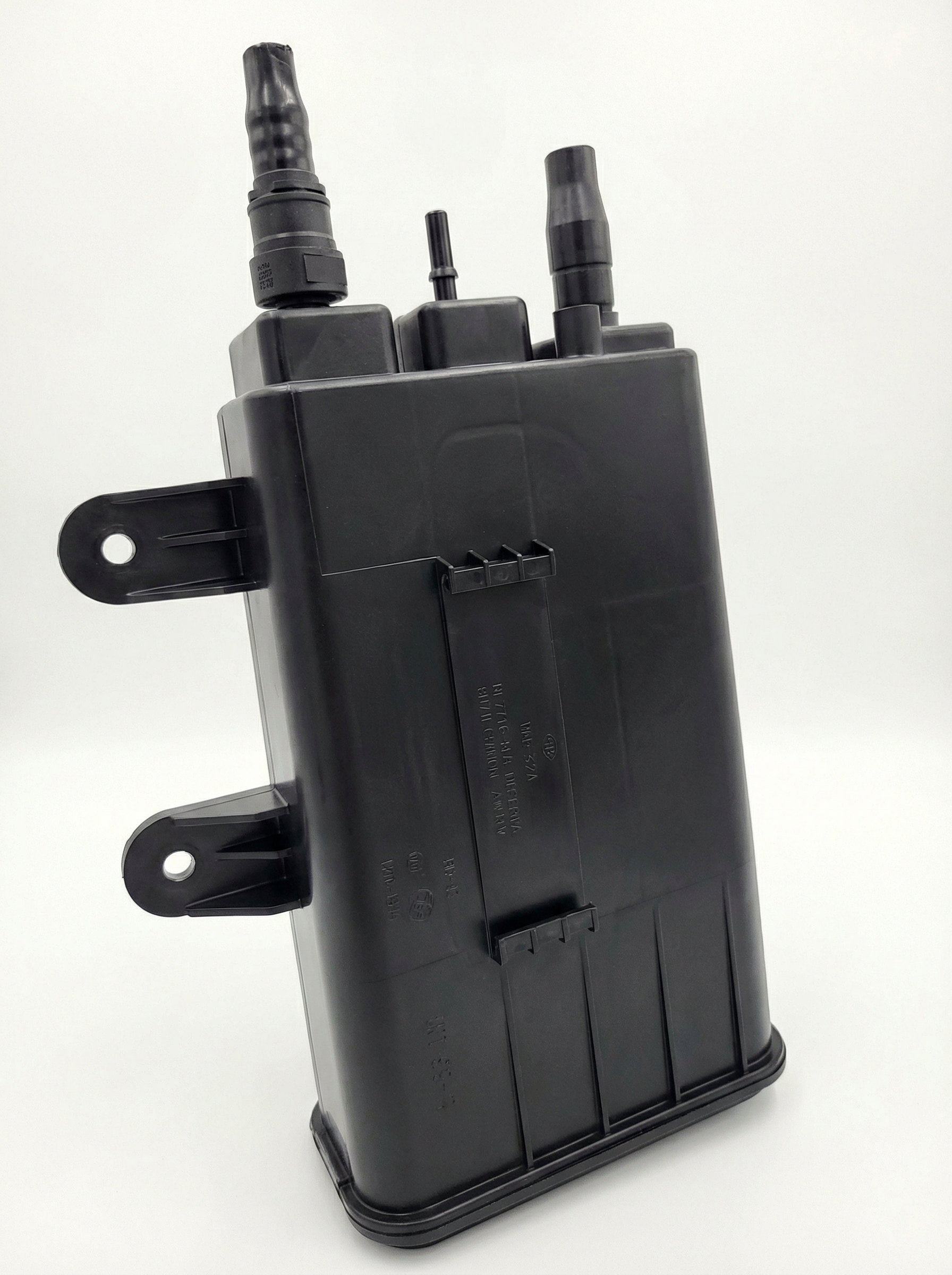
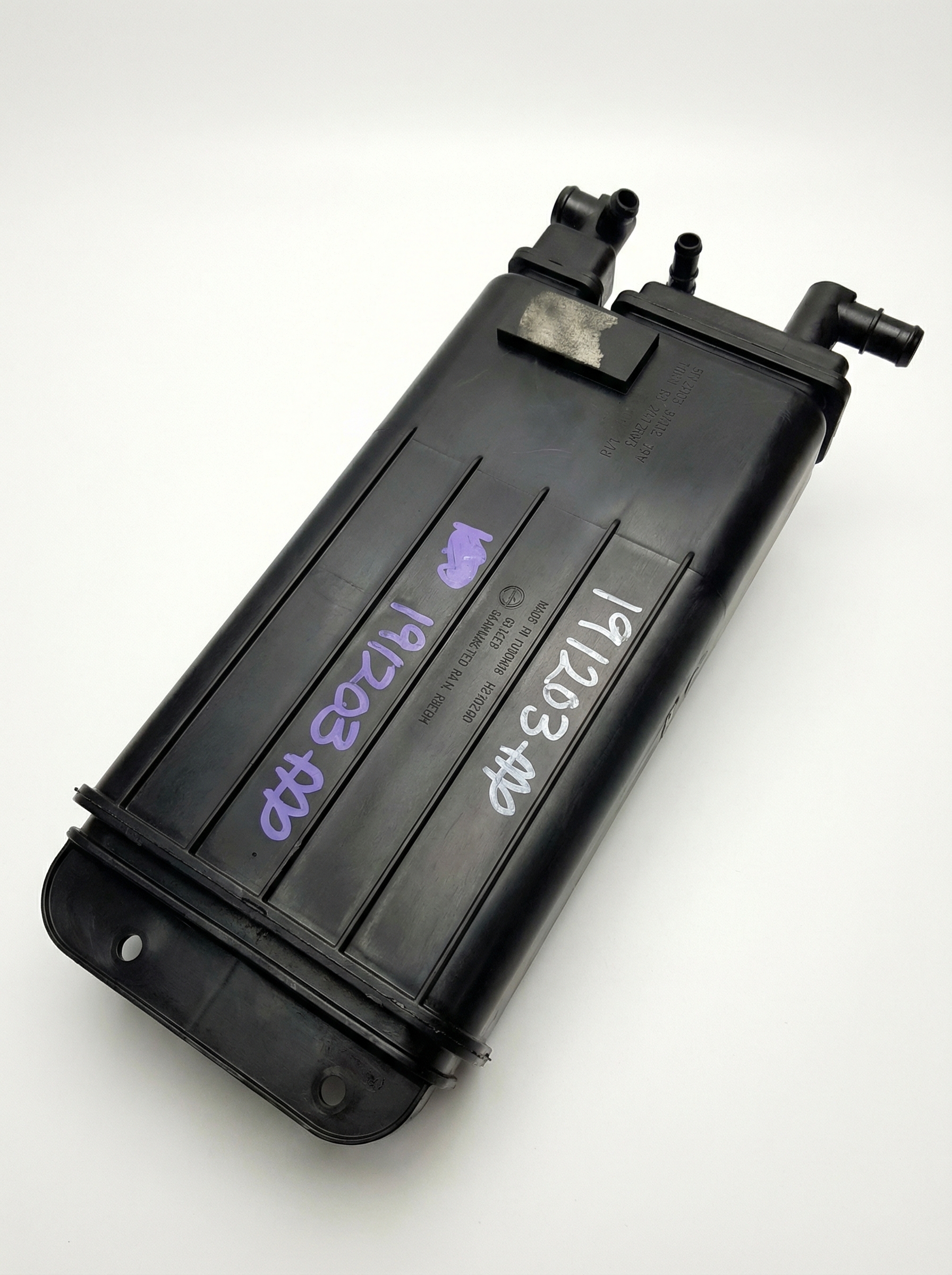
Est. part cost: $50-$80 - Cracked or Damaged EVAP Charcoal Canister ⚪ Low Probability The canister is a plastic box located under the rear of the vehicle. It can be damaged by road debris or become cracked with age, especially in harsh climates or from an impact.
How to confirm: Visually inspect the canister for any physical cracks or damage. A smoke test is the definitive way to confirm a leak in the canister body.
Typical fix: Replace the charcoal canister assembly.
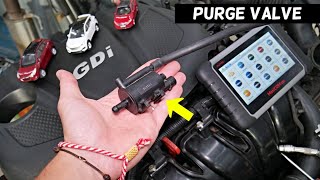
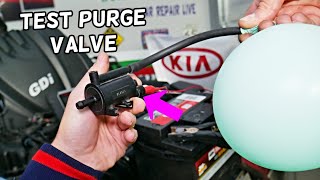
Est. part cost: $150-$250 - Leaking EVAP Purge Valve (PCSV) ⚪ Low Probability The purge valve is located in the engine bay and controls the flow of vapors to the engine. While it can fail (typically by sticking open), it's less likely to cause a large leak code like P0457 than the CCV. A stuck-open purge valve can sometimes cause rough idling or difficulty starting after refueling.
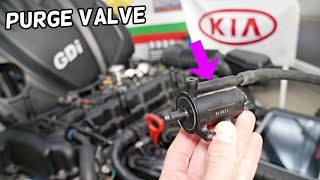
How to confirm: With the engine off, disconnect the hose leading from the valve to the intake manifold and try to blow through it. It should be closed when unpowered. A hand vacuum pump can also be used to check if it holds vacuum. 🎬 Watch a mechanic demonstrate how to test the purge valve.
Typical fix: Replace the purge control solenoid valve. Part number 28910-25100 is a common part for the 2.4L engine.
Est. part cost: $40-$70
Rare But Worth Checking
- Cracked or Disconnected EVAP Hose: Rubber hoses can become brittle and crack over time. Check the lines connected to the purge valve, canister, and fuel tank, especially at connection points and bends.
- Damaged Fuel Filler Neck: Rust or physical damage to the metal filler neck where the gas cap seals can prevent even a new cap from sealing properly. A Reddit user with a 2010 Kia Soul (which has a similar setup) noted their check engine light was on due to a rusted filler neck, a common issue in salt-belt regions. Carefully sand the sealing surface smooth if light corrosion is present, being careful not to let debris fall into the tank.
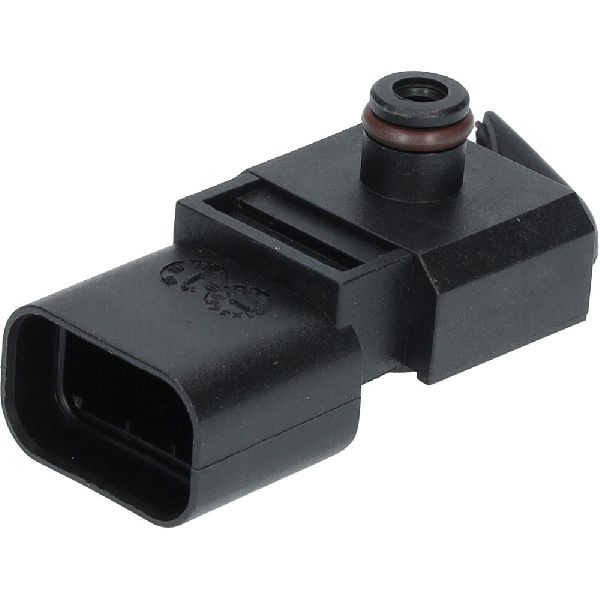
- Faulty Fuel Tank Pressure Sensor (FTPS): In rare cases, the sensor that measures pressure in the EVAP system can fail. It might incorrectly report a large leak when there isn't one. This is difficult to diagnose without advanced scan tools that can read live data from the sensor.
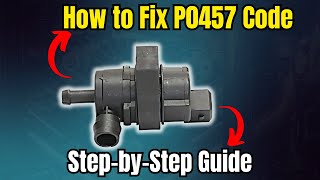
Diagnosis Steps 🎬 Watch this step-by-step guide to fixing the P0457 code.
- Check the gas cap. Remove it, inspect the seal for damage, and retighten it until it clicks at least three times.
- Clear the P0457 code using an OBD-II scanner and drive the vehicle for a few days (including a few engine on/off cycles) to see if the Check Engine Light returns.
- If the light returns, replace the gas cap with a genuine OEM part from a Kia dealer. Aftermarket caps are a frequent and frustrating source of persistent EVAP codes.
- If the code persists, perform a thorough visual inspection of all accessible EVAP hoses and the charcoal canister under the rear of the vehicle. Look for obvious cracks, damage, or loose connections. Pay special attention to the fuel filler neck for signs of rust or damage on the sealing surface.
- Test the Canister Close Valve (CCV), located near the charcoal canister. It should be open with no power and click closed when 12v is applied.
- If no obvious faults are found, the most effective way to find the leak is with a professional EVAP smoke test. This involves feeding low-pressure smoke into the system's service port to see where it escapes.
Parts You'll Likely Need
- Fuel Tank Cap
(OEM #310103L600)— This is the most frequent cause of P0457. The seal wears out, causing a leak that the car's computer interprets as the cap being loose.
Trusted brands: Genuine Kia
OEM price range: $20-$35
Aftermarket price range: $10-$20 - Canister Close Valve
(OEM #314533K500)— This valve is a common failure point after the gas cap. It gets stuck open due to dirt and corrosion, creating a permanent large leak in the EVAP system.
Trusted brands: Genuine Kia, Dorman
OEM price range: $60-$90
Aftermarket price range: $40-$70
Related Codes That Often Appear With This One
- P0455 — P0455 indicates a 'gross' EVAP leak. P0457 is a more specific version of P0455 that the PCM sets when it suspects the leak is from the fuel cap area, often after a refueling event.
- P0456 — Indicates a 'small' EVAP leak. If a component like a valve seal or hose is beginning to fail, it might first set a P0456 before the leak worsens and triggers a P0457 or P0455. Some owners report seeing both codes appear.
- P0442 — Indicates a 'medium' EVAP leak. This can appear alongside P0457 if the system's self-test diagnostics are interpreting the leak size inconsistently due to a component failing intermittently.
Technical Service Bulletins (TSBs) & Recalls
- PS469: EVAPORATIVE EMISSIONS TEST FOR HARD TO FIND/SMALL LEAKS
Platform-Specific Known Issues
- Kia issued Technical Service Bulletin #PS469 which mentions P0457 as an 'Evaporative Emissions System-Leak detected' code. It recommends performing a manual EVAP test if the standard self-test does not find a fault, acknowledging that these leaks can be hard to find. [⭐ MANUFACTURER TSB — highest authority]
- While not for the Sportage specifically, TSBs for other Kia/Hyundai models (like 20-FL-003H for the Sonata) describe issues where salt and debris can enter the EVAP system and cause the Natural Vacuum Leak Detector (NVLD), which works with the CCV, to fail, triggering small leak codes like P0456. This highlights the vulnerability of under-car EVAP components in these vehicles.
Mechanic-Grade Diagnostic Values
- Fuel Tank Pressure Sensor (FTPS) Signal Voltage — expected: Approximately 1.3V to 1.7V at atmospheric pressure (Key On, Engine Off, gas cap removed). Ideal is ~1.5V.. Failure: A reading stuck low (near 0V) may indicate a wiring issue to the sensor. A reading stuck high (near 5V) may indicate a faulty sensor.
- Purge Control Solenoid Valve (PCSV) Coil Resistance — expected: Approximately 36 Ohms at 55-60°F. This value will vary with temperature.. Failure: An open circuit (infinite resistance) or a very high reading indicates a failed coil inside the valve.
- Manual EVAP System Purge Test (per TSB PS469) — expected: During a forced purge (grounding the PCSV control wire for 25 seconds), the FTPS signal voltage should be greater than 1.5V.. Failure: If the voltage drops below 1.5V, it indicates a restriction in the EVAP system between the tank and the PCSV.
Scan Tool Commands That Help
- Kia GDS (Global Diagnostic System) / KDS: Actuation Test — To manually command the Canister Close Valve (CCV) and Purge Control Solenoid Valve (PCSV) to open or close. This allows a technician to verify solenoid function (listening for a click) and isolate parts of the system for smoke or vacuum testing.
- Kia GDS (Global Diagnostic System) / KDS: EVAP System Leakage Test — This is a guided, automated test function within the factory scan tool that pressurizes or applies a vacuum to the system and monitors the Fuel Tank Pressure Sensor to determine if a leak is present and its approximate size.
- OBD2 Scanner with Active Test Functions: EVAP System Test (Purge/Seal) — Many professional-grade aftermarket scanners can also command the purge and vent valves, allowing for similar diagnostic capabilities as the factory tool, such as closing the vent valve to seal the system for a smoke test.
Wiring & Ground Locations
- F15 — The electrical connector for the Canister Close Valve (CCV), located near the charcoal canister under the rear of the vehicle.. This is the connector to test for power, ground, and signal when diagnosing a faulty CCV, which is a common cause for P0457.
- C211 — The electrical connector for the Purge Control Solenoid Valve (PCSV) in the engine bay.. This is the connector where a technician would test for voltage from the PCM and measure the resistance of the purge valve's coil.
"I Checked Everything" — The Actual Cause
- Kia's own Technical Service Bulletin (PS469) acknowledges that the system's self-test may result in 'No Trouble Found' (NTF) for P0457. In these cases, where a smoke test might also show no leak, the bulletin advises performing a manual electrical test of the components. The most likely culprit is a faulty Fuel Tank Pressure Sensor (FTPS) providing incorrect readings to the computer, making the system believe there is a leak when there isn't one.
OEM Part Supersession History
31453-3K700→31453-3K500— Standard part revision and consolidation by the manufacturer.
Heads up: The new part number (31453-3K500) is the correct replacement for the old one. Using the old part number may result in receiving outdated stock.
Model Year Variations Within This Range
- 2011-2015: While the overall EVAP system design is consistent, specific part numbers for components like the Canister Close Valve may vary. For example, part number 314312S550 is listed for the 2010-2015 2.4L Sportage, while 31453-3K500 is also commonly used. This highlights the importance of always verifying the correct part number using the vehicle's VIN before ordering to ensure compatibility.
Helpful Videos
Used OEM Parts in Stock
New Aftermarket Parts Available



The information in this article is provided for general reference and educational purposes only. Vehicle specifications, procedures, and part compatibility can vary by production date, trim level, and region. Always consult your vehicle's factory service manual and verify part numbers before purchasing or performing repairs. Safety-critical components such as airbags, seat belts, and braking systems should be installed by a qualified professional.
- Kia SPORTAGE:
- 🎬 Helpful Videos
- 🛍️ Shop This Part
- What's Unique About the 2011-2017 Kia SPORTAGE
- Diagnostic Flowchart
- Symptoms You May Notice
- Most Likely Causes
- Rare But Worth Checking
- Diagnosis Steps
- Parts You'll Likely Need
- Related Codes That Often Appear With This One
- Technical Service Bulletins (TSBs) & Recalls
- Platform-Specific Known Issues
- Mechanic-Grade Diagnostic Values
- Scan Tool Commands That Help
- Wiring & Ground Locations
- "I Checked Everything" — The Actual Cause
- OEM Part Supersession History
- Model Year Variations Within This Range
- 🎟️ Get 5% Off