

P0457 on 2011-2016 Kia Soul: EVAP Leak (Loose Gas Cap) Causes and Fixes
On a 2011-2016 Kia Soul, the P0457 code almost always means the gas cap is loose, faulty, or was left off after refueling. Before buying any parts, tighten the cap until it clicks, clear the code, and drive for a few days. If the light returns, a new OEM gas cap is the most probable and inexpensive fix, typically costing $15-$40. If that fails, the purge valve or a smoke test to find a hidden leak is the next logical step.
- P0457 on your Kia Soul is a specific code for a large EVAP leak that the car's computer believes is caused by the fuel cap.
- Always start with the simplest fix: check that your gas cap is tight and clicks when closed. If the cap is old or the seal is cracked, replace it.
- This code will not prevent you from driving the car, but it will cause an automatic failure on an emissions test.
- If a new gas cap doesn't solve the problem, the next most likely causes are the canister purge valve (in the engine bay) or the canister close valve (near the gas tank).
- For persistent issues, a professional smoke test is the most reliable way to find the exact location of the leak.
What's Unique About the 2011-2016 Kia SOUL
The 2011-2016 Kia Soul spans two generations (Gen 1: 2010-2013, Gen 2: 2014-2019), but the P0457 code's primary cause—the gas cap—is consistent across both. While the gas cap is the most frequent culprit, owners in forums frequently discuss the canister purge valve as the next most common failure. Kia has also issued several Technical Service Bulletins (TSBs) for related EVAP system components. For instance, TSB FUE038 addresses issues with the fuel filler neck's air drain case causing other EVAP codes, and TSB PS469 officially recommends a manual smoke test for hard-to-find leaks when a P0457 code is present and the cause isn't obvious.
Diagnostic Flowchart
Tap your situation to follow the diagnostic path that matches what you're seeing on this vehicle.
Generation note: This range covers the first generation (2011-2013) and the second generation (2014-2016) Kia Soul. While the primary cause (gas cap) is the same, some EVAP system parts, like the purge valve and canister, may have different part numbers and locations between the 1.6L and 2.0L engines and across generations. For example, the purge valve for a 2011 1.6L is part number 29015-2B000, while for a 2.0L it's 28910-26900. Always verify with your VIN.
Symptoms You May Notice
- Check Engine Light is on.
- A faint to strong smell of gasoline, especially around the rear of the vehicle or after refueling.
- In rare cases, difficulty starting the engine immediately after refueling, which can point to a stuck-open purge valve.
- A slight decrease in fuel economy over several tanks of gas.
- Replacing the charcoal canister when only a valve or hose has failed. The canister itself is often durable; the moving parts attached to it (CCV) or the hoses are more likely to fail.
- Repeatedly replacing the gas cap with cheap aftermarket versions. Owners in forums report that only an OEM cap solved their issue after multiple failed aftermarket caps.
Most Likely Causes
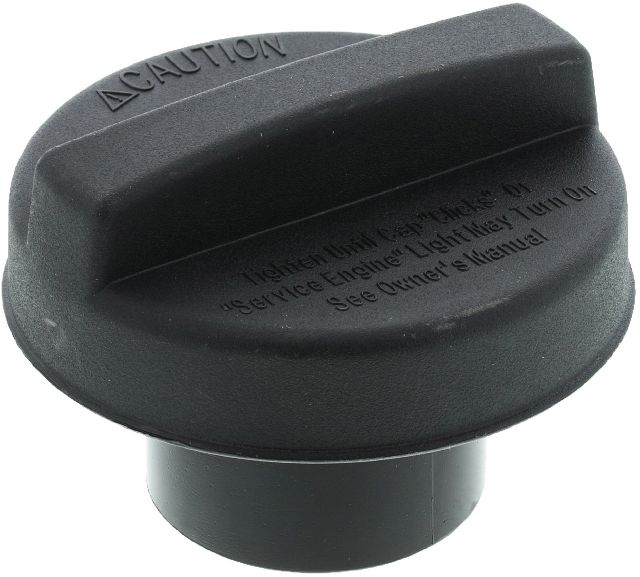
- Loose, Damaged, or Incorrect Gas Cap 🔴 High Probability This is the most common cause for a P0457 code on any vehicle, as it's often due to user error (not tightening the cap enough) or the cap's seal wearing out over time. Forum discussions often reveal that using a non-OEM (aftermarket) gas cap can also cause this code, even if the cap is new.
How to confirm: Ensure the gas cap is tightened until it clicks at least once. Inspect the rubber O-ring seal on the cap for cracks, stiffness, or debris. Clean the sealing surface on both the cap and the fuel filler neck. If the seal is compromised or you're using an aftermarket cap, it's the likely culprit.
Typical fix: Tighten the cap. If that doesn't work, replace the gas cap with a new OEM part. Aftermarket caps are a frequent source of persistent EVAP codes.
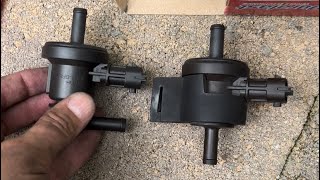
Est. part cost: $15-$40 - Faulty Canister Purge Valve (PCSV) 🟡 Medium Probability The purge valve (or purge solenoid) can get stuck open or closed, creating a leak path or preventing the system from venting properly. It's a very common failure point in many modern EVAP systems and frequently discussed for the Soul.
How to confirm: The valve is located in the engine bay. A simple test is to disconnect the hose from the intake manifold side after the engine has warmed up; you should feel a slight vacuum with your finger if it's opening correctly. If you feel a vacuum when the engine is cold and just started, the valve is stuck open. A mechanic can also command it open and closed with a scan tool to test its function.
Typical fix: Replace the purge valve. This is generally an easy DIY job involving disconnecting two hoses and an electrical connector.
Est. part cost: $40-$105 - Faulty Canister Close Valve (CCV) / Vent Valve ⚪ Low Probability This valve, located near the charcoal canister at the rear of the car, is essential for sealing the EVAP system for its pressure test. It is exposed to road debris and moisture, which can lead to corrosion and failure, causing it to stick open.
How to confirm: A mechanic can command the valve to close using a scan tool during a smoke test. If smoke escapes from the vent valve, it has failed. It can also be removed and tested with a vacuum pump to see if it holds pressure when de-energized.
Typical fix: Replace the canister close valve. This part is located near the fuel tank and may require raising the vehicle to access.
Est. part cost: $80-$120 - Cracked or Disconnected EVAP Hoses ⚪ Low Probability Over time, the rubber and plastic hoses that make up the EVAP system can become brittle from heat and age, then crack. This is especially true for connections near the engine or parts exposed under the car.
How to confirm: A visual inspection may reveal obvious cracks or disconnected lines. However, small leaks are best found using a smoke test, where a mechanic fills the EVAP system with harmless, visible smoke and looks for where it escapes. This is the definitive way to find a hose leak.
Typical fix: Replace the specific section of cracked hose. This can be simple or complex depending on the hose's location.
Est. part cost: $10-$50
Rare But Worth Checking
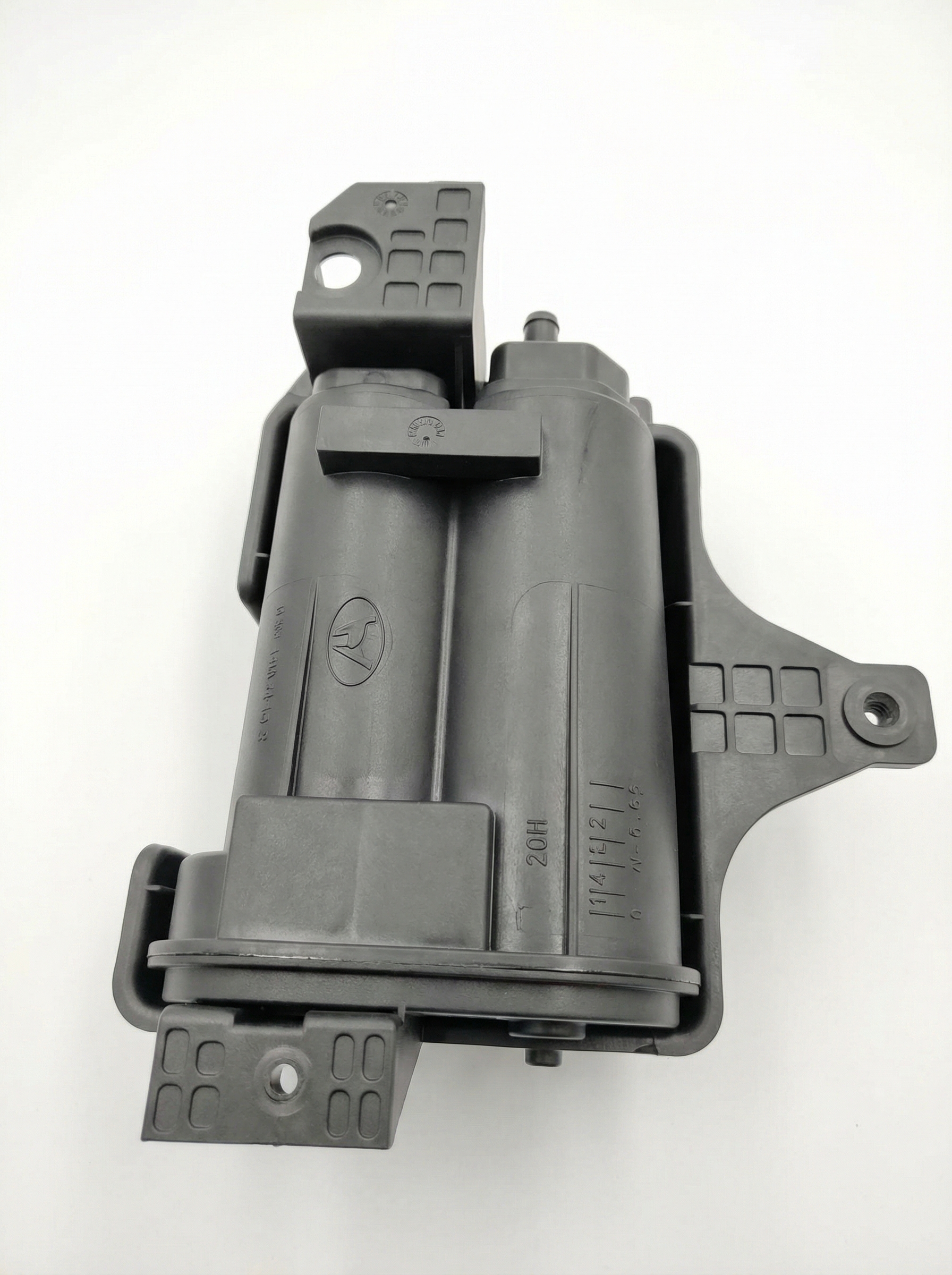
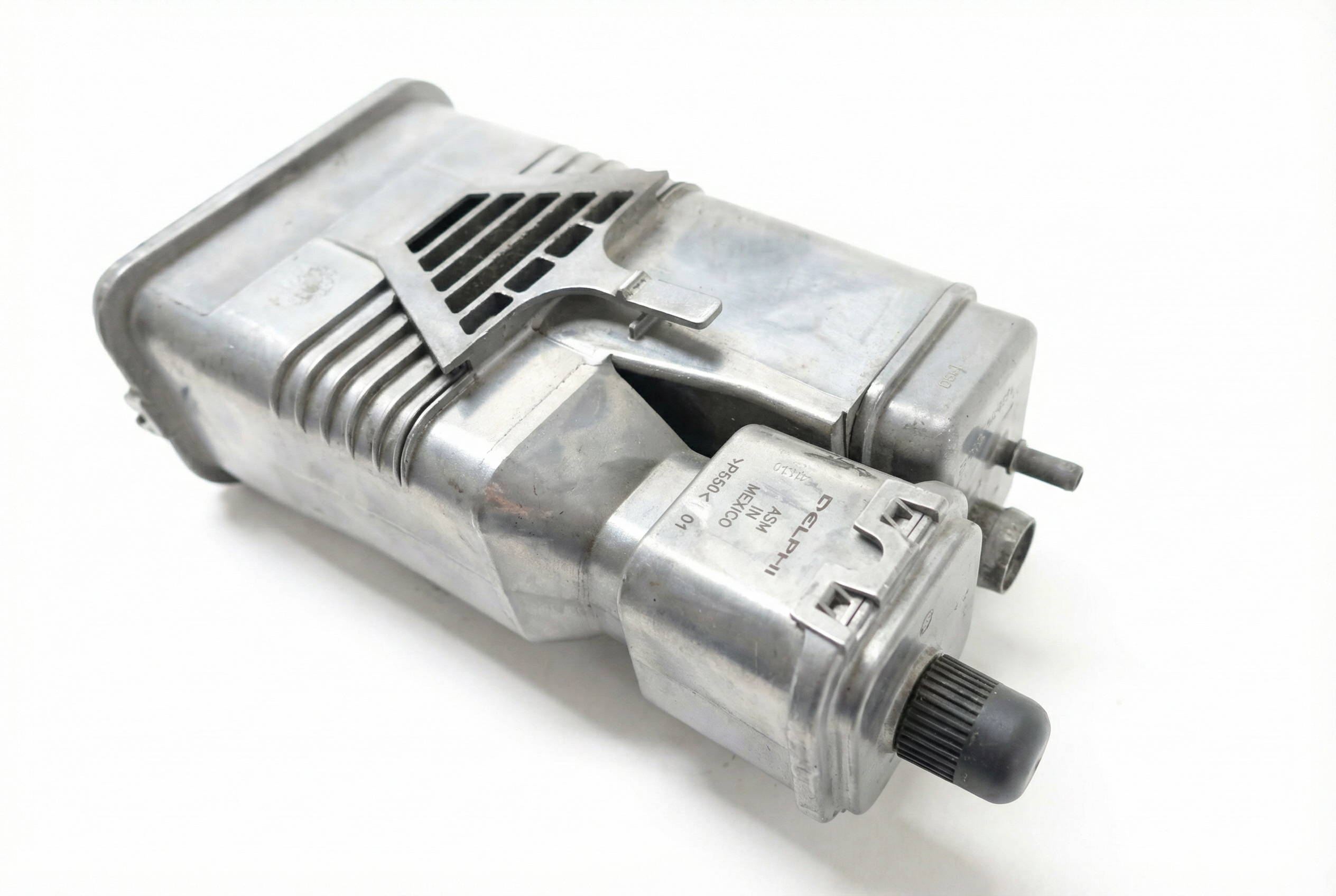
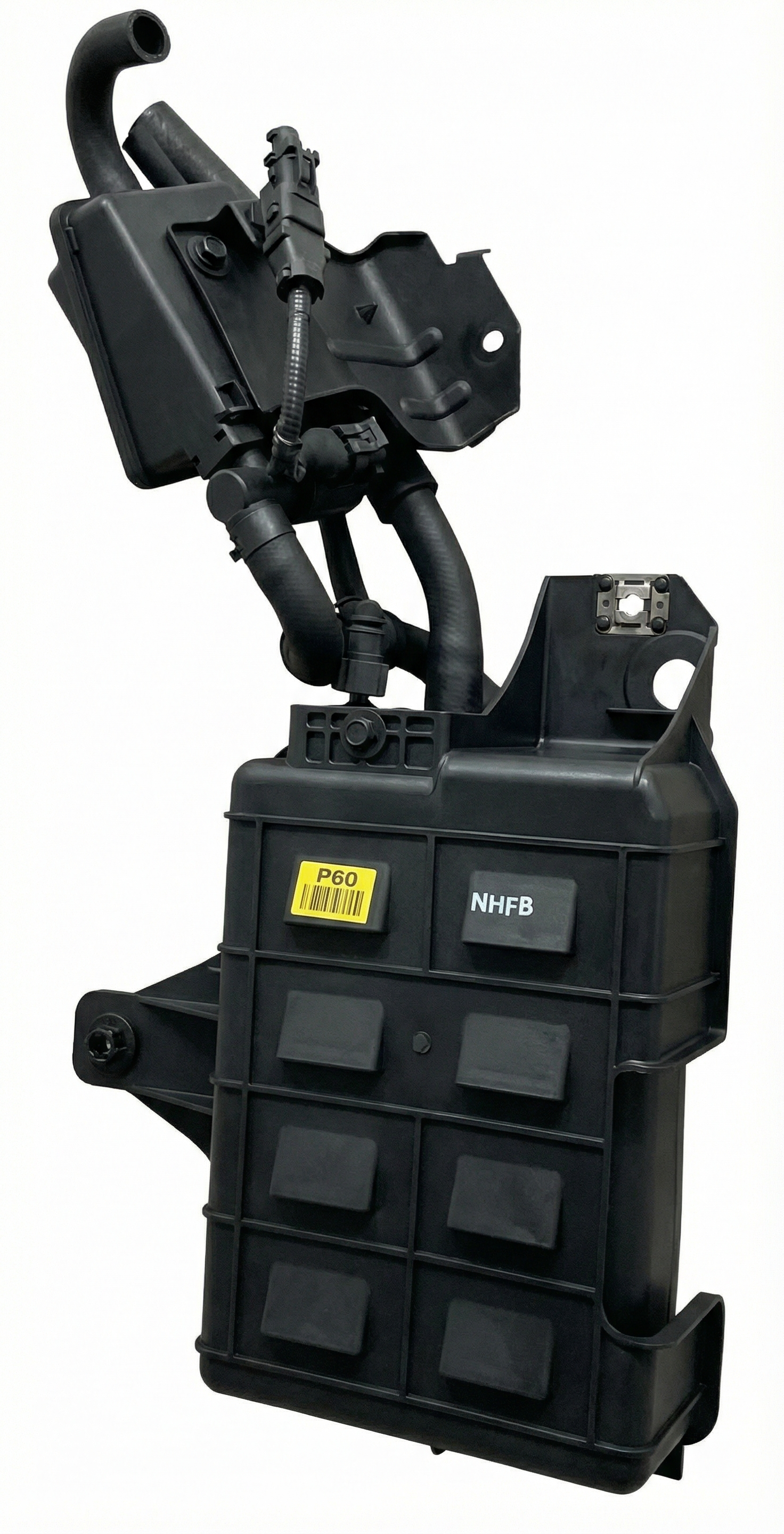
- Cracked Charcoal Canister: The plastic housing of the charcoal canister can develop cracks from age or physical impact (like hitting road debris), creating a large leak that will trigger P0457 or P0455.
- Damaged Fuel Filler Neck: Rust or damage to the metal filler neck where the gas cap seals can prevent a proper seal, even with a brand new OEM cap. A smoke test is the best way to confirm a leak at the filler neck.
Diagnosis Steps
- Check the gas cap. Remove it and retighten it, ensuring it clicks several times. Clear the code and drive for a few days to see if it returns.
- If the light returns, inspect the gas cap's seal for any cracks, dirt, or signs of wear. Clean the cap and filler neck sealing surfaces. If the seal is compromised or the cap is aftermarket, replace it with an OEM Kia cap.
- Perform a thorough visual inspection of all accessible EVAP hoses in the engine bay and under the car, looking for obvious cracks, disconnections, or damage. Pay special attention to the hoses connected to the purge valve.
- Locate the Canister Purge Valve (PCSV) in the engine bay. With the engine cold, start the car and feel the port on the valve; there should be no vacuum. After 5-10 minutes of warm-up, it should start to pulse and pull a vacuum. If it has vacuum when cold, it's stuck open.
- If the previous steps do not resolve the issue, a professional smoke test is the most effective next step. This test will fill the EVAP system with a harmless, visible smoke, making even the smallest leaks easy to spot. This is the procedure recommended by Kia's own TSB (PS469) for hard-to-find EVAP leaks.
- Based on the smoke test results, replace the leaking component, which could be the canister close valve (CCV), the charcoal canister, a cracked hose, or even the fuel filler neck.
Parts You'll Likely Need
- Fuel Cap
(OEM #31010-3L600U)— This is the most common failure point for code P0457, as it's specifically designed to detect a leak after refueling. Using an OEM cap is highly recommended.
Trusted brands: Kia (OEM)
OEM price range: $25-$40
Aftermarket price range: $15-$30 - Vapor Canister Purge Valve / Solenoid
(OEM #29010-2B000)— A common failure item that gets stuck open or closed, causing a leak. Part number is for 2010-2017 1.6L models. 2.0L models may use a different part. Verify with VIN.
Trusted brands: Dorman, Bosch, Kia (OEM)
OEM price range: $70-$105
Aftermarket price range: $40-$90 - Canister Close Valve (CCV)
(OEM #31453-3K600)— This valve seals the EVAP system during tests. If it fails to close, it will cause a leak code. It's located near the charcoal canister. This part number is superseded by 31453-3K600FFF.
Trusted brands: Kia (OEM)
OEM price range: $80-$120
Aftermarket price range: $60-$100
Related Codes That Often Appear With This One
- P0455 — P0455 indicates a 'Gross EVAP Leak'. P0457 is a more specific version of P0455, often pointing directly to the fuel cap because the leak was detected after refueling. They can sometimes appear together if the diagnostic criteria for both are met.
- P0456 — P0456 indicates a 'Very Small EVAP Leak'. It's less common to see with P0457 (large leak), but a vehicle could have multiple leak issues or a failing component (like a vent valve) that is intermittently creating leaks of different sizes.
Technical Service Bulletins (TSBs) & Recalls
- PS469: Recommends a manual EVAP test for hard-to-find leaks when codes P0442, P0455, P0456, or P0457 are present. [⭐ MANUFACTURER TSB — highest authority]
- FUE038: Addresses issues with the fuel filler neck on 2014-2018 models that can lead to various EVAP codes.
Platform-Specific Known Issues
- Kia TSB PS469 notes that for P0457 (and other EVAP codes), if the system's self-test is inconclusive, a manual EVAP test (like a smoke test) is recommended to find hard-to-detect leaks. [⭐ MANUFACTURER TSB — highest authority]
- Kia TSB FUE038 was issued for 2014-2018 Soul models for an issue with the fuel filler neck air drain case that could cause slow fueling and trigger other EVAP codes like P0449 or P0451. While not directly for P0457, it points to known issues in the fuel filler area.
- Owner forums frequently mention that aftermarket gas caps are a common cause of recurring P0457 or P0455 codes, with the problem often being solved only after switching to a genuine Kia OEM cap.
Mechanic-Grade Diagnostic Values
- Canister Purge Solenoid Valve (PCSV) Coil Resistance — expected: 26 to 36 Ohms at room temperature.. Failure: An open circuit (infinite resistance) or a reading far outside the expected range indicates a failed solenoid coil.
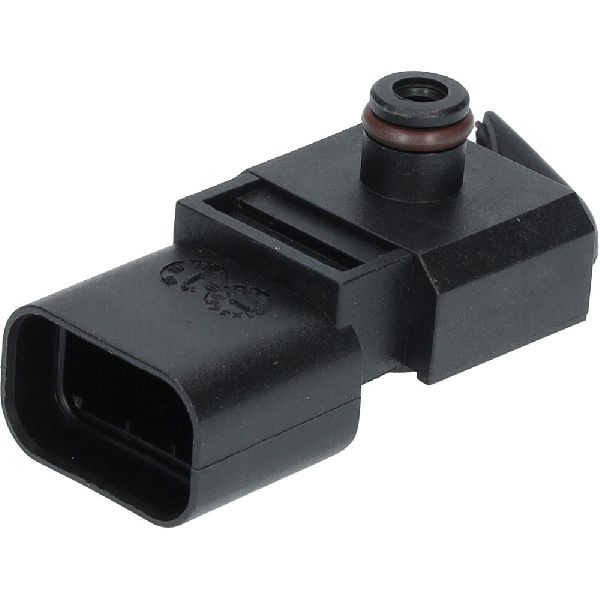
- Fuel Tank Pressure Sensor (FTPS) Signal Voltage (Key On, Engine Off, Gas Cap Off) — expected: ~2.5 Volts (representing atmospheric pressure).. Failure: A voltage of 0V, 5V, or a value significantly different from 2.5V suggests a faulty sensor or a wiring issue.
- Fuel Tank Pressure Sensor (FTPS) Power Supply — expected: A 5-volt reference and a good ground path on the appropriate pins of the sensor's connector.. Failure: Absence of the 5V reference or ground indicates a wiring or ECM problem, not a sensor failure.
Hidden / Shadow Codes Worth Checking
- P0457 as a subset of P0455: While not a hidden code, advanced scan tools may clarify that P0457 is a specific type of P0455 (Gross EVAP Leak). The P0457 logic is triggered when a large leak is detected immediately following a refueling event, making the gas cap the primary suspect. (see via This is a logical distinction made by the Engine Control Module (ECM) and may be noted in the description on more advanced diagnostic tools.)
Scan Tool Commands That Help
- Kia GDS (Global Diagnostic System) or equivalent professional scan tool: EVAP System Leak Test — This automated test commands the Canister Close Valve (CCV) and Purge Valve (PCSV) to seal the system and monitors the Fuel Tank Pressure Sensor (FTPS) to check for a pressure drop, verifying a leak.
- Kia GDS or equivalent professional scan tool: Actuation Test: Canister Close Valve (CCV) & Purge Control Solenoid Valve (PCSV) — Used to manually command the valves open or closed. This is critical during a smoke test to seal the system (by closing both valves) or to check if a valve is stuck by commanding it to change state.
Wiring & Ground Locations
- Fuel Tank Pressure Sensor (FTPS) — On top of the fuel pump assembly, which is accessed through a service cover under the rear seat cushion.. A faulty FTPS or its wiring can mimic a leak, causing a P0457 code even when no physical leak exists. Access is required to test the sensor's 3-pin connector for 5V reference, ground, and signal voltage.
- Canister Purge Solenoid Valve (PCSV) — In the engine bay, typically mounted on or near the intake manifold, with two hoses and one electrical connector.. This is a common failure point. Its location in the engine bay makes it relatively easy to access for testing resistance or checking for vacuum at its ports.
- Canister Close Valve (CCV) — At the rear of the vehicle, mounted on or near the charcoal canister, which is located near the fuel tank.. This valve must seal for the EVAP test to run. Being located under the car, its wiring and the valve itself are exposed to road debris and moisture, making it a potential point of failure.
"I Checked Everything" — The Actual Cause
- A faulty Fuel Tank Pressure Sensor (FTPS) can cause a P0457 code even with a perfectly sealed system. If a smoke test shows no leaks, the FTPS may be sending an incorrect voltage signal to the computer, making it believe a leak is present. The sensor may be stuck or electrically failed, requiring voltage and signal output tests to diagnose.
OEM Part Supersession History
31453-3K600→31453-3K600FFF— Standard part revision by the manufacturer for improvement or supplier change.
Heads up: The new part number (31453-3K600FFF) is the correct replacement for the original. Using the old stock number is not advised.
Model Year Variations Within This Range
- 2014-2016: The 2014 model year marked the beginning of the second generation Soul. It was completely redesigned on a new, slightly larger chassis. While core engine options were similar, this redesign means that chassis-mounted components of the EVAP system (like the charcoal canister and hoses) may have different shapes, mounting points, or part numbers compared to the 2011-2013 first-generation models. Always verify parts with a VIN.
Helpful Videos
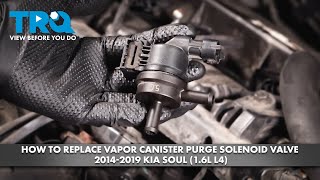
![How to Fix KIA P0457 Engine Code in 2 Minutes [1 DIY Method / Only $4.27]](https://img.youtube.com/vi/WRW-FXnrSLQ/mqdefault.jpg)

Used OEM Parts in Stock

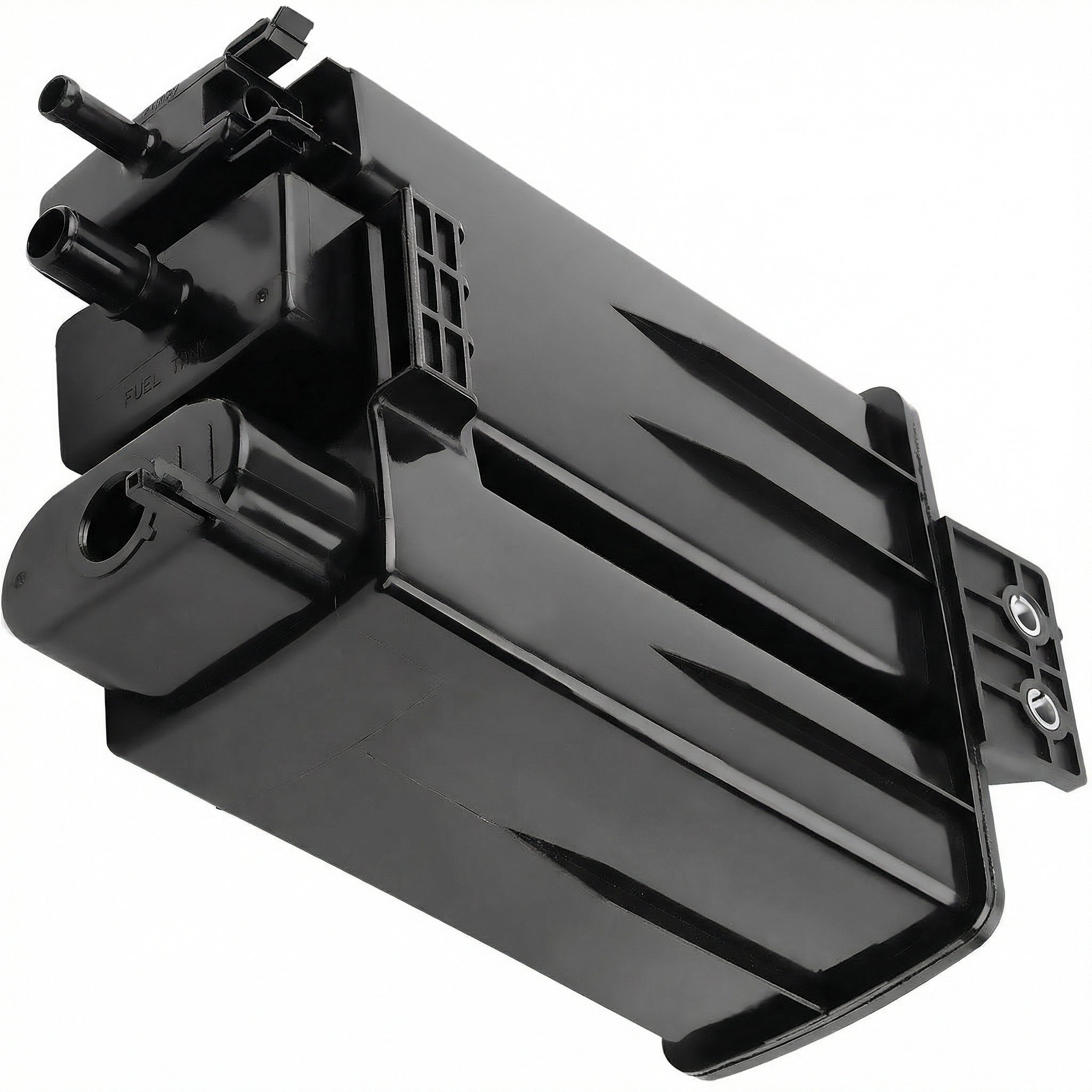
New Aftermarket Parts Available

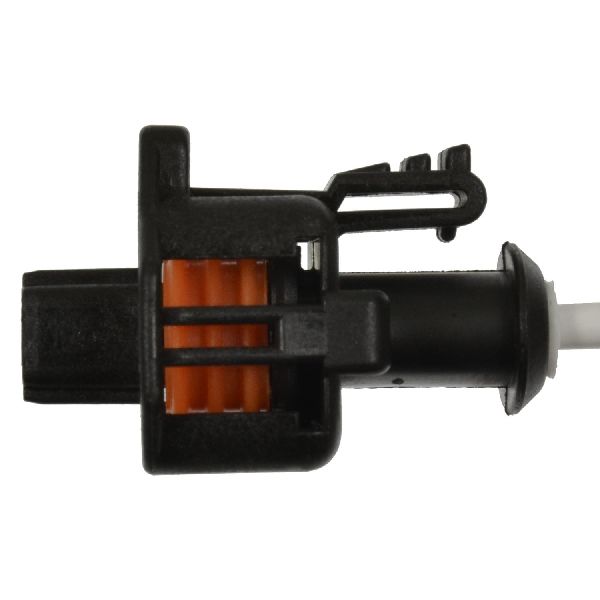


The information in this article is provided for general reference and educational purposes only. Vehicle specifications, procedures, and part compatibility can vary by production date, trim level, and region. Always consult your vehicle's factory service manual and verify part numbers before purchasing or performing repairs. Safety-critical components such as airbags, seat belts, and braking systems should be installed by a qualified professional.
- Kia SOUL:
- 🎬 Helpful Videos
- 🛍️ Shop This Part
- What's Unique About the 2011-2016 Kia SOUL
- Diagnostic Flowchart
- Symptoms You May Notice
- Most Likely Causes
- Rare But Worth Checking
- Diagnosis Steps
- Parts You'll Likely Need
- Related Codes That Often Appear With This One
- Technical Service Bulletins (TSBs) & Recalls
- Platform-Specific Known Issues
- Mechanic-Grade Diagnostic Values
- Hidden / Shadow Codes Worth Checking
- Scan Tool Commands That Help
- Wiring & Ground Locations
- "I Checked Everything" — The Actual Cause
- OEM Part Supersession History
- Model Year Variations Within This Range
- 🎟️ Get 5% Off