

P0457 on 2011-2016 Kia RIO: EVAP Leak (Loose Gas Cap) Causes and Fixes
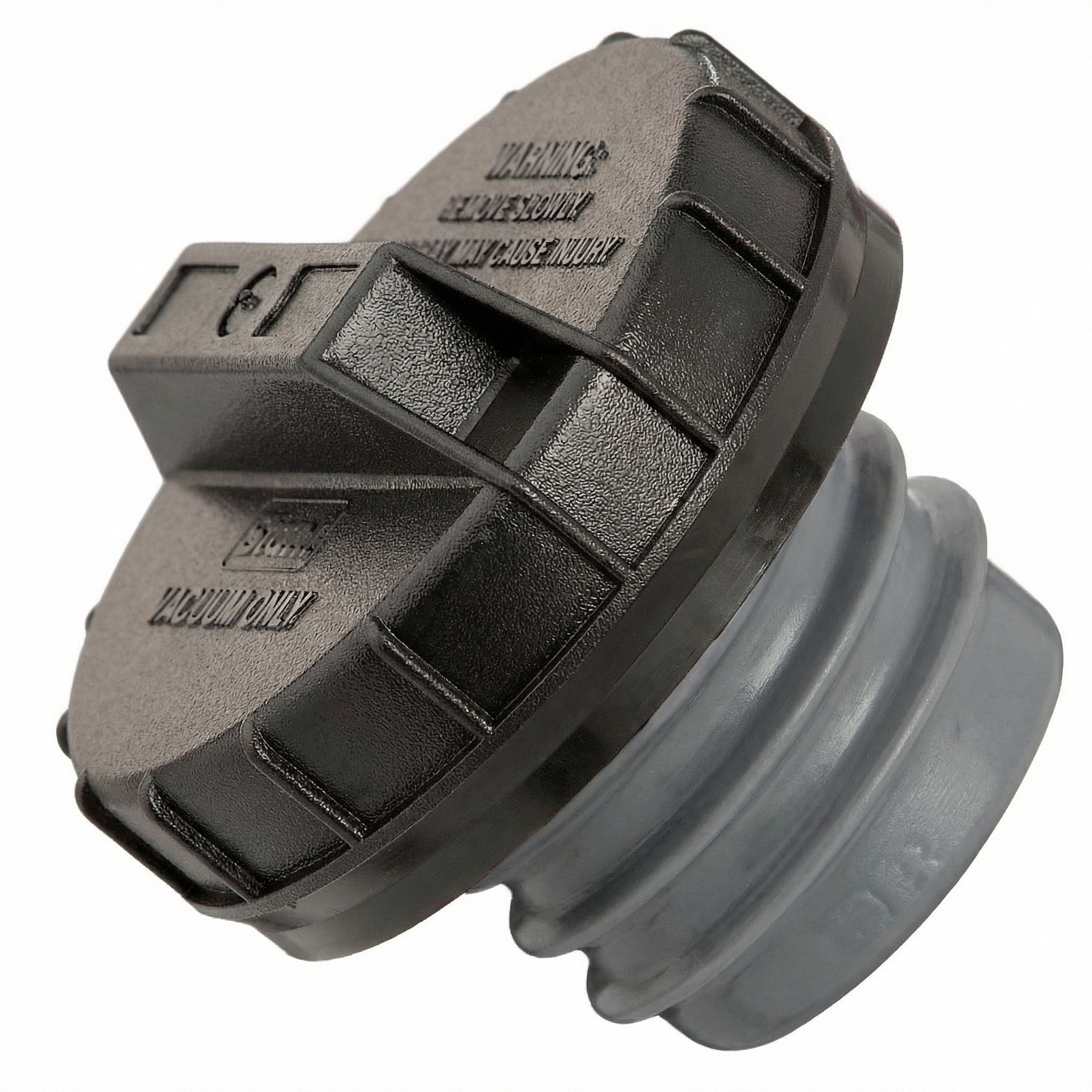
This code almost always means your gas cap is loose, off, or has a bad seal. Before buying any parts, tighten your gas cap until it clicks at least once. If the light returns, a new OEM gas cap (Part No. 31010-3L600U) costs about $20-$35 and is the most likely fix.
- P0457 on your Kia RIO almost always points to an issue with the gas cap. Check that it's tight before doing anything else.
- If tightening the cap doesn't work, inspect its seal for cracks. A new OEM gas cap (P/N 31010-3L600U) is an inexpensive and likely fix.
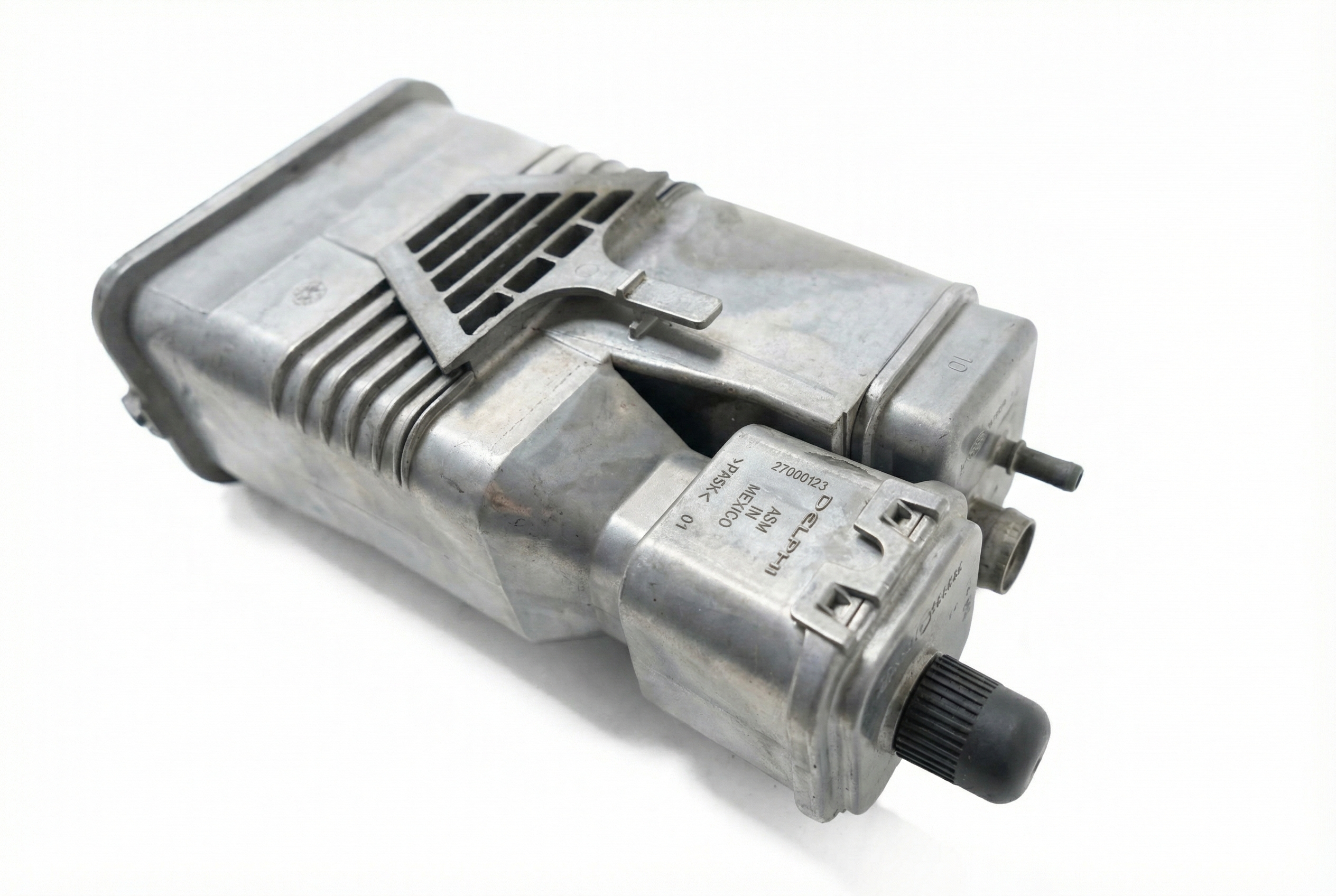
- Do not replace other, more expensive parts like the charcoal canister without first performing a smoke test to confirm the leak location, as recommended by Kia's own service bulletin.
- The Hyundai Accent from 2012-2017 shares the same engine and EVAP system, so repair stories and parts for that vehicle are also relevant.
What's Unique About the 2011-2016 Kia RIO
For this generation of Kia RIO, the EVAP system is fairly standard. However, Kia issued a Technical Service Bulletin (TSB PS469) acknowledging that diagnosing the source of EVAP leaks (which trigger codes like P0457, P0455, and P0456) can sometimes be difficult. [⭐] The bulletin suggests that if the system's own self-test doesn't find the problem, a manual test, such as a smoke test, is the recommended next step to locate hard-to-find leaks. Additionally, the Canister Close Valve (CCV) is a known potential failure point on these models for small leaks (P0456), and while less common for a large leak code like P0457, it's a component to be aware of.
Diagnostic Flowchart
Tap your situation to follow the diagnostic path that matches what you're seeing on this vehicle.
Symptoms You May Notice
- Check Engine Light is on.
- A faint smell of fuel, especially around the gas cap area.
- A 'Check Fuel Cap' message on the dashboard, if equipped.
- Slight decrease in fuel mileage over time.
- In rare cases, difficulty starting the engine immediately after refueling.
- Replacing the charcoal canister or purge valve before checking if the gas cap is tight and its seal is in good condition.
Most Likely Causes
- Loose, Damaged, or Incorrect Fuel Cap 🔴 High Probability This is the most common cause for any vehicle, as it's a user-interacted part. The computer logic is specifically designed to set P0457 if a large leak is detected shortly after refueling. Seals can wear out over time or the cap may not be tightened correctly.
How to confirm: Ensure the cap is tightened until it clicks multiple times. Inspect the rubber O-ring or seal on the cap for cracks, stiffness, or damage. Check if you are using a non-OEM cap that may not seal correctly. The correct OEM part for this generation is Kia P/N 31010-3L600U.
Typical fix: Tighten or replace the fuel cap.
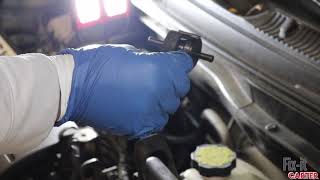
Est. part cost: $10-$35 - Faulty Canister Purge Valve (Solenoid) 🟡 Medium Probability The purge valve is an electromechanical part that cycles frequently and can get stuck open, creating a constant leak path. On the 1.6L GDI engine, it is conveniently located on top of the engine under the plastic cover, making it an easy part to inspect and replace. 🎬 Watch: This easy walkthrough shows you how to replace the purge valve.
How to confirm: With the engine off, disconnect the hoses from the valve; it should be closed and not allow air to pass when you blow through it. A professional scan tool can also command it to open and close to verify operation.
Typical fix: Replace the canister purge valve. The OEM part number is often 28910-26900, though it's critical to verify by VIN.
Est. part cost: $30-$70 - Cracked or Disconnected EVAP Hoses ⚪ Low Probability Rubber and plastic hoses in the engine bay and under the car can become brittle with age and exposure to heat and elements, leading to cracks. Hose clamps can also rust and fail, particularly in salt-belt regions.
How to confirm: Visually inspect all accessible EVAP lines between the engine, charcoal canister, and fuel tank for obvious cracks, breaks, or loose connections. A smoke test is the definitive way to find a leak in a hose.
Typical fix: Replace the damaged section of hose or the failed clamp.
Est. part cost: $5-$50
Rare But Worth Checking
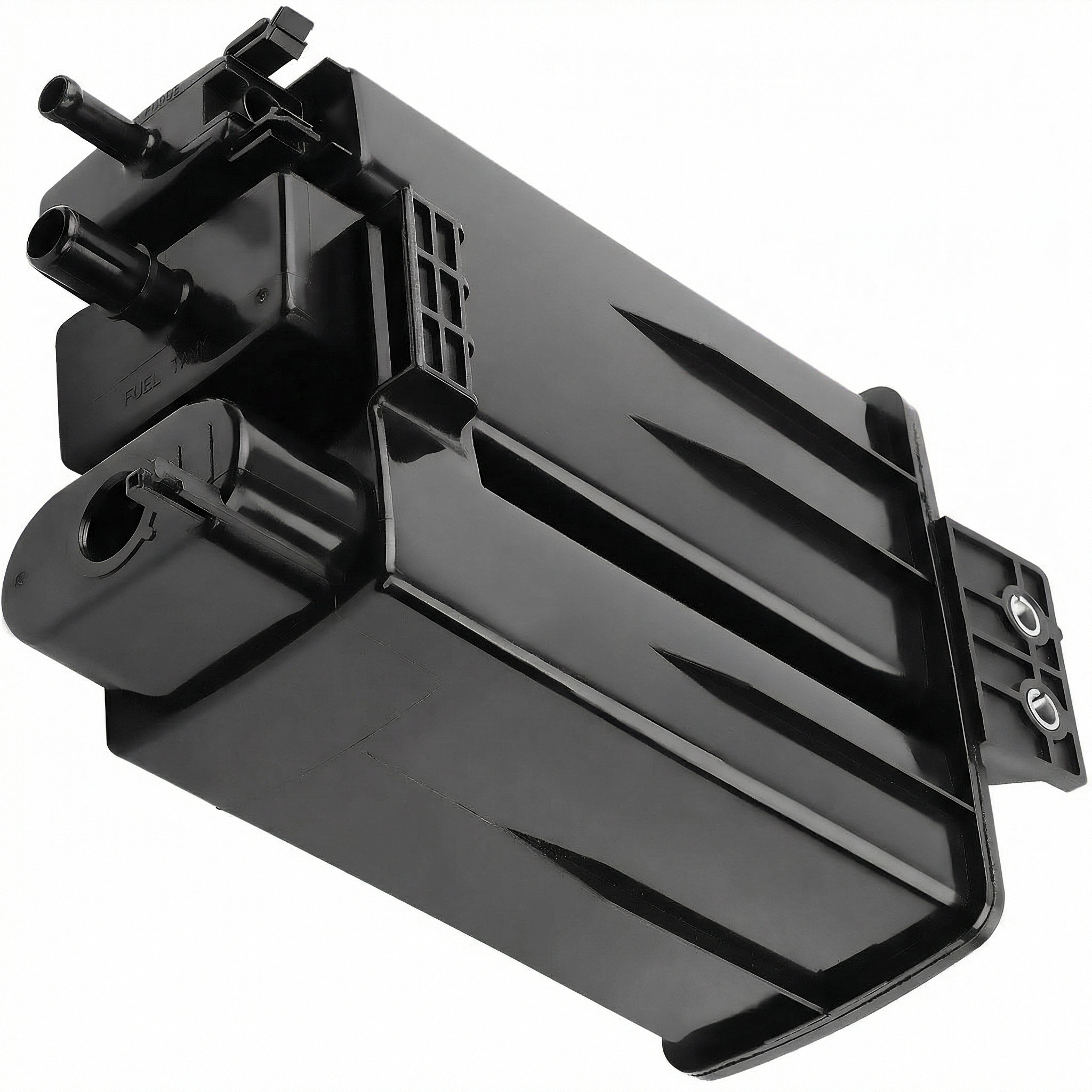
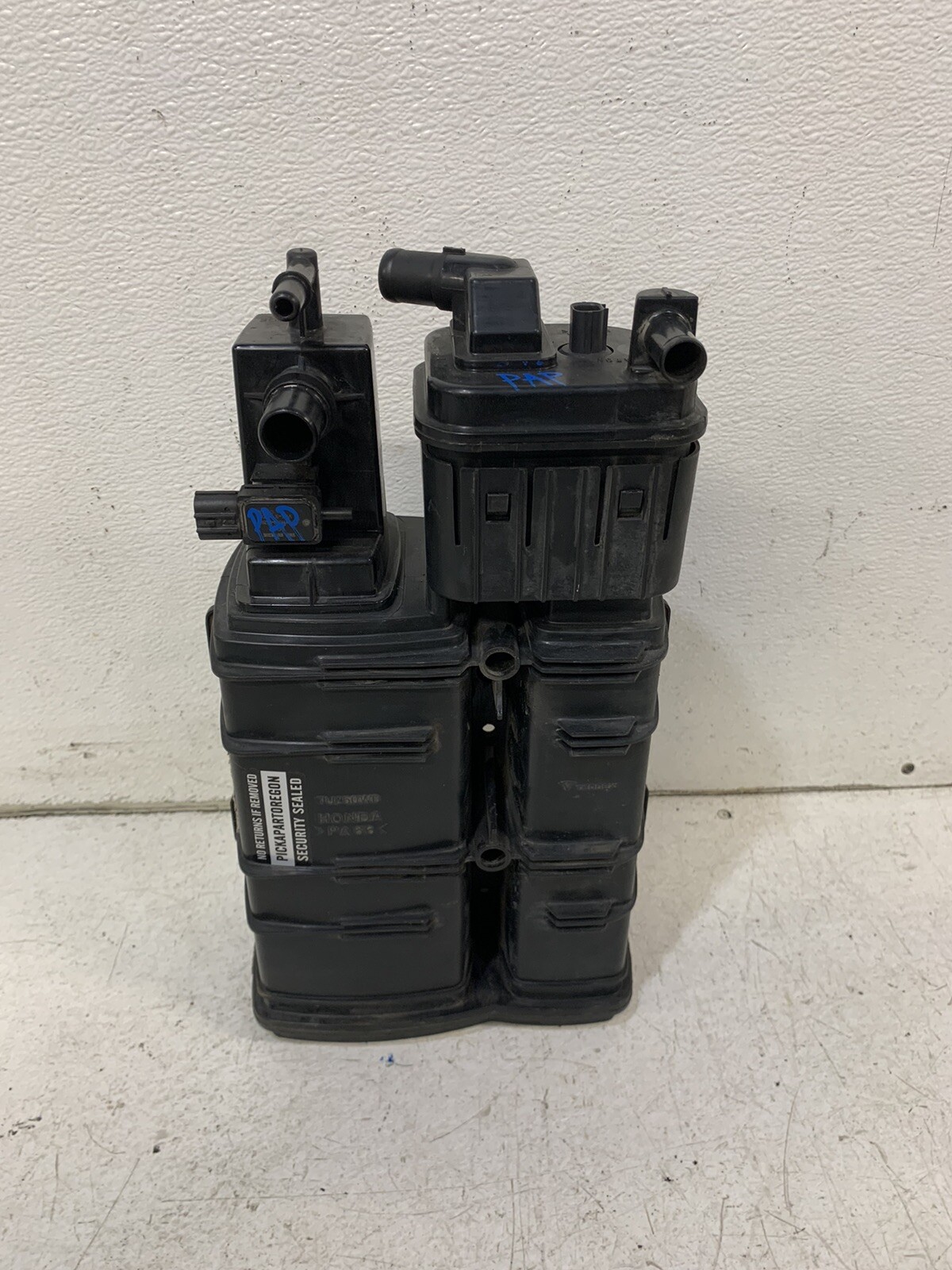
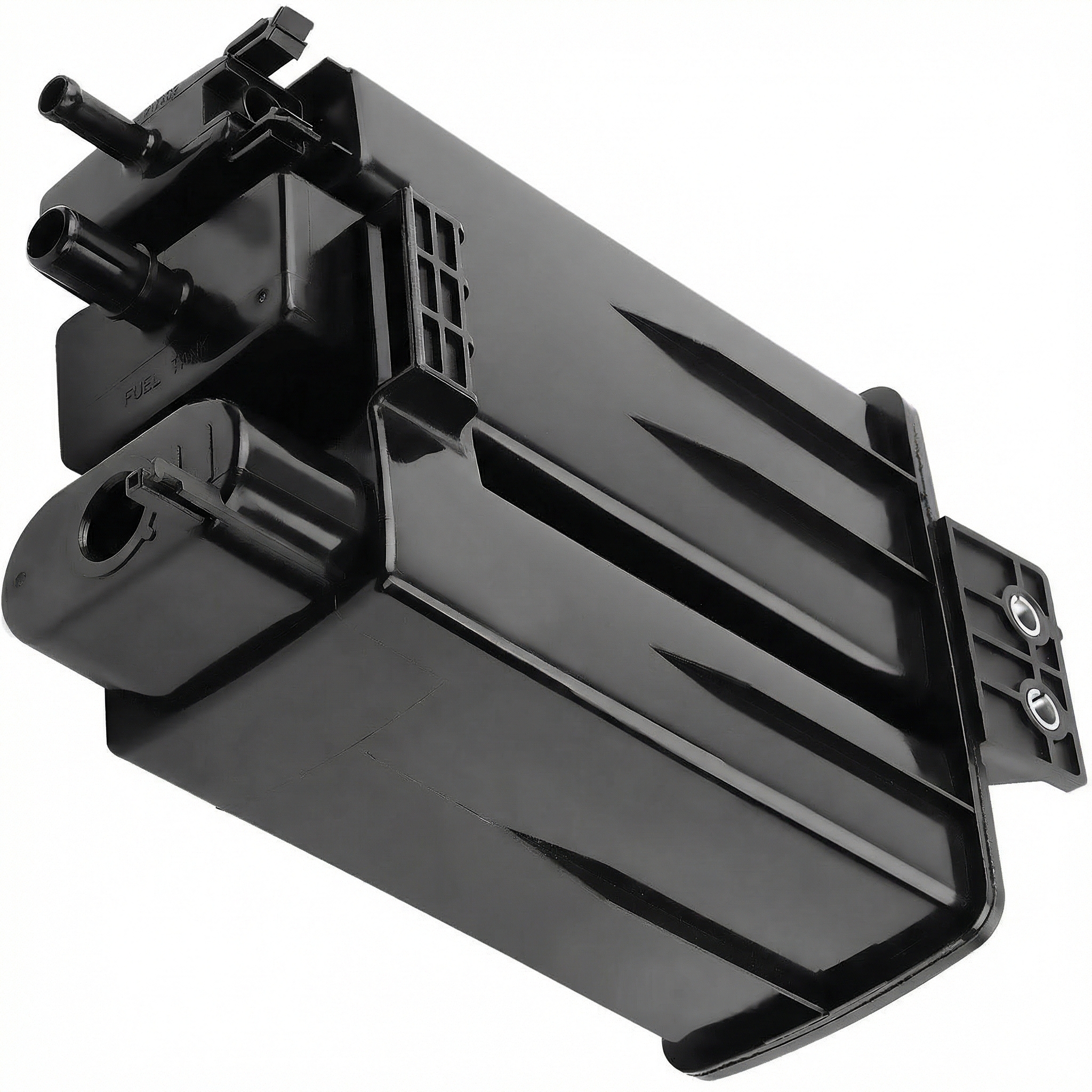
- Cracked Charcoal Canister: The canister itself can be damaged by road debris or a physical impact, causing a crack that creates a large leak. It's worth a visual inspection, especially if you've had a minor underbody impact.
- Faulty Canister Close Valve (CCV): This valve, located near the charcoal canister, is supposed to seal the EVAP system from the atmosphere during self-tests. If it gets stuck open, it creates a large leak. This is a known failure point on Kias for smaller leaks (P0456) but can also cause a P0457 if it fails completely open.
- Leaking Fuel Filler Neck: Rust or corrosion can cause holes to form in the metal tube that leads from the gas cap to the fuel tank, creating a leak. This is more common in regions that use road salt. A Reddit user with a 2017 Rio confirmed a leak in this area via a smoke test. A visual inspection for heavy rust or a smoke test will confirm this issue.
- Faulty Fuel Tank Pressure Sensor: Rarely, the sensor that measures pressure in the system can fail and report a leak when one doesn't exist. This is usually diagnosed after a smoke test finds no leaks.
Diagnosis Steps
- Check the Gas Cap: This is the most common cause. Remove and reinstall the gas cap, ensuring it clicks at least 1-3 times. Clear the code with a scanner and drive for a few days to see if it returns.
- Inspect the Gas Cap: If the code returns, remove the cap and carefully inspect the seal/O-ring for any cracks, tears, or signs of being worn out and brittle. If it looks bad, replace it with an OEM cap (P/N 31010-3L600U).
- Visual Inspection: Look over the EVAP system hoses in the engine bay and under the car near the fuel tank. Look for any obvious cracks, disconnected lines, or rusted-out hose clamps.
- Check the Purge Valve: Locate the purge valve (solenoid) on top of the engine. With the engine off, disconnect its hoses. It should be closed by default. If you can blow through it, it's stuck open and needs to be replaced.
- Perform a Smoke Test: If the previous steps don't reveal the issue, the definitive diagnostic method is an EVAP smoke test. A machine injects low-pressure smoke into the EVAP system. The leak will be revealed by the smoke exiting from the cracked hose, canister, filler neck, or seal. This is the 'manual EVAP test' recommended by Kia's TSB for hard-to-find leaks. [⭐]
Parts You'll Likely Need
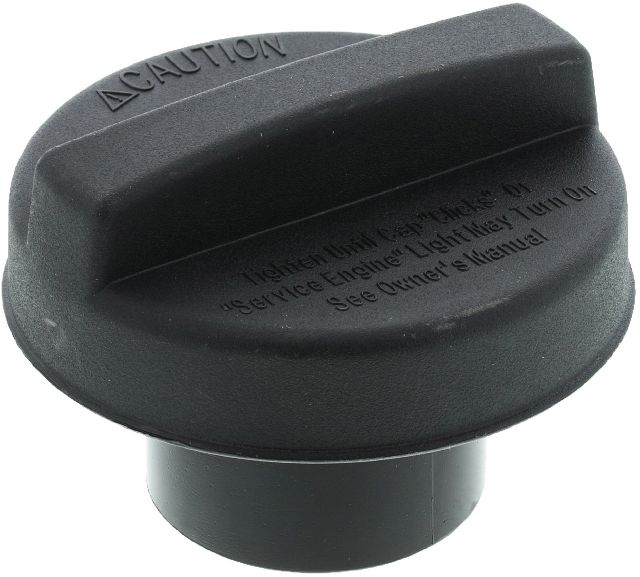
- Fuel Cap
(OEM #31010-3L600U)— This is the most frequent cause of P0457. The seal wears out or the cap is not tightened properly, causing the system to detect a large leak. This part number fits the 2012-2023 Kia Rio.
Trusted brands: Kia (OEM), Gates, Stant
OEM price range: $20-$35
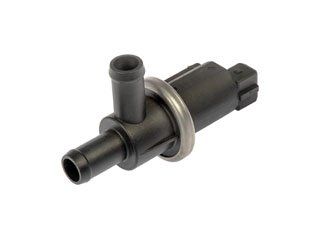
Aftermarket price range: $10-$25 - Canister Purge Valve / Solenoid
(OEM #28910-26900)— This valve controls the flow of fuel vapors to the engine and can fail by sticking open, creating a constant leak path that triggers the code. It is a common failure item on many Kia/Hyundai vehicles.
Trusted brands: Kia (OEM), Bosch, Standard Motor Products
OEM price range: $50-$90
Aftermarket price range: $30-$70
Related Codes That Often Appear With This One
- P0455 — Indicates a 'gross leak' in the EVAP system. P0457 is a more specific version of this, often pointing directly to the fuel cap because the leak was detected after a refueling event.
- P0456 — Indicates a 'small leak'. Sometimes a problem can cause the system to log multiple leak codes of different sizes as it performs its tests.
- P0442 — Indicates a 'medium leak'. As mentioned in TSB PS469, this code can appear with P0457 if the system has trouble pinpointing the exact size of the leak. [⭐]
Technical Service Bulletins (TSBs) & Recalls
- PS469: Advises that if the check engine light is on with code P0457 and the vehicle's self-test doesn't find a fault, a manual EVAP test (like a smoke test) is recommended to find hard-to-locate leaks. [⭐]
Platform-Specific Known Issues
- Rusted Fuel Filler Neck: In areas with road salt, the fuel filler neck is prone to rusting through, creating a large EVAP leak near the gas cap area that can be mistaken for a bad cap. A user on Reddit with a 2017 Rio confirmed this was their issue after a smoke test revealed the leak was not the cap itself but the neck it attaches to.
Mechanic-Grade Diagnostic Values
- Canister Purge Solenoid Valve (PCSV) Coil Resistance — expected: 15 - 30 Ohms at 68°F (20°C). Failure: A reading significantly outside this range, or an open/infinite reading, indicates a faulty coil.
- Fuel Tank Pressure Sensor (FTPS) Reference Voltage — expected: 5 Volts DC. Failure: No voltage indicates a wiring or ECM issue. Check with Key On, Engine Off at the sensor connector.
- Fuel Tank Pressure Sensor (FTPS) Signal Voltage (Atmospheric Pressure) — expected: ~2.5 Volts DC. Failure: A voltage stuck high (near 5V) or low (near 0V) suggests a faulty sensor or wiring short. This reading should be taken with Key On, Engine Off and the gas cap removed.
- Fuel Tank Pressure Sensor (FTPS) Signal Voltage (Under Vacuum) — expected: Voltage should drop from ~2.5V towards ~1.5V. Failure: If voltage does not change when a light vacuum is applied with a hand pump, the sensor is not responding and is likely faulty.
Scan Tool Commands That Help
- Kia GDS (or advanced OBD2 scanner): EVAP System Leak Test — This is a guided, automated test function that commands the vent and purge valves to seal the system and monitors the FTPS to check for a pressure drop, confirming a leak.
- Kia GDS (or advanced OBD2 scanner): Purge Valve Actuation Test / Vent Valve Actuation Test — Allows a technician to manually command the purge or vent valve to open and close. This is used to confirm if a valve is electrically functional and not mechanically stuck. For example, commanding the purge valve open should cause a change in fuel trims and O2 sensor readings.
- Kia GDS (or advanced OBD2 scanner): Reset Adaptive Values — After replacing a component like a purge valve that affects the air/fuel mixture, resetting the engine's learned fuel trim values can help the system adapt to the new part more quickly.
Wiring & Ground Locations
- Engine Room Junction Box — In the engine bay, contains main fuses and relays for components like the fuel pump and engine control systems.. A blown fuse for the ECU or related sensors in this box could cause parts of the EVAP system to lose power, leading to a fault code.
- Passenger Compartment Junction Box — Located under the driver's side of the dashboard.. This box contains fuses and relays that power various interior and control modules. A fault here could potentially affect power to the ECM or instrument cluster warnings.
- FTPS Power Source — The Fuel Tank Pressure Sensor receives its 5V reference power from the same ECM pin as the A/C pressure sensor.. If you have no power at the FTPS, but you DO have 5V at the A/C pressure sensor, it strongly suggests a break in the wiring harness specific to the FTPS circuit, rather than a faulty ECM.
"I Checked Everything" — The Actual Cause
- A Kia owner reported on a forum that for small EVAP leak codes, their Fuel Tank Pressure Sensor (FTPS) was not receiving its 5V power with the Key On, Engine Off, contrary to the test procedure in Kia's own TSB (PS469). Power only appeared once the engine was running. This indicates a potential electrical fault or an unusual power-up sequence that could cause a sensor-related code even if the system has no physical leaks. A smoke test would not identify this type of electrical issue.
OEM Part Supersession History
28910-26900→Varies (e.g., 29010-2B000, 28910-2E000)— Part variation across model years and engine types.
Heads up: CRITICAL: The purge valve P/N 28910-26900 is frequently listed for Kia vehicles but is often correct for the 2.0L engine, not the 1.6L GDI in this Rio. Ordering this part without verifying by VIN can lead to installing an incorrect component. Always confirm the exact part number with a Kia dealer using your vehicle's VIN before purchasing.
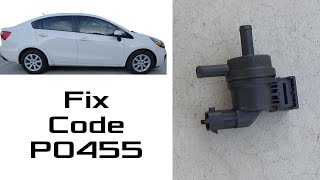
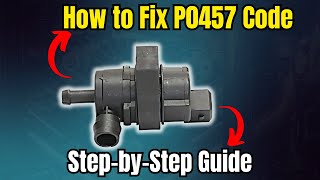
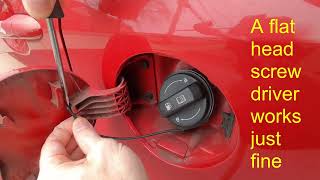
Helpful Videos
Used OEM Parts in Stock
New Aftermarket Parts Available


The information in this article is provided for general reference and educational purposes only. Vehicle specifications, procedures, and part compatibility can vary by production date, trim level, and region. Always consult your vehicle's factory service manual and verify part numbers before purchasing or performing repairs. Safety-critical components such as airbags, seat belts, and braking systems should be installed by a qualified professional.
- Kia RIO:
- 🎬 Helpful Videos
- 🛍️ Shop This Part
- What's Unique About the 2011-2016 Kia RIO
- Diagnostic Flowchart
- Symptoms You May Notice
- Most Likely Causes
- Rare But Worth Checking
- Diagnosis Steps
- Parts You'll Likely Need
- Related Codes That Often Appear With This One
- Technical Service Bulletins (TSBs) & Recalls
- Platform-Specific Known Issues
- Mechanic-Grade Diagnostic Values
- Scan Tool Commands That Help
- Wiring & Ground Locations
- "I Checked Everything" — The Actual Cause
- OEM Part Supersession History
- 🎟️ Get 5% Off