

P0457 on 2011-2016 Kia Forte: EVAP Leak (Loose Gas Cap) Causes and Fixes
On a 2011-2016 Kia Forte, code P0457 almost always means you have a loose, worn out, or incorrect gas cap. This is a very inexpensive fix, typically under $20 for a new cap. If a new cap doesn't solve it, the next most likely causes are the canister purge valve or canister close valve, with some model years being prone to cracked charcoal canisters.
- Start with the simplest fix: ensure your gas cap is tight. If the code comes back, replace the gas cap.
- P0457 will not leave you stranded, but it will cause an automatic failure on an emissions test.
- If a new gas cap doesn't resolve the issue, the leak is likely in the purge valve, close valve, or a cracked hose.
- A professional smoke test is the fastest way to find a leak if it's not the gas cap.
- When buying parts like valves, double-check that they fit your specific model year (2011-2013 vs. 2014-2016) as they are often different.
What's Unique About the 2011-2016 Kia FORTE
For the Kia Forte, the P0457 code is a straightforward EVAP leak code without many platform-specific quirks. However, the 2011-2016 model years span two different generations of the Forte. The first generation (TD) runs from 2010-2013 and the second generation (YD) covers 2014-2018. While the code's meaning is the same, be aware that EVAP system components like the purge valve and canister close valve often have different designs and part numbers between these two generations. Notably, some Kia/Hyundai vehicles from this era are known for developing cracks in the charcoal canister itself, leading to persistent small or large leak codes.
Diagnostic Flowchart
Tap your situation to follow the diagnostic path that matches what you're seeing on this vehicle.
Generation note: The 2011-2016 range covers two Forte generations: the first (TD, 2011-2013) and the second (YD, 2014-2016). Key EVAP system parts, such as the canister purge valve and canister close valve, are not interchangeable between these generations. Always verify the part number for your specific model year before purchasing.
Symptoms You May Notice
- Check Engine Light is on.
- A noticeable smell of gasoline, particularly around the rear of the car or when stationary.
- In rare cases, difficulty starting the engine immediately after refueling.
- A slight decrease in fuel economy over time.
- Replacing the oxygen (O2) sensors. O2 sensors are not part of the EVAP system and will not cause a P0457 code.
- Replacing the catalytic converter. This is an expensive exhaust component that is unrelated to the fuel vapor system.
Most Likely Causes
- Loose, Damaged, or Incorrect Fuel Cap 🔴 High Probability This is the most common cause for this specific code across all vehicles, as the cap seal degrades over time or can be left loose after filling up.
How to confirm: Ensure the cap is tightened until it clicks at least 3 times. Inspect the rubber O-ring or seal on the cap for cracks, stiffness, or damage. If it looks worn, it's likely the cause.
Typical fix: Tighten the cap. If the code returns or the seal is bad, replace the fuel cap with a new OEM or high-quality aftermarket equivalent.
Est. part cost: $10-$25 - Faulty Canister Purge Valve (PCSV) 🟡 Medium Probability The purge valve is a solenoid that opens and closes frequently, and can get stuck open or closed over time, causing a leak in the system.
How to confirm: With the engine off, try to blow through the valve; it should be closed and not allow air to pass. A mechanic can also use a scan tool to command the valve to open and close while observing system pressure. The valve is located in the engine bay.
Typical fix: Replacement of the purge valve. It is typically located on or near the intake manifold in the engine bay.
Est. part cost: $35-$85 - Faulty Canister Close Valve (CCV) / Vent Valve 🟡 Medium Probability Located near the charcoal canister under the car, this valve is exposed to road debris and moisture, which can cause it to fail or its seals to degrade. On some Forte models, it is attached directly to the charcoal canister.
How to confirm: This valve is normally open. A mechanic can command it closed with a scan tool during a system test. If it fails to close or seal, it needs replacement. Visual inspection may reveal cracks in the valve body.
Typical fix: Replacement of the canister close valve.
Est. part cost: $75-$115 - Cracked EVAP Charcoal Canister ⚪ Low Probability The canister is a plastic box located underneath the car, making it susceptible to damage from road debris or bottoming out. Kias of this era have been noted to develop cracks in the plastic housing of the canister, particularly around the sensor and hose ports, leading to persistent EVAP codes like P0456 and P0455, which can also manifest as P0457.
How to confirm: A visual inspection may show cracks or damage to the canister body, especially where plastic fittings are molded in. A smoke test will definitively show smoke leaking from the canister itself.
Typical fix: Replacement of the charcoal canister assembly. In a documented case on a 2014 Forte, a new canister from Hyundai/Kia was required to resolve the leak.
Est. part cost: $150-$250 - Cracked or Disconnected EVAP Hoses ⚪ Low Probability Over time, the rubber and plastic hoses that carry fuel vapor can become brittle from engine heat and age, leading to cracks.
How to confirm: A visual inspection may reveal obvious cracks or disconnected lines. The most effective method is a smoke test, where a machine fills the EVAP system with a harmless, visible smoke to reveal the exact location of any leaks.
Typical fix: Replace the specific section of cracked hose.
Est. part cost: $5-$50
Rare But Worth Checking
- Damaged Fuel Filler Neck: Rust or physical damage to the metal pipe where the gas cap screws on can prevent a proper seal, even with a new cap. This is more common in areas with heavy road salt usage. Check this area for corrosion or deformities when you inspect the cap. A replacement filler neck for a 2014-2018 Forte has an OEM part number like 31030-A7550.
Diagnosis Steps
- Check the Gas Cap: This is the most common cause. Remove the cap, inspect the seal for cracks or wear, and retighten it until it clicks several times. Clear the code and drive for a few days to see if it returns.
- Replace the Gas Cap: If the seal is visibly damaged or if tightening it didn't work, the next step is to replace the cap. It's an inexpensive part and a very frequent solution. Use an OEM or high-quality aftermarket cap for best results.
- Visual Inspection: Carefully inspect all accessible EVAP hoses in the engine bay and under the car leading to the charcoal canister. Look for any obvious cracks, breaks, or loose connections.
- Inspect Valves: Locate the purge valve (engine bay) and canister close valve (under the car near the tank). Check for visible cracks on the valve bodies or connectors.
- Perform a Smoke Test: If the leak isn't obvious, the definitive way to find it is with an EVAP smoke machine. A mechanic will connect the machine to the system's service port and fill it with a dense, visible vapor. The smoke will exit from the source of the leak, whether it's a tiny hose crack, a faulty valve, or a cracked canister.
Parts You'll Likely Need
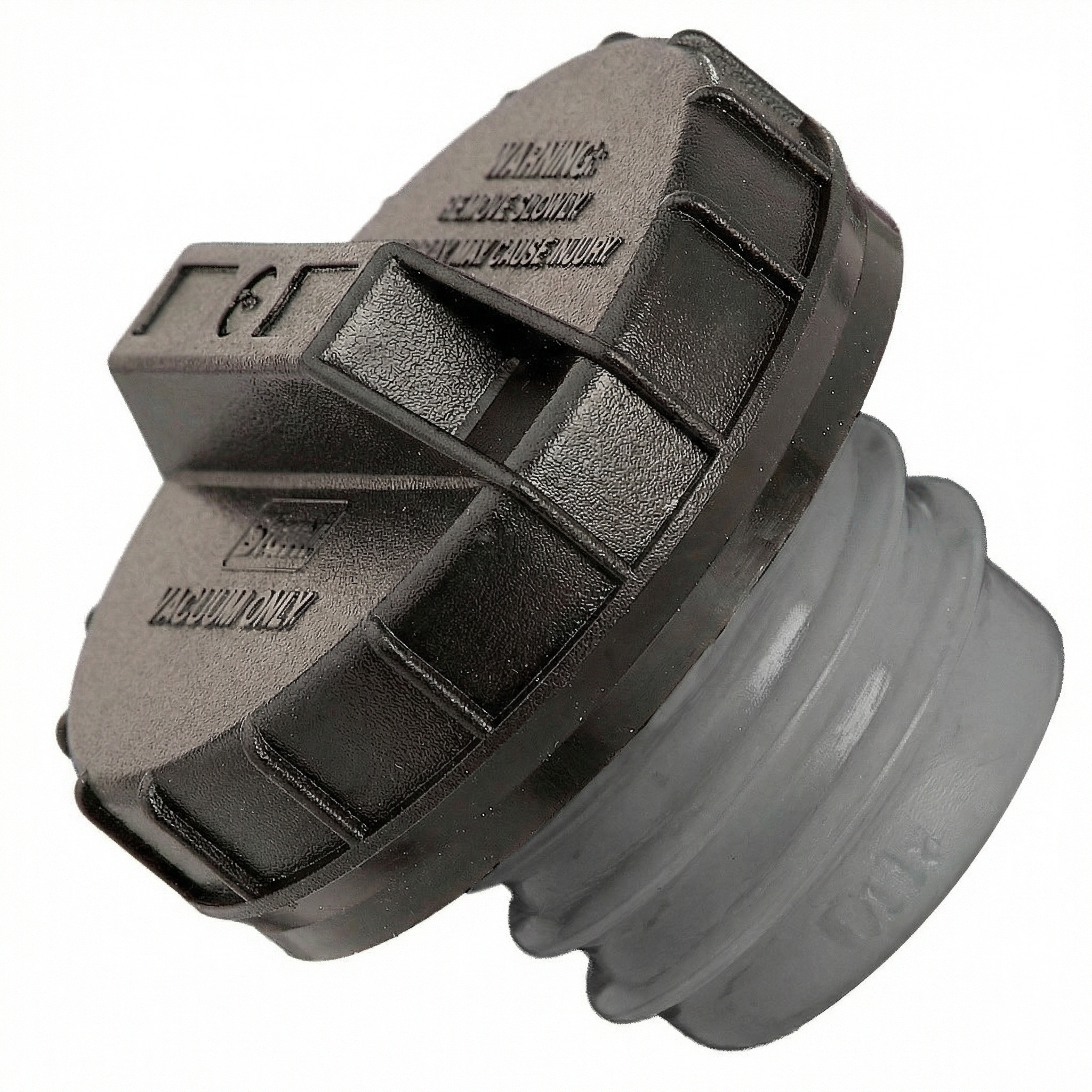
- Fuel Gas Cap
(OEM #31010-3L600U (example, verify by VIN))— This is the most common failure point for code P0457, as the seal wears out over time or the cap is not tightened properly.
Trusted brands: Kia (OEM), Gates, Stant
OEM price range: $20-$30
Aftermarket price range: $10-$20 - Canister Purge Valve / Purge Control Solenoid Valve
(OEM #28910-2E000 (fits some 2012-2013 models), 28910-3L000 (fits some 2014-2018 models))— This valve cycles constantly and can wear out, getting stuck open or closed and causing a leak. Part numbers vary by generation.
Trusted brands: Kia (OEM), Bosch, Standard Motor Products
OEM price range: $55-$85
Aftermarket price range: $35-$60 - Canister Close Valve / Vent Valve
(OEM #31430-1D500 (fits some early TD models), 31430-3X000 (fits some YD models))— Its location under the car exposes it to the elements, leading to corrosion or cracks that cause it to fail. Part numbers vary significantly by generation.
Trusted brands: Kia (OEM), Dorman, Standard Motor Products
OEM price range: $80-$115
Aftermarket price range: $50-$90
Related Codes That Often Appear With This One
- P0455 — P0455 indicates a 'Gross EVAP Leak'. P0457 is a more specific version of P0455 that the system often sets when its logic suspects the gas cap is the cause of the large leak, often after a refueling event.
- P0456 — Indicates a 'Small EVAP Leak'. It's possible to have multiple leaks of different sizes, or for a failing component like a cracked canister to initially present as a small leak before worsening. Some owners report chasing a P0456 for a long time before it's fixed.
- P0442 — Indicates a 'Medium EVAP Leak'. Similar to P0456, it points to a leak in the same system, and the root cause is often a shared component.
Technical Service Bulletins (TSBs) & Recalls
- PS469: Recommends a manual EVAP test for hard-to-find P0457 leaks.
Platform-Specific Known Issues
- Per Kia's Technical Service Bulletin #PS469, if the check engine light is on for codes P0442, P0455, P0456, or P0457 and the system's self-test finds no trouble (NTF), Kia recommends performing a manual EVAP test (like a smoke test) to find hard-to-detect small leaks.
- Some owners on forums like Reddit have reported chasing similar EVAP codes (P0456) for years, replacing gas caps and valves without success, indicating a more elusive leak source like a cracked canister or hose.
- A YouTube video documenting a repair on a 2014 Forte with a P0442 (small leak) showed the root cause to be cracks in the plastic body of the charcoal canister itself, around the molded fittings. The mechanic noted this is a known issue on Hyundai/Kia vehicles of this generation.
Mechanic-Grade Diagnostic Values
- Fuel Tank Pressure Sensor (FTPS) Signal Voltage (KOEO, Gas Cap OFF) — expected: Refer to KGIS for specific vehicle specs, but should be a stable baseline voltage.. Failure: If voltage is out of the specified range, but the 5V reference and ground at the sensor are good, the FTPS is likely faulty.
- Fuel Tank Pressure Sensor (FTPS) Signal Voltage during PCSV test — expected: Should be greater than 1.5V while the PCSV control wire is manually grounded for 25 seconds (engine running).. Failure: If the voltage drops below 1.5V, it indicates a restriction in the EVAP system (e.g., rollover valve, charcoal canister, CCV).
- Fuel Tank Pressure Sensor (FTPS) Signal Voltage during CCV test — expected: Voltage should remain steady for 25 seconds after unplugging the PCSV and grounding the CCV control wire.. Failure: If the voltage drops and continues to drop, the PCSV is likely leaking internally.
Scan Tool Commands That Help
- Kia GDS (Global Diagnostic System) or equivalent professional scanner: Evap. Leakage Test — This is an automated test function that commands the PCSV and CCV to seal the system and monitors the FTPS to check for pressure decay, helping to confirm if a leak is present.
- Kia GDS or equivalent professional scanner: Actuation Test: Canister Purge Valve (PCSV) — This bidirectional control allows a technician to manually command the PCSV open and closed to check its mechanical and electrical function while monitoring system pressure or listening for a click.
- Kia GDS or equivalent professional scanner: Actuation Test: Canister Close Valve (CCV) — This command forces the normally-open CCV to close, sealing the EVAP system for a pressure or smoke test. If the system cannot be sealed, this test helps isolate the CCV as the point of failure.
Wiring & Ground Locations
- Purge Control Solenoid Valve (PCSV) — In the engine bay, typically mounted on or near the intake manifold with two hoses and an electrical connector.. This is a common failure point. Accessing its two-terminal connector is necessary for electrical testing (checking for power, ground, and control signal from the PCM).
- Canister Close Valve (CCV) & Charcoal Canister — Underneath the rear of the vehicle, near the fuel tank and spare tire well. The CCV may be attached directly to the canister.. This area is exposed to road debris and moisture. The wiring and connectors for the CCV should be inspected for damage or corrosion. A smoke test often reveals leaks from the canister body or the CCV itself in this location.
- Fuel Tank Pressure Sensor (FTPS) — Mounted on top of the fuel tank, accessible by removing the rear seat cushion on many models.. A faulty FTPS can send incorrect pressure readings to the PCM, causing it to set a leak code even if no physical leak exists. Testing requires accessing its connector to check for the 5V reference, ground, and signal voltage.
Real Owner Repair Stories
- YouTube channel 'Pine Hollow Auto Diagnostics' (2014 Kia Forte 1.8L) — Check Engine Light with code P0442 (Small EVAP Leak). The diagnostic process is identical for P0457.
❌ Tried (didn't work) The owner first attempted to repair visible cracks on the original charcoal canister using plastic welding and epoxy. This fix failed and the leak returned.
✅ What actually fixed it The final fix was the complete replacement of the EVAP charcoal canister with a new OEM part from Hyundai/Kia. A smoke test confirmed the old, repaired canister was still leaking from multiple corroded fittings that had pushed out of the plastic housing. After installing the new canister, the system held pressure and all monitors set.
When the Usual Fixes Don't Work
- While the gas cap is the most common cause, a documented repair on a 2014 Forte showed that even after extensive diagnostics, the final root cause was a cracked charcoal canister. The owner attempted to repair the cracks with epoxy, but the fix did not hold, and only a full OEM replacement of the canister resolved the code. This indicates that for this platform, a cracked canister is a significant possibility if a new gas cap does not solve the problem.
Model Year Variations Within This Range
- 2014-2016 (YD Generation): These models may be affected by TSB FUE038, which addresses a problem with the fuel filler neck's 'Air Drain Case' that can lead to water contamination in the Canister Close Valve (CCV).
- 2011-2016: Multiple part numbers may exist for the same component, like the Canister Purge Valve, even within the same model year. For a 2016 Forte, part numbers 28910-3C200 and 28910-2E000 are both listed, highlighting the importance of verifying the correct part by VIN before ordering.
Helpful Videos

![How to Fix KIA P0457 Engine Code in 2 Minutes [1 DIY Method / Only $4.27]](https://img.youtube.com/vi/WRW-FXnrSLQ/mqdefault.jpg)


Used OEM Parts in Stock
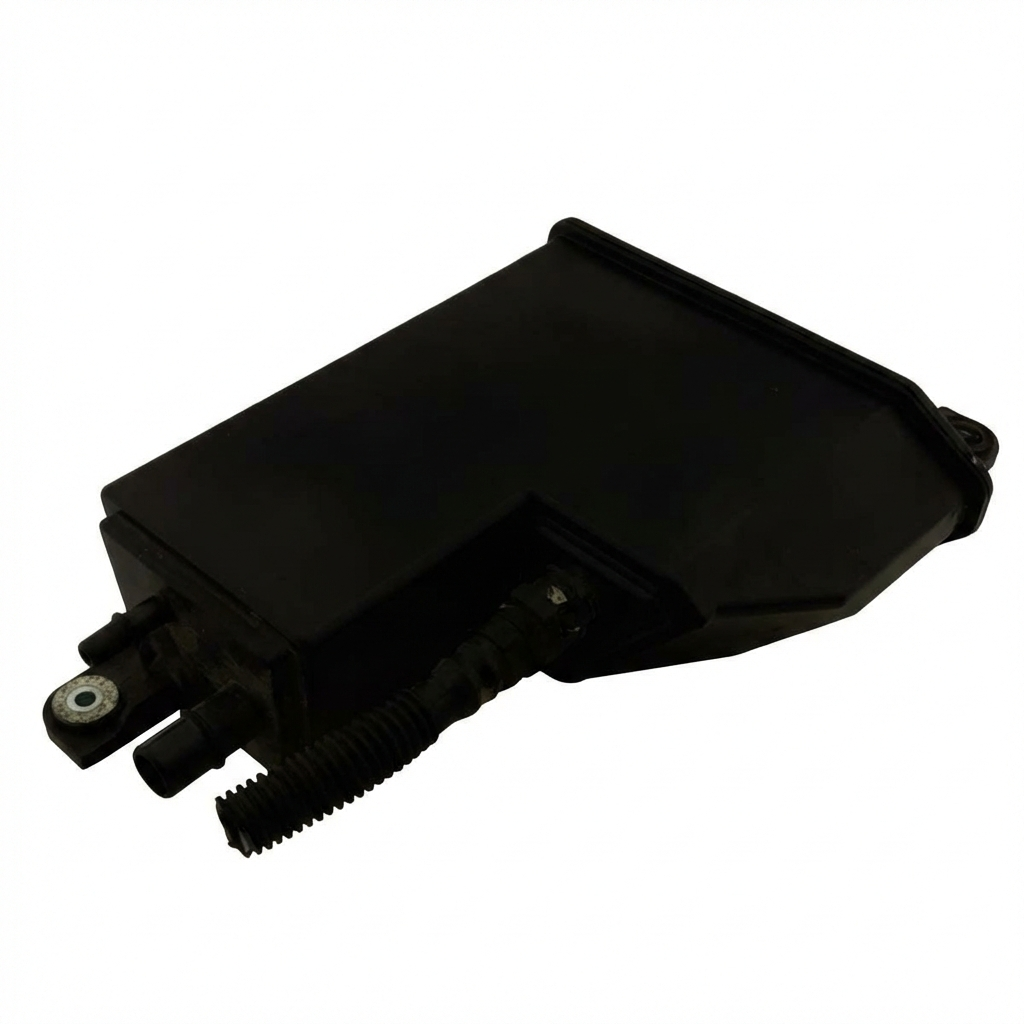
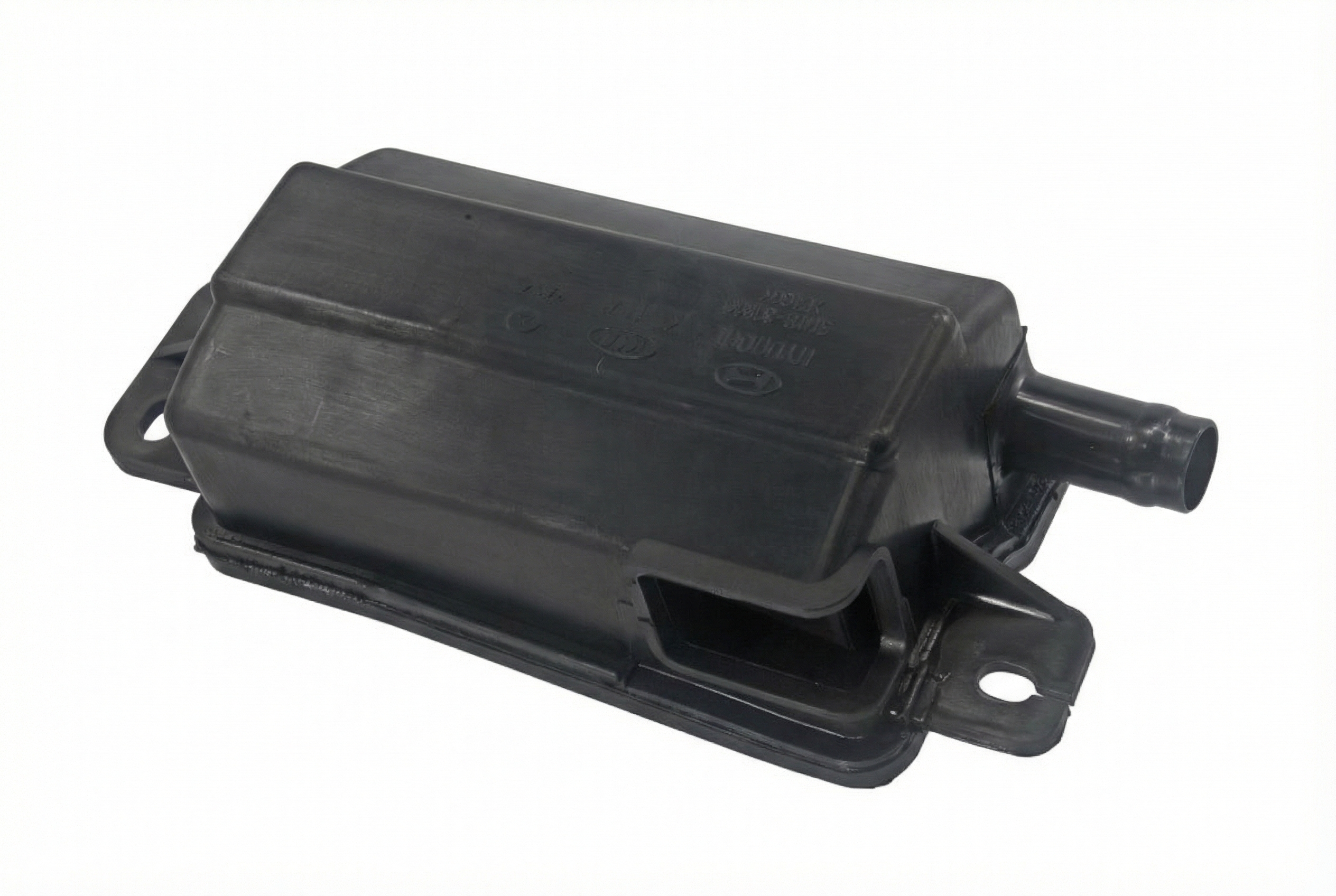
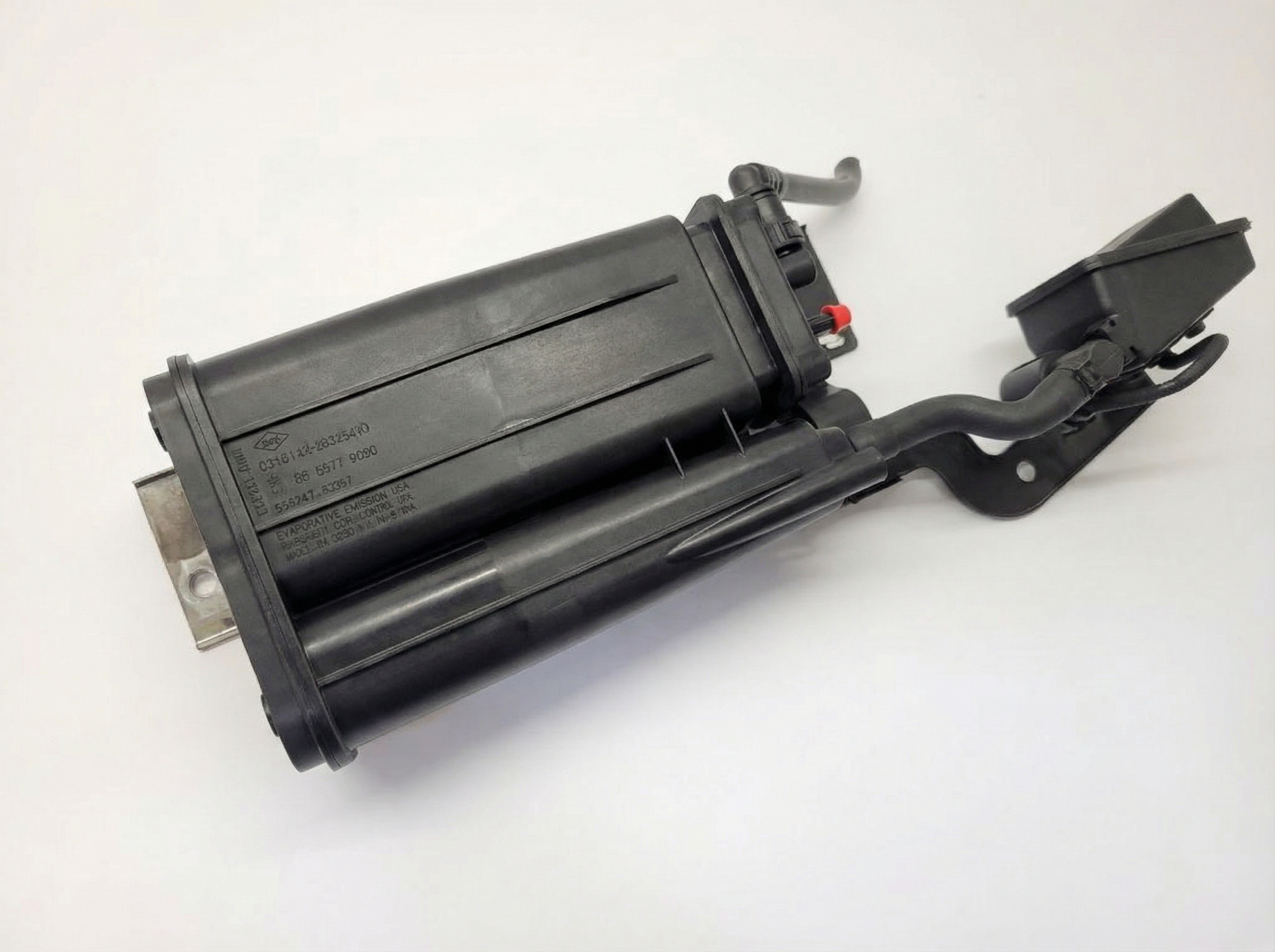
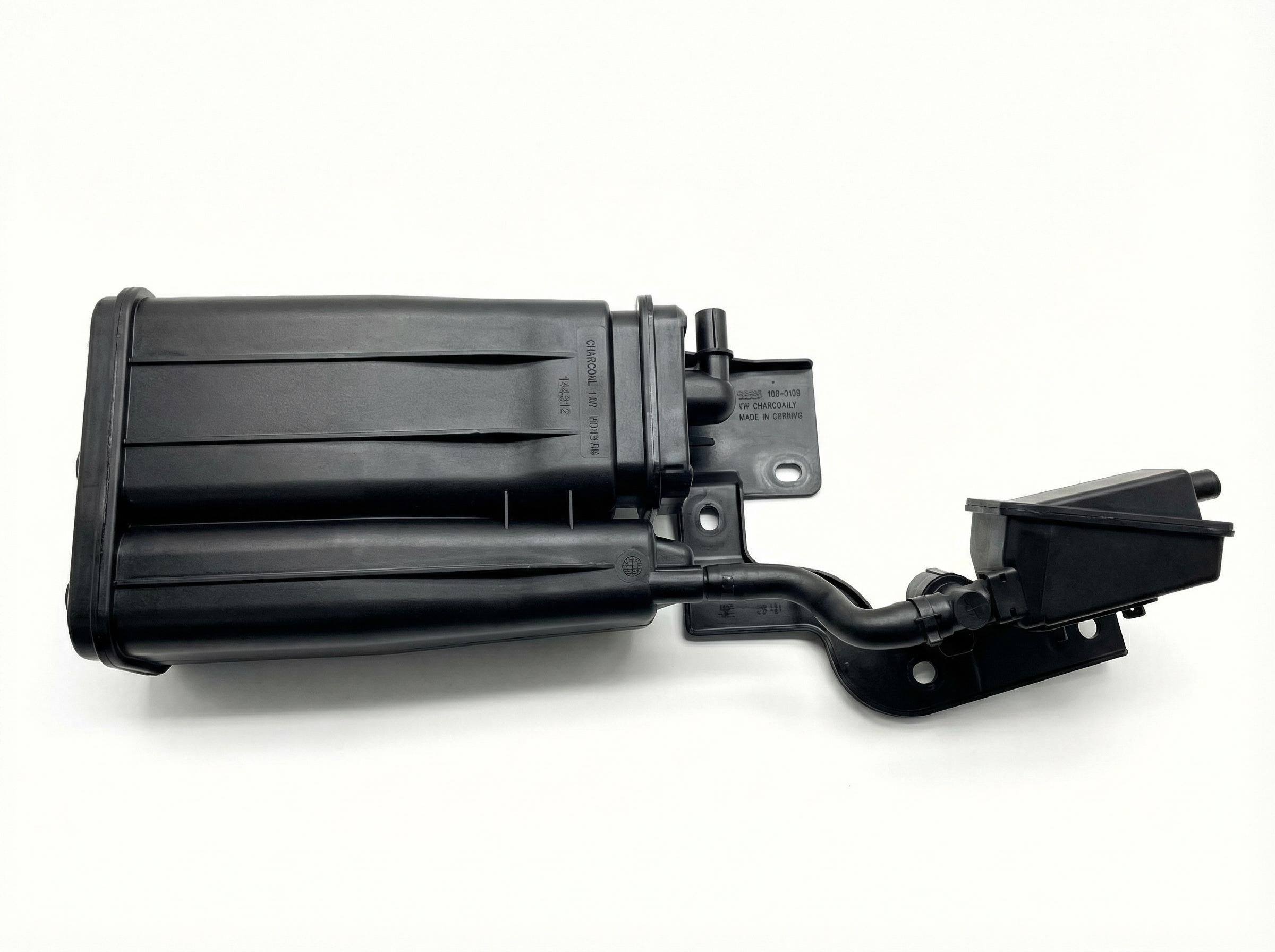
New Aftermarket Parts Available




The information in this article is provided for general reference and educational purposes only. Vehicle specifications, procedures, and part compatibility can vary by production date, trim level, and region. Always consult your vehicle's factory service manual and verify part numbers before purchasing or performing repairs. Safety-critical components such as airbags, seat belts, and braking systems should be installed by a qualified professional.
- Kia FORTE:
- 🎬 Helpful Videos
- 🛍️ Shop This Part
- What's Unique About the 2011-2016 Kia FORTE
- Diagnostic Flowchart
- Symptoms You May Notice
- Most Likely Causes
- Rare But Worth Checking
- Diagnosis Steps
- Parts You'll Likely Need
- Related Codes That Often Appear With This One
- Technical Service Bulletins (TSBs) & Recalls
- Platform-Specific Known Issues
- Mechanic-Grade Diagnostic Values
- Scan Tool Commands That Help
- Wiring & Ground Locations
- Real Owner Repair Stories
- When the Usual Fixes Don't Work
- Model Year Variations Within This Range
- 🎟️ Get 5% Off