

P0456 on 2015 Volkswagen Beetle TDI: Causes for a Very Small EVAP Leak
For a 2015 VW Beetle TDI, code P0456 is most often caused by a loose or faulty gas cap. If that's not the issue, the next most likely culprit is a failing EVAP Purge Valve (N80). Checking the cap is free, and a new cap or N80 valve is a relatively low-cost repair. A hard-to-start condition after refueling is a strong indicator of a faulty N80 valve.
- P0456 on your Beetle TDI means there's a very small leak in the fuel vapor system.
- Always check your gas cap first. Make sure it's tight and the seal isn't cracked. This is the most common fix.
- If the gas cap isn't the problem, the N80 purge valve is the next most likely part to have failed.
- The vehicle is safe to drive, but you should resolve the issue to pass an emissions test and ensure the Check Engine Light can alert you to future problems.
- For leaks that aren't obvious, a smoke test performed by a mechanic is the fastest way to find the source.
What's Unique About the 2015-2015 Volkswagen BEETLE TDI
While P0456 is a generic code, its appearance on a TDI diesel model is noteworthy and confirmed by manufacturer Technical Service Bulletins. The underlying causes on the Beetle TDI mirror those on other gasoline and diesel Volkswagens of the era built on the A5 (PQ35) platform, such as the Jetta. This shared architecture means owner experiences and fixes are highly transferable. Owners typically find the issue is a simple, inexpensive part like the gas cap or the N80 purge valve, rather than a more complex system failure.
Diagnostic Flowchart
Tap your situation to follow the diagnostic path that matches what you're seeing on this vehicle.
Symptoms You May Notice
- Check Engine Light is illuminated on the dashboard.
- A faint fuel odor may be noticeable near the vehicle, especially after it has been parked or after refueling.
- No noticeable impact on engine performance or fuel economy in most cases.
- Difficulty starting the engine immediately after refueling (long crank time) can occur if the N80 purge valve is stuck open, flooding the intake with fuel vapors.
- Replacing the oxygen sensor, as it is a common emissions component but is not related to the EVAP system's integrity.
- Replacing the fuel tank pressure sensor without proper diagnosis. While possible, a sensor failure is less common than a physical leak.
Most Likely Causes
- Loose or Faulty Gas Cap 🔴 High Probability This is the most common cause for P0456 across all Volkswagen models. The rubber O-ring on the cap can crack and degrade over time, preventing a proper seal.
How to confirm: First, ensure the gas cap is tightened until it clicks at least once. Inspect the cap's rubber seal for any cracks, stiffness, or damage. If the seal is damaged or the cap is old, replacement is a cheap and effective diagnostic step. An incorrect or non-OEM cap can also cause this code.
Typical fix: Replace the gas cap with a new OEM part.
Est. part cost: $25-$50 - Faulty EVAP Purge Valve (N80 Valve) 🟡 Medium Probability The N80 valve is a known failure point on many VW engines, including the TDI. It can become clogged with carbon particles or simply fail electrically, causing it to stick open and create a leak in the EVAP system.
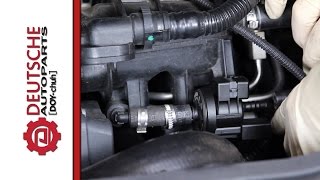
How to confirm: The valve is normally closed. With the engine off and the valve unplugged, remove it and try to blow through it. If any air passes through, it is stuck open and faulty. A hard-to-start condition after refueling is another strong symptom. An advanced scan tool can also be used to command the valve to cycle on and off while listening for a clicking sound. 🎬 Watch: How to test your Beetle's purge solenoid for leaks.
Typical fix: Replace the N80 purge valve and any connected hoses that appear cracked or brittle.
Est. part cost: $30-$90 - Faulty Leak Detection Pump (LDP) ⚪ Low Probability The LDP is responsible for pressurizing the EVAP system during the self-test. If the pump itself fails, it can incorrectly report a leak to the ECM. Aftermarket and OEM replacements are readily available for this Beetle platform, indicating it's a known, albeit less frequent, failure.
How to confirm: Diagnosis typically requires an advanced diagnostic tool (like VCDS for VW) to command the LDP to run a system test. A mechanic can also test the pump's electrical circuit and function directly. The LDP is usually located near the charcoal canister in the rear passenger-side wheel well area.
Typical fix: Replace the Leak Detection Pump.
Est. part cost: $50-$160 - Cracked or Disconnected EVAP Hoses ⚪ Low Probability Plastic and rubber hoses become brittle with age and exposure to heat cycles, leading to hairline cracks. The corrugated plastic hoses, especially those connected to the N80 valve in the engine bay, are common points of failure.
How to confirm: A thorough visual inspection may reveal obvious cracks or loose connections. However, since the code indicates a *very small* leak, a smoke test is the most effective method. A machine fills the EVAP system with visible smoke, and the leak is identified wherever the smoke escapes.
Typical fix: Replace the specific section of hose that is leaking.
Est. part cost: $10-$50
Rare But Worth Checking
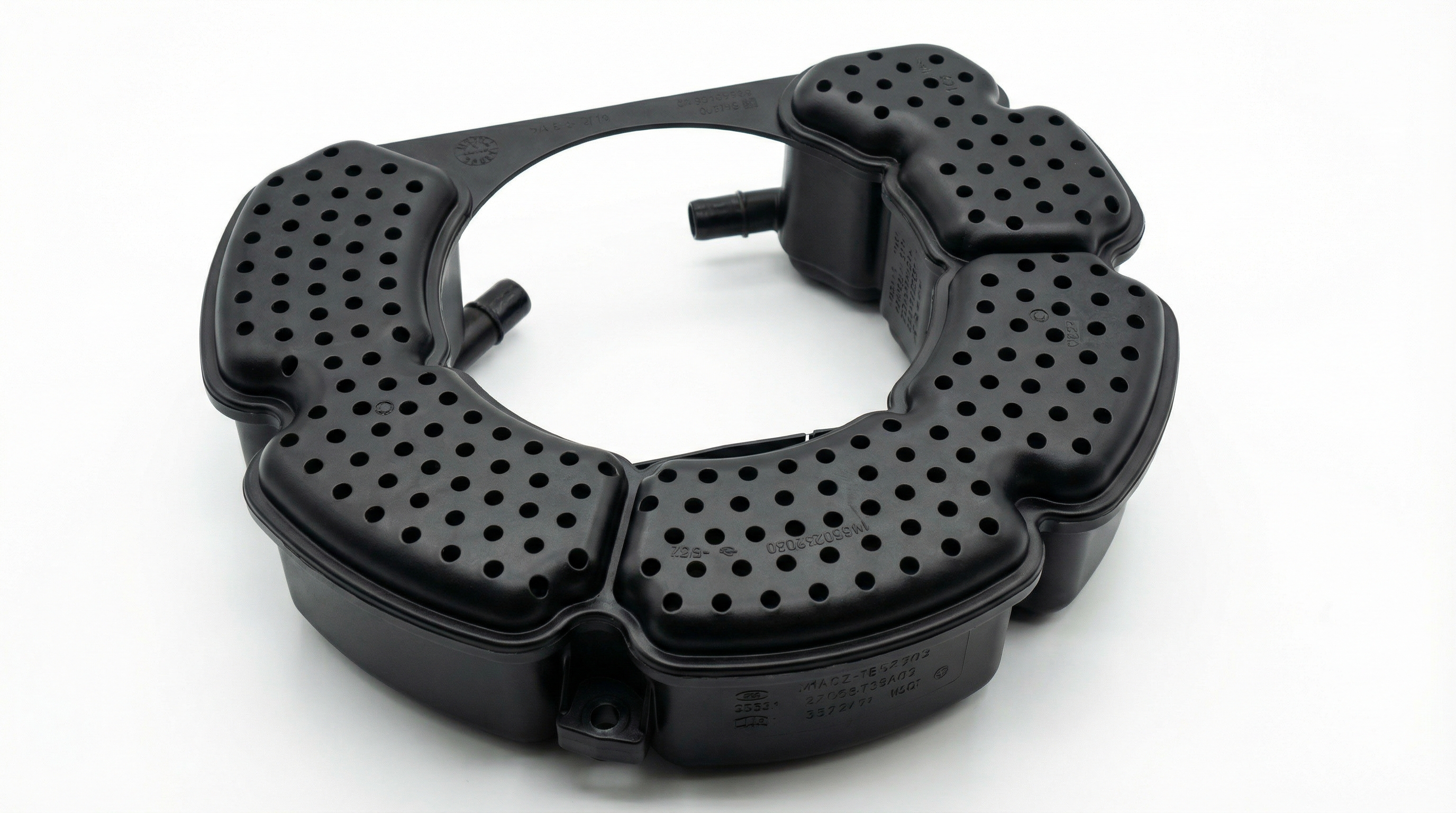
- Cracked Charcoal Canister: The plastic housing of the charcoal canister can develop small cracks from age or impact from road debris, creating a leak. This is usually found during a smoke test if other components check out.
Diagnosis Steps
- Read the code with an OBD-II scanner to confirm P0456 is the primary code.
- Inspect the gas cap. Ensure it is tight (clicks once) and the seal is pliable and free of cracks. If in doubt, replace it with an OEM cap, clear the code, and drive for a few days to see if the light returns.
- Perform a thorough visual inspection of all visible EVAP system hoses and lines, particularly in the engine bay around the N80 valve and near the charcoal canister at the rear of the vehicle. Look for obvious cracks, damage, or loose connections.
- Test the N80 Purge Valve. With the valve disconnected and unpowered, attempt to blow through it. If air passes, it's faulty and needs replacement. Also, listen for a long crank time after refueling, which points to a bad N80 valve.
- If the previous steps do not identify the cause, the most reliable next step is to have a professional perform a smoke test. This will pressurize the system with smoke and make even the smallest leak visible. 🎬 See how a smoke test identifies very small EVAP leaks.
- If the smoke test reveals no leaks, the Leak Detection Pump (LDP) or its circuitry should be professionally tested, often requiring a VW-specific scan tool to activate.
Parts You'll Likely Need
- Fuel Tank Cap
(OEM #5C0201550AD)— This is the most frequent and easiest fix for a P0456 code. The seal fails over time, preventing the system from holding pressure. Using a genuine OEM cap is highly recommended.
Trusted brands: Volkswagen OE
OEM price range: $30-$50
Aftermarket price range: $15-$25 - EVAP Purge Valve (N80)
(OEM #06E906517A)— A very common failure point on VWs that causes a leak when it sticks open. This part is often supplied by Bosch for VW.
Trusted brands: Bosch (OEM Supplier), Volkswagen OE
OEM price range: $70-$100
Aftermarket price range: $30-$60 - Leak Detection Pump (LDP)
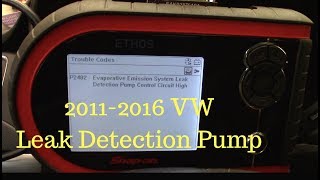
(OEM #7L0906243A)— This pump can fail and cause a false leak code. It's a known issue on this platform, located near the charcoal canister. 🎬 Watch: Step-by-step guide to replacing the Leak Detection Pump.
Trusted brands: Bosch (OEM Supplier), Dorman, Standard Motor Products
OEM price range: $120-$180
Aftermarket price range: $50-$100
Related Codes That Often Appear With This One
- P0441 — This code for 'Incorrect Purge Flow' can appear alongside P0456 if the N80 purge valve is malfunctioning, affecting both system sealing and vapor flow.
- P0442 — This code indicates a 'Small Leak Detected,' whereas P0456 indicates a 'Very Small Leak.' They point to the same type of problem, just differing in the size of the leak found. Seeing both may suggest an intermittent or growing leak.
Technical Service Bulletins (TSBs) & Recalls
- VIN-4-A-PIN APRI (2015 ENGINE, dated 2016-04-21): Mentions 'MIL-ON, FAULT P0456 IN THE ECM' as part of a list of potential customer complaints. This is an informational log, not a diagnostic procedure.
- VIN-4-A-PIN APRI (2015 EQUIPMENT, dated 2016-04-13): Also lists 'MIL-ON, FAULT P0456 IN THE ECM' among other possible faults, confirming it's a recognized code for the vehicle.
- TT 01-19-06 (NHTSA ID MC-10166734-0001): While for a different model (Jetta), this VW Tech Tip provides a detailed diagnostic procedure for testing a leaking N80 purge valve for P0456, which is directly applicable given the shared components.
Platform-Specific Known Issues
- Real Owner Experience: A user on TDIClub.com with a 2013 Beetle TDI (same platform) reported a P0456 code. They first replaced the gas cap, which did not solve the issue. They then replaced the N80 purge valve, which successfully cleared the code and resolved the problem. This is a classic example of the diagnostic path for this code.
- TSB Context: NHTSA documents confirm that the P0456 fault code is logged by the ECM on the 2015 Volkswagen Beetle TDI. However, the cited bulletins (e.g., VIN-4-A-PIN APRI) are not detailed repair guides but rather internal tracking lists of various customer complaints and fault codes observed on vehicles, often grouped with unrelated issues.
Mechanic-Grade Diagnostic Values
- N80 Purge Valve Resistance — expected: 22 to 30 Ohms. Failure: A reading outside this range indicates a faulty valve coil. Some sources report values between 15-25 Ohms as acceptable, but a reading of 17.8 Ohms was from a known bad valve.
- Leak Detection Pump (LDP) V144 Resistance — expected: Between pins 1 & 3: 640 to 720 Ω. Between pins 2 & 3: 15 to 17 Ω.. Failure: Readings outside these specific ranges indicate a faulty LDP.
- N80 Purge Valve Connector Voltage — expected: Approximately 9-10V with ignition on and engine running.. Failure: A significantly lower voltage (e.g., ~1.25V) suggests a wiring or ground issue, not a faulty valve.
Hidden / Shadow Codes Worth Checking
- 01110: This is the VAG-specific fault code that corresponds to the generic OBD-II code P0456. It means 'EVAP System: Very Small Leak Detected' and will be displayed by VW-specific scan tools like VCDS. (see via VCDS (VAG-COM), OBDeleven, or other professional scanners with VW-specific software.)
Scan Tool Commands That Help
- VCDS (VAG-COM): Engine -> Basic Settings -> Group 070 (or 071) — This command initiates the EVAP system self-test. The engine must be running and warm. The scan tool will display the test status, such as 'EVAP system OK' or 'Leak detected'. This is used to verify if a repair has fixed the leak without waiting for the ECU's automatic monitor to run.
- VCDS (VAG-COM): Engine -> Output Tests -> EVAP Canister Purge Valve (N80) — This allows you to manually cycle the N80 valve. You should hear an audible clicking from the engine bay. If there is no click, it indicates the valve is either seized, has an electrical issue, or the wiring is faulty. This is a quick functional check.
Real Owner Repair Stories
- Ross-Tech Forums User (2009 VW Rabbit (similar platform and EVAP components)) — P0456 code (Very Small Leak Detected) returned after previous repairs.
❌ Tried (didn't work) Replaced the Leak Detection Pump (LDP) due to a leak from the pump's filter., Replaced the gas cap with a new genuine VW part.
✅ What actually fixed it The user eventually performed a smoke test and found a leak at the fuel filler neck. Cleaning the filler neck sealing surface to remove grit and micro-corrosion is a critical step often overlooked when replacing a gas cap.
OEM Part Supersession History
7L0906243→7L0906243A— Standard part revision by the manufacturer, likely for improved reliability or material changes.6E906517→06E906517A— Standard part revision by the manufacturer. The new part is used across a wide range of VW/Audi vehicles from 2005-2014.
Helpful Videos
Used OEM Parts in Stock
New Aftermarket Parts Available

The information in this article is provided for general reference and educational purposes only. Vehicle specifications, procedures, and part compatibility can vary by production date, trim level, and region. Always consult your vehicle's factory service manual and verify part numbers before purchasing or performing repairs. Safety-critical components such as airbags, seat belts, and braking systems should be installed by a qualified professional.
- Volkswagen BEETLE TDI:
- 🎬 Helpful Videos
- 🛍️ Shop This Part
- What's Unique About the 2015-2015 Volkswagen BEETLE TDI
- Diagnostic Flowchart
- Symptoms You May Notice
- Most Likely Causes
- Rare But Worth Checking
- Diagnosis Steps
- Parts You'll Likely Need
- Related Codes That Often Appear With This One
- Technical Service Bulletins (TSBs) & Recalls
- Platform-Specific Known Issues
- Mechanic-Grade Diagnostic Values
- Hidden / Shadow Codes Worth Checking
- Scan Tool Commands That Help
- Real Owner Repair Stories
- OEM Part Supersession History
- 🎟️ Get 5% Off