

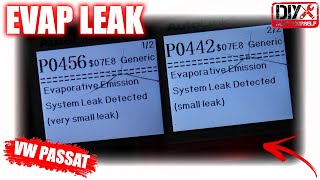
P0456 on 2016-2019 Volkswagen Beetle: Causes for a Very Small EVAP Leak
For a 2016-2019 VW Beetle, code P0456 is most often caused by a loose or faulty gas cap. Before buying any parts, tighten the cap until it clicks multiple times, clear the code, and see if it returns. If it does, the next most likely culprits are a failing EVAP purge valve (N80) or a cracked corrugated hose connected to it. Using an OEM gas cap is highly recommended as aftermarket caps are a known cause of this code.
- P0456 is a 'very small leak' in the emissions system and is not an immediate threat to your car's drivability.
- Always start with the simplest and cheapest fix: inspect and tighten your gas cap.
- If the gas cap isn't the issue, the EVAP purge valve (N80) is the next most likely culprit and is a common failure item on VWs.
- For leaks that are difficult to find, a professional smoke test is the most effective diagnostic tool.
- Using a genuine OEM or high-quality aftermarket gas cap is important, as poorly made caps may not seal correctly.
What's Unique About the 2016-2019 Volkswagen BEETLE
On modern Volkswagens like the A5 generation Beetle, the EVAP system uses a Leak Detection Pump (LDP) to pressurize the system and check for leaks. While the causes are similar to other cars, the most frequent culprits are the gas cap and the N80 purge valve. A Volkswagen Technical Service Bulletin for other models outlines a specific pressure test procedure for diagnosing P0456, highlighting the methodical approach needed. Forum discussions on platform mates like the Jetta frequently point to the small, corrugated plastic hose attached to the N80 valve becoming brittle and cracking, a specific failure point to check on these vehicles.
Diagnostic Flowchart
Tap your situation to follow the diagnostic path that matches what you're seeing on this vehicle.
Symptoms You May Notice
- Check Engine Light is on.
- A faint fuel smell may be noticeable, though this is not always present with a very small leak.
- No noticeable change in vehicle performance.
- A long crank time after refueling can be a symptom of a stuck-open purge valve, as excess fuel vapors are drawn into the intake manifold.
- Replacing the oxygen sensor. O2 sensors are part of the exhaust system and have no direct connection to the EVAP system.
- Replacing the fuel injectors. While part of the fuel system, injectors are not related to the vapor recovery (EVAP) system.
Most Likely Causes
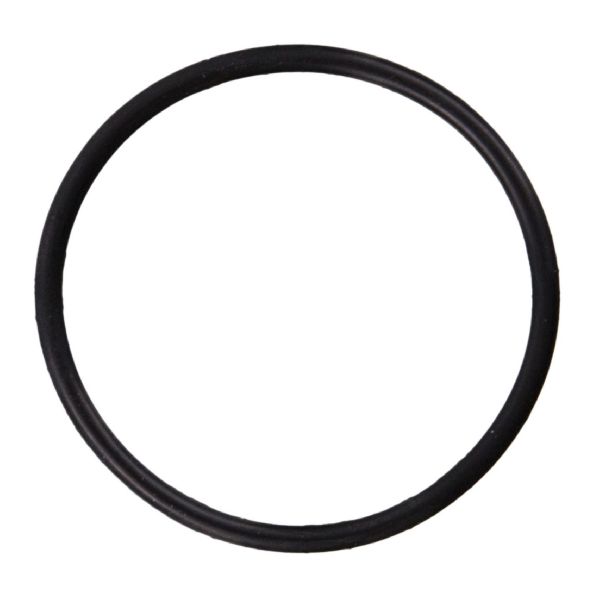
- Loose or Faulty Gas Cap 🔴 High Probability The gas cap seal is a simple rubber O-ring that can crack, harden, or get dirty over time, preventing a proper seal. This is the most common cause for any EVAP leak code. Aftermarket gas caps are notorious for using improper seals that fail to hold pressure, 🎬 Watch: Diagnosing common VW air leaks and gas cap issues. triggering a P0456 code.
How to confirm: Remove the gas cap and inspect the rubber seal for any cracks, tearing, or debris. Ensure it is tightened until it clicks at least three times. If the seal looks worn, it's a cheap and easy first replacement. Cleaning the filler neck surface with a mild abrasive pad can also ensure a good seal.
Typical fix: Clean the cap and filler neck, tighten it correctly, or replace the gas cap. It's strongly recommended to use a Genuine VW OEM cap (Part number may include 5C0201550B) as cheaper aftermarket caps are a very common cause of this specific code.
Est. part cost: $20-$50 - Faulty EVAP Purge Valve (N80) or Attached Hose 🟡 Medium Probability The N80 valve controls the flow of fuel vapors to the engine. It's a common failure point on many VW models and can get stuck slightly open, creating a small leak path. Additionally, users on forums for platform-mates like the Jetta report that the short, corrugated plastic hose connected to the valve becomes brittle and cracks, which is often the actual source of the leak.
How to confirm: With the engine off, disconnect the valve and try to blow or suck through it (a hand vacuum pump is ideal). It is normally closed, so if air passes through, it has failed. You can also listen for a rhythmic ticking sound from the valve at idle, which indicates it is cycling. A visual inspection of the attached hoses for brittleness and cracks is crucial.
Typical fix: Replace the N80 purge valve and/or the attached hose assembly. On many VW models, the valve and hoses are sold as a single unit. The valve itself may be available separately from aftermarket brands.
Est. part cost: $30-$100 - Cracked or Disconnected EVAP Hoses ⚪ Low Probability The plastic and rubber hoses in the EVAP system can become brittle and crack over time due to heat and age, especially near the engine or under the car.
How to confirm: A visual inspection may reveal obvious cracks, especially at connection points. However, for a very small leak, a smoke test is the most effective diagnostic method. This involves injecting pressurized smoke into the EVAP system and looking for where it escapes.
Typical fix: Replace the specific section of cracked hose or the entire hose assembly.
Est. part cost: $20-$100
Rare But Worth Checking
- Faulty Leak Detection Pump (LDP): The LDP is what pressurizes the system for the self-test. While it can fail, it's less common than the purge valve or gas cap. A failure here might also trigger other specific LDP-related codes. A TSB for other VW/Audi models details a specific test procedure for the LDP when a P0456 is present.
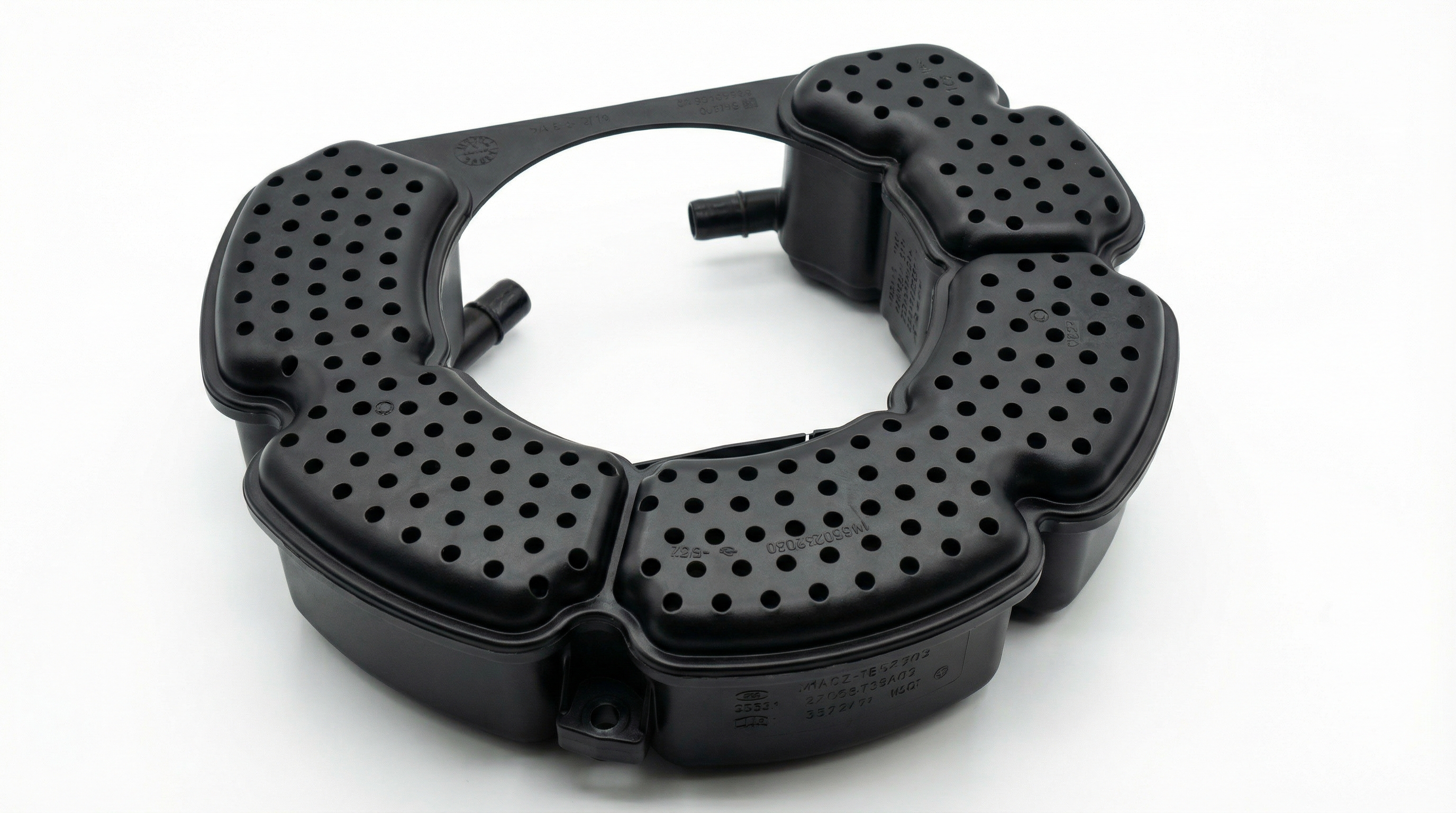
- Cracked Charcoal Canister: The charcoal canister stores fuel vapors. A crack in its plastic housing can cause a leak. This usually happens due to physical damage or age, and it's a more expensive part to replace.
- Leaking Fuel Filler Neck: Often overlooked, the metal fuel filler neck where the gas cap seals can develop tiny cracks or rust pits, preventing a proper seal even with a new cap. A smoke test is the best way to confirm a leak in this area.
Diagnosis Steps
- Check the Gas Cap: Remove, inspect the seal for damage, and retighten it until it clicks several times. Clean the filler neck sealing surface. Clear the code and drive for a few days to see if it returns. The EVAP monitor often runs when the fuel tank is between 1/4 and 3/4 full.
- Inspect the Purge Valve (N80) and Hoses: Locate the N80 valve in the engine bay. Visually inspect the connected corrugated hoses for cracks. With the vehicle off, disconnect the valve and attempt to blow through it. 🎬 Watch: How to test the N80 purge solenoid for leaks. If air passes, the valve is stuck open and must be replaced.
- Visual Inspection: Carefully inspect all accessible EVAP hoses in the engine bay and under the car for obvious cracks, loose connections, or signs of wear.
- Perform a Smoke Test: This is the most reliable way to find a tiny leak. A smoke machine is connected to the EVAP service port, and low-pressure smoke is forced through the system. The leak will be visible where the smoke escapes. 🎬 See how to perform a professional EVAP smoke test. This can pinpoint leaks in hoses, the charcoal canister, the LDP, or the fuel filler neck.
- Inspect Other Components: If the smoke test reveals a leak, it could be from the charcoal canister, leak detection pump, or the fuel tank filler neck. Address the specific component identified by the test.
Parts You'll Likely Need
- Fuel Cap
(OEM #5C0201550B)— This is the most common and cheapest fix. The seal wears out over time, causing a leak. Using an OEM cap is critical as aftermarket versions are known to cause this code.
Trusted brands: Volkswagen (OEM)
OEM price range: $30-$50
Aftermarket price range: $15-$30 - EVAP Purge Valve (N80 Valve) Assembly
(OEM #06J133781CE)— A very common failure point on VWs. It gets stuck open or the attached hoses crack, creating a constant small leak that the system detects.
Trusted brands: Bosch, Volkswagen (OEM), Topran
OEM price range: $70-$100
Aftermarket price range: $30-$70 - Leak Detection Pump (LDP)
(OEM #1K0906201D)— Less common, but this pump is responsible for pressurizing the system. If it fails or its seals leak, it can cause this code. Note: Part number 7L0906243A from Pass 1 is incorrect for this platform.
Trusted brands: Bosch, Dorman, URO Parts
OEM price range: $150-$200
Aftermarket price range: $80-$120
Related Codes That Often Appear With This One
- P0441 — This code indicates incorrect purge flow, often pointing directly to a malfunctioning N80 purge valve, which can also cause a P0456 leak code if stuck open.
- P0442 — This code indicates a 'small leak' (larger than P0456). If a very small leak worsens over time, or if the testing parameters vary slightly, the system may eventually log a P0442 instead.
Technical Service Bulletins (TSBs) & Recalls
- VIN4APIN20190611: Lists 'MIL-on P0456' as a potential customer complaint for 2019 models.
- VIN4APIN20190610: Lists 'MIL-on P0456' as a potential customer complaint for 2018 models.
- VIN4APIN20190529: Lists 'MIL-on P0456' as a potential customer complaint for 2019 models.
- VIN4APIN20190507: Lists 'MIL-on P0456' as a potential customer complaint for 2018 models.
- VIN4APIN20190516: Lists 'MIL-on P0456' as a potential customer complaint for 2019 models.
- TT 01-19-06: A VW Technical Tip (not for Beetle specifically) that provides diagnostic procedures for testing the N80 purge valve in relation to code P0456.
- Audi TSB 24-16-01 (2042833/1): While for an Audi, this TSB from 2016 provides a detailed
Platform-Specific Known Issues
- Brittle Corrugated Hose at N80 Valve: On VWs sharing the PQ35 platform, including the Beetle, a common failure point is not the N80 valve itself, but the short, hard plastic corrugated hose connected to it. It becomes brittle from engine heat and develops hairline cracks, causing a P0456 leak. Many owners on Reddit have fixed the code by replacing just this hose with a 3/8" emissions-rated rubber hose.
Mechanic-Grade Diagnostic Values
- N80 (EVAP Canister Purge Regulator Valve) internal resistance — expected: 22 to 30 Ohms. Failure: A reading outside this range, particularly an open circuit (infinite resistance) or a short (zero resistance). A reading of ~17-18 Ohms has also been reported on a failed valve.
- Voltage to Leak Detection Pump (LDP) harness connector — expected: Battery Voltage (approx. 12V). Failure: If battery voltage is not present at terminal 3 of the LDP connector (with ignition on), it indicates a wiring or fuse issue.
- Voltage to N80 Purge Valve harness connector — expected: ~9V with ignition on, ~10V with engine running. Failure: Significantly lower voltage (e.g., 1.25V) points to a wiring or ECM driver issue rather than a faulty valve.
Hidden / Shadow Codes Worth Checking
- 01110: This is the VAG-specific fault code that corresponds to the generic OBD-II code P0456. It means "Evap Control System Very Small Leak Detected" and will be displayed on dealer-level scanners like VCDS or ODIS. (see via VCDS, OBDeleven, ODIS, or other VAG-specific diagnostic tools.)
Scan Tool Commands That Help
- VCDS (VAG-COM): Basic Settings - Group 070 / 071 — This function initiates the EVAP system's self-test. Group 070 starts the test sequence, and Group 071 runs the Leak Detection Pump (LDP) test to check for leaks. This is used to verify if the system can hold pressure after a repair, or to help diagnose a leak without a smoke machine. The test may abort if conditions (like fuel level) are not met.
- VCDS (VAG-COM): Output Tests — Allows you to manually cycle individual components like the N80 purge valve and the Leak Detection Pump (LDP) with the key on, engine off. This is useful for confirming if a component is receiving a signal and is functional (e.g., listening for the N80 to click) without having to run the full, condition-dependent basic settings test.
Wiring & Ground Locations
- Fuse F5 (Engine Bay Fuse Box) — Located in the fuse box in the engine compartment.. This 10A fuse supplies power to the Fuel System Diagnostic Pump (another name for the LDP) on 2017+ models. A blown fuse here would prevent the LDP from running its test, potentially causing a fault.
- Ground Point 1 — In the engine compartment, left side, below the battery tray.. This is the main battery-to-body ground. A poor connection here can cause widespread, intermittent electrical issues across many systems, including the ECM and its controlled components like the EVAP valves.
- N80 Valve Connector Pinout — The electrical connector on the N80 valve itself.. A wiring diagram for a 2.0L engine shows the EVAP Canister Purge Regulator Valve 1 (N80) is connected to pins 66 and 85 of the T105 connector on the Engine Control Module (J623). This is critical for advanced diagnosis, allowing a technician to check for continuity and voltage directly from the ECM.
Real Owner Repair Stories
- Spinning gears on YouTube (2010 Volkswagen Beetle 2.5L 5-cylinder (platform-mate)) — P0456 code (thermactor system small leak).
❌ Tried (didn't work) Checking the gas cap, which was tight and appeared okay.
✅ What actually fixed it The N80 purge solenoid was found to be stuck open. The user confirmed this by removing the valve and being able to suck air straight through it. The valve also failed to click when 12V was applied. Replacing the N80 valve resolved the code.
"I Checked Everything" — The Actual Cause
- In some cases across various manufacturers, a vehicle can pass a smoke test but still have a P0456 code. This can be caused by an internal failure of the charcoal canister that doesn't produce an external leak. Another possibility, mentioned for other brands, is a software glitch in the ECU that causes it to falsely report a leak; in these instances, a dealer-performed software update (flash) is the required fix.
OEM Part Supersession History
06J133781AN, 06J133781BC→06J133781CE— Standard part evolution for reliability and manufacturing improvements.
Heads up: The listed part numbers, including 06H906517H and others, are generally interchangeable for the specified 2.0T engines on this platform.
Helpful Videos
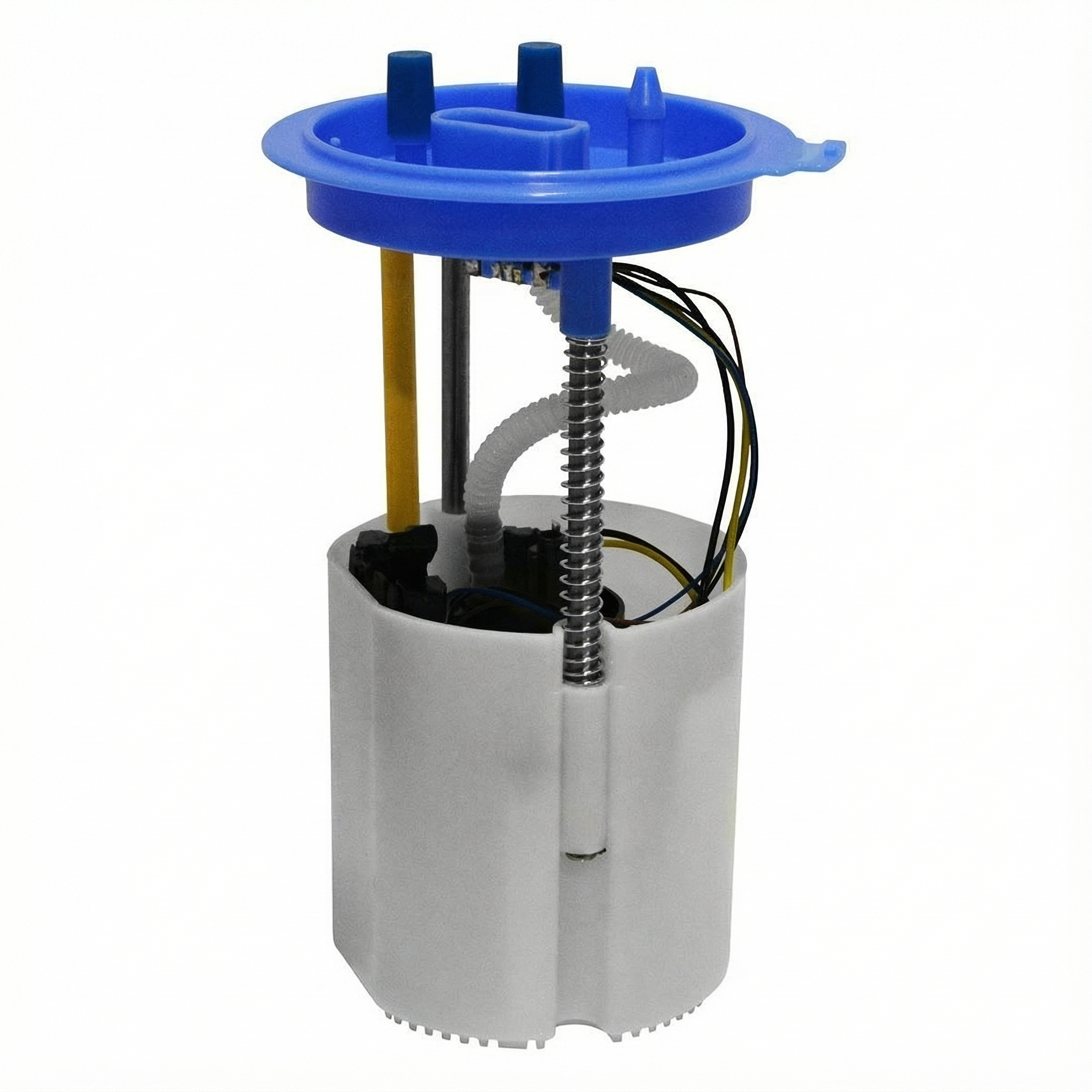
Used OEM Parts in Stock
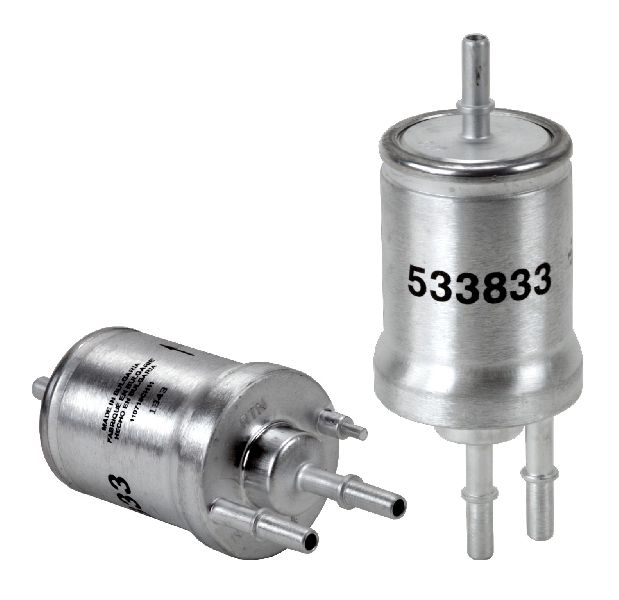
New Aftermarket Parts Available


The information in this article is provided for general reference and educational purposes only. Vehicle specifications, procedures, and part compatibility can vary by production date, trim level, and region. Always consult your vehicle's factory service manual and verify part numbers before purchasing or performing repairs. Safety-critical components such as airbags, seat belts, and braking systems should be installed by a qualified professional.
- Volkswagen BEETLE:
- 🎬 Helpful Videos
- 🛍️ Shop This Part
- What's Unique About the 2016-2019 Volkswagen BEETLE
- Diagnostic Flowchart
- Symptoms You May Notice
- Most Likely Causes
- Rare But Worth Checking
- Diagnosis Steps
- Parts You'll Likely Need
- Related Codes That Often Appear With This One
- Technical Service Bulletins (TSBs) & Recalls
- Platform-Specific Known Issues
- Mechanic-Grade Diagnostic Values
- Hidden / Shadow Codes Worth Checking
- Scan Tool Commands That Help
- Wiring & Ground Locations
- Real Owner Repair Stories
- "I Checked Everything" — The Actual Cause
- OEM Part Supersession History
- 🎟️ Get 5% Off