

P0456 on 2016 Ram ProMaster 3500: Causes and Fixes for Small EVAP Leak
For a 2016 Ram ProMaster 3500, code P0456 is most often caused by a loose or faulty gas cap. Always use an OEM Mopar replacement (P/N 52124512AA) as aftermarket caps are a known cause of persistent issues. If the cap doesn't fix it, the next most likely culprits are the easily accessible EVAP purge valve in the engine bay (P/N 04627694AB) or the EVAP Leak Detection Pump/ESIM on the charcoal canister (P/N 4861962AA). A new gas cap is under $35, while the other parts are generally under $75.
- Always start with the simplest fix: check that the gas cap is tight. If the light returns, replace it with an OEM Mopar cap.
- The P0456 code is not a serious mechanical issue and will not affect the vehicle's drivability, but it will cause you to fail an emissions test.
- If a new gas cap doesn't solve the problem, the EVAP purge valve in the engine bay is the next most likely and affordable part to replace.
- The leak detection pump (ESIM) on the charcoal canister is also a very common failure point for this code on Ram vehicles.
- If you can't find the leak after checking the common parts, a professional smoke test is the best way to locate the exact source without guessing.
What's Unique About the 2016-2016 Ram PROMASTER 3500
The Ram ProMaster, based on the Fiat Ducato, uses a specific type of leak detection device called an Evaporative System Integrity Module (ESIM) to test for leaks. This component, which uses a system of weights and a switch instead of a solenoid, is a widely documented weak point on many Ram, Dodge, and Chrysler vehicles and is a frequent cause of the P0456 code. Unlike some other vehicles where a cracked hose is a primary suspect, on the ProMaster platform, the gas cap, purge valve, and the ESIM itself are the most common failure points.
Diagnostic Flowchart
Tap your situation to follow the diagnostic path that matches what you're seeing on this vehicle.
Symptoms You May Notice
- Check Engine Light is on
- A 'Check Fuel Cap' or 'gascap' message may appear on the dashboard.
- A faint fuel smell (in rare cases)
- Remote start may be disabled while the code is active.
- Failure to pass a state emissions inspection.
- Replacing the entire charcoal canister when only the attached ESIM pump or its O-ring has failed.
- Using a cheap aftermarket gas cap that fails to create a proper seal, leading to the belief that the cap was not the problem. 🎬 Watch: A mechanic explains why these specific models trigger P0456 codes. This is a very common issue reported by owners.
- Clearing the code and assuming the problem is fixed without completing the specific drive cycles needed for the EVAP monitor to run its self-test. TSB 18-048-23 notes that a simple road test is not sufficient to verify a repair.
Most Likely Causes
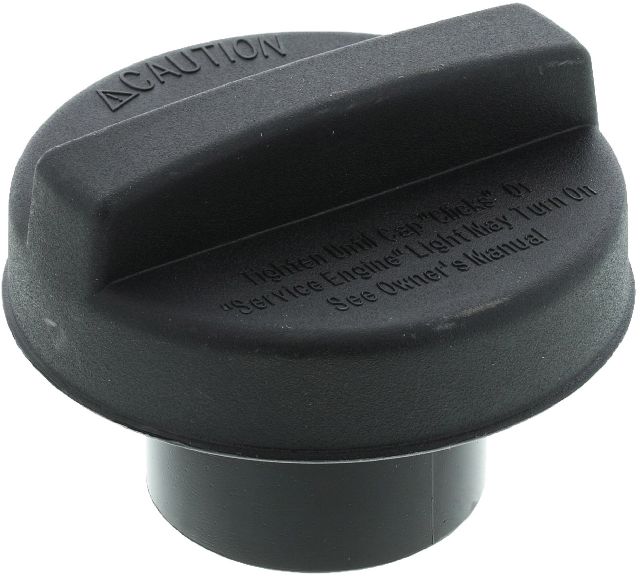
- Loose or Faulty Gas Cap 🔴 High Probability The gas cap's rubber O-ring seal degrades, cracks, or gets dirty over time, preventing a proper seal. This is the most common and easiest-to-fix cause for any EVAP leak code. Using a non-OEM cap is a frequent cause of a persistent P0456 code.
How to confirm: First, ensure the cap is tightened until it clicks multiple times. Inspect the rubber seal for cracks, stiffness, or debris. Clean the sealing surface on the filler neck. If the cap looks worn or is an aftermarket brand, replacement with an OEM part is the best confirmation.
Typical fix: Replace the gas cap. It is highly recommended to use an OEM Mopar cap (Part No. 52124512AA), as many aftermarket caps are known to not seal correctly and will not resolve the code.
Est. part cost: $20-$40 - Faulty EVAP Purge Valve / Solenoid 🟡 Medium Probability Located in the hot engine bay on top of the engine, this solenoid is prone to failure from heat cycles and wear. It can get stuck slightly open, creating a constant small leak that the system detects. This is a very common failure item on Ram trucks and related vehicles with the 3.6L engine.
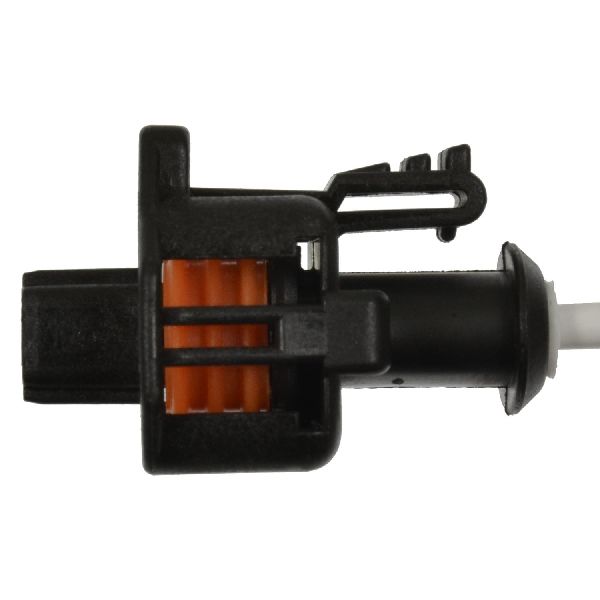
How to confirm: The valve is easily accessible on the passenger side of the engine. Remove the valve by disconnecting the electrical connector and two hoses. With no power applied, try to blow air through it. If any air passes, the valve is stuck open and has failed. A scan tool can also command the valve to check for function.
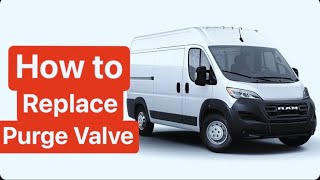
Typical fix: Replace the purge valve (Part No. 04627694AB). This is a simple, 5-15 minute DIY job 🎬 Watch: This quick video shows how to replace the purge valve. requiring no special tools.
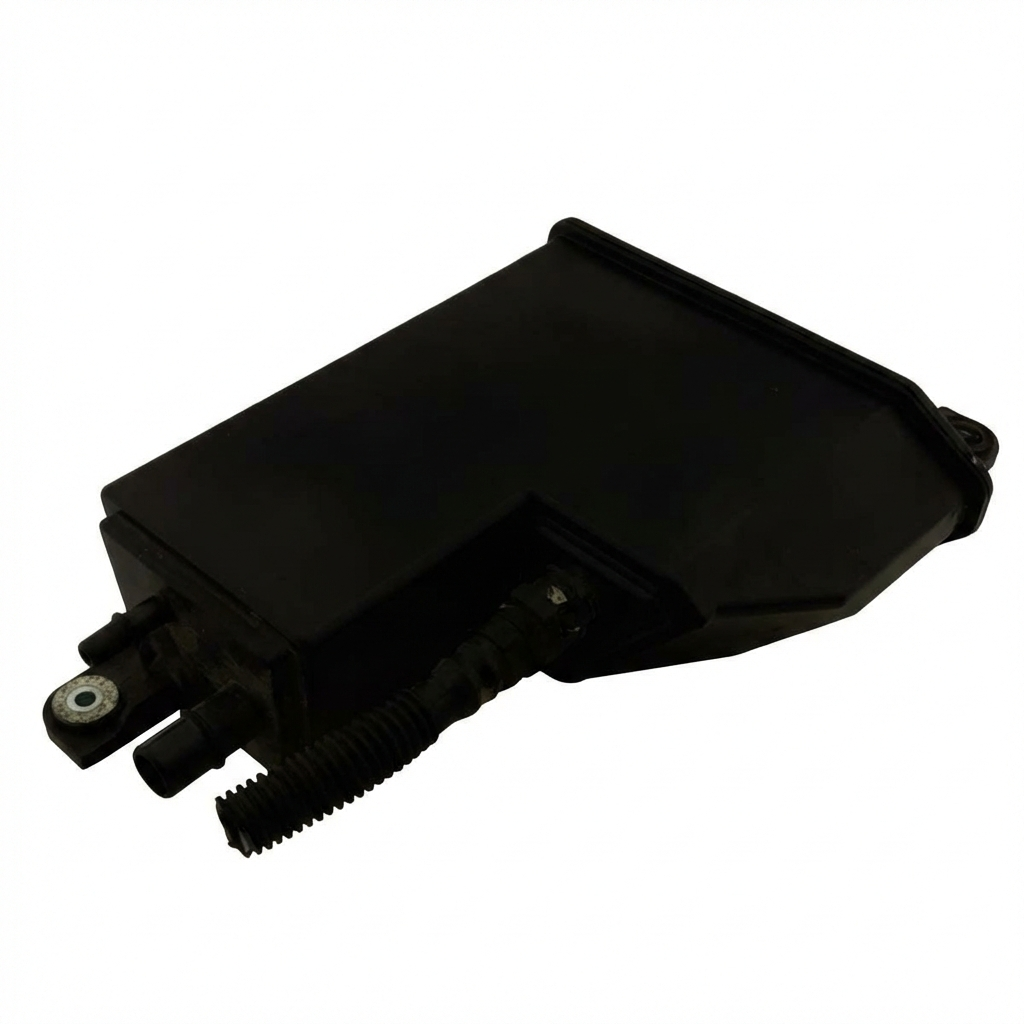
Est. part cost: $25-$75 - Failed EVAP Leak Detection Pump (ESIM) 🟡 Medium Probability This component is a widely documented high-failure item on many Chrysler, Dodge, and Ram vehicles. The internal mechanism, which is gravity-based, can fail and will often rattle like a baby rattle when shaken. The O-ring that seals it to the canister can also degrade.
How to confirm: The ESIM is located on the charcoal canister near the fuel tank. A definitive sign of failure is if the old part rattles when shaken. This part is often replaced after the gas cap and purge valve have been ruled out. Ensure the replacement part is installed in the correct vertical orientation, as incorrect installation will cause the code to persist.
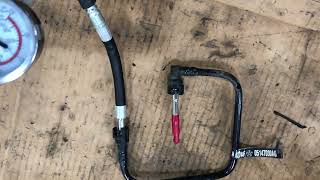
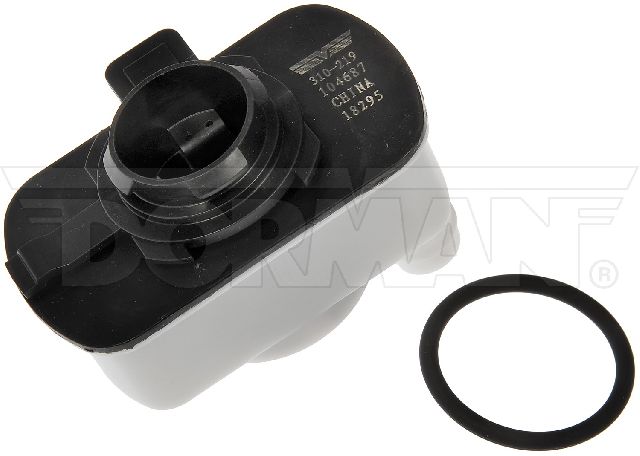
Typical fix: Replace the ESIM module (Part No. 4861962AA, which may be superseded by 4861962AD) and its O-ring seal. The ESIM is located on the charcoal canister and is replaced by depressing a small tab and twisting it about a quarter-turn to unlock it. 🎬 See this walkthrough for locating and replacing the ESIM module.
Est. part cost: $30-$80 - Cracked or Disconnected EVAP Hoses ⚪ Low Probability Plastic and rubber EVAP lines can become brittle and crack from age and heat, especially those near the engine or on top of the fuel tank. One owner on a forum reported finding a hole rubbed into the purge valve return line near the firewall.
How to confirm: A thorough visual inspection may reveal obvious cracks or damage, particularly at connection points. The most definitive method is a smoke test, which injects low-pressure smoke into the EVAP system to reveal the exact location of pinhole leaks that are otherwise invisible.
Typical fix: Replace the cracked section of hose. Sometimes a small piece of fuel-rated rubber hose and clamps can be used for a repair.
Est. part cost: $10-$50
Rare But Worth Checking
- Leaking Charcoal Canister: Habitually 'topping off' the fuel tank can force liquid fuel into the canister, damaging the charcoal media and causing restriction or damage. Physical damage from road debris can also crack the plastic housing.
- Rodent Damage: Rodents have been known to chew on the plastic EVAP lines, particularly on top of the fuel tank where the damage is difficult to see without a smoke test or dropping the tank.
- Cracked Fuel Filler Neck: Though less common, the fuel filler neck itself can develop cracks from rust or stress, preventing the gas cap from sealing properly. A service document notes that small gouges or paint chips in the sealing area can cause a leak that may be missed during a smoke test if the test adapter's O-ring masks the fault.
Diagnosis Steps
- Check the gas cap. Remove it, inspect the seal for cracks or dirt, and clean the filler neck sealing surface. Retighten the cap until it clicks at least three times. Clear the code and drive for a few days. The EVAP monitor may take several drive cycles with specific conditions (e.g., fuel level between 15-85%, overnight cooldown) to run again.
- If the code returns, replace the gas cap with a new OEM Mopar part (52124512AA). Do not use an aftermarket cap.
- Visually inspect the EVAP purge valve and connected hoses in the engine bay for any obvious cracks or damage. The valve is located on top of the engine.
- Test the EVAP purge valve. Unplug its electrical connector and hoses. Try to blow through it; if any air passes, it's faulty and needs replacement.
- If the above steps do not resolve the issue, locate the ESIM on the charcoal canister under the van, near the fuel tank. Remove it (disconnect connector, hose, then twist) and shake it. If it rattles, the internal mechanism is broken and it must be replaced.
- Inspect all visible EVAP hoses running from the engine to the fuel tank, looking for any visible cracks, chafing, or loose connections.
- If replacing common parts doesn't work, a professional smoke test is the most effective way to find the exact source of the leak. This involves injecting smoke into the EVAP system and watching where it escapes.
- Per TSB 18-048-23, the official dealer procedure to confirm a leak and verify a repair is to use a wiTECH scan tool to run the Small Leak Verification Test (SLVT). This is the only way to confirm a fix in a single visit.
Parts You'll Likely Need
- Gas Cap
(OEM #52124512AA)— This is the most frequent cause of a P0456 code due to normal wear and tear on the seal. It's the cheapest and easiest part to replace first. Using an OEM cap is critical.
Trusted brands: Mopar
OEM price range: $20-$40
Aftermarket price range: $15-$25 - Vapor Canister Purge Valve
(OEM #04627694AB)— This valve is a very common failure point on Ram vehicles. It gets stuck open, causing a persistent small leak that the system detects. It is located on top of the engine and is very easy to replace.
Trusted brands: Mopar, Dorman, Standard Motor Products
OEM price range: $40-$70
Aftermarket price range: $25-$50 - EVAP Leak Detection Pump (ESIM)
(OEM #4861962AA (superseded by 4861962AD))— This is a known high-failure part across the Ram/Dodge/Chrysler lineup. If the gas cap and purge valve are good, this is the next logical part to replace. A rattling sound when shaken confirms failure.
Trusted brands: Mopar, Dorman, Standard Motor Products
OEM price range: $30-$80
Aftermarket price range: $20-$60
Related Codes That Often Appear With This One
- P0457 — This code indicates a leak detected due to a loose fuel cap. It often appears alongside P0456 and points strongly to a gas cap or filler neck issue.
- P0455 — This code for a large EVAP leak can sometimes be triggered by the same components that cause a small leak, such as a purge valve that is stuck wide open or a completely failed ESIM.
- P0440 — A general EVAP system malfunction code that can be triggered by the same set of failing components.
Technical Service Bulletins (TSBs) & Recalls
- 18-048-23: wiTECH Small Leak Verification Test (SLVT) - P0456-EVAP SYSTEM SMALL LEAK. This TSB, updated in April 2023, applies to all 2012-2023 Stellantis vehicles. It makes the SLVT diagnostic mandatory for confirming a P0456 leak and verifying the subsequent repair. It explicitly states a road test is not sufficient.
Platform-Specific Known Issues
- Mandatory Dealer Diagnostic Test (TSB 18-048-23): The NHTSA lists TSB #18-048-23 for all 2012-2023 Stellantis vehicles, including the 2016 ProMaster. It mandates that dealers use the 'wiTECH Small Leak Verification Test (SLVT)' to diagnose a P0456 code and, crucially, to verify that the repair was successful. The TSB states that a simple road test is insufficient and will not confirm the fix, preventing 'Fixed First Visit' success.
- ESIM Rattling Failure: A common real-world diagnostic tip for the ESIM (Leak Detection Pump) on ProMaster vans and other Ram trucks is to remove the part and shake it. If it makes a rattling sound, similar to a 'baby rattle', the internal weight mechanism is broken and the part has failed.
Mechanic-Grade Diagnostic Values
- EVAP Canister Purge Valve Solenoid Resistance — expected: 14.4 to 38 ohms. Failure: A reading outside this range, or infinite resistance (open circuit), indicates a faulty coil in the solenoid.
- EVAP Leak Detection Pump (ESIM) Function — expected: The ESIM is a passive switch and has no internal solenoid; it works based on vacuum and weight.. Failure: Applying 12V power to the terminals will do nothing and is not a valid test. The primary failure indicators are a rattling sound when shaken or failure to resolve the P0456 code after other components are verified as good.
Hidden / Shadow Codes Worth Checking
- Permanent DTC (PDTC): After a repair is made and the active code is cleared, a Permanent DTC (PDTC) like P0456 may be stored in the PCM. This code cannot be cleared with a standard scanner and will only be removed by the PCM after it successfully runs and passes the EVAP monitor self-test multiple times over a series of specific drive cycles (e.g., 15 warm-up cycles and 200 miles driven). (see via Visible on most OBD-II scanners as a 'Permanent' or 'Stored' code. It can cause a vehicle to fail an emissions test even if the Check Engine Light is off.)
Scan Tool Commands That Help
- wiTECH (Dealer Scan Tool): Small Leak Verification Test (SLVT) — Per TSB #18-048-23, this test is mandatory for diagnosing a P0456 and for verifying a repair has fixed the leak. It is the only method to confirm a fix during a single dealer visit, as a standard road test will not be sufficient to run the onboard EVAP monitor.
Wiring & Ground Locations
- Primary Engine Ground Strap — A braided strap that connects from a bolt on the transmission case to a bolt on the top of the transmission mount. It is accessible by removing the driver's side headlight.. While not a direct part of the EVAP circuit, a poor primary engine ground can cause inconsistent voltage and corrupted data from various engine sensors, potentially leading to erroneous fault codes. Ensuring this ground is clean and tight is a good practice when diagnosing any electrical issue.
- Auxiliary Ground Point — A ground stud is located under the hood near the fuse box. Some owners have added an additional ground wire from this point to the frame to resolve intermittent electrical issues.. Resolves general electrical gremlins that can sometimes manifest as phantom sensor codes. This is more of a general vehicle health item than a specific P0456 fix.
Real Owner Repair Stories
- Reddit user in r/ram_trucks (2016 Ram 1500 5.7L Hemi, 102k miles) — Persistent P0456 code that would return every 5-7 starts or 50-80 miles after being cleared.
❌ Tried (didn't work) Replaced gas cap, Replaced purge valve, Replaced leak detection pump (ESIM)
✅ What actually fixed it The owner took the truck to a shop which recommended a fuel tank replacement. After the fuel tank was replaced, the P0456 code did not return.
"I Checked Everything" — The Actual Cause
- In some cases on related Chrysler/Ram vehicles with the 3.6L engine, a P0456 code can persist even after a smoke test finds no leaks. The root cause may be a software glitch in the Powertrain Control Module (PCM). A technician with a dealer-level scan tool found a TSB for a 2018 Chrysler Pacifica indicating that a PCM flash update was the required fix for a P0456 that set with no physical leak present.
OEM Part Supersession History
4861962AA→4861962AD— Part has been revised and updated by the manufacturer over time.
Heads up: The full supersession chain is 4861962AA -> 4861962AB -> 4861962AC -> 4861962AD. Using the latest version (4861962AD) is recommended for any replacement.
Helpful Videos
Used OEM Parts in Stock
New Aftermarket Parts Available


The information in this article is provided for general reference and educational purposes only. Vehicle specifications, procedures, and part compatibility can vary by production date, trim level, and region. Always consult your vehicle's factory service manual and verify part numbers before purchasing or performing repairs. Safety-critical components such as airbags, seat belts, and braking systems should be installed by a qualified professional.
- Ram PROMASTER 3500:
- 🎬 Helpful Videos
- 🛍️ Shop This Part
- What's Unique About the 2016-2016 Ram PROMASTER 3500
- Diagnostic Flowchart
- Symptoms You May Notice
- Most Likely Causes
- Rare But Worth Checking
- Diagnosis Steps
- Parts You'll Likely Need
- Related Codes That Often Appear With This One
- Technical Service Bulletins (TSBs) & Recalls
- Platform-Specific Known Issues
- Mechanic-Grade Diagnostic Values
- Hidden / Shadow Codes Worth Checking
- Scan Tool Commands That Help
- Wiring & Ground Locations
- Real Owner Repair Stories
- "I Checked Everything" — The Actual Cause
- OEM Part Supersession History
- 🎟️ Get 5% Off