

P0456 on 2015 Ram ProMaster 2500: EVAP Small Leak Causes and Fixes
For a 2015 Ram ProMaster 2500, code P0456 is most often caused by a faulty gas cap, a bad EVAP purge valve, or a failing Evaporative System Integrity Module (ESIM) on the charcoal canister. Replacing these common failure items is relatively inexpensive and can often be done by a DIYer. Always use an OEM Mopar gas cap for replacement, as aftermarket caps are a known source of persistent leaks.
- P0456 indicates a very small leak in the EVAP system and is not a serious mechanical issue, but it will cause an emissions test failure.
- Always start with the simplest and most common fix: inspect, tighten, or replace the gas cap with an OEM part.
- The two other most likely culprits are the EVAP purge valve in the engine bay and the ESIM switch on the charcoal canister near the fuel tank.
- If replacing these common parts doesn't solve the issue, a professional smoke test is the most reliable way to find the exact source of the leak without guessing.
What's Unique About the 2015-2015 Ram PROMASTER 2500
Like many other Ram and Chrysler products, the ProMaster uses an Evaporative System Integrity Module (ESIM) to test for leaks. This component, also known as a leak detection pump, is a very common failure point and a frequent cause of the P0456 code. The ESIM uses a system of weights and a switch to detect pressure changes, and it must be installed in the correct rotational orientation to function properly due to its gravity-based design. Additionally, the EVAP purge valve in the engine bay is noted as being another high-failure item that is relatively easy to access and replace on this platform.
Diagnostic Flowchart
Tap your situation to follow the diagnostic path that matches what you're seeing on this vehicle.
Symptoms You May Notice
- Check Engine Light is on
- A faint fuel smell may be noticeable, especially around the fuel filler area.
- In some cases, the remote start feature may be disabled.
- A "Gas Cap" message may appear on the dashboard, even if the cap is tight.
- Replacing the entire charcoal canister when only the attached ESIM or its O-ring has failed.
- Assuming a hard-to-find leak exists before thoroughly checking the gas cap, purge valve, and ESIM, which are the most common failure points.
- Replacing parts with aftermarket versions, especially the gas cap or ESIM, which can lead to the code returning. Using OEM Mopar parts is often the permanent solution.
- Chasing an EVAP leak when the true cause is a software issue requiring a PCM update, especially if P0456 is accompanied by unrelated codes like P0335.
Most Likely Causes
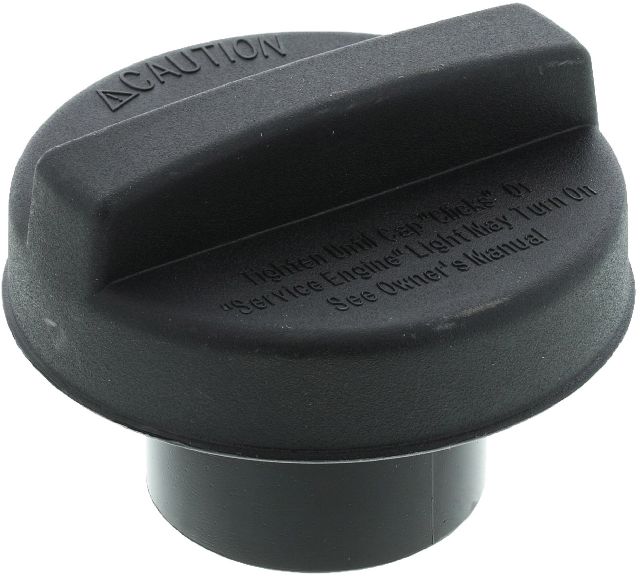
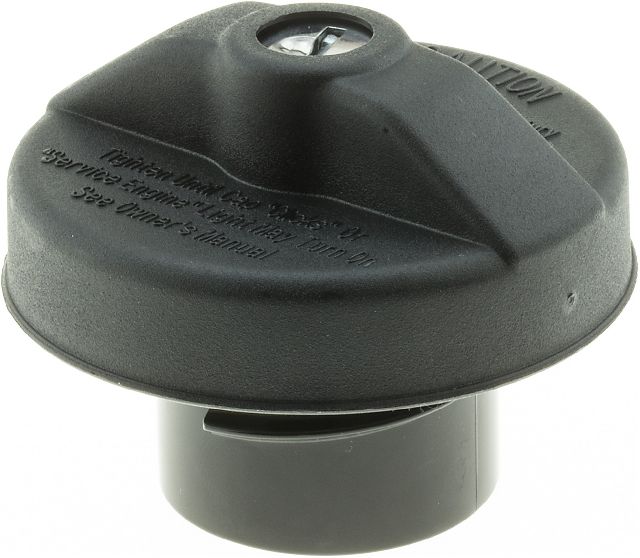
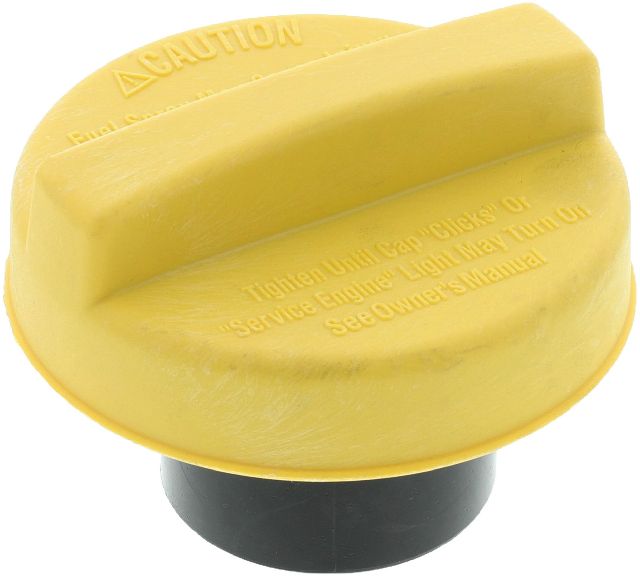
- Loose or Faulty Gas Cap 🔴 High Probability The gas cap is the most frequently handled part of the EVAP system, and its seal can degrade, crack, or get dirty over time, preventing a proper seal. Aftermarket caps are a notorious source of sealing issues, and using an OEM Mopar cap is strongly recommended.
How to confirm: Inspect the gas cap for any visible cracks or damage to the O-ring seal. Ensure it is tightened until it clicks at least three times. Cleaning the fuel filler neck sealing surface with a cloth or light abrasive pad can also resolve sealing issues.
Typical fix: Tighten the existing cap or replace it with a new OEM Mopar gas cap.
Est. part cost: $15-$40 - Faulty EVAP Purge Valve / Solenoid 🟡 Medium Probability This valve is located in the engine bay on top of the engine and cycles frequently, leading to wear. It can get stuck slightly open, creating a small leak that the PCM detects. It is a very common failure point on vehicles with the 3.6L engine.
How to confirm: With the engine off, remove the valve and try to blow air through it. If any air passes, it is stuck open and faulty. A handheld vacuum pump can also be used to check if it holds a vacuum.
Typical fix: Replace the purge valve. It is located in the engine bay and is typically a simple swap involving two hoses 🎬 Watch: A quick walkthrough of the purge valve replacement. and one electrical connector, often taking only 5-15 minutes.
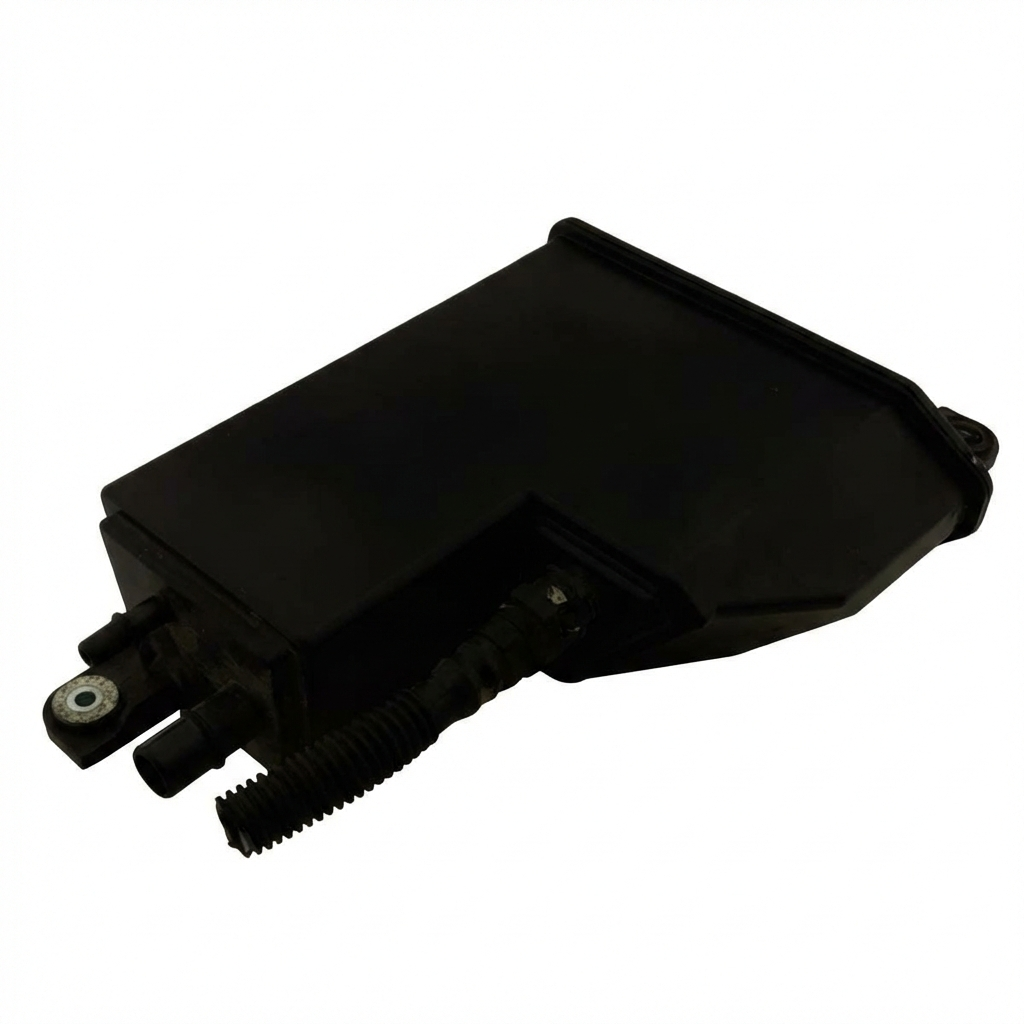
Est. part cost: $25-$75 - Faulty Evaporative System Integrity Module (ESIM) 🟡 Medium Probability This component, also called a leak detection pump, is mounted on the charcoal canister and is a widely documented high-failure item on Ram, Chrysler, Dodge, and Jeep products. It contains a small, gravity-based weighted valve that can fail, get stuck, or the O-ring that seals it to the canister can degrade.
How to confirm: After ruling out the gas cap and purge valve, the ESIM is the next most likely culprit. A failed unit may rattle when shaken. The definitive test is replacement, but it's crucial to check that the existing unit is installed with the correct orientation (not upside down), as incorrect installation will cause the code.
Typical fix: Replace the ESIM. It attaches to the charcoal canister (near the fuel tank) with a simple quarter-turn twist-lock mechanism. 🎬 See how to swap the ESIM and check the seal. It is critical to install the new unit in the correct rotational position.
Est. part cost: $30-$80 - Cracked or Disconnected EVAP Hoses ⚪ Low Probability Rubber and plastic hoses can become brittle and crack with age and heat exposure. Rodent damage to the lines on top of the fuel tank has also been reported by owners. A disconnected vent hose, sometimes occurring after other repairs like a transmission installation, can also be a cause.
How to confirm: A visual inspection of all accessible EVAP lines may reveal obvious damage, especially at connection points. The most definitive method is to have a professional perform a smoke test, which will make the leak source visible.
Typical fix: Replace the damaged section of hose.
Est. part cost: $10-$50
Rare But Worth Checking
- Cracked Charcoal Canister: While the canister itself is durable, it can be damaged from road debris or develop hairline cracks over time. A smoke test is the best way to confirm a canister leak.
- PCM Software Issue: TSB #18-062-16 notes that P0456 can appear with other codes like P0335 and P2610. In some cases on related vehicles, a PCM software update was the prescribed fix, suggesting a potential for false codes that could be resolved by a dealer reprogramming the PCM.
- Damaged Fuel Filler Neck: Scratches, rust, or dents on the metal surface where the gas cap O-ring seals can prevent a proper seal and trigger a P0456 code. Cleaning the surface thoroughly with a mild abrasive pad is a good first step.
Diagnosis Steps
- Read the code with an OBD-II scanner to confirm P0456 is the primary code present.
- Inspect the gas cap. Ensure it is an OEM Mopar part, is tightened until it clicks multiple times, and the rubber seal is not cracked, torn, or dirty. Clean the seal and the filler neck surface.
- Clear the code and drive the vehicle for a few days to see if the code returns. The EVAP test only runs under specific conditions (e.g., fuel level between 15% and 85% full, often during vehicle cooldown after sitting overnight).
- If the code returns, visually inspect the EVAP purge valve and its hoses in the engine bay for any obvious cracks or loose connections. The valve is easily accessible on top of the engine.
- Test the purge valve. With the engine off, remove the valve and try to blow through it. If any air passes, it is faulty and needs to be replaced.
- If the purge valve is good, the next most likely cause is the Evaporative System Integrity Module (ESIM) located on the charcoal canister under the vehicle, near the fuel tank. Inspect its O-ring and ensure it is installed in the correct rotational orientation.
- Inspect all visible EVAP hoses for cracks, especially at connection points and bends. Pay attention to lines on top of the fuel tank, which are prone to rodent damage.
- If the leak source is still not found, the most effective next step is to have a professional smoke test performed. 🎬 Watch: Understanding common causes and fixes for the P0456 code. This test injects pressurized smoke into the EVAP system, which will visibly escape from the leak's location, no matter how small.
Parts You'll Likely Need
- Gas Cap
(OEM #52124512AA)— This is the most frequent cause due to a worn or damaged seal. It's the first and cheapest part to check and replace. Using an OEM Mopar cap is highly recommended as aftermarket versions often fail to seal properly.
Trusted brands: Mopar
OEM price range: $20-$40
Aftermarket price range: $15-$30 - EVAP Purge Valve / Solenoid
(OEM #04627694AB)— A very common failure point on Ram vehicles where the valve sticks or leaks internally, causing a persistent small leak. It is an easy DIY replacement located in the engine bay.
Trusted brands: Mopar, Dorman, Standard Motor Products
OEM price range: $50-$90
Aftermarket price range: $25-$75 - Evaporative System Integrity Module (ESIM)
(OEM #4861962AD (supersedes 4861962AB, 4861962AA))— This switch, mounted to the charcoal canister, is a known weak point on Chrysler/Dodge/Ram vehicles that frequently fails and causes this specific code.
Trusted brands: Mopar, Dorman, Standard Motor Products
OEM price range: $70-$115
Aftermarket price range: $30-$80
Related Codes That Often Appear With This One
- P0335 — TSB #18-062-16 lists this code for the Crankshaft Position Sensor Circuit as potentially appearing alongside P0456, which may point to a broader electrical or PCM software issue requiring a dealer update.
- P2610 — This code for PCM Internal Engine Off Timer Performance is also mentioned in TSB #18-062-16 in conjunction with P0456, further suggesting a possible software-related fault.
- P0455 — This code for a large EVAP leak can be triggered by the same components that cause a small leak, such as a purge valve that is stuck wide open or a completely disconnected hose.
- P0457 — This code specifically indicates a leak from a loose or missing fuel cap. If it appears with P0456, it strongly points to an issue with the gas cap or filler neck seal.
Technical Service Bulletins (TSBs) & Recalls
- 1804823: wiTECH Small Leak Verification Test (SLVT) - P0456-EVAP SYSTEM SMALL LEAK
- 18-062-16: Notes that P0456 may be found set in the PCM memory along with P0335, P2610, P0300, and P0301, potentially indicating a software issue.
Platform-Specific Known Issues
- TSB #1804823 specifically references a dealer-level test for P0456, confirming it as a known issue that dealers have specific procedures for.
- TSB #18-062-16 links P0456 with several other unrelated DTCs, which can sometimes indicate a PCM software issue requiring an update from a dealer.
- Owners on forums frequently report that replacing the ESIM is the fix after a new gas cap fails to resolve the code.
- Incorrect installation of the ESIM (upside down) is a known issue that will cause the P0456 code to persist, as the part is gravity-dependent.
Mechanic-Grade Diagnostic Values
- Fuel Tank Pressure Sensor Voltage (Key On, Engine Off) — expected: 1.3V to 1.7V at atmospheric pressure. Failure: A reading of 0V or 5V indicates a sensor or wiring fault. A fixed low reading can be caused by an open in the 5V reference wire or a short to ground in the signal wire. A fixed high reading can be caused by an open ground wire.
- EVAP Purge Valve Solenoid Coil Resistance — expected: Approximately 30-36 Ohms at room temperature (around 60-70°F). Failure: An open circuit (infinite resistance) or a very high reading indicates a failed coil.
Scan Tool Commands That Help
- wiTECH (Chrysler/Ram Dealer Tool): Small Leak Verification Test (SLVT) — This is the mandatory first step in the official dealer diagnostic procedure for P0456. It must be run to verify a leak is currently present before replacing parts and must be run again after the repair (including PCM updates) to confirm the fix, as a normal drive cycle is not sufficient to validate the repair during a single dealer visit.
Wiring & Ground Locations
- Primary Engine/Transmission Ground Strap — A braided strap connecting the transmission case to a bolt on the top of the driver's side transmission mount. It is accessible by removing the driver's side headlight assembly.. While not a direct cause, a poor primary ground can cause erratic behavior in various electronic modules and sensors, including those in the EVAP system. If multiple, seemingly unrelated electrical codes appear with P0456, verifying this ground is a valid diagnostic step.
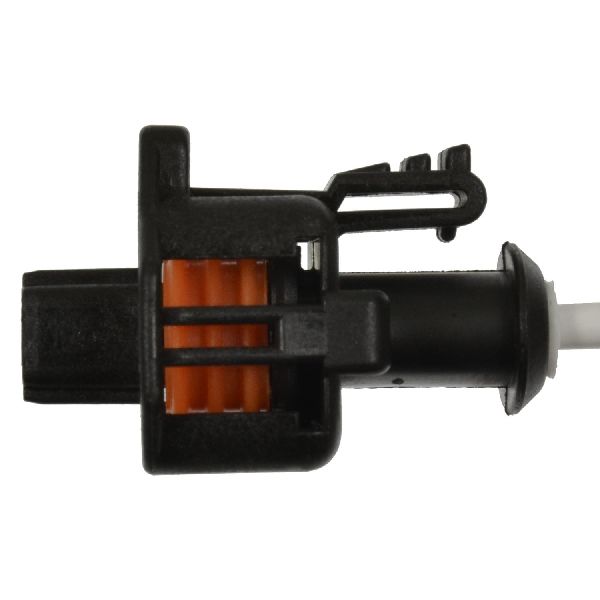
- Fuel Tank Pressure Sensor Connector — Located on the fuel filler neck. It is a 3-wire connector.. A faulty sensor or bad connection here can send incorrect data to the PCM, causing it to believe there is a leak when there isn't one. The three wires are typically a 5V reference, a sensor ground, and the signal wire.
Real Owner Repair Stories
- RamForum.com user (2018 Ram 1500 (similar EVAP system)) — Check engine light with codes P0440, P0441, and P0456.
❌ Tried (didn't work) Initial diagnosis was unclear.
✅ What actually fixed it The user identified that the exposed EVAP hose from the charcoal canister was likely dry-rotted and that the Natural Vacuum Leak Detection (NVLD) detector (functionally similar to the ESIM) was also a likely culprit. They ordered both the hose and the NVLD/ESIM to resolve the multiple EVAP codes.
"I Checked Everything" — The Actual Cause
- A technician may perform a smoke test using a gas cap adapter tool. However, an FCA technical communication warns that the O-ring on the accessory tool itself can be larger or seal better than the vehicle's actual gas cap, potentially masking a leak that is genuinely at the filler neck or cap. The test should be performed without removing the original gas cap to accurately test the entire sealed system.
OEM Part Supersession History
4861962AA, 4861962AB, 4861962AC→4861962AD— Standard part revision and improvement by the manufacturer.
Heads up: Part number 4861962AD is the current recommended replacement for the earlier versions and should be fully compatible.
Helpful Videos


Used OEM Parts in Stock
New Aftermarket Parts Available


The information in this article is provided for general reference and educational purposes only. Vehicle specifications, procedures, and part compatibility can vary by production date, trim level, and region. Always consult your vehicle's factory service manual and verify part numbers before purchasing or performing repairs. Safety-critical components such as airbags, seat belts, and braking systems should be installed by a qualified professional.
- Ram PROMASTER 2500:
- 🎬 Helpful Videos
- 🛍️ Shop This Part
- What's Unique About the 2015-2015 Ram PROMASTER 2500
- Diagnostic Flowchart
- Symptoms You May Notice
- Most Likely Causes
- Rare But Worth Checking
- Diagnosis Steps
- Parts You'll Likely Need
- Related Codes That Often Appear With This One
- Technical Service Bulletins (TSBs) & Recalls
- Platform-Specific Known Issues
- Mechanic-Grade Diagnostic Values
- Scan Tool Commands That Help
- Wiring & Ground Locations
- Real Owner Repair Stories
- "I Checked Everything" — The Actual Cause
- OEM Part Supersession History
- 🎟️ Get 5% Off