

P0456 on 2021-2023 Ram 1500: EVAP System Small Leak Causes and Fixes
P0456 on a 2021-2023 Ram 1500 indicates a small leak in the EVAP system. The most common causes are a faulty seal on the capless fuel filler or a bad EVAP purge valve. Cleaning the fuel filler seal is the first step; replacing the purge valve is a common and relatively inexpensive repair frequently discussed by owners.
- P0456 is a minor issue that won't stop you from driving, but it will cause an emissions test failure.
- Before buying any parts, thoroughly clean the capless fuel filler opening and seal, clear the code, and see if it returns.
- The most likely part to have failed is the EVAP purge valve, which is an affordable and DIY-friendly replacement.
- Do not overfill your fuel tank; stop at the first click. Topping off can damage the charcoal canister and lead to this code.
- If simple fixes don't work, a smoke test is the most effective way to find the exact source of the small leak.
What's Unique About the 2021-2023 Ram 1500

The 2021-2023 Ram 1500 (5th Generation DT) uses a capless fuel filler system. Unlike older trucks with a traditional gas cap, this design's spring-loaded seal can get dirty or worn, making it a primary suspect for a P0456 code. Additionally, owner forums for this specific generation frequently point to the EVAP purge valve as a common failure item that is relatively easy to replace. Stellantis has also issued specific Technical Service Bulletins (TSBs) that require dealers to use a special diagnostic tool called the 'wiTECH Small Leak Verification Test (SLVT)' to confirm P0456 leaks, indicating this is a known issue requiring specific procedures.
Diagnostic Flowchart
Tap your situation to follow the diagnostic path that matches what you're seeing on this vehicle.
Symptoms You May Notice
- Check engine light is on.
- A faint fuel smell may be noticeable, but this is rare for a small leak.
- No noticeable impact on drivability or performance.
- ECO mode may be disabled, preventing the truck from entering fuel-saver mode.
- Replacing the gas cap. This vehicle does not have a traditional gas cap, so this common advice for P0456 does not apply. The focus should be on the capless filler neck seal.
Most Likely Causes
 🎬 Watch: How to locate and replace the purge valve bay in a 5th generation Ram 1500." loading="lazy" style="max-width:100%;height:auto;border-radius:6px;display:block;box-shadow:0 2px 8px rgba(0,0,0,0.1);" />
- Debris or Wear on Capless Fuel Filler Seal 🔴 High Probability The capless system's seal is exposed to dust and dirt during refueling, which can prevent it from sealing completely. Forum users frequently recommend this as the first check.
How to confirm: Visually inspect the fuel filler opening for any dirt, debris, or damage. The seal should be clean and pliable. A stray piece of grass or dirt is enough to cause the leak.
Typical fix: Clean the seal area with a clean rag. Use the vehicle's emergency funnel to work the seal back and forth 🎬 See this step-by-step guide to fixing the capless seal to dislodge any hidden debris. Clear the code and see if it returns after a few drive cycles.
Est. part cost: $0 for cleaning, $150-$250 for a replacement filler neck assembly if the seal is damaged. - Faulty EVAP Purge Valve/Solenoid 🔴 High Probability This is a very frequently reported failure part in owner forums for 5th generation Rams and other Stellantis vehicles. The valve, located on the engine, can get stuck slightly open or fail intermittently, creating a small leak path.
How to confirm: With the engine off, remove the purge valve (located on the passenger side of the engine) and try to blow through it. It should be closed and not allow air to pass. A hand-held vacuum pump can also be used to see if it holds vacuum; if the vacuum bleeds down, the valve is faulty.
Typical fix: Replace the EVAP purge valve. This is typically a 15-30 minute job requiring basic tools. One user on 5thgenrams.com reported fixing their P0456 code with a $30 valve and 15 minutes of work.
Est. part cost: $25-$60 - Cracked or Disconnected EVAP Hose ⚪ Low Probability Hoses, particularly the plastic lines near the engine, can become brittle from heat and age, leading to small cracks, especially at connection points.
How to confirm: Visually inspect all accessible EVAP system hoses, from the engine bay to the charcoal canister near the fuel tank. Pay close attention to the plastic tube connecting to the purge valve. A smoke test is the most effective way to find a hard-to-see crack.
Typical fix: Replace the damaged section of hose. Sometimes the entire hose assembly with connectors must be purchased.
Est. part cost: $15-$50
Rare But Worth Checking
- Faulty Evaporative System Integrity Module (ESIM): This component, also known as a leak detection pump, is mounted on or near the charcoal canister and is responsible for sealing the system for the self-test. While less common than a purge valve failure, it can fail and cause a P0456 code. In some cases, an incorrect installation (it can be installed in four positions, but only one is correct) can also be the culprit.
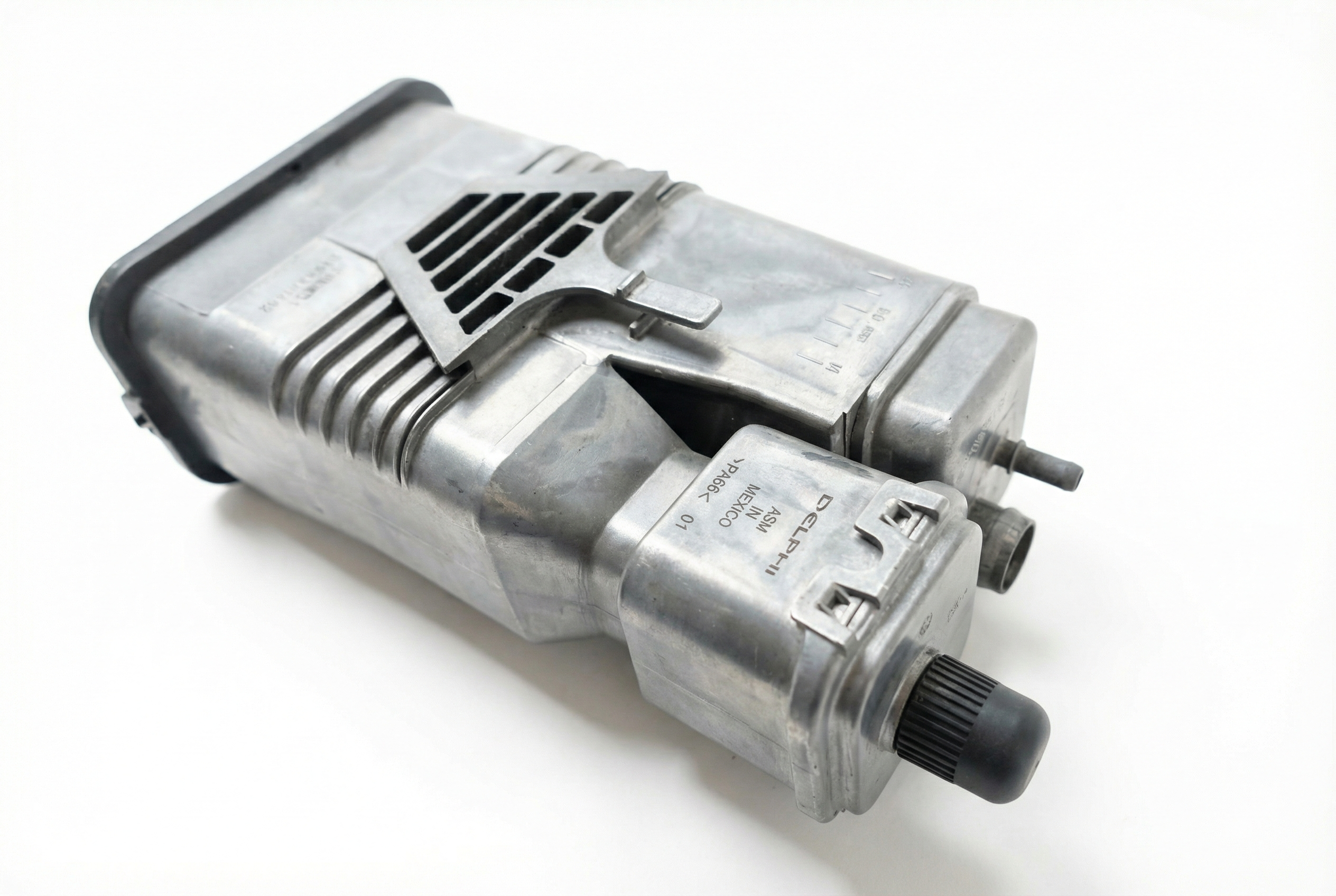
- Leaking Charcoal Canister: The plastic housing of the charcoal canister can develop hairline cracks, causing a small leak. This is often caused by over-filling the fuel tank, which saturates the canister with raw fuel instead of just vapor. A smoke test is the best way to confirm a canister leak.
- Rodent Damage: A user on RamForum.com reported finding that a squirrel or mouse had chewed on the plastic fuel vent lines on top of the fuel tank, causing a P0456 code. This is free to check if you can safely inspect the lines.
Diagnosis Steps
- Read the code with an OBD-II scanner to confirm P0456 is present.
- Inspect the capless fuel filler neck for debris. Clean it thoroughly with a clean rag and work the seal with the provided emergency funnel.
- Clear the code and drive for a few days to see if it returns. The EVAP monitor often runs when the fuel tank is between 1/4 and 3/4 full and after the vehicle has been off for several hours.
- If the code returns, locate the EVAP purge valve on the passenger side of the engine. Visually inspect its connecting hoses for cracks.
- Test the purge valve. With the engine off, disconnect the valve and attempt to blow through it. No air should pass. Alternatively, use a hand vacuum pump to confirm it holds vacuum.
- Visually inspect all other accessible EVAP hoses under the hood and near the fuel tank for obvious cracks, damage, or disconnections.
- If no obvious faults are found, the most reliable method for finding the leak is to have a professional perform a smoke test. This involves filling the EVAP system with a harmless, visible smoke and looking for where it escapes. This is the dealer-recommended procedure.
- For advanced DIYers, some high-end scan tools can run a forced 'ESIM forced test' to check the function of the leak detection system.
Parts You'll Likely Need
- EVAP Purge Valve / Solenoid
(OEM #4627694AB (supercedes 4627694AA))— This is a very common failure point on modern Ram trucks that causes a small leak when it fails to close completely. It is frequently cited in forums as the first part to replace after checking the fuel filler.
Trusted brands: Mopar, Bosch, Standard Motor Products, Wells
OEM price range: $40-$60
Aftermarket price range: $25-$45 - Fuel Filler Neck
(OEM #68524049AB (supercedes 68524049AA))— If the capless system's internal seal is damaged, worn, or fails to seal after cleaning, the entire filler neck assembly must be replaced to fix the leak.
Trusted brands: Mopar, Dorman
OEM price range: $150-$250
Aftermarket price range: $90-$150
Related Codes That Often Appear With This One
- P0455 — Indicates a large EVAP leak. If both codes are present, it may point to a component that has failed completely, such as a disconnected hose or a large crack.
- P0457 — Indicates an EVAP leak detected due to a loose or missing fuel cap. On a capless system, this points strongly to an issue with the filler neck seal.
Technical Service Bulletins (TSBs) & Recalls

- S2225000004: Confirms MIL-On condition for P0456-Small Leak Detected.
- 18-048-23: Mandates use of a specific dealer-level diagnostic tool (wiTECH SLVT) for P0456, confirming it's a known issue across many Stellantis vehicles.
- 1400522REVB: Lists P0456 with other related EVAP system leak codes.
Platform-Specific Known Issues
- The provided NHTSA Technical Service Bulletin #S2225000004 directly links the customer complaint of a check engine light to the P0456 code on 2021 models.
- TSB #18-048-23, which applies to 2012-2023 Stellantis vehicles, mandates the use of the 'wiTECH Small Leak Verification Test (SLVT)' for diagnosing P0456. This is a dealer-level software tool that runs a specific test sequence to confirm the leak without requiring a full drive cycle, ensuring a 'Fixed First Visit'.
- TSB #1400522REVB groups P0456 with other EVAP leak codes (P0455, P04EC, P04EE), suggesting a common set of components may be at fault across a range of leak sizes.
Scan Tool Commands That Help
- wiTECH (Stellantis Dealer Tool): Small Leak Verification Test (SLVT) — Mandated by TSB #18-048-23 for diagnosing P0456. It confirms a small leak is present without requiring multiple drive cycles, which is necessary for the code to set naturally. It should be run before a repair to verify the leak and after a repair to confirm the fix.
Real Owner Repair Stories
- Reddit user E28A-AD61 on r/ram_trucks (2016 Ram 1500 Bighorn, 5.7L Hemi, 102k miles) — Persistent P0456 code returning every 5-7 starts or 50-80 miles.
❌ Tried (didn't work) Replaced gas cap, Replaced purge valve, Replaced leak detection pump (ESIM)
✅ What actually fixed it A professional shop recommended and performed a fuel tank replacement, which resolved the check engine light. - 5thGenRams.com forum user (2019 Ram 1500, 40,000 miles) — P0456 code that kept returning after being reset three times.
❌ Tried (didn't work) Clearing the code
✅ What actually fixed it Replaced the EVAP purge valve. The repair took 15 minutes and cost $30. The user noted the rubber tube from the old unit had to be swapped to the new one.
OEM Part Supersession History
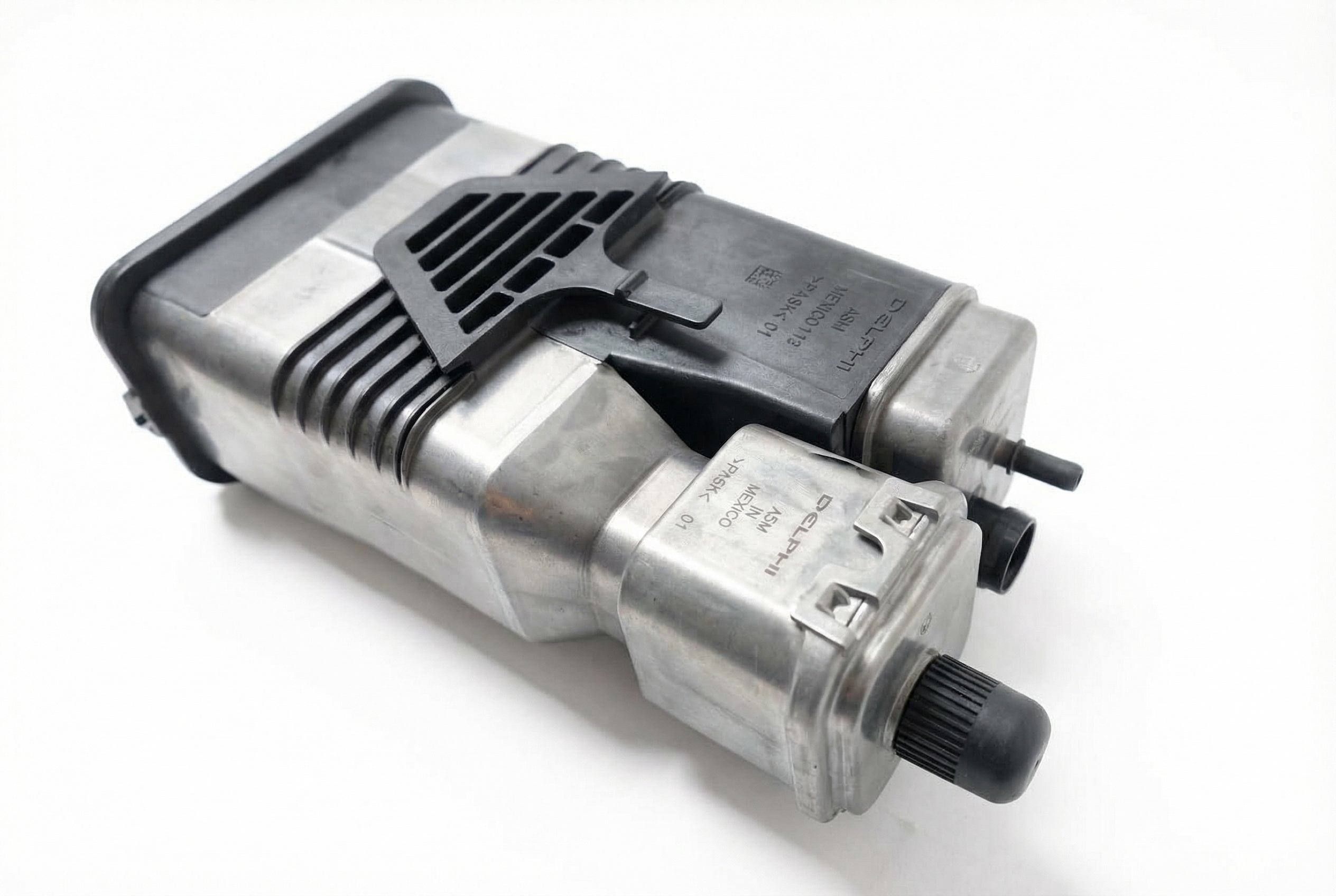
4627694AA→4627694AB— Standard revision and update for the EVAP Purge Control Valve. The new part is a direct replacement.52029887AD→68606282AA— Standard revision for the Vapor Canister.
Heads up: This part is ONLY for trucks with the 26-gallon fuel tank. It is not interchangeable with the canister for the larger 32/33-gallon tanks.
Model Year Variations Within This Range
- 2022-2023: The 2022 model year introduced the Uconnect 5 infotainment system, which is significantly faster and adds wireless Apple CarPlay/Android Auto functionality, which was not present in the 2021 models with Uconnect 4. This has no bearing on the P0456 code but is a key difference in the vehicle's technology.
Helpful Videos
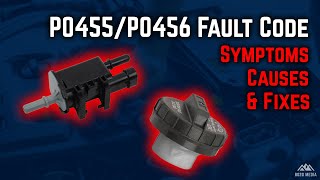
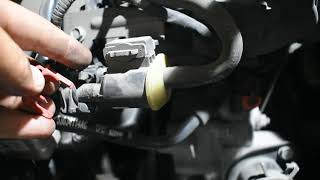
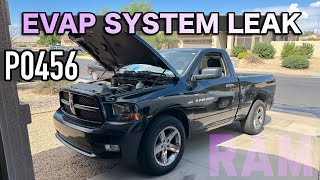
Used OEM Parts in Stock




New Aftermarket Parts Available


The information in this article is provided for general reference and educational purposes only. Vehicle specifications, procedures, and part compatibility can vary by production date, trim level, and region. Always consult your vehicle's factory service manual and verify part numbers before purchasing or performing repairs. Safety-critical components such as airbags, seat belts, and braking systems should be installed by a qualified professional.
- Ram 1500:
- 🎬 Helpful Videos
- 🛍️ Shop This Part
- What's Unique About the 2021-2023 Ram 1500
- Diagnostic Flowchart
- Symptoms You May Notice
- Most Likely Causes
- Rare But Worth Checking
- Diagnosis Steps
- Parts You'll Likely Need
- Related Codes That Often Appear With This One
- Technical Service Bulletins (TSBs) & Recalls
- Platform-Specific Known Issues
- Scan Tool Commands That Help
- Real Owner Repair Stories
- OEM Part Supersession History
- Model Year Variations Within This Range
- 🎟️ Get 5% Off