

P0456 on 2017-2019 Nissan Versa Note: EVAP Small Leak Causes and Fixes
For a P0456 code on a 2017-2019 Nissan Versa Note, first check for a loose or worn gas cap. If the cap is secure, the most likely cause is a failed O-ring on the EVAP vent control valve, a known issue documented by Nissan. Replacing this O-ring is a common, inexpensive fix. However, later Nissan guidance suggests replacing the entire valve assembly as the O-ring is no longer sold separately.
- P0456 is a minor issue indicating a very small leak in the fuel vapor system; your car is safe to drive.
- Always start by checking that your gas cap is tight and its seal is intact. This is the simplest and most common fix.
- For the 2017-2019 Versa Note, a failed O-ring on the EVAP vent control valve is a highly likely cause, as documented in Nissan TSBs. This is an inexpensive part to replace.
- A professional smoke test is the most reliable way to pinpoint the exact location of the leak if the gas cap is not the problem.
- Do not replace the entire vent control valve unless it is confirmed to be faulty; the O-ring is the more common failure point and is much cheaper.
What's Unique About the 2017-2019 Nissan VERSA NOTE
While a loose gas cap is a common cause for this code on any car, the Nissan Versa Note is particularly prone to a specific failure point. Nissan has issued multiple Technical Service Bulletins (TSBs) acknowledging that the O-ring for the EVAP vent control valve frequently dries out and cracks, causing the exact small leak that triggers a P0456 code. This makes the diagnostic process more direct than on many other vehicles, as this specific O-ring is a highly probable culprit after the gas cap has been ruled out. 🎬 Watch: A breakdown of the two most common Nissan fixes. Early TSBs advised replacing just the O-ring, but the most recent version, NTB17-082E, instructs technicians to replace the entire vent control valve assembly as the O-ring is no longer serviced separately.
Diagnostic Flowchart
Tap your situation to follow the diagnostic path that matches what you're seeing on this vehicle.
Symptoms You May Notice
- Check Engine Light is on
- A faint fuel smell near the rear of the vehicle may be present in some cases.
- An intermittent "loose gas cap" warning on the dashboard, even if the cap is tight.
- Replacing the entire EVAP Vent Control Valve when only the inexpensive O-ring is needed. Nissan's early TSBs specifically advised against this to save on repair costs. However, the latest TSB NTB17-082E reverses this, stating the O-ring is no longer available separately and the entire valve must be replaced.
- Repeatedly replacing the gas cap when the actual fault lies with the vent control valve O-ring, a very common scenario for this vehicle.
Most Likely Causes
- Loose or Faulty Fuel Filler Cap 🔴 High Probability This is the most common and easiest-to-fix cause for any EVAP leak code on any vehicle. The cap's seal can degrade over time or it may simply not have been tightened properly after refueling.
How to confirm: Ensure the cap is tightened until it clicks at least once. Inspect the rubber seal on the cap for cracks, dirt, or signs of wear. If the seal is compromised, the cap needs replacement. Many owners recommend using an OEM cap, as some aftermarket caps can cause sealing issues.
Typical fix: Tighten or replace the fuel filler cap. Using an OEM (Original Equipment Manufacturer) cap is often recommended for a perfect seal.
Est. part cost: $15-$40 - Leaking EVAP Vent Control Valve O-Ring 🔴 High Probability Nissan has identified this as a common failure point and issued TSBs like NTB17-082E. The rubber O-ring that seals the valve to the charcoal canister becomes brittle and fails, creating a small leak. This is the next most likely cause after the gas cap.
How to confirm: This is best confirmed with a smoke test. A technician will introduce smoke into the EVAP system and look for it escaping from the area where the vent control valve mounts to the EVAP canister, located near the rear of the vehicle.
Typical fix: Replace the vent control valve O-ring or the entire valve assembly. Per early Nissan TSBs (like NTB17-082b), only the O-ring needed replacement. However, the latest TSB (NTB17-082E) states the O-ring is no longer sold separately and advises replacing the entire vent control valve assembly.
Est. part cost: $5-$15 for O-ring (if found), $60-$90 for valve assembly. - Faulty EVAP Canister Purge Valve 🟡 Medium Probability
How to confirm: The purge valve, typically located in the engine bay, is normally closed and can be tested with a handheld vacuum pump to see if it holds vacuum when the engine is off. A scan tool can also command it to open and close to check for proper function. If it's stuck open, it will create a vacuum leak and can cause the P0456 code.
Typical fix: Replacement of the purge valve solenoid.
Est. part cost: $40-$90 - Cracked or Disconnected EVAP Hoses ⚪ Low Probability Rubber hoses can become brittle and crack over time due to age and heat cycles.
How to confirm: Visually inspect all accessible EVAP lines between the fuel tank, charcoal canister, and engine bay. A smoke test is the most effective way to find a small crack in a hose.
Typical fix: Replace the cracked section of hose.
Est. part cost: $10-$30
Rare But Worth Checking
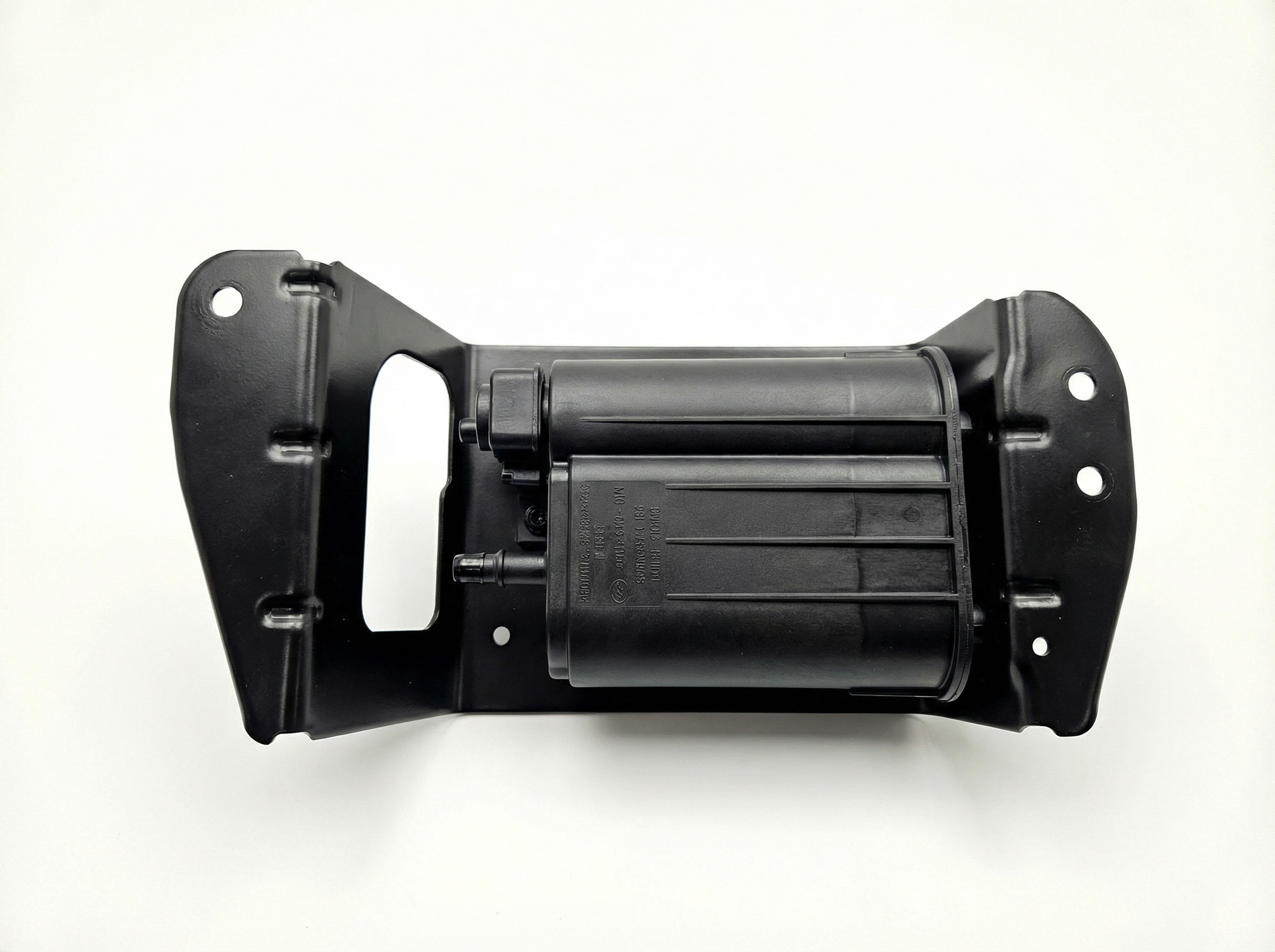
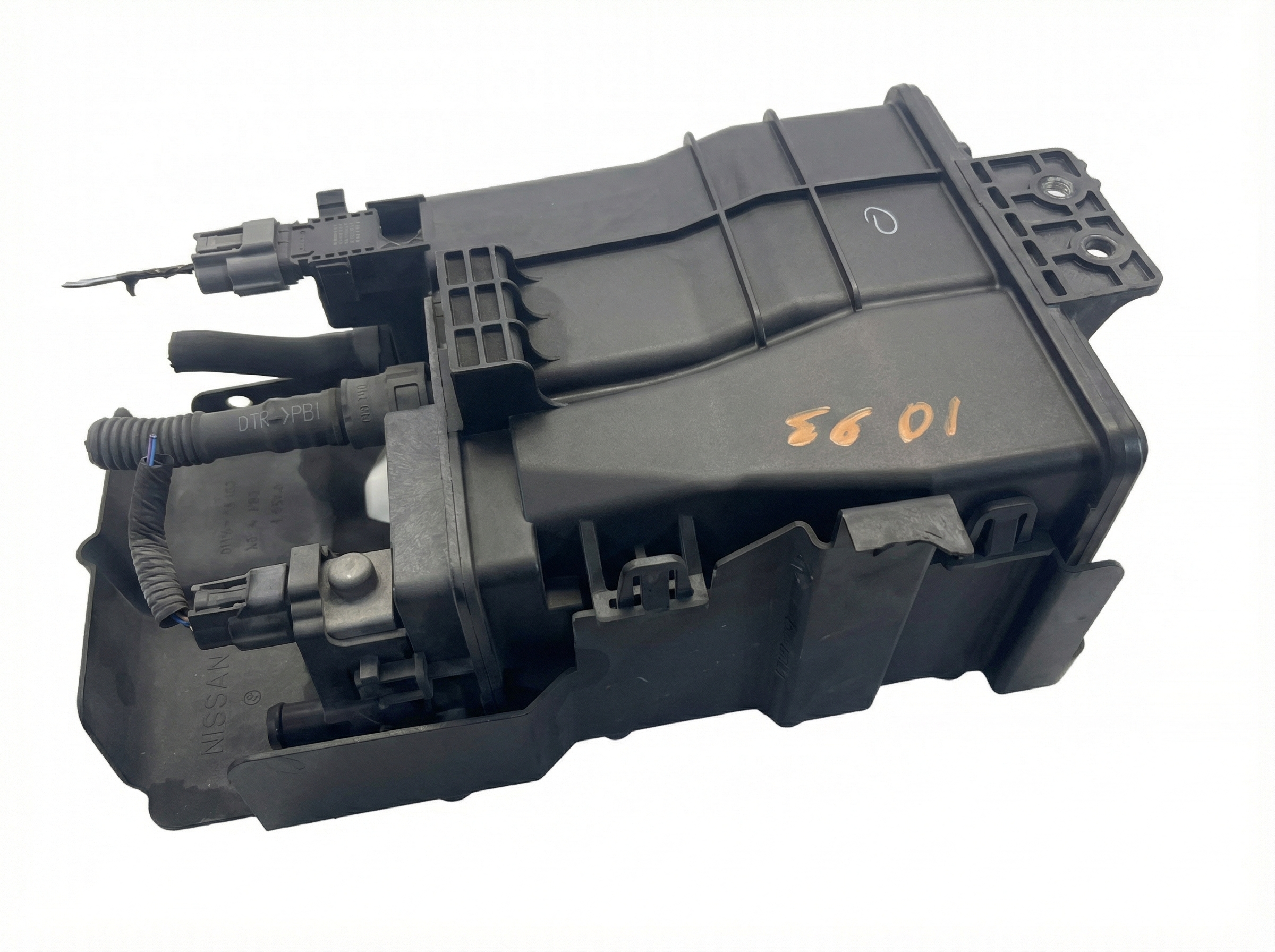
- Cracked EVAP Charcoal Canister: While less common for a small leak, a hairline crack in the plastic body of the canister can occur, especially after a physical impact to the undercarriage. The vent valve mounts directly to this canister.
- Faulty Fuel Tank Pressure Sensor: In rare cases, the sensor that measures system pressure can provide incorrect readings, leading the computer to believe there is a leak when one does not exist.
Diagnosis Steps
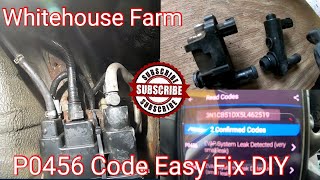
- Check the Gas Cap: Ensure it is tight and clicks. Inspect the seal for damage or debris. If in doubt, it's the cheapest part to replace first. 🎬 See this quick DIY guide for an easy P0456 fix. Always opt for an OEM cap if possible.
- Clear the Code: After tightening or replacing the cap, clear the code with a scan tool and drive for a few days to allow the EVAP monitor to run its self-test. The light may not go off immediately.
- Visual Inspection: If the light returns, inspect all visible EVAP hoses for obvious cracks, disconnections, or damage, especially under the hood near the purge valve and at the rear of the car near the canister.
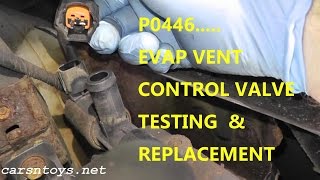
- Perform a Smoke Test: This is the most effective diagnostic step. A smoke machine forces vapor into the EVAP system, and any leaks will be visible as smoke escapes. Pay close attention to the vent control valve O-ring seal on the charcoal canister, located behind a plastic shield 🎬 Watch: How to test and replace the vent control valve. near the rear wheel well. This is the most likely leak point on this vehicle.
- Test Valves: Use a scan tool to command the purge and vent valves to open and close, verifying their operation. A faulty valve that doesn't seal properly will be identified during the smoke test.
Parts You'll Likely Need
- EVAP Vent Control Valve O-Ring
(OEM #16618-JF00A)— This is the most common cause of P0456 on this vehicle, as documented by Nissan TSBs NTB17-082a/b. Note: Nissan's latest TSB (NTB17-082E) states this part is no longer sold separately and recommends replacing the entire valve assembly.
Trusted brands: Nissan OE
OEM price range: $5-$15
Aftermarket price range: $3-$10 - Fuel Filler Cap
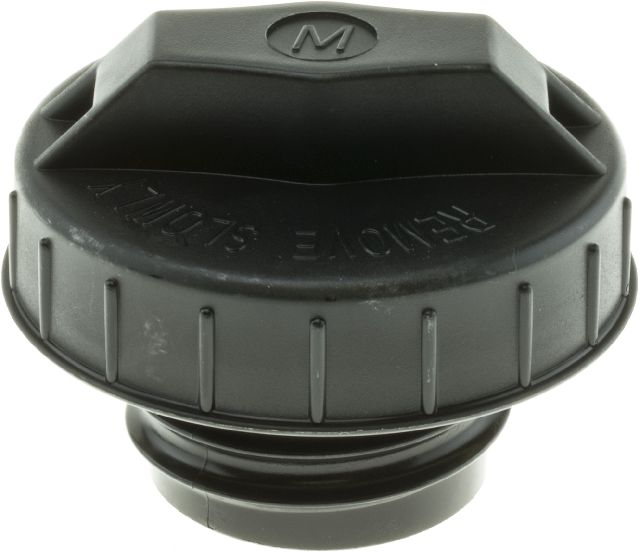
(OEM #17251-9BD0F (supersedes 17251-9BD0E, 17251-9BD0D, 17251-9BD0B))— A worn or loose gas cap is the most common cause of EVAP codes on all vehicles.
Trusted brands: Nissan OE, Stant, Gates
OEM price range: $25-$40
Aftermarket price range: $15-$25 - EVAP Vent Control Valve
(OEM #14935-JF02C (supersedes 14935-JF00A, B, C, D, E))— This is the complete assembly that includes the failure-prone O-ring. Per the latest TSB NTB17-082E, this entire unit should be replaced if the O-ring is found to be leaking.
Trusted brands: Nissan OE, Dorman, Standard Motor Products
OEM price range: $60-$90
Aftermarket price range: $40-$80 - EVAP Canister Purge Valve
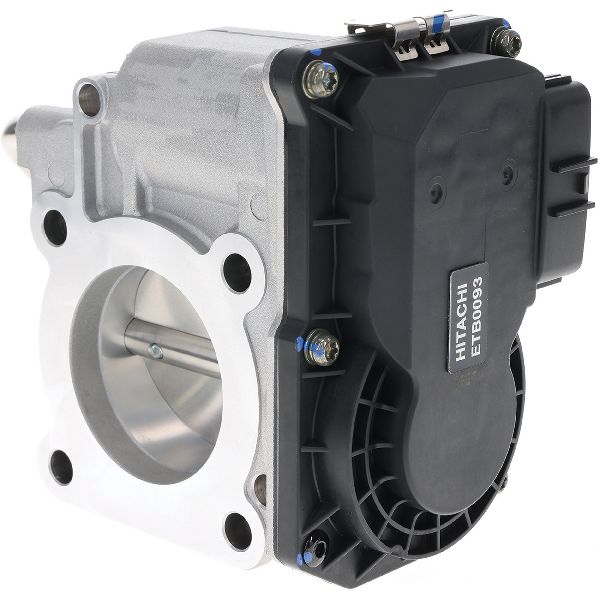
(OEM #14930-EN20A (example, verify by VIN))— If the valve fails to seal completely, it can cause a small leak within the system. It is located in the engine bay.
Trusted brands: Bosch, Hitachi, Denso
OEM price range: $70-$120
Aftermarket price range: $40-$90
Related Codes That Often Appear With This One
- P0442 — This code indicates a medium-sized EVAP leak. If the small leak from P0456 worsens (e.g., a crack in a hose grows), it may eventually trigger a P0442.
Technical Service Bulletins (TSBs) & Recalls
- NTB17-082E: DTC P0456 CAUSED BY EVAP LEAK AT VENT CONTROL VALVE O-RING
- NTB17-082c: DTC P0456 CAUSED BY EVAP LEAK AT VENT CONTROL VALVE O-RING
- NTB17-082b: NISSAN; DTC P0456 CAUSED BY EVAP LEAK AT VENT CONTROL VALVE O-RING
- NTB17-082a: NISSAN; DTC P0456 CAUSED BY EVAP LEAK AT VENT CONTROL VALVE O-RING
- NTB17-082: NISSAN; DTC P0456 CAUSED BY EVAP LEAK AT VENT CONTROL VALVE O-RING
- NTB13-097J: EVAP LEAK DTC P0442, P0455, P0456 INFORMATION
Platform-Specific Known Issues
- Nissan Technical Service Bulletin NTB17-082E specifically calls out DTC P0456 being caused by a leak at the vent control valve O-ring. It instructs technicians to replace the entire valve assembly to correct the issue, as the O-ring is no longer serviced as a separate part.
- Older versions of the TSB, like NTB17-082a and NTB17-082b, explicitly told technicians NOT to replace the valve, but only the O-ring (Part No. 16618-JF00A), making this a very cheap fix. While the O-ring may still be available from some parts suppliers, Nissan's official procedure has changed.
Mechanic-Grade Diagnostic Values
- EVAP Vent Control Valve Solenoid Resistance — expected: 20-50 Ohms. Failure: A reading outside this range, or an open circuit (infinite resistance), indicates a failed solenoid coil.
- EVAP Vent Control Valve Connector Voltage — expected: 12V (Battery Voltage) on one pin with ignition key in 'ON' position (engine off).. Failure: No voltage suggests a blown fuse or a break in the power supply wire. The other pin is a ground controlled by the ECM.
Hidden / Shadow Codes Worth Checking
- Mode 6, TID $3C: This specific Test ID monitors the EVAP system for a very small leak (0.020"). A failing value can indicate a developing leak even before the P0456 DTC is officially triggered and the Check Engine Light comes on. (see via A professional scan tool or an advanced consumer-grade scanner with Mode 6 data capability.)
Scan Tool Commands That Help
- Nissan CONSULT-III plus: EVAP System Leak Check (Active Test) — This is the dealer-level procedure to verify a repair. The function commands the vent valve closed and pressurizes the system to confirm it is sealed, as outlined in Nissan TSBs.
- Bidirectional Scan Tool (General): Vent Valve ON/OFF Command — Used to manually command the vent valve to close. A technician can listen for an audible 'click' from the valve to confirm mechanical operation. It also allows for testing the control circuit; when the valve is commanded on, the ground signal from the ECM can be verified at the connector.
Wiring & Ground Locations
- EVAP Vent Control Valve Connector — At the EVAP vent control valve, mounted on or near the charcoal canister at the rear of the vehicle.. This is the primary point for electrical testing. One of the two pins should have constant battery voltage with the key on. If power is missing, it points to a wiring or fuse issue, not a faulty valve.
- Chassis Ground — A suitable grounding point is typically an existing screw or bolt on the vehicle's frame in the rear cargo area or underbody.. When testing the valve's power wire with a multimeter, a clean, solid connection to a chassis ground is essential for an accurate voltage reading.
Real Owner Repair Stories
- Reddit user 'Canon_Cowboy' (Vehicle model not specified, but code was P0456.) — Check Engine Light on for P0456.
❌ Tried (didn't work) Disconnecting the battery to clear the code (light came back on).
✅ What actually fixed it The final fix was replacing the EVAP purge valve. After replacement, the check engine light turned off on its own and did not return. - YouTube channel 'White House Farm' (Nissan vehicle with intermittent P0456 (likely a Versa or similar).) — Intermittent Check Engine Light for P0456 that would appear for a time and then disappear for months.
❌ Tried (didn't work) Replacing the fuel filler cap with a new OEM part from the dealership.
✅ What actually fixed it Replaced the EVAP solenoid canister (vent control valve). The light did not come back on during the subsequent test drive, and this was believed to be the final solution.
OEM Part Supersession History
14935-JF00A→14935-JF00B, 14935-JF00C, 14935-JF00D, 14935-JF00E, and finally 14935-JF02C.— Revisions by the manufacturer to improve reliability or change suppliers. The core function remains the same.
Heads up: All listed parts are generally interchangeable as they are part of a direct supersession chain.
Model Year Variations Within This Range
- 2018-2019: Some 2018-2019 Versa Note models are eligible for a voluntary service campaign (ID: P9336) that involves reprogramming the Engine Control Module (ECM). This can affect how the emissions system is monitored and may be a required step if other diagnostics don't resolve the P0456 code.
- 2014-2017 vs 2018-2019: The OEM EVAP Canister assembly has a different part number for 2014-2017 models versus 2018-2019 models, indicating a design change. While the vent valve itself may be the same, the canister it mounts to is different.
Helpful Videos
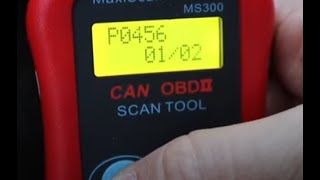
Used OEM Parts in Stock
New Aftermarket Parts Available


The information in this article is provided for general reference and educational purposes only. Vehicle specifications, procedures, and part compatibility can vary by production date, trim level, and region. Always consult your vehicle's factory service manual and verify part numbers before purchasing or performing repairs. Safety-critical components such as airbags, seat belts, and braking systems should be installed by a qualified professional.
- Nissan VERSA NOTE:
- 🎬 Helpful Videos
- 🛍️ Shop This Part
- What's Unique About the 2017-2019 Nissan VERSA NOTE
- Diagnostic Flowchart
- Symptoms You May Notice
- Most Likely Causes
- Rare But Worth Checking
- Diagnosis Steps
- Parts You'll Likely Need
- Related Codes That Often Appear With This One
- Technical Service Bulletins (TSBs) & Recalls
- Platform-Specific Known Issues
- Mechanic-Grade Diagnostic Values
- Hidden / Shadow Codes Worth Checking
- Scan Tool Commands That Help
- Wiring & Ground Locations
- Real Owner Repair Stories
- OEM Part Supersession History
- Model Year Variations Within This Range
- 🎟️ Get 5% Off