

P0456 on 2004-2011 Nissan Titan: EVAP Small Leak Causes and Fixes
Code P0456 on a 2004-2011 Nissan Titan indicates a very small leak in the evaporative emissions (EVAP) system. The most common causes are a loose or faulty gas cap or a deteriorated O-ring on the EVAP vent control valve, an issue documented in multiple Nissan Technical Service Bulletins. Always check the gas cap first before moving to more complex diagnostics like a smoke test.
- P0456 on your Titan is a minor issue, but it will cause you to fail an emissions test.
- Always start with the simplest fix: check that your gas cap is tight and the seal is not cracked. Replace it if there is any doubt.
- If the gas cap isn't the problem, the next most likely cause is the EVAP vent control valve O-ring, a known issue confirmed by Nissan.
- A smoke test is the most reliable way to find the exact source of the leak without guessing or replacing unnecessary parts.
What's Unique About the 2004-2011 Nissan TITAN

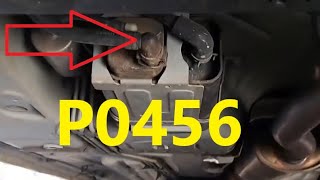
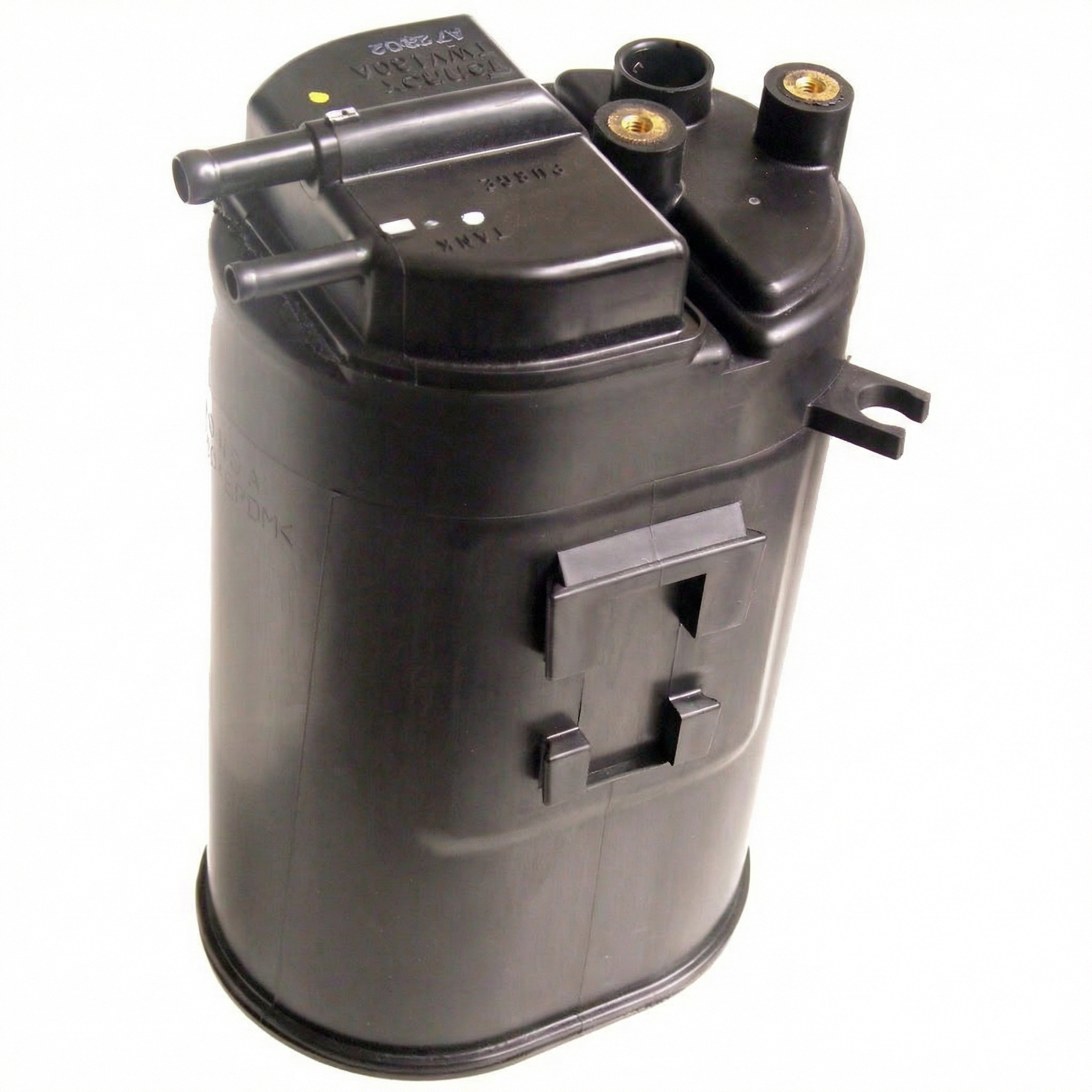
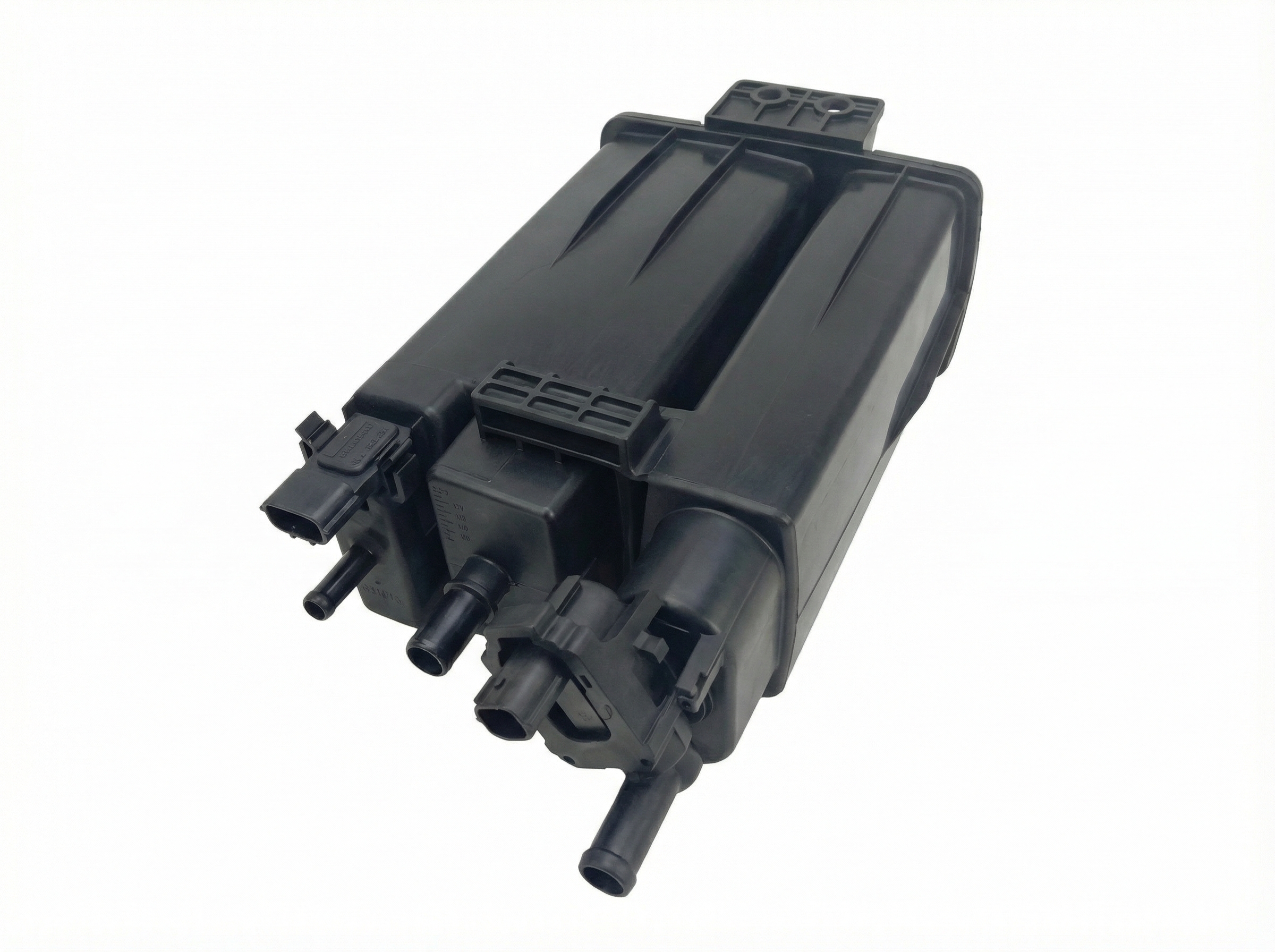
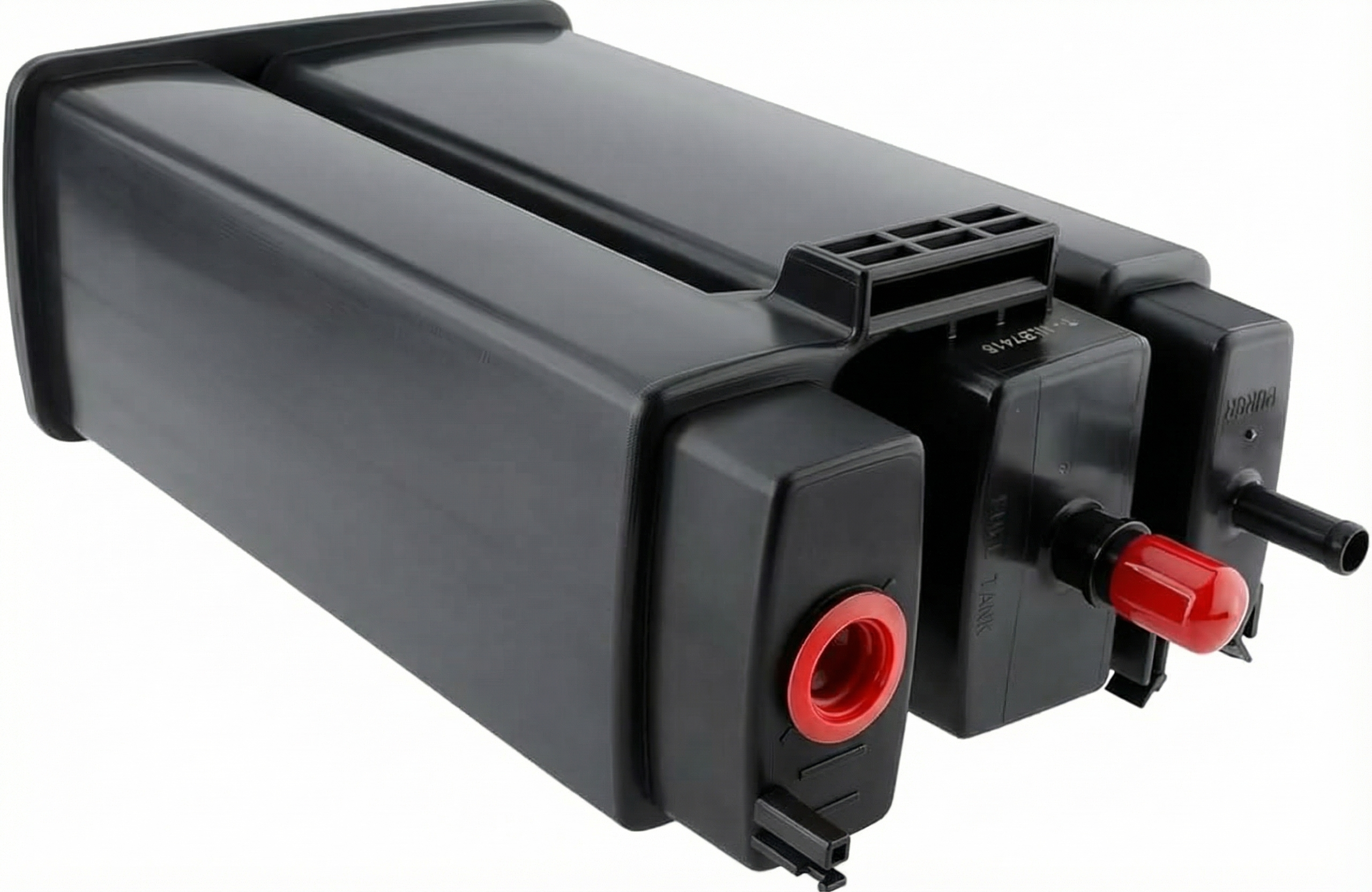
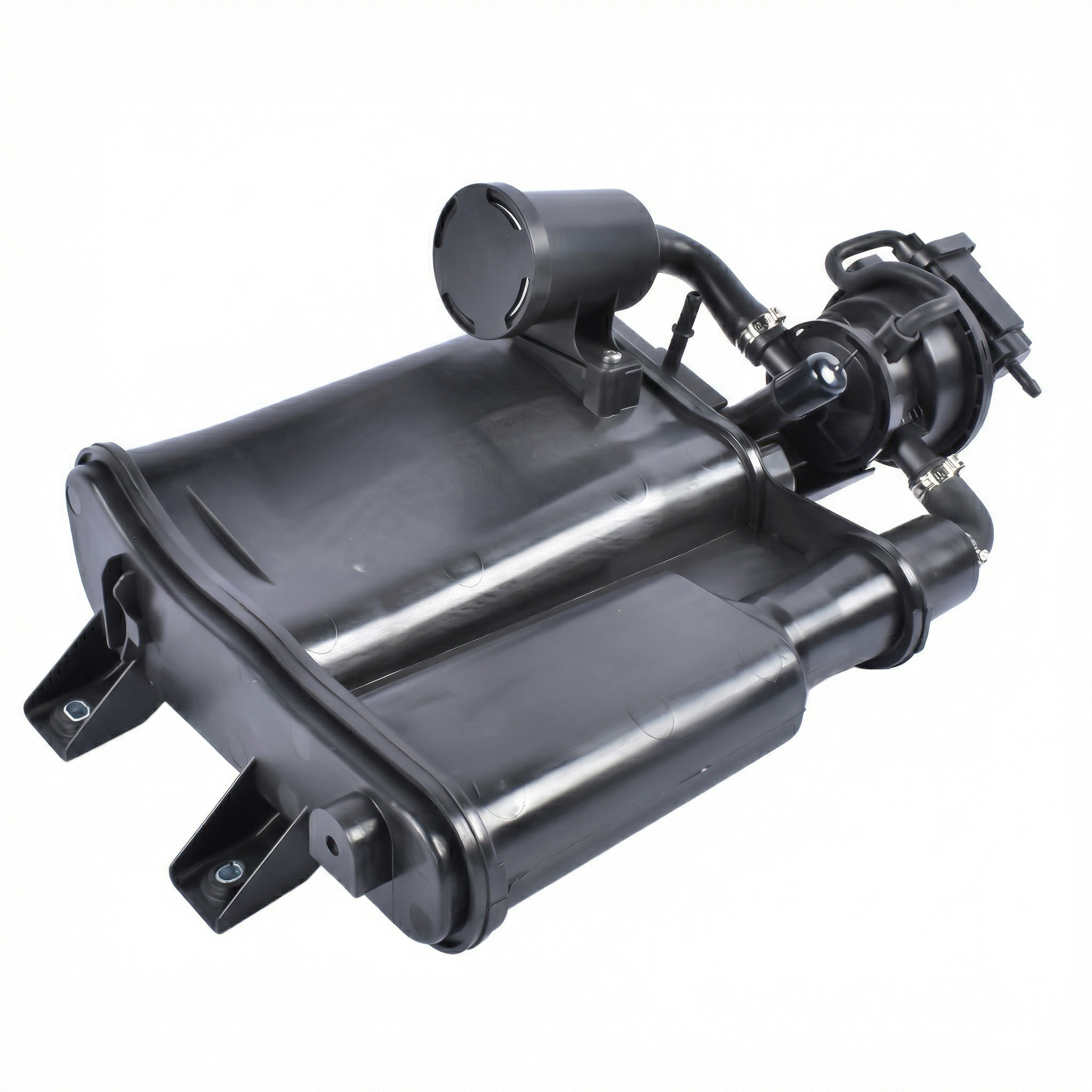
For the first-generation Nissan Titan (A60), the P0456 code is very frequently traced back to one of two specific issues highlighted by Nissan itself. The first is a simple loose or worn-out fuel filler cap. The second, and more unique to this platform and its relatives, is a failed O-ring on the EVAP vent control valve, which is located near the charcoal canister 🎬 Watch: How to find and repair this common Nissan leak. at the rear of the truck. Nissan has issued multiple Technical Service Bulletins (TSBs) about this specific O-ring failing and causing a P0456 leak. The issue is so common that it affects a wide range of Nissan vehicles from the same era that share the platform or EVAP system components.
Diagnostic Flowchart
Tap your situation to follow the diagnostic path that matches what you're seeing on this vehicle.
Symptoms You May Notice
- Check Engine Light is on
- A faint smell of fuel, particularly around the rear of the vehicle near the gas tank.
- In rare cases, difficulty filling the fuel tank (the pump may shut off repeatedly), which can also be a symptom of a clogged canister or stuck vent valve.
- A 'loose gas cap' warning on the dashboard, even after tightening the cap.
- Replacing the EVAP purge valve in the engine bay when the problem is the vent control valve or its O-ring at the rear of the truck.
- Replacing the entire charcoal canister assembly when only the inexpensive vent valve O-ring has failed, a specific point made in Nissan TSBs.
- Using a cheap aftermarket gas cap which fails to create a proper seal, leading the owner to believe the problem is more complex.
Most Likely Causes


- Loose or Faulty Fuel Filler Cap 🔴 High Probability The gas cap seal is a simple rubber O-ring that can crack, harden, and deteriorate over time, preventing a proper seal. This is a common failure point on all vehicles and is the first thing to check. Forum users and mechanics strongly recommend using a genuine OEM Nissan cap for replacement, as aftermarket caps are known to seal improperly and fail to resolve the code.
How to confirm: Ensure the cap is tightened until it clicks several times. Inspect the rubber seal on the cap for any visible cracks, stiffness, or damage. If the seal is damaged or you have repeatedly cleared the code only for it to return, the cap is the most likely and cheapest part to replace first. Also, clean the metal rim of the filler neck with a mild abrasive pad to remove any grit or corrosion that could prevent a good seal.
Typical fix: Replace the fuel filler cap with a genuine OEM part to ensure a perfect seal.
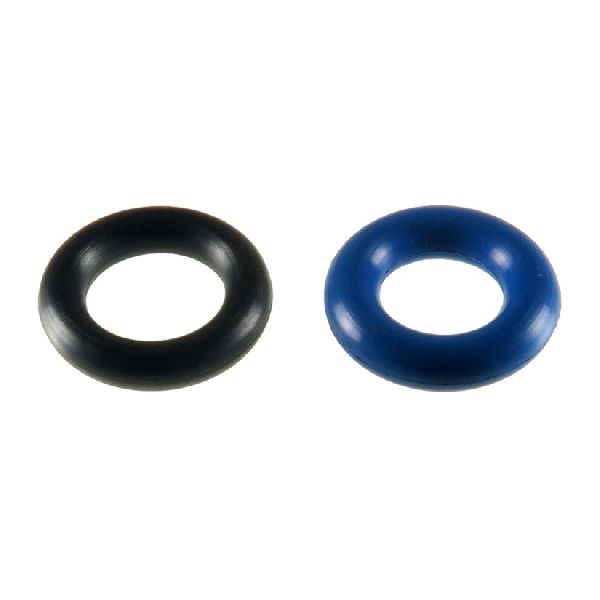
Est. part cost: $25-$40 - Failed EVAP Vent Control Valve O-Ring 🔴 High Probability Nissan has issued multiple TSBs (NTB17-082 series) specifically identifying the O-ring that seals the vent control valve to the charcoal canister as a primary failure point for P0456. The O-ring dries out, cracks, and allows a small amount of vapor to escape. This is a well-documented issue across many Nissan models from this era.
How to confirm: The definitive method is a smoke test, which will show smoke leaking from the seal between the vent control valve and the canister. Visually, you may see a dirty, flattened, or cracked O-ring upon removal of the valve. The TSB instructs technicians to check this immediately after verifying the gas cap is not the cause.
Typical fix: Replace the vent control valve O-ring. Per Nissan's TSBs, the entire valve often does not need replacement, only the seal itself. The procedure involves removing the valve, cleaning the mounting surfaces, and installing the new O-ring without lubrication. NOTE: The most recent TSB revision (NTB17-082E) from 2022 states the O-ring is no longer available as a separate service part and advises replacing the entire valve assembly.
Est. part cost: $10-$30 for the O-ring (if available), $50-$150 for the valve assembly - Failed EVAP Vent Control Valve 🟡 Medium Probability The vent control valve (or solenoid) itself can fail, either by getting stuck open or developing a crack in its plastic housing. This component is located near the rear axle, making it vulnerable to road debris, corrosion, and dirt accumulation, which can jam the mechanism.
How to confirm: After confirming the O-ring is good, a smoke test may reveal a leak from the valve body itself. A technician can also command the valve to close with a scan tool to test its function. If the valve doesn't seal when commanded, it has failed.
Typical fix: Replace the EVAP vent control valve. This is a plug-and-play component, typically involving disconnecting a wiring harness and one or two hoses before twisting the valve to remove it from the canister.
Est. part cost: $50-$150 - Cracked or Disconnected EVAP Hoses ⚪ Low Probability The rubber and plastic hoses that make up the EVAP system can become brittle and crack over time due to age and heat cycles. This is especially true for the small vacuum lines in the engine bay and the larger hoses connected to the canister at the rear.
How to confirm: Visually inspect all accessible EVAP lines running from the fuel tank to the charcoal canister and up to the engine bay. Squeezing the rubber hoses can reveal hidden cracks. A smoke test is the most effective way to find a small crack in a hose that isn't obvious visually.
Typical fix: Replace the cracked section of hose. In some cases, a small cracked end can be trimmed off and the hose re-secured.
Est. part cost: $10-$50
Rare But Worth Checking
- Cracked EVAP Charcoal Canister: The canister itself can develop a hairline crack, often from road debris impact or stress. This is less common than valve or seal failures but should be checked during a smoke test if no other source is found. The canister is a costly component, so this should be the last item to suspect.
- Faulty EVAP Purge Valve/Solenoid: The purge valve, located in the engine bay, can sometimes get stuck slightly open, causing a small leak. This is less common for P0456 than the vent valve at the rear, but possible. It can be tested by removing it and trying to blow through it; it should be closed when no power is applied.
- Cracked Fuel Filler Neck: The metal tube leading to the gas tank can develop rust and pinhole leaks, especially in regions that use road salt. A smoke test will show smoke escaping from the neck itself, not the cap seal.
Diagnosis Steps
- Read the code with an OBD-II scanner to confirm P0456 is the only code present.
- Inspect the fuel filler cap. Remove it, check the seal for cracks or damage, and reinstall it, ensuring it clicks multiple times. If in doubt, replace it with an OEM cap.
- Clear the code with the scanner and drive for a few days to see if the light returns. The EVAP monitor runs under specific conditions (e.g., after the vehicle has been parked for several hours), so it may take time for the code to reappear.
- If the code returns, perform a thorough visual inspection of all accessible EVAP hoses and lines between the engine, fuel tank, and charcoal canister for obvious cracks or disconnections.
- Locate the EVAP charcoal canister and vent control valve, typically mounted on a crossmember near the rear axle and spare tire. Inspect the valve and its O-ring seal for any visible damage, dirt buildup, or cracks.
- For a definitive diagnosis, perform a smoke test. This involves injecting low-pressure smoke into the EVAP system's service port (often a green cap in the engine bay) and looking for where it escapes. This will pinpoint the exact location of the very small leak.
- Pay close attention to the area where the vent control valve mounts to the canister, as this is the most likely leak point according to Nissan TSBs. Also check the purge valve and all hose connection points.
Parts You'll Likely Need

- Fuel Filler Cap
(OEM #17251-79960)— This is the most common and easiest fix. The seal wears out over time, causing a small leak. An OEM cap is highly recommended as aftermarket versions often fail to seal correctly.
Trusted brands: Nissan OE, Stant (often cited as a reliable aftermarket alternative)
OEM price range: $25-$40
Aftermarket price range: $15-$25 - EVAP Vent Control Valve O-Ring
(OEM #16618-JF00A)— This specific O-ring is a known high-failure part on Nissan vehicles, as documented in TSB NTB17-082. It dries out and cracks, causing a leak where the valve seals to the canister. Note: TSB NTB17-082E states this part is no longer sold separately by Nissan, requiring replacement of the full valve assembly.
Trusted brands: Nissan OE
OEM price range: $10-$30
Aftermarket price range: $5-$15 - EVAP Vent Control Valve
(OEM #14935-JF00A (superseded by 14935-JF00B, 14935-JF00C, etc.))— If the O-ring is fine or if replacing it doesn't fix the leak, the valve itself may have failed internally or developed a crack in its housing. Per the latest TSB, this assembly is now the official repair.
Trusted brands: Nissan OE, Dorman, Hitachi
OEM price range: $100-$150
Aftermarket price range: $50-$90
Technical Service Bulletins (TSBs) & Recalls
- NTB17-082E: DTC P0456 CAUSED BY EVAP LEAK AT VENT CONTROL VALVE O-RING
- NTB17-082B: NISSAN; DTC P0456 CAUSED BY EVAP LEAK AT VENT CONTROL VALVE O-RING
- NTB17-082A: NISSAN; DTC P0456 CAUSED BY EVAP LEAK AT VENT CONTROL VALVE O-RING
- NTB17-082: NISSAN; DTC P0456 CAUSED BY EVAP LEAK AT VENT CONTROL VALVE O-RING
- NTB09020F: SERVICE INFORMATION for EVAP leak DTCs (P0442, P0455, P0456) possibly caused by a loose fuel fill cap.
Platform-Specific Known Issues
- Nissan Technical Service Bulletin NTB17-082E (Feb 2022) is the latest in a series that identifies the vent control valve O-ring as the primary cause of P0456 after ruling out the gas cap. Crucially, this latest version reverses earlier advice, stating the O-ring is no longer a separate service part and that the entire vent control valve assembly should be replaced.
- TSB NTB09020F notes that a loose fuel fill cap is a potential cause for P0456 and should be the first diagnostic check.
- Forum discussions on TitanTalk.com and NissanForums.com consistently point new owners with P0456 to first check the gas cap, then immediately suspect the vent control valve or its O-ring, citing the TSBs.
Mechanic-Grade Diagnostic Values
- EVAP Control System Pressure Sensor Voltage — expected: Approximately 1.8V - 4.8V with the ignition switch ON.. Failure: Voltage outside of this range may indicate a faulty sensor or wiring issue.
- Fuel Tank Pressure (FTP) Sensor Voltage (General) — expected: Typically 0.5V - 4.5V during self-test; around 2.5V at atmospheric pressure (cap off).. Failure: Voltage stuck high (near 5V) or low (near 0V) indicates a sensor or circuit failure.
Scan Tool Commands That Help
- Nissan CONSULT-II / CONSULT-III plus or equivalent professional scanner: EVAP System Leak Test (Active Test) — Used to verify a repair or to manually test the system's integrity. The scanner commands the vent control valve to close, allowing a technician to monitor pressure with the engine off to confirm if a leak is present.
- Professional bidirectional scanner: Purge Valve Function Test — To test the EVAP purge valve in the engine bay. The command will cycle the valve open and closed, and the technician should hear a clicking sound. This confirms the solenoid is actuating electronically.
Wiring & Ground Locations
- E15 — Right side of the engine compartment.. This is a primary ground distribution point for the Engine Control Module (ECM) and several critical sensors. A poor connection here can cause erratic sensor readings and false trouble codes.
- E24 — Left front of the engine compartment.. Another key ground point in the engine bay that serves various components. Ensuring it is clean and tight is a crucial step in diagnosing electrical faults.
- EVAP Canister Purge Volume Control Solenoid Valve Connector — In the engine bay, on the purge valve itself.. Checking for power and ground at this connector is necessary to determine if the valve is receiving the correct signals from the ECM.
- EVAP Vent Control Valve Connector — At the rear of the vehicle, on the vent valve attached to the charcoal canister.. This connector provides power to the vent valve solenoid. Testing here can differentiate between a failed valve and a wiring issue from the front of the vehicle.
Real Owner Repair Stories
- YouTube channel '1A Auto' (2004 Nissan Titan SE 5.6L) — EVAP system trouble codes.
❌ Tried (didn't work) The video focuses directly on the known-bad component, so other failed attempts are not detailed.
✅ What actually fixed it The fuel tank filler neck was rusted and had developed pinhole leaks. Replacing the entire filler neck assembly resolved the EVAP leak code. - YouTube channel 'Ry the Car Guy' (Nissan Titan (year not specified, but first generation)) — Check Engine Light with code P0448 (EVAP Vent Control Circuit), which is often related to P0456, and difficulty filling the fuel tank.
❌ Tried (didn't work) The diagnosis pointed directly to a blockage.
✅ What actually fixed it The vent channel in the frame rail, where the EVAP canister vents, was completely packed with sand and debris. Cleaning out the channel and the canister hoses restored proper function. This highlights how external blockages can cause EVAP system faults.
OEM Part Supersession History
14935-JF00A→14935-JF00B, 14935-JF00C, 14935-JF00E— Revisions to the EVAP vent control valve to improve durability and prevent failure.
Heads up: Later revisions are generally backward-compatible, but it is always best to verify the correct part number for the specific vehicle's VIN.16618-JF00A→None (Part Discontinued)— Per TSB NTB17-082E, Nissan no longer sells the vent control valve O-ring as a separate part.
Heads up: The official repair now requires replacing the entire vent control valve assembly. While aftermarket O-rings may be available, their fit and material may not meet OEM specs to resolve the small leak.
Model Year Variations Within This Range
- 2004-2011: While the core EVAP system design is consistent, some early models may have slightly different hose routing or connector styles compared to later models in the generation. Flex Fuel Vehicle (FFV) models may have different part numbers for fuel system components, including potentially the fuel tank pressure sensor or pump assembly, though the primary causes of P0456 (cap, vent valve O-ring) remain the same.
Helpful Videos
Used OEM Parts in Stock

New Aftermarket Parts Available


The information in this article is provided for general reference and educational purposes only. Vehicle specifications, procedures, and part compatibility can vary by production date, trim level, and region. Always consult your vehicle's factory service manual and verify part numbers before purchasing or performing repairs. Safety-critical components such as airbags, seat belts, and braking systems should be installed by a qualified professional.
- Nissan TITAN:
- 🎬 Helpful Videos
- 🛍️ Shop This Part
- What's Unique About the 2004-2011 Nissan TITAN
- Diagnostic Flowchart
- Symptoms You May Notice
- Most Likely Causes
- Rare But Worth Checking
- Diagnosis Steps
- Parts You'll Likely Need
- Technical Service Bulletins (TSBs) & Recalls
- Platform-Specific Known Issues
- Mechanic-Grade Diagnostic Values
- Scan Tool Commands That Help
- Wiring & Ground Locations
- Real Owner Repair Stories
- OEM Part Supersession History
- Model Year Variations Within This Range
- 🎟️ Get 5% Off