

P0456 on 2007-2014 Nissan Sentra: EVAP Small Leak Causes and Fixes
For a 2007-2014 Nissan Sentra, code P0456 almost always points to a loose gas cap or a failed O-ring on the EVAP vent control valve. Start by tightening or replacing the gas cap, preferably with an OEM part. If the light returns, the vent valve O-ring is the next most likely and affordable fix, a repair specifically highlighted in Nissan Technical Service Bulletins (TSBs).
- P0456 on a 2007-2014 Sentra is a minor issue that won't stop you from driving but will cause an emissions test failure.
- Always check the gas cap first. Make sure it's tight and the seal is intact. This is the simplest and most common fix.
- If the gas cap isn't the problem, the next most likely cause is the EVAP vent control valve O-ring, a known issue confirmed by Nissan TSBs.
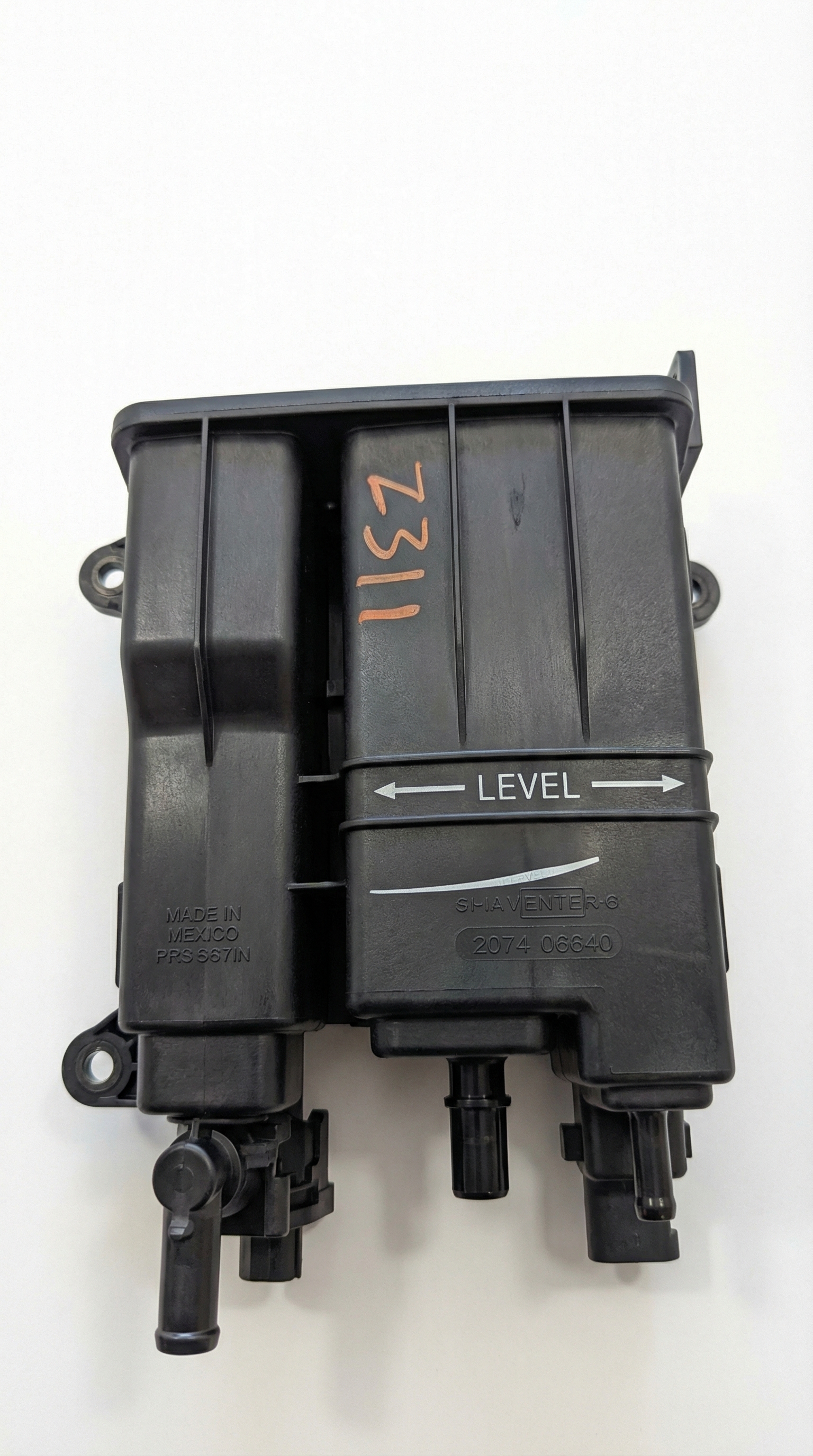
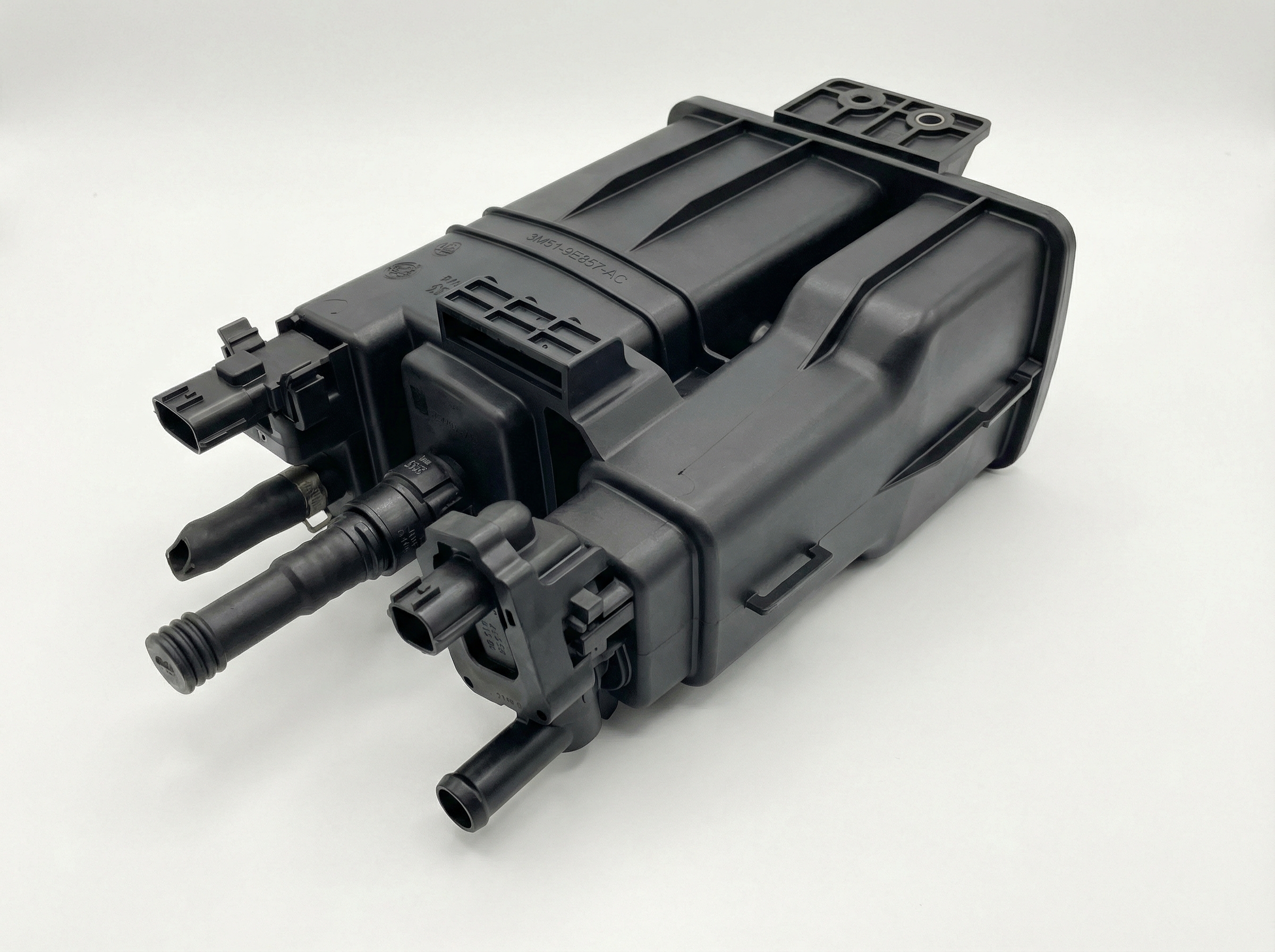
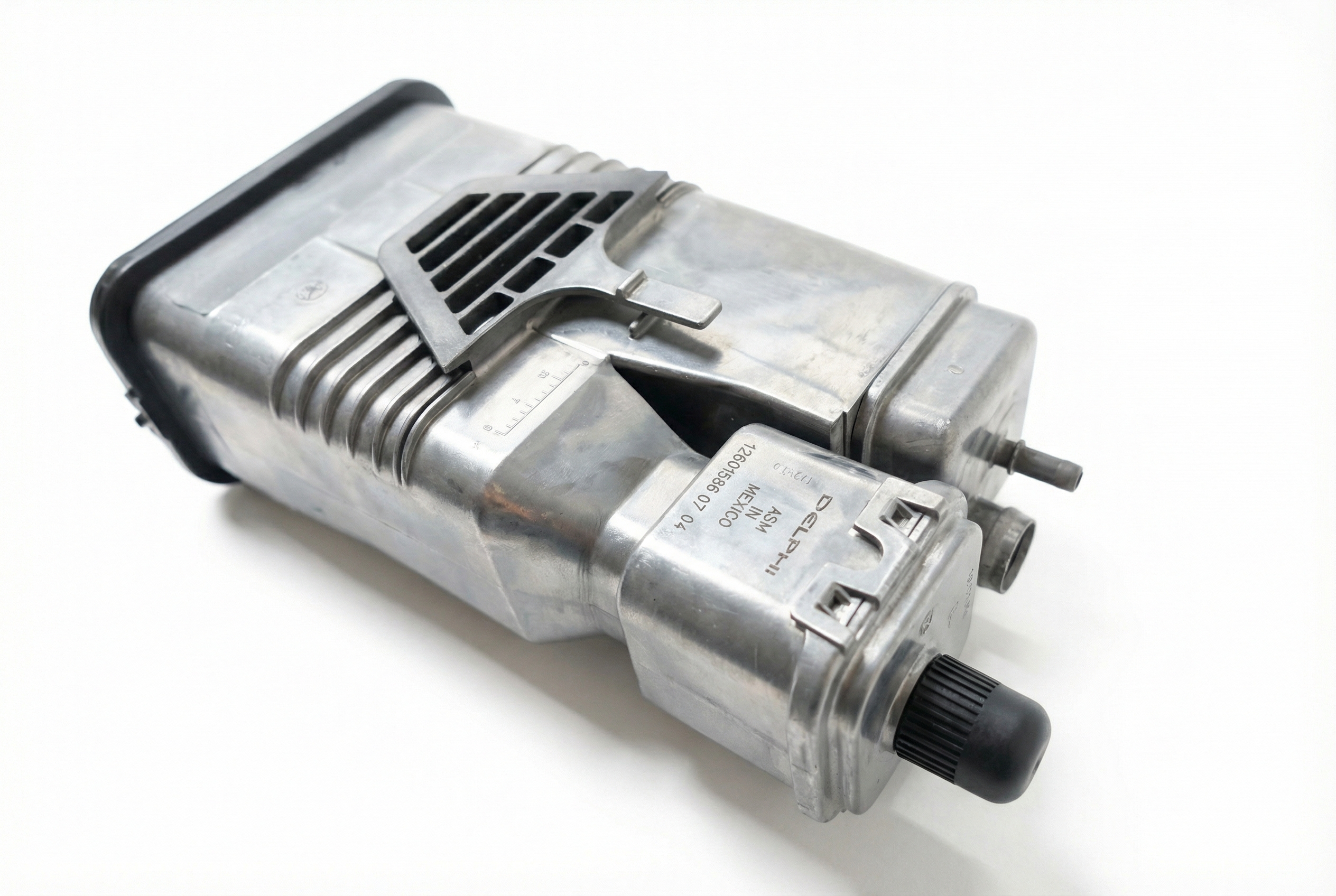
- Do not immediately replace the entire charcoal canister; the leak is almost always a smaller, cheaper component attached to it.
- If simple fixes don't work, a smoke test is the most reliable way to find the exact source of the small leak.
What's Unique About the 2007-2014 Nissan SENTRA

Nissan has specifically identified common failure points for this code on the Sentra and many other models. Multiple Technical Service Bulletins (TSBs), most notably NTB17-082b, point directly to a degraded O-ring on the EVAP vent control valve as the primary culprit after a loose gas cap is ruled out. This is a significant advantage for owners, as it allows them to skip costly diagnostics and focus on the two most probable causes first. This issue is so common that the TSB applies to both the B16 (2007-2012) and B17 (2013-2017) Sentra generations.
Diagnostic Flowchart

Tap your situation to follow the diagnostic path that matches what you're seeing on this vehicle.
Generation note: This range covers two Sentra generations: the B16 (2007-2012) and the B17 (2013-2014). The common causes for P0456, particularly the gas cap and EVAP vent control valve O-ring, are relevant to both generations as confirmed by Nissan TSB NTB17-082b, which explicitly lists both B16 and B17 models. The underlying EVAP system architecture and failure points are shared across these years.
Symptoms You May Notice
- Check Engine Light is on
- A faint fuel smell may be noticeable, particularly after refueling (rare).
- In very rare cases associated with a failing purge valve, a rough idle or difficulty starting after refueling may occur.
- Replacing the entire EVAP canister when only the vent valve O-ring or the valve itself is faulty.
- Replacing the purge valve in the engine bay when the leak is at the vent valve or gas cap at the rear of the car.
- Using a cheap, aftermarket gas cap which fails to seal properly, causing the code to return.
Most Likely Causes


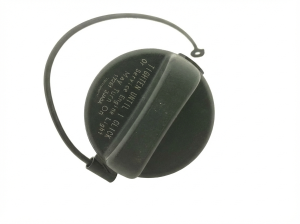
- Loose or Faulty Gas Cap 🔴 High Probability This is the most common cause for any EVAP leak code on any car. The cap's seal can degrade, or it may not have been tightened correctly. Nissan TSB NTB09020F specifically calls this out for 2007-2011 models. Forum users often report that using a non-OEM cap can cause the code to persist, recommending a genuine Nissan cap to solve the issue.
How to confirm: Inspect the gas cap for cracks or damage to the rubber seal. Ensure it is tightened until it clicks at least once. Clean the seal and the filler neck surface. If the seal is worn or you are using an aftermarket cap, replacement with an OEM part is the best confirmation.
Typical fix: Tighten or replace the fuel filler cap with a genuine Nissan part.
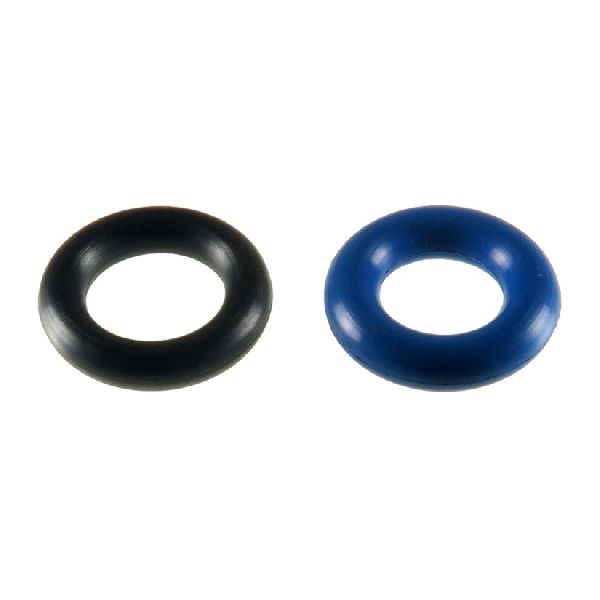
Est. part cost: $15-$35 - Failed EVAP Vent Control Valve O-Ring 🔴 High Probability Nissan issued TSB NTB17-082b specifically because the O-ring that seals the vent control valve to the charcoal canister is a known failure point causing P0456. The rubber material degrades, creating a small leak. This is the most common cause after the gas cap.
How to confirm: A smoke test will show smoke leaking from the vent valve's mounting point on the canister. However, given the low cost of the part and the high probability documented in the TSB, many owners choose to replace it proactively. The valve is located at the rear of the car, attached to the charcoal canister.
Typical fix: Replace the vent control valve O-ring. 🎬 See this quick DIY guide for replacing the O-ring. The TSB explicitly states NOT to replace the entire valve if only the O-ring has failed. Ensure the mounting surfaces are clean and the new O-ring is not twisted or lubricated during installation.
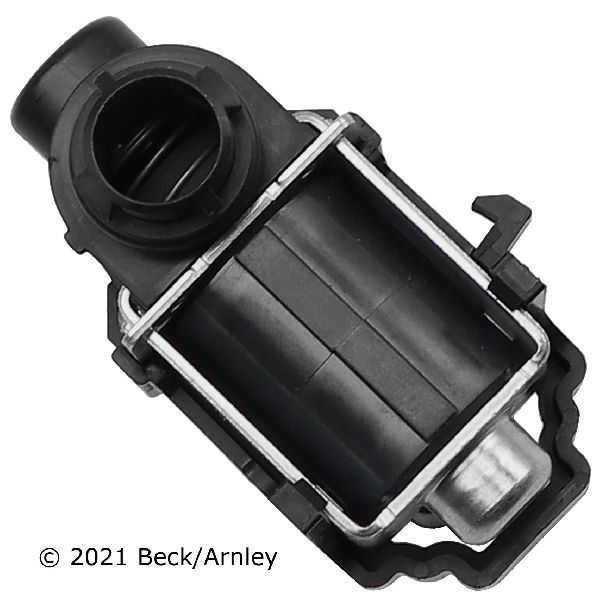
Est. part cost: $5-$15 - Faulty EVAP Vent Control Valve 🟡 Medium Probability The valve itself can fail, getting stuck open or closed due to dirt or internal solenoid failure. It is located near the charcoal canister at the rear of the vehicle. Often, it's replaced if the O-ring replacement doesn't solve the issue. Later versions of the TSB (NTB17-082E) noted the O-ring was no longer available as a separate service part and instructed to replace the valve as an assembly.
How to confirm: A technician can command the valve to open and close with a professional scan tool to check its operation. A clicking sound should be audible. If it doesn't click or is stuck, it needs replacement. A smoke test will also reveal if the valve is stuck open.
Typical fix: Replace the EVAP vent control valve. It typically twists into the EVAP canister. It is recommended to apply a small amount of grease to the new O-ring to ensure a good seal and prevent tearing.
Est. part cost: $40-$80 - Faulty EVAP Canister Purge Valve/Solenoid ⚪ Low Probability This valve is located in the engine bay and controls the flow of stored vapors to the engine. It can get stuck open, causing a vacuum leak and triggering the code. While less common for P0456 on this platform, it's a known failure point for EVAP systems in general.
How to confirm: With the engine off, remove the valve and try to blow through it. It should be closed and not allow air to pass. If you can blow through it, it has failed. A scan tool can also command it open and closed to verify function.
Typical fix: Replace the purge valve/solenoid. It is typically mounted with one 10mm bolt in the engine bay 🎬 Watch: Step-by-step walkthrough for replacing the purge solenoid valve., with two hoses and an electrical connector attached.
Est. part cost: $25-$60 - Cracked or Disconnected EVAP Hoses ⚪ Low Probability Over time, the rubber and plastic hoses that make up the EVAP system can become brittle and crack, especially the small vacuum lines in the engine bay near the purge valve.
How to confirm: A visual inspection may reveal obvious cracks or loose connections. Squeezing the rubber hoses can reveal hidden cracks. A smoke test is the most effective way to find small, hard-to-see leaks in the hose network.
Typical fix: Replace the cracked section of hose.
Est. part cost: $5-$20
Rare But Worth Checking
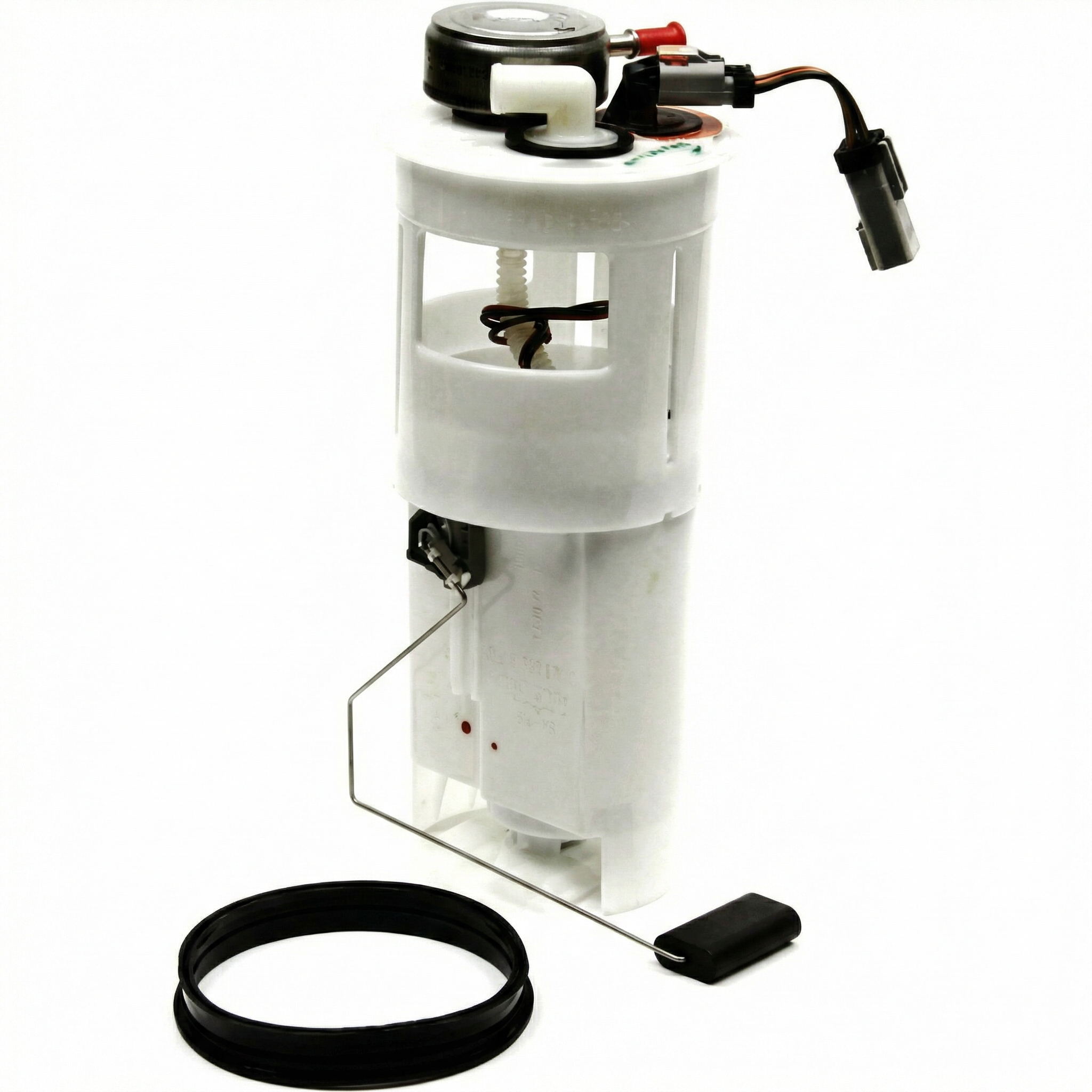
- Cracked Fuel Pump Module/Housing: Multiple technicians and owners have documented a difficult-to-diagnose case, particularly on 2013+ Sentras, where the plastic housing of the fuel pump module (under the rear seat) develops a tiny, heat-induced crack at the electrical connector. This causes a P0456 code that is often not found by a smoke test, especially if the fuel tank is full. The fix requires replacing the entire fuel pump assembly.
- Cracked Charcoal Canister: While the canister itself is generally durable, a physical impact from road debris or internal degradation can cause it to crack and leak. This is usually a last resort after all other components have been checked.
Diagnosis Steps
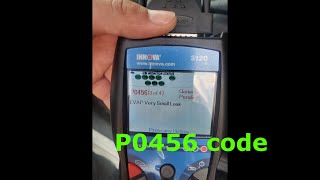
- Read the code with an OBD-II scanner to confirm P0456 is present.
- Inspect the gas cap. Ensure it is tight and clicks. Check the rubber seal for cracks or wear. Clean the seal and the filler neck surface. If using an aftermarket cap, consider replacing it with an OEM Nissan cap.
- Clear the code and drive for a few days to see if it returns. If it does not, the gas cap was the issue.
- If the code returns, locate the EVAP canister and vent control valve at the rear of the vehicle, typically behind the passenger's side rear wheel, possibly under a plastic shield.
- Visually inspect all accessible EVAP hoses for obvious cracks, damage, or loose connections, paying close attention to the small vacuum lines in the engine bay.
- Following Nissan TSB NTB17-082b, replace the EVAP vent control valve O-ring (Part #16618-JF00A). This is a very high-probability fix for a low cost. Ensure the surfaces are clean before installing the new O-ring.
- If the code persists, consider replacing the entire EVAP vent control valve (Part #14935-JF02C or similar).
- If the problem is still not resolved, the next step is a professional smoke test. This involves injecting vaporized smoke into the EVAP system to visually pinpoint the leak.
- As a final, advanced diagnostic step if a smoke test reveals no leaks, inspect the top of the fuel pump module under the rear seat for cracks near the electrical connector 🎬 Watch: How to find this hidden fuel pump housing crack., a known but rare issue.
Parts You'll Likely Need
- Fuel Cap
(OEM #17251-79961 (Verify by VIN, may supersede))— This is the most frequent cause of P0456, due to being loose or having a worn-out seal. Forum users strongly recommend OEM over aftermarket.
Trusted brands: Nissan OE, Stant
OEM price range: $20-$35
Aftermarket price range: $10-$20 - EVAP Vent Control Valve O-Ring
(OEM #16618-JF00A)— A known failure point specifically identified by Nissan in TSB NTB17-082b for causing P0456.
Trusted brands: Nissan OE
OEM price range: $5-$15
Related Codes That Often Appear With This One
- P0442 — This indicates a medium-sized EVAP leak. If the small leak from P0456 worsens (e.g., a crack in a hose grows), it can trigger a P0442.
- P0455 — This indicates a large EVAP leak. It often appears with P0456 if the gas cap is left off entirely or a major hose becomes disconnected.
- P0448 — This code points specifically to a problem with the EVAP vent control valve circuit. It may appear alongside P0456 if the valve itself is failing electrically or mechanically.
Technical Service Bulletins (TSBs) & Recalls
- NTB17-082b: DTC P0456 CAUSED BY EVAP LEAK AT VENT CONTROL VALVE O-RING
- NTB13-097J: EVAP LEAK DTC P0442, P0455, P0456 INFORMATION
- NTB09020F: SERVICE INFORMATION (Loose Fuel Cap)
- NTB17-082E: (Supersedes earlier versions, notes O-ring no longer sold separately)
Platform-Specific Known Issues
- TSB NTB17-082b: Nissan explicitly states that for P0456, if the gas cap is not loose, the cause is likely a leak at the vent control valve O-ring. The bulletin advises technicians to replace only the O-ring, not the entire valve assembly, to correct the issue. It cautions to ensure the mounting surfaces are clean and the O-ring is not twisted upon installation.
- TSB NTB09020F: This bulletin confirms that on 2007-2011 Nissan vehicles, a loose fuel fill cap is a primary and common cause for the P0456 code.
- Fuel Pump Housing Crack: A notable 'pattern failure' discussed in forums and by technicians is a hairline crack forming on the top of the fuel pump assembly, right at the electrical connector. This is extremely difficult to find, even with a smoke machine, and can cause a persistent P0456 after all common parts have been replaced.
Mechanic-Grade Diagnostic Values
- EVAP Canister Vent Valve Solenoid Resistance — expected: 20 - 30 Ohms. Failure: A reading outside of this range indicates a damaged solenoid winding.
- EVAP Canister Purge Valve Function (Engine Running) — expected: No vacuum should be felt at the valve's inlet port (from the canister) when the valve is electrically disconnected.. Failure: If any suction is felt with a wet finger over the port, the valve is stuck open and is faulty.
Hidden / Shadow Codes Worth Checking
- Mode $06 Data: While not a 'shadow code,' a professional scan tool can access Mode $06 data, which shows the results of the onboard diagnostic monitor tests. A technician can view the EVAP system's test results, including pressure readings, to see if it is passing or failing before the ECU confirms a Diagnostic Trouble Code (DTC) like P0456. (see via Professional-grade OBD-II scan tool with Mode $06 functionality.)
Scan Tool Commands That Help
- Nissan CONSULT-III plus: EVAP System Leak Check (Active Test) — This function is used to command the vent control valve to close, sealing the EVAP system. This allows a technician to perform a pressure or smoke test to confirm the repair or find a leak, as detailed in Nissan's TSBs.
- Professional Scan Tool (General): Close Vent Solenoid / EVAP System Close — This is a universal command used before injecting smoke into the EVAP system. It seals the system, allowing the smoke to build pressure and reveal the location of any leaks.
- iCarsoft CR Pro+ (or similar): Gas Cap Seal Test — This is a dedicated, short-duration pressure test specifically to verify if the gas cap is sealing correctly, helping to quickly rule out the most common cause of P0456.
Wiring & Ground Locations
- EVAP Canister Vent Control Valve — On 2007-2012 (B16) models, it is located under the right rear of the vehicle, near the EVAP canister. On 2013-2014 (B17) models, it is under the left rear of the vehicle, near the EVAP canister.. This is the location of the most common failure point after the gas cap. Knowing the correct side of the vehicle to inspect is critical and varies by generation.
- ECM Ground (M57) — For the 2013 (B17) Sentra, a key ground point for the engine control systems is located on the left side of the dash.. A poor ground connection can cause erratic behavior in sensors and solenoids, including those in the EVAP system, potentially leading to false codes.
Real Owner Repair Stories
- YouTube video by Garrett Grantham (Nissan Technician) (2013 Nissan Sentra (non-turbo), 133,000 miles) — Persistent P0456 EVAP small leak code.
❌ Tried (didn't work) Replacing the fuel cap, Replacing the EVAP vent valve, Replacing the charcoal canister
✅ What actually fixed it The entire fuel pump assembly was replaced. A tiny hole had melted in the plastic 'hat' of the fuel pump module right at the electrical connector, caused by the pump overheating. This created a small leak that was not detectable by a smoke test. - YouTube video by Roam With Rob (2016 Nissan Sentra SL) — Constant P0456 check engine light.
❌ Tried (didn't work) Replacing the purge valve solenoid (in engine bay), Replacing the vent valve solenoid (on charcoal canister)
✅ What actually fixed it The fuel pump assembly was replaced. The owner inspected the electrical connector on top of the pump and saw dark 'arcing' marks, indicating a failure that was causing the leak. - Reddit user Canon_Cowboy (Unknown year Nissan) — P0456 code and check engine light.
❌ Tried (didn't work) Initial diagnosis was unclear.
✅ What actually fixed it The EVAP purge valve was replaced. After replacement, the check engine light turned off on its own after a few drive cycles.
"I Checked Everything" — The Actual Cause
- A Nissan technician reported a 2013 Sentra with P0456 that repeatedly passed a smoke test. The actual cause was a tiny melted hole on the top of the fuel pump housing, under the rear seat. It was theorized that the smoke test failed to find the leak because the fuel level was too high, preventing the smoke from reaching the top of the tank where the leak was located. The fix was a new fuel pump assembly.
When the Usual Fixes Don't Work
- While the gas cap and vent control valve O-ring/assembly are the most common fixes, there are documented cases where these repairs did not solve the P0456 code. In multiple instances, particularly on B17 generation Sentras (2013+), the root cause was a tiny, heat-induced crack in the plastic housing of the fuel pump module itself, located under the rear seat. This issue often passes a smoke test and requires replacing the entire fuel pump assembly to fix.
OEM Part Supersession History
14935-JF00A (EVAP Vent Control Valve)→14935-JF02C— Part has been revised multiple times by Nissan. The supersession chain includes 14935-JF00B, 14935-JF00C, 14935-JF00D, and 14935-JF00E.
Heads up: While older versions may fit, using the latest part number (14935-JF02C) is recommended to get the most current design.16618-JF00A (Vent Control Valve O-Ring)→N/A - Part Discontinued for Service— As of TSB NTB17-082E issued in February 2022, Nissan no longer offers the O-ring as a separate service part.
Heads up: The official repair procedure now requires replacing the entire vent control valve assembly. While aftermarket O-rings may be available, the OEM-specified repair is the full valve replacement.
Model Year Variations Within This Range
- 2007-2012 (B16) vs 2013-2014 (B17): The physical location of the EVAP canister and vent control valve assembly. On B16 models, it is generally found at the right-rear of the vehicle. On B17 models, it is located at the left-rear of the vehicle.
Helpful Videos
Used OEM Parts in Stock
New Aftermarket Parts Available


The information in this article is provided for general reference and educational purposes only. Vehicle specifications, procedures, and part compatibility can vary by production date, trim level, and region. Always consult your vehicle's factory service manual and verify part numbers before purchasing or performing repairs. Safety-critical components such as airbags, seat belts, and braking systems should be installed by a qualified professional.
- Nissan SENTRA:
- 🎬 Helpful Videos
- 🛍️ Shop This Part
- What's Unique About the 2007-2014 Nissan SENTRA
- Diagnostic Flowchart
- Symptoms You May Notice
- Most Likely Causes
- Rare But Worth Checking
- Diagnosis Steps
- Parts You'll Likely Need
- Related Codes That Often Appear With This One
- Technical Service Bulletins (TSBs) & Recalls
- Platform-Specific Known Issues
- Mechanic-Grade Diagnostic Values
- Hidden / Shadow Codes Worth Checking
- Scan Tool Commands That Help
- Wiring & Ground Locations
- Real Owner Repair Stories
- "I Checked Everything" — The Actual Cause
- When the Usual Fixes Don't Work
- OEM Part Supersession History
- Model Year Variations Within This Range
- 🎟️ Get 5% Off