

P0456 on 2016-2023 Nissan Rogue: Causes and Fixes for a Small EVAP Leak
For a P0456 code on a 2016-2023 Nissan Rogue, the most common and easiest fix is to check and tighten or replace the gas cap. If that doesn't solve it, the next most likely causes are a faulty EVAP vent control valve or its O-ring, and on newer models, a leaking fuel filler tube seal. These issues are well-documented in Nissan Technical Service Bulletins (TSBs), making diagnosis more direct than on many other vehicles.
- Always check the gas cap first; it's the simplest and most common fix.
- On a Nissan Rogue, the EVAP vent control valve O-ring is a highly probable cause for P0456, and Nissan recommends replacing just the O-ring, not the whole valve.
- A smoke test is the most reliable method to accurately pinpoint the source of a small EVAP leak.
- For 2021+ models, the fuel filler tube seal is another known weak point to inspect.
- Using an OEM replacement gas cap is advisable, as aftermarket versions can sometimes cause sealing issues.
What's Unique About the 2016-2023 Nissan ROGUE

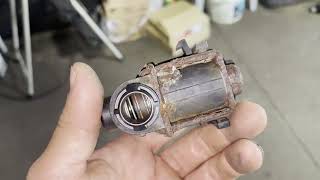
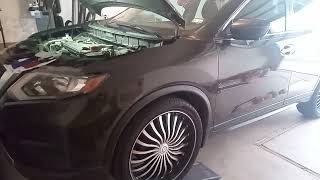
The Nissan Rogue, across two generations (T32: 2014-2020 and T33: 2021-2023), is known for specific EVAP leak points that are well-documented by the manufacturer. Nissan has issued multiple Technical Service Bulletins (TSBs) that point directly to common failures like the EVAP vent control valve O-ring and, on newer models, the fuel filler tube's lower seal. [NTB26-006, NTB17-082E] This makes diagnosis more straightforward than on many other vehicles where P0456 can be a long hunt for a tiny, unknown leak. 🎬 Watch: A step-by-step guide to diagnosing and fixing P0456. The vent valve is located in a spot under the rear passenger side that is prone to collecting water and road debris, leading to corrosion and failure of the valve or its seal.
Diagnostic Flowchart

Tap your situation to follow the diagnostic path that matches what you're seeing on this vehicle.
Generation note: The 2016-2023 year range covers two Nissan Rogue generations: the second generation (T32, 2016-2020) and the third generation (T33, 2021-2023). While some causes like a loose gas cap or faulty vent valve are common to both, a leaking fuel filler tube lower seal has been specifically noted in a TSB for the newer T33 generation (2023 model year). [NTB26-006] The EVAP canister and vent valve are located under the rear of the car on the passenger side for both generations, tucked behind a plastic splash shield. A major change occurred in 2022, with the engine switching from a 2.5L 4-cylinder to a 1.5L VC-Turbo 3-cylinder, which may affect part numbers for engine-bay components like the purge valve.
Symptoms You May Notice
- Check Engine Light is on.
- A faint smell of gasoline, particularly after parking in an enclosed space like a garage.
- Slight decrease in fuel economy over time.
- Difficulty refueling (the gas pump nozzle clicks off repeatedly before the tank is full), which can indicate a stuck vent valve.
- In some cases, remote start may be disabled by the system when this code is active.
- Replacing the entire EVAP vent control valve when only the inexpensive O-ring is needed. Note: While early TSBs advised replacing only the O-ring, the latest version (NTB17-082E) states the O-ring is no longer available as a separate service part and the entire valve must be replaced. [NTB17-082E]
- Replacing the charcoal canister when the leak is actually from the vent control valve or its O-ring attached to it.
- Replacing the gas cap repeatedly when the leak is elsewhere in the system. Many owners try this first, but the issue is often the vent valve.
Most Likely Causes

- Loose or Faulty Gas Cap 🔴 High Probability This is the most common cause for any EVAP leak code on any vehicle. The cap's seal can degrade over time or it may simply not have been tightened correctly after refueling. Many owners replace the cap as the first step, though it doesn't always solve the issue.
How to confirm: Ensure the gas cap is tightened until it clicks at least once. Inspect the cap's rubber O-ring seal for cracks, dirt, or damage. If the light doesn't turn off after a few drive cycles, the cap may need replacement. A new OEM cap is often recommended as some aftermarket caps may not seal properly.
Typical fix: Tighten or replace the fuel filler cap. It is often recommended to use an OEM (Original Equipment Manufacturer) cap.
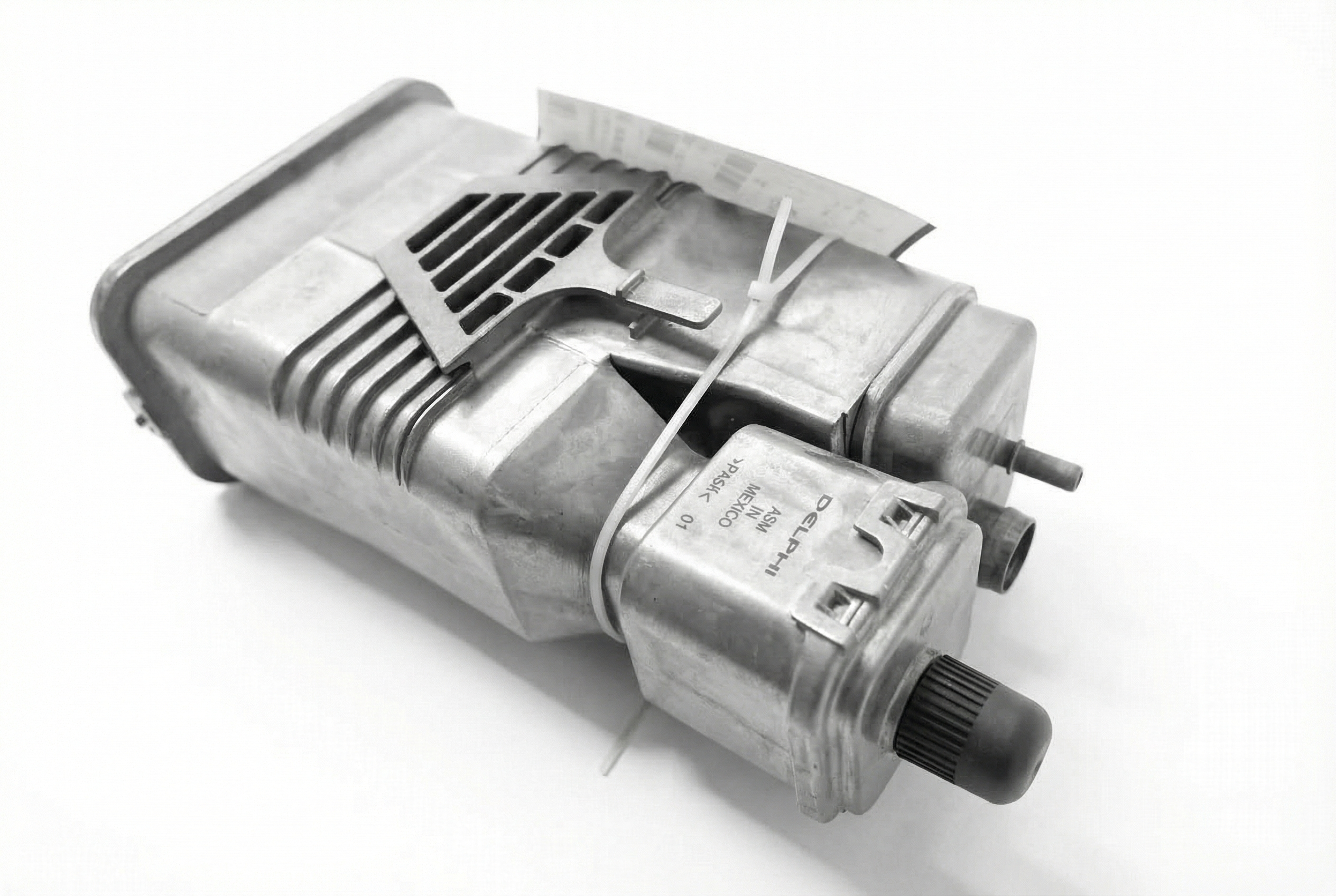
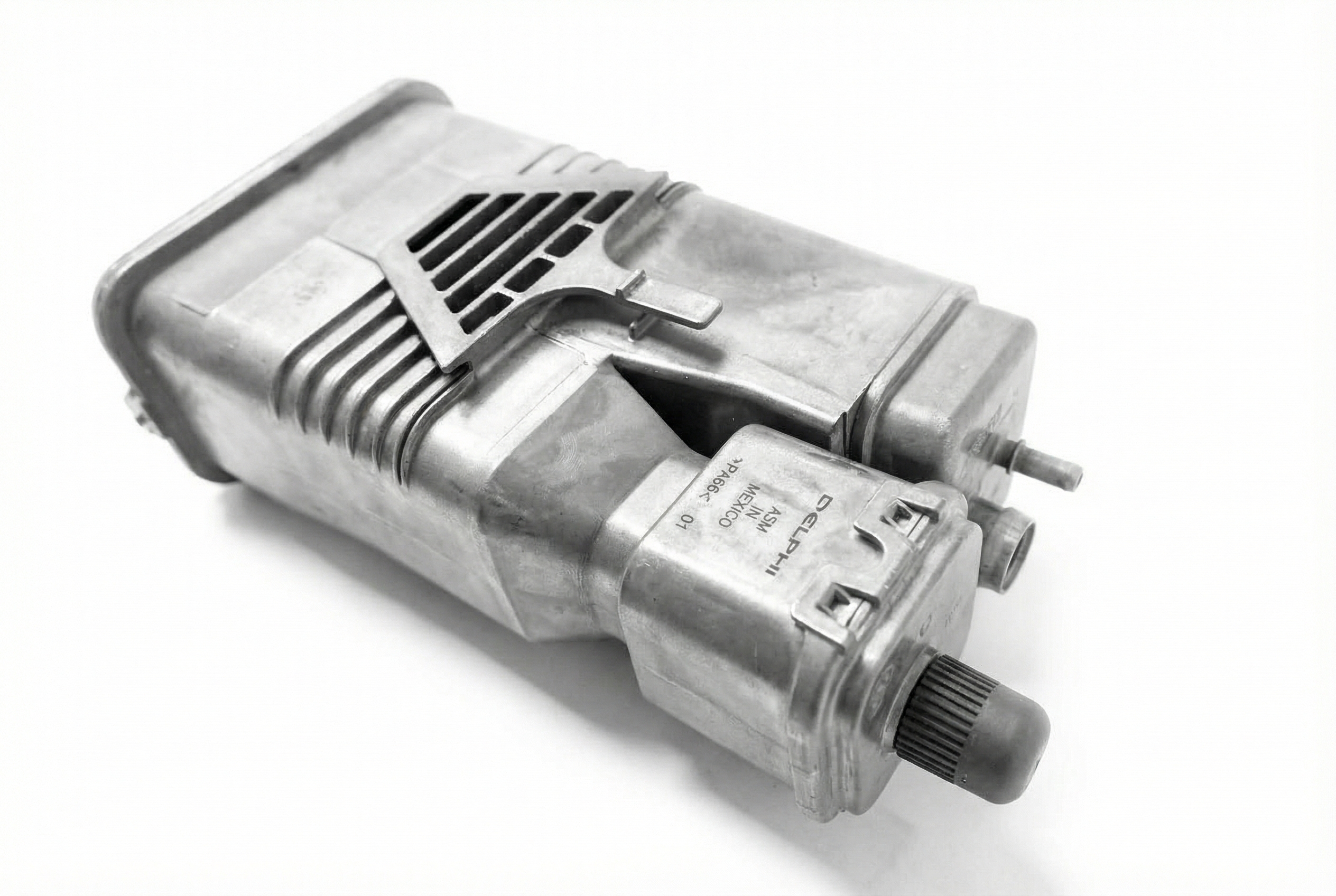
Est. part cost: $25-$50 - EVAP Vent Control Valve or O-Ring Leak 🔴 High Probability Nissan has issued multiple TSBs (NTB17-082E, NTB17-082a, NTB17-082b) for this specific issue on Rogue and many other Nissan models. [NTB17-082E, NTB17-082a, NTB17-082b] The valve is located under the rear passenger side, where it is exposed to road spray, causing rust and failure. The rubber O-ring that seals the valve to the charcoal canister can also dry out and crack, creating a small leak.
How to confirm: A smoke test is the definitive method. A technician will inject smoke into the EVAP system and look for it escaping from the vent control valve. A capable scan tool can also be used to command the valve to close; if it doesn't click or seal, it has failed. A buzzing noise from the valve area can also indicate a failure.
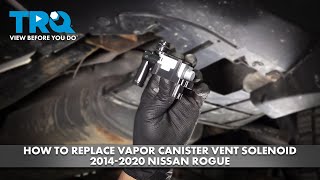
Typical fix: Replace the vent control valve and its O-ring. Early TSBs advised replacing only the O-ring, but a later revision (NTB17-082E) states the O-ring is no longer sold separately and the entire valve assembly should be replaced. [NTB17-082E] This is a common DIY repair that involves removing a plastic shield, disconnecting a connector and hose, and twisting the valve to remove it from the canister. 🎬 See this walkthrough for replacing the vapor canister vent solenoid.
Est. part cost: $5-$15 for O-ring (if found), $40-$90 for valve assembly - Leaking Fuel Filler Tube Lower Seal 🟡 Medium Probability This is a known issue on newer (2023) Rogue models, as documented in Nissan TSB NTB26-006. The seal at the bottom of the fuel filler tube can fail and cause a leak.
How to confirm: A smoke machine test will show smoke leaking from the fuel filler tube lower seal area, as per the TSB instructions. [NTB26-006]
Typical fix: Replacement of the fuel filler tube lower seal by a qualified technician.
Est. part cost: $20-$50 - Cracked or Disconnected EVAP Hoses ⚪ Low Probability Over time, rubber and plastic hoses in the engine bay and under the vehicle can become brittle and crack due to heat and age, especially at connection points.
How to confirm: Visually inspect all accessible EVAP lines for obvious cracks, especially at connection points. A smoke test will quickly reveal leaks from any hose.
Typical fix: Replace the cracked section of hose.
Est. part cost: $10-$30
Rare But Worth Checking
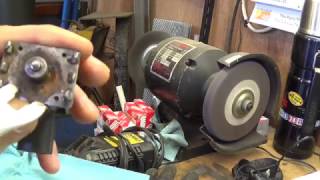
- Faulty EVAP Canister Purge Valve: This valve is located in the engine bay, typically on the right side of the engine compartment. 🎬 Watch: How to replace the engine bay purge valve solenoid. It can get stuck open, causing a leak. While less common for a P0456 than the rear vent valve, it's a possible failure point.
- Cracked Charcoal Canister: The plastic housing of the charcoal canister itself can develop cracks from road debris or stress, leading to a leak. This is usually found with a smoke test after ruling out the more common valve and cap issues.
Diagnosis Steps
- Check the Gas Cap: Remove, inspect the seal for cracks or debris, and retighten the gas cap until it clicks. Clear the code and drive for a few days to see if it returns. This is the simplest first step.
- Visual Inspection: Look over the accessible EVAP hoses in the engine bay and under the car for any obvious cracks, loose connections, or damage. Pay attention to the purge valve in the engine bay and the vent valve/canister area at the rear.
- Perform a Smoke Test: This is the most effective way to find the leak. Connect a smoke machine to the EVAP service port. The system will fill with smoke, and the leak will be visible where the smoke escapes.
- Inspect TSB-Indicated Areas: During the smoke test, pay close attention to the EVAP vent control valve on the charcoal canister (located under the rear passenger side). This is the most likely culprit according to Nissan TSBs. On 2023+ models, also check the fuel filler neck lower seal area. [NTB26-006]
- Test Solenoids: If no leak is found, the purge valve and vent valve solenoids can be tested with a capable scan tool to ensure they are actuating (clicking) and closing correctly. The vent valve is normally open and closes for the test, while the purge valve is normally closed.
Parts You'll Likely Need

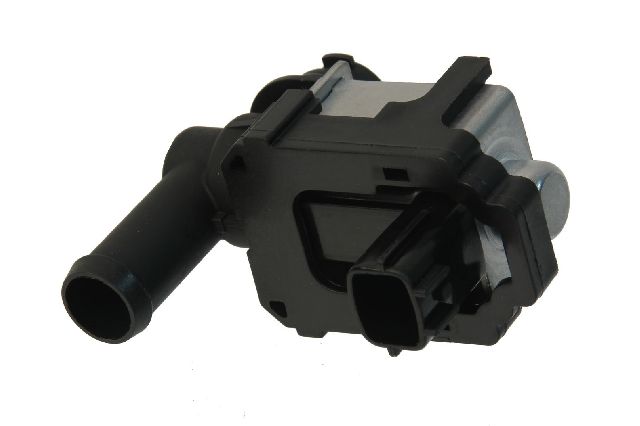
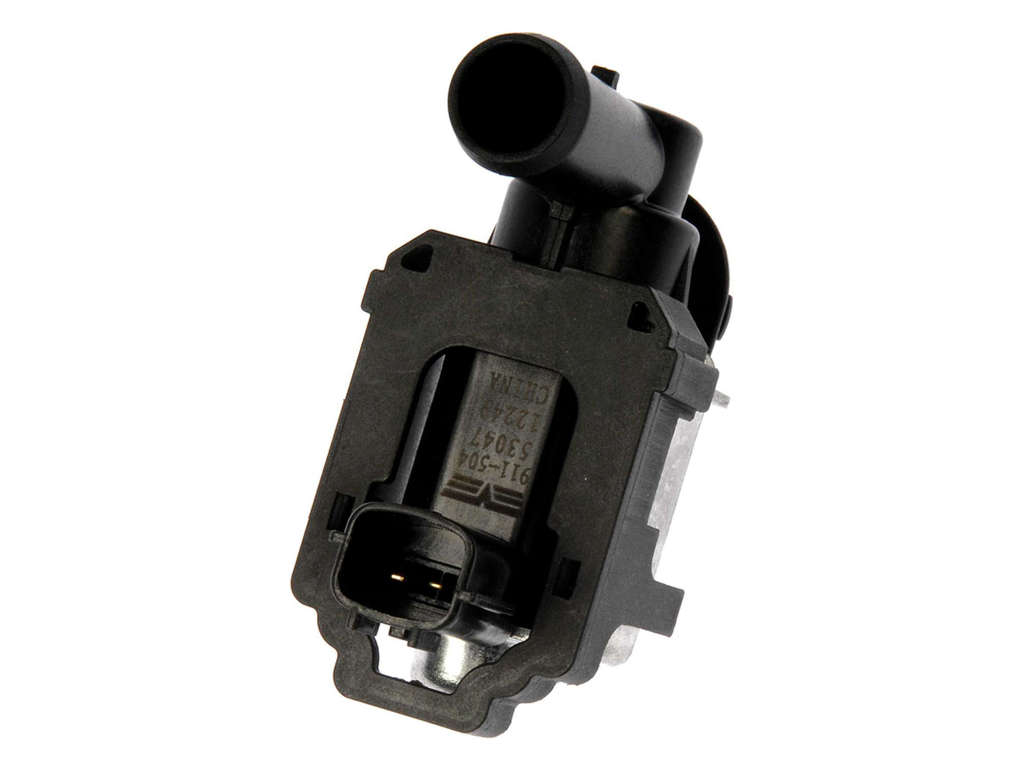
- EVAP Vent Control Valve
(OEM #14935-JF00B (or superseding part numbers))— This is a very common failure point documented by Nissan TSBs for causing code P0456. The valve itself can fail from corrosion or the integrated O-ring can leak.
Trusted brands: Nissan (OEM), Bosch, Delphi, Dorman
OEM price range: $80-$150
Aftermarket price range: $40-$90 - Fuel Filler Cap
(OEM #17251-4BA0B or 17251-4HA0B (for T32, 2016-2020); 17251-6LB0A (for T33, 2021-2023). Verify with VIN.)— A worn or loose gas cap is the most frequent and simple cause of all EVAP leak codes.
Trusted brands: Nissan (OEM), Stant, Motorad, Duralast
OEM price range: $25-$50
Aftermarket price range: $15-$25 - EVAP Vent Control Valve O-Ring
(OEM #16618-JF00A)— This O-ring was the original culprit identified in TSBs. However, TSB NTB17-082E (Feb 2022) states this part is no longer available separately for service, and the entire valve assembly must be replaced. [NTB17-082E] Some older stock or aftermarket O-rings may still be found.
Trusted brands: Nissan (OEM)
OEM price range: $5-$15
Aftermarket price range: $3-$10
Related Codes That Often Appear With This One
- P0442 — This code indicates a 'small leak', which is slightly larger than the 'very small leak' of P0456. They often appear together if the leak is on the borderline between the two thresholds or is worsening.
- P0455 — This indicates a 'gross leak'. It can appear with P0456 if a component fails intermittently or if there are multiple leaks of different sizes in the system.
Technical Service Bulletins (TSBs) & Recalls

- NTB26-006: FUEL FILLER TUBE LOWER SEAL IS LEAKING AND DTC P0456 IS STORED
- NTB17-082E: DTC P0456 CAUSED BY EVAP LEAK AT VENT CONTROL VALVE O-RING
- NTB17-082b: NISSAN; DTC P0456 CAUSED BY EVAP LEAK AT VENT CONTROL VALVE O-RING
- NTB17-082a: NISSAN; DTC P0456 CAUSED BY EVAP LEAK AT VENT CONTROL VALVE O-RING
- NTB13-097J: EVAP LEAK DTC P0442, P0455, P0456 INFORMATION
- NTB13-097D: ALL MODEL YEAR 2012 AND NEWER NISSAN VEHICLES; EVAP LEAK DTC P0442, P0455, P0456 INFORMATION
Platform-Specific Known Issues
- TSB NTB17-082E: The most current bulletin, which supersedes older versions. It applies to all 2008+ Nissans and states that if P0456 is caused by a leak at the vent valve O-ring, the entire vent control valve assembly should be replaced, as the O-ring is no longer a separate service part.
- TSB NTB26-006: Points to a leaking fuel filler tube lower seal as the cause for P0456 on 2023 Rogue models, requiring a smoke test to confirm.
- TSB NTB13-097J: A general information bulletin regarding various EVAP leak codes (P0442, P0455, P0456) that emphasizes the importance of first checking the fuel cap is tight and not the cause of the leak before proceeding with further diagnostics.
- Owner Experience: A common repair narrative found on forums like Reddit involves the owner first replacing the gas cap with no success, then finding a video or TSB pointing to the EVAP vent control valve, which ultimately fixes the code.
Mechanic-Grade Diagnostic Values
- EVAP Canister Purge Valve Resistance — expected: 30 to 38 ohms (when engine is cool). Failure: A reading outside this range indicates a faulty valve coil.
- EVAP Canister Vent Solenoid Resistance — expected: 48 to 65 ohms. Failure: A reading outside this range suggests the solenoid coil is failing.
- Fuel Tank Pressure (FTP) Sensor Voltage (Key On, Engine Off) — expected: Approximately 1.5V - 3.0V, depending on ambient temperature and tank pressure. A 5V reference and a good ground should be present at the connector.. Failure: Voltage at 0V or 5V suggests a circuit issue or failed sensor. No change in voltage when the system is purged (via scan tool) indicates a non-responsive sensor.
Scan Tool Commands That Help
- Nissan CONSULT-III plus or equivalent professional scan tool: EVAP System Leak Check / Vent Control Valve Active Test — This function is critical for diagnosis. It commands the normally-open vent valve to close, sealing the EVAP system. This allows a technician to perform a smoke test or pressure decay test to confirm a leak. If the valve doesn't click or the system doesn't seal, the valve itself is faulty.
Wiring & Ground Locations
- EVAP Vent Control Valve — On the charcoal canister, located under the vehicle at the rear passenger side, behind a plastic splash shield.. This is the most common failure point. The connector and wiring are exposed to road spray and debris, which can lead to corrosion and circuit failures, in addition to the valve itself failing.
- EVAP Canister Purge Valve — In the engine bay, on the top front side of the intake manifold for the 2.5L engine (2016-2021 models).. Though a less common cause for P0456, a failure here can cause a leak. Its location in the engine bay makes it susceptible to heat-related wear over time.
Real Owner Repair Stories
- Reddit user in r/NissanRogue (2016 Nissan Rogue) — Check Engine Light with P0456, gasoline smell around the car, light would turn on when the tank was half full and turn off after a full refill.
❌ Tried (didn't work) The user did not specify things that failed, but other users in the thread mentioned that replacing the gas cap often does not fix the issue.
✅ What actually fixed it The user reported the fix was replacing the Vapor Canister Vent Valve located at the rear passenger side. Another user confirmed the O-rings on this valve are a known failure point. - YouTube channel WHITEHOUSE FARM (Nissan Rogue (year not specified, but T32 body style)) — Sporadic Check Engine Light with code P0456.
❌ Tried (didn't work) Replacing the gas cap with an OEM part from the dealership did not solve the problem.
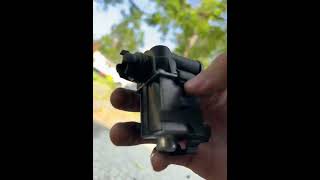
✅ What actually fixed it The owner replaced the EVAP vent control valve/solenoid on the canister at the rear of the vehicle. The code did not immediately return after the repair.
"I Checked Everything" — The Actual Cause
- While no specific stories were found, a common scenario where a smoke test passes is an intermittent or functional failure of a component. For example, the EVAP vent control valve may seal correctly when commanded closed by a scan tool during the smoke test, but may fail to close completely during the vehicle's own automated self-test, which runs under specific conditions (e.g., certain fuel level, ambient temperature). In this case, the valve is the culprit, but it's not a static leak, which is why testing the valve's function with a bidirectional scan tool is as important as the smoke test.
When the Usual Fixes Don't Work
- While replacing the gas cap is the most commonly suggested first step for P0456, multiple owner accounts for the Nissan Rogue confirm that this often does not fix the issue. The root cause is frequently the EVAP vent control valve located on the charcoal canister at the rear of the vehicle. In one documented case, an owner replaced the gas cap with a genuine OEM part to no avail, and only resolved the code after replacing the vent valve.
OEM Part Supersession History
14935-JF00A / 14935-JF00B→14935-JF02C (and others in the sequence like -JF00C, -JF00D, -JF00E)— Standard part revision and improvement by the manufacturer over time.
Heads up: The various revisions (A, B, C, etc.) are generally interchangeable for the specified applications. The key is to ensure the part is listed for the correct vehicle model year and generation.
Model Year Variations Within This Range
- 2021-2023 (T33 Generation): The T33 generation introduced a new 1.5L VC-Turbo 3-cylinder engine in 2022, replacing the previous 2.5L 4-cylinder. This means engine-bay mounted EVAP components, like the purge control valve, will have different part numbers and possibly different locations than the 2016-2020 T32 generation. For example, the purge valve for 2021+ models is listed as 14930-6CA0A.
- 2023: A specific Technical Service Bulletin (NTB26-006) was issued for the 2023 Rogue, identifying a potential leak at the fuel filler tube lower seal as a cause for P0456. This is not a commonly noted failure point on earlier model years. [NTB26-006]
Helpful Videos
Used OEM Parts in Stock
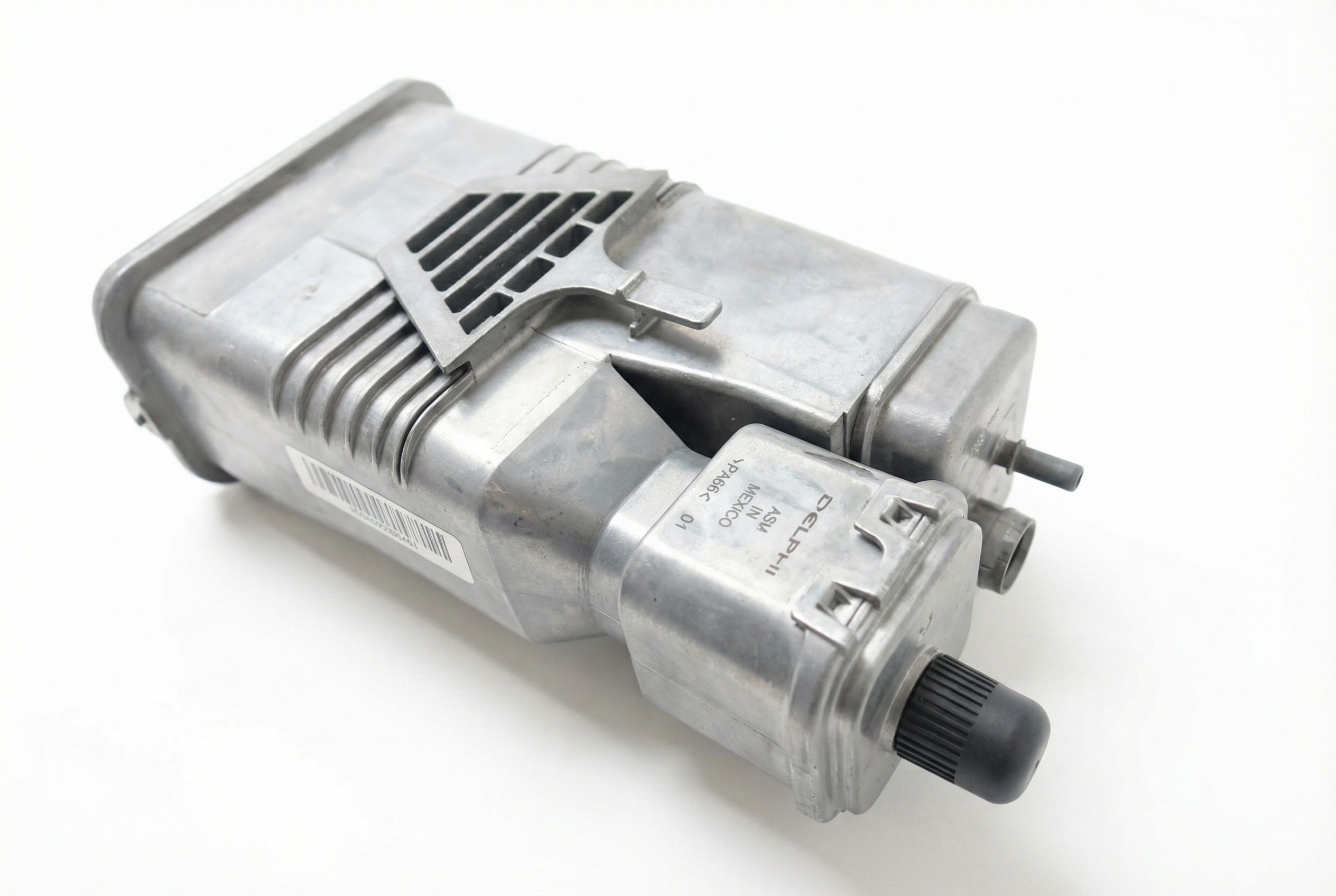

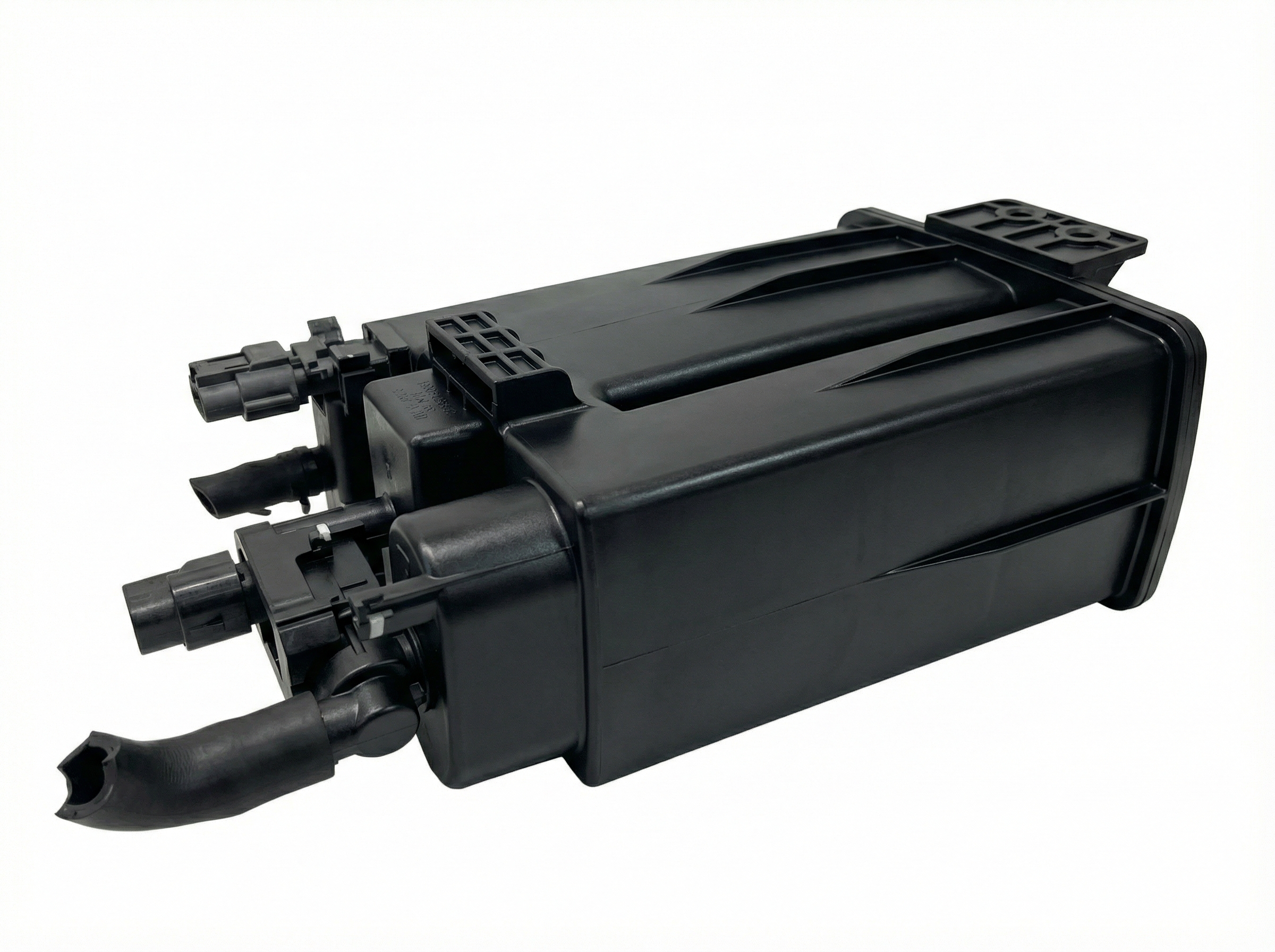
New Aftermarket Parts Available

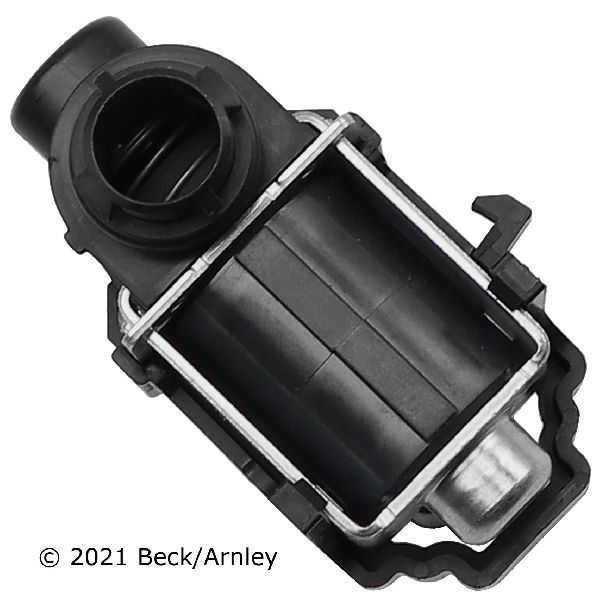
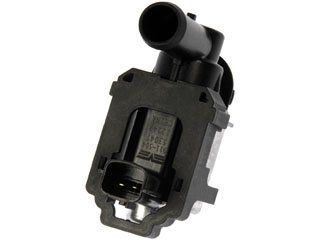

The information in this article is provided for general reference and educational purposes only. Vehicle specifications, procedures, and part compatibility can vary by production date, trim level, and region. Always consult your vehicle's factory service manual and verify part numbers before purchasing or performing repairs. Safety-critical components such as airbags, seat belts, and braking systems should be installed by a qualified professional.
- Nissan ROGUE:
- 🎬 Helpful Videos
- 🛍️ Shop This Part
- What's Unique About the 2016-2023 Nissan ROGUE
- Diagnostic Flowchart
- Symptoms You May Notice
- Most Likely Causes
- Rare But Worth Checking
- Diagnosis Steps
- Parts You'll Likely Need
- Related Codes That Often Appear With This One
- Technical Service Bulletins (TSBs) & Recalls
- Platform-Specific Known Issues
- Mechanic-Grade Diagnostic Values
- Scan Tool Commands That Help
- Wiring & Ground Locations
- Real Owner Repair Stories
- "I Checked Everything" — The Actual Cause
- When the Usual Fixes Don't Work
- OEM Part Supersession History
- Model Year Variations Within This Range
- 🎟️ Get 5% Off