

P0456 on 2015-2022 Nissan Maxima: Causes and Fixes for a Small EVAP Leak
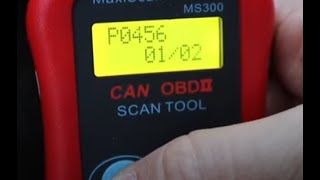
P0456 on a Nissan Maxima indicates a very small leak in the evaporative emissions system. The most common causes are a loose gas cap or a faulty EVAP vent control valve. A dried-out O-ring on this valve is a well-known issue covered by Nissan TSBs. Always check the gas cap first. If the light returns, the vent control valve assembly is the next most likely culprit.
- P0456 is a 'very small leak' in the EVAP system and will not affect how your Maxima drives.
- Always start with the simplest fix: check that your gas cap is tight. If it's old, replace it with an OEM part.
- The most likely cause specific to your Nissan Maxima is a faulty O-ring on the EVAP vent control valve, located at the rear of the car.
- Nissan has issued service bulletins (like NTB17-082b) confirming the O-ring issue, so this should be your primary suspect after the gas cap.
- A smoke test is the fastest way to confirm the exact location of the leak, saving time and preventing the replacement of unnecessary parts.
What's Unique About the 2015-2022 Nissan MAXIMA

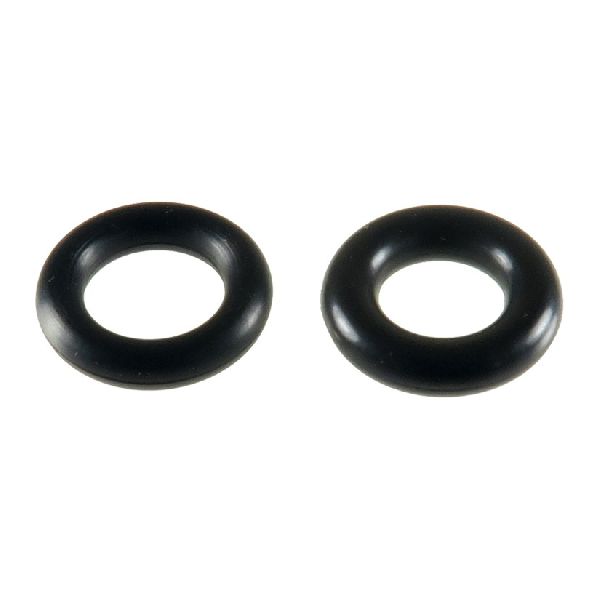
For this generation of Nissan Maxima and many other Nissan models, the P0456 code is very frequently caused by a specific, well-documented issue: a dried-out or cracked O-ring on the EVAP vent control valve. Nissan has issued multiple Technical Service Bulletins (TSBs) about this exact problem. Initially, these TSBs advised replacing just the small O-ring. However, the latest bulletin, NTB17-082E, updated in 2022, now instructs technicians to replace the entire vent control valve assembly as the O-ring is no longer sold separately. This makes the diagnosis more straightforward than on many other vehicles where a small leak can be much harder to pinpoint.
Diagnostic Flowchart
Tap your situation to follow the diagnostic path that matches what you're seeing on this vehicle.
Generation note: The 2015 model year is the final year of the 7th generation (A35) Maxima, while 2016-2022 models belong to the 8th generation (A36). However, Nissan's Technical Service Bulletins regarding the P0456 code and its common causes, like the vent valve O-ring, apply to both generations (A35 and A36 are explicitly listed), indicating the EVAP system design and failure points are very similar.
Symptoms You May Notice
- Check Engine Light is illuminated
- A faint fuel smell may be noticeable, especially around the rear of the car near the gas tank.
- The vehicle will not pass a state emissions inspection.
- A 'whoosh' sound of air rushing in or out when opening the gas cap can sometimes be heard if the vent system is malfunctioning.
- Replacing the entire charcoal canister when only the vent control valve assembly was needed.
- Replacing the purge valve in the engine bay when the leak is at the vent valve in the rear of the car, which is the more common failure point for this specific code on Nissans.
- Using a cheap aftermarket gas cap, which then causes the same P0456 code to return.
Most Likely Causes

- Loose or Faulty Gas Cap 🔴 High Probability This is the most common cause for any vehicle. The seal can wear out, get dirty, or the cap may not have been tightened correctly after refueling. Many owners on forums report this as the first thing they checked.
How to confirm: Ensure the gas cap is tightened until it clicks at least once. Inspect the rubber seal on the cap for cracks, dirt, or damage. If it looks worn, it's a cheap replacement. Also, clean the metal rim of the fuel filler neck with a cloth or light abrasive pad to ensure a clean sealing surface.
Typical fix: Tighten the cap, or replace it with a new OEM-spec gas cap. Aftermarket caps are a known cause of this code due to improper seals.
Est. part cost: $20-$45 - Leaking EVAP Vent Control Valve / O-Ring 🔴 High Probability This is a documented weak point on many Nissan vehicles, including the Maxima. Nissan issued TSBs NTB17-082b and NTB17-082E specifically for this failure. The rubber O-ring that seals the valve to the charcoal canister dries out and cracks, creating the very small leak. The valve itself can also fail.
How to confirm: A smoke test is the definitive method, as smoke will be seen escaping from the seal between the vent control valve and the canister. Visually inspect the area where the valve mounts to the canister for signs of degradation. The valve's solenoid coil can also be tested for resistance.
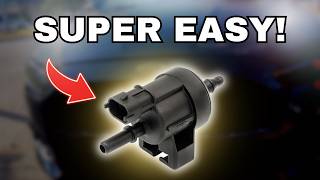
Typical fix: Per the latest TSB (NTB17-082E), the official fix is to replace the entire EVAP Vent Control Valve assembly. The O-ring is no longer sold separately by Nissan, although some aftermarket O-rings may exist. Replacing the whole valve is now the standard repair. 🎬 Watch: A breakdown of the two most common Nissan fixes.
Est. part cost: $60-$150 - Faulty EVAP Canister Purge Valve 🟡 Medium Probability This valve is located in the engine bay and controls the flow of vapors to the engine. It can get stuck open or closed, causing a leak in the system.
How to confirm: With the engine off, remove the valve and try to blow through it. It should be closed when no power is applied. If you can blow through it, it's stuck open and has failed. You can also use a scan tool to command it open and closed while listening for a click.
Typical fix: Replace the purge valve. This is often a simple, DIY-friendly job on top of the engine. 🎬 Watch: How to replace your purge valve like a pro.
Est. part cost: $40-$120 - Cracked or Disconnected EVAP Hose ⚪ Low Probability Over time, rubber hoses can become brittle and develop small cracks, especially in harsh climates. Hoses near the charcoal canister and filler neck are common areas to check.
How to confirm: Visually inspect all accessible EVAP lines, from the engine bay to the charcoal canister in the rear. A smoke test is the most effective way to find a tiny crack in a hose that isn't easily visible.
Typical fix: Replace the cracked section of hose.
Est. part cost: $10-$30
Rare But Worth Checking
- Cracked Charcoal Canister: While a cracked canister usually causes a large leak code (P0455), a hairline crack can sometimes trigger a small leak code. This is often a last resort after all valves and hoses have been checked.
- Leaking or Corroded Fuel Filler Neck: Rust or corrosion on the metal filler neck where the gas cap seals can prevent a proper seal, causing a persistent small leak code even with a new OEM gas cap. Cleaning the surface thoroughly is a critical step.
Diagnosis Steps
- Inspect the gas cap. Make sure it is tight and clicks. Remove it and check the seal for any cracks or debris. Crucially, clean the filler neck sealing surface with a cloth or light abrasive to remove any grit or corrosion.
- If the gas cap is old or worn, replace it with a new OEM part. Aftermarket caps are a frequent cause of this code. Clear the code and drive for a few days to allow the EVAP monitor to run and see if the light returns.
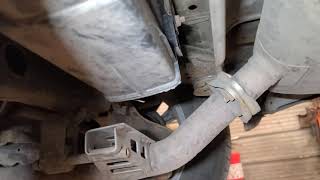
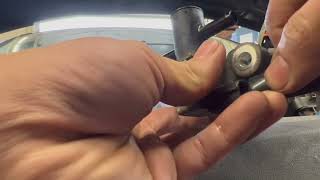
- If the light comes back, the next most likely culprit is the EVAP vent control valve, located near the charcoal canister at the rear of the vehicle. 🎬 See this step-by-step guide for replacing the vent valve.
- The most effective professional diagnostic step is to perform a smoke test. A machine injects vaporized smoke into the EVAP system under low pressure. Any leaks will be revealed by a visible stream of smoke.
- During the smoke test, pay close attention to the area where the vent control valve mounts to the canister, as this is the most probable leak point according to Nissan TSBs. Also check all rubber hoses connected to the canister and filler neck.
- If no leaks are found externally, test the function of the purge valve (engine bay) and vent valve (rear) using a scan tool to command them open and closed while listening for a click. The purge valve should be closed with no power, and the vent valve is normally open.
Parts You'll Likely Need
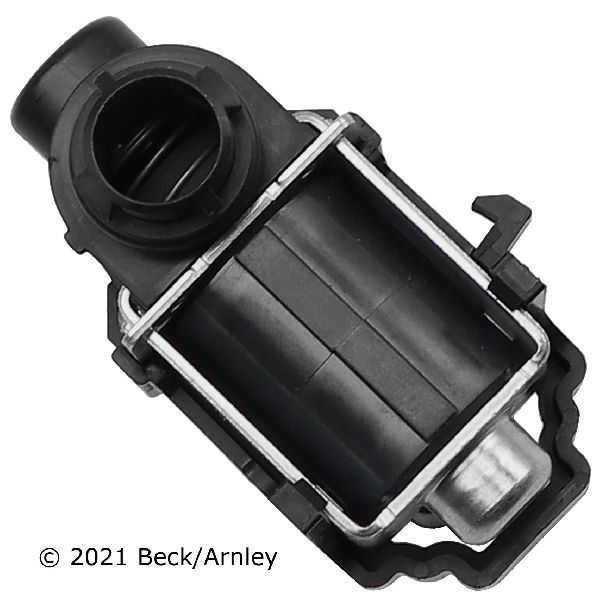
- EVAP Vent Control Valve
(OEM #14935-JF02C)— This is the most common failure point for P0456 on this vehicle. The latest TSB (NTB17-082E) advises replacing the entire assembly as the problematic O-ring is no longer sold separately by Nissan.
Trusted brands: Nissan (OEM), Hitachi, Bosch, Dorman
OEM price range: $70-$110
Aftermarket price range: $40-$80 - Fuel Cap
(OEM #17251-1PZ0A (Note: verify with VIN, other numbers like 17251-9CA0A may apply))— A worn or improperly sealing gas cap is a very common cause for all EVAP leak codes. Using an OEM cap is highly recommended.
Trusted brands: Nissan (OEM), Stant
OEM price range: $25-$45
Aftermarket price range: $15-$25 - EVAP Canister Purge Valve — If the valve in the engine bay is stuck open, it will create a leak in the system. It's a less common cause than the rear vent valve for P0456, but still a frequent failure part.
Trusted brands: Nissan (OEM), Duralast, Gates
OEM price range: $50-$120
Aftermarket price range: $40-$90
Related Codes That Often Appear With This One
- P0442 — P0442 is for a 'small leak', which is slightly larger than the 'very small leak' of P0456. They are closely related, and a degrading component might trigger one code and then the other over time.
- P0455 — P0455 is for a 'gross leak'. If a component like the vent valve fails completely or a hose becomes disconnected, a P0456 might escalate to a P0455.
Technical Service Bulletins (TSBs) & Recalls

- NTB17-082E: DTC P0456 CAUSED BY EVAP LEAK AT VENT CONTROL VALVE O-RING (Amended Feb 2022)
- NTB17-082b: NISSAN; DTC P0456 CAUSED BY EVAP LEAK AT VENT CONTROL VALVE O-RING
- NTB13-097J: EVAP LEAK DTC P0442, P0455, P0456 INFORMATION
Platform-Specific Known Issues
- Nissan has issued multiple Technical Service Bulletins, with NTB17-082E being the most current version. It states that if a P0456 code is present and a smoke test confirms a leak at the vent control valve mounting area, the corrective action is to replace the entire vent control valve assembly. Earlier versions of the TSB advised replacing only the O-ring, but Nissan no longer services the O-ring as a separate part. This is a known, widespread issue across many Nissan models from this era.
Mechanic-Grade Diagnostic Values
- EVAP Canister Vent Valve Solenoid Resistance — expected: 48 to 65 ohms. Failure: A reading outside this range indicates a faulty solenoid coil.
- EVAP Canister Purge Valve Solenoid Resistance — expected: 30 to 38 ohms (when cool). Failure: A reading outside this range indicates a faulty solenoid coil.
- EVAP Canister Purge Valve Function (Blow Test) — expected: No air should pass through when blowing into the intake manifold port (valve is de-energized).. Failure: If air can be blown through, the valve is stuck open and has failed.
- EVAP Canister Vent Valve Function (Power Test) — expected: The valve is normally open. When 12V is applied to the terminals, it should make an audible 'click' and close.. Failure: If there is no click, or if air can still pass through when 12V is applied, the valve is faulty.
Scan Tool Commands That Help
- Nissan CONSULT-III plus: EVAP System Test / Active Test — This function is used to command the EVAP vent control valve closed, sealing the system. It's a required step before performing a leak test, either with a smoke machine or by monitoring the fuel tank pressure sensor data on the scan tool.
- Advanced Aftermarket Scan Tool (e.g., Autel, iCarsoft): Vent Solenoid Activation / Bidirectional Control — Allows the technician to manually command the vent solenoid closed while watching live data for the fuel tank pressure sensor. A steady pressure reading confirms the system is sealed; a dropping pressure indicates a leak somewhere in the system.
Real Owner Repair Stories
- YouTube channel 'WHITEHOUSE FARM' (2005 Nissan Sentra (Note: Not a Maxima, but TSBs confirm the same EVAP components and failure modes apply across many Nissan models of this era).) — Intermittent Check Engine Light with code P0456 that would appear for a while and then turn off on its own.
❌ Tried (didn't work) Replacing the fuel cap with a new OEM part from the dealership.
✅ What actually fixed it The owner replaced the EVAP canister vent solenoid valve assembly located at the rear of the car. This resolved the intermittent code.
"I Checked Everything" — The Actual Cause
- A common scenario is not a 'clean' smoke test, but a misinterpretation of the results. A smoke test may show vapor escaping from the gas cap area. A technician might replace the cap, but the code returns. The actual root cause was micro-corrosion or debris on the fuel filler neck's metal sealing surface, which prevented the new cap from sealing properly. The fix requires cleaning the filler neck rim with a light abrasive pad before installing the new OEM cap.
When the Usual Fixes Don't Work
- While replacing the gas cap is the correct first step, it is not a guaranteed fix. A documented repair shows a Nissan owner who replaced their gas cap with a genuine OEM part, yet the P0456 code continued to appear intermittently. The problem was only resolved after replacing the EVAP vent control valve at the rear of the vehicle, confirming it as the true failure point in that case. This highlights the importance of considering the vent valve as the very next step if a new OEM gas cap does not solve the issue.
OEM Part Supersession History
14935-JF00A, 14935-JF00B, 14935-JF00C, 14935-JF00D, 14935-JF00E→14935-JF02C— These are previous revisions of the EVAP Vent Control Valve. The latest part is the official replacement.16618-JF00A (O-ring only)→14935-JF02C (Full Assembly)— Per TSB NTB17-082E issued in Feb 2022, Nissan no longer services the O-ring separately for a P0456 repair. The official procedure is now to replace the entire vent control valve assembly.
Heads up: While the old O-ring part number exists, the official repair procedure from Nissan now mandates replacing the entire valve assembly to ensure a proper, long-lasting seal.
Helpful Videos
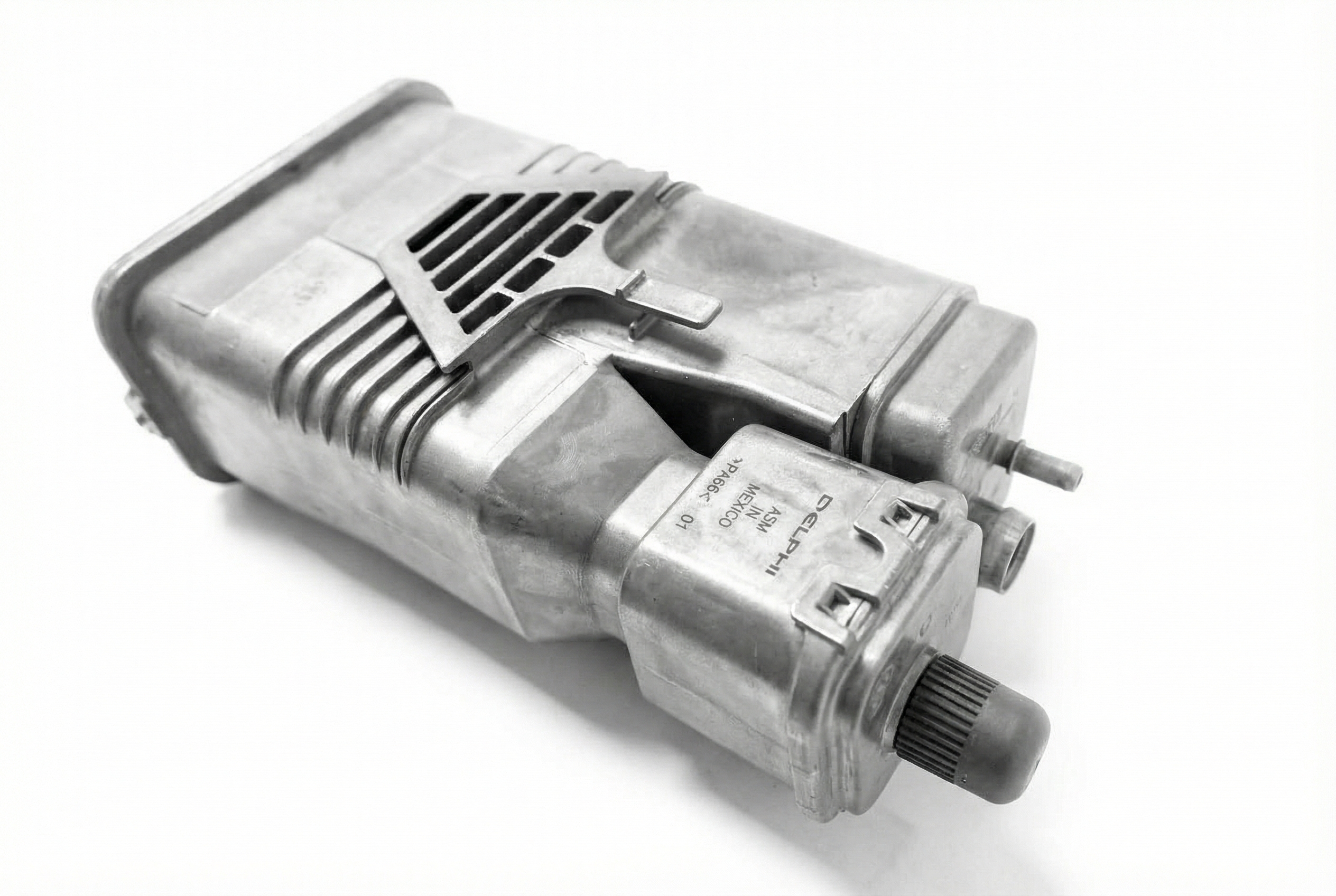
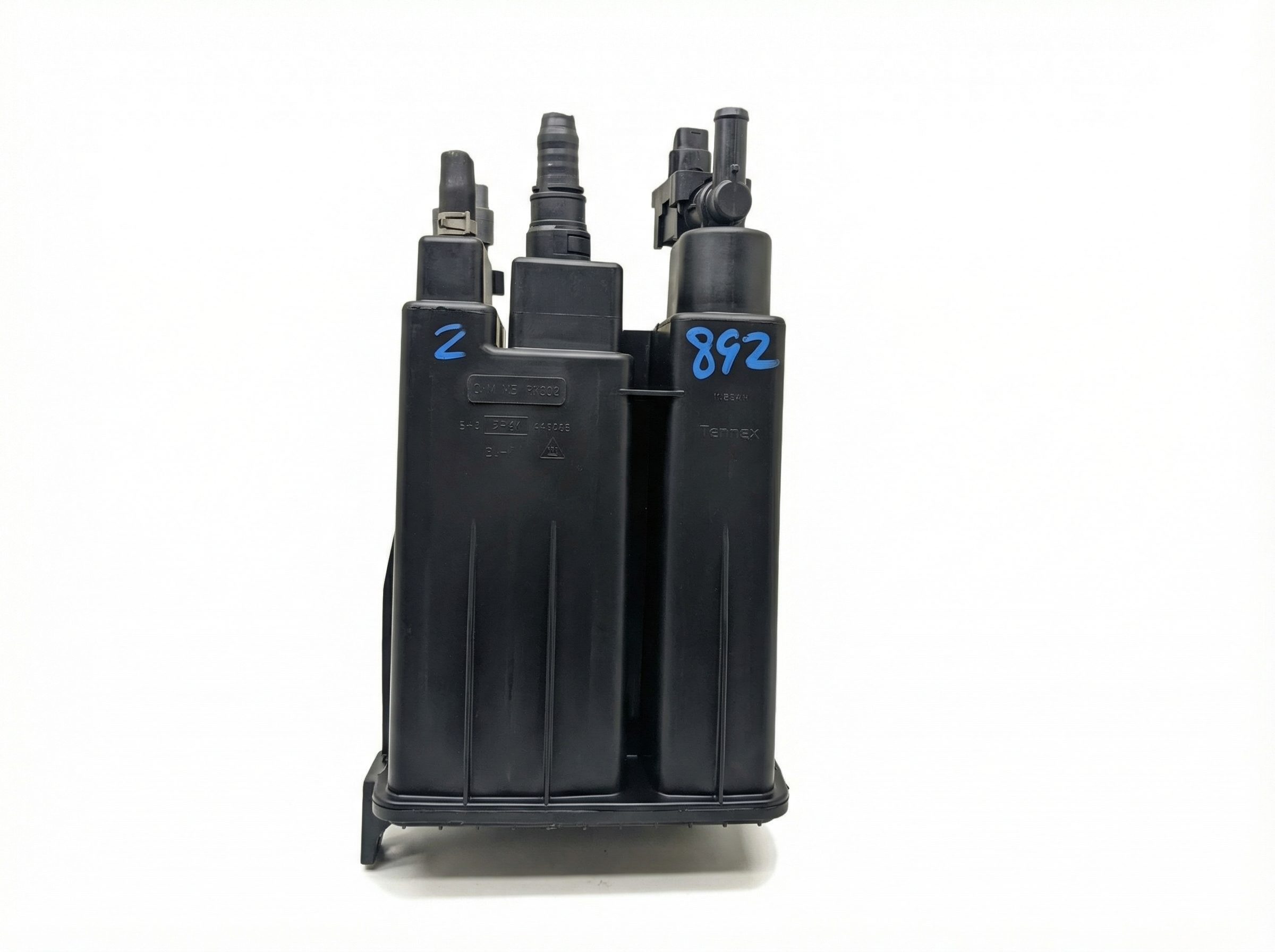
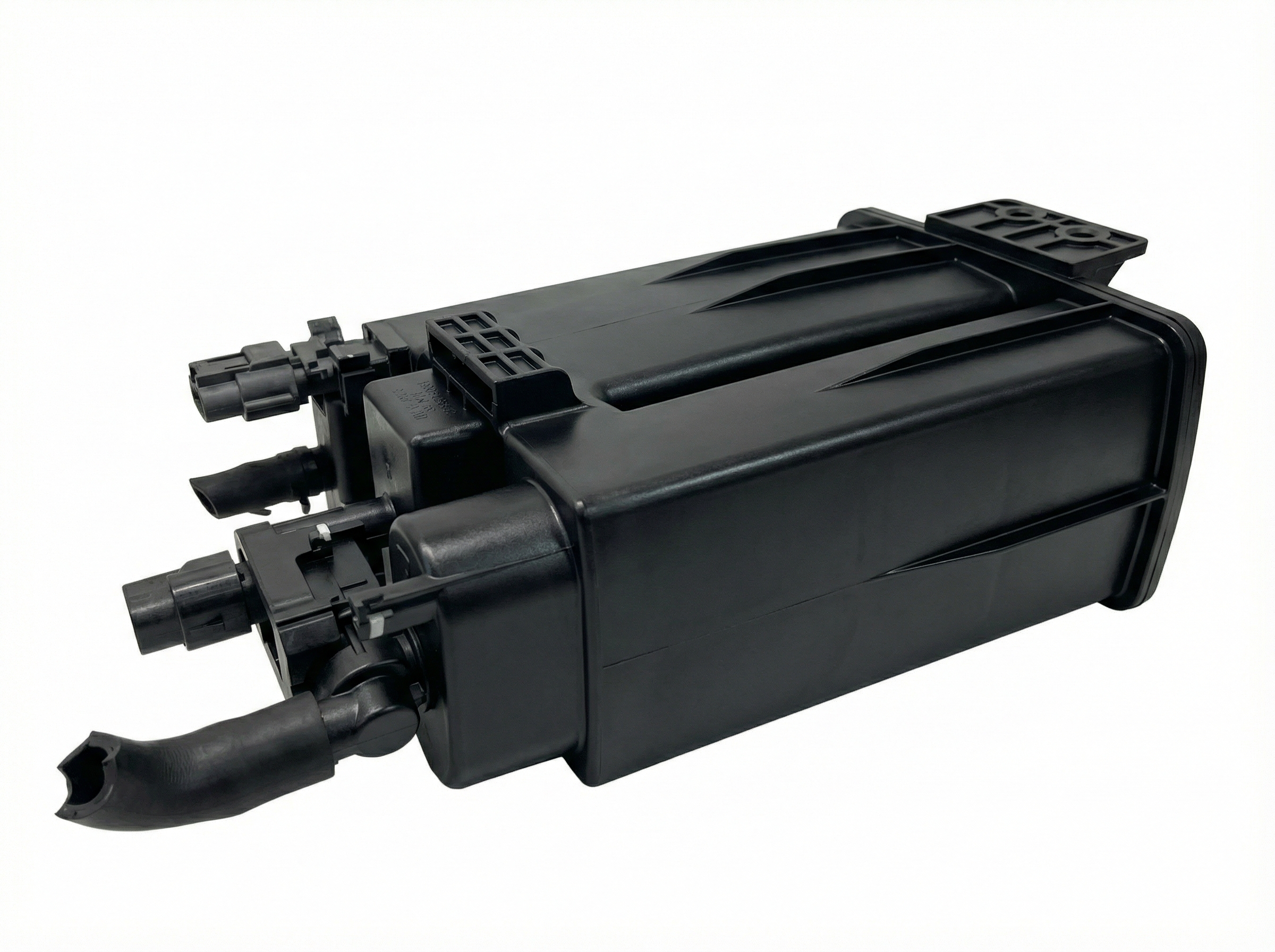
Used OEM Parts in Stock


New Aftermarket Parts Available
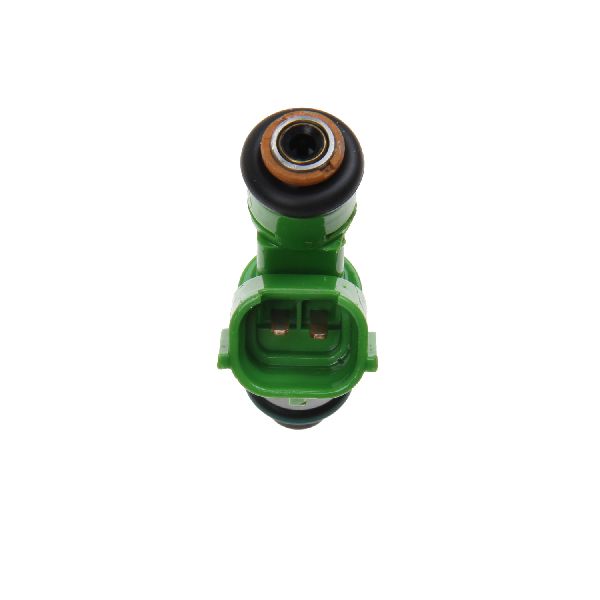


The information in this article is provided for general reference and educational purposes only. Vehicle specifications, procedures, and part compatibility can vary by production date, trim level, and region. Always consult your vehicle's factory service manual and verify part numbers before purchasing or performing repairs. Safety-critical components such as airbags, seat belts, and braking systems should be installed by a qualified professional.
- Nissan MAXIMA:
- 🎬 Helpful Videos
- 🛍️ Shop This Part
- What's Unique About the 2015-2022 Nissan MAXIMA
- Diagnostic Flowchart
- Symptoms You May Notice
- Most Likely Causes
- Rare But Worth Checking
- Diagnosis Steps
- Parts You'll Likely Need
- Related Codes That Often Appear With This One
- Technical Service Bulletins (TSBs) & Recalls
- Platform-Specific Known Issues
- Mechanic-Grade Diagnostic Values
- Scan Tool Commands That Help
- Real Owner Repair Stories
- "I Checked Everything" — The Actual Cause
- When the Usual Fixes Don't Work
- OEM Part Supersession History
- 🎟️ Get 5% Off