

P0456 on 2007-2014 Nissan Altima: Causes and Fixes for EVAP Small Leaks
On a 2007-2014 Nissan Altima, code P0456 is most often a loose or faulty gas cap. If tightening or replacing the cap doesn't fix it, the next most likely cause is a failed EVAP vent control valve O-ring, a known issue covered by Nissan Technical Service Bulletin NTB17-082E. The latest version of the TSB advises replacing the entire vent control valve assembly, as the O-ring is no longer sold separately by Nissan.
- First, check your gas cap. Make sure it's tight and the seal is intact. This is the simplest and most common fix.
- If the gas cap is not the problem, the issue is very likely the EVAP vent control valve O-ring, located at the rear of the car on the charcoal canister.
- Nissan has issued a TSB (NTB17-082E) for this exact problem, confirming it's a known issue.
- Do not immediately replace the entire charcoal canister; the leak is almost always a small, inexpensive component like the gas cap or the vent valve O-ring.
- The vehicle is safe to drive with this code, but you will not pass an emissions inspection until it is resolved.
What's Unique About the 2007-2014 Nissan ALTIMA

For this specific generation of Nissan Altima, the P0456 code is very frequently caused by a specific, well-documented part failure. Nissan has issued multiple Technical Service Bulletins (TSBs), most notably NTB17-082E, pointing to a defective O-ring on the EVAP canister vent control valve as the source of the leak. While a loose gas cap is always the first thing to check, owners of these Altimas should be aware that the vent valve O-ring is a highly probable culprit. Early versions of the TSB advised replacing just the O-ring, but the latest revision (NTB17-082E) states the O-ring is no longer available as a separate service part and instructs technicians to replace the vent control valve as a complete assembly.
🎬 Watch: A breakdown of the two most common Nissan fixes.Diagnostic Flowchart

Tap your situation to follow the diagnostic path that matches what you're seeing on this vehicle.
Generation note: This range covers the end of the fourth generation (L32, 2007-2012) and the beginning of the fifth generation (L33, 2013-2014) Altima. The common causes, particularly the EVAP vent control valve O-ring issue, are relevant to both generations and many other Nissan models from this era.
Symptoms You May Notice

- Check Engine Light is on
- A faint smell of fuel, particularly around the rear of the car near the gas tank or driver's side rear wheel.
- A "Loose Fuel Cap" warning message on the dash may appear (though TSBs note P0456 can occur without this warning)
- In rare cases, difficulty starting the engine immediately after refueling.
- Replacing the purge valve in the engine bay when the actual problem is the vent control valve O-ring at the rear of the car.
- Replacing the entire charcoal canister when only the vent control valve assembly is needed, as the valve is the component that fails, not the canister itself.
- Repeatedly replacing an aftermarket gas cap when an OEM cap is required to create a proper seal.
Most Likely Causes

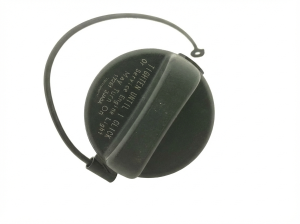
- Loose or Faulty Gas Cap 🔴 High Probability This is the most common cause for a P0456 on any vehicle. The rubber seal on the cap can degrade, crack, or get dirty over time, preventing a proper seal. It may also simply not have been tightened correctly after refueling.
How to confirm: Ensure the gas cap is tightened until it clicks multiple times. Inspect the rubber gasket on the cap for cracks, stiffness, dirt, or damage. If the light returns after clearing the code and tightening the cap, the cap itself may be faulty. Many owners report that even if the cap looks good, replacing it is a necessary step.
Typical fix: Tighten the cap. If that fails, replace the gas cap. It is highly recommended to use an OEM (Original Equipment Manufacturer) cap to ensure a perfect seal, as some aftermarket caps are known to cause the same code.
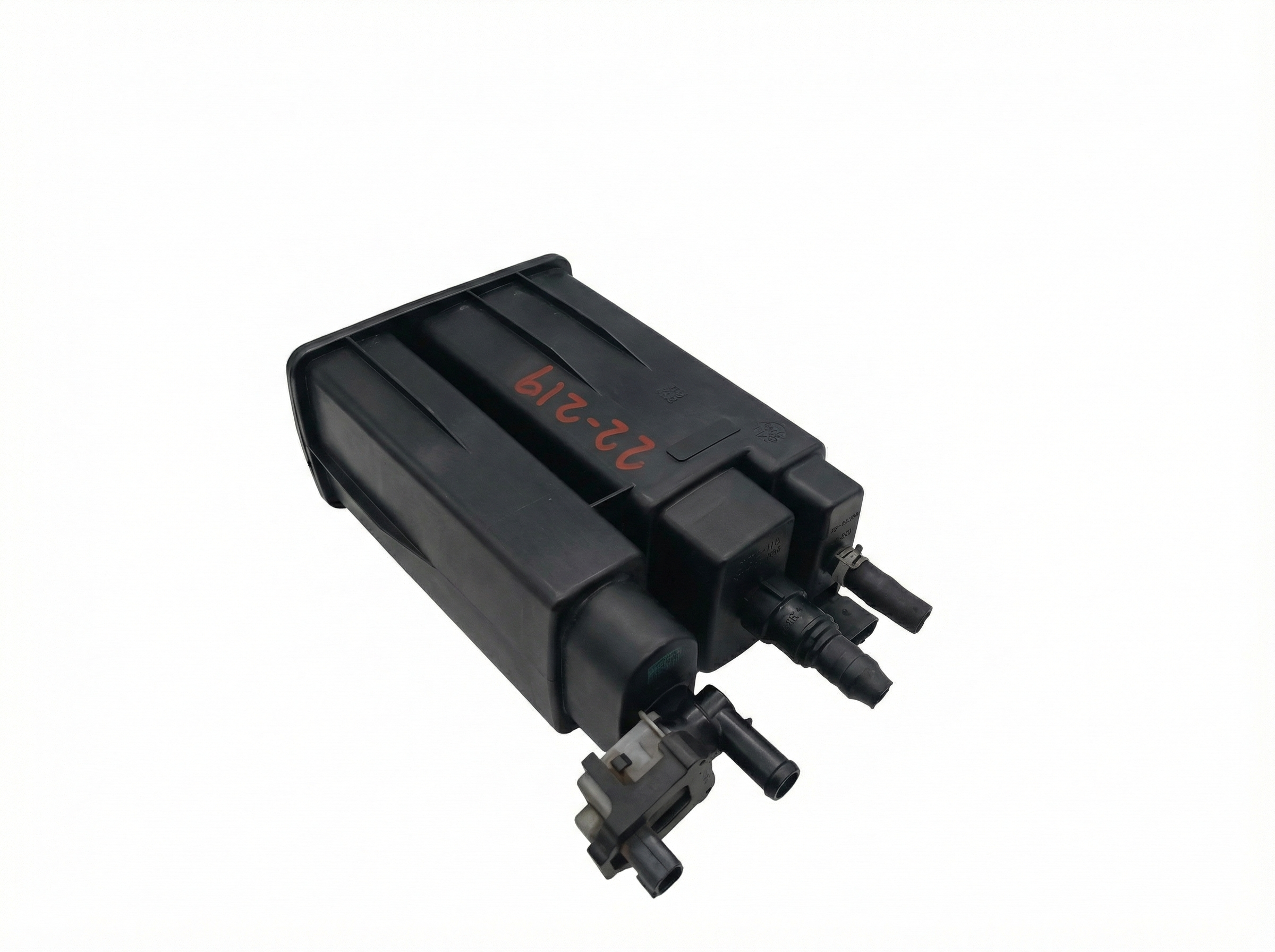
Est. part cost: $15-$40 - Failing EVAP Canister Vent Control Valve or O-Ring 🔴 High Probability Nissan has identified this as a common failure point in TSB NTB17-082E. The rubber O-ring that seals the valve to the charcoal canister dries out, cracks, and creates a small leak. The solenoid in the valve itself can also fail, getting stuck open or closed.
How to confirm: Visually inspect the vent control valve, located on the EVAP canister near the rear driver's side tire. A smoke test is the definitive method and will show smoke leaking from the seal between the valve and the canister. You can also test the valve's solenoid by applying power (e.g., with a power probe or directly from a battery) and listening for a click; if it doesn't click, the solenoid is bad.
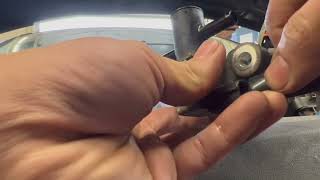
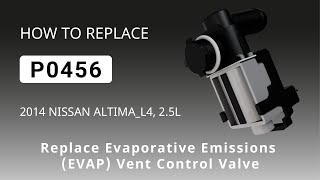
Typical fix: According to the latest Nissan TSB NTB17-082E, the official fix is to replace the entire vent control valve assembly, which includes a new O-ring. Previously, the TSB advised replacing only the O-ring (Part No. 16618-JF00A), but Nissan no longer services this part individually. The replacement involves removing a plastic shield, disconnecting a hose and electrical connector, twisting the old valve out, and installing the new one. 🎬 See this step-by-step vent control valve replacement walkthrough.
Est. part cost: $50-$120 for the complete valve assembly. - Cracked or Disconnected EVAP Hoses 🟡 Medium Probability Over time, the rubber and plastic hoses that make up the EVAP system can become brittle from heat and age, leading to small cracks, especially at connection points.
How to confirm: Visually inspect all accessible EVAP lines running from the fuel tank, to the charcoal canister (near the rear wheel), and to the purge valve in the engine bay. A smoke test is the most effective way to find a cracked hose that isn't obvious.
Typical fix: Replace the cracked section of hose or the entire hose assembly.
Est. part cost: $10-$50 - Faulty EVAP Canister Purge Valve ⚪ Low Probability The purge valve (or purge solenoid), typically located in the engine bay, can fail by getting stuck slightly open, creating a leak. While less common than the vent valve for this specific code on Nissans, it is a possible cause.
How to confirm: With the engine off, the valve should be closed. You can test this by removing the valve and trying to blow through it; no air should pass. A scan tool can also be used to command the valve to open and close to check for an audible click.
Typical fix: Replace the purge valve. This part is typically easy to access in the engine compartment.
Est. part cost: $40-$100
Rare But Worth Checking
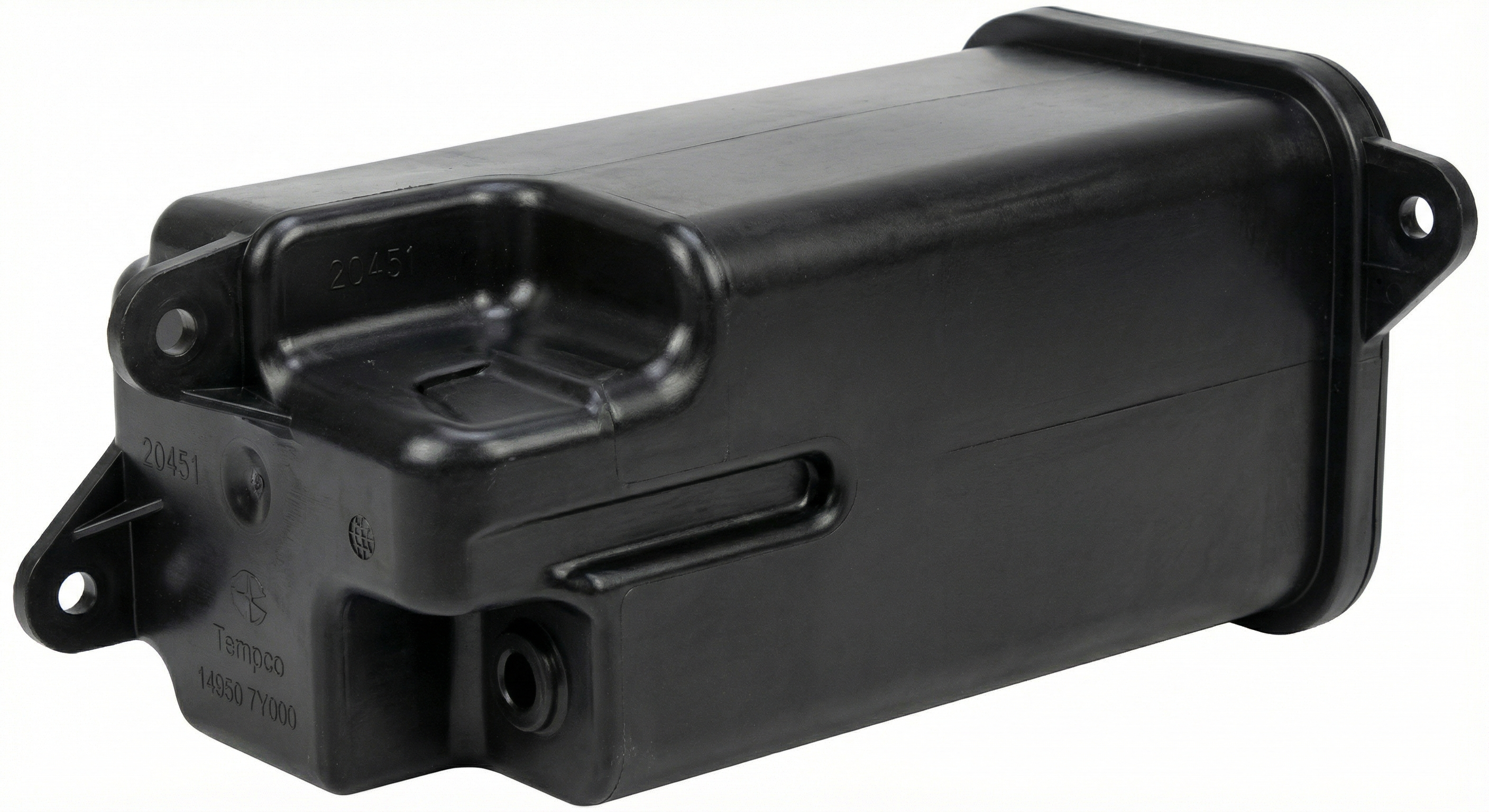
- Cracked Charcoal Canister: A physical impact from road debris can crack the plastic housing of the charcoal canister, causing a leak. This is usually accompanied by a larger leak code (P0455) but can start as a small one.
- Leaking Fuel Tank Pressure Sensor: The sensor that monitors system pressure can develop a leak at its seal, though this is uncommon. A failing sensor can also send incorrect data to the computer.
- Burnt Pin on Fuel Pump Assembly: A rare but documented issue on some Nissans involves a pin on the fuel pump electrical connector shorting out or burning, which can unexpectedly trigger a P0456 code after other common parts have been replaced. This can be checked by removing the rear seat cushion to access the fuel pump cover.
Diagnosis Steps
- Read the code with an OBD-II scanner to confirm P0456 is present.
- Inspect the gas cap. Remove it, check the seal for cracks or debris, and retighten it until it clicks at least three times. 🎬 Watch: How to quickly check and fix this common code.
- Clear the code using the scanner and drive the vehicle for a few days. The EVAP monitor runs under specific conditions (e.g., certain fuel level, ambient temperature), so it may take time for the light to return.
- If the code returns, purchase and install an OEM Nissan gas cap. Many owners report this as a necessary step even if the old cap appears fine.
- If the code persists, the next step is to inspect the EVAP canister vent control valve, located near the driver's side rear tire, for any obvious cracks or damage.
- Perform a definitive test. The most reliable method is a smoke test, which will reveal the leak's exact location. Pay close attention to the area where the vent control valve mounts to the canister.
- If a smoke machine is not available, you can remove the vent control valve and test its solenoid. Apply 12V power to its two pins; you should hear a solid 'click'. If there is no click, the valve is faulty and must be replaced.
- Based on the test results, replace the faulty component. Given the TSBs, the vent control valve assembly is the most likely part to fail after the gas cap.
Parts You'll Likely Need
- Fuel Filler Cap
(OEM #17251-ZX60A)— This is the most common and easiest fix. The original cap's seal wears out, causing a leak. An OEM cap is strongly recommended for a perfect fit.
Trusted brands: Nissan (OEM)
OEM price range: $25-$40
Aftermarket price range: $15-$25 - EVAP Canister Vent Control Valve
(OEM #14935-JF02C)— This is the second most common failure. The valve's internal solenoid fails or its integrated O-ring cracks. Per TSB NTB17-082E, this part should be replaced as an assembly. It is located on the charcoal canister.
Trusted brands: Nissan (OEM), Bosch, Dorman (911-502), Hitachi
OEM price range: $90-$150
Aftermarket price range: $50-$100 - EVAP Canister Vent Control Valve O-Ring
(OEM #16618-JF00A)— This specific O-ring was identified by Nissan in early TSBs as the primary cause of P0456. However, Nissan has since superseded the repair to replacing the entire valve assembly, and this O-ring is no longer serviced individually according to the latest bulletins and parts catalogs.
Related Codes That Often Appear With This One
- P0442 — This code indicates a 'medium' EVAP leak. A small leak (P0456) can worsen over time and trigger the P0442 code, or the computer may detect a leak on the borderline between 'very small' and 'small'.
- P0455 — This code indicates a 'large' EVAP leak. It can appear with P0456 if the system has multiple leaks or if a component like the vent valve is failing intermittently, sometimes staying wide open.
Technical Service Bulletins (TSBs) & Recalls
- NTB17-082E: DTC P0456 CAUSED BY EVAP LEAK AT VENT CONTROL VALVE O-RING
- NTB13-097J: EVAP LEAK DTC P0442, P0455, P0456 INFORMATION
Platform-Specific Known Issues
- Nissan Technical Service Bulletin NTB17-082E is the key document for this issue. The latest version, updated in 2022, applies to all 2008 and newer Nissan vehicles. It confirms that if the gas cap is not the cause, the leak is likely where the vent control valve mounts to the canister. The bulletin's action is to 'Replace the vent control valve as an assembly,' noting that the O-ring is no longer available as a separate service part.
- Older versions of the TSB (like NTB17-082a and NTB17-082b) instructed technicians *not* to replace the valve, but only the O-ring (Part No. 16618-JF00A). This change in official procedure is important for owners to be aware of.
Mechanic-Grade Diagnostic Values
- EVAP Vent Control Valve Solenoid Resistance — expected: 20 - 50 ohms. Failure: An open circuit (infinite resistance) or a reading far outside the expected range indicates a bad solenoid coil.
- EVAP Vent Control Valve Connector Voltage — expected: 12V on one pin with key on, engine off.. Failure: No voltage indicates a wiring or fuse issue upstream of the valve.
- EVAP Fuel Tank Pressure (FTP) Sensor Voltage — expected: Approximately 1.5V at atmospheric pressure (system open/vented). Voltage should decrease as vacuum is applied.. Failure: Voltage that is stuck high or low, or does not change when the system is sealed and vacuum is applied, may indicate a faulty sensor.
Scan Tool Commands That Help
- Nissan CONSULT-III plus: Active Test - Close Vent Control Valve — Used to manually close the normally-open vent valve to seal the EVAP system for a leak test, either with a smoke machine or by monitoring pressure decay. This is a critical step to confirm a repair or isolate a leak.
- Advanced Bi-Directional Scan Tool (e.g., Autel, Snap-on): EVAP System Test / Purge & Seal — This automated test commands the purge and vent valves to seal the system and applies engine vacuum, while monitoring the fuel tank pressure sensor to check for a leak. It's a fast way to verify if a leak is present without leaving the driver's seat.
Wiring & Ground Locations
- EVAP Canister Vent Control Valve — Below the center rear of the vehicle, mounted on or near the charcoal canister, typically on the driver's side.. This is the location of the most common failing part (after the gas cap) for this code. Physical inspection and testing occur here.
- ECM (Engine Control Module) — In the engine compartment, on the left (driver's) side.. The ECM controls the EVAP valves and monitors the pressure sensor. All related wiring originates from or terminates at the ECM.
- Ground Point E9 — Lower left side of the engine compartment.. A poor ground connection for the ECM or related components can cause erratic sensor readings or actuator behavior, potentially leading to false codes.
- EVAP Canister Purge Valve — In the engine bay, on the intake manifold near the throttle body.. This is another potential leak point, though less common for P0456 on this vehicle. It's easily accessible for testing.
Real Owner Repair Stories
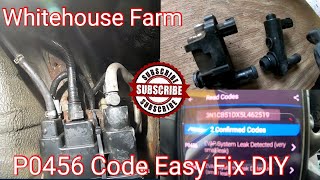
- YouTube channel 'WHITEHOUSE FARM' (Nissan vehicle, likely a Versa but with a nearly identical EVAP system and P0456 code.) — Sporadic check engine light with code P0456.
❌ Tried (didn't work) The owner was aware the gas cap is a common issue but proceeded to the next likely cause.
✅ What actually fixed it The vapor canister vent valve was replaced. The owner noted the new part was a slightly different design but fit correctly. After replacement and a test drive, the light did not return immediately, with the owner hopeful it was the final fix. - YouTube channel 'Maic Salazar Diagnostics' (2013 Nissan Altima) — Check engine light with code P0456, noticeable fuel smell near the rear of the car.
❌ Tried (didn't work) The mechanic first tested the purge valve in the engine bay using a power probe and smoke machine, confirming it was working correctly and not the source of the leak.
✅ What actually fixed it The diagnosis pointed directly to the EVAP canister vent valve at the rear of the car as the source of the leak and fuel smell. The video details the location and testing procedure, implying its replacement is the required fix.
"I Checked Everything" — The Actual Cause
- In some cases, a vehicle can pass a smoke test but still set a P0456 code. This can happen if the charcoal canister has failed internally, which a smoke test will not detect.
- A P0456 code can be triggered by a software glitch in the Powertrain Control Module (PCM) that causes it to misinterpret data from the EVAP system. In this scenario, there is no physical leak to be found. The fix is a PCM software update or re-flash, a procedure that must be done by a dealer or a properly equipped shop.
OEM Part Supersession History
14935-JF00A→14935-JF02C— The part has undergone multiple revisions by Nissan to improve reliability and address the common failure modes that cause EVAP codes.
Heads up: The current part number, 14935-JF02C, replaces all previous versions including 14935-JF00B, 14935-JF00C, 14935-JF00D, 14935-JF00E, 14935-JF01B, and 14935-JF01C. All previous versions are obsolete.
Model Year Variations Within This Range
- 2007-2012 (L32) vs 2013-2014 (L33): The 2013 model year marked the start of the L33 generation, featuring a complete redesign of the body and interior. However, the powertrain options (2.5L 4-cylinder and 3.5L V6) and the fundamental design of the EVAP system remained very similar. The location of the vent control valve ('below center rear of vehicle') and purge valve ('on intake manifold') are consistent across these years. The TSBs for the P0456 O-ring leak apply to both generations, indicating the root cause is the same.
Helpful Videos
Used OEM Parts in Stock
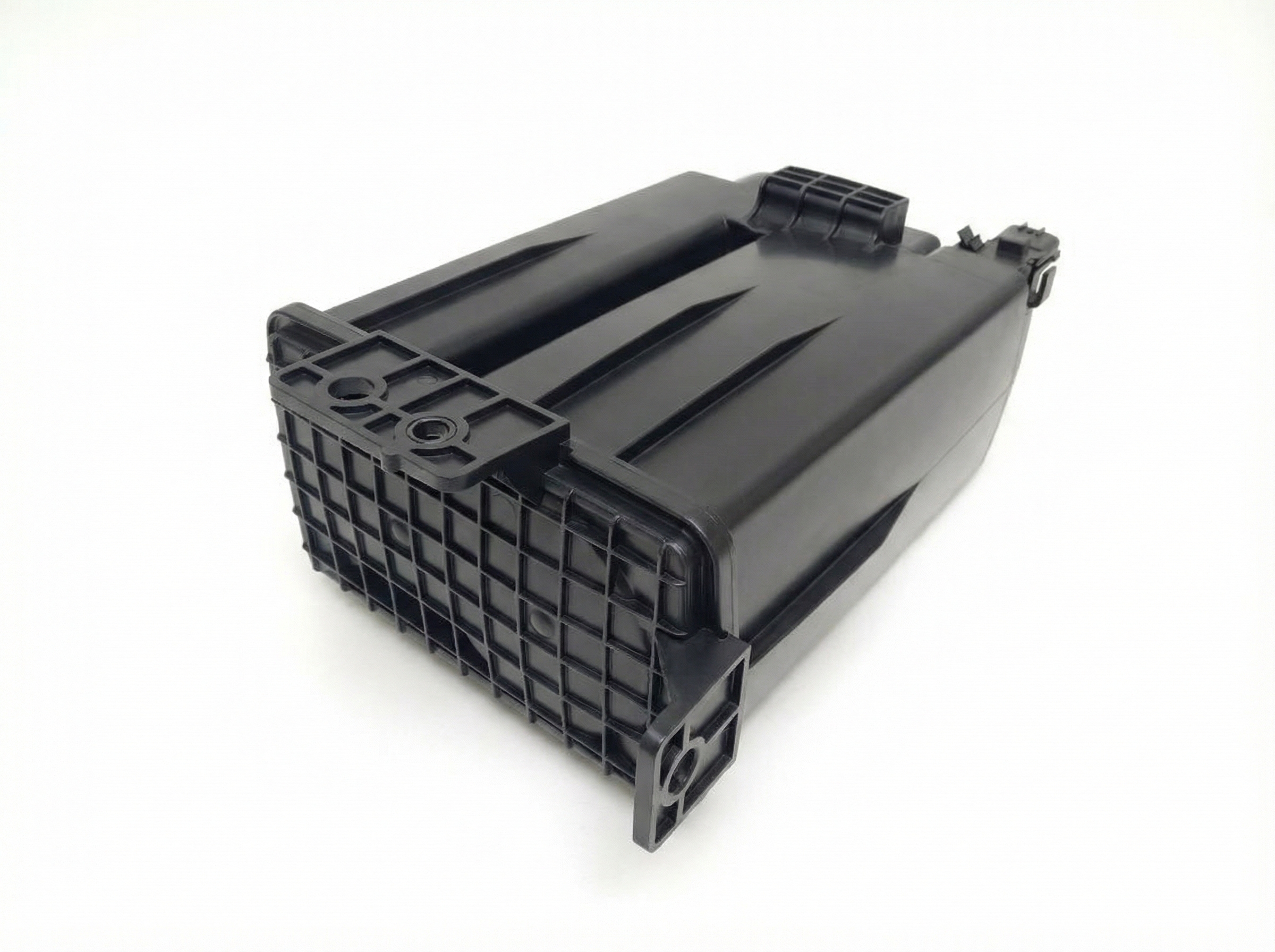
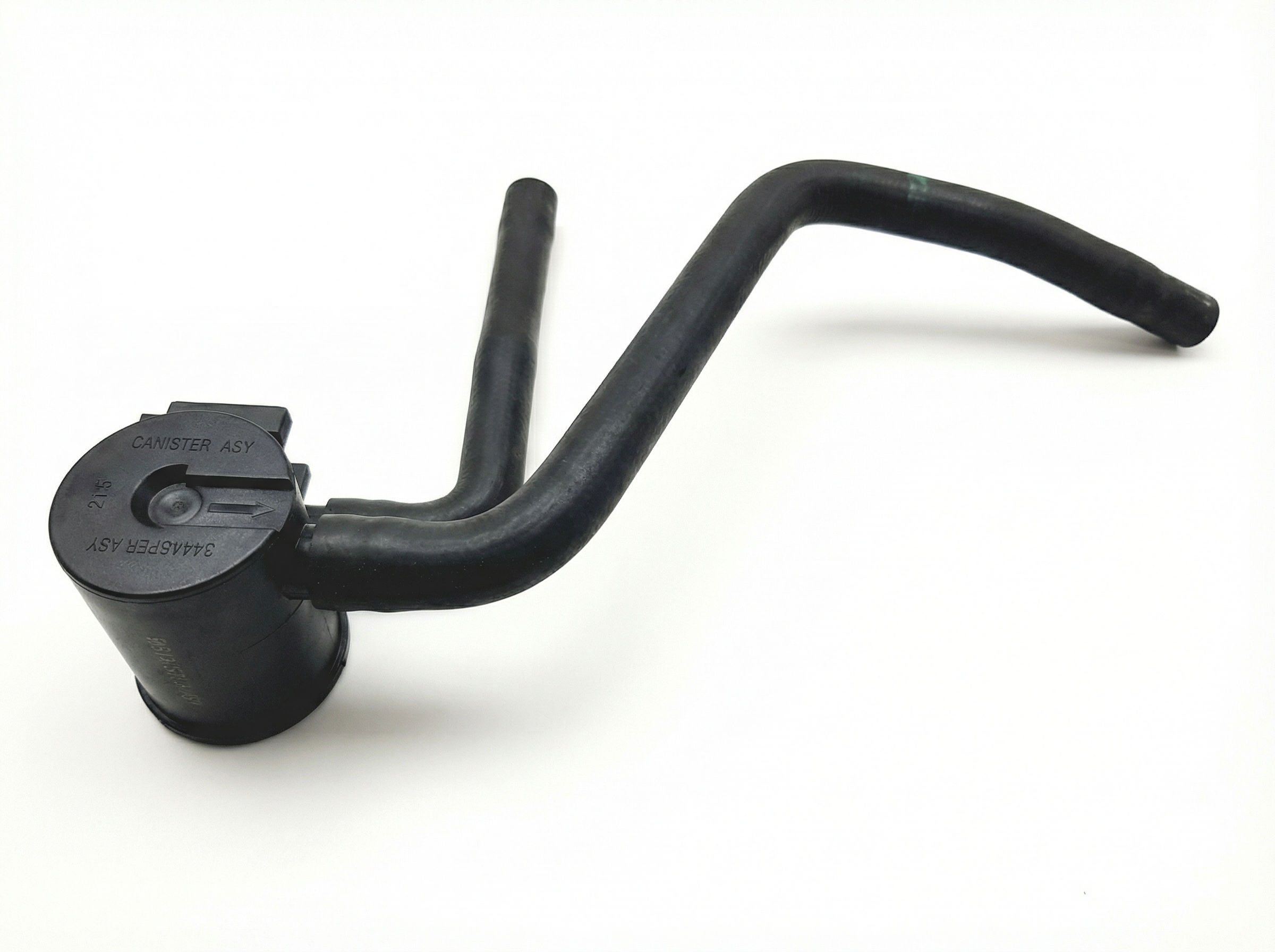
New Aftermarket Parts Available

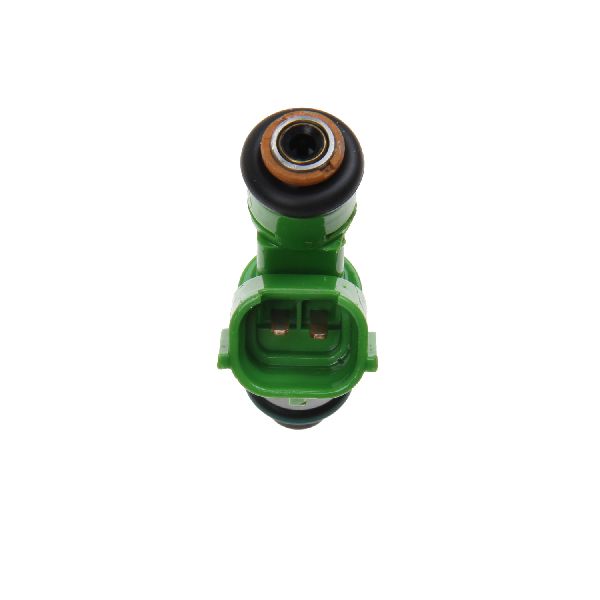
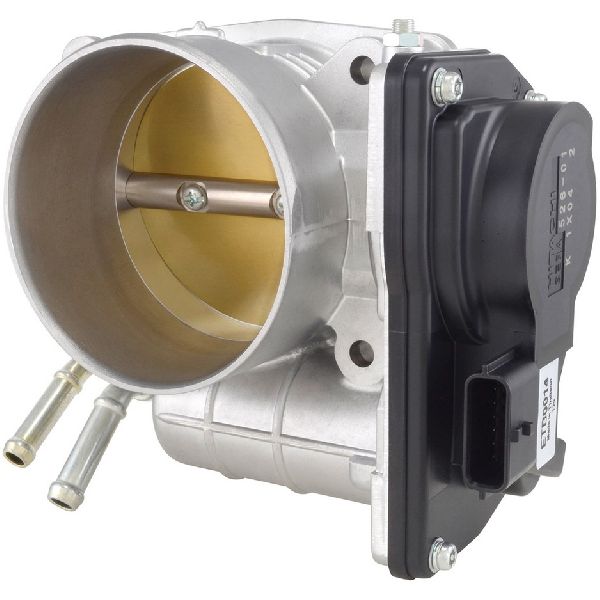

The information in this article is provided for general reference and educational purposes only. Vehicle specifications, procedures, and part compatibility can vary by production date, trim level, and region. Always consult your vehicle's factory service manual and verify part numbers before purchasing or performing repairs. Safety-critical components such as airbags, seat belts, and braking systems should be installed by a qualified professional.
- Nissan ALTIMA:
- 🎬 Helpful Videos
- 🛍️ Shop This Part
- What's Unique About the 2007-2014 Nissan ALTIMA
- Diagnostic Flowchart
- Symptoms You May Notice
- Most Likely Causes
- Rare But Worth Checking
- Diagnosis Steps
- Parts You'll Likely Need
- Related Codes That Often Appear With This One
- Technical Service Bulletins (TSBs) & Recalls
- Platform-Specific Known Issues
- Mechanic-Grade Diagnostic Values
- Scan Tool Commands That Help
- Wiring & Ground Locations
- Real Owner Repair Stories
- "I Checked Everything" — The Actual Cause
- OEM Part Supersession History
- Model Year Variations Within This Range
- 🎟️ Get 5% Off