

P0456 on 2004-2011 Mazda MAZDA3: Causes and Fixes for a Very Small EVAP Leak
For a 2004-2011 Mazda3, the P0456 code is most often caused by a loose or faulty gas cap. Before buying any parts, tighten your gas cap until it clicks multiple times, clear the code, and drive. If it returns, a new OEM gas cap costs around $20-$40 and is the most likely fix. If the cap doesn't solve it, the next most common culprit is the purge valve solenoid in the engine bay.
- P0456 on a 2004-2011 Mazda3 almost always points to a very small leak in the emissions system.
- The most likely cause is a loose or faulty gas cap. Always check, tighten, and if necessary, replace the gas cap before attempting other repairs.
- Using an OEM (original equipment manufacturer) gas cap is strongly recommended for a reliable seal.
- If a new gas cap doesn't solve the issue, the next most common causes are a bad purge valve or a cracked EVAP hose.
- A smoke test is the most effective way for a mechanic to accurately find the source of the leak if it's not the gas cap.
What's Unique About the 2004-2011 Mazda MAZDA3

On this specific generation of Mazda3, the P0456 code is so frequently caused by an improperly tightened or worn gas cap that Mazda has released multiple Technical Service Bulletins (TSBs) to address it. The bulletins explain that customers often don't turn the cap enough to create a proper seal, leading the system to flag a small leak. While other parts can fail, the gas cap is the first and most probable cause by a significant margin, a pattern also seen on its platform mates like the Ford Focus and Volvo S40.
Diagnostic Flowchart

Tap your situation to follow the diagnostic path that matches what you're seeing on this vehicle.
Generation note: The 2004-2011 year range covers two Mazda3 generations: the first generation (BK, 2004-2009) and the beginning of the second generation (BL, 2010-2013). While the P0456 code's meaning is the same, some EVAP system parts, like the purge solenoid, may have different part numbers and locations between these generations. The second generation (BL) is noted for having less reliance on shared Ford components. Always verify the part number for your specific model year and engine (e.g., 2.0L, 2.3L, 2.5L) before purchasing.
Symptoms You May Notice
- Check Engine Light is on
- A faint fuel smell near the rear of the car (uncommon)
- Slight decrease in fuel economy over time (uncommon)
- Replacing the purge valve or charcoal canister before checking or replacing the gas cap. Always start with the simplest and most likely cause.
- Assuming a negative smoke test means there are no leaks. A very small or intermittent leak may not show up easily, and a faulty valve (purge or vent) that fails only when commanded by the PCM can also be the cause.
Most Likely Causes


- Loose or Worn Gas Cap 🔴 High Probability Mazda TSBs #01-005-19-3548 and #01-008-15-3045 state this is the most likely cause, often due to the driver not tightening the cap sufficiently after refueling. The rubber O-ring seal can also crack and degrade over time.
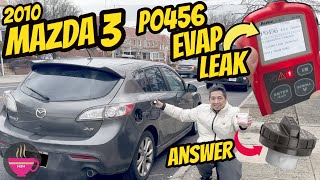
How to confirm: Ensure the gas cap is tightened until it clicks several times. Clear the code. If it returns, inspect the cap's rubber seal for cracks or damage. A replacement is inexpensive. 🎬 Watch this walkthrough on diagnosing a P0456 leak on a Mazda3. Some owners have temporarily confirmed a sealing issue by wrapping a plastic bag around the cap threads before tightening, which made the code disappear for a short time.
Typical fix: Replace the gas cap. It is highly recommended to use an OEM cap from Mazda, as some aftermarket caps may not seal correctly, a recurring theme in owner forums.
Est. part cost: $20-$40 - Faulty Vapor Canister Purge Valve (Solenoid) 🟡 Medium Probability This solenoid is in the engine bay and cycles frequently, leading to eventual failure. It can get stuck open, creating a constant small leak path that the system detects during self-test.
How to confirm: With the engine off, disconnect the valve and attempt to blow through it; it should be closed and not allow air to pass. You can also test it by applying 12V power to its terminals; it should click open. A smoke test will show smoke entering the intake manifold if the valve is stuck open.
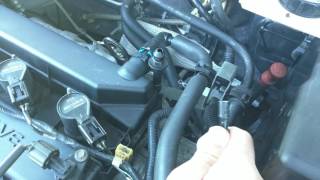
Typical fix: Replace the purge valve solenoid. This is a relatively simple replacement, typically held by one or two bolts and connected by two hoses and an electrical connector. 🎬 See how to replace the purge control valve yourself.
Est. part cost: $50-$90 - Cracked or Disconnected EVAP Hoses 🟡 Medium Probability The rubber and plastic hoses in the EVAP system become brittle with age and exposure to engine heat and under-car elements, leading to cracks. This is a common failure point on many vehicles over 10 years old.
How to confirm: A smoke test is the most effective method. A technician injects pressurized smoke into the EVAP system service port; smoke will visibly escape from any cracks or loose connections. Visual inspection can sometimes find obvious cracks, especially on hoses in the engine bay near the purge valve.
Typical fix: Replace the specific section of cracked hose. In some cases, a specially formed hose from the dealer is required.
Est. part cost: $10-$50 - Faulty Canister Vent Valve (Solenoid) ⚪ Low Probability Located near the charcoal canister at the rear of the car, this valve can fail to close properly when the system runs its self-test, causing a leak to be detected. It is exposed to road debris and moisture, which can lead to failure.
How to confirm: A scan tool can command the valve to close during a smoke test. If smoke escapes from the vent valve, it has failed. This valve is normally open and closes only during the EVAP test. It can also be bench-tested by applying 12V and checking if it closes and holds air.
Typical fix: Replace the canister vent valve. It is sometimes sold as an assembly with the charcoal canister.
Est. part cost: $40-$100 - Cracked Charcoal Canister ⚪ Low Probability The plastic housing of the canister can develop hairline cracks from age or physical impact from road debris. Overfilling the fuel tank can also saturate the charcoal media, leading to component failure.
How to confirm: During a smoke test, smoke will be seen leaking directly from the body of the charcoal canister.
Typical fix: Replace the charcoal canister. On the Mazda3, this part is located above the rear subframe, making replacement labor-intensive.
Est. part cost: $150-$250
Rare But Worth Checking
- Rusted Fuel Filler Neck: In regions where road salt is used, the metal fuel filler neck can rust through, creating small pinhole leaks. A smoke test is the best way to confirm this, as smoke will emerge from the filler neck area behind the wheel well liner.
- Deteriorated EVAP Hose Above Rear Subframe: A specific shaped rubber EVAP hose (Mazda P/N: BFD1-42-23X for SkyActiv models) located above the rear suspension is a known failure point. It cracks at the connection points but is very difficult to see without lowering the subframe. A smoke test may be the only way to identify it. One owner reported this as the fix after replacing the gas cap and purge valve failed to solve the code.
Diagnosis Steps
- Read the code with an OBD-II scanner to confirm P0456 is present.
- Check the gas cap. Remove it, inspect the seal for cracks, and reinstall it, turning it until you hear at least three clicks.
- Clear the trouble code with the scanner.
- Drive the vehicle for a few days to allow the EVAP monitor to run its self-test. The test often runs under specific conditions (e.g., fuel tank between 15-85% full, stable ambient temperature).
- If the code returns, replace the gas cap with a new OEM part. Clear the code and drive again.
- If the code persists, perform a visual inspection of all accessible EVAP hoses in the engine bay for obvious cracks or disconnections, particularly around the purge solenoid.
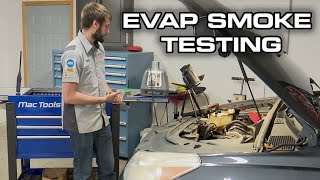
- The next step is a professional smoke test. This involves injecting pressurized, UV-dyed smoke into the EVAP system to pinpoint the exact location of the leak. 🎬 Watch: How to perform a professional EVAP smoke test. This is the most reliable way to find leaks in hoses, valves, the canister, or the fuel tank.
- Based on the smoke test results, replace the faulty component (e.g., purge valve, vent valve, hose, or canister). If the smoke test is negative, the purge valve and vent valve should be tested for correct electrical and mechanical operation.
Parts You'll Likely Need
- Fuel Tank Cap — This is the most common cause of P0456 on this vehicle, as confirmed by multiple Mazda TSBs and extensive owner reports.
Trusted brands: Mazda (OEM)
OEM price range: $20-$40
Aftermarket price range: $15-$30 - Vapor Canister Purge Valve / Solenoid
(OEM #LF15-18-741 (2004-2009), L518-18-741 (2010-2013 2.3L/2.5L), LF3T-18-741 (2010-2013 2.0L/2.5L))— A common failure item that gets stuck open, causing a persistent small leak. Often the second part to be replaced after the gas cap.
Trusted brands: Mazda (OEM), Dorman, Standard Motor Products
OEM price range: $75-$95
Aftermarket price range: $40-$70 - Charcoal Canister
(OEM #BBM4-42-700E (2010-2013), GRM1-42-700 (2004-2009))— Less common, but the plastic body can crack with age or impact. Replacement is difficult due to its location above the rear subframe.
Related Codes That Often Appear With This One
- P0442 — P0442 indicates a 'small leak detected,' while P0456 indicates a 'very small leak.' They point to the same type of failure, just of a different magnitude. A leak may worsen over time, causing the code to change from P0456 to P0442.
- P0455 — P0455 indicates a 'gross leak detected.' This can occur if a component fails completely, such as a hose becoming disconnected or leaving the gas cap off entirely.
Technical Service Bulletins (TSBs) & Recalls
- 01-005-19-3548: Check Engine Light on with DTC P0456, noting the likely cause is an improperly closed fuel cap.
- 01-002-18-3417: Provides a detailed procedure for determining the location of EVAP leaks for codes P0441, P0442, P0455, or P0456.
- 01-008-15-3045: Re-issuing of the fuel cap warning for P0456, emphasizing it as the most likely cause.
Platform-Specific Known Issues
- Mazda TSB 01-005/19 specifically notes for 2011-2013 models that the fuel cap must be turned at least 80 degrees to seal properly, and that stopping short of this can cause a P0456 code.
- TSB 01-002/18 provides a detailed diagnostic procedure for dealers to follow when troubleshooting various EVAP leak codes, including P0456, on 2004-2010 models, highlighting how common this diagnostic challenge is.
- Owners of models from salt-belt regions should pay close attention to the fuel filler neck, as rust perforation is a known, albeit less common, cause for this code that won't be fixed by replacing other EVAP components.
Mechanic-Grade Diagnostic Values
- Vapor Canister Purge Valve Solenoid Resistance — expected: 30 to 38 ohms (when engine is cool). Failure: A reading significantly outside this range, or an open/short circuit, indicates a faulty solenoid coil.
- Vapor Canister Vent Valve Solenoid Resistance — expected: 20 to 30 ohms. Failure: A reading outside this range suggests the solenoid winding is damaged.
- Mode $06, Test ID $3A (Evaporative System Leak Test - 0.020") — expected: The measured value should be below the maximum threshold set by the manufacturer.. Failure: If the scan tool shows this test has failed or the value exceeds the maximum limit, it confirms the leak that triggers P0456.
- Purge Valve Connector Voltage — expected: With the key on, engine off, one pin should have 12V (battery voltage) and the other should have no voltage.. Failure: Missing 12V power points to a wiring or fuse issue. The other wire is a pulsed ground from the PCM during operation.
Hidden / Shadow Codes Worth Checking
- Mode $06 Test ID $3A: This is not a DTC, but a raw data monitor for the 'very small leak' (0.020") test. A failure of this specific monitor directly corresponds to the P0456 code being set. It allows a technician to see the results of the self-test without waiting for the check engine light. (see via A professional scan tool or an advanced DIY tool (like FORScan) that can display Mode $06 data.)
Scan Tool Commands That Help
- Mazda IDS (or FORScan): EVAP System Leak Test — This is a guided, bidirectional test used by dealers to diagnose the EVAP system. The tool commands the vent valve closed and modulates the purge valve to seal the system, then monitors the fuel tank pressure sensor for decay. It's the most precise way to confirm a leak and test valve function without manual testing.
- Mazda IDS (or FORScan): Active Command - Canister Vent (CV) Solenoid — Used during a smoke test to command the normally-open vent valve to close. If smoke still escapes from the vent filter after the command, the valve is faulty and needs replacement.
- Mazda IDS (or FORScan): Active Command - Purge Solenoid Valve — Used to test if the purge valve is stuck. With the engine running, commanding the valve open should cause a change in short-term fuel trim and O2 sensor readings. If there's no change, the valve or its flow path is blocked.
Wiring & Ground Locations
- G12 — Below the center console (for 2004 models).. This is a primary ground point for several interior and engine-related electronic modules. A poor connection here could cause erratic behavior in the PCM, which controls the EVAP solenoids.
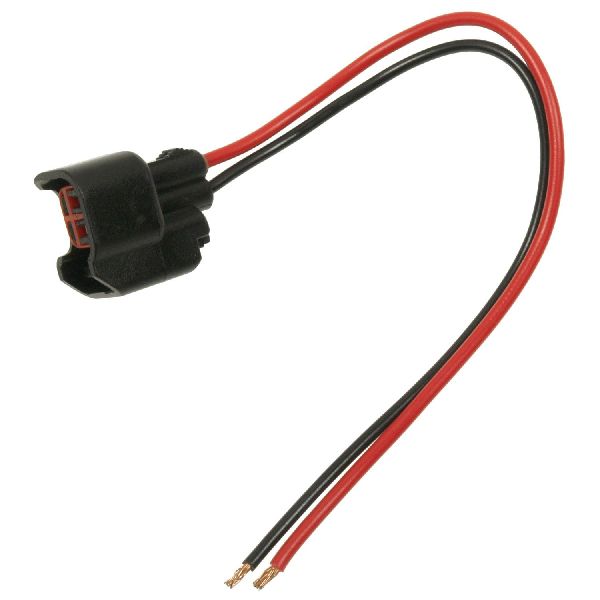
- Purge Valve Connector — On the purge valve solenoid, located in the engine bay near the intake manifold.. This 2-pin connector provides power and control to the purge valve. One pin receives 12V power with the key on, and the other is the control line (pulsed ground) from the PCM. Testing for voltage here is a key step in diagnosing a non-responsive valve.
Real Owner Repair Stories
- Reddit user in r/mazda3 (2012 Mazda 3 SkyActiv) — Persistent P0456 code.
❌ Tried (didn't work) Replacing gas cap, Replacing purge valve solenoid
✅ What actually fixed it A low-pressure smoke test revealed a cracked and deteriorating shaped rubber EVAP hose located above the rear subframe. The part number was BFD1-42-23X. The fix required lowering the rear suspension for access. - Reddit user in r/mazda3 (2014 Mazda 3 (similar EVAP design)) — P0456 code on and off for 18 months.
❌ Tried (didn't work) Replacing the gas cap with an OEM part, Clearing the code repeatedly
✅ What actually fixed it After a dealership diagnosis, the cause was found to be cracks in the EVAP hose near the fuel tank. The hose replacement cost $620 and permanently solved the code. - Reddit user in r/AskMechanics (2012 Mazda 3, 70,000 miles) — P0456 code recurring for 2 years.
❌ Tried (didn't work) Replacing gas cap 3 times (aftermarket and OEM), Replacing purge valve twice, Smoke test that showed no leaks
✅ What actually fixed it The user never posted a final confirmed repair, but noted that temporarily wrapping a plastic bag around the gas cap threads made the code go away for a month, strongly suggesting a poor seal at the filler neck-to-cap interface, even with a new OEM cap. This points towards a potentially warped filler neck opening or a design tolerance issue.
"I Checked Everything" — The Actual Cause
- A user on Reddit reported a persistent P0456 on their 2012 Mazda3 despite a shop performing a smoke test and finding no leaks. The issue would temporarily disappear after replacing the gas cap or lubricating the seal, but always returned. This suggests an intermittent failure, most likely a solenoid (purge or vent) that tests fine when static but fails under specific operating conditions (temperature, vibration), or a hairline crack that only opens under vacuum.
When the Usual Fixes Don't Work
- While the gas cap and purge valve are the most common fixes, numerous owner stories show these parts being replaced without solving the P0456 code. In these cases, the actual cause was often a much harder-to-find issue, such as a cracked, pre-formed EVAP hose above the rear subframe or a rusted fuel filler neck. These repairs are significantly more labor-intensive and expensive, and almost always require a smoke test to diagnose, underscoring that firing the 'parts cannon' at the most common causes can be a waste of time and money.
OEM Part Supersession History
LF15-18-741→LF15-18-741 is often the base number, but may have revisions. No direct supersession to a different number was found, but it's crucial to order by VIN.— N/A
Heads up: This part number is listed for 2.0L (non-Skyactiv) and 2.5L engines in the 2004-2013 range. However, other part numbers exist for different engine/year combinations. Always verify with a VIN as there are multiple purge valves that look similar but are not interchangeable.
Model Year Variations Within This Range
- 2004-2009 (BK Generation): This generation was heavily based on the Ford C1 platform. Many EVAP components may be shared with or similar to the Ford Focus and Volvo S40 of the same era. Rust issues, including on the fuel filler neck, are noted as more common on this generation.
- 2010-2011 (BL Generation): The BL generation began a shift away from Ford-shared components. The charcoal canister and vent solenoid assembly is located above the rear subframe and is notoriously difficult to access, often requiring the subframe to be lowered for replacement. Part numbers for components like the purge valve changed from the BK generation.
Helpful Videos
Used OEM Parts in Stock


New Aftermarket Parts Available


The information in this article is provided for general reference and educational purposes only. Vehicle specifications, procedures, and part compatibility can vary by production date, trim level, and region. Always consult your vehicle's factory service manual and verify part numbers before purchasing or performing repairs. Safety-critical components such as airbags, seat belts, and braking systems should be installed by a qualified professional.
- Mazda MAZDA3:
- 🎬 Helpful Videos
- 🛍️ Shop This Part
- What's Unique About the 2004-2011 Mazda MAZDA3
- Diagnostic Flowchart
- Symptoms You May Notice
- Most Likely Causes
- Rare But Worth Checking
- Diagnosis Steps
- Parts You'll Likely Need
- Related Codes That Often Appear With This One
- Technical Service Bulletins (TSBs) & Recalls
- Platform-Specific Known Issues
- Mechanic-Grade Diagnostic Values
- Hidden / Shadow Codes Worth Checking
- Scan Tool Commands That Help
- Wiring & Ground Locations
- Real Owner Repair Stories
- "I Checked Everything" — The Actual Cause
- When the Usual Fixes Don't Work
- OEM Part Supersession History
- Model Year Variations Within This Range
- 🎟️ Get 5% Off