

P0456 on 2007-2014 Mazda CX-9: EVAP Small Leak Causes and Fixes
For a 2007-2014 Mazda CX-9, the P0456 code is almost always caused by a loose or faulty gas cap. Before buying any parts, tighten the cap until it clicks multiple times, clear the code, and drive for a few days. If that fails, the purge solenoid valve is the next most common culprit.
- P0456 on your CX-9 means a very small emissions leak has been detected.
- First and foremost, check your gas cap. Tighten it until it clicks multiple times. This resolves the issue in a majority of cases per Mazda's own service bulletins.
- Do not immediately buy parts. Clear the code after tightening the cap and see if it returns after a few days of driving.
- If the code does return, the next most likely culprits are the EVAP purge valve or a cracked hose.
- A professional smoke test is the fastest way to find the leak if it's not the gas cap.
What's Unique About the 2007-2014 Mazda CX-9

The first-generation Mazda CX-9, which uses a Ford-sourced 3.7L V6 engine, is specifically called out in multiple Mazda Technical Service Bulletins (TSBs) for this code. The TSBs state that the most likely cause is not a failed part, but simply the driver not tightening the fuel cap sufficiently after refueling. This indicates a high sensitivity in the CX-9's EVAP monitoring system and a known pattern of owner-induced faults that dealerships were instructed to check for before replacing parts. This issue is also common on its platform mates, the Ford Edge and Lincoln MKX, which share the same engine and similar EVAP components.
Diagnostic Flowchart
Tap your situation to follow the diagnostic path that matches what you're seeing on this vehicle.
Symptoms You May Notice
- Check Engine Light is on
- A faint fuel smell may be noticeable, particularly around the rear of the vehicle after it's been parked.
- In rare cases, difficulty starting the car immediately after refueling can be a symptom if the purge valve is stuck open.
- Replacing the charcoal canister when the problem is just a loose gas cap or a less expensive valve.
- Using a cheap aftermarket gas cap which doesn't seal correctly, leading to a persistent code and unnecessary further diagnosis.
Most Likely Causes

- Loose or Faulty Gas Cap 🔴 High Probability Mazda issued multiple TSBs (01-005-19, 01-008-15, 01-014-14) stating this is the most likely cause, often due to the owner not tightening the cap enough. Forum users frequently report that replacing an aftermarket cap with an OEM one resolved the issue after initial frustration.
How to confirm: Remove and reinstall the gas cap, ensuring it clicks several times. Clear the code with a scanner and drive for a few days to see if the code returns. Inspect the cap's rubber O-ring seal for cracks, stiffness, or damage. An OEM cap is highly recommended over aftermarket options, which are known to cause sealing issues.
Typical fix: Tighten the gas cap correctly. If the seal is worn or damaged, replace the gas cap with a new OEM part (Part No. EG21-42-250Y).
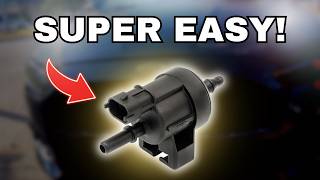
Est. part cost: $25-$45 for OEM - Faulty EVAP Purge Solenoid Valve 🟡 Medium Probability This valve is a very common failure point on the Ford 3.7L Cyclone engine family. It is located in the engine bay, exposed to heat, and can get stuck open, creating a constant small leak. Owners on forums like Reddit and Mazdas247 frequently identify this as the fix after a gas cap replacement fails.
How to confirm: The purge valve is normally closed. With the vehicle off, remove the valve (located on the back of the engine bay, near the firewall). Try to blow through it. If any air passes through, it is stuck open and needs replacement. You can also test it by applying 12V power to its terminals to see if it clicks open and closed.
Typical fix: Replace the purge solenoid valve assembly. While Mazda sells it as a full assembly (CA41-20-370), the valve itself is often the only failed component.
Est. part cost: $160-$220 for OEM assembly, $50-$100 for aftermarket valve/assembly. - Cracked or Disconnected EVAP Hoses ⚪ Low Probability Over time, the rubber and plastic hoses in the EVAP system can become brittle and crack, especially those exposed to engine heat or underbody elements. The connections at the purge valve and canister are common places to check.
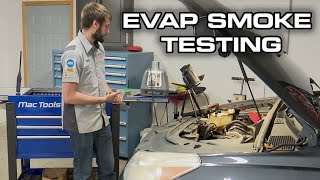
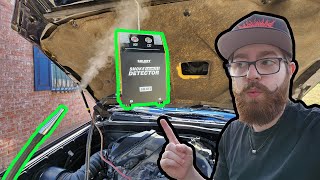
How to confirm: Visually inspect all accessible EVAP lines running from the engine bay to the charcoal canister at the rear of the vehicle. Pay close attention to bends and connection points. A smoke test is the most effective way to find a small, hard-to-see crack 🎬 See how to perform an EVAP smoke test for leaks. or pinhole leak.
Typical fix: Replace the cracked section of hose or re-secure a loose connection.
Est. part cost: $10-$50 - Faulty Canister Vent Solenoid/Valve ⚪ Low Probability This valve, located near the charcoal canister at the rear of the vehicle, can fail and get stuck, preventing the system from sealing properly during its self-test. One owner on a Mazda forum reported this as the cause for their P0456 code after it failed to seal completely.
How to confirm: This valve is normally open and closes when the PCM commands a system test. A scan tool can command it to close for testing. A smoke test will quickly reveal if the valve is not sealing when commanded shut. You can also remove it and apply 12V to see if it actuates.
Typical fix: Replace the vent solenoid.
Est. part cost: $40-$100
Rare But Worth Checking
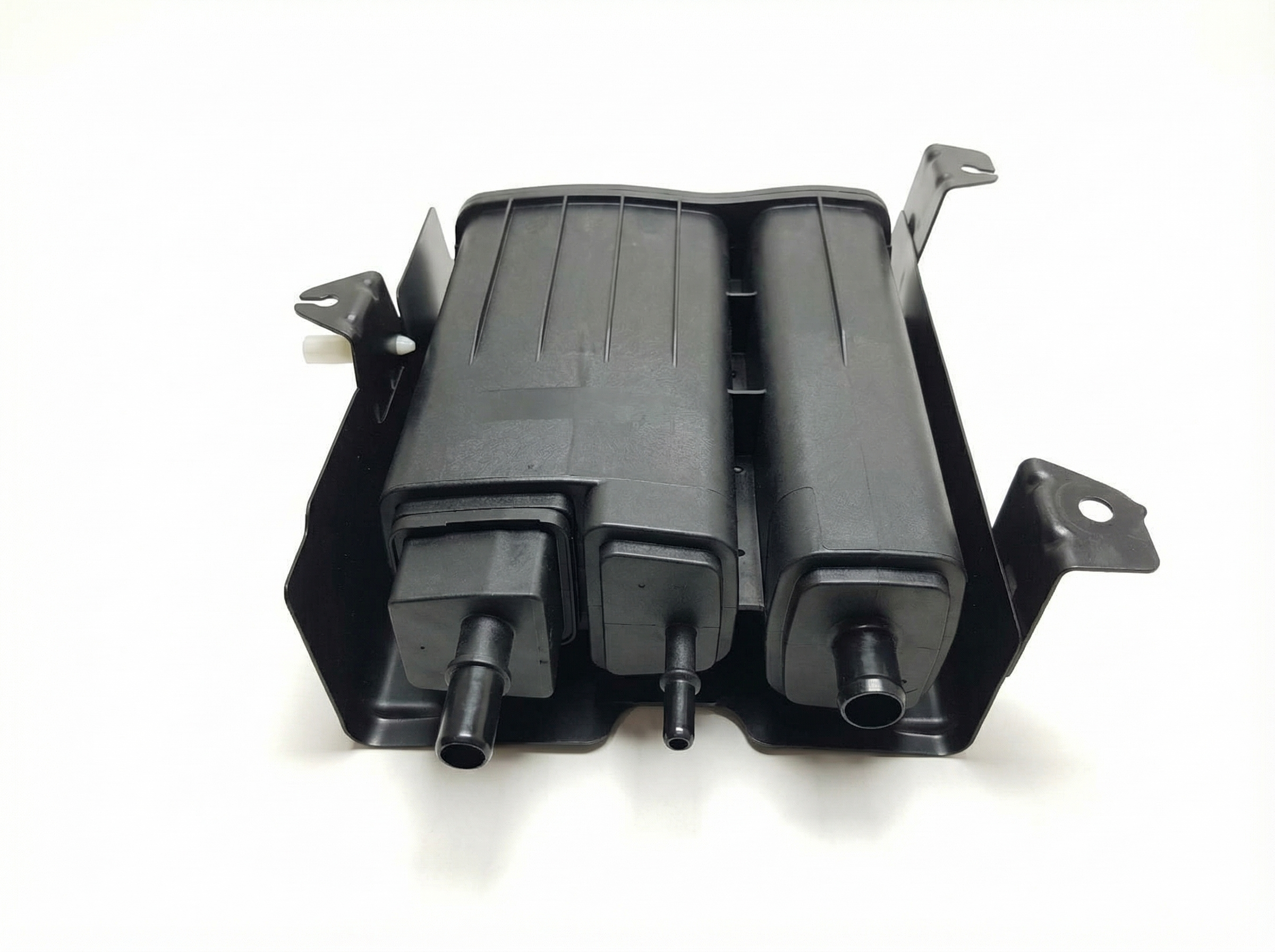
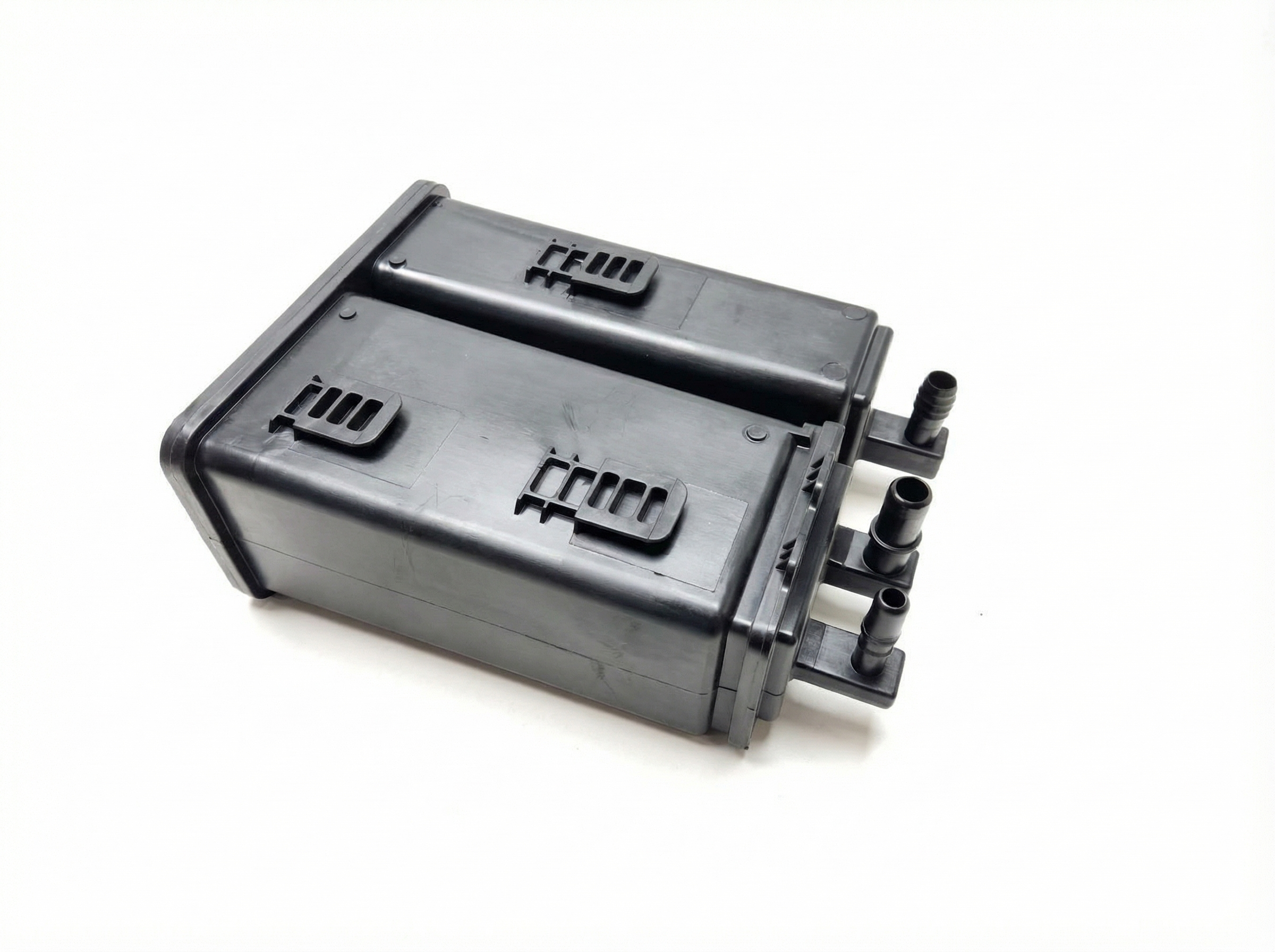
- Cracked Charcoal Canister: The plastic housing of the canister itself can develop small cracks from road debris impact or age, creating a leak. This is usually found with a smoke test after all other components have been checked. The OEM part number for the canister is CY01-13-96ZD.
- Leaking Fuel Filler Neck: Rust or corrosion on the metal pipe leading to the gas tank can create small pinhole leaks, which will trigger a P0456 code. This is more common in regions that use road salt and has been documented on platform-mate vehicles like the Lincoln MKX. 🎬 Watch: Fixing a P0456 leak caused by the filler neck.
Diagnosis Steps

- Read the code with an OBD-II scanner to confirm P0456 is present.
- Check the gas cap. Remove it, inspect the rubber O-ring for cracks or wear, and reinstall it, turning it until it clicks at least three times.
- Clear the code using the scanner.
- Drive the vehicle for several days (multiple drive cycles) to allow the EVAP monitor to run its self-test. The test often runs when the fuel tank is between 1/4 and 3/4 full.
- If the code returns, perform a thorough visual inspection of all accessible EVAP hoses and components in the engine bay (especially around the purge valve) and under the vehicle near the fuel tank and charcoal canister.
- Test the purge solenoid valve. It is located at the rear of the engine bay against the firewall. Disconnect it and try to blow through it; if air passes, it has failed and needs replacement.
- If no obvious issues are found, the most reliable next step is to have a professional perform a smoke test. This involves injecting low-pressure, vaporized smoke into the EVAP system (usually via the service port) to visually pinpoint the source of the small leak.
Parts You'll Likely Need

- Fuel Cap
(OEM #EG21-42-250Y)— Mazda TSBs identify this as the most common cause due to improper tightening or a worn seal. Always use an OEM cap for the best seal.
Trusted brands: Mazda (OEM)
OEM price range: $25-$45
Aftermarket price range: $15-$30 - Vapor Canister Purge Valve / Solenoid
(OEM #CA41-20-370 (Mazda Assembly), K5T46696 (Valve itself))— This is the next most likely component to fail after the gas cap, typically by getting stuck open. It's a known issue on the Ford 3.7L engine platform.
Trusted brands: Mazda (OEM), Dorman, Standard Motor Products
OEM price range: $160-$220
Aftermarket price range: $40-$100
Related Codes That Often Appear With This One
- P0455 — This indicates a large EVAP leak. If a component fails catastrophically (e.g., a hose disconnects completely or the purge valve sticks wide open), you might see this code instead of or along with P0456.
- P0457 — This code specifically means 'EVAP System Leak Detected (Fuel Cap Loose/Off)'. It's a more direct pointer to the gas cap than P0456, but a faulty cap can sometimes trigger either code depending on the severity of the leak detected.
Technical Service Bulletins (TSBs) & Recalls
- 01-005-19: Check Engine Light on with DTC P0456, noting the likely cause is an improperly closed fuel cap. This TSB supersedes several earlier versions and applies to a wide range of Mazda vehicles, including the 2007-2019 CX-9.
- 01-008-15-3045: Superseded bulletin, also pointing to the fuel cap as the primary cause for P0456 on the CX-9.
- 01-014-14-2932: An earlier superseded bulletin with the same diagnosis, highlighting the fuel cap as the most likely culprit.
Platform-Specific Known Issues
- Mazda has issued multiple Technical Service Bulletins (including 01-005-19) for the 2007-2014 CX-9 regarding code P0456. These bulletins explicitly state that the most probable cause is the fuel cap not being completely sealed by the customer after refueling and advise technicians to confirm this before replacing any parts. The bulletin notes that a repair for a loose cap is not a warrantable issue.
Mechanic-Grade Diagnostic Values
- Fuel Tank Pressure (FTP) Sensor Voltage — expected: Approximately 1.3V to 1.7V with the system sealed and at atmospheric pressure. The ideal value is often cited as 1.5V.. Failure: A reading stuck high (near 5V) or low (near 0.3V) can indicate a faulty sensor or a wiring issue.
- Purge Solenoid Valve Coil Resistance — expected: Generally between 22 and 30 ohms.. Failure: A reading outside of this range, particularly an open circuit (infinite resistance), indicates a failed solenoid coil.
Scan Tool Commands That Help
- Mazda IDS / M-MDS or equivalent professional scanner: EVAP System Leak Test — This is a guided test that commands the canister vent solenoid closed to seal the system, allowing a technician to monitor the fuel tank pressure sensor for a drop, confirming a leak before initiating a smoke test.
- Mazda IDS / M-MDS or equivalent professional scanner: Purge Solenoid Valve (VMV) On/Off Command — Used to manually open and close the purge valve to check its mechanical function. A technician can command it closed and then apply vacuum to see if it's leaking internally.
- Mazda IDS / M-MDS or equivalent professional scanner: Canister Vent (CV) Solenoid Valve On/Off Command — Used to command the normally-open vent valve to close, which is the first step in sealing the EVAP system for any pressure or vacuum test.
Wiring & Ground Locations
- Purge Solenoid Valve — At the back of the engine compartment, near the firewall/master cylinder.. This is a primary failure point. Knowing its location is critical for DIY testing and replacement.
- Purge Solenoid Connector — On the purge solenoid valve itself.. It is a 2-wire male connector used for electrical testing (checking for power, ground, and resistance).
- Canister Vent Solenoid Valve — Under the left side of the vehicle, forward of the fuel tank, typically near or attached to the charcoal canister.. This valve must close to seal the system for testing. A failure to close will cause a leak code.
- Fuel Tank Pressure (FTP) Sensor — On the fuel tank, accessible from under the rear seat area according to wiring diagrams.. This sensor is what the PCM uses to detect the small pressure drop that triggers code P0456. A faulty sensor can mimic a leak.
Real Owner Repair Stories
- Reddit user in r/mazda (2011-2015 Mazda CX-9) — Sporadic P0456 code for over 9 months.
❌ Tried (didn't work) Replacing the gas cap with a new, factory OEM Mazda cap. The code went away for several months but eventually returned.
✅ What actually fixed it Replacing the EVAP purge valve located under the hood. The user noted that the individual Ford valve (P/N 9U5A9G866DC) could be purchased cheaply online and swapped into the Mazda assembly (P/N CA41-20-370), which resolved the code for over 4 years. - Reddit user in r/mazda (Mazda (model not specified, but general P0456 advice)) — P0456 code.
❌ Tried (didn't work) Cleaning the gas cap and filler neck area., Replacing the gas cap.
✅ What actually fixed it A smoke test revealed two small rust holes in the fuel filler neck. Replacing the filler neck resolved the code.
When the Usual Fixes Don't Work
- While the Mazda TSBs point to the gas cap as the overwhelming cause of P0456, real-world owner experiences show this can be a temporary fix. In one documented case, a new OEM gas cap resolved the code for several months before it returned. The final, long-term repair was replacing the purge solenoid valve. This indicates that while the gas cap should always be the first check, a recurring P0456 code strongly points towards a failing purge valve as the next most likely culprit, even if the gas cap seems to fix it for a short period.
OEM Part Supersession History
CA41-20-370 (Mazda Purge Valve Assembly)→9U5A9G866DC (Ford Purge Valve Only)— Interchangeability
Heads up: The Mazda part is a full assembly of hoses and the valve, while the Ford part is just the solenoid valve itself. Owners can save significant money by carefully removing the old valve from the Mazda assembly and replacing it with the Ford valve, which is the component that typically fails.
Model Year Variations Within This Range
- 2007 vs 2008-2014: The engine was changed for the 2008 model year from a 3.5L MZI V6 to a 3.7L MZI V6. While both are based on the Ford Cyclone family and share a similar EVAP system architecture, there may be minor differences in hose routing or component placement.
Helpful Videos
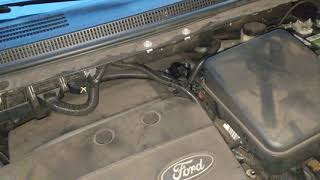
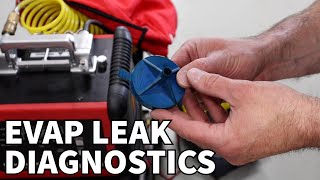
![How to Fix P0456 Engine Code in 3 Minutes [2 DIY Methods / Only $4.44]](https://img.youtube.com/vi/v_QDSjd1-Lw/mqdefault.jpg)
Used OEM Parts in Stock
New Aftermarket Parts Available


The information in this article is provided for general reference and educational purposes only. Vehicle specifications, procedures, and part compatibility can vary by production date, trim level, and region. Always consult your vehicle's factory service manual and verify part numbers before purchasing or performing repairs. Safety-critical components such as airbags, seat belts, and braking systems should be installed by a qualified professional.
- Mazda CX-9:
- 🎬 Helpful Videos
- 🛍️ Shop This Part
- What's Unique About the 2007-2014 Mazda CX-9
- Diagnostic Flowchart
- Symptoms You May Notice
- Most Likely Causes
- Rare But Worth Checking
- Diagnosis Steps
- Parts You'll Likely Need
- Related Codes That Often Appear With This One
- Technical Service Bulletins (TSBs) & Recalls
- Platform-Specific Known Issues
- Mechanic-Grade Diagnostic Values
- Scan Tool Commands That Help
- Wiring & Ground Locations
- Real Owner Repair Stories
- When the Usual Fixes Don't Work
- OEM Part Supersession History
- Model Year Variations Within This Range
- 🎟️ Get 5% Off