

P0456 on 2011-2015 Kia Optima Hybrid: Causes and Fixes for Small EVAP Leaks
For the 2011-2015 Kia Optima Hybrid, code P0456 is most often caused by a faulty Natural Vacuum Leak Detector (NVLD) or a loose/faulty gas cap. A Kia Technical Service Bulletin (TSB FUE049) and a related Service Action (SA447) specifically point to the NVLD as a common failure point, recommending its replacement along with the fuel tank air filter. Replacing the gas cap is a simple first step, while an NVLD replacement may cost between $70 and $150 for the part.
- Always check the gas cap first. Make sure it's tight and the seal is intact. This is the easiest and a very common fix.
- If the gas cap is not the issue, the Natural Vacuum Leak Detector (NVLD) is the most likely culprit on a 2011-2015 Optima Hybrid, as confirmed by Kia's own service bulletins (TSB_FUE049, SA447).
- When replacing the NVLD for this code, Kia recommends also replacing the Fuel Tank Air Filter (P/N: 31450-4R000QQK).
- A professional smoke test is the most efficient way to pinpoint the exact location of a small EVAP leak, preventing unnecessary replacement of parts.
- You can continue to drive with a P0456 code without harming the engine, but you will not pass an emissions inspection until the leak is fixed.
What's Unique About the 2011-2015 Kia OPTIMA HYBRID

What makes this platform specific is that Kia has issued a Technical Service Bulletin (TSB_FUE049) and a related Service Action (SA447) that directly identify the Natural Vacuum Leak Detector (NVLD) as a common cause for the P0456 code on 2011-2015 Optima Hybrids. This provides a more targeted diagnostic path compared to other vehicles. The service action explicitly states that if DTC P0456 is active, both the NVLD and the associated fuel tank air filter should be replaced. This is a more direct and common failure point than on many other cars where a P0456 can be much harder to trace.
Diagnostic Flowchart
Tap your situation to follow the diagnostic path that matches what you're seeing on this vehicle.
Symptoms You May Notice
- Check Engine Light is on
- A faint fuel smell (in rare cases)
- Gas cap does not 'click' when tightened.
- Replacing the purge valve when the actual issue is the NVLD or a loose gas cap.
- Replacing only the NVLD without also replacing the Fuel Tank Air Filter as mandated by Service Action SA447.
Most Likely Causes


- Loose or Faulty Gas Cap 🔴 High Probability The gas cap seal is a rubber component that degrades over time, leading to an improper seal. This is the most common and easiest-to-fix cause for P0456 on any vehicle. Owners on forums frequently report that a cap that no longer clicks is a primary symptom.
How to confirm: Ensure the cap is tightened until it clicks several times. Inspect the rubber O-ring on the cap for cracks, dirt, or stiffness. If the cap feels loose, doesn't click, or the seal is visibly damaged, it's likely faulty.
Typical fix: Tighten or replace the gas cap. It is highly recommended to use an OEM (Original Equipment Manufacturer) cap to ensure a proper seal, as aftermarket caps can sometimes fail to seal correctly.
Est. part cost: $15-$40 - Faulty Natural Vacuum Leak Detector (NVLD) 🔴 High Probability Kia TSB FUE049 and Service Action SA447 specifically identify the NVLD as a common failure point causing P0456 on 2011-2015 Optima Hybrids. The TSB notes that if the P0456 code is active, the NVLD must be replaced. This component is also known as a Fuel Tank Pressure Sensor or Sensor Assembly Pressure in some parts catalogs.
How to confirm: Diagnosis typically requires a professional smoke test to see if the valve is leaking. A technician can also use a scan tool to command the valve and test its function or use a hand-held vacuum pump to see if it holds vacuum. The official Kia procedure involves using their KDS scan tool to run an evaporative leakage test.
Typical fix: Replace the NVLD assembly. Per Kia's Service Action SA447, the fuel tank air filter must be replaced at the same time.
Est. part cost: $70-$150 - Faulty Purge Control Solenoid Valve (PCSV) 🟡 Medium Probability The purge valve is a common failure item on many Kia/Hyundai models. It can get stuck slightly open, creating a small, constant vacuum leak. Forum users often discuss replacing this part after the gas cap fails to resolve the issue.
How to confirm: With the engine running, disconnect the EVAP line from the valve to feel for vacuum when it should be closed. It can also be removed and tested with a vacuum pump or by blowing through it to see if it holds vacuum when de-energized.
Typical fix: Replace the purge control solenoid valve, which is typically located on or near the engine's intake manifold.
Est. part cost: $40-$90 - Cracked or Disconnected EVAP Hoses ⚪ Low Probability Rubber hoses can become brittle and crack with age and exposure to heat and the elements, particularly at connection points. Rusted clamps can also fail.
How to confirm: Visually inspect all accessible EVAP hoses between the engine, charcoal canister, and fuel tank for cracks, loose connections, or damage. A smoke test is the most reliable way to find a small hose leak.
Typical fix: Replace the cracked or damaged section of hose or clamp.
Est. part cost: $10-$50
Rare But Worth Checking
- Cracked Charcoal Canister: A Kia Pitstop bulletin (PS322) for the 2015 Optima mentions checking for charcoal canister leaks when diagnosing P0456. Another service campaign (SC135) was issued for potential canister cracks in salt-belt states due to prolonged road salt exposure, which could cause EVAP leak codes. An owner on a forum confirmed their mechanic diagnosed a leaking canister as the cause for their P0456.
- Leaking Fuel Filler Neck: Rust and corrosion, especially in areas that use road salt, can create small holes in the metal tube that leads to the gas tank, causing a leak.
- Faulty Fuel Tank Pressure Sensor (FTPS): In some cases, the sensor itself can fail internally, causing it to report a leak when none exists externally. This can be difficult to diagnose without a scan tool that can read live data from the sensor. Note that on this vehicle, the FTPS is integrated into the NVLD assembly.
- Damaged Fuel Pump Seal: A Kia Pitstop bulletin for a later model Optima noted that a torn or split fuel pump seal can cause a P0456 and a fuel smell. A rotten fuel tank around the fuel pump opening could also be a cause.
Diagnosis Steps
- Read the code with an OBD-II scanner to confirm P0456 is the only code present.
- Inspect the gas cap. Ensure it is tight and clicks. Check the seal for any cracks or damage. A Reddit user with a 2014 Optima Hybrid noted their issue started after the cap stopped clicking. If in doubt, replace it with an OEM cap, clear the code, and drive for a few days to see if it returns.
- Perform a visual inspection of all visible EVAP system hoses and lines, looking for obvious cracks, disconnections, or damage.
- If the gas cap and visual inspection don't reveal the issue, the next step is a professional smoke test. A machine fills the EVAP system with a harmless, visible smoke under low pressure. The leak will be revealed by the smoke escaping.
- Based on the smoke test, inspect the leaking component. Pay close attention to the NVLD near the charcoal canister, as this is a known failure point per TSB SA447.
- Test the purge valve (PCSV) and canister close valve (part of the NVLD) for proper electrical and mechanical function using a scan tool or vacuum pump.
- Check for open service campaigns. Service Campaign SC135 addresses cracked charcoal canisters in salt-belt states, which can cause this code.
- Once the leaking component is identified, replace it, clear the code, and perform a drive cycle to confirm the fix.
Parts You'll Likely Need

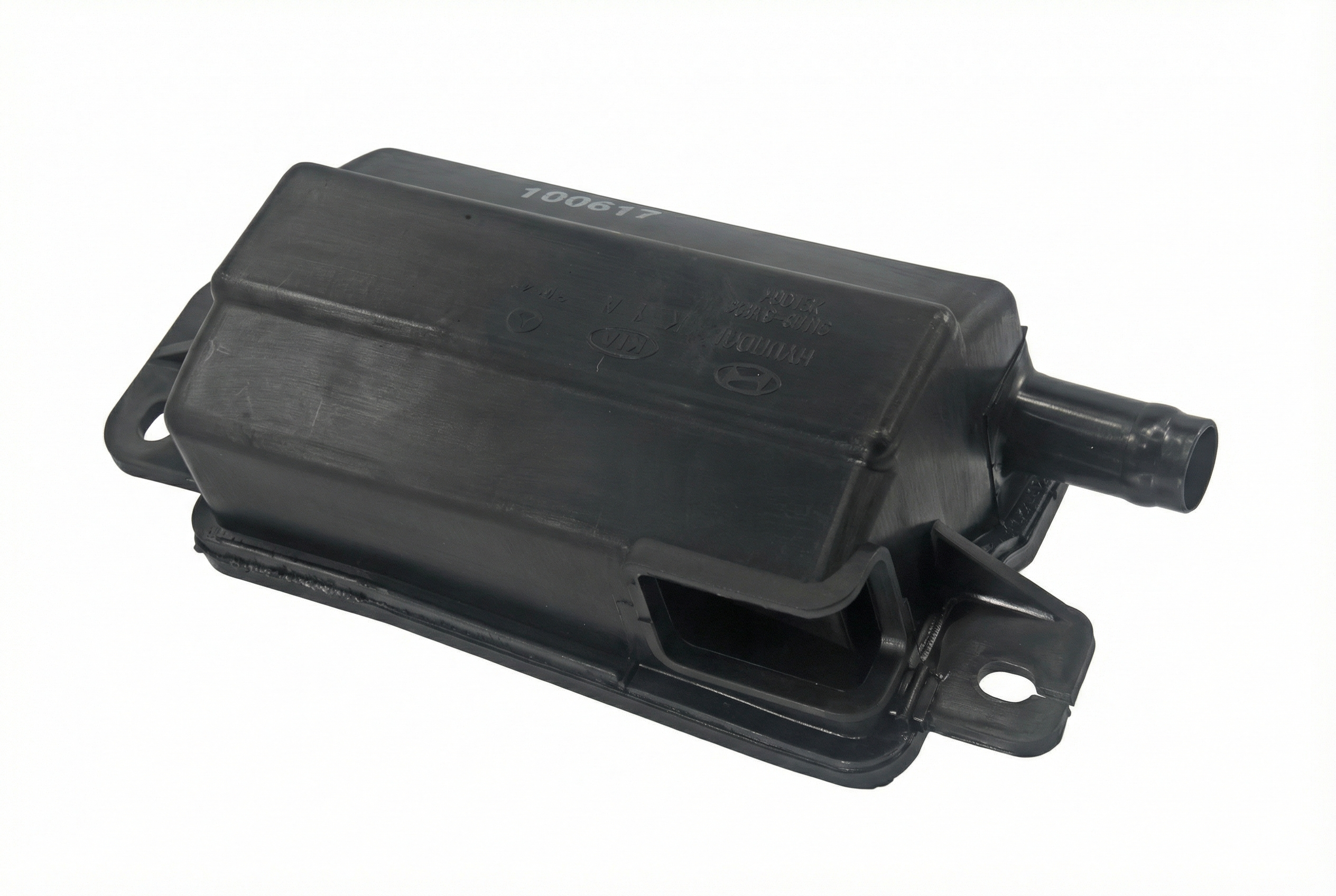
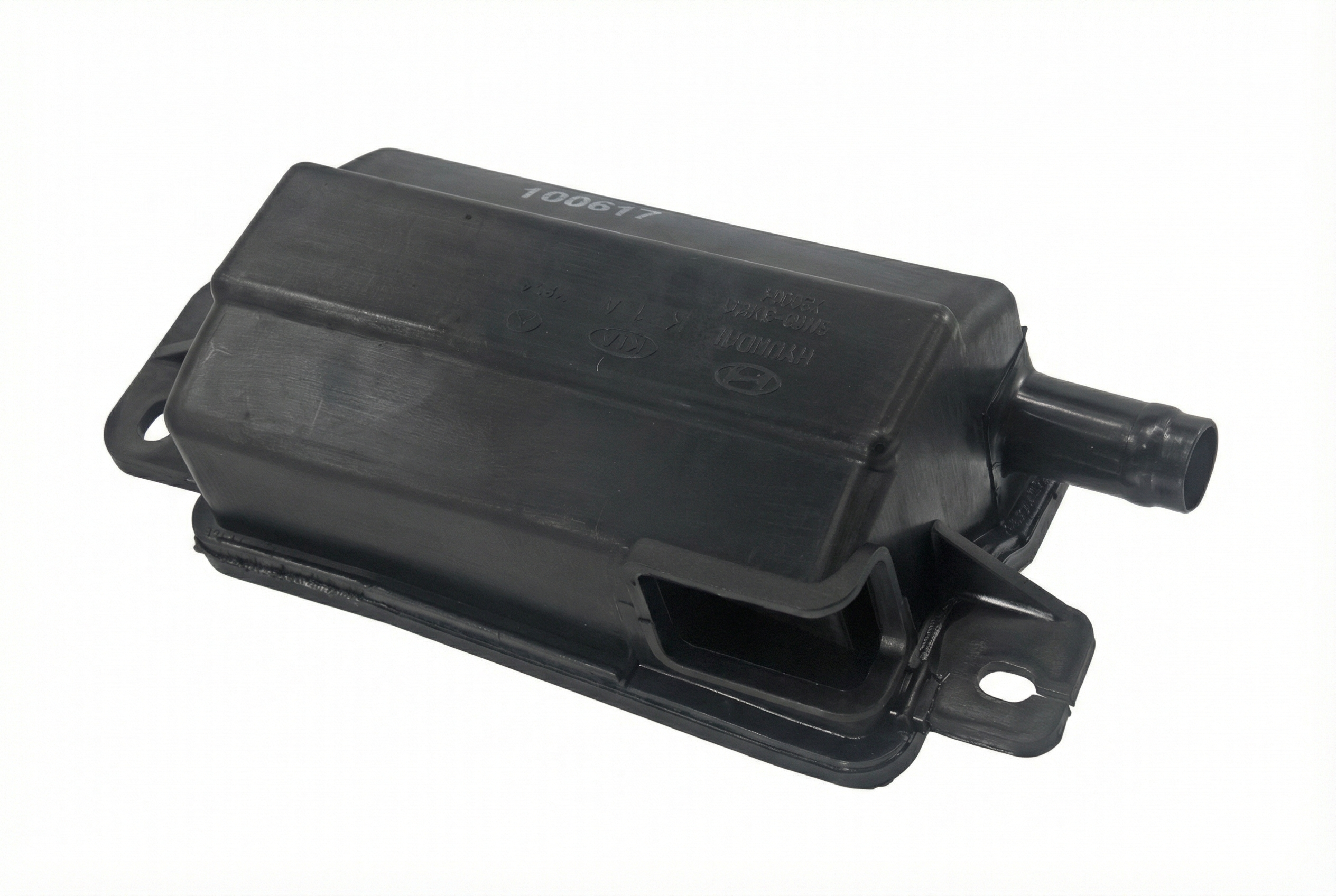
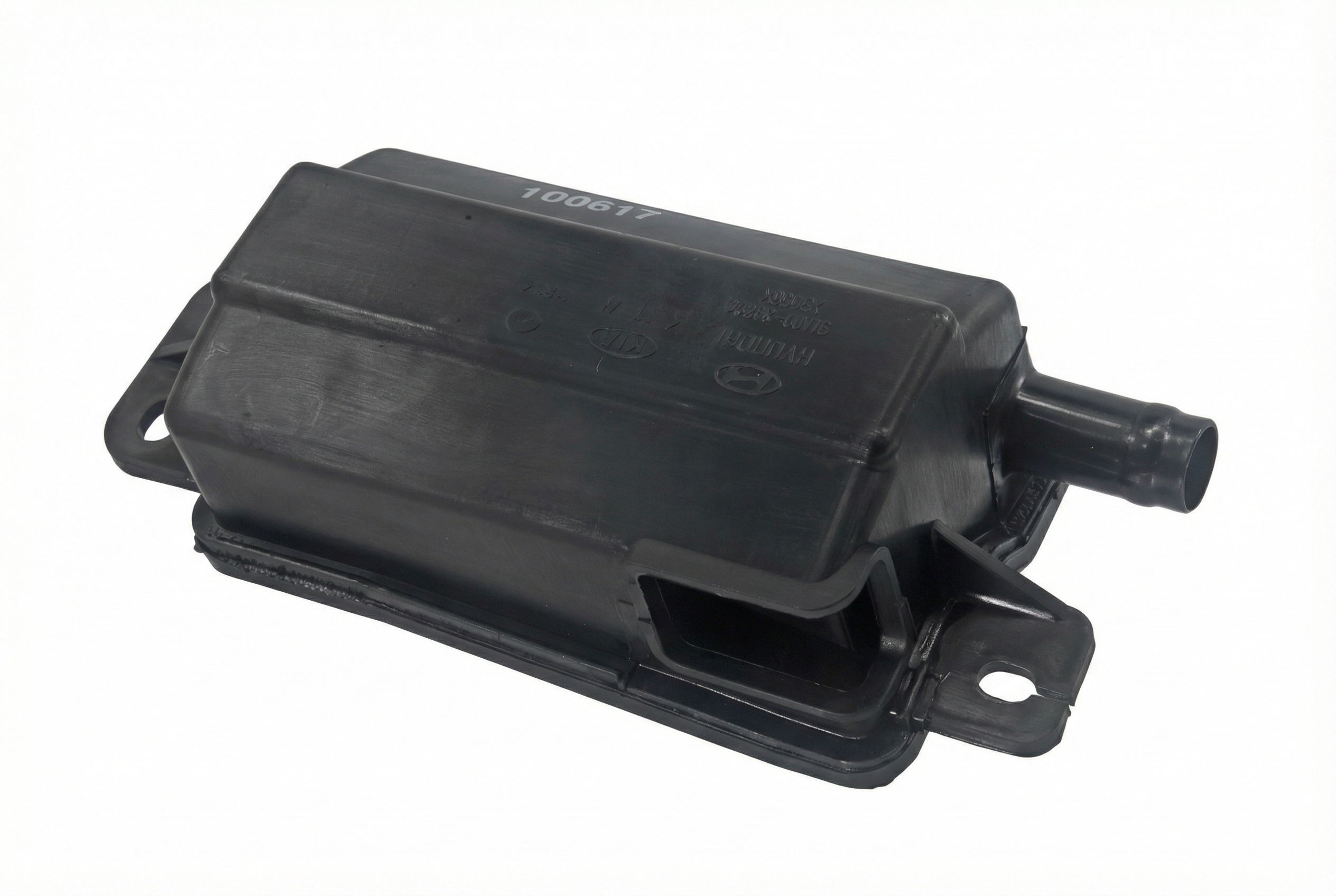
- Natural Vacuum Leak Detector (NVLD)
(OEM #31480-4R100)— This is a known high-failure part for this specific vehicle and code, as documented in Kia Service Action SA447. Multiple part stores confirm this part number.
Trusted brands: Kia/Hyundai (OEM)
OEM price range: $70-$160
Aftermarket price range: $50-$100 - Gas Cap
(OEM #31010-3L600)— This is the simplest and most common cause of a P0456 code. The seal wears out over time. Using an OEM cap is highly recommended for a proper seal.
Trusted brands: Kia/Hyundai (OEM)
OEM price range: $25-$40
Aftermarket price range: $15-$25 - Fuel Tank Air Filter
(OEM #31450-4R000QQK)— Kia's Service Action SA447 requires replacing this filter whenever the NVLD is replaced for a P0456 code to ensure the system is fully restored.
Trusted brands: Kia/Hyundai (OEM)
OEM price range: $25-$40
Aftermarket price range: $20-$30 - Vapor Canister Purge Valve
(OEM #28910-3E100)— A common failure point on many Kia vehicles that can stick open and cause a small leak. Part number 28910-3E100 is listed for the 2011-2013 Optima Hybrid.
Trusted brands: Bosch, Dorman, Standard Motor Products, Kia (OEM)
OEM price range: $60-$115
Aftermarket price range: $40-$90
Related Codes That Often Appear With This One
- P0442 — This code indicates a medium-sized EVAP leak. If a small leak (P0456) worsens, it may eventually trigger a P0442. The related Hyundai Sonata Hybrid TSB for the same NVLD issue also lists P0442 and P0455 as possible codes.
- P0455 — This code indicates a large EVAP leak. While less common to see with P0456, a component failure like a stuck open valve could potentially trigger different leak sizes at different times. The related Hyundai TSB also covers this code.
Technical Service Bulletins (TSBs) & Recalls
- TSB_FUE049: Points to a potential evaporative leak from the Natural Vacuum Leak Detector (NVLD) causing code P0456.
- PS469: Recommends a manual EVAP test for hard-to-find small leaks associated with P0456.
- SA447: A service action that provides the procedure to replace the Fuel Tank Air Filter and, if DTC P0456 is active, the Natural Vacuum Leak Detector (NVLD).
- SC135: Voluntary Emissions Service Campaign to inspect and potentially replace the evaporative canister on vehicles in salt-belt states due to risk of cracking from road salt exposure.
Platform-Specific Known Issues
- TSB FUE049 / Service Action SA447: This is the most critical issue for this vehicle. It states that for a P0456 code, the Natural Vacuum Leak Detector (NVLD) and Fuel Tank Air Filter should be replaced. This applies to 2011-2015 Optima Hybrids. A Reddit user with a 2014 Optima Hybrid at 133k miles encountered this exact scenario after a gas cap replacement didn't solve the code.
Mechanic-Grade Diagnostic Values
- Fuel Tank Pressure Sensor (FTPS) signal voltage, Key On Engine Off (KOEO), gas cap OFF — expected: ~2.5V. Failure: Voltage is significantly different from 2.5V, or there is no 5V reference power at the sensor connector.
- Fuel Tank Pressure Sensor (FTPS) signal voltage during manual system pulldown (applying vacuum) — expected: Should rise to ~3.0V. Failure: Voltage does not rise as expected, indicating a sensor or wiring issue.
- Fuel Tank Pressure Sensor (FTPS) signal voltage after closing purge valve during a vacuum test — expected: Should hold steady or not fall below 1.5V. Failure: Voltage falls below 1.5V, indicating a leak in the system (canister, cap, or filler neck).
Scan Tool Commands That Help
- Kia KDS (Kia Diagnostic System): Evap. Leakage Test (Home → S/W Management → Engine Control → Evap. Leakage Test) — This is the official manufacturer procedure to command the EVAP system to perform a self-test, used to confirm if a leak is present before and after repairs. TSB SA447 requires this test.
- Advanced OBD-II Scan Tool: Command Canister Close Valve (CCV) / Vent Valve ON/OFF — Used during a smoke test to manually close the vent valve, sealing the system to check for leaks. A technician can listen for a click to confirm electrical operation.
Wiring & Ground Locations
- Purge Control Solenoid Valve (PCSV) — On the side of the engine. On the 2.4L, it requires removing the air intake box for access.. This valve can stick open, causing a leak. Its location is important for testing and replacement.
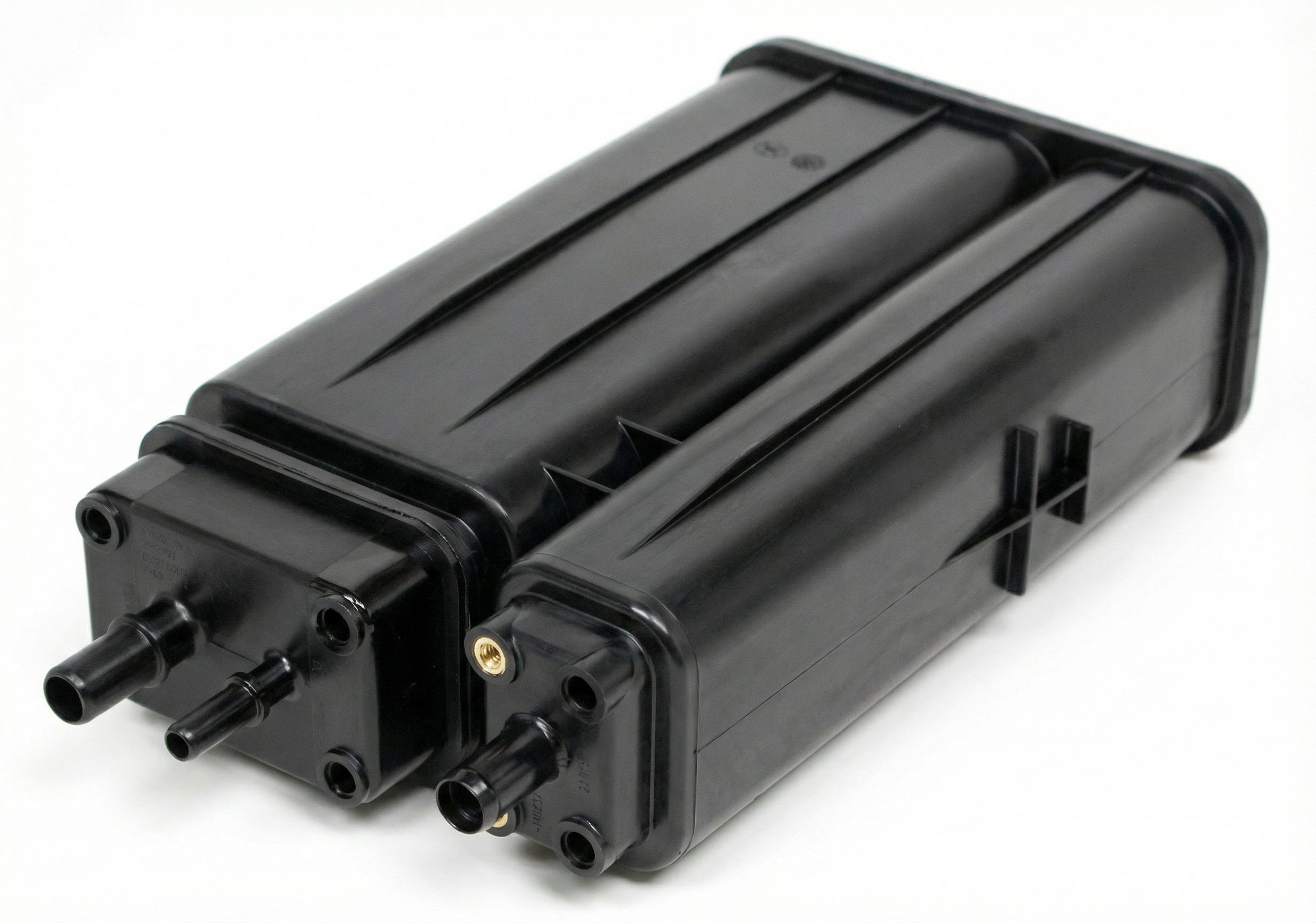
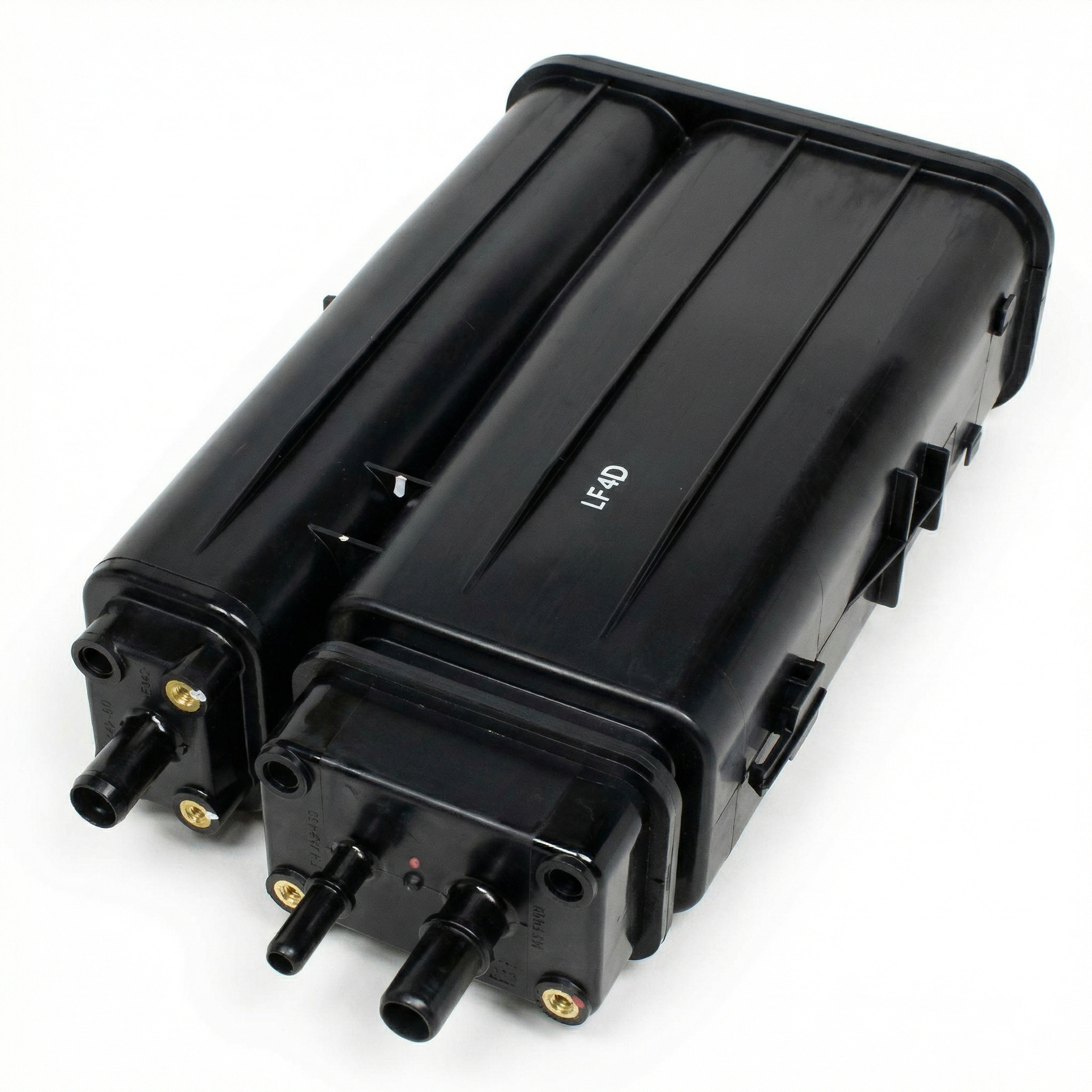
- Natural Vacuum Leak Detector (NVLD) / Charcoal Canister — Under the rear of the vehicle, in front of the gas tank. The NVLD is attached to the charcoal canister.. This is the location of the most common failure part (NVLD) identified in Kia's TSBs for this code.
- Fuel Tank Pressure Sensor (FTPS) — On top of the fuel pump assembly, which is accessed by removing a plate under the rear passenger-side seat.. A faulty sensor can send incorrect data, causing the P0456 code even if no physical leak exists. Knowing its location is critical if other tests find no leaks.
Real Owner Repair Stories
- Reddit user on r/kia (2014 Kia Optima Hybrid, 133,000 miles) — Recurring P0456 code.
❌ Tried (didn't work) Replacing the gas cap (code returned after 600 miles).
✅ What actually fixed it The user was researching the next step and found TSB SA447, which points to replacing the NVLD and fuel tank air filter as the specific fix for this code on their vehicle. The forum consensus confirmed this is the correct procedure. - CarKiller forum user (2016 Kia Optima Hybrid (similar JF platform)) — Persistent P0456 code, gas pump clicks off prematurely during refueling.
❌ Tried (didn't work) Replacing the gas cap., Replacing the canister vent valve (NVLD)., Replacing the purge valve., Two separate dealer visits where they claimed to have fixed it but the code remained.
✅ What actually fixed it A different, more competent dealership diagnosed and replaced the 'evaporation system sensor' (likely referring to the Fuel Tank Pressure Sensor, which is part of the NVLD assembly), which finally resolved the code.
"I Checked Everything" — The Actual Cause
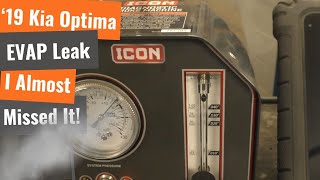
- In a well-documented case on a slightly newer (2019) Optima, a smoke test initially showed no leak. However, by letting the smoke machine run for an extended period, the technician noticed a rhythmic, intermittent leak that would appear for about 30 seconds at a time. The cause was a tiny, almost invisible crack in a hose that only opened under specific, sustained pressure. This highlights that a quick 'pass' on a smoke test may not be conclusive for very small, intermittent leaks.
When the Usual Fixes Don't Work
- While the gas cap and NVLD (per TSB SA447) are the most common fixes, there are documented cases where neither resolved the issue. In one instance, after replacing the gas cap, vent valve, and purge valve, the actual cause was a faulty fuel tank pressure sensor that was not leaking externally but was sending incorrect data to the computer. This shows that if a smoke test passes and the common parts have been replaced, the sensor's electronic function should be the next diagnostic target.
OEM Part Supersession History
31480-4R000→31480-4R100— Part revision or manufacturer change.
Heads up: The part may also be listed under 31480-4R100AQQK, which is a kit part number referenced in TSBs.
Model Year Variations Within This Range
- 2011-2015: Vehicles were produced with either standard (ULEV) or Partial Zero-Emission Vehicle (PZEV) emissions packages, particularly for states with stricter regulations. These systems use different vapor canisters that are NOT interchangeable. Installing the wrong canister will cause persistent EVAP codes. The vehicle's emissions sticker under the hood must be checked before ordering a replacement canister.
Helpful Videos
![How to Fix KIA P0456 Engine Code in 3 Minutes [2 DIY Methods / Only $4.44]](https://img.youtube.com/vi/SbOPVLctNtg/mqdefault.jpg)
![How to Fix P0456 Engine Code in 3 Minutes [2 DIY Methods / Only $4.44]](https://img.youtube.com/vi/v_QDSjd1-Lw/mqdefault.jpg)
![How to Fix P0456 Engine Code in 7 Minutes [7 DIY Methods / Only $3.44]](https://img.youtube.com/vi/njt81AALI3U/mqdefault.jpg)
Used OEM Parts in Stock

New Aftermarket Parts Available




The information in this article is provided for general reference and educational purposes only. Vehicle specifications, procedures, and part compatibility can vary by production date, trim level, and region. Always consult your vehicle's factory service manual and verify part numbers before purchasing or performing repairs. Safety-critical components such as airbags, seat belts, and braking systems should be installed by a qualified professional.
- Kia OPTIMA HYBRID:
- 🎬 Helpful Videos
- 🛍️ Shop This Part
- What's Unique About the 2011-2015 Kia OPTIMA HYBRID
- Diagnostic Flowchart
- Symptoms You May Notice
- Most Likely Causes
- Rare But Worth Checking
- Diagnosis Steps
- Parts You'll Likely Need
- Related Codes That Often Appear With This One
- Technical Service Bulletins (TSBs) & Recalls
- Platform-Specific Known Issues
- Mechanic-Grade Diagnostic Values
- Scan Tool Commands That Help
- Wiring & Ground Locations
- Real Owner Repair Stories
- "I Checked Everything" — The Actual Cause
- When the Usual Fixes Don't Work
- OEM Part Supersession History
- Model Year Variations Within This Range
- 🎟️ Get 5% Off