

P0456 on 2011-2016 Kia Forte: Causes and Fixes for a Small EVAP Leak
For a 2011-2016 Kia Forte, code P0456 is most often caused by a loose gas cap or a cracked charcoal canister. Always check the gas cap first, ensuring it clicks when tightened. If that's not the issue, inspect the charcoal canister under the rear of the car for cracks near its mounting brackets, a widely-documented failure point on these models that often requires a smoke test to confirm.
- P0456 means your Forte has a very small leak in the fuel vapor system; it's not a safety or performance issue, but it will cause you to fail an emissions test.
- Always start with the simplest and most likely fix: check that your gas cap is tight. If it's old, replace it with an OEM part for about $30.
- If the gas cap doesn't fix it, the next most likely cause on a Forte is a cracked charcoal canister, especially on 2014-2016 models.
- A professional smoke test (around $100-$150) is the most efficient way to find the exact source of the leak and avoid wasting money on parts you don't need.
What's Unique About the 2011-2016 Kia FORTE

The 2011-2016 Kia Forte, particularly the second generation (2014-2016), is notorious for developing stress cracks in the plastic body of the charcoal canister, especially around the mounting points where it bolts to the chassis. 🎬 Watch: How to find and fix a cracked charcoal canister. This specific failure is frequently cited by mechanics and owners as the root cause of P0456 after the gas cap is ruled out. While a loose gas cap is a common cause on any car, the high incidence of this specific canister issue makes a visual inspection and smoke test of the canister a critical, platform-specific diagnostic step. The Hyundai Elantra from the same era, which shares a platform with the Forte, also suffers from this identical cracked canister problem.
Diagnostic Flowchart
Tap your situation to follow the diagnostic path that matches what you're seeing on this vehicle.
Generation note: This range covers two generations of the Kia Forte: the first generation (TD, 2010-2013) and the second generation (YD, 2014-2016). While the EVAP system components are similar, the issue of a cracked charcoal canister is more frequently reported and documented on the second-generation (YD) models. The underlying platform is shared with the Hyundai Elantra (MD/UD), which also reports similar EVAP system failures. A Kia Technical Service Bulletin regarding potential water contamination in the Canister Close Valve (CCV) air drain case applies to YD generation Fortes from 2013-2017, indicating some design specifics for that generation.
Symptoms You May Notice
- Check Engine Light is on
- A faint fuel smell may be noticeable, often near the rear of the vehicle or around the fuel door.
- No impact on vehicle drivability or performance.
- Replacing the oxygen sensor, as this code is purely related to the EVAP system and has no connection to exhaust gas readings.
- Replacing the purge valve or canister without performing a smoke test first. The gas cap is the most likely culprit, followed by the cracked canister on this specific platform. A smoke test avoids unnecessary expense.
- Using a cheap aftermarket gas cap, which may not seal properly and fail to resolve the code.
Most Likely Causes

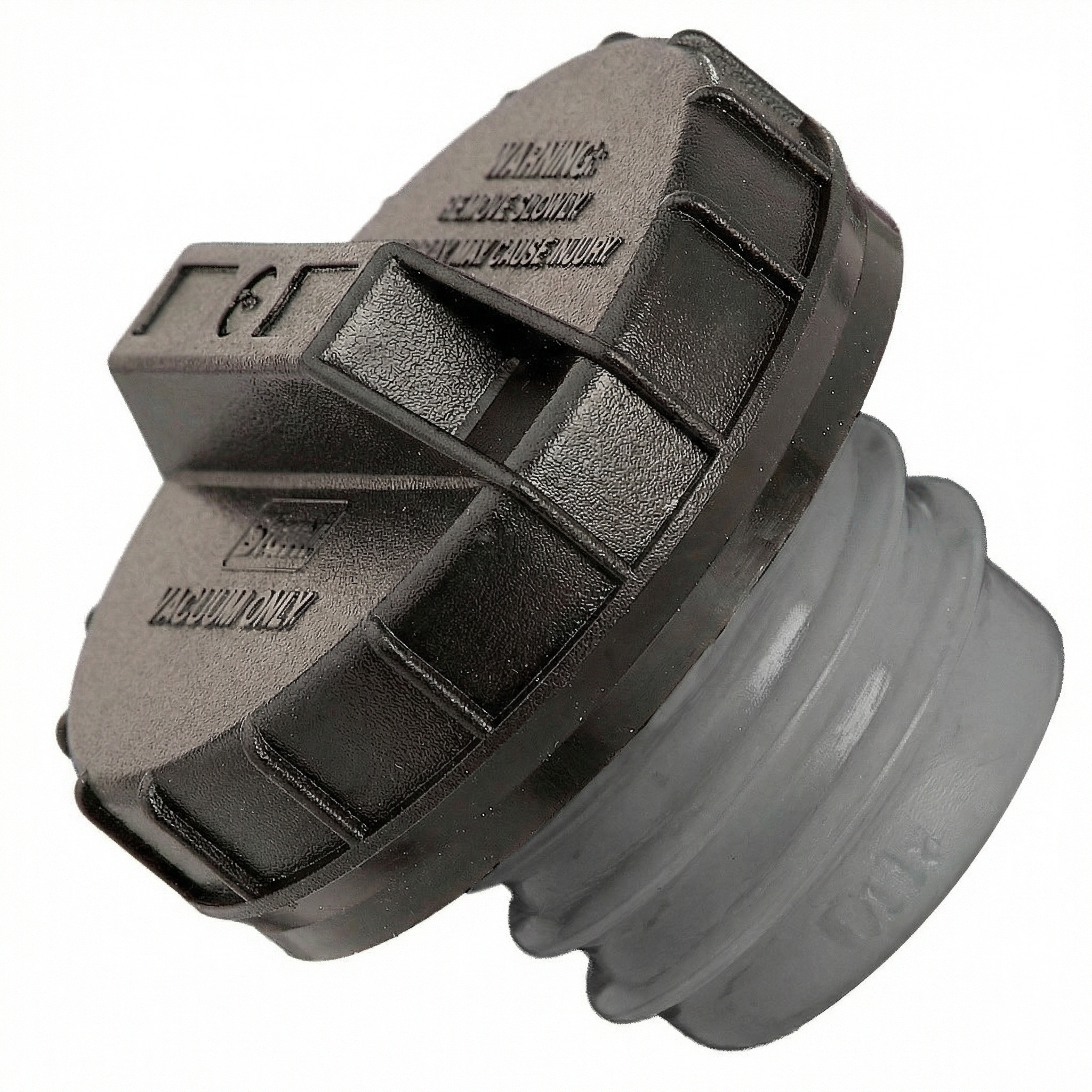
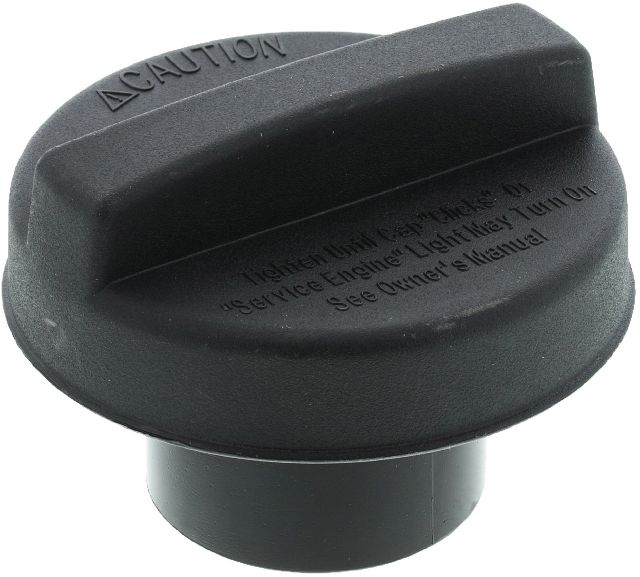
- Loose or Faulty Gas Cap 🔴 High Probability The gas cap seal is a rubber o-ring that degrades over time due to weather exposure and repeated use. This is the most common and cheapest potential fix for a P0456 code on any vehicle.
How to confirm: Ensure the cap is tightened until it clicks several times. Inspect the rubber seal on the cap for cracks, stiffness, or debris. If the cap feels loose, doesn't click, or the seal is visibly damaged, it's likely faulty. Many owners report that only an OEM cap will solve the problem, as aftermarket caps may not seal correctly.
Typical fix: Replace the gas cap. It is highly recommended to use a genuine OEM (Original Equipment Manufacturer) cap from a Kia dealer to ensure a proper seal.
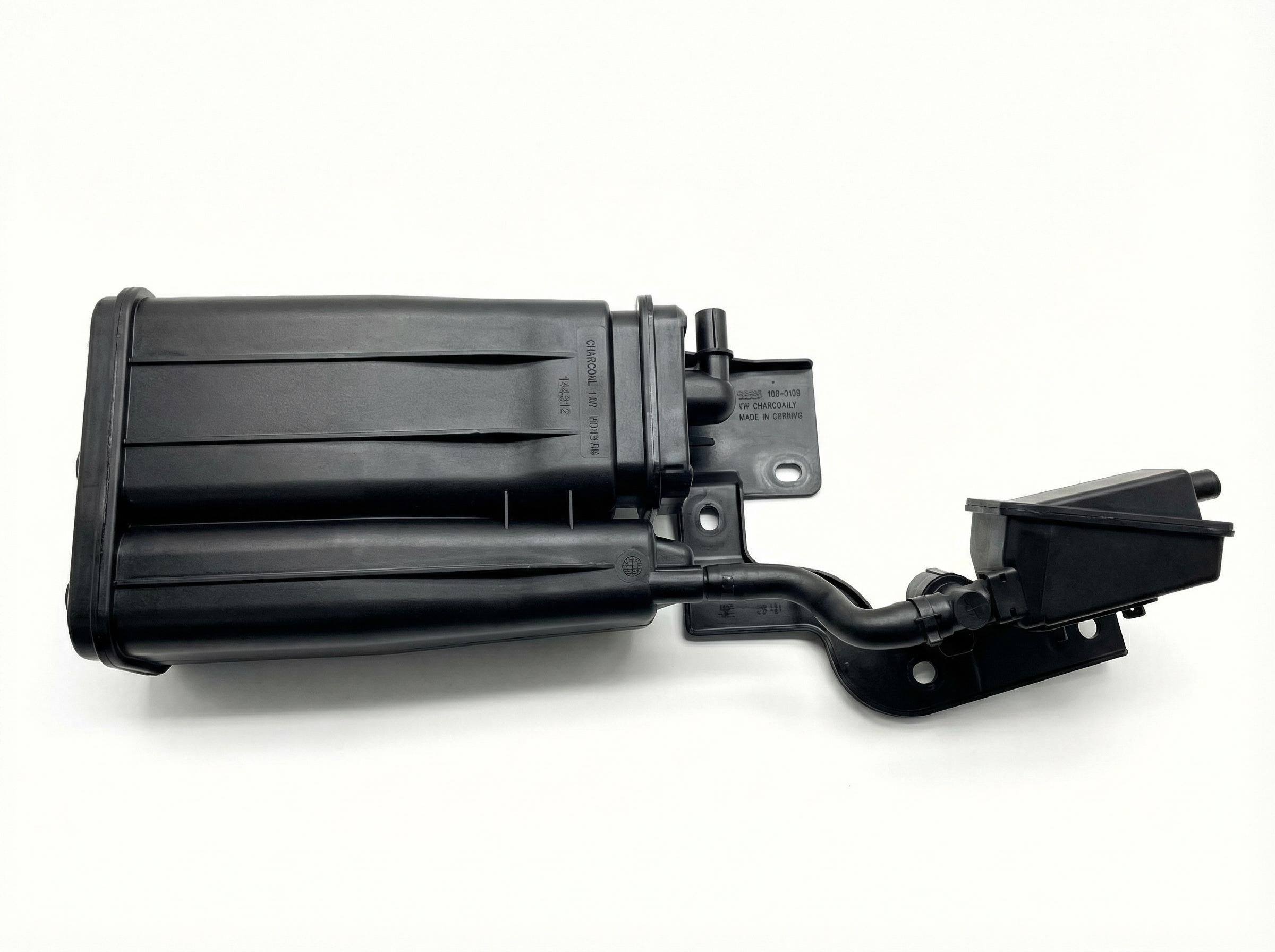
Est. part cost: $15-$40 - Cracked Charcoal Canister 🔴 High Probability The plastic housing of the charcoal canister on the Forte is a known weak point that develops stress cracks, particularly around the mounting brackets where it bolts to the chassis. This is a well-documented failure point in owner forums and mechanic videos, with some mechanics going straight to inspecting the canister on these cars for a P0456 code.
How to confirm: A professional smoke test is the definitive method; smoke will be seen escaping from the cracks in the canister body. A careful visual inspection under the car may also reveal visible hairline cracks on the canister's plastic housing, often near the bolt-on points. Some have also found leaks using soapy water and a small amount of air pressure.
Typical fix: The entire charcoal canister assembly must be replaced. It is located under the vehicle, near the fuel tank, and is held in by three 12mm bolts.
Est. part cost: $150-$300 - Faulty Purge Control Valve (Solenoid) 🟡 Medium Probability The purge valve is an electronic solenoid that can fail over time, typically by sticking slightly open and creating a constant, small leak path from the EVAP system to the engine intake.
How to confirm: With the engine off, disconnect the valve and try to blow through it. It is a normally-closed valve, so if any air passes through, it is stuck open and faulty. A mechanic can also command it open and closed with a scan tool to test its function.
Typical fix: Replace the purge control valve. It is usually located in the engine bay, connected to the intake manifold via rubber hoses. 🎬 See this step-by-step guide to replacing the purge control valve.
Est. part cost: $40-$80 - Damaged or Disconnected EVAP Hoses ⚪ Low Probability Rubber hoses can become brittle, crack, or be damaged by road debris over time. A hose could also be knocked loose during other vehicle service. The small vacuum lines connected to the purge valve are a common area to check. Rusted hose clamps on underbody hoses have also been found to be a cause.
How to confirm: A smoke test will show smoke escaping from the location of the damaged hose. A thorough visual inspection of all accessible EVAP lines, from the engine bay to the canister, may also reveal obvious cracks or loose connections.
Typical fix: Replace the specific section of damaged hose or reconnect it securely. Small hose clamps can be used to secure loose-fitting ends.
Est. part cost: $10-$50
Rare But Worth Checking
- Leaking Fuel Filler Neck: Corrosion or damage to the pipe leading from the gas cap to the fuel tank can cause a small leak. This was reported by an owner of a 2016 Forte after a smoke test revealed a leak in this area. Some mechanics note that pinhole leaks in the filler neck from repeated gas pump insertion can be missed by a standard smoke test and are better found by spraying the area with soapy water.
- Faulty Canister Close Valve (Vent Valve): This valve is typically part of the charcoal canister assembly. It's supposed to close to allow the system to be pressure tested. If it doesn't seal completely, it can cause a leak code. It can sometimes be tested using a capable scan tool to command it closed. A Kia TSB also exists for inspecting the CCV for water contamination on 2013-2017 models, which can cause related codes.
- Faulty Fuel Tank Pressure Sensor: While uncommon, the sensor that reports pressure data to the computer can fail, leading to an incorrect P0456 code. In some cases, the sensor can develop an internal leak that will not be found by a smoke test, making it a difficult-to-diagnose cause.
Diagnosis Steps

- Read the code with an OBD-II scanner to confirm P0456 is the primary code present.
- Inspect the gas cap. Ensure it is tight and clicks when closed. 🎬 Watch: A mechanic's guide to diagnosing the P0456 leak code. Remove it and check the rubber seal for any cracks, dirt, or signs of wear.
- If the gas cap is suspect, replace it with a new OEM part from Kia. Clear the code and perform several drive cycles over a few days to see if the light returns. The EVAP monitor often runs after the vehicle has sat overnight.
- If the light returns, perform a detailed visual inspection of the charcoal canister located under the rear of the vehicle, mounted near the fuel tank. Pay extremely close attention to the plastic housing around the mounting brackets for any visible hairline cracks.
- Visually inspect all accessible EVAP hoses in the engine bay (around the purge valve) and under the car for obvious cracks, damage, or disconnections.
- If no obvious issues are found, the most effective next step is to have a professional smoke test performed. This involves feeding low-pressure, UV-dyed smoke into the EVAP system's service port to quickly and accurately pinpoint the source of the leak.
- Based on the smoke test results, replace the faulty component. On this vehicle, it is very likely to be the charcoal canister if the gas cap is good.
- After the repair, clear the codes with a scanner. Drive the vehicle under varied conditions to allow the EVAP self-test monitor to run and confirm the fix.
Parts You'll Likely Need

- Gas Cap
(OEM #31010-3L600U (Verify with VIN))— This is the most frequent cause of P0456 due to the seal wearing out. It's the first, easiest, and cheapest part to replace. Using an OEM cap is strongly recommended as aftermarket versions often fail to seal correctly.
Trusted brands: Kia (OEM)
OEM price range: $25-$40
Aftermarket price range: $15-$25 - Charcoal Canister (Vapor Canister)
(OEM #31420-A7000 (For YD Gen, 2014-2016, Federal Emissions - Verify with VIN). Other possible numbers include 31410-1M600SJ, 31410-2V500DS.)— The plastic housing is a known weak point on the 2011-2016 Forte, prone to cracking near the mounting brackets and causing a small leak. This is the second most likely failure after the gas cap.
Trusted brands: Kia (OEM), Standard Motor Products
OEM price range: $250-$315
Aftermarket price range: $150-$250 - Purge Control Valve
(OEM #28910-25100 (For 2.0L/2.4L TD Gen - Verify with VIN).)— Can fail by sticking open, creating a leak in the system. It's a common failure point on many vehicles and relatively easy to test and replace.
Trusted brands: Kia (OEM), Standard Motor Products, Gates
OEM price range: $50-$90
Aftermarket price range: $40-$80
Related Codes That Often Appear With This One
- P0442 — P0442 indicates a medium-sized EVAP leak. If the source of the P0456 (small leak), such as a crack in the canister, worsens over time, it may eventually trigger a P0442.
- P0455 — P0455 indicates a large EVAP leak. This is often seen if the gas cap is left off completely or a major component like the canister has a large, obvious crack or a hose has become completely disconnected.
Technical Service Bulletins (TSBs) & Recalls
- PS469: Recommends a manual EVAP test for hard-to-find small leaks when codes like P0456 are present and the self-test is inconclusive.
Platform-Specific Known Issues

- Kia Technical Service Bulletin (TSB) #PS469 recommends a manual EVAP test for hard-to-find small leaks related to code P0456, acknowledging that the system's self-test may not always pinpoint the issue.
- The plastic charcoal canister on second-generation (2014-2016) Fortes is highly susceptible to developing cracks near the mounting brackets. Mechanics familiar with Kia/Hyundai vehicles often inspect this component immediately after checking the gas cap for a P0456 code.
- Multiple owner and mechanic accounts confirm that using an aftermarket gas cap is a common reason for the P0456 code to persist after a replacement, emphasizing the need for an OEM part.
Mechanic-Grade Diagnostic Values
- Fuel Tank Pressure Sensor (FTPS) Voltage — expected: Approximately 2.5V at atmospheric pressure (0 kPa), 0.5V at -6.67 kPa vacuum, and 4.5V at +6.67 kPa pressure.. Failure: Voltage that is stuck, does not change with pressure, or reads outside the expected range. During a manual vacuum test, if the voltage falls below 1.5V after a vacuum is applied and held, it indicates a leak in the system.
Scan Tool Commands That Help
- Kia GDS / Advanced Scan Tool (e.g., Launch, Autel): EVAP Leakage Test / Evaporative Air Leak Test — This is an automated, ECU-controlled test to check the integrity of the entire EVAP system after a repair or to confirm a leak exists. The scan tool commands the ECU to seal the system and monitor for pressure changes, reporting a pass or fail.
- Advanced Scan Tool: Canister Close Valve (CCV) / Vent Valve - On/Off Command — Used to manually close the vent valve to seal the system for a smoke test. A technician can listen for a 'click' to confirm the solenoid is activating.
- Advanced Scan Tool: Purge Control Solenoid Valve (PCSV) - On/Off or Duty Cycle Command — Used to test the function of the purge valve. By commanding it open and closed, a technician can verify it is not stuck and is responding to the ECU.
Wiring & Ground Locations
- Canister Close Valve (CCV) Connector — On the Canister Close Valve, which is located on or near the charcoal canister assembly under the rear of the vehicle.. The connector provides power to close the valve during the EVAP self-test. A poor connection can prevent the valve from sealing, causing a leak code. The blue wire at this connector can be manually grounded to force the valve closed for diagnostic purposes.
- Purge Control Solenoid Valve (PCSV) Connector — In the engine bay, connected to the purge valve which is typically mounted on or near the intake manifold.. A bad connection here can cause a P0443 (Purge Control Valve Circuit) code, but intermittent issues could potentially affect system sealing during a test.
Real Owner Repair Stories
- Reddit user in r/AskMechanics (2013 Kia Forte) — Check Engine Light with code P0456 (small leak).
❌ Tried (didn't work) A repair shop performed a smoke test, identified a cracked charcoal canister, and replaced it for approximately $800.
✅ What actually fixed it The repair was unsuccessful. After replacing the canister, the code changed from P0456 (small leak) to P0455 (large leak), indicating a new, larger leak was introduced during the repair, possibly from an improperly connected hose or a faulty new part. - YouTube channel 'Avoid Stealership' (Kia Forte (year not specified, but within model range)) — Check Engine Light with code P0456.
❌ Tried (didn't work) Replacing the gas cap., Replacing the Purge Control Valve (PCV).
✅ What actually fixed it The problem was finally resolved by replacing the entire vapor canister assembly, which was the third part replaced in the diagnostic process.
"I Checked Everything" — The Actual Cause
- A known failure mode that can cause P0456 even with a clean smoke test is an internal malfunction of the Fuel Tank Pressure Sensor (FTPS). A one-way check valve inside the sensor can fail, allowing pressure to bleed off internally. This leak is not external and will not be detected by a smoke machine, but the ECU interprets the pressure drop as a system leak.
- A pinhole leak in the fuel filler neck, often caused by repeated impacts from the gas pump nozzle over years, may not show up during a standard smoke test. The smoke may not have enough pressure or volume to be visible in that specific area. This type of leak is often better found by spraying the filler neck area with soapy water while the system is lightly pressurized.
When the Usual Fixes Don't Work
- While replacing the cracked charcoal canister is the correct fix for a common P0456 cause on this vehicle, it can lead to further issues if not done correctly. One owner reported that after a shop replaced their canister to fix a P0456, a P0455 (large leak) code appeared. This indicates that a hose was likely left disconnected or improperly seated on the new canister, or the new part itself was faulty, turning a small leak into a large one. This highlights the importance of verifying all connections after the repair and running the EVAP system self-test.
Model Year Variations Within This Range
- 2013-2017 (YD Generation): A Kia Technical Service Bulletin (TSB) was issued for potential water intrusion into the Canister Close Valve (CCV) air drain case, which could lead to EVAP codes (P0449, P0451). This suggests a specific design for the vent system in these years that was prone to this issue and may be relevant when diagnosing any EVAP code.
Helpful Videos

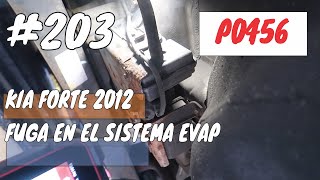

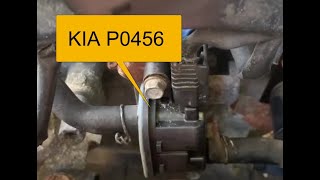
Used OEM Parts in Stock

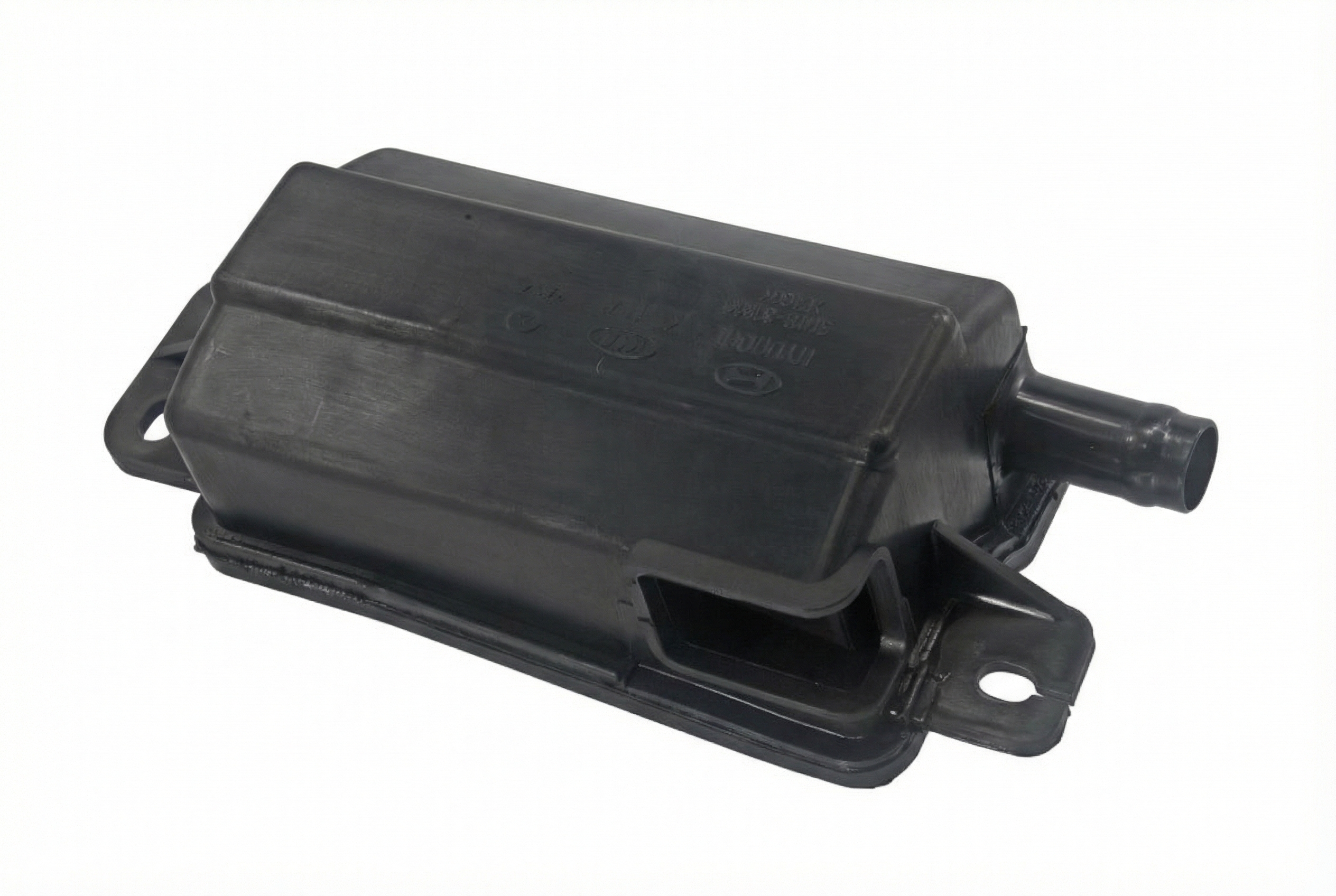
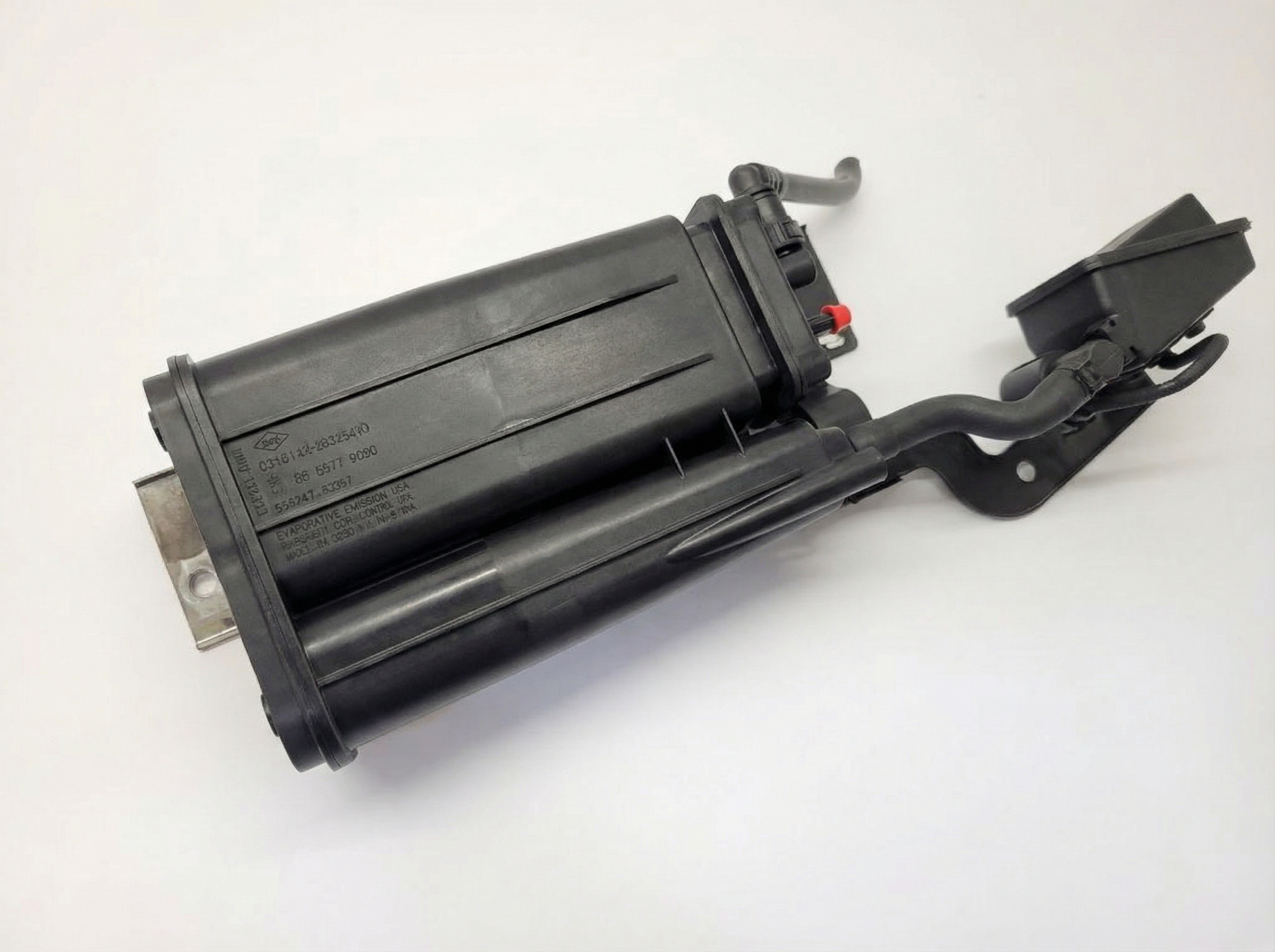
New Aftermarket Parts Available


The information in this article is provided for general reference and educational purposes only. Vehicle specifications, procedures, and part compatibility can vary by production date, trim level, and region. Always consult your vehicle's factory service manual and verify part numbers before purchasing or performing repairs. Safety-critical components such as airbags, seat belts, and braking systems should be installed by a qualified professional.
- Kia FORTE:
- 🎬 Helpful Videos
- 🛍️ Shop This Part
- What's Unique About the 2011-2016 Kia FORTE
- Diagnostic Flowchart
- Symptoms You May Notice
- Most Likely Causes
- Rare But Worth Checking
- Diagnosis Steps
- Parts You'll Likely Need
- Related Codes That Often Appear With This One
- Technical Service Bulletins (TSBs) & Recalls
- Platform-Specific Known Issues
- Mechanic-Grade Diagnostic Values
- Scan Tool Commands That Help
- Wiring & Ground Locations
- Real Owner Repair Stories
- "I Checked Everything" — The Actual Cause
- When the Usual Fixes Don't Work
- Model Year Variations Within This Range
- 🎟️ Get 5% Off