

P0456 on 2012-2017 Jeep Patriot: EVAP System Small Leak Causes and Fixes
On a 2012-2017 Jeep Patriot, P0456 is most often caused by a faulty gas cap or a bad Evaporative System Integrity Module (ESIM) switch. Start by inspecting and tightening the gas cap, then consider replacing it with an OEM part (~$15). If the light returns, the ESIM switch (~$30-$75), located on the charcoal canister behind the driver's side rear wheel, is the next most likely culprit and a known failure point on this platform. A common physical check is to remove and shake the ESIM; if it rattl
- P0456 on a Jeep Patriot means a very small leak has been detected in the fuel vapor system.
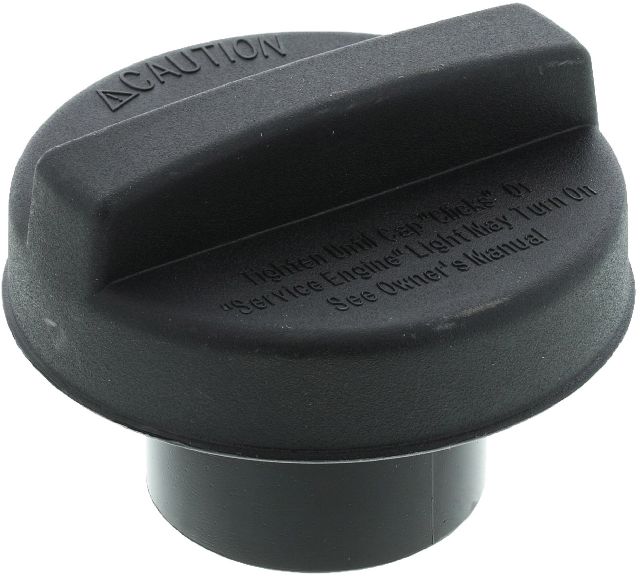
- Always start with the simplest fix: check that the gas cap is tight. If the code returns, replace the gas cap with an OEM part.
- The second most likely cause is a faulty Evaporative System Integrity Module (ESIM), located on the charcoal canister behind the driver's side rear wheel.
- A rattling sound when shaking the old ESIM is a strong indicator that it has failed.
- While you can drive with this code, the vehicle will not pass an emissions inspection until the leak is repaired.
What's Unique About the 2012-2017 Jeep PATRIOT

The Jeep Patriot and its platform mates, the Jeep Compass and Dodge Caliber, use a passive component called an Evaporative System Integrity Module (ESIM) for leak detection instead of a more complex, solenoid-driven vent valve found on many other vehicles. This module is a known high-failure item and a very common cause for the P0456 code on this platform. Owners and technicians frequently report that after replacing the gas cap, the ESIM is the next part to check. A faulty ESIM can often be identified by removing it and shaking it; a distinct rattle from the internal weight and valve mechanism indicates it is broken. Additionally, several Technical Service Bulletins (TSBs) indicate the code can be triggered by software glitches that require a PCM update from a dealer.
🎬 Watch: A complete diagnostic walkthrough for the P0456 code.Diagnostic Flowchart

Tap your situation to follow the diagnostic path that matches what you're seeing on this vehicle.
Symptoms You May Notice

- Check Engine Light is on
- "GAS CAP" message on the instrument cluster, which may appear before the check engine light.
- A faint fuel smell, though this is less common with a small leak compared to a large one.
- Remote start feature may be disabled by the PCM as a precaution.
- Slightly reduced fuel efficiency in some cases.
- Replacing the entire charcoal canister assembly when only the attached, and much cheaper, ESIM switch is faulty.
- Replacing the purge valve or other components before thoroughly checking the gas cap and ESIM, which are the most common failure points.
- Guessing and replacing parts without performing a smoke test, which is the definitive way to locate a physical leak.
Most Likely Causes

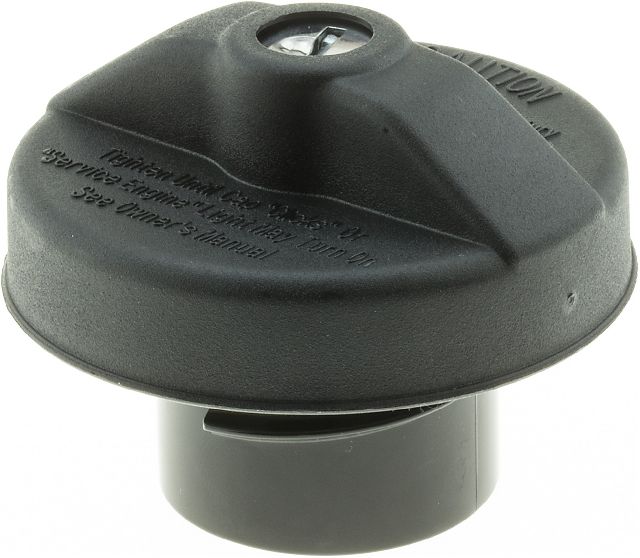
- Loose or Faulty Gas Cap 🔴 High Probability The gas cap's rubber O-ring seal degrades over time. Aftermarket caps are frequently cited by owners as not sealing as well as the OEM Mopar part, leading to recurring codes. This is the easiest and most common starting point for any EVAP code.
How to confirm: Ensure the cap is tightened until it clicks several times. Inspect the rubber seal for cracks, stiffness, or deformities. If in doubt, replace it. Many owners on forums report replacing the cap 3 times over 8 years.
Typical fix: Replace the gas cap with a new OEM Mopar part to ensure a proper seal.
Est. part cost: $15-$30 - Faulty Evaporative System Integrity Module (ESIM) Switch 🔴 High Probability This specific component is a well-documented weak point on the Patriot/Compass/Caliber platform. The internal weighted valve mechanism can break, or the external O-ring seal can degrade, causing a leak.
How to confirm: Locate the ESIM on the charcoal canister, which is behind the driver's side rear wheel well liner. A common and effective DIY test is to remove it (it releases with a quarter-turn) and shake it. If it rattles, the internal mechanism is broken and it needs to be replaced. A professional diagnosis involves a smoke test, which will show smoke exiting the ESIM if it's faulty.
Typical fix: Replace the ESIM switch and its O-ring seal. The part twists off for easy replacement, often without needing to jack up the vehicle.
Est. part cost: $30-$110 - Cracked or Disconnected EVAP Hoses 🟡 Medium Probability The plastic and rubber hoses become brittle with age and exposure to under-vehicle elements, leading to hairline cracks that are just large enough to set a P0456 code.
How to confirm: Visually inspect all accessible EVAP hoses, especially the lines running from the charcoal canister to the purge valve in the engine bay. A smoke test is the most definitive method to find a small, hard-to-see hose leak.
Typical fix: Replace the damaged section of hose or the entire line assembly if needed.
Est. part cost: $10-$50 - Faulty EVAP Purge Valve/Solenoid ⚪ Low Probability The purge valve, located in the engine bay, can get stuck partially open due to carbon buildup or wear, creating a constant small leak that the system detects during its self-test.
How to confirm: The purge valve is normally closed. Remove the valve and try to blow through it; if any air passes, it's faulty. A scan tool can also be used to command it open and closed to check for an audible click and proper function.
Typical fix: Replace the EVAP purge valve. It is typically located near the intake manifold and is accessible for DIY replacement.
Est. part cost: $25-$60
Rare But Worth Checking
- Rusted Fuel Filler Neck: Common in the rust belt, the metal fuel filler neck can develop pinhole rust spots. This prevents the gas cap from creating a perfect seal, causing a persistent small leak that won't be fixed by a new cap. A smoke test will reveal smoke escaping from the neck area.
- Cracked Charcoal Canister: While the ESIM attached to it fails more often, the plastic body of the canister itself can be damaged by road debris or develop stress cracks over time, causing a leak.
- PCM Software Glitch: TSB #18-044-16 and #18-048-23 specifically state that P0456 can be set erroneously. In these cases, no physical leak exists, and a PCM software update from a dealer is the required fix. This must be verified by running the wiTECH SLVT before and after the update.
Diagnosis Steps
- Check the Gas Cap: Ensure it is tight and clicks at least three times. Inspect the rubber O-ring for cracks or damage. Clear the code and drive for a few days. This is the first step recommended on all forums.
- Replace the Gas Cap: If the light returns, replace the gas cap with a genuine OEM Mopar part. Aftermarket caps are a frequent source of repeat issues.
- Inspect and Test the ESIM: Locate the ESIM on the charcoal canister behind the driver's side rear wheel. It is often white and accessible after removing some of the wheel well liner. Remove it (press the tab and give it a quarter-turn counter-clockwise) and shake it. If it rattles, it is defective and needs replacement. This is a very common and confirmed fix.
- Visual Inspection: Carefully inspect all visible EVAP hoses and lines from the engine bay (around the purge valve) to the fuel tank for obvious cracks, brittleness, or disconnections.
- Smoke Test: If no obvious faults are found, the most reliable next step is a professional smoke test. This involves injecting low-pressure, vaporized smoke into the EVAP system to pinpoint the exact location of the leak. This is the definitive way to find pinhole leaks in hoses or the fuel filler neck.
- Test Purge Valve: If the smoke test reveals no external leaks, test the purge valve in the engine bay to ensure it is not stuck open and leaking internally.
- Check for TSBs: If all components test good, check with a dealer or online to see if your vehicle's VIN falls under a relevant TSB like #18-044-16 or #18-048-23. A PCM software update may be the only required fix.
Parts You'll Likely Need
- Gas Cap
(OEM #52124512AA)— This is the most common failure point for any EVAP leak code and the easiest part to replace. Using an OEM Mopar cap is highly recommended.
Trusted brands: Mopar, Gates, Stant
OEM price range: $20-$30
Aftermarket price range: $10-$20 - Evaporative System Integrity Module (ESIM)
(OEM #04861963AD)— This is a very common failure item on the Jeep Patriot platform that directly causes the P0456 code. The original part may have been 4861963AA, AB, or AC.
Trusted brands: Mopar, Dorman (P/N: 310-215), Standard Motor Products (P/N: LDP55)
OEM price range: $70-$110
Aftermarket price range: $25-$50 - EVAP Purge Valve
(OEM #04891731AA)— A less common but still possible cause, this valve can stick open and create a small leak. It's located in the engine bay for easy access.
Trusted brands: Mopar, Bosch, Standard Motor Products
OEM price range: $40-$60
Aftermarket price range: $25-$50
Related Codes That Often Appear With This One
- P0457 — P0457 indicates a larger leak, often interpreted as a loose or missing fuel cap. It can appear alongside P0456 if a component like the ESIM is failing intermittently or if the gas cap is the root cause.
- P0441 — This code for incorrect purge flow can be related to a faulty purge valve or a leak in the system. TSB #18-076-23 mentions that P0441 and P0456 can appear together and may be resolved by a PCM software update on some Jeep models.
- P0335 — TSB #18-044-16 lists P0456 along with P0335 (Crankshaft Position Sensor Circuit) as DTCs that can be resolved with a single PCM software update on 2015-2016 Patriots.
Technical Service Bulletins (TSBs) & Recalls
- 18-044-16 / 18-048-16 REV. A: States that for some 2015-2016 models, a MIL for P0456 (and other codes like P0335) can be resolved by reprogramming the PCM with updated software.
- 1804823 / 18-076-23: References the specific dealer diagnostic procedure called the 'wiTECH Small Leak Verification Test (SLVT)' to confirm a P0456 leak before proceeding with repairs, especially if a software update is being considered.
- 18-001-14: While for Ram trucks, this TSB shows a history of Chrysler addressing false P0456 codes via software updates, establishing a pattern.
Platform-Specific Known Issues
- ESIM 'Shake Test' as a Valid Diagnostic: Multiple owner-submitted videos and forum posts confirm that a simple but effective test for a failed ESIM is to remove it and shake it. A rattling sound indicates the internal weighted valve is broken, confirming the need for replacement.
- Fuel Filler Neck Rust: In regions with heavy road salt use, the fuel filler neck is a known point of failure. Pinhole rust perforations will cause a P0456 that cannot be fixed by a new gas cap. A smoke test is required to confirm this leak. This is discussed in forums like r/JeepPatriot.
- Software-Related False Positives: TSB #18-044-16 and #18-048-16 REV. A confirm that a software glitch can cause a false P0456 code. If no physical leak is found via a smoke test, a PCM reflash at a dealership is the specified repair.
Mechanic-Grade Diagnostic Values
- Fuel Tank Pressure (FTP) Sensor Voltage — expected: The FTP sensor is a 3-wire sensor, typically with a 5V reference, a ground, and a signal wire that varies with pressure. With the key on, engine off, and the gas cap removed (atmospheric pressure), the signal voltage should be around 2.5V.. Failure: Voltage that is stuck high (near 5V) or low (near 0V), or does not change when pressure/vacuum is applied to the tank, indicates a faulty sensor or wiring issue.
Scan Tool Commands That Help
- wiTECH (Chrysler/Jeep Dealer Tool): Small Leak Verification Test (SLVT) — Mandated by multiple TSBs for P0456 diagnosis. It must be run to verify a leak is present before replacing parts and run again after the repair to confirm the fix. A standard road test will not confirm the repair, as the monitor requires specific drive cycles and engine-off soaks.
Wiring & Ground Locations
- G200 — Base of the left A-pillar, inside the vehicle.. A 2014 wiring diagram lists G200 as the ground point for the 'Evap system monitor switch' (the ESIM). A poor ground connection here could cause the ESIM to report incorrect data to the PCM, potentially triggering a false P0456 code.
Real Owner Repair Stories
- Reddit user on r/JeepPatriot (2012 Jeep Patriot) — P0456 check engine light.
❌ Tried (didn't work) Initially suspected gas cap.
✅ What actually fixed it The user replaced the Evaporative System Integrity Module (ESIM). They described it as a 'white, roughly the size of two decks of cards stacked together' part located between the rear wheel and bumper on the driver's side that 'just twists off' without needing a jack. - CARMEDIX on YouTube (2017 Jeep Patriot) — P0456 check engine light.
❌ Tried (didn't work) A smoke test of the main EVAP system with the ESIM vent hose clamped off showed no leaks.
✅ What actually fixed it The ESIM was faulty. The mechanic removed the ESIM, shook it, and it rattled loudly, indicating the internal plunger/weight was broken. A new ESIM did not rattle. Replacing the ESIM resolved the issue. - Reddit user on r/JeepPatriot (2013 Jeep Patriot, 161k miles) — Recurring P0456 code.
❌ Tried (didn't work) Using aftermarket gas caps.
✅ What actually fixed it Replacing the gas cap with a genuine OEM Mopar part. The user noted they had to do this 3 times over 8 years, indicating the cap seal is a regular wear item.
"I Checked Everything" — The Actual Cause
- A common scenario is the EVAP system passing a smoke test, yet the P0456 code persists. This often points to a faulty ESIM. The module itself doesn't leak smoke to the outside, but its internal switch mechanism fails, causing it to incorrectly report a leak to the PCM. A definitive physical test is to remove the ESIM and shake it; a rattle confirms it's broken internally.
- A Chrysler technical document warns technicians that using the standard smoke machine fuel neck adapter can mask a real leak. The adapter's O-ring may be larger or seal more effectively than the vehicle's actual gas cap, leading to a false 'no leak found' result when the true cause is a worn gas cap seal or a corroded fuel filler neck.
OEM Part Supersession History
4861963AA, 4861963AB, 4861963AC, 4891729AA→04861963AD— Part has been revised and updated by the manufacturer over time to improve reliability.
Model Year Variations Within This Range
- 2015-2016: TSB #18-044-16 notes that a PCM software glitch can cause a false P0456. This requires a dealer software update, not a physical part replacement.
- Post-2013: The ESIM part number was updated to revision 'AD' for vehicles built after 09-04-2013, though it serves as the replacement for all earlier years in the 2012-2017 range.
Helpful Videos
Used OEM Parts in Stock




New Aftermarket Parts Available


The information in this article is provided for general reference and educational purposes only. Vehicle specifications, procedures, and part compatibility can vary by production date, trim level, and region. Always consult your vehicle's factory service manual and verify part numbers before purchasing or performing repairs. Safety-critical components such as airbags, seat belts, and braking systems should be installed by a qualified professional.
- Jeep PATRIOT:
- 🎬 Helpful Videos
- 🛍️ Shop This Part
- What's Unique About the 2012-2017 Jeep PATRIOT
- Diagnostic Flowchart
- Symptoms You May Notice
- Most Likely Causes
- Rare But Worth Checking
- Diagnosis Steps
- Parts You'll Likely Need
- Related Codes That Often Appear With This One
- Technical Service Bulletins (TSBs) & Recalls
- Platform-Specific Known Issues
- Mechanic-Grade Diagnostic Values
- Scan Tool Commands That Help
- Wiring & Ground Locations
- Real Owner Repair Stories
- "I Checked Everything" — The Actual Cause
- OEM Part Supersession History
- Model Year Variations Within This Range
- 🎟️ Get 5% Off