

P0456 on 2012-2019 Jeep Grand Cherokee: EVAP Small Leak Causes and Fixes
P0456 on a 2012-2019 Jeep Grand Cherokee indicates a small leak in the EVAP system. The most common causes are a cracked EVAP purge valve hose under the hood, especially at the connection points, or a faulty ESIM switch near the rear driver's side wheel. Both are relatively inexpensive parts and accessible for DIY repair, with many owner-documented fixes available.
- P0456 on your Grand Cherokee is a minor issue but requires a fix to pass emissions.
- Before spending money, check your gas cap (if you have one) and visually inspect the thin plastic hoses on top of the engine for cracks.
- The two most likely parts to fail are the EVAP purge hoses in the engine bay and the ESIM switch behind the rear driver's-side wheel.
- Both the purge hoses and the ESIM switch are affordable and can be replaced by a DIYer with basic tools in under an hour.
- If a visual inspection and parts replacement don't work, a smoke test is the definitive way to find the leak's source.
What's Unique About the 2012-2019 Jeep GRAND CHEROKEE

On the WK2 Grand Cherokee (2011-2021), the P0456 code is frequently caused by two specific components. Brittle plastic EVAP lines in the engine bay are known to crack from heat cycles, especially at the connection fittings near the purge valve. Additionally, the Evaporative System Integrity Monitor (ESIM) switch, a Chrysler-specific part located on the charcoal canister, is a common failure point that can cause this code without an actual leak in a hose. The internal diaphragm or contacts of the ESIM can break, or its O-ring can degrade. Some owner complaints also note difficulty filling the fuel tank in conjunction with this code, and issues with the capless fuel filler neck seal can also be a cause.
Diagnostic Flowchart

Tap your situation to follow the diagnostic path that matches what you're seeing on this vehicle.
Symptoms You May Notice

- Check Engine Light is on.
- A faint smell of gasoline, sometimes noticeable near the left rear wheel opening.
- Difficulty filling the fuel tank (nozzle clicks off repeatedly).
- Extended engine crank times before starting. [18-009-20]
- Rough idle or difficulty starting immediately after refueling.
- Replacing the fuel tank pressure sensor without diagnosis. While this sensor can fail, it is not a common cause for P0456 on this vehicle and may trigger other codes.
- Replacing the EVAP purge valve before thoroughly inspecting the associated plastic hoses, which are a much more common failure point.
Most Likely Causes

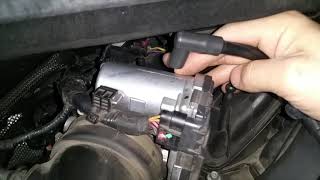
- Cracked EVAP Purge Valve Hoses 🔴 High Probability The plastic hoses in the engine bay become brittle from constant engine heat cycles and can develop hairline cracks, particularly at the connection fittings where they plug into the purge valve or other components. This is a very common failure point documented by many owners.
How to confirm: Visually inspect the plastic lines running to and from the EVAP purge solenoid on top of the engine. The cracks are often found right at the molded connector ends. Wiggling the hose may make the crack more apparent. A smoke test is the most definitive way to find the crack if it's not obvious.
Typical fix: Replace the cracked hose assembly. Some owners perform a temporary fix using a section of rubber fuel hose and clamps, but replacing the entire assembly is the correct long-term repair. The replacement is a straightforward DIY job.
Est. part cost: $40-$90 - Faulty Evaporative System Integrity Monitor (ESIM) Switch 🔴 High Probability This component, which is part of the leak detection system, is a known failure point on many Chrysler/Jeep products. The internal valve can fail, the diaphragm can break, or the O-ring seal can degrade, causing a leak. The part has gone through several revisions (e.g., from 'AB' to 'AC'), indicating manufacturer updates to address failures.
How to confirm: The ESIM is located on the charcoal canister behind the driver's side rear wheel well liner. A smoke test may show smoke leaking from the ESIM itself. Often, it's replaced based on high probability after inspecting hoses. Some owners report finding broken internal components (like a rattling sound when shaken or a broken contactor tab) upon disassembly.
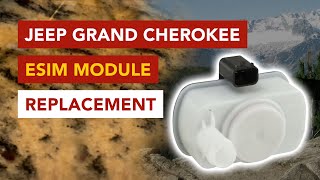
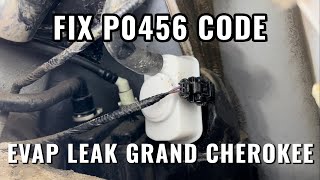
Typical fix: Replace the ESIM and its O-ring. This involves removing a few clips and a 10mm bolt to pull back the wheel well liner for access. The module is removed with a 45-degree counter-clockwise twist.
Est. part cost: $25-$50 - Loose or Dirty Capless Fuel Filler Seal 🟡 Medium Probability The capless system's spring-loaded flap and seal can accumulate dust and debris over time, preventing a proper seal and triggering a small leak code.
How to confirm: Visually inspect the spring-loaded flap for debris. Use the funnel provided with the vehicle to cycle the flap open and closed several times to check for smooth operation.
Typical fix: Clean the capless filler neck seal with a rag and a solvent like denatured alcohol or WD-40. Use the vehicle's funnel to work the solvent into the mechanism and flush out debris. If cleaning doesn't work, the entire filler neck may need replacement.
Est. part cost: $0 for cleaning, $100+ for filler neck replacement. - Faulty EVAP Purge Valve/Solenoid ⚪ Low Probability The purge valve can get stuck open, creating a leak path. While less common than hose or ESIM issues on this platform, it remains a possible cause and is a frequent point of misdiagnosis before checking the hoses.
How to confirm: With the engine off, remove the valve and try to blow through it; it should be closed. A scan tool can command the valve to open and close to test its function. It is located directly on top of the engine and is easily accessible.
Typical fix: Replace the purge valve. This is a very simple repair, typically involving one or two bolts and two hose connections.
Est. part cost: $25-$60
Rare But Worth Checking
- Leaking Charcoal Canister: The plastic housing of the canister itself can develop cracks over time, leading to a leak. This is usually found with a smoke test after all other common components have been checked.
- Software Glitch: TSB #18-009-20 and #18-057-19 REV. B indicate that a P0456 code can sometimes be triggered due to a software issue that requires a PCM update. [18-009-20, 18-057-19 REV. B] TSB #18-035-25 also mentions the code and advises using the wiTECH Small Leak Verification Test (SLVT) to confirm a physical leak before proceeding with software flashes. [1, 8, 18-035-25]
- Loose Fuel Vapor Hose Connection: TSB #18-035-20 was issued for some 2020 models (including the WK Grand Cherokee) where a fuel vapor hose near the tank may not have been properly connected from the factory, leading to P0456 and other EVAP codes.
Diagnosis Steps
- Inspect the capless fuel filler neck seal. Clean any visible dirt and use the vehicle's funnel to actuate the internal flap, applying a small amount of solvent (like WD-40) to clean and lubricate the seal. Clear the code and drive to see if it returns.
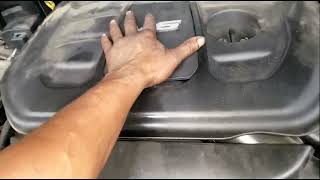
- Remove the engine cover and carefully inspect the plastic EVAP lines running to and from the purge valve. Pay close attention to the connection points for any visible cracks, which are extremely common.
- If no obvious cracks are found, the next step is a professional smoke test. This involves injecting low-pressure smoke into the EVAP service port, which is often a green-capped port on one of the EVAP lines in the engine bay.
- Observe for smoke leaking from any hoses, the purge valve, the charcoal canister, or the ESIM switch area (behind the driver's side rear wheel).
- If a smoke test passes but the code persists, check for any available powertrain software updates with a dealership or qualified shop, as mentioned in TSBs. The dealer can use the 'Small Leak Verification Test' (SLVT) with their scan tool to help confirm. [1, 8, 18-009-20]
- Test the purge solenoid using a scan tool to command it on and off, checking if it holds vacuum when closed. You can also remove it and try blowing through it when unpowered; it should be closed.
Parts You'll Likely Need
- Evaporative System Integrity Monitor (ESIM) Switch
(OEM #4861962AB, 4861962AC)— A very common failure point on this platform that causes P0456. It's inexpensive and relatively easy to access behind the rear driver's side wheel well liner. The 'AC' version is an updated part.
Trusted brands: Mopar, Duralast (ESM10003)
OEM price range: $30-$45
Aftermarket price range: $25-$40 - EVAP Purge Valve Hose Assembly
(OEM #68426846AB (3.6L V6), 68194884AC (6.4L V8))— The plastic hoses under the hood are prone to cracking from engine heat, causing a small leak that triggers this code. The entire assembly is typically replaced.
Trusted brands: Mopar
OEM price range: $40-$90
Aftermarket price range: N/A - Vapor Canister Purge Valve / Solenoid
(OEM #04627694AB (fits 3.6L & 5.7L))— Can get stuck open, causing a persistent small leak. It's a common cause on many vehicles and a possibility on the Grand Cherokee after hoses and the ESIM are checked.
Trusted brands: Mopar
OEM price range: $25-$60
Aftermarket price range: $20-$50
Related Codes That Often Appear With This One
- P0440 — P0440 indicates a general EVAP system malfunction. It often appears alongside more specific leak codes like P0456 as the system flags a general fault before or during the process of pinpointing the leak size.
- P0455 — This code indicates a large EVAP leak. It can sometimes appear with P0456 if the leak size is borderline or if there are multiple leaks of different sizes. TSB #18-035-20 notes that a loose hose can trigger both large and small leak codes.
- P0441 — Indicates incorrect purge flow. This can be caused by a cracked hose or a faulty purge valve, both of which are also potential causes for P0456. [18-035-25, 30]
Technical Service Bulletins (TSBs) & Recalls
- 18-009-20: Addresses P0456 and extended crank times, fixed with a PCM software update.
- 18-057-19 REV. B: Addresses P0456 and an inability to read OBDII data, fixed with a PCM software update.
Platform-Specific Known Issues
- TSB #18-009-20 was issued for some 2019 models experiencing P0456 along with extended engine crank times, addressed by a PCM software update. [18-009-20]
- TSB #18-057-19 REV. B notes that P0456 can appear on some 2019 models due to a software issue that may also prevent OBDII scanners from reading data. [18-057-19 REV. B]
- An owner complaint (ODI #11202953) links the P0456 code with the fuel tank not filling properly at high nozzle flow rates.
- TSB #18-035-20 for 2020 models describes how a fuel vapor hose could be disconnected from the factory, causing P0456, P0455, and a fuel odor.
Mechanic-Grade Diagnostic Values
- EVAP Purge Solenoid Voltage — expected: Approximately 9-12V at the connector with the key on, engine off.. Failure: No voltage indicates a wiring or PCM issue. Voltage present but solenoid doesn't function suggests a bad solenoid.
- Fuel Tank Pressure Sensor Live Data — expected: Value should change during a scan tool-commanded EVAP test or while driving.. Failure: A static or erratic reading may indicate a faulty sensor, though this is a less common cause for P0456 alone.
Scan Tool Commands That Help
- wiTECH: Small Leak Verification Test (SLVT) — This is the mandatory first step in FCA/Stellantis diagnostics for P0456. It verifies if a leak is currently present without needing a full drive cycle. It must be run before and after a repair to confirm the fix.
- wiTECH: EVAP System Test — A broader function that allows the technician to command individual components like the purge solenoid and vent valve to open or close, helping to isolate a faulty component or section of the system.
Wiring & Ground Locations
- G901a — Right rear corner of the engine compartment.. This is a primary ground point for several engine components, including the EVAP Purge Solenoid. A corroded or loose ground here can cause erratic operation of the solenoid.
- EVAP Purge Solenoid Connector — On top of the engine, connected to the purge solenoid.. This is the primary point for testing voltage to the solenoid. Technicians will back-probe this connector to check for power from the PCM.
- ESIM Connector — On the charcoal canister, behind the driver's side rear wheel well liner.. Checking for power and ground at this connector is necessary if the ESIM is suspected of being faulty and a replacement does not solve the issue, pointing towards a wiring problem.
Real Owner Repair Stories
- YouTube video by 'White Auto' (2018 Jeep Grand Cherokee, 72,000 miles) — Check Engine Light with code P0456.
❌ Tried (didn't work) Initial diagnosis started with a visual inspection under the hood.
✅ What actually fixed it A visual inspection revealed a cracked plastic EVAP hose assembly on top of the engine. Replacing the entire hose assembly resolved the code. - YouTube video by 'Zac Wade' (2014 Jeep Grand Cherokee SRT) — Check Engine Light with code P0456.
❌ Tried (didn't work) The owner suspected the ESIM was the most likely cause based on common failures.
✅ What actually fixed it The ESIM was replaced. Upon removal, the old ESIM rattled when shaken, indicating a broken internal component. The new part did not rattle, and replacing it fixed the issue. - YouTube video by 'Joy of Wrenching' (2017 Dodge Durango 3.6L (same platform/engine)) — Check Engine Light with code P0456.
❌ Tried (didn't work) A visual inspection found a previous attempt to fix a cracked purge valve hose with a zip tie.
✅ What actually fixed it A smoke test confirmed a significant leak from the cracked plastic hose at the purge valve connector. Replacing the cracked purge valve line assembly fixed the code. - Reddit user in r/GrandCherokee (2015 5.7L Overland) — Persistent P0456 code.
❌ Tried (didn't work) Replaced the ESIM switch., Replaced the purge valve and its associated tube/hose assembly.
✅ What actually fixed it The user's issue remained unresolved after replacing the most common parts, highlighting that diagnosis can sometimes go beyond the top two causes. Another user in the same thread fixed their code with a temporary electrical tape repair on a cracked hose, confirming the hose's vulnerability.
"I Checked Everything" — The Actual Cause
- In some cases on related Jeep platforms (Wrangler), owners have reported chasing a P0456 code, passing a smoke test, and replacing multiple EVAP components (purge valve, ESIM, gas cap) with no success. The eventual, unexpected fix was replacing a weak or failing battery. The theory is that low system voltage can cause sensitive electronic modules to behave erratically and falsely report codes.
OEM Part Supersession History
4861962AA, 4861962AB→4861962AC, which is now superseded by 4861962AD— The ESIM is a known high-failure rate part. The multiple revisions suggest ongoing manufacturer attempts to improve the durability and reliability of the internal switch mechanism and seals.
Heads up: All versions (AA, AB, AC, AD) are physically interchangeable and will fit. However, it is always recommended to use the latest available revision (currently 'AD') for the most updated design.
Model Year Variations Within This Range
- 2014+: Vehicles from 2014 onwards are equipped with a capless fuel filler system. This eliminates the traditional gas cap as a cause but introduces the filler neck's sealing flap as a potential, albeit less common, leak point.
Helpful Videos
Used OEM Parts in Stock
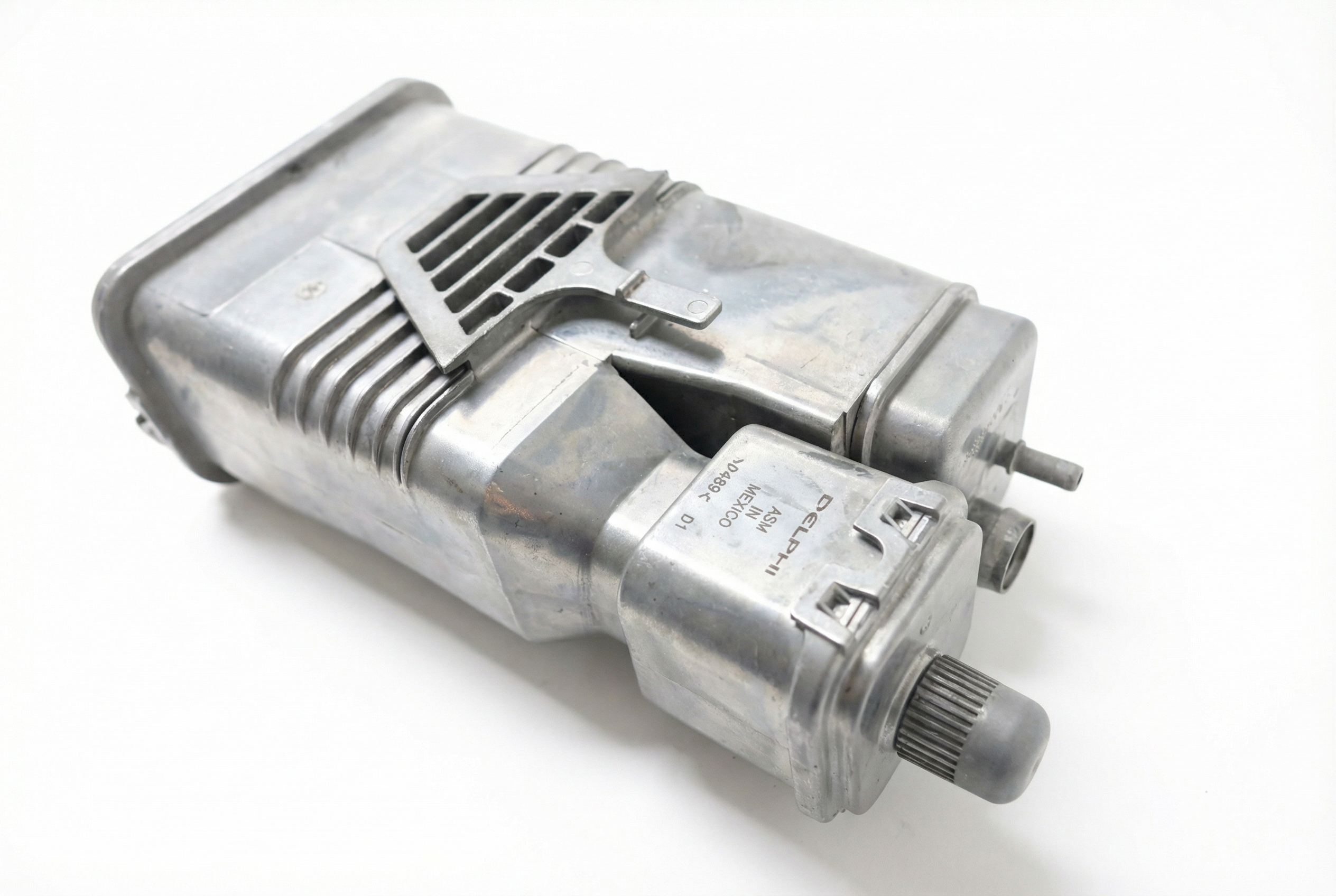
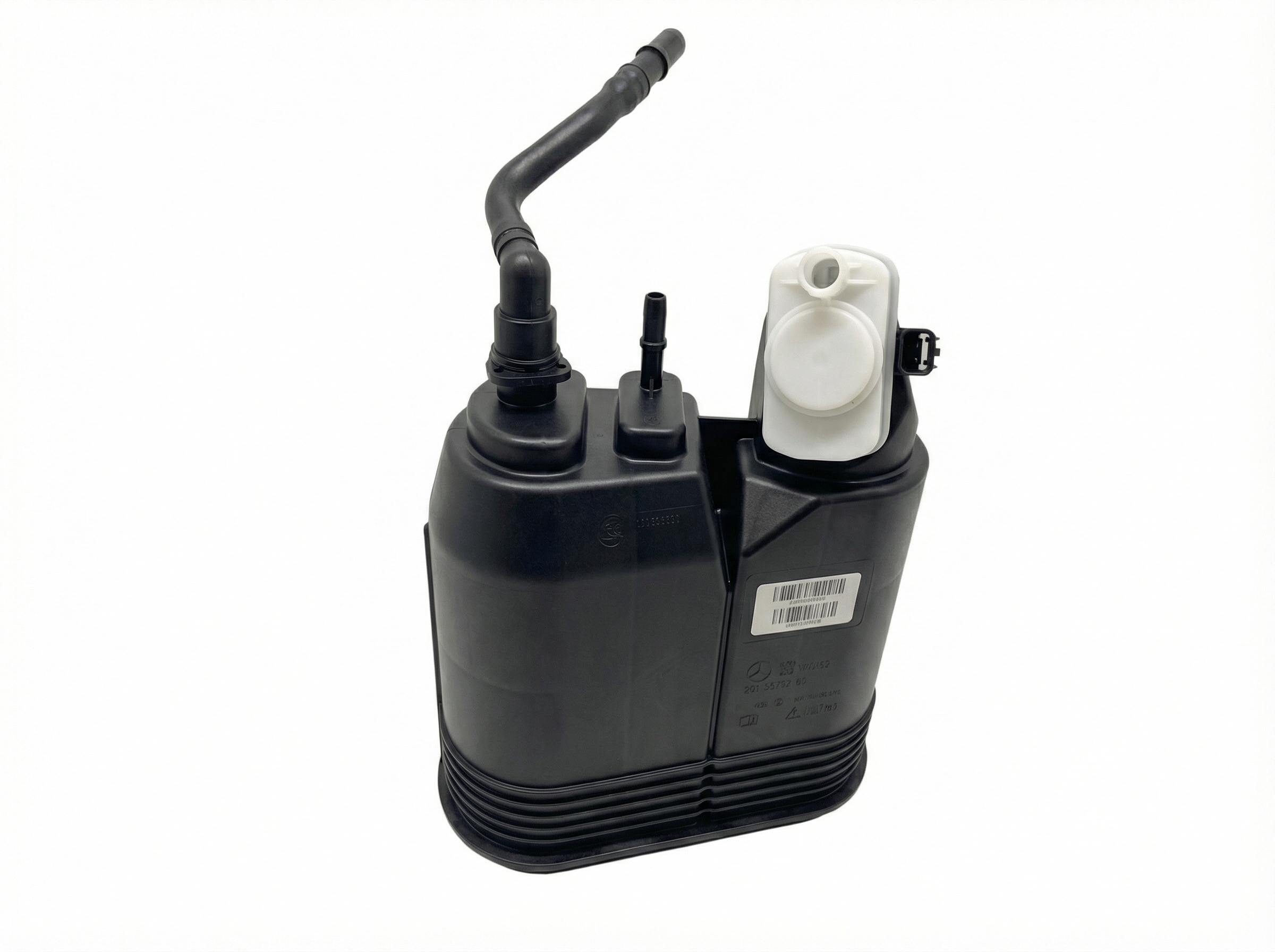
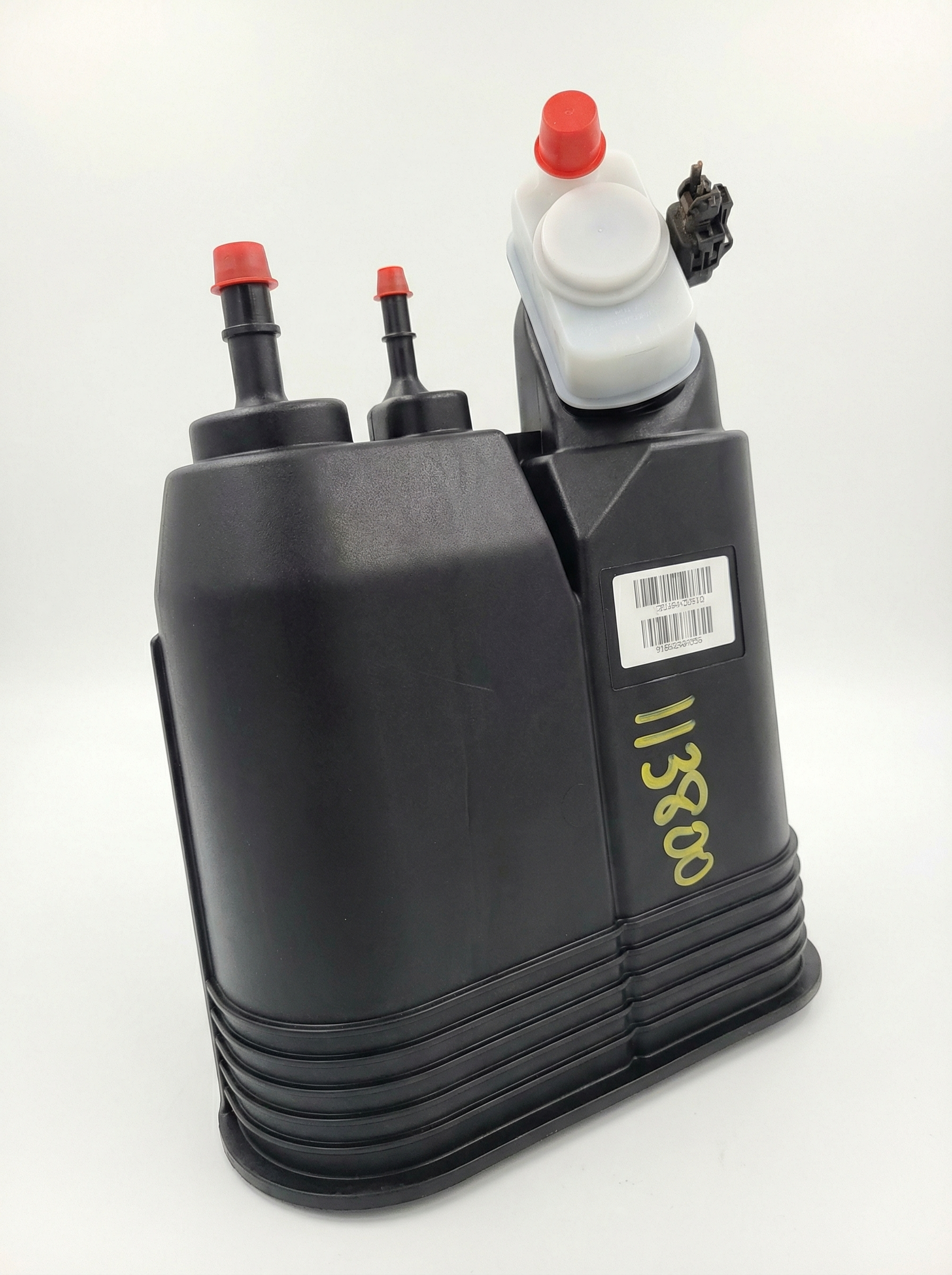


New Aftermarket Parts Available

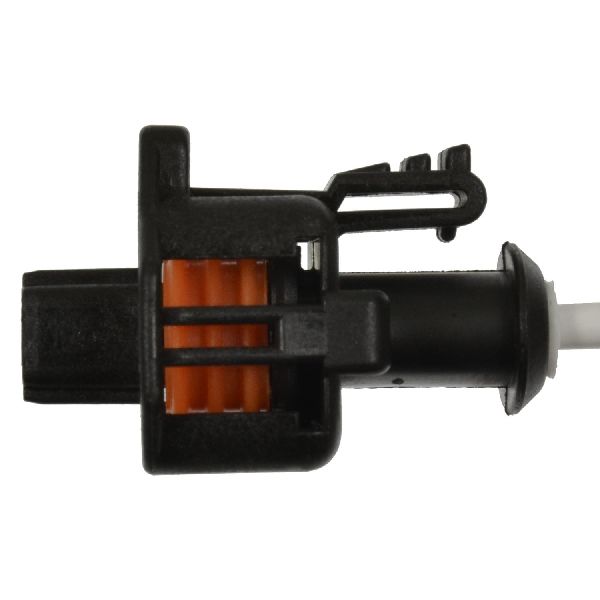



The information in this article is provided for general reference and educational purposes only. Vehicle specifications, procedures, and part compatibility can vary by production date, trim level, and region. Always consult your vehicle's factory service manual and verify part numbers before purchasing or performing repairs. Safety-critical components such as airbags, seat belts, and braking systems should be installed by a qualified professional.
- Jeep GRAND CHEROKEE:
- 🎬 Helpful Videos
- 🛍️ Shop This Part
- What's Unique About the 2012-2019 Jeep GRAND CHEROKEE
- Diagnostic Flowchart
- Symptoms You May Notice
- Most Likely Causes
- Rare But Worth Checking
- Diagnosis Steps
- Parts You'll Likely Need
- Related Codes That Often Appear With This One
- Technical Service Bulletins (TSBs) & Recalls
- Platform-Specific Known Issues
- Mechanic-Grade Diagnostic Values
- Scan Tool Commands That Help
- Wiring & Ground Locations
- Real Owner Repair Stories
- "I Checked Everything" — The Actual Cause
- OEM Part Supersession History
- Model Year Variations Within This Range
- 🎟️ Get 5% Off