

P0456 on 2011-2013 Infiniti M56: EVAP Small Leak Causes and Fixes
For a 2011-2013 Infiniti M56, code P0456 is most often caused by a loose gas cap or a failed O-ring on the EVAP vent control valve. Always check the gas cap first. If the cap is secure, the next most likely repair is replacing the vent control valve assembly, which costs around $80-$120 for the part. This is a well-documented issue covered by multiple Infiniti Technical Service Bulletins (TSBs).
- Always check the gas cap first. Make sure it's tight and the seal is intact. This is the simplest and a very common fix.
- Due to multiple Infiniti service bulletins, the EVAP vent control valve O-ring (or the entire valve assembly) is the most likely culprit if the gas cap isn't the issue.
- This code will not affect your car's performance or safety but will cause an automatic failure on an emissions test.
- A professional smoke test is the fastest way to accurately diagnose the location of the small leak if it's not the gas cap.
- When replacing parts, using OEM (Original Equipment Manufacturer) components, especially for the gas cap, is highly recommended to ensure a proper seal.
What's Unique About the 2011-2013 Infiniti M56
On this specific platform (Y51), Infiniti has explicitly acknowledged a common failure point that causes the P0456 code. Multiple Technical Service Bulletins (TSBs) point directly to a deteriorating O-ring on the EVAP vent control valve. While early bulletins (like ITB17-042a/b) advised replacing just the O-ring, later revisions like ITB17-042D and ITB17-042E recommend replacing the entire valve assembly, as the O-ring was often no longer sold separately. This makes diagnosis more straightforward than on many other vehicles where a small EVAP leak could have dozens of possible causes.
Diagnostic Flowchart
Tap your situation to follow the diagnostic path that matches what you're seeing on this vehicle.
Symptoms You May Notice
- Check Engine Light is on. The light may be intermittent, turning off and on over several days or weeks.
- A faint fuel smell may be noticeable, particularly when the vehicle is parked or around the fuel filler area.
- A 'Loose Fuel Cap' message may appear on the dashboard, even if the cap is tight (primarily on 2012 and newer models).
- Replacing the purge valve in the engine bay when the actual leak is at the vent control valve (near the canister) in the rear of the vehicle.
- Replacing the entire charcoal canister when only the vent valve O-ring or assembly is needed.
- Repeatedly replacing the gas cap with aftermarket versions that do not seal properly, instead of using an OEM cap or cleaning the filler neck.
Most Likely Causes
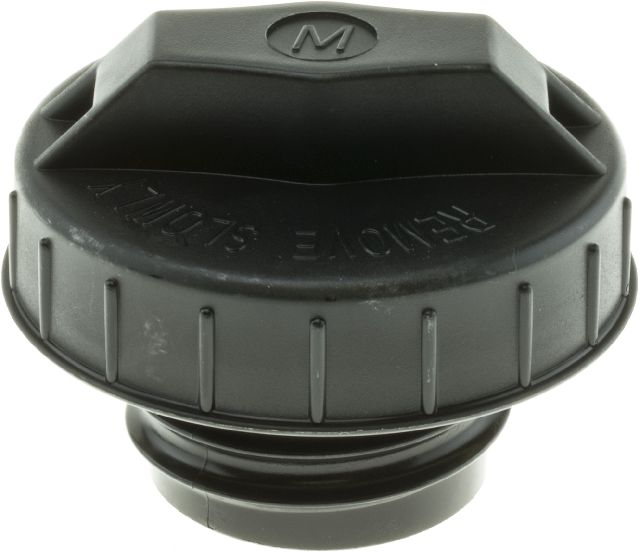
- Loose or Faulty Gas Cap 🔴 High Probability This is the most common cause for P0456 on any vehicle. The cap's seal can wear out, or it can be left loose after refueling. Owners on forums strongly recommend using an OEM cap, as aftermarket caps are notorious for not sealing correctly and causing this code to persist.
How to confirm: Ensure the gas cap is tightened until it clicks several times. Inspect the rubber seal on the cap for cracks, stiffness, or debris. Also, clean the metal rim of the fuel filler neck with a cloth or light abrasive pad, as grit or corrosion can prevent a good seal.
Typical fix: Tighten the existing cap, clear the code, and drive for a few days. 🎬 Watch: 7 DIY methods to fix a P0456 engine code If the light returns, replace the gas cap with a high-quality OEM part.
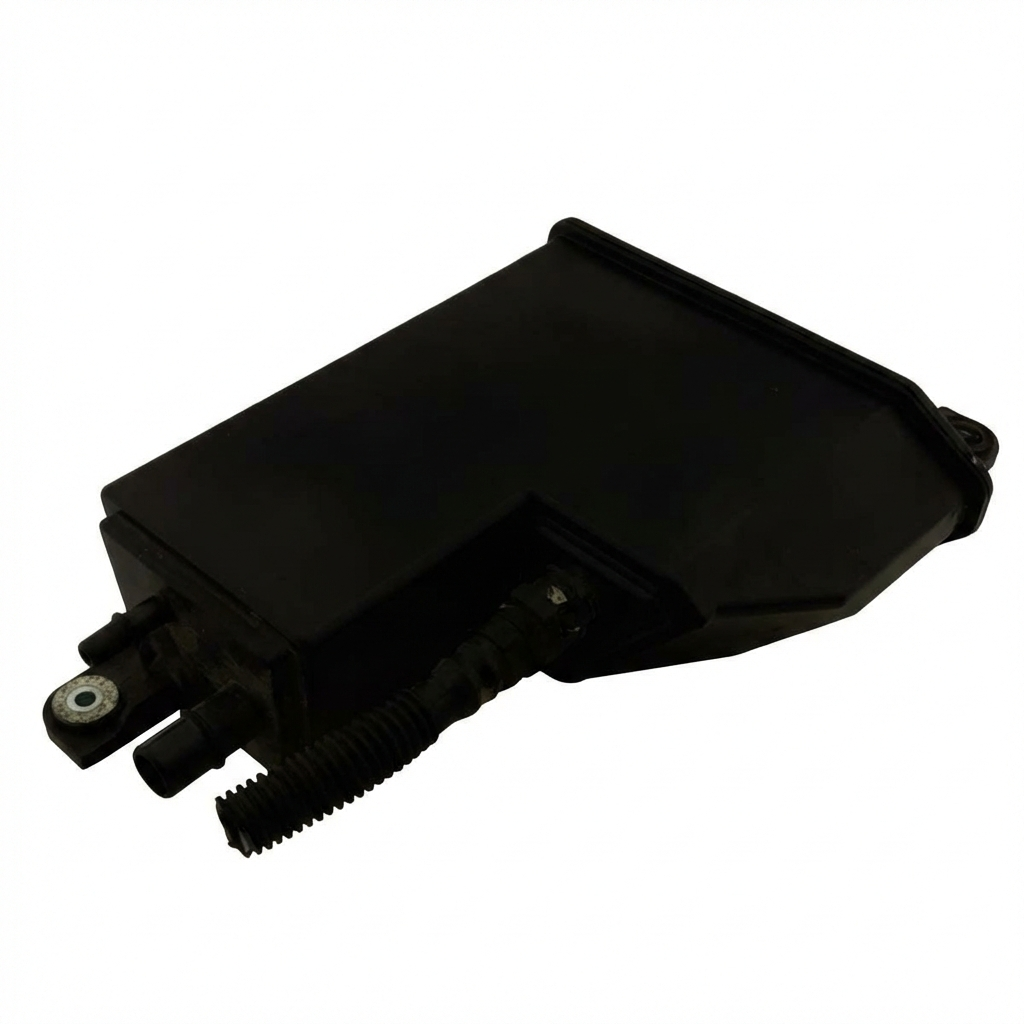
Est. part cost: $25-$40 - Failing EVAP Vent Control Valve or O-Ring 🔴 High Probability Infiniti issued multiple TSBs (including ITB17-042E, ITB17-042D) specifically identifying the O-ring on the vent control valve as the cause for P0456 on the M56 (Y51 platform). The rubber O-ring dries out and cracks over time, creating a small leak where the valve mounts to the charcoal canister, which is located near the rear of the vehicle, often accessible from behind the driver's side rear wheel.
How to confirm: After ruling out the gas cap, this is the next component to inspect. A smoke test is the definitive method, as smoke will be seen leaking from the valve/canister interface. Visually inspecting the O-ring after removing the valve may also reveal obvious cracks or damage. One owner on a NICOclub forum noted this was the fix after the gas cap replacement didn't work.
Typical fix: Per the most recent TSBs, the recommended fix is to replace the entire EVAP vent control valve assembly. Early TSBs suggested replacing only the O-ring, but it is often no longer available as a separate part from Infiniti. A YouTube user confirmed this fixed their persistent P0456 code on a similar Nissan platform.
Est. part cost: $80-$120 - Cracked or Disconnected EVAP Hoses 🟡 Medium Probability The rubber and plastic hoses in the EVAP system can become brittle and crack due to age and exposure to engine heat and the elements.
How to confirm: A visual inspection of all accessible EVAP lines between the engine bay, charcoal canister, and fuel tank may reveal obvious cracks or loose connections. A smoke test is the most effective way to find a small, hard-to-see leak in a hose.
Typical fix: Replace the cracked section of hose or the entire hose assembly. Ensure connections are secure.
Est. part cost: $10-$50 - Faulty EVAP Purge Valve/Solenoid ⚪ Low Probability The purge valve, located in the engine bay, can sometimes fail by sticking slightly open, creating a leak path. While less common for P0456 than the vent valve, it is a possible failure point.
How to confirm: The purge valve is normally closed when the engine is off. Remove the valve and try to blow through it; if air passes, it is stuck open and faulty. A scan tool can also command the valve to open and close to test its function.
Typical fix: Replace the purge valve assembly.
Est. part cost: $50-$100
Rare But Worth Checking
- Cracked Charcoal Canister: The plastic housing of the charcoal canister can develop fine cracks from age or impact from road debris, leading to a small leak.
- Faulty Fuel Tank Pressure Sensor: In rare cases, the sensor that detects the leak may be faulty itself, providing incorrect data to the computer. This usually triggers other codes as well.
- Dirty or Corroded Fuel Filler Neck: Rust, dirt, or grit on the metal lip of the fuel filler neck can prevent even a new gas cap from forming a perfect seal, causing a P0456 code.
Diagnosis Steps
- Check for a 'Loose Fuel Cap' message on the dashboard.
- Inspect the gas cap. Ensure it is tight by turning it until it clicks multiple times. Check the cap's seal for any cracks or damage.
- Thoroughly clean the metal rim of the fuel filler neck where the cap seal makes contact.
- Clear the code with an OBD-II scanner and drive the vehicle for a few days to see if the code returns. The EVAP monitor runs under specific conditions (often with 1/4 to 3/4 tank of fuel after the car has sat), so it may take time.
- If the code returns, the next step is to inspect the EVAP Vent Control Valve, located on the charcoal canister at the rear of the vehicle, typically behind the driver's side rear wheel well.
- Visually inspect the area where the vent control valve mounts to the canister for any signs of cracking or damage.
- The most definitive diagnostic method is to perform a smoke test. A smoke machine is connected to the EVAP system service port. Smoke is forced into the system, and any leaks will be visible as smoke escapes. Pay close attention to the vent control valve, gas cap, and all EVAP hoses.
- If smoke leaks from the vent control valve, replace the valve assembly per TSB ITB17-042E.
- If smoke leaks from a hose, replace the damaged hose.
- If no leak is found with the smoke test, further diagnosis of the purge valve and fuel tank pressure sensor may be required.
Parts You'll Likely Need
- EVAP Canister Vent Control Valve
(OEM #14935-JF00E)— This is the most common failure point for P0456 on this vehicle, as identified by multiple Infiniti TSBs. The O-ring seal degrades, causing a leak. The latest TSBs recommend replacing the entire assembly. This part is superseded by 14935-JF02C.
Trusted brands: Hitachi (OEM Supplier), Dorman, Standard Motor Products, Infiniti (OEM)
OEM price range: $80-$120
Aftermarket price range: $65-$100 - Fuel Cap
(OEM #17251-JK60D)— A worn or improperly sealed gas cap is the simplest and a very frequent cause of a P0456 code. Owner experiences heavily favor using an OEM cap over aftermarket alternatives to ensure a proper seal.
Trusted brands: Infiniti (OEM)
OEM price range: $25-$40
Aftermarket price range: $15-$30
Related Codes That Often Appear With This One
- P0442 — This code indicates a 'small leak' (larger than P0456). They can appear together if the leak size is on the borderline between the two thresholds.
- P0455 — This code indicates a 'large leak'. It's less common to see with P0456, but could occur if there are multiple leak sources or a component fails catastrophically.
Technical Service Bulletins (TSBs) & Recalls
- ITB17-042E: DTC P0456 CAUSED BY EVAP LEAK AT VENT CONTROL VALVE O-RING
- ITB17-042D: INFINITI; DTC P0456 CAUSED BY EVAP LEAK AT VENT CONTROL VALVE O-RING
- ITB17-042C: INFINITI; DTC P0456 CAUSED BY EVAP LEAK AT VENT CONTROL VALVE O-RING
- ITB17-042B: INFINITI; DTC P0456 CAUSED BY EVAP LEAK AT VENT CONTROL VALVE O-RING
- ITB13-044J: EVAP LEAK DTC P0442, P0455, P0456 INFORMATION
Platform-Specific Known Issues
- Infiniti TSB ITB17-042E and its predecessors specifically call out the vent control valve O-ring as a frequent cause of P0456 on the 2011-2013 M56 (Y51). The bulletin was later amended (to ITB17-042D) to recommend replacing the entire valve assembly as the O-ring was no longer sold as a separate service part by Infiniti.
- An earlier version of the TSB (ITB17-042b) from 2019 explicitly stated 'DO NOT REPLACE the vent control valve' and to only replace the O-ring, highlighting the change in repair strategy over time.
Mechanic-Grade Diagnostic Values
- EVAP Vent Control Valve Solenoid Resistance — expected: 20 - 50 Ohms. Failure: A reading of 0 Ohms (short circuit) or infinite/OL (open circuit) indicates a failed solenoid coil.
- Fuel Tank Pressure (FTP) Sensor Voltage (Key On, Engine Off, Gas Cap Off) — expected: Approximately 1.3V - 1.7V (ideal is ~1.5V). Failure: A voltage reading that is stuck high (e.g., 5V) or low (e.g., 0.3V) and does not change with pressure indicates a faulty sensor or wiring issue.
Hidden / Shadow Codes Worth Checking
- Mode 6, TID $02: This is not a trouble code, but the raw test value from the onboard monitor for the EVAP system leak check. Reviewing this data can show if the system is passing or failing the self-test, and by how much, before a code is officially set. (see via Requires an advanced OBD-II scan tool with Mode 6 data display capabilities.)
Scan Tool Commands That Help
- Infiniti CONSULT-III plus: EVAP System Leak Check (Active Test) — This bidirectional function is used to command the vent control valve to close, sealing the system. It allows a technician to immediately verify a repair by monitoring system pressure without waiting for the vehicle to complete a full, natural drive cycle to run the EVAP monitor.
- Advanced Aftermarket Scan Tool: EVAP Purge/Seal Test — Commands the purge solenoid to open and the vent solenoid to close, applying engine vacuum to the EVAP system. Monitoring the Fuel Tank Pressure sensor voltage during this test can quickly determine if the system can hold a vacuum, pointing to a large leak or a non-functional valve if the vacuum doesn't build.
Wiring & Ground Locations
- Engine Block Grounds (Driver Side) — On the driver's side of the engine block, there are several ground wires attached with 10mm and 12mm bolts.. Poor grounds for the Engine Control Module (ECM) or its sensors can cause erratic behavior and false codes. The ECM controls and monitors the entire EVAP system, so ensuring it has a clean ground is a crucial, though often overlooked, electrical diagnostic step.
- Strut Tower Grounds (Driver Side) — Located on the driver side strut tower in the engine bay, attached with 10mm bolts.. These are primary body ground points. The EVAP vent control valve and fuel tank pressure sensor are located at the rear of the vehicle and ground to the body/frame. Corrosion at these main engine bay grounds can create resistance and affect the operation and readings of components throughout the car.
- EVAP Canister Vent Solenoid Connector — On the EVAP canister vent valve itself, located on the charcoal canister assembly under the rear of the vehicle.. This is the electrical connection for the most common failing part. Damage or corrosion here can prevent the valve from closing during the self-test, directly causing a P0456 leak code.
OEM Part Supersession History
14935-JF00A→14935-JF00B, 14935-JF00C, 14935-JF00D, 14935-JF00E, 14935-JF02C— Multiple revisions by the manufacturer to improve reliability or change suppliers for the EVAP Canister Vent Control Valve.
Heads up: The latest version, 14935-JF02C, is the recommended replacement for all previous versions.
Model Year Variations Within This Range
- 2011: The 2011 model year may not have the specific 'Loose Fuel Cap' warning message on the dashboard that was standardized on all 2012 and newer Infiniti vehicles per TSB ITB13-044. For 2011 owners, the first indication of a loose cap will be the Check Engine Light itself, rather than a preceding, more specific warning.
Helpful Videos
![How to Fix P0456 Engine Code in 7 Minutes [7 DIY Methods / Only $3.44]](https://img.youtube.com/vi/njt81AALI3U/mqdefault.jpg)
Used OEM Parts in Stock

New Aftermarket Parts Available


The information in this article is provided for general reference and educational purposes only. Vehicle specifications, procedures, and part compatibility can vary by production date, trim level, and region. Always consult your vehicle's factory service manual and verify part numbers before purchasing or performing repairs. Safety-critical components such as airbags, seat belts, and braking systems should be installed by a qualified professional.
- Infiniti M56:
- 🎬 Helpful Videos
- 🛍️ Shop This Part
- What's Unique About the 2011-2013 Infiniti M56
- Diagnostic Flowchart
- Symptoms You May Notice
- Most Likely Causes
- Rare But Worth Checking
- Diagnosis Steps
- Parts You'll Likely Need
- Related Codes That Often Appear With This One
- Technical Service Bulletins (TSBs) & Recalls
- Platform-Specific Known Issues
- Mechanic-Grade Diagnostic Values
- Hidden / Shadow Codes Worth Checking
- Scan Tool Commands That Help
- Wiring & Ground Locations
- OEM Part Supersession History
- Model Year Variations Within This Range
- 🎟️ Get 5% Off