

P0456 on 2019-2021 Ford Ranger: Causes and Fixes for a Small EVAP Leak
For a 2019-2021 Ford Ranger with the 2.3L EcoBoost, code P0456 is most often caused by a software glitch requiring a dealer update (TSB 21-2010) or a dirty/faulty capless fuel filler neck. Before paying for parts, check for software updates and thoroughly clean the fuel filler area with the vehicle's supplied funnel.
- Before you buy any parts, check with a Ford dealer if TSB 21-2010 (a software update) applies to your truck; it may be a free fix under warranty.
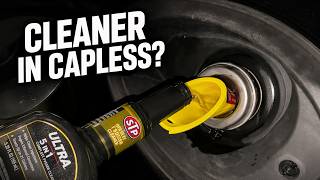
- The most common DIY fix is to thoroughly clean the capless fuel filler neck with the provided funnel and a cloth. This costs nothing and fixes the issue for many owners.
- Do not replace the purge valve without testing it first; it is a commonly misdiagnosed part for this code on the Ranger. Test it by removing it and trying to blow through it.
- If simple fixes don't work, a professional smoke test is the most reliable way to find the very small leak.
What's Unique About the 2019-2021 Ford RANGER

For the 2019-2021 Ford Ranger, this common code has two very platform-specific causes you should know about. First, Ford issued a Technical Service Bulletin (TSB 21-2010) stating that a software error in the powertrain control module (PCM) can falsely trigger this code, with the fix being a simple software reflash at a dealership. Second, another bulletin (SSM 50306) warns technicians that the EVAP canister purge valve is often replaced unnecessarily when the real issue lies elsewhere. Owners on forums like ranger5g.com frequently report that off-roading or dusty conditions lead to debris in the capless fuel filler neck, preventing a proper seal and causing this leak code.
Diagnostic Flowchart
Tap your situation to follow the diagnostic path that matches what you're seeing on this vehicle.
Symptoms You May Notice
- Check Engine Light (Malfunction Indicator Lamp) is on.
- A faint smell of gasoline, particularly around the rear of the truck (rare).
- No noticeable difference in driving performance or fuel economy.
- In very rare cases related to a stuck-open purge valve, a slight engine hesitation immediately after refueling may occur.
- Replacing the EVAP canister purge valve without proper diagnosis. Ford TSB SSM 50306 explicitly warns against this, as returned parts were often found to be working correctly. Always test the valve by attempting to blow through it before replacing.
Most Likely Causes

- Powertrain Control Module (PCM) Software Error 🔴 High Probability Ford identified a software parameter issue in TSB 21-2010 specifically for 2019-2020 Ranger models that can incorrectly flag a small leak.
How to confirm: Contact a Ford dealership and provide your vehicle's VIN. They can check if TSB 21-2010 is applicable and has not yet been performed on your truck.
Typical fix: The dealership reprograms the Powertrain Control Module (PCM) with updated software. This is a no-charge repair if the vehicle is still under the 8-year/80,000-mile federal emissions warranty. Out of warranty, the cost can range from $100-$200.
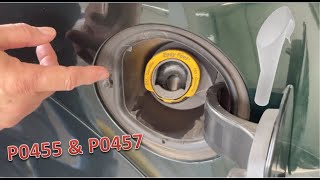
Est. part cost: $0-$200 - Debris in Capless Fuel Filler Neck 🔴 High Probability The capless design can allow dirt, dust, or mud, especially from off-roading, to get into the sealing flap, preventing a proper seal after refueling. Forum users report this happening frequently.
How to confirm: Visually inspect the fuel filler opening for any debris. The internal flap should be clean and seat flush. One owner on ranger5g.com noted getting the code after off-roading got mud all over the exposed filler neck.
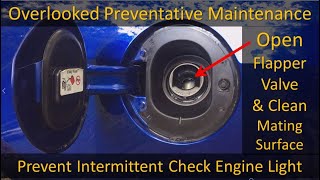
Typical fix: Use the white plastic funnel that came with the vehicle to open and close the flap several times to dislodge debris. Clean the sealing area with a lightly damp cloth or a rag with a small amount of WD-40. Ensure the funnel itself is clean before use.
Est. part cost: $0 - Faulty EVAP Canister Purge Valve 🟡 Medium Probability This valve controls the flow of fuel vapors to the engine. While it can fail, Ford TSB SSM 50306 warns that this part is often misdiagnosed and replaced when it is still functional.
How to confirm: With the engine off, remove the purge valve. It should be closed and not allow air to pass through. Try blowing through either port; if air passes, the valve is stuck open and faulty. A mechanic can also command it open and closed with a scan tool to verify function.
Typical fix: Replacement of the purge valve. This is a relatively simple DIY job, typically involving two bolts and two hose connections on top of the engine. 🎬 See this walkthrough on how to replace your purge valve like a pro.
Est. part cost: $30-$80 - Cracked or Disconnected EVAP Hose ⚪ Low Probability
How to confirm: A visual inspection of all hoses running from the fuel tank to the engine bay may reveal a crack or loose connection. A professional smoke test is the most effective way to find a very small leak in a hose, as a hairline crack may not be visible.
Typical fix: Replace the damaged section of hose.
Est. part cost: $10-$50
Rare But Worth Checking
- Faulty EVAP Vent Solenoid: This valve, located near the charcoal canister, can get stuck and fail to seal the system during the self-test. It's less common than the purge valve but a possible cause. The Motorcraft OEM part is often sold as part of a larger assembly or under part number 9U5Z-9F945-C or CX-2776.
- Cracked Charcoal Canister: Physical damage to the canister (e.g., from off-roading or road debris) can cause a leak. It's an expensive part, so this should be confirmed with a smoke test before replacement. The OEM part number is KB3Z-9D653-A, often sold under Motorcraft part number CX-2535.
Diagnosis Steps

- Inspect and clean the capless fuel filler neck. Use the provided emergency funnel to work the flap, and wipe the sealing surfaces with a clean, damp cloth.
- Use a scan tool to clear the code. Drive for several days to see if the check engine light returns. Note that the EVAP monitor may take several drive cycles and an overnight rest to complete its self-test.
- If the light returns, contact a Ford dealer with your VIN to check for TSB 21-2010. If applicable and still under emissions warranty, have the PCM reprogrammed.
- If the TSB does not apply or does not fix the issue, locate and test the EVAP purge valve. Remove it and try to blow through it. If air passes, it needs replacement.
- Visually inspect all accessible EVAP hoses between the engine and the fuel tank for obvious cracks or disconnections.
- If no visual faults are found, the next step is a professional smoke test. This involves injecting a harmless, visible smoke into the EVAP system to pinpoint the exact location of the very small leak. 🎬 Watch: A professional guide to diagnosing a P0456 small EVAP leak.
- Based on the smoke test results, test the specific component (purge valve, vent solenoid, etc.) before replacing it.
Parts You'll Likely Need

- EVAP Canister Purge Valve
(OEM #EU5Z-9C915-A (Motorcraft CX-2412))— Though often misdiagnosed, a faulty purge valve is a common cause of EVAP leaks on many vehicles, including Fords. The part number EU5A-9G866-CE is also seen on some aftermarket parts.
Trusted brands: Motorcraft, Bosch, Dorman
OEM price range: $50-$100
Aftermarket price range: $30-$80 - Fuel Filler Neck Assembly
(OEM #L1MZ-9034-Y)— If the sealing flap on the capless system is damaged or warped and cannot be fixed by cleaning, the entire filler neck may need to be replaced to resolve the leak. One owner on a forum mentioned this as the final, albeit expensive, solution after a smoke test showed a leak at the cap.
Trusted brands: Motorcraft
OEM price range: $150-$250
Aftermarket price range: $100-$180
Related Codes That Often Appear With This One
- P0451 — This code for 'EVAP System Pressure Sensor/Switch Range/Performance' is mentioned alongside P0456 in TSB 21-2010, indicating they can both be caused by the same PCM software issue.
- P0455 — This indicates a large EVAP leak. Sometimes a problem on the borderline between small and large can trigger either code intermittently. One owner on ranger5g.com reported getting P0442 (medium leak), then P0455 (large leak), and finally P0456 (small leak) while chasing the same underlying issue.
Technical Service Bulletins (TSBs) & Recalls
- TSB 21-2010: Addresses P0451 and/or P0456 caused by PCM software parameters on 2019-2020 models.
- SSM 50306: Warns against unnecessarily replacing the EVAP canister purge valve and advises specific diagnostic procedures for a wide range of Ford vehicles, including the 2019-2021 Ranger.
Platform-Specific Known Issues
- TSB 21-2010: Some 2019-2020 Rangers may set code P0456 due to a software issue in the PCM. The fix is a dealer-performed software update, which should be covered under the federal emissions warranty.
- SSM 50306: Ford noted that for P0456 and other EVAP codes on 2019-2021 Rangers, canister purge valves are often replaced when they are not faulty. Ford recommends using the Ford Diagnosis and Repair System (FDRS) scan tool to perform a full system leak test before replacing any parts.
Mechanic-Grade Diagnostic Values
- Fuel Tank Pressure (FTP) Sensor Voltage at atmospheric pressure (KOEO, gas cap off) — expected: 2.4V - 2.6V. Failure: Significant deviation from this range indicates a faulty sensor.
- EVAP Canister Vent Valve Commanded Closed Voltage Drop — expected: Minimum 4.0V drop. Failure: A voltage drop less than 4V when the valve is commanded to 100% duty cycle (closed) indicates a problem with the valve or circuit.
- EVAP Canister Vent Valve Commanded Open Voltage — expected: Approximately battery voltage. Failure: Voltage significantly lower than battery voltage when the valve is commanded open (0% duty cycle) suggests a circuit issue.
- EVAP System Pressure during self-test (measured in inches of water) — expected: approx. -8.0 in-H2O. Failure: Inability to reach or hold this level of vacuum during a scan tool-initiated test indicates a leak.
Scan Tool Commands That Help
- Ford FDRS / Professional Scan Tool: EVAP Canister Vent Solenoid Open/Close Command — This bidirectional control is essential for diagnosis. It is used to manually seal the EVAP system before performing a smoke test or to verify the solenoid's functionality by monitoring FTP sensor data.
- Ford FDRS / Professional Scan Tool: EVAP System Leak Test — This automated procedure commands the purge and vent solenoids in sequence to pull a vacuum on the fuel tank and monitor for decay. It is the PCM's own self-test initiated on demand and is the most definitive way to confirm if a leak is present after a repair.
Wiring & Ground Locations
- Fuse F61 (Engine Compartment Fuse Box) — Located in the power distribution box in the engine bay.. This 20A fuse provides power to the Canister Vent Solenoid and the Canister Purge Valve. If this fuse is blown, these key components will be inoperative, preventing the EVAP system from functioning and likely setting various EVAP codes.
Real Owner Repair Stories
- ranger5g.com forum user (2020 Ford Ranger) — Check Engine Light with code P0456.
❌ Tried (didn't work) Initial diagnosis was uncertain.
✅ What actually fixed it The user had previously been off-roading and gotten mud on the exposed capless fuel filler neck. The fix was to thoroughly clean the sealing flap of the filler neck with a slightly damp rag, which allowed it to seal properly and resolved the code.
OEM Part Supersession History
7U5Z-9F945-E→9U5Z-9F945-C— Standard part revision/update by the manufacturer.
Heads up: The new part number is a direct replacement for the old one for the EVAP Vent Control Solenoid.
Model Year Variations Within This Range
- 2019-2020: These model years are specifically called out in TSB 21-2010 as potentially having a PCM software error that can falsely trigger code P0456. The 2021 model is not included in this specific bulletin, suggesting a software change was made in production.
Helpful Videos
![How to Fix P0456 Engine Code in 7 Minutes [7 DIY Methods / Only $3.44]](https://img.youtube.com/vi/njt81AALI3U/mqdefault.jpg)
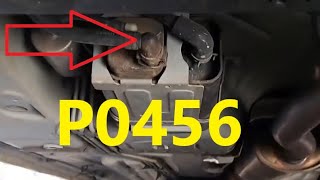
Used OEM Parts in Stock
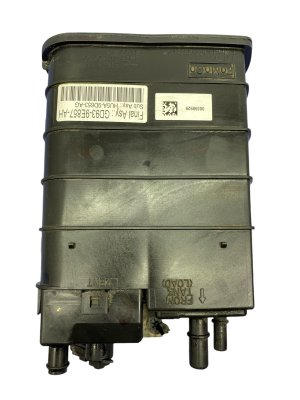
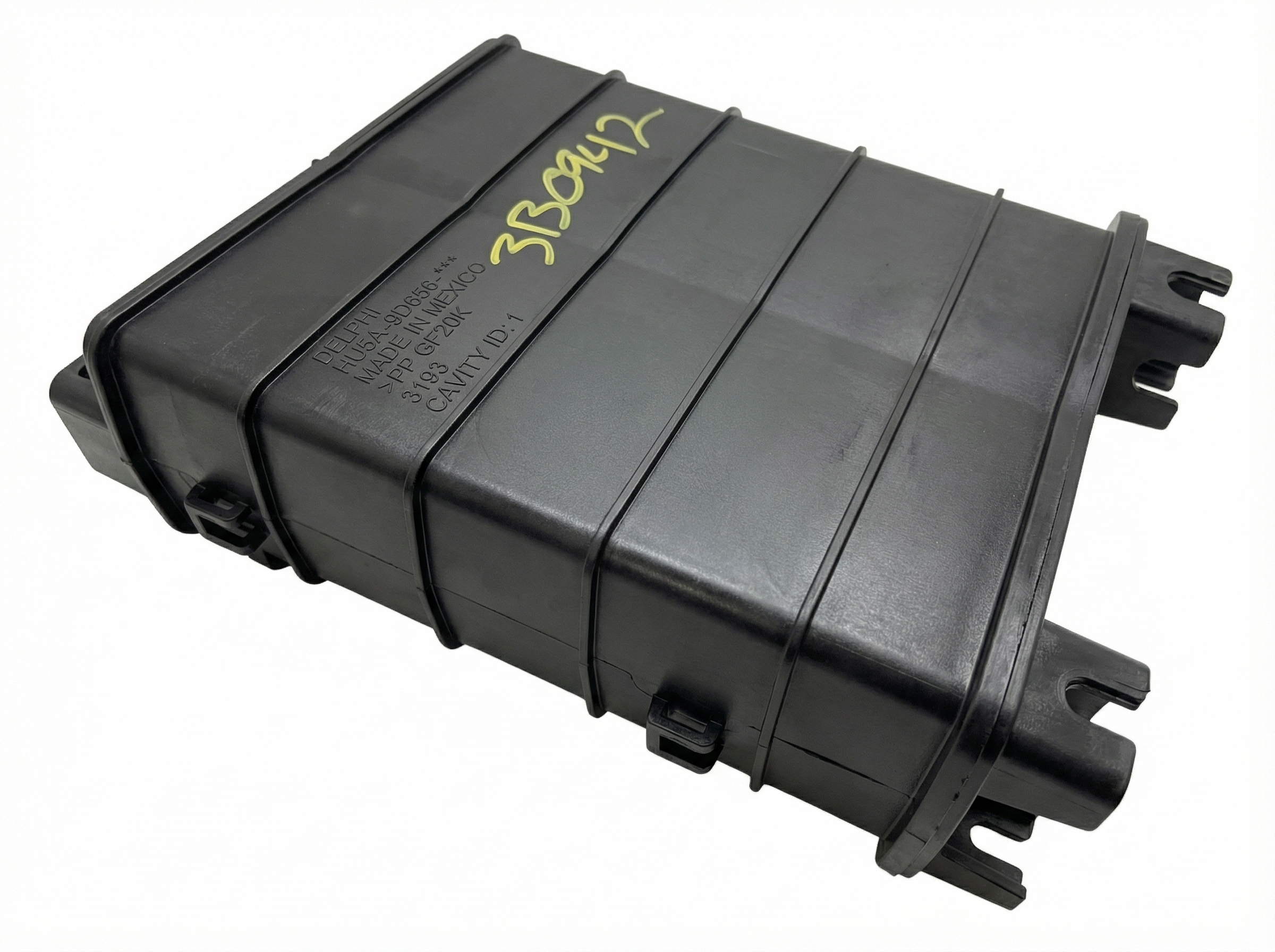

New Aftermarket Parts Available


The information in this article is provided for general reference and educational purposes only. Vehicle specifications, procedures, and part compatibility can vary by production date, trim level, and region. Always consult your vehicle's factory service manual and verify part numbers before purchasing or performing repairs. Safety-critical components such as airbags, seat belts, and braking systems should be installed by a qualified professional.
- Ford RANGER:
- 🎬 Helpful Videos
- 🛍️ Shop This Part
- What's Unique About the 2019-2021 Ford RANGER
- Diagnostic Flowchart
- Symptoms You May Notice
- Most Likely Causes
- Rare But Worth Checking
- Diagnosis Steps
- Parts You'll Likely Need
- Related Codes That Often Appear With This One
- Technical Service Bulletins (TSBs) & Recalls
- Platform-Specific Known Issues
- Mechanic-Grade Diagnostic Values
- Scan Tool Commands That Help
- Wiring & Ground Locations
- Real Owner Repair Stories
- OEM Part Supersession History
- Model Year Variations Within This Range
- 🎟️ Get 5% Off