

P0456 on 2013-2017 Ford Fusion Energi: EVAP Small Leak Causes & Fixes
On a 2013-2017 Fusion Energi, the P0456 code is most often caused by a faulty canister purge valve, an issue documented by Ford in a Technical Service Bulletin (TSB 19-2207). Replacing this valve with the updated part (AU5Z-9C915-E) is a common, affordable, and straightforward DIY repair that frequently resolves the issue without further intervention.
- For a 2013-2017 Ford Fusion Energi, P0456 is most likely a bad canister purge valve.
- This is a known issue confirmed by Ford in Technical Service Bulletin 19-2207, which also applies to the C-Max and Lincoln MKZ Hybrid.
- Before performing complex diagnostics, clean the capless fuel filler neck and test the purge valve, as these are the simplest and most probable fixes.
- Replacing the purge valve is a DIY-friendly task that can be completed in under an hour with basic tools.
- The updated OEM part number for the recommended purge valve is AU5Z-9C915-E, which supersedes AU5Z-9C915-D.
What's Unique About the 2013-2017 Ford FUSION ENERGI

The Fusion Energi, along with its C-Max and MKZ platform mates, is particularly known for this code due to a specific, well-documented issue with the original canister purge valve's sealing capability. Ford directly addressed this weakness in Technical Service Bulletin TSB 19-2207, which supersedes a previous TSB (14-0193), making the purge valve the primary suspect, unlike in many other vehicles where a loose gas cap is the first guess.
Diagnostic Flowchart

Tap your situation to follow the diagnostic path that matches what you're seeing on this vehicle.
Symptoms You May Notice

- Check Engine Light is on
- A faint fuel smell (in rare cases)
- No noticeable impact on drivability
- Difficulty starting after refueling (a less common but specific symptom of a stuck-open purge valve)
- Immediately assuming the issue is a complex leak requiring a smoke test, without first checking the highly probable canister purge valve, which is a known issue for this specific vehicle.
- Replacing other EVAP components like the vent valve or charcoal canister before testing the purge valve, which is the cause in the vast majority of cases for this platform.
Most Likely Causes

- Faulty Canister Purge Valve 🔴 High Probability Ford issued TSB 19-2207 specifically for this issue on 2013-2017 Fusion/C-Max/MKZ Hybrid and Energi models, stating the original valve may have poor sealing capability. This is the most widely reported and confirmed fix by owners.
How to confirm: With the engine running, disconnect the electrical connector and the EVAP hose from the purge valve. Place your finger over the port on the valve where the hose was connected. If you feel any suction, the valve is stuck open and is faulty. A properly functioning valve should be completely closed with no power applied.
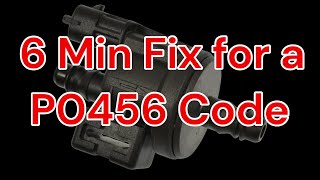
Typical fix: Replace the canister purge valve. The TSB recommends the valve replacement (Part No. AU5Z-9C915-E) be performed along with a PCM software update by a dealer. However, many owners in forums report that simply replacing the valve itself permanently resolves the P0456 code 🎬 Watch this step-by-step guide to replacing the Fusion purge valve. without the need for a dealer visit for the software update.
Est. part cost: $40-$80 - Loose or Damaged Fuel Filler Neck Seal 🟡 Medium Probability The Fusion Energi uses a capless fuel filler system. The spring-loaded door that seals the system can get stuck or fail to seal properly due to dirt, debris, or wear, especially in regions with road salt.
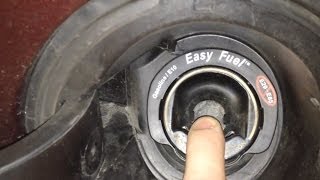
How to confirm: Visually inspect the capless filler neck for debris. Use the emergency fuel funnel provided with the vehicle (usually located with the spare tire tools) to insert and remove it 10-15 times to help clear any debris and exercise the seal. Some owners spray a small amount of silicone lubricant or WD-40 into the mechanism while working the funnel to help clean and re-lubricate the seals. 🎬 See how to properly clean and maintain your capless filler neck.
Typical fix: Clean the filler neck opening as described above. If the seal is visibly damaged or cleaning does not resolve the issue, the entire fuel filler neck assembly must be replaced.
Est. part cost: $5-$150 - Cracked or Disconnected EVAP Hoses ⚪ Low Probability
How to confirm: Visually inspect all accessible EVAP system hoses between the engine, purge valve, and charcoal canister for cracks, brittleness, or loose connections. A smoke test is the most effective way to find a very small leak if a visual inspection reveals nothing.
Typical fix: Replace the cracked or damaged hose section.
Est. part cost: $10-$50
Rare But Worth Checking
- Faulty EVAP Canister Vent Valve: This valve, located near the charcoal canister under the vehicle, can get stuck open, causing a leak. It's less common than the purge valve failure but is a possible cause.
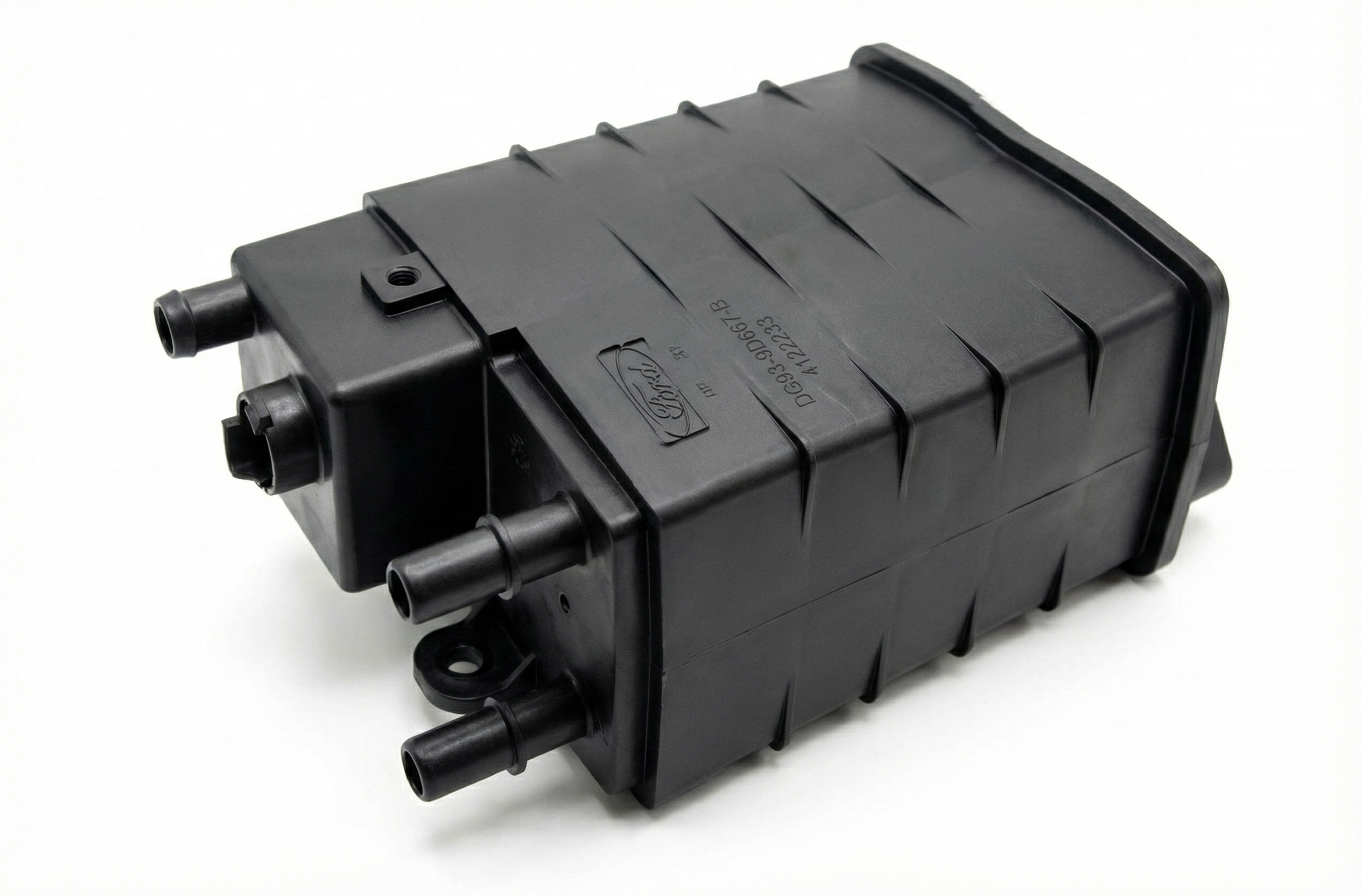
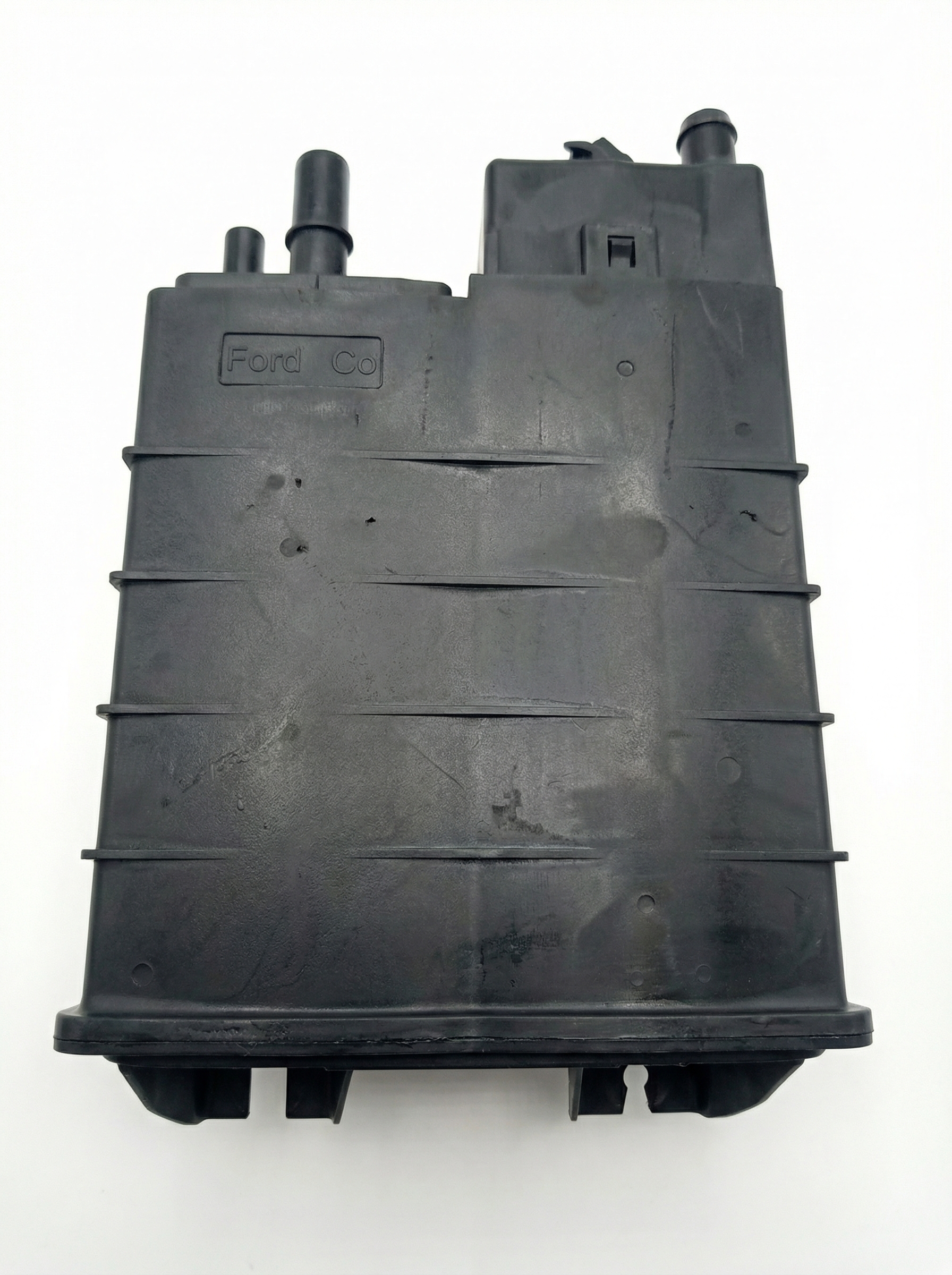
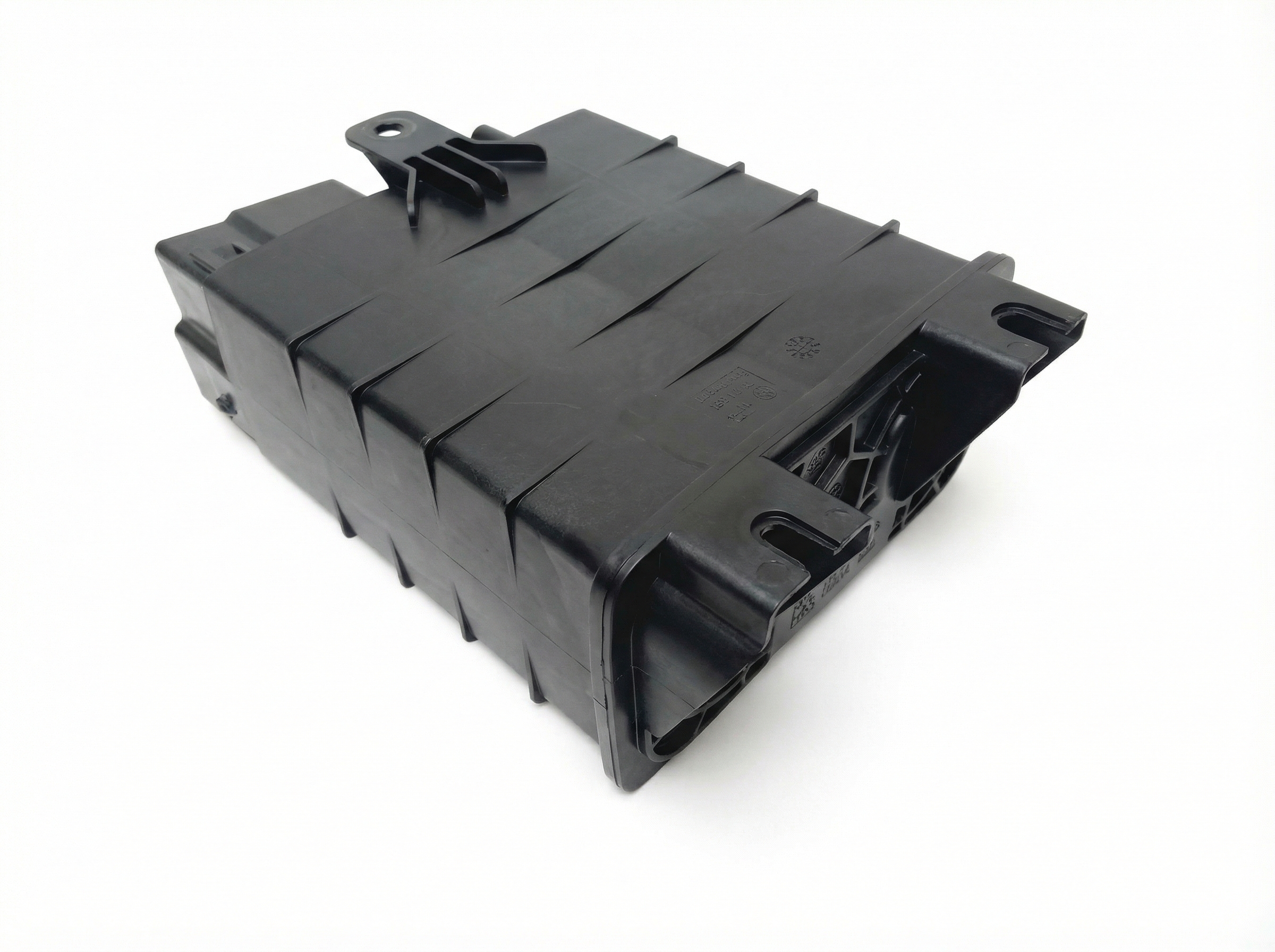
- Cracked Charcoal Canister: Physical damage to the canister body can cause a leak, though this is uncommon without evidence of an impact to the undercarriage.
- Rusted Fuel Filler Neck: In areas with heavy road salt usage, the metal fuel filler neck itself can develop rust holes, creating a small EVAP leak. This would require a smoke test to confirm and replacement of the filler neck assembly.
Diagnosis Steps
- Read the code with an OBD-II scanner to confirm P0456 and check for any other related codes.
- Inspect the capless fuel filler neck for any debris. Use the fuel funnel to cycle the flap a few times to ensure it's seating correctly.
- Clear the code and drive the vehicle for a few days to see if the Check Engine Light returns. If it does, proceed to the next step.
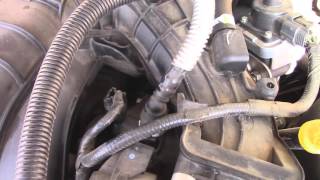
- Locate the canister purge valve on the top of the engine, under the foam engine cover.
- Start the engine. Disconnect the electrical harness and the vapor line from the purge valve. Check for suction at the valve's port with your finger. If vacuum is present, the valve is stuck open and must be replaced.
- If the purge valve test passes, visually inspect all accessible EVAP hoses for obvious cracks or damage.
- If no issues are found, the next step is to have a professional perform a smoke test on the EVAP system to pinpoint the location of the very small leak.
Parts You'll Likely Need
- Evaporative Emission Canister Purge Valve
(OEM #AU5Z-9C915-E (supersedes AU5Z-9C915-D))— This is the most common failure point for this code on this specific vehicle, as identified by Ford in TSB 19-2207. The -E version is the updated replacement part.
Trusted brands: Motorcraft (OEM), Bosch, Dorman
OEM price range: $50-$90
Aftermarket price range: $35-$60
Related Codes That Often Appear With This One
- P1450 — Stands for 'Unable to Bleed Up Fuel Tank Vacuum.' It's frequently triggered along with P0456 by the same faulty purge valve, as noted in TSB 19-2207.
- P0457 — Indicates a 'Large' EVAP leak. While P0456 is for a 'Very Small' leak, a failing purge valve can sometimes cause either code, and both are listed in the same TSB.
- P04EE — Relates to 'EVAP System Very Small Leak Detected (Negative Pressure Side).' This is another specific EVAP code listed in TSB 19-2207 pointing to the purge valve.
- P04EF — Relates to 'EVAP System Very Small Leak Detected (Positive Pressure Side).' Also listed in TSB 19-2207 as being caused by the canister purge valve.
Technical Service Bulletins (TSBs) & Recalls
- TSB 19-2207: States that some 2013-2017 Fusion/C-Max/MKZ Hybrid/Energi vehicles may show a check engine light with P0456, P1450, P0457, P04EE, and/or P04EF due to the sealing capability of the canister purge valve. It supersedes TSB 14-0193.
Platform-Specific Known Issues
- TSB 19-2207 - The Definitive Guide: Ford issued Technical Service Bulletin (TSB) 19-2207 for 2013-2017 Fusion, C-Max, and Lincoln MKZ Hybrid/Energi models. It specifically addresses DTC P0456 (and others like P1450, P0457), identifying a faulty canister purge valve as the likely cause. The official fix involves replacing the valve and reprogramming the PCM, though many owners find success with just the valve replacement.
- Owner Experience: Purge Valve vs. PCM Update: A common topic in owner forums is the necessity of the PCM reprogram recommended by the TSB. Numerous owners on fordfusionforum.com and Reddit report that replacing only the purge valve cleared the P0456 code permanently, saving a trip to the dealer. One user on a Reddit thread for P0456 noted, 'Then I changed the purge valve and undid the battery terminal to reset the computer codes. Now the car runs fine.'
Mechanic-Grade Diagnostic Values
- Fuel Tank Pressure (FTP) Sensor Voltage — expected: ~2.5-2.6 Volts with the fuel cap off (at atmospheric pressure).. Failure: A voltage reading that is significantly skewed from 2.5V at atmospheric pressure can indicate a faulty sensor, causing the PCM to misinterpret the system's pressure and falsely trigger a leak code.
- Canister Purge Valve Solenoid Resistance — expected: 15 to 30 Ohms between the two electrical pins.. Failure: A reading far outside this range (e.g., open circuit or short) indicates a failed electrical coil within the valve, requiring replacement.
- Canister Vent Valve Solenoid Resistance — expected: 12 to 80 Ohms between the two electrical pins.. Failure: A resistance reading outside of this specified range indicates the solenoid coil is faulty and the vent valve assembly needs to be replaced.
- Mode $06, Test ID $81 — expected: The test value should be below the maximum calibrated limit. This is the raw data from the 0.020" (small leak) monitor.. Failure: If the test value exceeds the maximum limit stored in the PCM, it indicates a failure of the small leak test, which then sets the P0456 code.
Scan Tool Commands That Help
- Ford IDS, FORScan, or equivalent professional scanner: EVAP System Leak Test — This is a bidirectional control that commands the EVAP system to seal (closes the vent valve) and uses the purge valve to draw a vacuum. The scan tool then monitors the FTP sensor to watch for vacuum decay. It's used to manually trigger the vehicle's self-test to verify a repair without waiting for a full drive cycle.
- Ford IDS, FORScan, or equivalent professional scanner: Purge/Vent Solenoid On/Off Command — This allows a technician to individually command the purge and vent valves to open or close. This is used to isolate a faulty component; for example, commanding the vent valve closed and then applying smoke to see if the valve is sealing properly.
Wiring & Ground Locations
- Canister Purge Valve Wiring — On the top of the engine, under the foam cover.. A wiring diagram for a 2014 Fusion Hybrid shows the purge valve has two wires: a power supply wire (Yellow-Blue) and a control wire (Violet-Gray) that is ground-side switched by the PCM. Testing for power on the YE-BU wire and a pulsing ground on the VT-GY wire with a multimeter or test light can confirm the circuit integrity.
- G102 — Located on the left front of the engine compartment.. This is a primary ground point for many engine control components. A corroded or loose G102 ground can cause erratic voltage signals for various sensors, potentially including those in the EVAP system, leading to false codes.
Real Owner Repair Stories
- fordfusionforum.com user (2014 Ford Fusion Energi) — Check Engine Light with codes P0456 and P1450.
❌ Tried (didn't work) Replaced the canister purge valve (the most common fix)., Performed a smoke test, which showed no leaks., Took the vehicle to a dealer, who also could not find a leak.
✅ What actually fixed it The owner replaced the Fuel Tank Pressure (FTP) sensor. The original sensor was sending incorrect voltage readings to the computer, tricking it into thinking there was a leak when the system was physically sealed.
"I Checked Everything" — The Actual Cause
- In some cases, a P0456 code can be present even when a smoke test shows no physical leaks. A documented cause for this scenario is a faulty Fuel Tank Pressure (FTP) sensor. The sensor may fail electronically, sending skewed voltage data to the PCM that falls outside the expected range, causing the computer to incorrectly flag a leak. Technicians may miss this because they are focused on finding a physical leak, not an electrical sensor fault.
OEM Part Supersession History
AU5Z-9C915-A, -B, -C, -D→AU5Z-9C915-E (also sold as Motorcraft CX-2695)— The original purge valve design was prone to poor sealing, allowing a small amount of vacuum to leak when the valve was commanded closed. The updated part (-E revision) was redesigned to correct this sealing issue, as documented in TSB 19-2207.
Helpful Videos

Used OEM Parts in Stock

New Aftermarket Parts Available


The information in this article is provided for general reference and educational purposes only. Vehicle specifications, procedures, and part compatibility can vary by production date, trim level, and region. Always consult your vehicle's factory service manual and verify part numbers before purchasing or performing repairs. Safety-critical components such as airbags, seat belts, and braking systems should be installed by a qualified professional.
- Ford FUSION ENERGI:
- 🎬 Helpful Videos
- 🛍️ Shop This Part
- What's Unique About the 2013-2017 Ford FUSION ENERGI
- Diagnostic Flowchart
- Symptoms You May Notice
- Most Likely Causes
- Rare But Worth Checking
- Diagnosis Steps
- Parts You'll Likely Need
- Related Codes That Often Appear With This One
- Technical Service Bulletins (TSBs) & Recalls
- Platform-Specific Known Issues
- Mechanic-Grade Diagnostic Values
- Scan Tool Commands That Help
- Wiring & Ground Locations
- Real Owner Repair Stories
- "I Checked Everything" — The Actual Cause
- OEM Part Supersession History
- 🎟️ Get 5% Off