

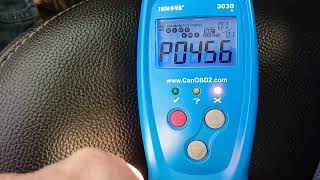
P0456 on 2012-2019 Dodge Grand Caravan: EVAP Small Leak Causes and Fixes
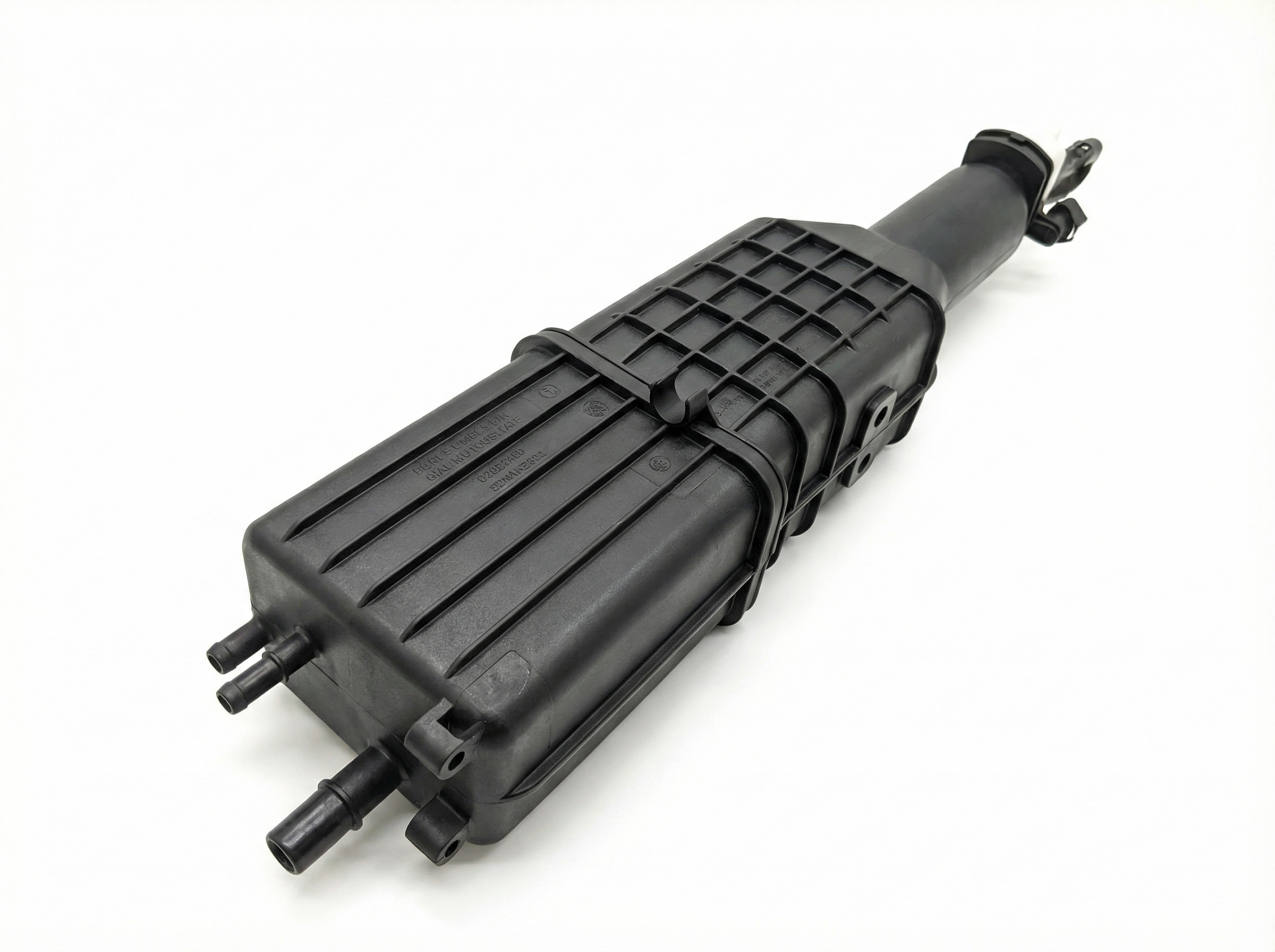
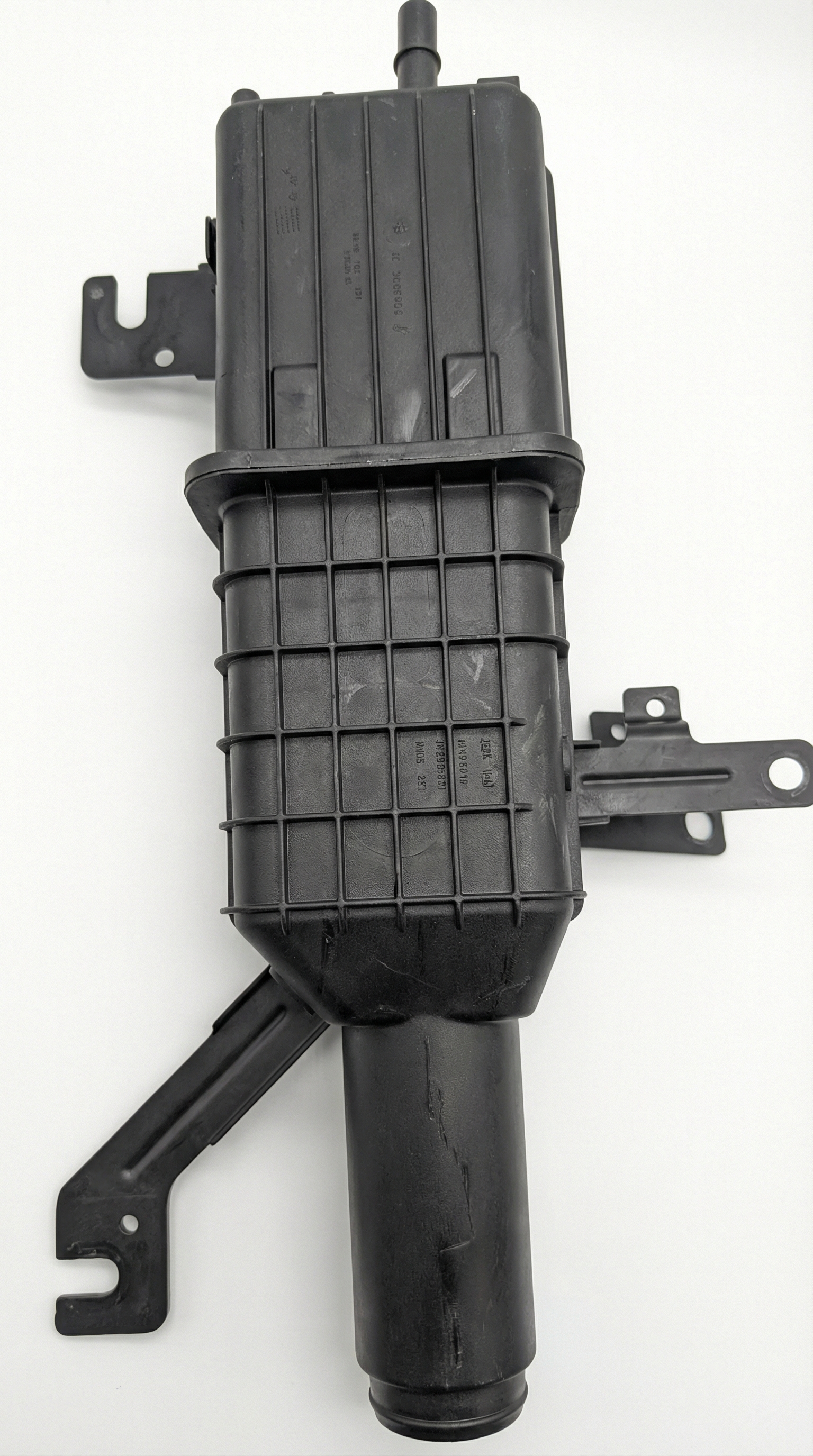
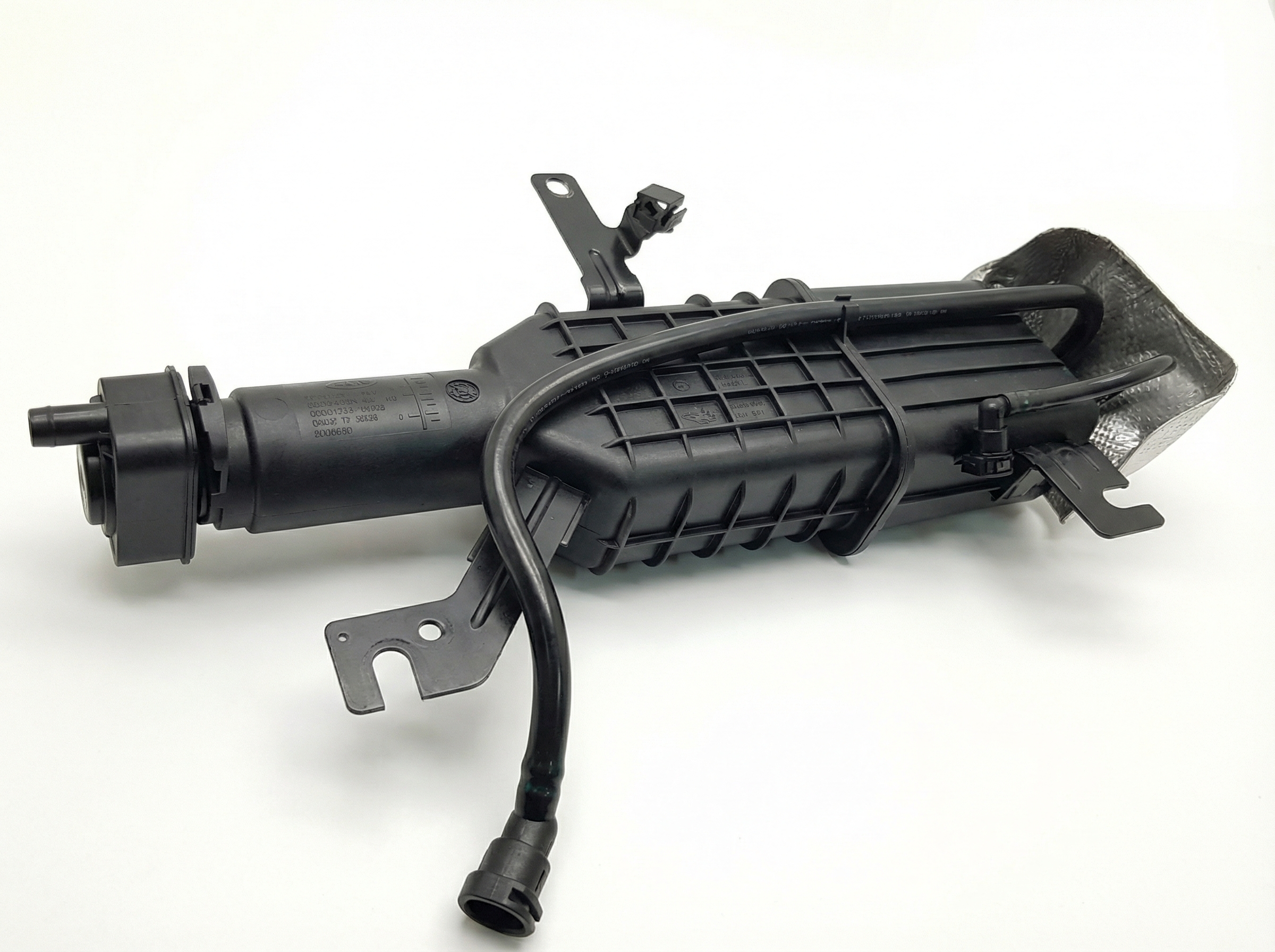
For a P0456 code on a 2012-2019 Dodge Grand Caravan, the most common fixes are tightening or replacing the gas cap, or replacing the EVAP System Integrity Monitor (ESIM) switch on the charcoal canister. These are often inexpensive and simple DIY repairs. Many owners and mechanics recommend replacing the ESIM as a primary step after checking the gas cap due to its very high failure rate on this platform.
- Always check your gas cap first for code P0456. Make sure it's tight and the seal is intact.
- On the 2012-2019 Grand Caravan, the EVAP System Integrity Monitor (ESIM) is the second most likely culprit and is a common, inexpensive DIY replacement.
- Cracked rubber hoses in the engine bay are another common and easy-to-fix issue.
- This code does not affect vehicle safety or performance, but it will cause you to fail an emissions test.
- If simple fixes don't work, a smoke test is the best way to find the leak, but software updates from the dealer could also be the solution.
What's Unique About the 2012-2019 Dodge GRAND CARAVAN

The 2012-2019 Dodge Grand Caravan is part of the fifth generation (RT), which uses an Evaporative System Integrity Monitor (ESIM) for leak detection instead of a traditional vacuum-based method on some older vehicles. This ESIM switch has a well-documented high failure rate and is a very common cause for the P0456 code on this platform, sometimes even more so than a loose gas cap. Chrysler also issued several software updates via Technical Service Bulletins (TSBs) to refine the sensitivity of the leak detection system, indicating it was an area of focus for the manufacturer.
Diagnostic Flowchart

Tap your situation to follow the diagnostic path that matches what you're seeing on this vehicle.
Symptoms You May Notice
- Check Engine Light is on
- A faint fuel smell (in rare cases)
- Failure to pass an emissions test
- Replacing the fuel pump, as the leak is rarely at the fuel pump seal for this specific code.
- Replacing the entire charcoal canister when only the much cheaper and failure-prone ESIM switch has failed.
Most Likely Causes

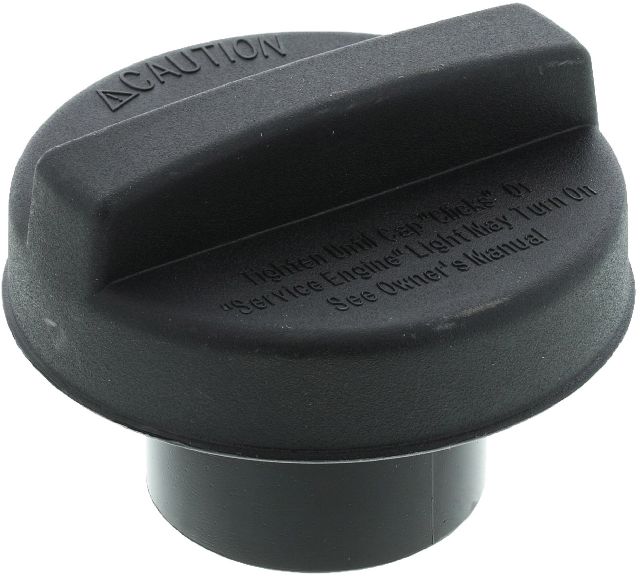
- Loose or Faulty Gas Cap 🔴 High Probability The gas cap is a frequently used part and its seal can wear out over time, preventing the EVAP system from sealing correctly. Aftermarket caps are a notorious source of this code as their seals or threads may not match OEM specifications precisely.
How to confirm: Inspect the gas cap for cracks or damage to the rubber seal. Ensure it is tightened until it clicks at least once. A crucial but often missed step is to clean the metal lip of the fuel filler neck with a cloth or light abrasive pad to remove any grit or corrosion that could prevent a good seal.
Typical fix: Replace the gas cap. It is highly recommended to use an OEM (Original Equipment Manufacturer) Mopar part, as aftermarket caps are a very common cause of persistent P0456 codes.
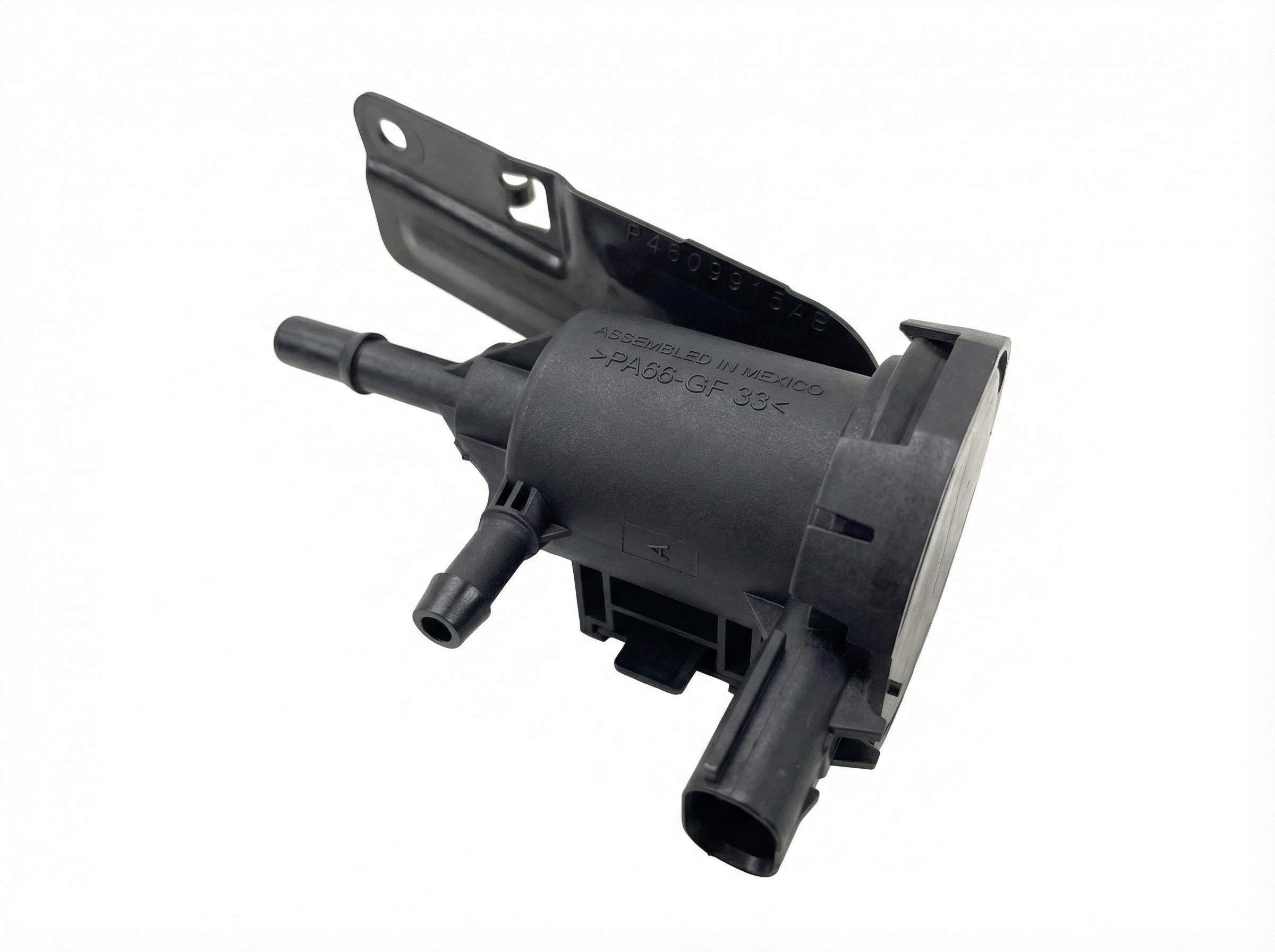
Est. part cost: $15-$35 - Faulty EVAP System Integrity Monitor (ESIM) 🔴 High Probability This specific part, also called a leak detector switch, has a very high failure rate on this platform and across many Chrysler/Dodge vehicles. It can fail internally, causing the computer to believe there is a leak when there isn't one. Mechanics and experienced owners often point to this as the most likely culprit after the gas cap. 🎬 Watch: Why this switch is the most common cause of P0456.
How to confirm: After confirming the gas cap is good, this is the next most likely part. Diagnosis can be difficult without a smoke machine, so many owners and mechanics opt to replace it due to its high failure rate and relatively low cost. A smoke test showing smoke exiting the ESIM confirms its failure. It must be installed vertically to function correctly due to its internal weighted valve.
Typical fix: Replace the ESIM switch. It is located on the charcoal canister near the rear of the vehicle, accessible from underneath. It twists into place 🎬 See this walkthrough on how to replace the ESIM switch. with a quarter-turn motion.
Est. part cost: $25-$50 - Cracked or Disconnected EVAP Hoses 🟡 Medium Probability
How to confirm: Visually inspect all accessible EVAP hoses, especially the small rubber connectors near the purge solenoid in the engine bay and the lines running to the charcoal canister in the rear. These hoses can become brittle and crack over time. A smoke test is the most effective way to find a hard-to-see leak.
Typical fix: Replace the cracked hose or rubber connector. In some cases, a small piece of fuel line can be used to repair a broken connector.
Est. part cost: $5-$50 - Faulty EVAP Purge Solenoid/Valve ⚪ Low Probability The purge valve, located in the engine bay, can get stuck slightly open, creating a constant small leak that the system detects.
How to confirm: With the engine off, the purge valve should be closed. Disconnect the valve and try to blow through it; if air passes, it's faulty. A more advanced test involves applying vacuum with a hand pump to see if it holds. A leaking purge valve will fail to hold vacuum.
Typical fix: Replace the purge solenoid. It is typically located in the engine bay, with one line 🎬 Watch: Step-by-step guide to replacing the purge valve solenoid. going to the intake and another heading towards the rear of the vehicle.
Est. part cost: $25-$60
Rare But Worth Checking
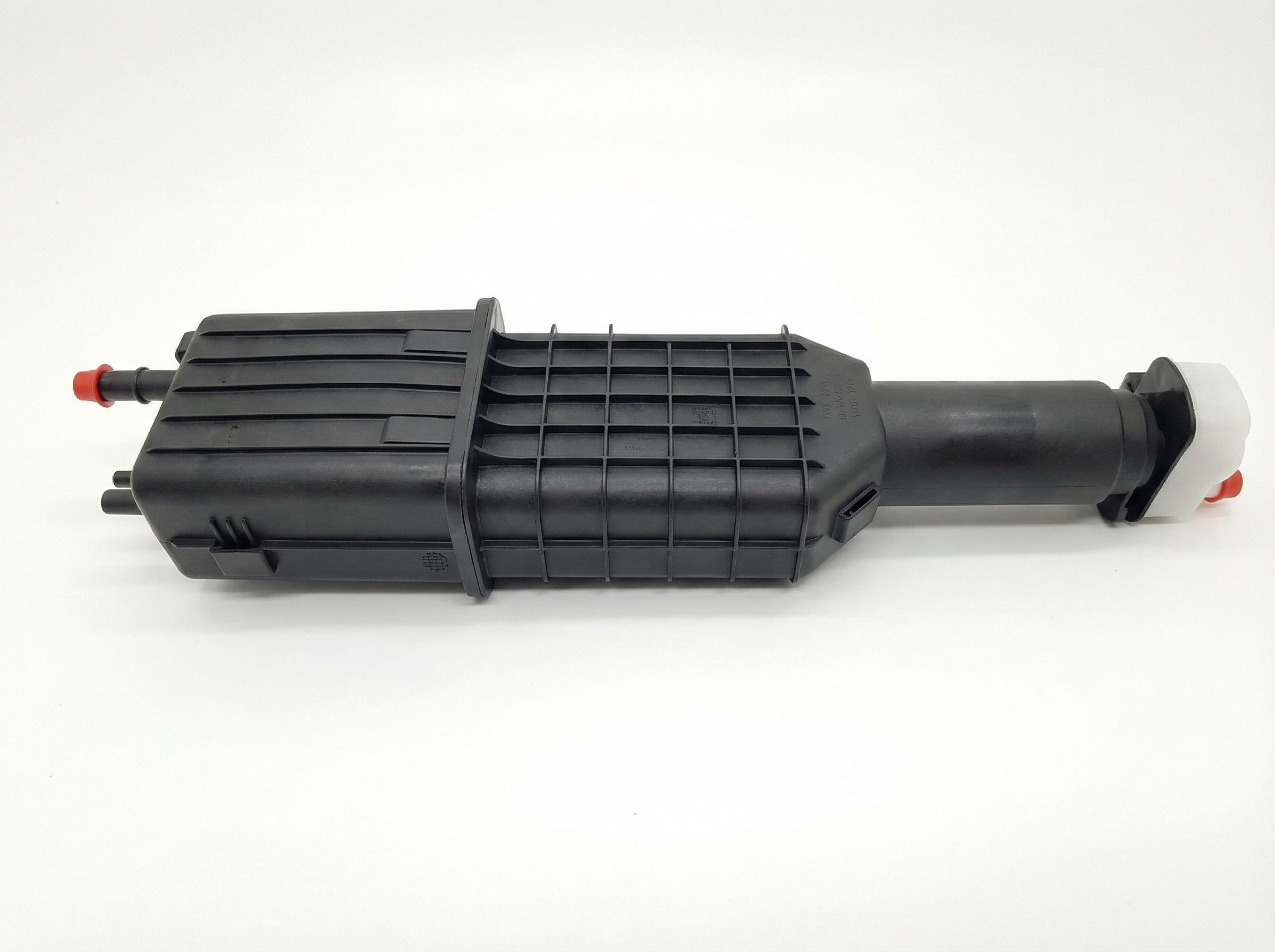
- Cracked Charcoal Canister: The plastic body of the charcoal canister can develop small cracks over time, creating a leak. This usually requires a smoke test to confirm.
- Leaking Fuel Filler Neck: Corrosion or damage to the metal tube where you insert the gas nozzle can prevent the gas cap from sealing properly. In some cases, the entire filler neck may need replacement if it's severely rusted.
- Missing Fuel Filler Flap: On some models, a missing metal flap inside the fuel filler neck was suspected by an owner of causing the code, although this is less likely to be the root cause than the cap seal itself.
- PCM Software Requires Update: Multiple TSBs (e.g., 18-037-17, 18-050-16) indicate that the PCM's software for detecting this code was updated to be less sensitive. If all parts check out, a dealer may need to perform a software flash to resolve the issue.
Diagnosis Steps

- Check the gas cap. Remove it, inspect the seal for cracks, and reinstall it, ensuring it clicks several times. Also, thoroughly clean the filler neck opening where the cap seals.
- Clear the code. Note that the EVAP monitor may take several drive cycles to run again and confirm the fix. On Chrysler vehicles, the code may need to be cleared with a scanner and might not go away on its own.
- If the light returns, visually inspect the EVAP purge solenoid and its connecting hoses in the engine bay for any obvious cracks or loose connections.
- Inspect the area around the charcoal canister and ESIM switch, located near the fuel tank, for any damaged hoses.
- If no visible leaks are found, the next most probable cause is a faulty ESIM switch. Given its high failure rate and low cost, many owners and mechanics choose to replace it at this stage.
- If the problem persists, the next step is to perform a smoke test. This involves injecting low-pressure smoke into the EVAP system (often through the purge valve line) to visually pinpoint the location of the leak.
- If a smoke test reveals no leaks and all components test good, check with a dealership for any available PCM software updates as mentioned in TSBs like #18-050-16.
Parts You'll Likely Need
- Gas Cap
(OEM #5278632AG)— This is the most common starting point for any EVAP leak code. The seal wears out, and using a non-OEM cap is a frequent cause of the code returning.
Trusted brands: Mopar, Stant
OEM price range: $25-$35
Aftermarket price range: $15-$25 - EVAP System Integrity Monitor (ESIM) Switch
(OEM #4861962AD (supersedes 4861962AA, 4861962AB, 4861962AC))— This component has a very high failure rate on Dodge/Chrysler vehicles of this era and is a very common cause of P0456 after the gas cap has been ruled out.
Trusted brands: Mopar, Standard Motor Products, Dorman
OEM price range: $35-$75
Aftermarket price range: $25-$40 - Vapor Canister Purge Solenoid
(OEM #4891735AC)— Can get stuck open, causing a persistent small leak that the system detects. It's a less common failure than the ESIM but still a known issue.
Trusted brands: Mopar, Bosch, Standard Motor Products
OEM price range: $40-$60
Aftermarket price range: $25-$45
Related Codes That Often Appear With This One
- P0455 — Indicates a large EVAP leak. If a small leak (P0456) gets worse, or if a component fails more significantly, it can trigger a P0455.
- P0457 — Indicates an EVAP leak due to a loose or missing fuel cap. This is a more specific version of the leak code that often points directly to the gas cap.
Technical Service Bulletins (TSBs) & Recalls
- 18-050-16: Mentions P0456 - Evap System Small Leak as one of several DTCs addressed by a PCM software update for 2013 RT vehicles (Grand Caravan/Town & Country).
- 1804823: References a specific dealer diagnostic procedure called the Small Leak Verification Test (SLVT) for P0456.
- 18-099-15: Also lists P0456 as a code addressed by a PCM software update, later superseded by TSB 18-037-17.
- 18-037-17: Supersedes previous TSBs and involves reprogramming the PCM to address P0456, among other codes and issues.
Platform-Specific Known Issues
- A high failure rate of the EVAP System Integrity Monitor (ESIM) is well-documented for this vehicle generation. Many mechanics will replace this part based on the code alone after checking the gas cap.
- Manufacturer TSBs #18-050-16, #18-099-15, and the superseding #18-037-17 were released to update the Powertrain Control Module (PCM) software. This can resolve a persistent P0456 code by adjusting the sensitivity of the leak detection monitor if no physical leak is found.
Mechanic-Grade Diagnostic Values
- EVAP Purge/Vent Solenoid Coil Resistance — expected: 20-50 Ohms (general specification). Failure: A reading of infinity (open circuit) or zero (short circuit) indicates a failed solenoid coil.
- Short-Term Fuel Trim (STFT) at idle after repair — expected: Less than 10% (positive or negative). Failure: A high positive fuel trim (e.g., +13% or more) can indicate a lean condition caused by an unmetered air/vacuum leak, which an EVAP leak represents. After a successful fix, this value should return to a lower number.
Scan Tool Commands That Help
- Professional Scan Tool (e.g., Launch, Autel, wiTECH): Forced EVAP Monitor Test / EVAP Leak Test — This function commands the vehicle's computer to run the EVAP self-test. However, on many Chrysler systems, this test is primarily designed to detect large leaks and may pass even when a small leak (P0456) is present. It is more useful for confirming a P0455 repair than for diagnosing a P0456.
Wiring & Ground Locations
- G302 / G303 — Wiring diagrams for 2011-2012 Grand Caravans reference these as key ground points for various systems, including those tied to the powertrain and body controllers. Their exact location is typically under the dashboard or in a kick panel.. A poor ground connection for the PCM or related sensors can cause erratic behavior and false codes. While not a primary cause for P0456, ensuring chassis and powertrain grounds are clean and tight is a crucial step in resolving persistent, hard-to-diagnose electrical issues.
- Engine Mount Ground Strap — Connects the engine/transaxle assembly to the vehicle's chassis, often near the upper engine mount on the passenger side.. This strap is known to break or go missing on Grand Caravans. While it may not directly cause a P0456 code, a missing main ground can lead to a host of unpredictable electrical problems and codes as the engine's electrical components seek a ground path through other, smaller circuits.
Real Owner Repair Stories
- YouTube channel 'It breaks I fix' (2019 Dodge Grand Caravan) — Check engine light with code P0456 and a 'check fuel cap' message on the dash.
❌ Tried (didn't work) Replacing the EVAP System Integrity Monitor (ESIM) switch.
✅ What actually fixed it The vehicle had a non-original, aftermarket gas cap. Replacing it with a new, proper-fitting gas cap resolved both the dashboard message and the P0456 code.
"I Checked Everything" — The Actual Cause
- A professional technician reported on a 2012 Grand Caravan with a recurring P0456 that a full EVAP smoke test revealed no leaks, and the purge valve was manually tested and found to be sealing correctly. Based on experience with the high failure rate of the ESIM on this platform, the technician replaced the ESIM switch, which resolved the code. This indicates the ESIM can fail internally (reporting a leak when none exists) without showing an external leak during a smoke test.
When the Usual Fixes Don't Work
- While the ESIM switch is a very high-probability failure for P0456, it is not the guaranteed cause. In one documented case on a 2019 Grand Caravan, the owner first replaced the ESIM, but the code persisted. The actual root cause was a faulty aftermarket gas cap. Only after replacing the gas cap with a proper OEM part was the issue resolved. This highlights the importance of not skipping the basic step of checking/replacing the gas cap with a quality part before moving to the ESIM.
OEM Part Supersession History
4861962AA, 4861962AB, 4861962AC→4861962AD— Part revisions to improve reliability and performance.
Model Year Variations Within This Range
- 2013-2017: The sensitivity of the P0456 leak detection logic was adjusted via PCM software updates. TSBs like #18-050-16 and #18-037-17 were issued for specific model years within the 2012-2019 range to address persistent P0456 codes where no physical leak could be found, indicating the original software was too sensitive.
Helpful Videos
![2013 Dodge Caravan Evap Leak [P0456 P0455]](https://img.youtube.com/vi/oag3XTZdOYA/mqdefault.jpg)
Used OEM Parts in Stock

New Aftermarket Parts Available


The information in this article is provided for general reference and educational purposes only. Vehicle specifications, procedures, and part compatibility can vary by production date, trim level, and region. Always consult your vehicle's factory service manual and verify part numbers before purchasing or performing repairs. Safety-critical components such as airbags, seat belts, and braking systems should be installed by a qualified professional.
- Dodge GRAND CARAVAN:
- 🎬 Helpful Videos
- 🛍️ Shop This Part
- What's Unique About the 2012-2019 Dodge GRAND CARAVAN
- Diagnostic Flowchart
- Symptoms You May Notice
- Most Likely Causes
- Rare But Worth Checking
- Diagnosis Steps
- Parts You'll Likely Need
- Related Codes That Often Appear With This One
- Technical Service Bulletins (TSBs) & Recalls
- Platform-Specific Known Issues
- Mechanic-Grade Diagnostic Values
- Scan Tool Commands That Help
- Wiring & Ground Locations
- Real Owner Repair Stories
- "I Checked Everything" — The Actual Cause
- When the Usual Fixes Don't Work
- OEM Part Supersession History
- Model Year Variations Within This Range
- 🎟️ Get 5% Off